Types of Printing Services Offered
Printing shops in Singapore provide a diverse array of professional printing services tailored to meet various business, artistic, and personal needs. These establishments leverage cutting-edge technology and industry expertise to deliver high-quality printed materials that adhere to specific standards and specifications. Understanding the different types of printing services available can help clients select the most suitable option for their projects.

Digital Printing
Digital printing is one of the most flexible and cost-effective options for short-run projects, custom printing, and quick turnaround jobs. This process involves directly transferring digital images onto various substrates using sophisticated printers. It is especially popular for producing marketing materials such as flyers, brochures, business cards, and personalized items. Digital printing offers high resolution, vibrant color reproduction, and the ability to easily incorporate variable data for customized outputs.
Offset Printing
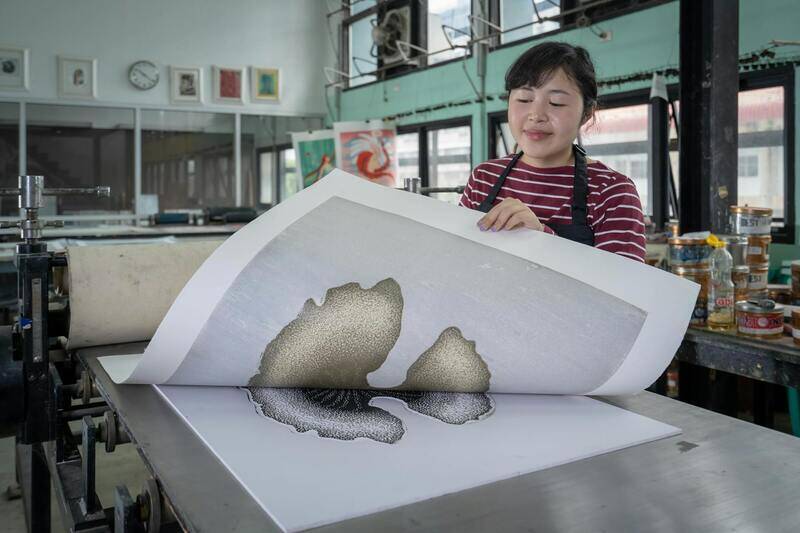
Offset printing remains a preferred choice for large-volume production, delivering consistent quality across extensive runs. This traditional printing method involves transferring ink from a plate to a rubber blanket and then onto paper. Offset printing is valued for its sharp image quality, color fidelity, and efficient output for producing catalogs, posters, packaging, and other large-scale printed materials. The setup process requires more preparation time but benefits from cost efficiency when printing in bulk.
Large Format Printing
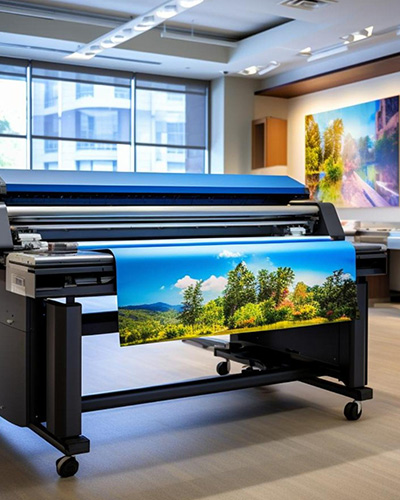
Large format printing caters to applications requiring oversized images or displays. It utilizes specialized wide-format printers capable of producing banners, murals, signage, point-of-sale displays, and trade show graphics. This service is essential for businesses seeking impactful visual communication and branding. Large format printing offers options for various materials such as vinyl, canvas, mesh, and adhesive-backed substrates, ensuring durable and high-resolution outputs suitable for indoor and outdoor use.
Specialized Printing Options
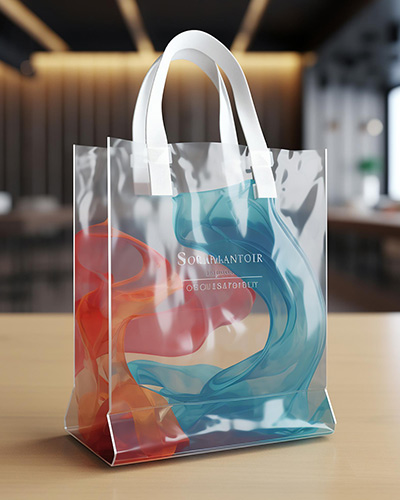
Beyond standard services, printing shops in Singapore often provide niche solutions including 3D printing, embroidery, foil stamping, engraving, and eco-friendly printing strategies. These customized options cater to specific industry needs such as packaging, promotional merchandise, luxury branding, and artistic projects. Access to specialized equipment and expertise enables these shops to deliver innovative solutions that elevate the quality and uniqueness of printed materials.
Types of Printing Services Offered
Within the realm of printing shops, a diverse array of services enables businesses and individuals to find tailored solutions for their specific needs. These services are supported by advanced technology and skilled professionals, ensuring high-quality results for various applications.

Offset Printing
Offset printing remains a popular choice for producing large volumes of print material with consistent quality. It relies on transferring ink from a metal plate to a rubber blanket, and then onto paper or other materials. This method delivers sharp images, precise color reproduction, and cost-effective output for catalogs, brochures, magazines, and packaging. Although initial setup requires detailed preparation, the cost per unit decreases significantly with bulk quantities, making it ideal for high-volume printing projects.
Large Format Printing
Designed for visual impact, large format printing employs wide-format printers capable of handling oversized media. This service is critical for creating banners, point-of-sale displays, murals, and outdoor signage. The use of durable materials such as vinyl, canvas, or mesh ensures that the output remains vibrant and resilient in various weather conditions. Precise color control and high-resolution outputs make large format printing suitable for advertising, event displays, and branding initiatives that need to command attention over expansive surfaces.
Specialized and Niche Printing Services
Beyond traditional offerings, many printing establishments provide advanced options tailored for unique projects. These include:
- 3D Printing – For rapid prototyping, product development, and custom manufacturing
- Embroidery and Textile Printing – Ideal for apparel and promotional merchandise
- Foil Stamping and Hot Stamping – For luxury branding, business cards, and packaging with metallic finishes
- Engraving and Etching – Typically used for awards, plaques, and high-end promotional items
- Eco-Friendly Printing – Utilizes sustainable materials and inks for environmentally conscious branding
The deployment of specialized equipment allows these printing shops to handle complex projects requiring fine detail, innovative finishes, or environmentally sustainable practices. The ability to customize outputs ensures that clients can achieve distinctive results that stand out in competitive markets.

For clients seeking custom solutions, these shops often collaborate closely to develop prototypes, demo samples, and tailored finishes. This comprehensive approach addresses specific industry requirements and elevates the perceived value of the final product.
Variety of Printing Products and Their Practical Applications
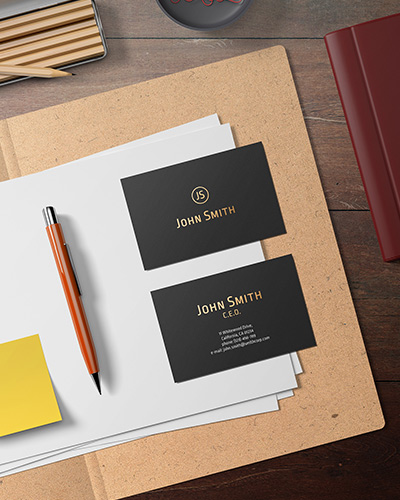
Printing shops in Singapore offer an extensive range of products tailored to meet diverse business and personal needs. Among the most common products are business cards, which serve as essential tools for networking and brand identity. High-quality business cards crafted with premium materials and precise finishes leave a lasting impression on clients and partners alike.
Flyers and brochures are pivotal in promotional campaigns, offering affordable ways to disseminate information about products, services, or upcoming events. Their design flexibility allows businesses to customize layouts, color schemes, and finishes to align with branding strategies.
Posters and display banners are indispensable for advertising and event promotion. Large-format printing ensures these items are vibrant and eye-catching, capable of attracting attention in crowded venues or outdoor environments. They are frequently used in trade shows, product launches, and retail displays to boost visibility and engagement.
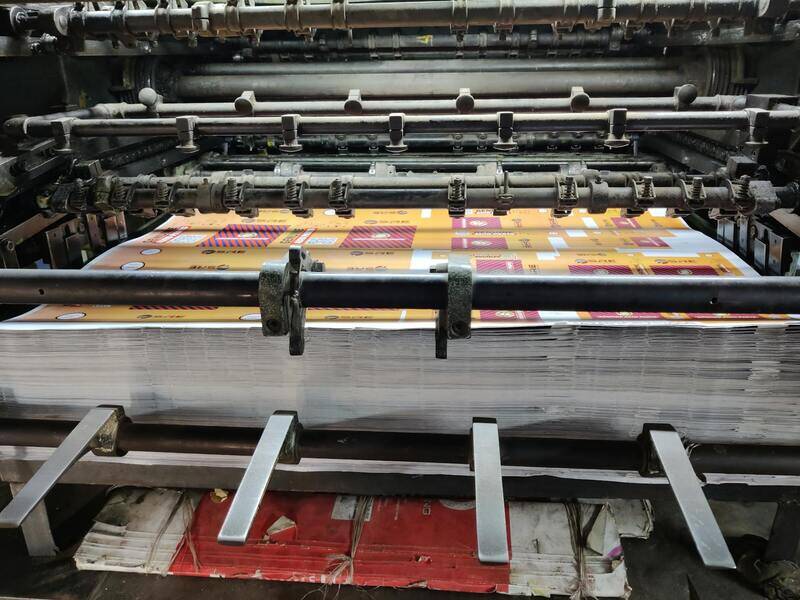
Corporate stationery, including letterheads, envelopes, and presentation folders, reinforces professional branding and consistency across all communication channels. Customized stationery with logo embedding and specific color schemes enhances corporate identity and facilitates brand recognition among clients and stakeholders.
The Significance of Material Quality and Selection
Choosing the right materials is vital for ensuring the durability, appearance, and overall impact of printed items. Premium papers and substrates provide a refined look and feel, reinforcing the credibility of the brand or message. Matte, gloss, and satin finishes are popular options, each offering distinctive textures and visual effects suited to different purposes.
For outdoor signage or items exposed to environmental elements, weather-resistant materials such as vinyl or laminated surfaces are recommended to maintain integrity over time. Conversely, delicate materials like fine art papers or specialty textiles are favored for high-end projects or when a luxurious touch is desired.
Specialized inks, such as metallic or UV coatings, can enhance visual appeal and add a sense of luxury or innovation to printed pieces. Eco-friendly materials are also increasingly popular, aligning with sustainable practices and corporate responsibility goals.
Understanding Cost and Pricing Frameworks
Pricing models vary based on several key factors, including the type of product, material choices, quantity, and complexity of design. Bulk orders generally benefit from bulk pricing discounts, making large campaigns more cost-effective. Additionally, digital printing tends to be more economical for small runs or personalized items, while offset printing is preferable for high-volume, uniform results.
Additional costs might include finishing touches like lamination, embossing, or special coatings, which can enhance the final product but add to the overall expense. Clear communication with service providers about budget constraints and project scope helps in selecting suitable options that balance quality and cost efficiency.
Accessibility and Location of Printing Establishments
Strategic placement of printing shops is crucial for quick turnaround and convenience. Many reputable providers are situated in central or industrial districts, making them easily accessible for corporate clients and walk-in customers. Proximity to business hubs, event spaces, and transportation links facilitates efficient delivery and collection of printed materials.
Digital advancements have also allowed online-based printing services to offer nationwide coverage, enabling clients to submit files remotely and receive products via courier service. This flexibility ensures a seamless experience regardless of physical location.
Streamlining the Order Process and Ensuring Timely Delivery
A straightforward order process typically involves initial consultation, file submission, proof approval, and final production. Clear communication regarding specifications and deadlines is essential to meet project requirements efficiently. Many shops offer online quoting and design review tools, simplifying the process for clients.
Lead times can vary from a few hours for simple digital prints to several days for complex, large-format, or customized projects. Express services are often available for urgent requirements, ensuring that deadlines are met without compromising quality.
Additional Offerings and Value-Enhancing Options
Beyond standard printing, many shops provide supplementary services that add value and personalization. These include die-cutting, mounting, UV varnishing, and custom packaging. Embellishments such as foil stamping or embossing can elevate corporate stationery and marketing collateral, making them more memorable.
Design assistance is also frequently available, helping clients develop compelling visuals that resonate with target audiences. Bulk storage options and inventory management services cater to ongoing branding needs, streamlining workflows and facilitating consistent brand presentation over time.
Importance of Quality and Materials
When selecting a printing shop, the quality of materials used significantly influences the final product's appearance, durability, and overall impression. High-quality paper stocks, specialty finishes, and premium inks contribute to a refined look and feel, ensuring that printed materials stand out and withstand the rigors of handling, display, or environmental exposure.
Different printing projects require specific material considerations. For instance, business cards often benefit from thick, tactile cardstock with matte or gloss lamination, adding durability and a premium feel. Brochures and catalogs, depending on their purpose, might utilize coated papers that enhance color vibrancy and image sharpness. The choice of inks also impacts the longevity of prints, with UV-resistant inks providing better fade resistance for outdoor signage and display graphics.
Finishing options further enhance the aesthetic and structural qualities of printed items. Processes such as embossing and debossing add texture and visual interest, while varnishes or lamination layers protect against scratches, spills, and general wear. Foil stamping offers a metallic sheen that elevates branding elements, making corporate stationery or promotional materials more eye-catching.
Many professional printing shops maintain extensive material libraries, allowing clients to select from a variety of papers, finishes, and special effects suited to their specific needs. Sampling services or Print Proofs are often offered to preview how different materials will perform and appear, ensuring satisfaction before final production begins.
Optimizing material choices is essential for achieving the desired impact of printed assets, whether for corporate branding, marketing campaigns, or personal projects. Skilled printing specialists guide clients through selecting the appropriate substrates and finishes to ensure that the final product effectively communicates the intended message and maintains its integrity over time.
Cost and Pricing Structures
Understanding the cost dynamics of printing services is essential for effective budget planning and project management. Printing shops typically determine their pricing based on several key factors, including the type of printing, the volume of order, material selection, finishing options, and turnaround time. Standard digital printing services often charge per page or unit, while more complex or large-format projects may have custom quotes based on square footage or the intricacy of the design.
Material choice significantly influences the overall expense. High-quality papers, specialty finishes, and premium inks command higher prices but deliver superior durability and visual appeal. For instance, using heavyweight or textured papers for business cards or brochures enhances tactile experience but incurs additional costs. Custom finishes such as embossing, foil stamping, or varnishing also impact the final quote.
To obtain the most competitive pricing, clients should request detailed quotations from multiple providers, specifying their required specifications and expected quantities. Many printing shops offer tiered pricing for bulk orders, which reduces the unit price as order volume increases. It's also advisable to inquire about any additional fees associated with setup, proofs, or expedited services to avoid surprises during the billing process.
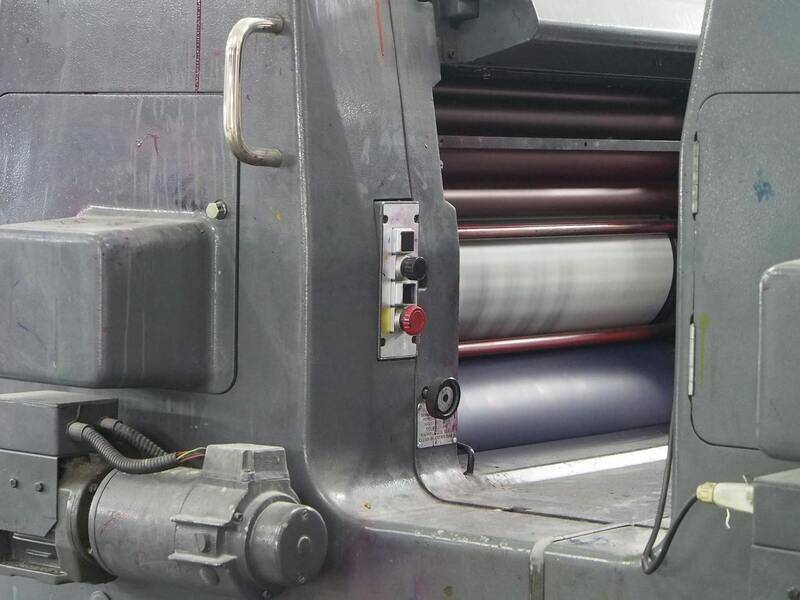
Choosing a printing partner with transparent and straightforward pricing structures ensures clarity from initial quote to final delivery. Reputable shops often provide detailed estimates that encompass all aspects of the printing process, allowing clients to compare options and select services that best fit their budget without compromising on quality.
Types of Printing Services Offered
Printing shops provide a diverse array of services tailored to meet various business and personal needs. These services range from basic document printing to complex large-format projects, each employing specific techniques to optimize the final product. Common offerings include digital printing, offset printing, large-format printing, and specialized finishes that enhance the visual and tactile qualities of printed materials.
Digital printing offers rapid turnaround times and cost-effective solutions for short runs, making it ideal for promotional materials, flyers, and custom items. Offset printing, on the other hand, is suitable for high-volume production requiring precise color matching and high-quality output, often used for magazines, catalogs, and brochures. Large-format printing accommodates banners, posters, and signage that demand expansive graphics with vibrant colors, typically used for marketing campaigns or event displays.

Beyond these core services, many shops offer finishing options such as lamination, binding, mounting, embossing, foil stamping, and varnishing. These enhancements can significantly elevate the end product, making it more durable, visually appealing, and suitable for premium presentation or branding purposes.
Factors to Consider When Selecting a Printing Shop
Choosing the right printing partner involves evaluating several key aspects to ensure quality, efficiency, and value. Reliability is fundamental; selecting a shop with a proven track record and positive client reviews minimizes the risk of delays or subpar output. Technological capabilities also matter, with modern equipment capable of handling intricate designs and high-volume orders while maintaining color accuracy and resolution.
Location plays a crucial role, especially for projects requiring frequent revisions or in-person consultations. Shops situated nearby can streamline communication and reduce delivery times. Conversely, online shops with robust digital platforms provide convenience for remote clients, offering easy quoting tools, file uploads, and customer support.
Experience in handling specific materials and finishing techniques can make a substantial difference in achieving desired results. Therefore, consulting with service representatives about their expertise and available options helps clients align their vision with feasible solutions.
Common Printing Products and Applications
- Business Cards: Elevating brand identity with various finishes and textures.
- Brochures and Flyers: Promoting products/services effectively with vibrant imaging.
- Banners and Signage: Creating eye-catching displays for events and storefronts.
- Posters and Canvas Prints: Enhancing marketing or artistic presentations.
- Labels and Packaging: Custom designs for product branding.
- Booklets and Manuals: Producing comprehensive printed materials for corporate use.
Importance of Quality and Materials
The final impression of printed products heavily depends on material selection and production techniques. High-quality papers and substrates—such as textured, recycled, or heavyweight options—offer durability and a refined tactile experience. For example, using premium matte or gloss finishes can significantly influence how colors appear, with gloss enhancing vibrancy and matte providing a sophisticated, subdued look.
In addition to paper quality, premium inks and specialized finishes contribute to longevity and visual appeal. Embossing or foil stamping can add a tactile dimension, elevating the perceived value of business cards or invitations. Water-resistant or weatherproof materials are essential for outdoor signage or products exposed to elements, ensuring longevity and sustained visual impact.
Cost and Pricing Structures
Pricing models vary depending on the scope and requirements of each project. Commonly, shops charge per unit, with rates decreasing as order quantities increase—a practice known as tiered pricing. For intricate projects requiring unique finishes or materials, custom quotes are typically provided. Factors influencing cost include the choice of substrate, color complexity, size, and added effects like lamination or embossing.
Transparency in pricing is characteristic of reputable shops. Clients are advised to request comprehensive estimates that list all potential fees, including setup charges, proofs, and expedited processing. Planning ahead and consolidating orders can also lead to better pricing, especially when negotiating bulk discounts. Ultimately, balancing cost considerations with quality ensures that printed materials meet both financial and functional expectations.
Types of Printing Services Offered
Printing establishments provide a diverse range of services designed to meet the varied needs of individuals and businesses alike. Common offerings include digital printing, which is ideal for quick turnarounds and small to medium print runs, providing sharp resolution and vibrant color accuracy. Offset printing, suitable for larger quantities, guarantees consistent quality and cost-efficiency, especially for bulk projects. Large-format printing caters to banners, posters, and signage, utilizing specialized inks and substrates to produce eye-catching displays. Additionally, specialty printing services such as foil stamping, embossing, lamination, and textured finishes enhance the tactile and visual appeal of printed materials. These techniques are frequently leveraged in branding collateral, packaging, and premium business stationery to create a memorable impression and boost brand recognition.

Many shops also offer environmentally friendly printing options, incorporating eco-safe inks and recyclable substrates to align with sustainable practices. Specialty services such as UV coating, die-cutting, and lenticular printing further expand the creative possibilities, allowing clients to produce distinctive and innovative materials tailored to specific marketing strategies or event needs.
Factors to Consider When Selecting a Printing Shop
Choosing the right printing partner involves evaluating multiple critical aspects that impact quality, efficiency, and overall project success. First, assess the range of services offered to ensure they can handle your specific requirements. The shop’s expertise with various materials and finishes often correlates with capability and experience in delivering complex projects.
Another key consideration is the quality of their equipment and materials. Reputable printing shops invest in state-of-the-art printers and premium substrates, which directly influence the durability and visual impact of the final product. Client reviews and portfolio samples provide insights into their workmanship and consistency.
Turnaround time is crucial, particularly when deadlines are tight. Discussing lead times beforehand helps prevent delays. Additionally, transparency in pricing and processes indicates a professional establishment committed to client satisfaction. The location and accessibility of the shop also matter; closer proximity reduces transportation costs and simplifies project management.
Finally, consider the available customer support, including design assistance, proofing, and after-service care. A dedicated team that offers guidance ensures the finished product aligns with your expectations and branding standards. Opting for a printing shop with comprehensive services, proven reliability, and strong client communication fosters smoother collaborations and better results.
Common Printing Products and Applications
- Business Cards: Essential networking tools that often feature specialized finishes like matte or gloss coatings, foil accents, or embossed elements to stand out.
- Brochures and Flyers: Promotional materials used for marketing campaigns, requiring high-quality color reproduction and customizable formats.
- Posters and Banners: Large-format printing for events, advertisements, or storefront displays, emphasizing durability and visibility.
- Product Packaging: Custom boxes, labels, and cartons designed to appeal visually while protecting the product.
- Signages: Indoor and outdoor signs utilizing weather-resistant substrates, with options for illuminated or luminous finishes.
- Invitations and Greeting Cards: Personalized cards with intricate designs, specialized papers, and embellishments.
Each product type serves distinct purposes, whether for corporate branding, promotional outreach, or personal milestones. When selecting printing services, understanding the specific application and required specifications ensures the end product meets functional and aesthetic standards.
Importance of Quality and Materials
The enhancement of printed visuals hinges significantly on the materials used. High-quality paper stocks, such as linen, matte, gloss, or textured papers, elevate the tactile experience and impact of printed items. The choice of ink is equally vital; premium inks deliver richer colors, sharper details, and improved resistance to fading and smudging.
Specialized finishes can dramatically influence perceived value. UV coatings provide a glossy, protective layer that resists scratches and moisture, while matte coatings offer a subdued elegance with reduced glare. Embossing or debossing techniques add depth and tactile interest, ideal for highlighting logos or key design elements.
Weather-resistant and waterproof materials are indispensable for outdoor applications like signage and banners, ensuring longevity despite environmental exposure. By prioritizing quality materials, clients can achieve durable, visually appealing print products that leave a lasting impression.
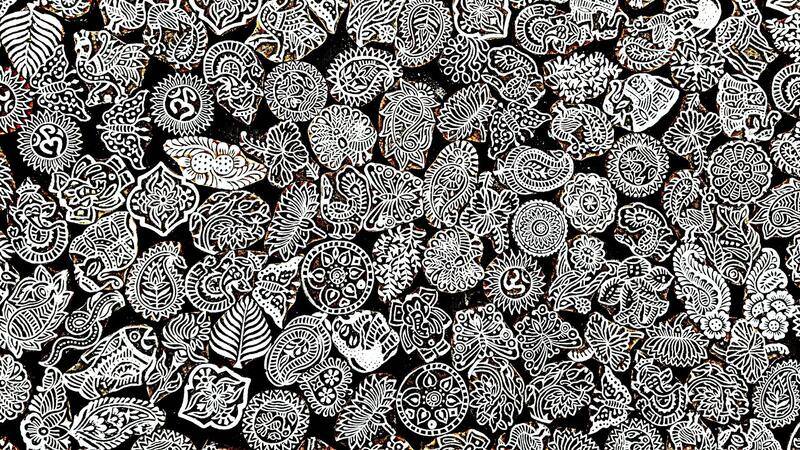
In essence, the selection of materials directly correlates with the longevity, appearance, and overall effectiveness of the final products. A meticulous approach to material choice reflects a commitment to excellence and client satisfaction, underpinning successful print projects across various applications.
Order Process and Turnaround Time
Understanding the order process and expected turnaround time is crucial for effective planning. Reputable printing shops have streamlined procedures that facilitate smooth transactions from submission to delivery. Typically, clients submit their design files through a secure online platform or in-person, ensuring clarity and precision in specifications. Once the artwork is received, a preliminary review is conducted to verify file quality, resolution, and compatibility with printing parameters.
After approval, the production phase begins, during which the chosen materials and printing methods are employed to produce the final product. High-quality shops often utilize advanced equipment that guarantees consistency and speed. The entire process, from printing to finishing touches—such as cutting, folding, or binding—can vary depending on the complexity and volume of the order.
Express services are usually available for clients with urgent needs, offering expedited turnaround times without compromising quality. Customers should inquire about standard and rush options during the quotation phase, ensuring they align expectations with achievable delivery schedules.
Best practices involve clear communication regarding deadlines and potential constraints, as well as tracking options during production. With transparent timelines, clients can plan their promotional activities, events, or product launches effectively, minimizing disruptions and ensuring timely distribution.