

Articles
Full-Service Printing Guide For Singapore
Singapore Print Service is your go-to source for professional printing in Singapore. Whether you need express business cards, large format banners, or detailed brochures — our expert guides help you find the right service at the right price.
- Expert Printing Reviews
- Price Comparisons
- Fast Turnaround Tips
- Quality Guidance
- Singapore-Focused
- Regularly Updated
Content
Satisfaction
Professional Digital
Printing Services
We're Your Guide For Professional Printing
Services In Singapore
We See Solutions Growing For Your Printing Business
It's our mission to provide honest, actionable guidance to help you make informed decisions about the top printing services in Singapore. We regularly compare quality, pricing, and turnaround times. Our team of printing experts ensures our reviews are unbiased.
- ✓ Designed for business owners and individuals seeking quality print services
- ✓ Professional design tips, quality standards, and competitive pricing guidance
- ✓ Quality and accuracy reviews across Singapore's printing industry

Frequently Asked Questions
Find answers to common questions about printing services in Singapore, from choosing the right printer to understanding different printing technologies and pricing.
Contact UsExplore All Printing Categories
Latest Printing Guides
Printing tender submissions and bid proposals in Singapore: hard copies, binding, tab dividers and deadline day
Read More
Workplace safety signs and evacuation plans for Singapore offices and facilities: fire exit maps, hazard labels and WSH notices
Read More
Asset tags and tamper-evident labels for company equipment: barcodes, serial numbers and void stickers
Read More
Product data sheets and sales collateral for B2B teams in Singapore: spec sheets, case study sheets and keeping versions current
Read More
Office signage when you move or renovate in Singapore: reception logos, meeting room signs, glass manifestation and directories
Read More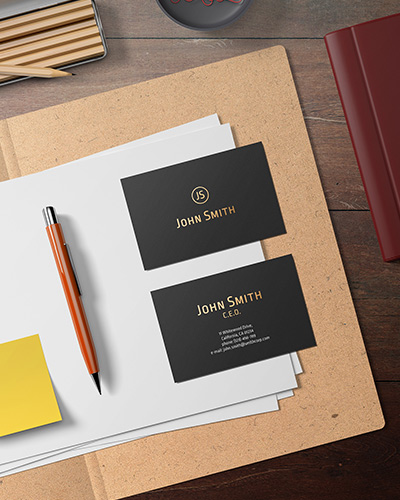
Corporate red packets and Chinese New Year cards: ordering branded hongbao for clients and staff
Read MoreTypes of Printing Services Available
Singhapore offers a variety of printing services for businesses and individuals. You can use these services for marketing, promotions or personal projects. There are digital, offset, large format, and speciality printing options. Each type has different benefits and is best for specific uses.

Singapore's printing industry is one of the most competitive and technologically advanced in Southeast Asia, with providers offering everything from same-day express services to premium specialty finishes.
Digital Printing
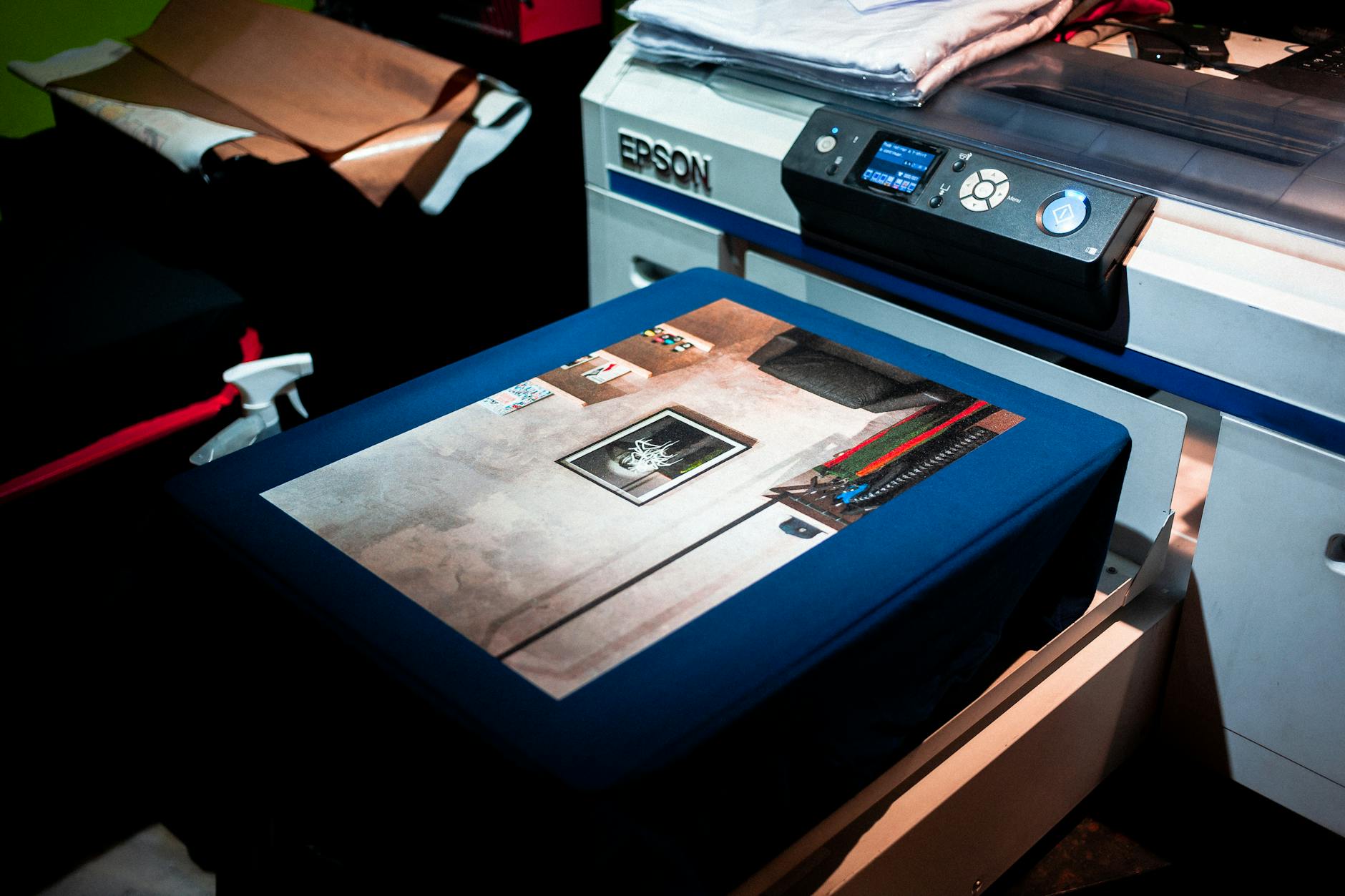
Digital printing is an efficient and versatile method that produces high-quality prints quickly. It's great for smaller batches and allows for quick turnarounds and customization. This printing method is often used for personalized marketing materials, short-run brochures, business cards, and event signage.
Digital printing is a popular choice for personalized marketing and products. Unlike traditional printing, digital printing doesn't require printing plates for setup, so it's more cost-effective for small runs and even single copies.
"Digital printing revolutionized the industry by eliminating minimum order requirements — today, businesses can print exactly what they need, when they need it."
Digital printing technology has come a long way, with modern printers capable of producing high-quality output at resolutions up to 2400 dpi. This allows for sharp text and vibrant images that rival traditional offset printing methods. As the technology continues to advance, new ink types like UV-curable and latex inks are expanding the range of substrates that can be printed digitally.
Digital printing is often more cost-effective for runs under 500 copies. It's great for prototypes, personalized campaigns, and short-run specialty items.
Offset Printing
Offset printing is widely used for high-volume projects like magazines, catalogs, newspapers, and packaging materials. It's cost-effective and produces excellent print quality. The process involves transferring ink from a plate to a rubber blanket, then onto the printing surface.
Offset printing offers a cost-effective solution for large print runs, with the ability to produce high-quality, consistent results. The process requires more setup time initially, but once plates are prepared, the per-unit cost decreases significantly with higher quantities. This makes offset printing the preferred choice for print runs exceeding 1,000 copies. The Pantone Matching System (PMS) integration ensures precise and consistent color reproduction, even for massive print runs.

Commercial offset presses print blisteringly fast, handling newspaper and magazine runs with ease. They can print on coated and uncoated papers, cardstock, and specialty materials, too. With speeds exceeding 18,000 sheets per hour, offset presses are an essential tool for publishers.
"Offset printing delivers unmatched color consistency across high-volume runs — essential for maintaining brand integrity across thousands of printed pieces."
Many businesses in Singapore partner with offset printing specialists for their annual reports, product catalogs, and premium marketing materials that require exact color matching and exceptional print quality.
Large Format Printing
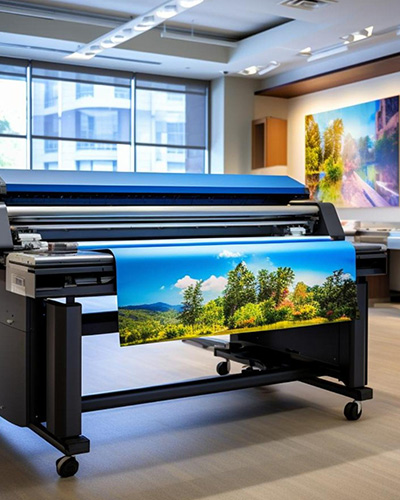
Large-scale visuals are the specialty of large format printing. You can use it for banners, billboards, trade show displays, and wall murals. Wide-format printers can print on vinyl, fabric, and mesh. The vibrancy and sharpness of the images make it ideal for branding and advertising campaigns.
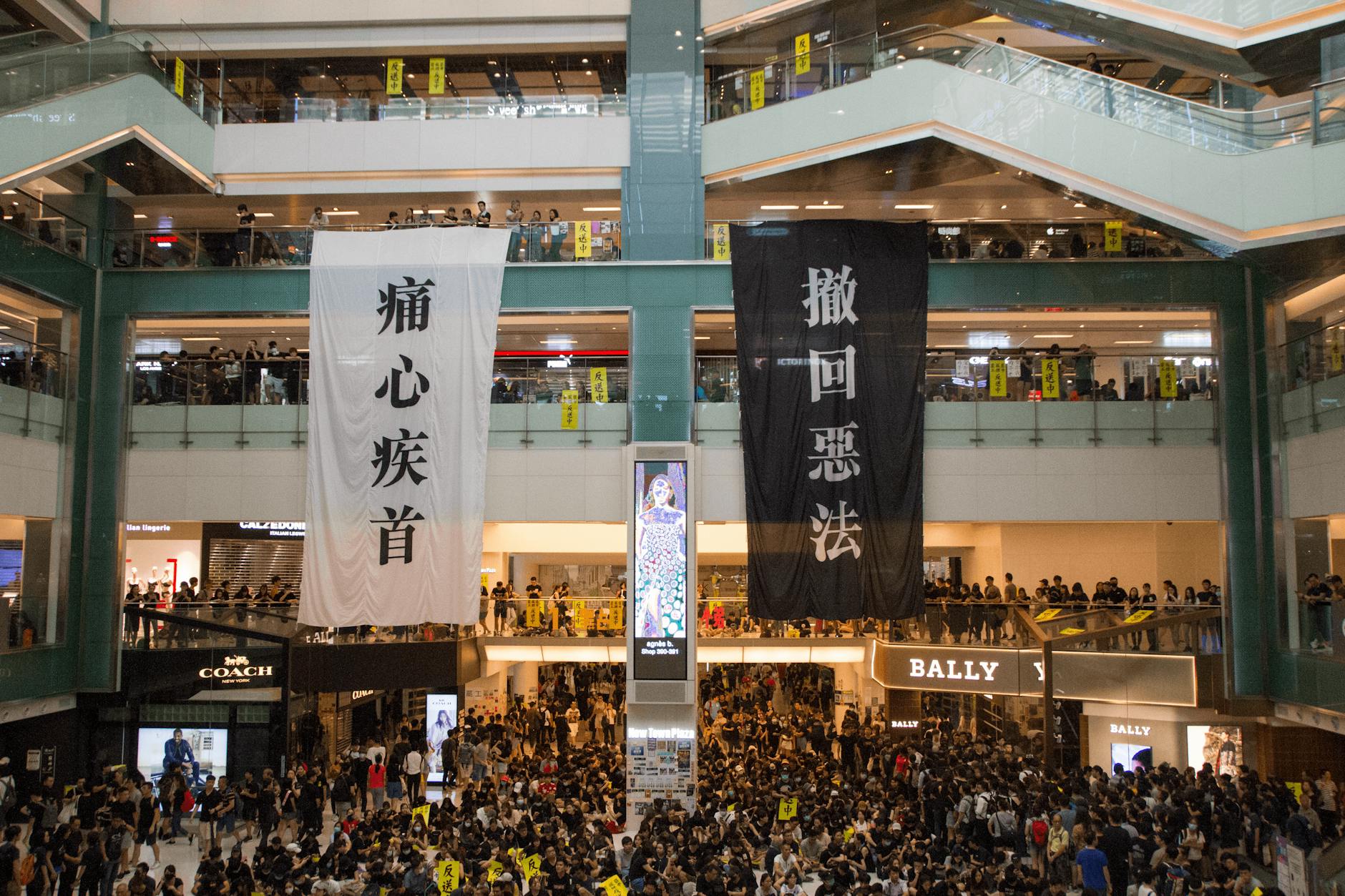
Large format printing allows for massive, eye-catching displays. These printers can produce outputs up to 5 meters wide, enabling seamless building wraps, stage backdrops, and exhibition displays of virtually any dimension. UV-resistant inks ensure outdoor banners retain their vibrancy even under Singapore's intense tropical sunlight.
In Singapore's tropical climate, it's crucial to specify UV-resistant inks and weather-resistant substrates for large format outdoor prints. Standard indoor inks will fade quickly when exposed to direct sunlight and humidity. Make sure to use the right materials and inks for your outdoor projects to ensure they last.
Popular substrates for large format include frontlit and backlit banner vinyl for illuminated displays, mesh vinyl for wind-resistant outdoor banners, and fine art canvas for interior décor and gallery prints. Fabric printing using dye-sublimation produces lightweight, wrinkle-resistant displays ideal for trade shows.
Specialty Printing
UV printing, embossed printing, foil stamping, and textured finishes are specialty printing techniques used to create high-end print products with luxury and distinctive features. These include unique tactile and visual effects. They are often used for premium packaging, invitation cards, business branding, and artistic projects that demand a premium finish and stand-out features.
For high-quality prints that meet professional standards, it is crucial to partner with an experienced printing service. The provider should have a deep understanding of project scope, desired quality, volume, and budget constraints. By carefully considering these factors, the chosen printing method will effectively convey the intended message and visual appeal.
"Specialty printing transforms functional materials into brand experiences — a business card with spot UV and foil stamping speaks volumes before a single word is read."
Screen printing and flexography are two popular printing techniques. Screen printing, which is known for its durability and vibrant colors, is often used for custom apparel, promotional items, and large-scale signs. Flexography, on the other hand, is commonly used in packaging and label printing, especially for flexible materials like plastic and foil. It allows for fast, high-quality reproduction that is well-suited for packaging needs.
Printing Method Comparison Guide
| Printing Method | Best For | Minimum Run | Cost per Unit | Turnaround | Quality |
|---|---|---|---|---|---|
| Digital | Short runs, personalization | 1 copy | Medium-High | Same day | Excellent |
| Offset | High-volume, catalogs | 500+ | Low (bulk) | 3–5 days | Premium |
| Large Format | Banners, signage, murals | 1 piece | Variable | 1–3 days | High |
| Screen | Apparel, promotional | 12+ | Low (bulk) | 3–7 days | High |
| Flexography | Packaging, labels | 1000+ | Very Low | 5–10 days | Good |
| Specialty/UV | Luxury, premium items | 50+ | High | 3–7 days | Premium |
Materials and Finishing Options
Choosing the right printing service often depends on the variety of materials and finishing techniques available to enhance the final product. Standard printing materials include paper types such as gloss, matte, satin, textured, and recycled papers, each offering distinct visual effects and tactile sensations tailored to different projects.
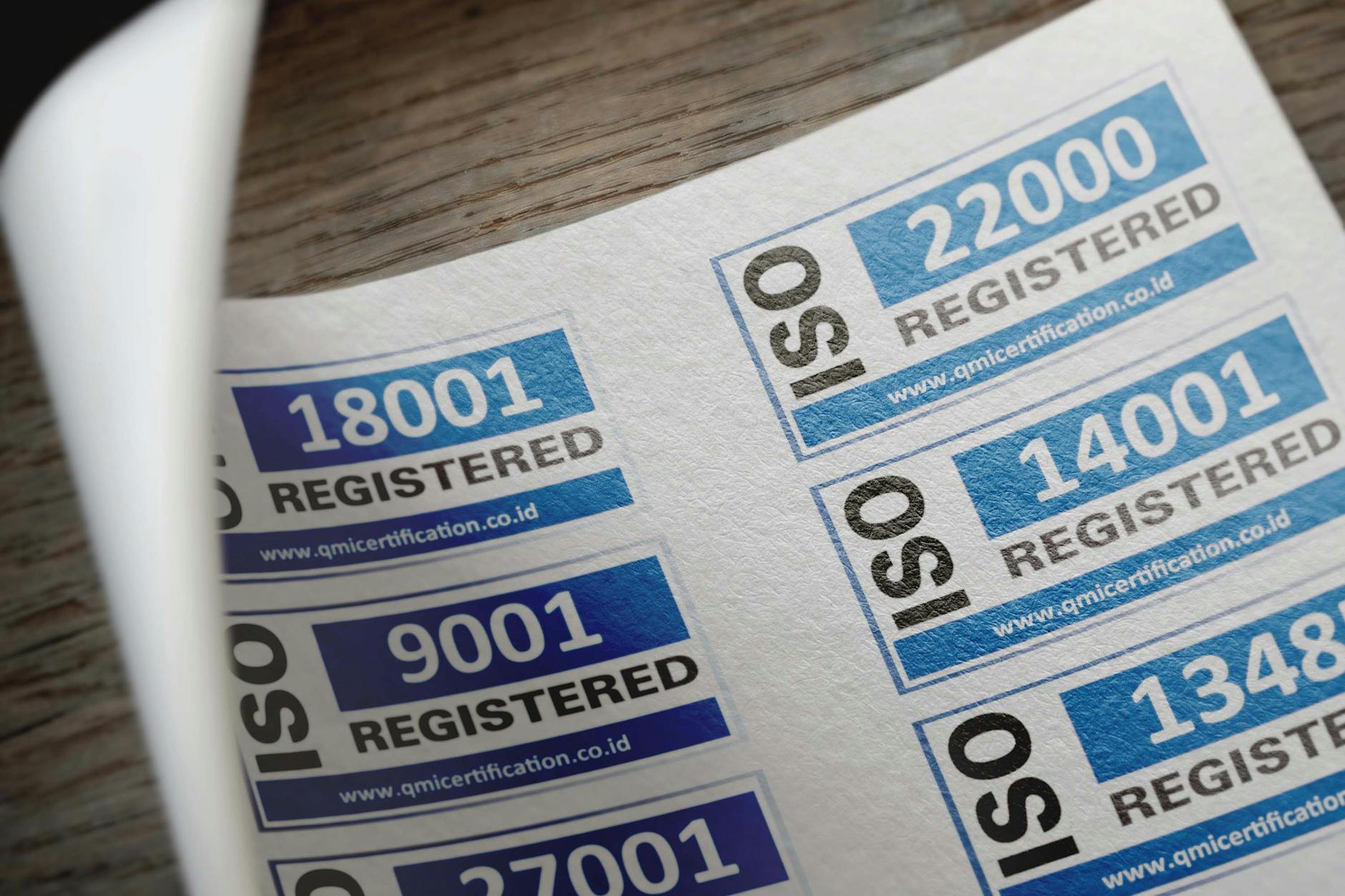
You can use a variety of paper types and finishes to create your perfect printed product. High-gloss papers are excellent for showcasing vibrant product images, while matte papers provide a sophisticated or understated look. For specific projects requiring distinctive visual or tactile effects, consider specialty substrates such as clear films, metallic papers, or textured surfaces.
Finishing options elevate printed materials by adding durability and aesthetic appeal. Common finishes include lamination, which protects against scratches and moisture; UV coatings that provide a glossy, high-shine surface; and spot UV, which selectively highlights certain design elements. Additionally, techniques like foil stamping add metallic accents that give products a luxurious feel, while embossing or debossing creates tactile textures that make items stand out.
Key Finishing Techniques
- Laminating: Adds a protective layer, providing resistance to scratches, moisture, and environmental factors. Ideal for menus, bookmarks, and business cards requiring longevity.
- Spot UV Coating: This adds a glossy or matte finish to specific design elements, creating contrast, depth, and emphasis.
- Embossing and Debossing: Adds raised or recessed textures to logos or patterns, imparting a tactile dimension that enhances brand recognition.
- Foil Stamping: Uses metallic or pigmented foils to produce a luxurious, eye-catching finish suitable for packaging and premium stationery.
- Die-Cutting: Creates custom shapes and contours, allowing for unique branding elements in labels, packaging, or promotional materials.
- Matte and Gloss Varnishes: Provides visual contrasts and surface protection, adding a refined or vibrant touch depending on the selected finish.

Finishing techniques are selected based on the project's specific needs, whether to enhance brand perception, improve durability, or create specific visual effects. When you combine the right materials and finishes, printed items can convey their message effectively and stand out in competitive markets.
By choosing the right substrates and finishing techniques, you can increase the perceived value of your printed materials by up to 40%. This makes investing in high-quality finishes a smart business move for premium brands.
Pricing and Cost Considerations
Understanding the factors that influence printing costs is crucial for effective budgeting and project planning. The price of printing services varies based on several elements, including the volume of copies, material choices, printing method, and finishing techniques. For example, offset printing generally offers a lower per-unit cost for large quantities, whereas digital printing is more economical for short runs and customization.
The cost of custom cabinetry can vary, depending on factors such as materials, finishes, and complexity of design. However, many companies offer quantity discounts for bulk orders, making large-scale projects more affordable. To ensure you get the best value, request detailed quotes from multiple service providers and compare their prices and included features. Before making a final decision, also consider the long-term maintenance requirements and durability of the cabinets, as these may impact the total cost of ownership over time. By doing your research and choosing a reputable cabinet maker, you can be confident that you're investing in high-quality, long-lasting cabinets that will enhance your home for years to come.
"Investing in quality printing is not a cost — it's an investment in your brand's credibility. Poor print quality often costs more in the long run through customer perception damage."
Printing is an art form that balances quality and cost. The best providers can help you find affordable alternatives to meet your project goals without sacrificing quality. When it comes to printing, it's crucial to find the right balance between quality and cost. By collaborating with experienced providers, you can explore cost-effective solutions that ensure your project's success while staying within budget. These professionals can offer valuable insights and alternative options to optimize your resources and create impactful results tailored to your specific requirements.
Request quotes from at least three providers before committing. Specify your complete requirements, including materials, finishing, and turnaround time. Ask about gang printing options, where your job shares press time with others for significant savings.
Common Uses and Applications
Printing services are integral to a multitude of sectors, facilitating brand communication, marketing campaigns, and functional product features. For corporate branding, high-quality business cards, letterheads, and folders rely heavily on premium printing techniques to create confident and consistent brand impressions.

Marketing materials like brochures and posters are designed to catch people's attention and look great. Custom printing on packaging, like cartons and labels, can really help products stand out on store shelves. These items are tailor-made to match your brand's look and feel, and clearly highlight your product's key features and benefits.
Brands and businesses rely on a range of printing services to effectively communicate with their customers. For instance, educational institutions and publishers use offset and digital printing to produce textbooks, workbooks, and promotional materials with efficiency. Event planners often turn to large-format printing to create signage, stage displays, and backdrops that require vibrant, weather-resistant graphics.
Specialized Applications Include:
- Business cards and stationery for professional branding
- Packaging materials for product protection and presentation
- Promotional merchandise such as T-shirts and mugs
- Instruction manuals and technical documents
- Event signage and large-format banners for visibility and impact
- Retail point-of-sale displays and product labeling
- Healthcare labels, prescriptions, and informational leaflets
- Custom invitations, programs, and wedding stationery
In the realm of merchandising, screen printing and direct-to-garment (DTG) techniques have become invaluable tools for retailers and promotional product vendors. These methods allow for customized designs, swift stock replenishment, and the creation of eye-catching point-of-sale displays. Additionally, there is a growing emphasis on sustainability in the printing industry, leading to the adoption of eco-friendly inks and materials that contribute to a greener future.
Choosing the Right Printing Service Provider
Selecting a reliable provider involves assessing multiple factors. Experience and industry reputation often translate into consistent quality and adherence to delivery schedules. An extensive portfolio showcasing diverse project types demonstrates versatility and technical proficiency. Technological capabilities, including advanced printers and finishing equipment, directly impact the quality and range of options available.

Our transparent pricing structures and comprehensive service packages help to establish trust and clarity regarding project costs. Client support and communication, ensuring prompt responses and tailored solutions, are equally vital in a smooth printing experience.
Key Considerations When Selecting a Provider:
- Experience with your specific print type and industry
- Range of available materials and finishing options
- Quality assurance processes and press proofing options
- Customer support, responsiveness, and communication
- Environmental practices and sustainability certifications
- Delivery capability and turnaround time guarantees
- Online ordering and file submission systems
"A great printing partner doesn't just produce your materials — they become a strategic ally who helps elevate your brand communications at every touchpoint."
You should look for a provider with a proven track record for quality, innovation, and customer satisfaction in complex or large-scale projects. Request samples and proofs before committing to large orders to verify that the output meets your quality expectations.
Beware of low-cost printers that don't mention paper weight, print resolution, or finishing quality. Ask for a sample before you order so you don't have to reprint.
Environmental Sustainability in Printing
For businesses seeking sustainable printing solutions, it's crucial to prioritize eco-friendly practices alongside quality. By opting for soy-based or vegetable-based inks, we can significantly diminish harmful emissions compared to conventional petroleum-based inks. Additionally, utilizing recycled paper and biodegradable materials can further reduce our environmental footprint. By making these environmentally conscious choices, we can promote a more sustainable future for both our businesses and the planet.
Your printing partner's commitment to sustainability can significantly impact your brand's environmental footprint. By choosing an eco-conscious provider, you can ensure that your printed materials are produced using environmentally friendly practices, reducing your company's carbon footprint. Look for partners who prioritize sustainable sourcing, use eco-friendly inks and papers, and implement energy-efficient production processes. Many printing providers also participate in certifications and initiatives promoting environmental stewardship. When evaluating potential partners, inquire about their sustainability policies and commitment to reducing ecological footprints. This will help you select a partner that aligns with your corporate social responsibility goals and values.
Singapore's Green Building Council and various industry bodies promote sustainable printing practices. Look for FSC (Forest Stewardship Council) certified paper options and providers with ISO 14001 environmental management certification.
Integrating Printing Services with Digital Marketing
When traditional print marketing and digital marketing work together, the results are greater than the sum of their parts. QR codes, augmented reality, and personalized URLs in printed materials create interactive experiences that drive online traffic. Multi-channel campaigns that combine print and digital marketing enable precise targeting and measurable results.
Integrating print and digital marketing allows for unique promo codes in direct mail campaigns, which can be tracked for response rates. Printed catalogs direct customers to digital platforms for additional content. This approach maximizes efficiency and creates cohesive brand narratives across touchpoints.
"Print is not dead — it has evolved. Today's smartest marketers use print as a physical touchpoint that drives digital engagement, creating measurable, omnichannel customer journeys."
Studies show that consumers who receive both printed and digital materials have a 40% higher purchase intent than those reached through digital channels alone. In Singapore's competitive marketplace, integrating print into your marketing mix provides a tangible advantage that digital-only competitors cannot replicate.
- Singapore offers four primary printing methods: digital, offset, large format, and specialty — each optimized for specific project types and volumes.
- Digital printing is ideal for short runs and personalization; offset printing delivers cost efficiency at high volumes exceeding 500 copies.
- Material selection — from paper weight to specialty substrates — significantly impacts the final product's quality, durability, and perceived value.
- Finishing techniques such as foil stamping, spot UV, lamination, and embossing elevate print materials and strengthen brand identity.
- Always balance cost with quality; cheap printing often leads to poor brand perception and costly reprints.
- Sustainable printing options including FSC-certified paper and eco-friendly inks align with corporate social responsibility goals.
- Integrating QR codes and personalized URLs into print materials bridges the physical and digital divide, boosting campaign measurability.
