Overview of Document Printing Services
Document printing services encompass a broad range of solutions designed to produce high-quality printed materials for both individual and business needs. These services cater to diverse requirements, such as printing official paperwork, marketing collateral, educational materials, legal documents, and personal projects. The process typically involves transferring digital files into tangible printouts using advanced printing equipment and techniques. As the demand for professional-looking outputs increases, so does the importance of selecting the right printing partner that offers precision, consistency, and prompt delivery.
In a business context, document printing services facilitate efficient handling of mass print jobs, including reports, brochures, presentations, and other marketing materials. For personal use, they provide an accessible way to produce custom invitations, photo prints, and academic handouts. Modern printing solutions, coupled with cutting-edge technology, ensure that users receive reliable and sharp results tailored to their specifications. With the rise of digital workflows, print service providers also offer file management, color management, and finishing options that enhance the overall quality and professionalism of printed documents.
Understanding the scope and capabilities of document printing services allows individuals and organizations to make informed decisions that meet both their quality standards and budget constraints. Whether printing a small batch of flyers or producing large-format architectural drawings, professional printing services in Singapore are equipped to handle a variety of projects efficiently and with precision, ensuring that every piece leaves a lasting impression.

Types of Printing Technologies Used
To ensure optimal results tailored to different document needs, professional printing services employ a variety of advanced printing technologies. Each method offers unique advantages suited to specific types of projects, ensuring clarity, color precision, and durability.
- Digital Printing: This technology is highly versatile and ideal for short to medium print runs. It allows for fast turnaround times and customizable prints without the need for plates. Digital printing excels in producing high-resolution images, making it suitable for marketing materials, business reports, and personalized items.
- Offset Printing: Known for its superior quality and efficiency in larger print quantities, offset printing employs plates to transfer ink onto substrates. It provides consistent color reproduction and sharp details, making it the preferred choice for producing brochures, catalogs, and high-volume printing needs.
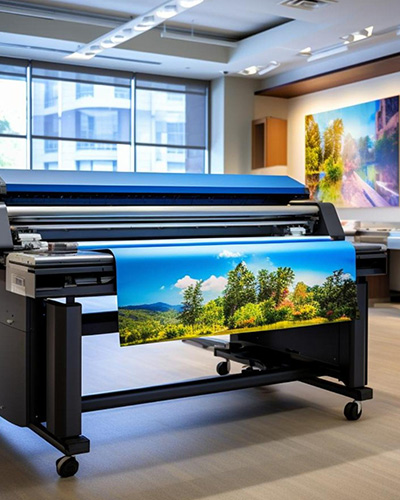
- Large-Format Printing: Specialized for printing banners, posters, and architectural plans, large-format printing uses wide-format printers to produce high-quality visuals on various media types. It supports detailed graphics and vibrant colors, perfect for presentations or promotional displays where visual impact is crucial.

Each technological approach involves specific considerations regarding material compatibility, color fidelity, and print speed. Professional printing establishments often combine different methods within a single project to meet distinct requirements such as durability, aesthetic appeal, and budget constraints. Understanding these technologies enables clients to select the most appropriate service for their project, ensuring the final printout meets expectations in terms of quality and longevity.
Key Features to Consider When Choosing a Service
Choosing the right document printing partner involves assessing several critical features that influence quality, efficiency, and cost-effectiveness. Accurate knowledge of these features helps clients avoid common pitfalls and secure reliable results.
- Print Quality and Resolution: Look for providers who utilize high-resolution equipment capable of rendering fine details and vibrant colors, especially for graphics-heavy documents.
- Turnaround Time: Evaluate the vendor’s capacity to deliver within your timeline, particularly for projects requiring quick delivery or last-minute adjustments.
- Customization and Finishing Options: Consider the availability of binding, folding, laminating, and cutting services that enhance the usability and presentation of printed materials.
- Material Selection: Ensure the service offers a broad range of paper stocks and finishes suitable for different purposes such as professional reports, marketing collateral, or personal projects.
- Cost Structure and Transparency: Transparent pricing models help in budgeting project costs effectively, including potential surcharges for special finishes or large volumes.
- Environmental Practices: Preference for providers with eco-friendly initiatives, using sustainable inks and recycled papers, contributes to responsible printing.
By thoroughly evaluating these features, clients can identify a service provider that aligns with their project specifications, budget, and sustainability values. This strategic approach ensures the production of professionally finished documents that leave a positive impression and meet the highest standards of quality.
Overview of Document Printing Services
Document printing services encompass a comprehensive array of offerings tailored to meet the diverse needs of individuals and organizations. These services are equipped to handle various document types, from simple text pages to complex marketing materials, ensuring that each print job adheres to specified standards of quality and precision. Professional printing providers utilize advanced technology to deliver crisp images, sharp text, and consistent color accuracy, making them ideal for producing high-impact materials such as business reports, promotional brochures, training manuals, and personal projects. Additionally, these services offer a range of finishing options, including binding, laminating, and cutting, to enhance the presentation and durability of printed documents. By leveraging specialized equipment and expertise, document printing services can efficiently process large volumes while maintaining quick turnaround times, all while offering customization options aligned with client preferences and project requirements.

When selecting a reliable printing partner, it is essential to consider the range of services provided, the quality of the finished products, and the ability to meet deadlines. Many providers also prioritize environmental sustainability by adopting eco-friendly practices, such as using recycled papers and biodegradable inks. This commitment to responsible printing aligns with increasing corporate social responsibility standards and environmentally conscious consumer preferences. Whether for corporate, educational, or personal use, choosing the right document printing service ensures your materials are produced to the highest standards, fostering professionalism and effective communication.
Types of Printing Technologies Used
Document printing services utilize a variety of sophisticated printing technologies to achieve optimal results. The two most common methods are digital printing and offset printing, each with its unique advantages suited to different project scales and specifications.
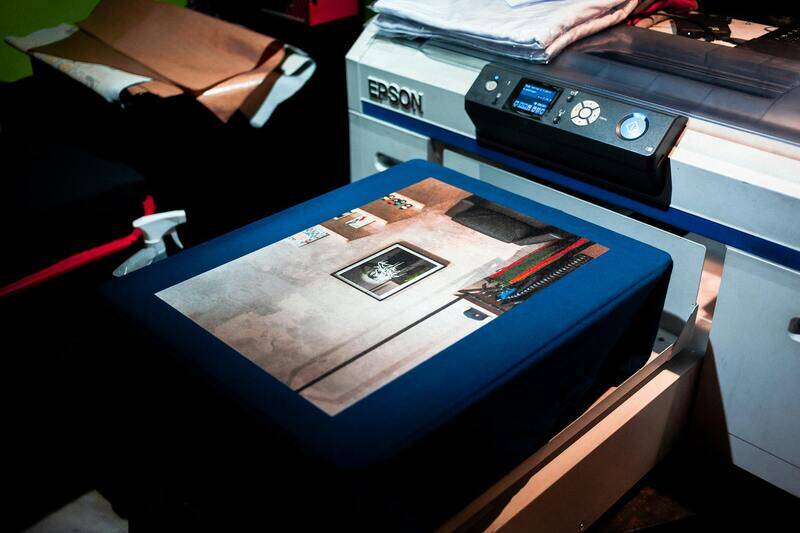
- Digital Printing: This technology uses electronic files directly transferred to digital printers, making it ideal for short runs and quick turnarounds. Digital printers deliver high resolution and vibrant color reproduction, perfect for on-demand printing of marketing materials, reports, or personal documents. The process minimizes setup time and allows for easy customization or variable data printing, which is beneficial for personalized marketing campaigns or tailored communication.
- Offset Printing: Suitable for large-volume projects, offset printing involves transferring ink from plates to rubber blankets before printing onto paper. This method provides superior image quality, consistent color fidelity, and cost efficiency at high volumes. Offset printing is preferred for producing professional-grade brochures, catalogs, and high-volume stationery requiring precise color matching and high-quality finishes.

In addition to these primary methods, some providers also offer specialized techniques such as screen printing for certain applications or eco-friendly digital printing options that reduce environmental impact. The choice of technology depends on factors such as print volume, turnaround time, budget, and desired quality level. Consulting with printing professionals helps ensure the selected method aligns perfectly with your project goals, delivering optimal results efficiently.
Key Features to Consider When Choosing a Service
When selecting a document printing service, evaluating specific features helps ensure that the final product aligns with your expectations and project requirements. It is essential to consider factors such as print quality, turnaround time, customization options, and customer support. High-quality finishing options, including lamination, binding, and coating, can significantly enhance the durability and presentation of your printed materials. Additionally, the ability to handle various document sizes and formats without compromising clarity and color accuracy is crucial for professional results.
Another important aspect is the scalability of the service. Whether you need a few copies or thousands, the printing provider should efficiently manage large-volume orders while maintaining consistency across prints. Flexibility in scheduling and quick turnaround times are advantageous for urgent projects, especially in dynamic business environments. Many reputable providers also incorporate digital tracking systems allowing clients to monitor the progress of their orders in real-time, adding convenience and transparency to the process.
Cost efficiency without sacrificing quality remains a critical consideration. Transparent pricing structures, along with detailed quotations that clearly outline all associated costs, facilitate better budget management. It is recommended to inquire about bulk discounts or package deals for continuous or multiple projects. Moreover, evaluating the provider's ability to offer auxiliary services such as graphic design or print management can further streamline your workflow, ensuring a seamless experience from file preparation to final delivery.
Customer service quality and responsiveness are also vital. A reliable printing partner should provide clear communication channels, expert guidance on technical specifications, and prompt resolutions for any issues that may arise during the process. Testimonials and reviews from previous clients can offer valuable insights into the service provider's professionalism and consistency, helping you make an informed decision.
Lastly, environmentally conscious practices are increasingly beneficial for businesses aiming to reduce their ecological footprint. Providers that adopt sustainable printing methods, use eco-friendly inks, and implement waste reduction strategies demonstrate responsibility and innovation in the printing industry. By carefully considering these features, clients can select a document printing service that not only meets their immediate needs but also upholds quality, efficiency, and sustainability standards.
Overview of Document Printing Services
Document printing services encompass a wide range of solutions designed to transform digital files into physical copies with precision and quality. These services cater to diverse needs, from business reports, legal documents, marketing materials, to educational handouts. Leveraging specialized printing technologies and equipment, professional providers ensure consistency, clarity, and durability in every print job. The scope of these services extends beyond simple copying, often including finishing options such as binding, lamination, and embossing to meet specific project requirements.
Choosing a trusted document printing service involves evaluating not just the output quality but also factors like turnaround time, pricing transparency, and the availability of supplementary services such as graphic design and digital file preparation. Many providers offer tailored solutions for different sectors—including corporate, educational, legal, and creative industries—to support their unique documentation needs.
Types of Printing Technologies Used
Modern document printing services utilize a variety of printing technologies optimized for different purposes. The most common methods include:
- Laser Printing: Known for its speed and high-quality output, laser printing is ideal for bulk document printing requiring crisp text and sharp images. It’s particularly suited for professional documents, reports, and manuals.
- Inkjet Printing: While traditionally associated with photo printing, inkjet technology can also produce detailed graphics and color-rich documents. This method is suitable for printing presentation materials and promotional materials with vibrant images.
- Digital Printing: A versatile printing method that allows for quick turnaround and cost-effective short-run jobs. Digital printing provides flexibility for customized documents, including variable data printing where information can be tailored for each recipient.
- Offset Printing: Suitable for large volume production, offset printing offers exceptional quality and consistency, especially when many copies of the same design are needed. It’s often used for large corporate reports and catalogs.

Key Features to Consider When Choosing a Service
When selecting a document printing provider, several critical features can influence the quality and efficiency of the final product:
- Print Quality: Check for clarity, color fidelity, and finish quality. Request sample prints to verify the output before committing to large orders.
- Pricing Transparency: Ensure the provider offers clear and detailed quotations, outlining costs for different services and quantities. This avoids surprises and helps manage your budget more effectively.
- Turnaround Time: Confirm the provider’s ability to meet your deadlines without compromising quality. Fast turnaround is essential during urgent projects.
- Additional Services: Consider providers that offer finishing options such as binding, lamination, and cutting, along with graphic design and file preparation assistance.
- Environmental Practices: Select providers that adopt sustainable printing practices, including eco-friendly inks, waste reduction strategies, and energy-efficient operations.
- Customer Support: Reliable communication channels and responsive service ensure smoother workflows and quick resolutions to potential issues.

Appropriate Methods for Submitting Your Documents for Professional Printing
When preparing your documents for professional printing services, it's crucial to utilize official and proven methods to ensure a seamless process and high-quality outcomes. These methods help maintain the fidelity of your files and streamline the communication with your chosen provider.
Accepted File Formats
Most reputable printing companies support common and versatile file formats, including:
- PDF (Portable Document Format): The industry standard for print-ready files, ensuring layout, fonts, and graphics remain unchanged.
- EPS (Encapsulated PostScript): Suitable for vector graphics and detailed illustrations.
- TIFF (Tagged Image File Format): Preferred for high-resolution images requiring detailed color accuracy.
- JPEG/JPG (Joint Photographic Experts Group): Suitable for photos, but ensure high-resolution settings to avoid pixelation.
File Preparation Requirements
To guarantee optimal print results, follow these steps when preparing your files:
- Set the correct resolution: Files should typically be prepared at 300 DPI (dots per inch) for high-quality prints.
- Embed or outline fonts: Prevent font substitution or errors by embedding fonts or converting text to outlines.
- Maintain color accuracy: Use CMYK color mode instead of RGB for print files to ensure color fidelity.
- Include bleed margins: Add at least 3mm bleed area to prevent unwanted white borders after trimming.
- Use vector graphics when possible: Vectors provide scalability without loss of quality, essential for logos and diagrams.
Secure and Transmit Files
Utilize secure methods to submit your files to prevent unauthorized access or corruption:
- Encrypted email services or secure file transfer protocols (SFTP).
- Cloud-based file sharing solutions with access controls, such as Google Drive with restricted permissions.
- Dedicated client portals provided by some printing companies for direct upload and order tracking.
Verification and Proofing
After submission, most professional providers offer digital or physical proofs. Carefully review these proofs to verify layout, color accuracy, and overall design before proceeding with the full print run. This step is essential to ensure the final product aligns with your expectations and requirements.
Overview of Document Printing Services
Document printing services encompass a broad range of professional solutions designed to produce high-quality copies of various types of documents. These services cater to individuals, businesses, educational institutions, and organizations requiring consistent, precise, and durable prints. The primary goal is to deliver crisp, clear, and accurate reproductions of digital files, suited for purposes ranging from official reports and legal documents to marketing materials and academic papers. Leveraging advanced printing technology and expert expertise, professional providers ensure that each print aligns with the intended outcome in terms of color accuracy, layout, and finishing details. This consistency is vital for maintaining a professional image and ensuring compliance with organizational standards. Moreover, established printing providers often offer additional services such as binding, lamination, and custom finishing, transforming basic prints into finished products suitable for presentation, distribution, or archival use.

Types of Printing Technologies Used
Understanding the various printing technologies available is crucial when selecting a service that meets your specific requirements. The two predominant methods are laser printing and inkjet printing, each with unique advantages tailored for different types of documents.
- Laser Printing: Known for speed, efficiency, and high-volume print capacity, laser printers use a dry toner powder to produce sharp and precise images. They are ideal for creating professional reports, contracts, and other text-heavy documents that require crisp clarity and quick turnaround times.
- Inkjet Printing: Suitable for high-quality color printing and detailed images, inkjet printers utilize liquid inks sprayed onto paper. This technology is often preferred for marketing materials, presentations, and image-rich documents where vibrancy and subtle color gradations are important.
Additionally, some advanced printing services incorporate digital presses for large-scale, high-resolution printing with variable data capabilities, as well as offset printing for bulk production where cost efficiency is a priority without compromising quality. Each method carries specific settings to ensure accurate color reproduction, sharp text, and detailed graphics, underpinning the importance of selecting a provider with versatile equipment and expertise.

Key Features to Consider When Choosing a Service
Choosing the right document printing partner requires assessing multiple aspects that influence the quality, reliability, and overall value of the service. Several features stand out as essential considerations:
- Print Quality and Precision: High-resolution outputs with consistent color fidelity and sharp detail demonstrate the provider's technical capabilities.
- Turnaround Time: Ability to meet deadlines, especially for urgent projects, without compromising quality.
- Range of Printing Options: Availability of different paper stocks, finishes, and binding services to match project requirements.
- Cost Transparency: Clear pricing structures with no hidden fees, including volume discounts or package deals.
- Customer Service and Support: Responsive communication, thorough pre-press consultation, and post-printing assistance that ensures satisfaction.
- Environmental Practices: Use of sustainable materials, eco-friendly inks, and energy-efficient equipment support responsible printing choices.
- File Handling and Security: Secure methods for file submission, including encrypted uploads or dedicated portals, protect sensitive information during the process.
Types of Documents Commonly Printed
The scope of professional printing services extends to an array of document types, each with specific formatting and finishing needs. These include:
- Business reports and presentations
- Legal documents and contracts
- Academic manuscripts, theses, and dissertations
- Marketing materials such as brochures, flyers, and posters
- Training manuals and instructional guides
- Event programs and invitations
- Archival copies of important records
These diverse document types require tailored treatment, including considerations for paper weight, binding preferences, and finishing options such as lamination or UV coating to enhance durability and aesthetic appeal.

Ensuring Security and Confidentiality in Document Printing
When outsourcing document printing, safeguarding sensitive information is of paramount importance. Reputable printing service providers employ a variety of security measures to protect your data throughout the printing process. This includes secure file transfer protocols such as encrypted uploads via dedicated portals or secure FTP systems, which prevent unauthorized access during file transmission. Additionally, many companies implement internal security policies that restrict access to printed materials only to authorized personnel.
Post-printing security protocols are equally critical. Trusted providers ensure the proper disposal or secure storage of sensitive documents, especially for confidential or proprietary materials. They often have staff trained in handling sensitive information appropriately, coupled with secure storage facilities that limit access to authorized individuals. These measures collectively uphold the integrity and confidentiality of your printed documents, fostering trust and peace of mind in your business operations.
Quality Control and Assurance Measures
Professional document printing services rigorously maintain quality standards through meticulous quality control processes. This includes pre-press checks to ensure files are correctly formatted with appropriate resolutions, color profiles, and margins to prevent errors. During printing, operators monitor a range of parameters such as ink density, paper feed consistency, and color accuracy to ensure each print meets specified standards.
Post-production inspections are conducted to identify any defects, such as misalignments or printing imperfections. Many providers utilize advanced color management systems and calibration tools to achieve consistent color reproduction, especially crucial for marketing materials and branding collateral. Such stringent quality assurance protocols guarantee that every printed document aligns with client expectations and upholds a professional appearance.
Cost-Effective Solutions for Bulk Printing
For projects requiring large volumes of documents, professional printing services offer scalable pricing models that optimize costs without sacrificing quality. Volume discounts are typically available, providing substantial savings for bulk orders. Furthermore, many providers offer package deals that include printing, binding, and finishing services, streamlining the entire process and reducing administrative overhead.
By leveraging economies of scale, clients can benefit from competitive rates for high-volume projects, such as corporate reports, catalogs, or educational materials. Additionally, some providers utilize digital printing technologies that allow for fast turnaround times and cost-efficient small to medium runs, making them suitable for both large-scale and sporadic printing needs.
Long-Term Relationships and Support
Building a partnership with a reliable printing provider ensures ongoing support for your document management and printing needs. Long-term collaborations often lead to optimized workflows, preferential pricing, and tailored services that align with your organizational objectives. Experienced providers also offer continuous consultation regarding material choices, finishing options, and emerging printing technologies, helping you adapt to changing project requirements.
Moreover, established service providers often have dedicated account managers who understand your specific needs, providing proactive recommendations and assistance. This ongoing relationship simplifies project management, reduces turnaround times, and ensures consistent quality for recurring printing tasks, ultimately fostering a seamless experience for your business or organization.