Overview of Printing Services
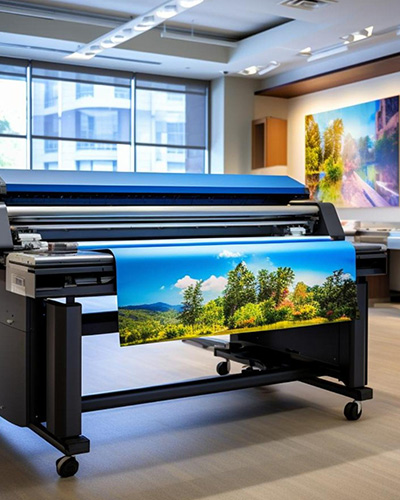
Printing services play a vital role in transforming digital designs into tangible, high-quality outputs that meet diverse needs across business, marketing, and personal applications. Whether producing marketing collateral such as banners, brochures, and flyers or fulfilling individual projects like photo prints and custom invitations, professional print services ensure that these materials are created with precision, consistency, and professionalism. These services are essential for companies seeking to enhance their brand visibility, communicate effectively with clients, and maintain a compelling corporate image. In personal contexts, high-quality printing adds value to memories and special occasions, providing clients with lasting keepsakes and personalized items.
Modern printing services encompass a range of solutions designed to meet various demands, from large-scale, high-volume production runs to small, on-demand jobs. They leverage advanced printing technologies and eco-friendly practices to deliver results that are not only visually appealing but also environmentally responsible. Businesses and individuals alike benefit from the convenience and efficiency offered by professional print providers, who handle everything from initial design input to final finishing and delivery.
Effective printing solutions require meticulous attention to detail, quality control, and adherence to deadlines. Reputable print services utilize high-quality materials, state-of-the-art equipment, and experienced staff to ensure that each project meets the desired specifications. This comprehensive approach supports the creation of marketing assets that resonate with target audiences, as well as personal projects that evoke lasting impressions.

Choosing the right printing services is integral to achieving the intended outcome. It involves assessing the service provider's expertise, technological capabilities, portfolio of past projects, and customer reviews. A professional printing partner offers not only technical excellence but also consultation on optimal materials, finishes, and color management strategies. This ensures that the final product accurately reflects the intended message and branding, reinforcing the importance of selecting trusted providers committed to quality and reliability.

Overview of Printing Services
In today's competitive market, selecting the right print services involves evaluating a provider’s adherence to industry standards, use of advanced technology, and commitment to quality assurance. Trusted providers employ rigorous quality control processes throughout each stage of the printing process to ensure consistent results. This includes pre-press checks, color calibration, and detailed finishing procedures, which collectively contribute to producing polished, professional-grade materials.
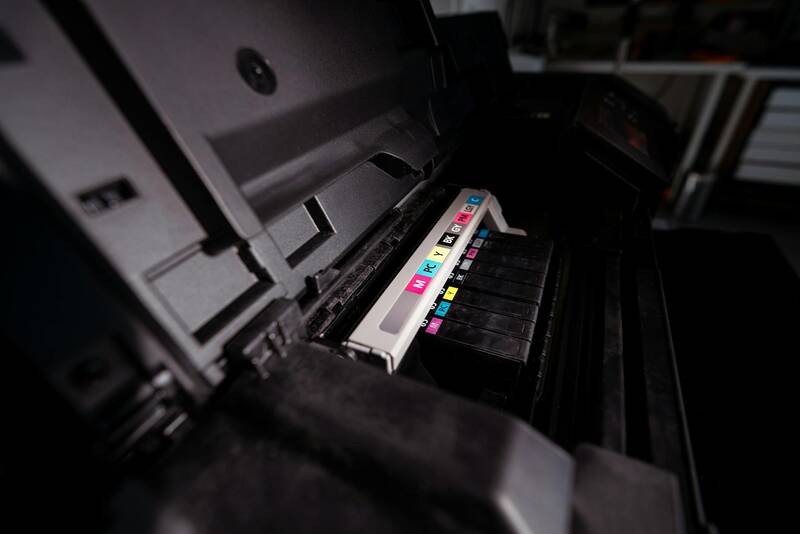
The foundation of reliable print services lies in the combination of skilled craftsmanship and modern technology. High-resolution digital presses, precision offset printing presses, and large-format equipment allow for diverse applications ranging from small business marketing collateral to large-scale banners. A reputable printing provider also maintains strict quality standards, with procedures such as color matching and material calibration, to guarantee that each product aligns with client specifications and expectations.
Comprehensive Service Offerings
- Pre-press Preparation: This phase involves design checks, file formatting, and color correction, ensuring projects are print-ready and meet the desired standards.
- Print Execution: Utilizing advanced machinery, the actual printing process applies precise color reproduction and material handling to achieve sharp, vibrant images.
- Post-press Finishing: Final touches such as cutting, lamination, binding, and coating enhance durability and aesthetic appeal, adding value to the finished product.
- Delivery and Distribution: Many print providers offer logistic services, ensuring that completed projects reach clients promptly and in pristine condition.
Quality Assurance Measures
Maintaining high standards involves continuous staff training, investment in cutting-edge equipment, and strict inspection routines. Color consistency, material integrity, and finishing quality are regularly monitored to meet industry benchmarks, which helps businesses achieve a consistent brand image across all print mediums.
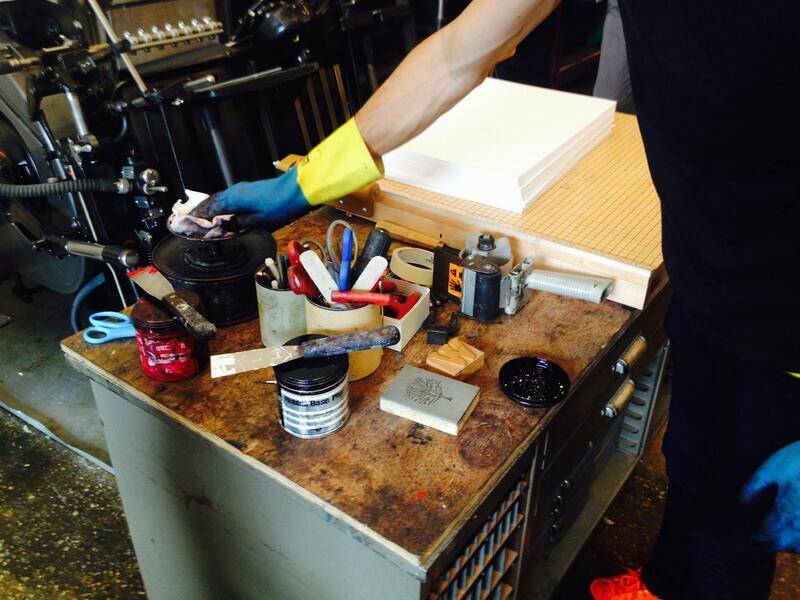
Ultimately, the trustworthiness of a print service provider stems from their ability to deliver reliable, high-quality output that aligns perfectly with project goals. They serve as integral partners in translating creative visions into tangible assets, whether for corporate branding, marketing campaigns, or personal expressions. Ensuring the provider’s capabilities include comprehensive expertise, advanced technology, and unwavering quality control is essential in any successful printing collaboration.
Popular Printing Products
Businesses and individuals often seek specific items that showcase their brand or message effectively. Among the most sought-after print products are business cards, which serve as critical networking tools that convey professionalism and contact information succinctly. Flyers remain a popular choice for quick promotion of events or special offers, usually designed for high visibility and easy distribution. Brochures function as comprehensive informational tools, providing detailed insights about products or services with visual appeal and structured content.
For larger scale advertising, banners and posters are essential. Banners, often made from durable materials, are ideal for outdoor events or storefront promotions, while posters are commonly used within indoor environments to attract attention in various settings, from retail to exhibitions. Promotional merchandise—such as branded pens, mugs, or apparel—complements visual marketing efforts and builds brand recognition beyond traditional print media. These items are often customized with logos, slogans, or unique designs to create lasting impressions among target audiences.

Choosing a Printing Service Provider
Selecting the right provider involves assessing their portfolio, technological capabilities, and reputation within the industry. Clients benefit from verifying the provider’s ability to handle a variety of print formats and materials, ensuring they can meet specific project requirements. It is essential to consider the provider’s quality assurance protocols, turnaround times, and customer service responsiveness. A thorough evaluation of sample works and client testimonials can provide insights into their consistency and overall reliability.
Having access to a broad array of finishing options—such as lamination, embossing, or custom coatings—can also distinguish a capable provider. Providers that demonstrate transparency in their process, from initial design consultation to final delivery, tend to foster more productive collaborations. In addition, the integration of the latest printing technologies ensures that their output remains sharp, vibrant, and durable, aligning with the highest standards of professional print production.

Cost Factors and Pricing Models
Understanding the financial aspects of printing projects involves reviewing various factors that influence pricing. Factors such as print volume, material quality, the complexity of design, and finishing options all contribute to the overall cost. Many providers offer tiered pricing or bulk discounts, allowing clients to optimize expenses for large orders. Transparency in pricing models is crucial, with clear estimates provided upfront to avoid unforeseen costs.
Some providers adopt fixed pricing for standard items like business cards or flyers, while others may employ custom quotes based on specific project specifications. Additional charges might be applied for expedited services or special finishes, which should be discussed at the outset to align expectations. When comparing providers, clients should consider not only the upfront costs but also the value offered in terms of quality, turnaround time, and supplementary services such as design assistance or shipping logistics.

Environmental Considerations
Responsible printing encompasses the use of eco-friendly materials and sustainable practices. Many providers now prioritize recycled papers, soy-based inks, and energy-efficient machinery to minimize environmental impact. Certification programs, such as FSC® or PEFC™, serve as markers of sustainable sourcing, reassuring clients that their projects adhere to environmentally conscious standards.
Eco-friendly printing not only benefits the planet but can also enhance brand reputation among consumers who value sustainability. Implementing waste reduction strategies, such as precise order estimates and optimized print runs, further contributes to a greener operation. Clear communication regarding sustainable practices is essential, allowing clients to select options that align with their corporate or personal values.

Technological Advances in Printing
Recent innovations in printing technology have revolutionized the quality, speed, and capabilities of print services. Digital printing offers quick turnarounds and low-volume runs with high resolution, making it ideal for personalized or customized projects. Offset printing, renowned for its volume efficiency and consistent color reproduction, remains a staple for large-scale production. Hybrid printing combines these methods to maximize flexibility.
Advanced finishing techniques, such as UV coating, embossing, and foil stamping, add tactile and visual appeal that elevate the finished product. 3D printing has also gained traction for creating prototypes and unique promotional items with complex designs. Incorporating augmentation through augmented reality (AR) and QR codes in print materials enhances engagement and interactivity, blending traditional print with digital experiences.

How to Optimize Your Printing Projects
Successful printing projects begin with meticulous planning and clear communication. Clients should provide high-resolution artwork that aligns with the desired output dimensions and color specifications. Understanding material limitations and finishing options helps prevent misaligned expectations. Collaborating closely with the printing provider during the pre-press phase ensures that design adjustments can be made to optimize print quality and cost-efficiency.
Choosing standard sizes and formats can reduce waste and lower costs, while inventorying key branding elements in reusable templates streamlines future projects. Proofing services—either digital or physical—allow for final quality checks before mass production, preventing costly revisions post-printing. Lastly, timing order placements well in advance accommodates lead times and ensures timely delivery, especially during peak periods or for large campaigns.
Ensuring Secure and Authentic Printing Methods
To guarantee the integrity and quality of your printed materials, it is essential to collaborate with service providers who utilize secure and certified printing processes. Such providers adhere to strict industry standards that emphasize consistency, color accuracy, and durability, ensuring your brand's visual identity remains consistent across all print runs. Engaging with companies that follow established procedures minimizes the risk of discrepancies, misprints, or compromised output, which can adversely affect your marketing efforts or brand reputation.

Utilizing Certified Materials and Technologies
Working exclusively with providers that use certified printing materials not only enhances the longevity and appearance of your prints but also aligns with best practices for quality assurance. Certification indicates that materials meet specific industry standards regarding safety, environmental impact, and print performance. This commitment to quality ensures that your printed products are produced using environmentally responsible processes while achieving the desired tactile and visual effects.
Modern printing technologies, such as UV printing, latex printing, and eco-solvent printing, are designed to deliver superior output with enhanced color vibrancy and durability. Selecting a provider with access to these advanced technologies allows for a broader range of creative options and ensures your projects remain at the forefront of innovation in print quality and sustainability.

Verifying Authenticity in Print Materials
Authenticity measures such as holographic stamps, QR codes, and tamper-evident labels are vital components in safeguarding the genuineness of your printed assets. Incorporating these features deters counterfeiting and unauthorized reproductions, ensuring that your branded materials are recognized as official and trustworthy. Choosing a printing partner experienced in implementing these security features guarantees effective differentiation of authentic print products from imitations.
Additionally, high-security printing options include encrypted digital signatures embedded within the print, digital watermarks, and serial numbering, all of which facilitate tracking and verification processes. These measures are crucial when producing high-value, sensitive, or exclusive print items that require stringent integrity checks at various stages of the supply chain.

Ensuring Authenticity and Security in Print Materials
Maintaining the integrity of your printed assets is paramount, especially when dealing with high-value, sensitive, or branded materials. Employing official and recognized methods to verify authenticity not only safeguards your brand reputation but also prevents potential misuse or counterfeiting. One effective approach involves integrating security features directly into the printing process, which serves as a reliable safeguard against unauthorized reproduction.

Security Elements in Official Printing
- Holographic Stamps: These are difficult to mimic and serve as visual indicators of authenticity, often used on official documents, certificates, and certificates of authenticity.
- QR Codes and Barcodes: When integrated properly, these codes can be scanned to validate details in real time, linking directly to databases that confirm their legitimacy.
- Tamper-evident Labels: Designed to show visible signs of tampering if alteration attempts occur, thereby protecting sensitive information from unauthorized access.
- Embedded Digital Signatures and Watermarks: These features are incorporated during printing to serve as digital proof of authenticity. Digital signatures can verify the origin of the print, while watermarks authenticate the material visually or through specialized scanners.
Tracking and Verification Measures
To facilitate ongoing authenticity verification, serial numbering and unique identifiers are often printed onto each item. This systematic approach allows for tracking throughout the product lifecycle, from production to distribution, ensuring that the product remains genuine. Secure databases linked with printed serials or QR codes can provide instant confirmation of a product's authenticity, combating counterfeit circulation effectively.

Working with Experienced Printing Partners
Partnering with a printing provider skilled in security and verification features ensures your print products are fortified against counterfeiting and unauthorized copying. These professionals are familiar with the latest security techniques and can customize solutions based on your specific needs. Whether producing corporate documents, certificates, or branded promotional items, engaging a reputable service guarantees that your printed materials meet recognized standards for authenticity and security.
Conclusion
Implementing official methods such as holographic elements, digital signatures, secure serial numbering, and tamper-evident labels elevates the authenticity of your printed products. These measures establish trustworthiness, deter counterfeiting, and bolster the perceived value of your brand assets. When selecting a printing partner, ensure they employ proven security features and verification processes to maintain the integrity and authenticity of your print materials at all times.
Cost Factors and Pricing Models
Determining the cost of printing services involves a range of factors that influence the final price. One of the primary considerations is the type of printing technology used, which can range from traditional offset printing to modern digital printing methods. Offset printing is generally more cost-effective for large-volume runs due to its setup costs being spread over many copies, making it ideal for bulk orders such as catalogs or book printing.
Digital printing, on the other hand, offers cost advantages for smaller quantities and short turnaround times, as it requires less setup and allows for quick changes in design without significant additional costs. This flexibility makes digital printing suitable for personalized marketing materials, short-run brochures, and on-demand printing services.
Volume is a significant determinant of price, with larger orders usually receiving discounts, owing to the economies of scale achieved during production. Additionally, the choice of materials, such as paper quality, coating, or specialty finishes, can significantly impact costs. Higher-grade or textured papers typically increase expenses, but they also add perceived value to the final product.
Complexity of the job plays a crucial role as well. Multi-color printing, intricate designs, or special finishing effects like embossing or UV coating require additional setup, labor, and materials, which drive up costs. For projects that demand precise color matching or color consistency across multiple prints, costs can further increase due to the need for advanced calibration and quality control processes.
Pricing models usually include options such as per-unit cost, bulk discounts, or tiered pricing depending on the volume ordered. Some providers offer bundle packages that combine services like design, printing, and delivery, providing convenience and cost savings for clients with comprehensive needs.

Additional expenses to consider involve customization requests such as foil stamping, die-cutting, or lamination. These finishing touches enhance the aesthetics and durability of printed materials but require specialized equipment and materials, affecting the overall budget. Transparent communication with your printing provider about your budget constraints and expectations allows for better planning and alternative suggestions to optimize costs without compromising quality.
It is equally important to factor in delivery and turnaround time. Urgent requests often attract premium charges due to expedited production and shipping. Planning ahead and providing accurate project specifications can help in obtaining precise quotes and avoiding unexpected expenses.
In summary, a comprehensive understanding of these diverse pricing components ensures a balanced approach to your printing investments. Partnering with an experienced printer will enable transparent negotiations and tailored solutions that align with your budget while meeting your quality standards.
Overview of Printing Services
Printing services encompass a wide array of solutions designed to transform digital designs into tangible, high-quality printed materials. These services are essential for businesses, organizations, and individuals seeking professional-grade outputs for marketing, branding, personal projects, or official documents. Reputable printing providers invest in state-of-the-art equipment and adhere to strict quality control measures to ensure consistent results that meet client expectations. The breadth of printing services available today allows for customization across various formats, sizes, and finishes, providing a versatile platform for creative and functional applications.
Types of Printing Offered
Modern print providers typically offer several core types of printing, each suited to specific project requirements:
- Digital Printing: Ideal for short runs and quick turnarounds, digital printing delivers high-quality images directly from digital files. It is cost-effective for small quantities and allows for on-demand customization.
- Offset Printing: Suitable for large volume orders, offset printing provides exceptional color accuracy and sharpness. It involves transferring ink from plates to a rubber blanket before printing onto the substrate, ensuring consistency across vast quantities.
- Large Format Printing: Designed for banners, posters, and signage, this type of printing handles wide media sizes with vibrant color reproduction, perfect for outdoor advertising and visual displays.
- Screen Printing: Commonly used for apparel and product labeling, screen printing allows for durable prints on various substrates by forcing ink through a mesh stencil.
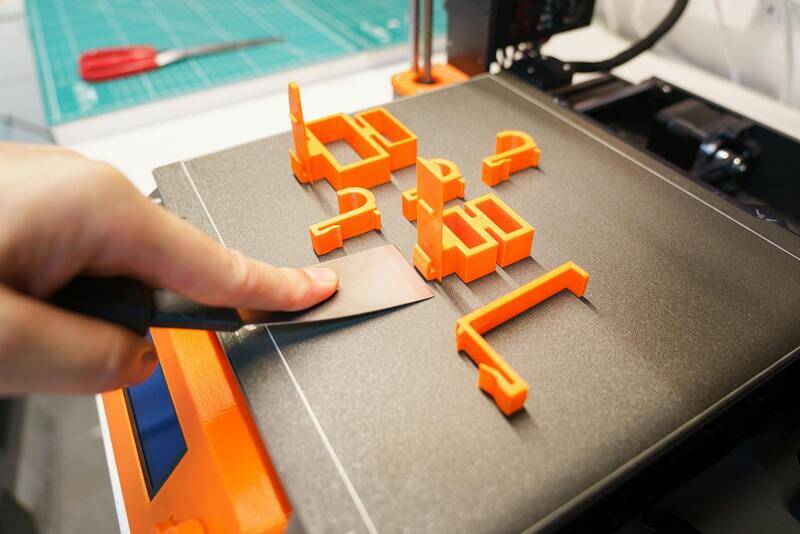
- 3D Printing: An innovative technology that creates three-dimensional objects from digital models, suitable for prototypes, product models, and novelty items.
Popular Printing Products
The product spectrum in professional printing services is broad and caters to diverse needs, including:
- Business cards with custom finishes and textures
- Brochures and flyers for marketing campaigns
- Posters and banners for events and advertising
- Packaging materials such as boxes and labels
- Stationery items including letterheads and envelopes
- Promotional items like branded merchandise and apparel
Choosing a Printing Service Provider
Selecting the right printing partner involves evaluating several key factors. It is essential to consider the provider’s portfolio of past work and their ability to handle specific project requirements. Transparent communication regarding deadlines, project scope, and budget helps establish a productive working relationship. Additionally, access to advanced technology and a variety of finishing options can significantly influence the quality of final products. Reading client testimonials and seeking recommendations can also guide decision-making, ensuring that your chosen provider consistently delivers high-standard results aligned with your expectations.
Cost Factors and Pricing Models

The cost of printing services is driven by several elements, including the choice of materials, the volume of prints, and the intricacy of design features. Pricing models usually include options such as per-unit cost, bulk discounts, or tiered pricing depending on the volume ordered. Some providers offer bundle packages that combine services like design, printing, and delivery, providing convenience and cost savings for clients with comprehensive needs.
Understanding the various pricing factors helps in making informed decisions about your printing projects. Additional expenses to consider involve customization requests such as foil stamping, die-cutting, or lamination. These finishing touches enhance the aesthetics and durability of printed materials but require specialized equipment and materials, affecting the overall budget. Transparent communication with your printing provider about your budget constraints and expectations allows for better planning and alternative suggestions to optimize costs without compromising quality.
It is equally important to factor in delivery and turnaround time. Urgent requests often attract premium charges due to expedited production and shipping. Planning ahead and providing accurate project specifications can help in obtaining precise quotes and avoiding unexpected expenses.
Environmental Considerations
Increasingly, sustainable printing practices are prioritized to reduce environmental impact. Reputable print service providers often utilize eco-friendly inks, recyclable materials, and energy-efficient machinery. Selecting printers that hold environmental certifications demonstrates a commitment to responsible business operations. Clients can contribute to sustainability by opting for digital proofs to minimize waste and choosing eco-conscious substrates. Additionally, evaluating a provider's waste management and recycling protocols can ensure that your projects align with environmentally responsible standards.

By prioritizing environmentally conscious options, businesses and individuals can achieve high-quality printed outputs while minimizing ecological footprints. Collaborating with providers committed to sustainability solidifies your brand’s eco-awareness and helps promote greener printing solutions in the industry.
Ensuring Legal and Authorized Use of Printing Services
Utilizing printing services responsibly involves adhering to established legal channels and ensuring that all materials produced are authorized and compliant with copyright laws and content regulations. Working through reputable providers guarantees that your print projects originate from legitimate sources and that all necessary rights and permissions are in place.
One essential aspect of legitimate printing involves providing authentic and original content for reproduction. This means ensuring that images, text, and branding materials are either owned by you or properly licensed. Suppliers who verify copyright clearance before any printing process helps prevent infringement issues and maintains ethical standards throughout the production cycle.

It is equally important to provide accurate source files that comply with technical specifications, such as resolution, color profiles, and formatting requirements. Proper file preparation not only facilitates seamless printing but also minimizes the risk of legal disputes related to content authenticity. Ensuring that all design assets are authorized and correctly attributed reinforces trustworthiness and accountability in your printed materials.
Verification and Documentation
Maintaining thorough documentation of your print projects, including licensing agreements, usage rights, and approval records, is a critical step in authorized printing practices. This documentation acts as proof of legitimacy should questions regarding content origin and compliance arise later. Reputable print providers often assist clients in managing these records, providing reassurance that production adheres to accepted legal standards.
Utilizing Certified Printing Providers
Engaging with certified and accredited print service providers is a strategic approach to ensure that your printing activities are conducted responsibly. These providers typically adhere to industry best practices, follow internal quality checks, and operate within legal frameworks that champion ethical standards. Certifications such as ISO, eco-labels, or industry-specific compliance marks demonstrate a commitment to integrity and professionalism.
Understanding Proprietary and Trademarked Content
When incorporating proprietary logos, trademarks, or copyrighted images, it is imperative to obtain explicit permission from rights holders. Unauthorized use of such content can lead to legal complications and damage your reputation. Working with suppliers who verify and document permission grants during the order process helps mitigate potential risks and supports your organization’s compliance efforts.
Responsible Handling of Sensitive and Confidential Information
For projects involving confidential or sensitive content, ensuring that your printing provider maintains strict confidentiality agreements and secure handling protocols is crucial. Not only does this safeguard your proprietary information, but it also aligns with legal provisions regarding data privacy and confidentiality. Proper contract terms, non-disclosure agreements, and secure storage practices contribute to the responsible management of your print projects.
Summary
Adhering to authorized and legitimate printing practices entails working with reputable providers, ensuring content rights are clear, maintaining comprehensive documentation, and complying with applicable laws and standards. This diligent approach not only protects your organization from potential legal issues but also enhances the credibility and integrity of your printed materials.