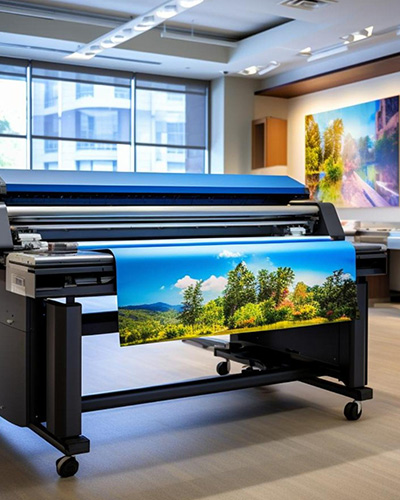
Understanding the Demand for Fast Printing Services
In today's fast-paced business environment, the need for rapid printing solutions has significantly increased within Singapore's vibrant commercial landscape. Companies across various sectors recognize that timely delivery of printed materials can be a critical factor in maintaining operational efficiency and staying ahead of competitors. This surge in demand is driven by several key factors, including escalating client expectations for quick turnaround times, the pressure to meet tight deadlines for product launches or marketing campaigns, and the rise of just-in-time inventory practices that require on-demand printing capabilities. Additionally, the growing importance of real-time marketing and promotional events means that businesses often require printed materials such as flyers, banners, and brochures with urgency. As a result, the printing industry in Singapore has adapted to meet these needs with innovative solutions that prioritize speed without compromising quality. The proliferation of digital communication channels has also heightened the need for immediate physical outreach. When businesses want to make an instant impact through printed media, they rely on fast printing services to deliver high-quality outputs within hours rather than days. This demand is further amplified by the phenomenon of last-minute requests, which are common in trading, retail, and hospitality sectors where prompt promotional activities can directly influence sales. To accommodate these urgent requirements, many local printing providers have invested in advanced technology, optimized workflows, and efficient logistics networks that enable them to produce and deliver large volumes of printed materials swiftly. Consequently, organizations that can access reliable print products fast gain a competitive advantage by responding swiftly to market opportunities, ensuring their branding and messaging are always current and impactful.

Understanding the Demand for Fast Printing Services
In the contemporary business landscape, the necessity for quick turnaround times in printing has become a critical factor for many organizations. The ability to produce printed materials rapidly ensures that marketing campaigns, promotional events, and sales initiatives are executed without delays, maintaining brand relevance and engagement. Singapore’s vibrant commercial environment further amplifies this need, as companies face stiff competition and ever-changing market trends that demand agility in their communication strategies.
The technological advancements in printing equipment, such as high-speed digital printers, have revolutionized how businesses approach urgent printing requirements. These machines can produce large volumes of high-quality outputs in fractions of the time traditional methods would take. Moreover, integrated workflow solutions enable seamless coordination between order placement, production, and delivery, reducing the chance of errors and speeding up the entire process.
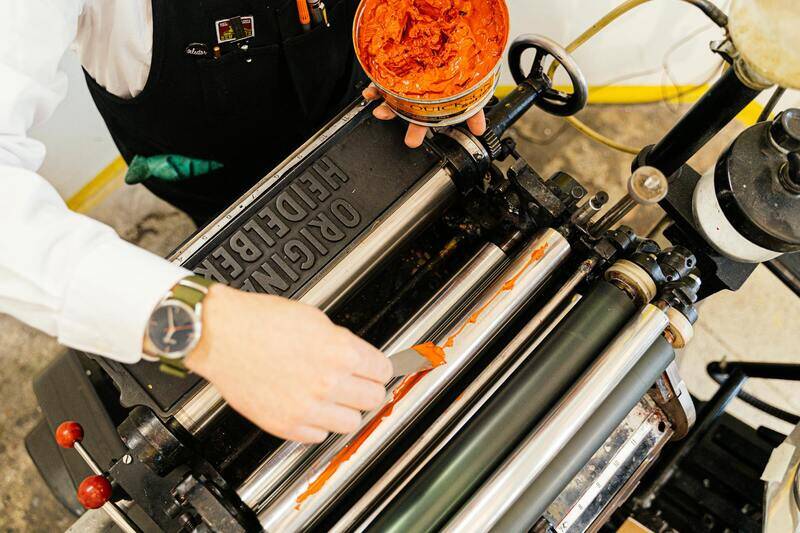
In Singapore, local print providers have embraced these innovations to cater to industries such as retail, hospitality, and trade, where last-minute requests are common. The strategic positioning of these service providers allows for rapid response times, often delivering completed orders within hours or the same day. This agility is crucial in scenarios like promotional launches or last-minute trade show preparations, where time constraints can impact success significantly.
Key Benefits of Fast Printing for Businesses
Adopting rapid print solutions provides substantial advantages, prominently enhancing operational efficiency and customer relationships. Quick turnaround capabilities allow companies to respond swiftly to market opportunities, reducing the risk of missed deadlines. Additionally, this flexibility supports dynamic marketing strategies, making it feasible to update printed collateral frequently without the worry of long lead times.
- Boosted Productivity: Fast printing reduces idle time and accelerates project completion, enabling teams to focus on strategic tasks.
- Enhanced Customer Satisfaction: Reliable quick service elevates client confidence and loyalty, as customers receive their orders promptly and in perfect condition.
- Competitive Edge: Companies that can deliver timely print materials can capitalize on fleeting market trends and seize new business opportunities promptly.
- Cost Efficiency: Reducing the time and resources spent on repeat printing or last-minute rush orders results in overall savings for organizations.
Choosing the Right Printing Technology for Speed
To ensure rapid delivery without sacrificing quality, selecting appropriate printing technology is essential. Digital printing systems are the preferred choice for quick turnaround projects due to their ability to produce high-quality images and texts swiftly and cost-effectively. They also support short-run printing, which is ideal for on-demand jobs with tight deadlines. For larger volume requirements, high-speed offset presses equipped with automated workflows can maintain efficiency while delivering superior print fidelity.
Optimizing the Printing Workflow for Speed
Streamlining the entire printing process involves meticulous planning, from digital file preparation to final delivery. Proper file formatting and pre-press checks prevent delays caused by errors or rework. Establishing clear communication channels with the print provider ensures that specifications are understood and met promptly. Additionally, integrating workflow management software can monitor progress, manage schedules, and coordinate resources for maximum efficiency.

Materials and Substrate Selection for Fast Production
The choice of materials significantly influences printing speed and output quality. Digital-compatible substrates such as lightweight paper stocks, synthetic materials, and flexible films can be processed rapidly without compromising their appearance or durability. Substrate compatibility with the chosen printing technology also reduces setup times and material wastage, further accelerating production.
Streamlining Order Management and Communication
Effective coordination between clients and print providers is vital for fast turnaround projects. Utilizing online order forms, real-time status updates, and dedicated client portals facilitate seamless communication, reducing misunderstandings and delays. Clear specifications, timely approvals, and prompt feedback contribute to a smoother workflow, ensuring printing deadlines are met consistently.
Leveraging Local Printing Services for Rapid Delivery
Partnering with Singapore-based print providers that have strategically located facilities and efficient logistics networks ensures swift delivery. Local services can often provide same-day or next-day services, significantly reducing the time from order to receipt. This proximity not only accelerates transit times but also allows for easier customization and closer communication to address urgent requirements effectively.
Tips for Ensuring Quality and Timeliness
- Maintain high-quality digital files with proper resolution and color profiles to prevent delays caused by reprints or adjustments.
- Establish clear and detailed specifications upfront to avoid miscommunications during the printing process.
- Choose a reputable local print provider with experience in fast print jobs and a proven track record of quality delivery.
- Request sample proofs when possible to verify quality early in the process, reducing risk of rework.
- Plan for contingencies by setting realistic deadlines and having backup options for urgent projects.
Understanding the Demand for Fast Printing Services
In today's competitive marketplace, the ability to deliver printed materials swiftly can greatly influence a company's success. Businesses across industries rely heavily on printed collateral, promotional items, and packaging that must be produced and delivered within tight timeframes. The growing need for rapid turnaround times has driven print service providers to enhance their operational capabilities through advanced technology, efficient workflows, and strategic logistical arrangements. Accelerating the print process without sacrificing quality requires a meticulous approach, from initial file preparation to final delivery.

Understanding how to meet the pressing demands for quick delivery involves choosing the right methods, optimizing processes, and leveraging local resources effectively. As businesses increasingly seek expedited solutions, print providers must stay informed about the latest technological innovations and operational best practices that support fast, reliable, and consistent results.
Key Aspects of Efficient Fast Printing Solutions
- Technological Adoption: Incorporating state-of-the-art digital and rapid offset presses enables faster turnaround times. These technologies facilitate quick setup, high-speed production, and immediate adjustments, which are essential for urgent projects.
- Workflow Optimization: Streamlining the entire printing process— from file submission to final inspection— reduces bottlenecks and accelerates delivery. Automation and integrated management systems play pivotal roles in achieving seamless operations.
- Material Readiness: Using readily available substrates and materials that support rapid processing minimizes delays caused by sourcing or preparation issues.
- Logistical Efficiency: Strategic positioning of print facilities and efficient local courier partnerships ensure swift transportation, enabling same-day or next-day delivery capabilities.
Technologies that Enable Rapid Production
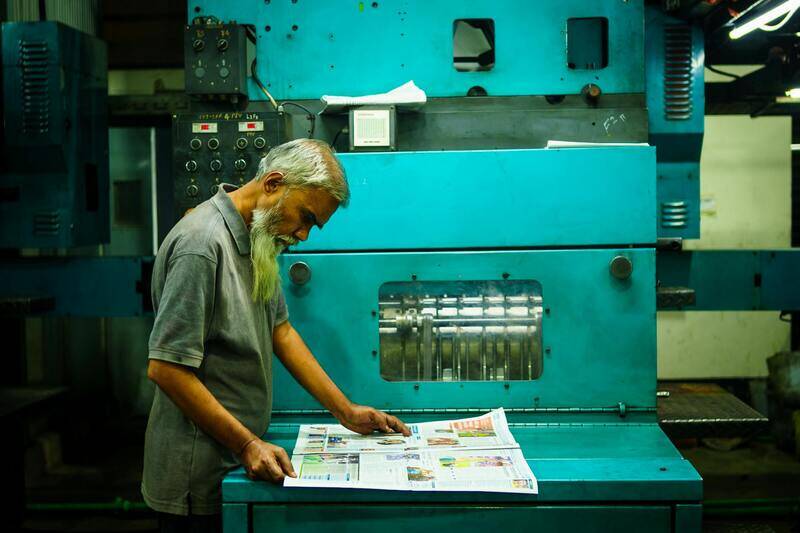
Digital printing technologies, including inkjet and electrophotography, have revolutionized the capacity for quick and flexible print runs. These methods excel at short to medium runs, providing fast turnarounds without compromising on detail or color fidelity. Rapid offset printing, while traditionally associated with larger volume jobs, has been adapted with quick setup features, making it suitable for projects requiring fast completion. Print providers that continuously invest in cutting-edge equipment can reliably meet tight deadlines while maintaining high standards of quality.
Implementing a Fast Printing Strategy
Developing an effective approach to fast printing involves several key steps:
- Pre-Production Planning: Ensure digital files are prepared with optimal resolution, color profiles, and proper formatting to prevent reprints or adjustments that can cause delays.
- Clear Communication: Establish detailed specifications and approval processes from the outset to avoid misunderstandings and last-minute revisions.
- Partner with Reliable Providers: Select local print companies with proven expertise in fast jobs, equipped with the latest technology and a reputation for timely delivery.
- Sample Verification: Request proofs early in the process to confirm quality and accuracy, avoiding rework and ensuring that specifications are met before full production begins.
- Contingency Planning: Create backup plans for urgent projects, including alternative materials or expedited shipping options, to safeguard against unforeseen delays.
Benefits of Customizable, Quick Turnaround Solutions
Fast printing services empower businesses to respond swiftly to market opportunities, promotional campaigns, or last-minute requests. The ability to produce high-quality materials on short notice can give a competitive edge, enhance brand reputation, and improve customer satisfaction. Moreover, partnering with local providers minimizes transit times and facilitates closer collaboration, leading to even faster and more tailored outcomes.
Understanding the Demand for Fast Printing Services
In today’s fast-paced business environment, the ability to execute print projects swiftly is not just a convenience but a crucial component of operational efficiency. Clients and companies alike seek reliable printing solutions that can meet tight deadlines without compromising quality. This demand is driven by various factors, including last-minute marketing campaigns, urgent product launches, and seasonal promotions requiring prompt material deployment. The modern consumer’s expectation for quick access to branded materials, promotional items, or informational printouts pushes the industry to develop and refine rapid printing methods to fulfill these needs.
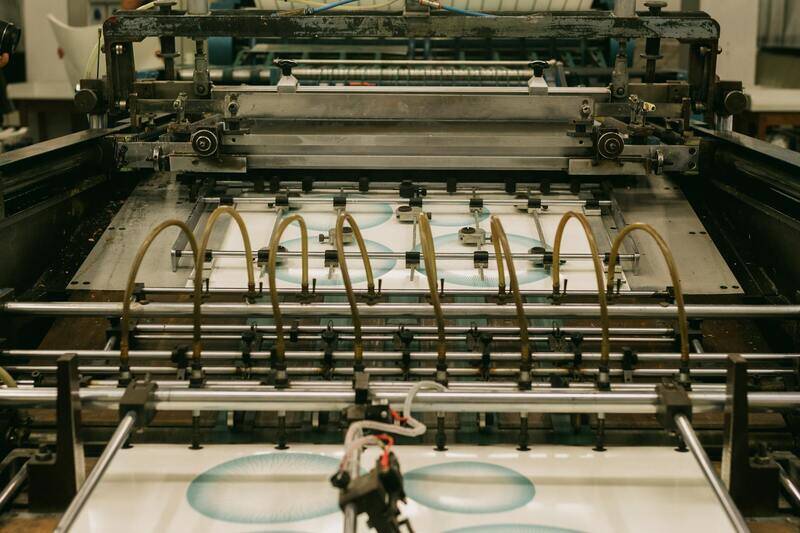
Fast print services have become integral to maintaining a competitive edge, allowing businesses to respond swiftly to market dynamics. This accelerated turnaround not only supports immediate promotional activities but also enhances overall responsiveness and customer engagement. The evolution of digital printing technology, coupled with streamlined workflows and local service providers, has made it feasible to produce high-quality printed materials in record time, satisfying the increasing appetite for speed in the printing sector.
Key Benefits of Fast Printing for Businesses
- Enhanced Agility: Businesses can quickly adapt their marketing tools and operational materials, ensuring they stay ahead of competitors.
- Rapid Response to Market Trends: Fast printing enables real-time promotion deployment and last-minute adjustments, keeping brands relevant and timely.
- Increased Customer Satisfaction: Prompt delivery of marketing materials can improve customer impressions and foster loyalty.
- Cost Savings: Reducing the need for extensive inventory stocks or reprints helps manage expenses better.
- Boosted Productivity: Efficient workflows decrease lead times, freeing resources for other business activities.
Choosing the Right Printing Technology for Speed
Adoption of advanced printing techniques is vital to achieving fast turnaround times. Digital printing, for example, allows for minimal setup, quick adjustments, and on-demand production, making it highly suitable for short runs and urgent projects. UV printing, with its ability to print directly on diverse substrates instantly, offers another viable solution for rapid production with vibrant and durable results. Large-format printers equipped with high-speed capabilities are preferable for banners, posters, and signage, where size and clarity are critical. Selecting the appropriate technology depends on project scope, material requirements, and desired quality standards.

The integration of automation in printing workflows further amplifies speed, reducing manual intervention and minimizing errors. Automated file processing, inline finishing, and real-time inventory management streamline entire operations, resulting in faster delivery without sacrificing precision. When choosing a printing provider, it’s essential to confirm they utilize the latest machinery tailored to expedite production timelines while maintaining consistent quality.
Materials and Substrate Selection for Fast Production
Choosing the appropriate materials and substrates plays a vital role in optimizing printing speed while maintaining quality. Certain substrates are inherently more conducive to quick handling and processing, minimizing delays during production and finishing stages. For instance, lightweight papers, vinyl, fabric, and rigid boards are common choices due to their ease of transportation through various printing equipment, quick drying times, and straightforward finishing procedures.
Materials like synthetic fabrics and flexible vinyl are especially suitable for high-speed digital printing because they require minimal pre-treatment. These substrates allow for seamless ink absorption and faster curing, which significantly shortens the overall production timeline. Conversely, thicker or more delicate materials that demand specialized handling or pre-treatment can introduce delays, making them less ideal for rapid turnaround projects.
It’s important for businesses to select substrates compatible with high-speed printing technologies. UV-coated materials, for example, provide quick curing and vibrant color output with less waiting time. Similarly, utilizing ready-to-use, coated media reduces preparation efforts, enabling faster processing from file submission to finished product. When assessing materials, factors like durability requirements, environmental considerations, and end-use applications should also be evaluated to ensure the selected substrates meet both time and quality standards.

Additional Considerations for Material Selection
- Compatibility with printing technology: Confirm that the substrate is suitable for digital, UV, or large-format printing machines.
- Drying and curing times: Opt for materials that dry or cure quickly to accelerate production.
- Ease of finishing: Select substrates that are simple to cut, fold, or mount without causing delays.
- Environmental factors: Consider waterproof, weather-resistant, or eco-friendly options based on project needs.
Impact on Turnaround Times
Efficient material selection ensures that the entire printing process flows smoothly, reducing bottlenecks and minimizing rework or handling delays. Properly selected substrates can lead to faster file processing, quicker drying times, and easier finishing, all of which contribute to fulfilling urgent orders promptly. This strategic approach allows businesses to meet tight deadlines while delivering high-quality print products consistently.
Understanding the Demand for Fast Printing Services
In today’s fast-paced commercial environment, the ability to deliver print products swiftly has become an essential competitive advantage. Customers increasingly expect quick turnaround times without compromising on quality, which puts additional pressure on printing providers to optimize their operations. The demand spans various sectors, including retail marketing, event promotion, corporate branding, and personal projects, all of which rely on rapid production capabilities to meet tight schedules. The importance of fast printing becomes even more apparent during last-minute campaigns, urgent reprints, or emergency replacements, where delays could result in lost revenue or missed opportunities. Recognizing these needs drives printers to continuously refine their processes, invest in more efficient technology, and streamline workflows, ensuring they can fulfill urgent orders without sacrificing standards. As a result, businesses that can reliably provide print products quickly gain a strategic edge, attract more clients, and reinforce their reputation for dependability in time-sensitive situations.

Key Benefits of Fast Printing for Businesses
- Accelerated Time-to-Market: Rapid turnaround times enable businesses to launch campaigns, events, or product launches sooner, gaining a competitive advantage.
- Enhanced Customer Satisfaction: Clients appreciate quick service, which enhances loyalty and encourages repeat business.
- Cost Efficiency: Reducing the time spent on production and revisions can lead to lower labor and overhead costs.
- Flexibility in Project Management: Fast printing allows for multiple revisions and adjustments without jeopardizing deadlines.
- Reduced Inventory Risks: Shorter lead times help minimize overstock and inventory costs, especially for promotional materials or seasonal products.
Choosing the Right Printing Technology for Speed
Selecting appropriate printing technology is fundamental in achieving faster production times. Digital printing, for instance, is renowned for its quick setup and minimal preparation, making it ideal for short runs and urgent jobs. UV printing offers rapid curing, allowing for immediate handling of printed items, which is especially advantageous for applications requiring high durability and vibrant colors. Large-format printers with advanced inkjet or solvent-based systems can produce high-quality banners, posters, or signage at impressive speeds, reducing delays typically associated with traditional offset presses. When evaluating equipment options, manufacturers should consider throughput capacity, print resolution, and ease of operation. Investing in modern, high-volume printers equipped with automation features and advanced drying or curing mechanisms can significantly enhance throughput and reduce turnaround times. Optimizing these technological choices ensures that print providers can meet stringent deadlines while maintaining output consistency and high standards.

Optimizing the Printing Workflow for Speed
Efficient workflow management lies at the core of rapid printing. Streamlining each step—from file preparation to final finishing—reduces unnecessary delays. Implementing digital proofing allows clients to approve designs swiftly, avoiding lengthy revision cycles. Automating pre-press processes, such as color calibration and file checks, ensures consistency and speeds up production. Fine-tuning the physical workflow involves maintaining well-organized material inventory, reducing setup time, and integrating digital job scheduling systems to allocate resources effectively. Fast, consistent data transfer between design software and printing machines minimizes downtime. Additionally, establishing protocols for quick material changeovers and routine equipment maintenance minimizes bottlenecks, ensuring uninterrupted operation. Collectively, these measures create a seamless process where each stage contributes to faster turnaround times without sacrificing accuracy or quality.
Materials and Substrate Selection for Fast Production
The choice of printing substrates plays a crucial role in achieving prompt results. Ready-to-use coated media with rapid drying or curing properties facilitate faster processing, reducing the wait before finishing or distribution. Selecting substrates compatible with high-speed printing technology, such as UV-coated materials or digital-friendly papers, further enhances efficiency. Durable, lightweight, and easy-to-cut materials simplify finishing stages, saving both time and effort. When fast turnaround is prioritized, environmental factors also come into play—waterproof, weather-resistant, or eco-friendly options can be chosen based on project needs without hindering speed. Proper material management ensures that printing, drying, and finishing workflows are optimized, enabling the production of high-quality print products within tight deadlines. Strategic material selection reduces handling times, minimizes rework, and helps meet urgent client demands consistently.
Understanding the Demand for Fast Printing Services
In today's fast-paced business environment, the ability to fulfill printing orders quickly becomes a critical component of operational success. Customers and clients increasingly expect rapid turnaround times without compromising on design integrity or print quality. This heightened demand stems from various considerations, including urgent marketing campaigns, last-minute event promotions, or tight project deadlines that require swift material delivery. As the print industry evolves, embracing services that prioritize speed allows companies to maintain competitiveness, meet customer expectations, and optimize productivity.
Key Factors Driving the Need for Speed in Printing
- Market Responsiveness: Companies seek to respond to market trends or client demands promptly, requiring fast production cycles.
- Event-Driven Requirements: Promotional events, conferences, or trade shows often have fixed schedules, necessitating quick turnaround designs and prints.
- Supply Chain Efficiency: Reducing lead times from order to delivery enhances overall supply chain agility, especially in time-critical sectors.
- Cost Management: Minimizing production delays reduces overhead costs caused by extended labor, storage, and logistical expenses.
To satisfy this need, many print services have integrated cutting-edge technologies and streamlined workflows that focus on rapid production as a cornerstone. This shift not only benefits businesses seeking quick results but also contributes to increased customer satisfaction through reliable and timely delivery of printed materials.
Technological Innovations Facilitating Fast Printing

Advanced digital printing technology, such as high-speed inkjet and UV printing systems, allows for rapid processing of bulk orders while maintaining high resolution and color fidelity. These machines offer shorter setup times, automated calibration, and reduced manual interventions, contributing to overall faster throughput. Additionally, innovations like continuous feed presses and large-format printers support large-volume needs with swift turnaround capabilities, making them indispensable in competitive markets where time is of the essence.
Balancing Speed with Sustainability and Quality
While rapid production is crucial, it is equally important to uphold quality standards. Modern printing solutions incorporate eco-friendly inks and energy-efficient processes, aligning speed with sustainable practices. Implementing quality control checkpoints that are seamlessly integrated into rapid workflows ensures consistent output without delays caused by rework or errors. This comprehensive approach strikes a balance between speed, quality, and environmental responsibility, ultimately fostering trust and reliability in print services.
Customization and Flexibility in Fast Printing
- Personalized Solutions: Fast printing does not mean generic. Advanced digital workflows allow for personalized prints, such as customized promotional materials or tailored packaging, delivered swiftly.
- On-Demand Printing: Just-in-time production models cater to fluctuating demands, reducing inventory costs and enabling immediate response to client requests.
- Versatile Materials: A wide range of substrates compatible with quick turnaround times, including synthetic, waterproof, and eco-friendly options, ensure adaptability across various project needs.
Adopting these flexible workflows allows businesses to respond in real-time to market opportunities, ensuring that speed does not come at the expense of customization or quality.
Ensuring Ethical and Authentic Print Production Methods
When seeking print products with rapid turnaround times, it is essential to rely on legitimate and morally sound methods to achieve optimal results. Utilizing official channels, such as authorized print service providers, guarantees adherence to industry standards, safety regulations, and quality benchmarks. These reputable entities employ certified equipment and follow rigorous calibration processes, which uphold consistency and durability in final products.
Legitimate printing methods include digital printing, offset lithography, flexography, and screen printing, each selected based on project specifications, volume, and material compatibility. Digital printing is particularly favored for fast turnaround due to its minimal setup and ability to produce high-quality outputs quickly. Offset lithography, while traditionally slower, can be optimized with modern presses and streamlined workflows for rapid production, especially in larger runs.
To ensure the integrity of your print products, it is crucial to work with suppliers that have transparent operational processes, offer verifiable quality control procedures, and provide detailed documentation of their compliance with industry standards. These measures safeguard against compromised products and guarantee that your printed materials meet the desired specifications.

Adhering to Ethical Printing Practices
- Use Certified Materials: Ensure all substrates, inks, and finishing supplies are sourced from reputable suppliers with traceable origins, aligning with environmental and safety regulations.
- Employ Authorized Equipment: Confirm that printing machinery is certified and maintained according to manufacturer specifications to avoid substandard productions.
- Follow Industry Standards: Abide by established quality assurance protocols and involve third-party inspections when necessary, to validate print quality before delivery.
- Implement Transparent Workflow Documentation: Maintain detailed records of each production step, from design approval to final inspection, which supports accountability and continuous improvement.
- Prioritize Sustainable Practices: Opt for eco-friendly inks and recycling programs that minimize environmental impact, emphasizing long-term responsibility over short-term gains.
Collaborating with Trusted Local Print Providers
Partnering with reputable local print providers offers significant advantages in securing fast print products. Local suppliers can facilitate quicker turnaround times due to proximity, reducing shipping delays and allowing for real-time project adjustments. They often have well-established relationships with material suppliers, enabling them to source resources swiftly and efficiently.
Effective communication remains vital when working with official printing partners. Clear specifications, comprehensive briefs, and iterative feedback help streamline the process, minimize errors, and accelerate production timelines. Always opt for collaborations with companies that demonstrate operational transparency, offer verifiable quality guarantees, and utilize secure order management systems.
By choosing authorized, trusted sources for your print needs, you invest in reliable, high-quality products delivered on time, maintaining your business’s reputation for professionalism and dependability. It ensures that moving forward with your printed materials aligns with ethical standards, sustainability commitments, and operational excellence.