Understanding Super Fast Printing
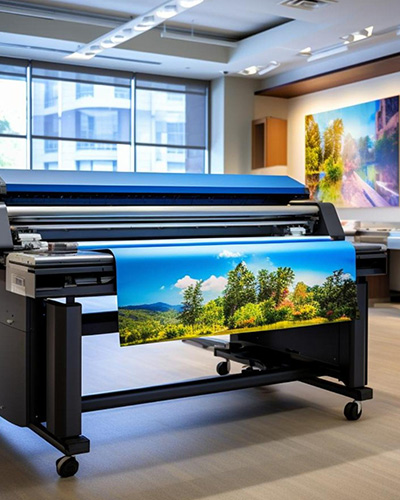
Super fast printing refers to the ability to produce high-quality printed materials within remarkably shortened timeframes. In today’s fast-paced digital economy, demand for rapid printing solutions has surged, especially in bustling hubs like Singapore. This capability allows businesses, artists, and organizations to meet tight deadlines without compromising on quality or detail. High-speed printing is not merely about speed; it also encompasses consistency, precision, and the ability to handle large volumes efficiently. As the need for instant turnaround times becomes increasingly critical, print service providers equipped with cutting-edge technology are transforming how printing is conceived and executed, enabling a seamless blend of speed and excellence.
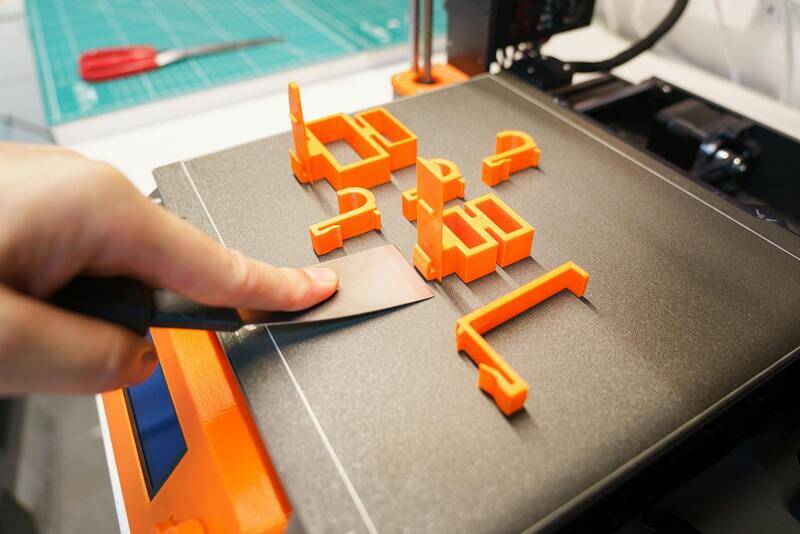
In the context of Singapore, a global business hub and vibrant creative scene, super fast printing plays a pivotal role across various sectors. From quick turnaround promotional materials to urgent legal documents and event banners, the ability to deliver printed products rapidly is vital for maintaining competitiveness and meeting client expectations. This rapidity is achieved through advancements in technology, optimized workflows, and strategic material choices, which altogether redefine what is possible in the realm of commercial printing. The importance now extends beyond simply saving time; it becomes a strategic advantage that boosts operational efficiency, enhances customer satisfaction, and enables businesses to capitalize swiftly on market opportunities.

Understanding the critical elements of super fast printing involves appreciating its technological foundation and operational strategies. It demands a comprehensive approach to equipment selection, process optimization, and material compatibility, all tailored to meet the rigorous standards of quality and speed. In Singapore's competitive environment, embracing super fast printing solutions offers a strategic edge, allowing organizations to stay ahead in delivering urgent projects and maintaining their reputation for prompt service. As we explore the technologies and methodologies behind this capability, it becomes evident how integral super fast printing has become in fulfilling the dynamic needs of contemporary markets.
Material and Substrate Considerations
Choosing the appropriate materials and substrates is essential to achieving super fast printing without compromising quality. The compatibility between the printing technology and the substrate influences the overall production speed, ink adhesion, and finish quality. For high-speed digital presses and inkjet printers, materials with uniform thickness and smooth surfaces, such as premium coated papers and rigid substrates, enhance print consistency and reduce processing time. Conversely, using thicker or textured materials may require adjustments in printer settings or pre-treatment steps to ensure optimal results within tight timelines.
Additionally, the selection of substrates should align with the intended application. For instance, durable materials like vinyl or rigid boards are suitable for outdoor signage, while lightweight paper stocks are ideal for flyers and brochures. Quick-drying substrates can significantly reduce the wait time between printing and finishing processes, allowing for rapid delivery of mass-produced items. Strategically selecting substrates that are compatible with high-speed printing machinery not only expedites production but also minimizes the risk of material jams, misalignments, and defects that can hinder throughput.

Workflow Optimization for Speed
Streamlining the entire printing workflow is critical to maintaining maximum speed while ensuring quality. This involves carefully calibrating equipment settings, automating routing processes, and implementing efficient prepress practices. Automated workflows reduce manual interventions and errors, leading to faster turnaround times from file submission to final output.
Prepress checks should include verifying file formats, resolution, and color management to prevent delays during printing. Utilizing digital proofing systems allows for quick approvals, minimizing back-and-forth communications. Integration of advanced software solutions that synchronize job queues, machine operations, and finishing tasks helps eliminate bottlenecks, ensuring a seamless flow of operations.
Furthermore, training staff on equipment operation and maintenance minimizes downtime caused by technical issues, enabling continuous high-speed production. Establishing standards and protocols for handling materials, troubleshooting, and quality checks ensures consistency and reduces time spent on rework, thereby maximizing efficiency in high-volume, fast-turnaround printing.
Understanding Super Fast Printing
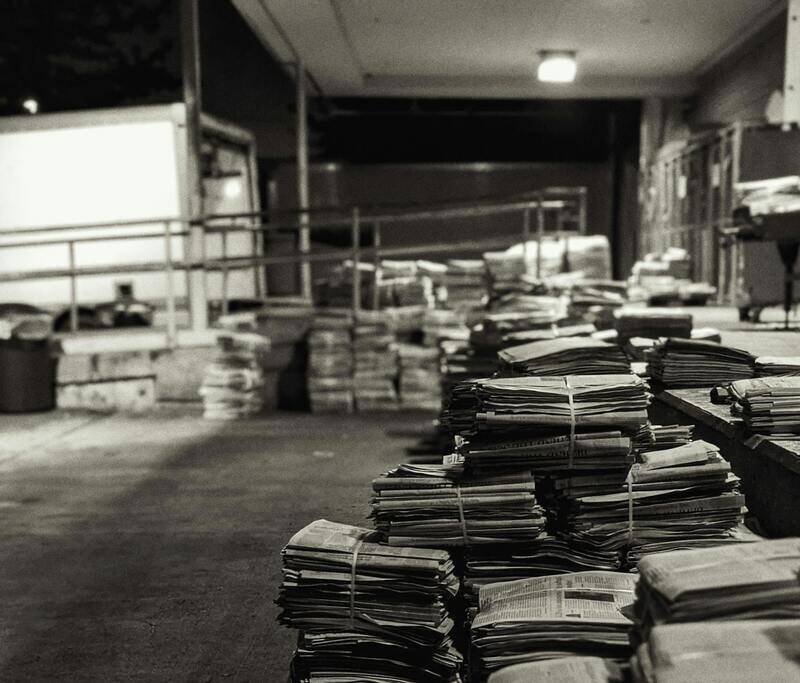
Super fast printing has become essential in today’s competitive market, where rapid turnaround times can make or break client relationships and project success. This printing speed refers to the ability to produce high-quality outputs at rates significantly faster than traditional methods without compromising the integrity of the prints. Achieving such speeds requires a combination of advanced technology, optimized workflows, and well-managed processes to meet tight deadlines efficiently. Businesses aiming to leverage super fast printing must understand how to balance speed with precision, ensuring that rapid production does not lead to errors or subpar results.

The core advantage of super fast printing is the ability to fulfill urgent orders, support just-in-time production, and accommodate last-minute changes in project specifications. This agility is vital for industries such as marketing, retail, and events management, where quick deployment of promotional materials, packaging, or signage is often necessary. However, reaching this level of speed requires meticulous infrastructure planning, ensuring that all elements of the printing process—from file preparation to finishing—are aligned for maximum efficiency.
Technologies Enabling High-Speed Printing
Modern high-speed printing is powered by innovative technologies designed to push the limits of speed without sacrificing output quality. Key components include:
- Advanced Inkjet and Digital Presses: These equipment options are capable of continuous, rapid printing, often with inline finishing options such as cutting and folding, reducing overall production time.
- High-Capacity Print Servers and RIP Software: Raster Image Processors (RIPs) with multi-threading capabilities accelerate the processing of digital files, enabling faster print runs and seamless job sequencing.
- Automation and Workflow Software: Fully integrated systems automate job queuing, material handling, and quality control, minimizing manual intervention and expediting the entire process.
- Inline Quality Control Devices: Real-time inspection systems detect defects instantly, allowing immediate correction and preventing reprints that delay delivery.

These technological advancements enable production environments to achieve high throughput while maintaining stringent quality standards. Additionally, ongoing innovations in automation and digital integration are continuously reducing the time needed for prepress setup, material handling, and post-production finishing.
Workflow Optimization for Speed
Optimizing workflows is crucial for maximizing the potential of super fast printing. This involves streamlining every step of the process, from file submission to final delivery. Effective workflow management includes:
- Prepress Efficiency: Confirming file formats, resolution settings, and color profiles upfront to prevent delays. Implementing digital proofing expedites approval cycles and avoids rework.
- Automated Routing and Job Management: Using integrated software solutions to synchronize tasks, allocate resources, and maintain continuous operation without bottlenecks.
- Equipment Calibration and Maintenance: Regularly servicing machines to prevent unexpected downtimes, ensuring consistent speed and output quality.
- Material Handling Protocols: Establishing standards for loading and unloading substrates to reduce setup times and avoid material-related delays.
Staff training is equally vital; knowledgeable operators can troubleshoot minor issues swiftly, reduce waste, and ensure ongoing efficiency. Digital automation systems that connect prepress, printing, and finishing stages enable a smooth, uninterrupted production flow, delivering high-volume outputs in record time.
Understanding Super Fast Printing
Super fast printing is a specialized service designed to meet the demands of quick turnaround times for high-volume and urgent projects. This approach leverages advanced equipment, optimized workflows, and cutting-edge technology to deliver printed materials within tight deadlines without sacrificing quality. The core goal is to balance speed with precision, ensuring that each print run adheres to the client's specifications while minimizing lead times.
In sectors such as retail, corporate branding, event marketing, and rapid turnaround promotions, the ability to produce large quantities of printed materials swiftly can be a critical advantage. When executed effectively, super fast printing allows businesses to respond flexibly to dynamic market needs, deliver marketing campaigns on schedule, and streamline operational workflows.

Technologies Enabling High-Speed Printing
The backbone of super fast printing lies in technological innovation. Digital printing technologies, particularly high-speed digital presses, enable rapid production cycles with minimal setup time. Unlike traditional offset printing, digital solutions bypass extensive prepress processes, allowing for quicker initiation of print jobs.
Key technological enablers include:
- High-Speed Digital Presses: These machines can handle large volumes at impressive speeds, often with capabilities for inline finishing processes such as folding, binding, and lamination.
- Automated Workflow Software: Integrating job management, file preparation, and process control reduces manual intervention and speeds up job turnaround.
- Advanced Color Management Systems: Ensuring color accuracy and consistency across high-speed prints without the need for extensive calibration delays.
- Robust Material Handling Equipment: Automated loading and unloading systems significantly cut down setup and changeover times, facilitating continuous operation.

Material and Substrate Considerations
Selecting appropriate materials and substrates is crucial when aiming for super fast printing. The choice influences not only the speed but also the final quality of the output. For rapid production, digital-compatible substrates such as coated papers, synthetic materials, and flexible films are often preferred due to their compatibility with high-speed presses and minimal setup adjustments.
Material handling protocols are also vital for maintaining efficiency. For example, pre-cut sheets and roll-fed substrates reduce loading times and facilitate seamless, continuous printing cycles. Additionally, surface treatment and coating options can ensure that fast-dried inks adhere properly, preventing smudging or smearing, which could otherwise slow down the process or impair quality.

Workflow Optimization for Speed
Achieving super fast printing requires meticulous workflow management that minimizes delays at every stage of the production process. Streamlining pre-press, press, and post-press operations is essential to meet tight deadlines without compromising output quality.
Automated File Preparation
Adopting advanced pre-press software that automates layout setup, color calibration, and file checks significantly reduces manual preparation time. These tools ensure that files are ready for high-speed printing immediately upon arrival, eliminating common bottlenecks associated with manual adjustments.
Efficient Job Management Systems
Implementing integrated job management platforms allows seamless scheduling, tracking, and control of multiple print jobs. Automated workflows facilitate quick job switching, minimal downtime, and optimized resource utilization, key factors in maintaining high throughput.
Advanced Color Management
High-speed presses benefit from sophisticated color management solutions that enable rapid calibration and consistency. These systems reduce the need for lengthy color adjustments, ensuring accurate reproduction across diverse media types at accelerated speeds.
Automated Material Handling
Modern printers employ automated loading and unloading mechanisms, including robotic arms and conveyor systems. This automation decreases manual handling times and facilitates continuous production cycles, essential for super fast printing environments.

Moreover, integrating intelligent sensors for real-time monitoring of machine status and material levels enables proactive adjustments, preventing potential delays or failures. This real-time oversight is vital for maintaining speed without sacrificing precision.
Process Automation and Monitoring
The deployment of IoT (Internet of Things) devices and automated control systems ensures continuous operation, immediate detection of issues, and instant adjustments. These technological advancements create a highly responsive environment that supports high-volume, fast-paced production schedules.
Maintaining Consistent Quality During Rapid Production
While speed is paramount, quality control remains critical. Real-time quality assurance tools, such as inline inspection cameras and color consistency analyzers, facilitate immediate correction of defects. These systems help sustain high standards throughout accelerated printing runs, preventing reprints and ensuring customer satisfaction.
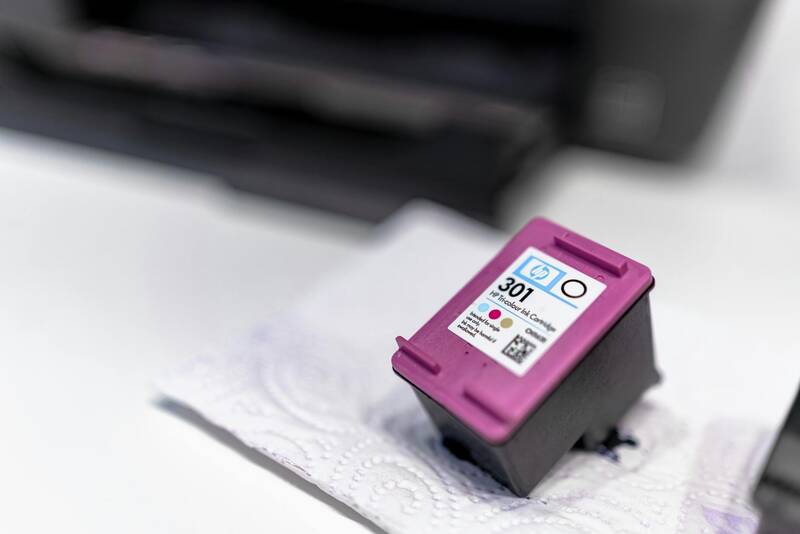
Additionally, training personnel to operate and troubleshoot rapid production equipment effectively ensures minimal interruptions. Well-trained staff can swiftly respond to operational alerts, maintaining a continuous workflow that maximizes throughput.
Understanding Super Fast Printing
Super fast printing encompasses the ability to produce high-quality printed materials at unprecedented speeds, significantly reducing turnaround times for large-volume orders or urgent requests. This capability is vital in industries where time-sensitive deliverables are crucial, such as marketing campaigns, retail displays, event setups, and corporate communications. The core of super fast printing lies in harnessing advanced technological innovations that enable rapid execution without compromising the integrity and precision of the final product.
Technologies Enabling High-Speed Printing
Several cutting-edge technologies contribute to achieving super fast printing speeds, creating a seamless combination of speed and quality:
- High-Speed Digital Printers: These printers utilize advanced print head technology, such as piezoelectric or thermal inkjet systems, which allow for rapid ink application and precise droplet control, resulting in faster production cycles.
- Multi-Color and Multi-Station Printing: Simultaneous application of multiple colors or layers minimizes time spent switching between processes, accelerating workflow efficiency.
- Automated Material Handling: Conveyor systems, robotic loaders, and unloading stations streamline the movement of substrates, reducing manual handling times.
- Industrial-Grade Ink Systems: Fast-drying, high-opacity inks that cure quickly, either through UV or LED technology, enable immediate handling and processing post-printing.
- Integrated Printing Platforms: All-in-one systems that combine printing, cutting, and finishing functions utilize synchronized workflows to eliminate bottlenecks.

Material and Substrate Considerations
The choice of materials directly influences the speed and quality of high-volume printing. Durable substrates that dry or cure rapidly are essential for maintaining fast throughput. Commonly used substrates include:
- Coated papers designed for quick ink absorption and drying
- Rigid substrates like foam boards and acrylics that withstand fast curing times
- Flexible materials such as vinyl and fabric suitable for large-format prints and banners
Optimizing substrate handling to match the capabilities of high-speed printers minimizes delays caused by material jams or curing issues. Pre-primed, compatible media also help in achieving consistent results at elevated speeds, ensuring the final output meets quality expectations.
Workflow Optimization for Speed
Streamlining the entire print production process is crucial for maximizing super fast printing efficiency. This involves:
- Implementing digital file management systems that facilitate quick job queuing and pre-press preparation.
- Utilizing software solutions with automated layout and imposition capabilities to reduce setup times.
- Designing standardized workflows and templates for recurring projects to expedite the transition from file to print.
- Employing real-time monitoring and control systems that provide instant feedback on machine performance and material consumption.
- Ensuring staff are trained in rapid setup and troubleshooting techniques to maintain continuous operations.

Benefits of Super Fast Printing
Adopting super fast printing solutions offers several tangible advantages:
- Accelerated Delivery Times: Enables quick turnaround for urgent projects, supporting time-critical campaigns and last-minute requests.
- Increased Productivity: Enhances throughput, allowing businesses to handle larger orders within shorter periods, thereby scaling operations efficiently.
- Cost Efficiency: Reduces labor and overhead costs associated with lengthy production processes, providing a competitive edge in pricing.
- Improved Customer Satisfaction: Delivers high-quality prints swiftly, ensuring client expectations are met or exceeded.
- Enhanced Flexibility: Offers the capability to respond rapidly to market changes, seasonal demands, or promotional opportunities.
While the focus remains on speedy output, maintaining consistency in quality and resolution is paramount. Proper calibration, rigorous quality control protocols, and skilled personnel are essential to realizing these benefits without sacrificing the standards expected by customers.
Understanding Super Fast Printing
Super fast printing represents a significant advancement in the printing industry, enabling businesses to meet the demands of rapid turnaround times without compromising on quality. This approach involves utilizing cutting-edge technologies, optimized workflows, and high-performance materials to produce printed materials at speeds previously considered unattainable. The process is particularly vital in industries where time sensitivity is critical, such as event marketing, promotional campaigns, or urgent documentation needs. By understanding the core principles behind super fast printing, organizations can leverage these services to gain a competitive edge and enhance operational efficiency. This form of printing not only accelerates delivery but also opens new avenues for creative and commercial applications, transforming how rapid production is integrated into business strategies.
Technologies Enabling High-Speed Printing
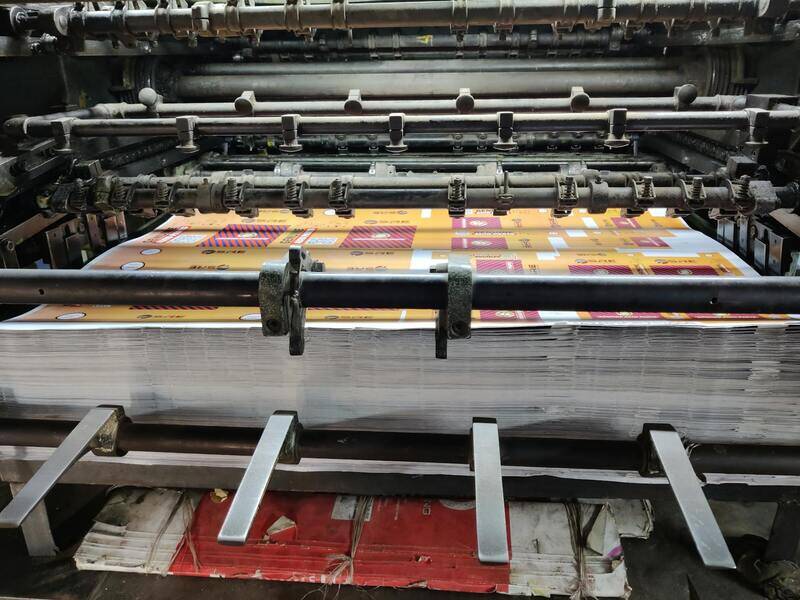
Achieving super fast printing hinges on a suite of advanced technologies designed to maximize throughput while maintaining precision. Among these, digital printing methods such as inkjet and laser printing are predominant due to their speed and flexibility. Inkjet printers equipped with high-capacity cartridges and rapid ink-drying systems can produce large volumes in a fraction of the time traditional methods require. Laser printing, renowned for its rapid throughput and high-resolution output, is equally effective, especially for large-scale jobs. Additionally, UV flatbed printing technology has been adopted for its ability to produce large-format prints swiftly on rigid substrates.
Furthermore, the integration of automation systems plays a pivotal role. Automated paper feeders, stackers, and inline finishing equipment reduce manual intervention, streamline processes, and significantly cut down setup times. Hybrid printing systems combine multiple technologies to optimize material versatility and speed, ensuring that diverse project requirements are met efficiently.
Material and Substrate Considerations
Materials and substrates significantly influence printing speed and quality. High-quality, compatible substrates like coated papers, vinyl, or rigid panels facilitate faster ink absorption and drying, enabling quicker handling post-printing. Choosing materials designed for rapid ink adhesion reduces the need for lengthy drying periods and minimizes smudging or quality inconsistencies. Besides, lightweight and flexible substrates ease feeding processes and reduce mechanical strain on equipment, further boosting overall speed. Proper substrate selection aligned with printing technology ensures maximized efficiency and consistent output, vital in super fast printing workflows.
Workflow Optimization for Speed
Streamlining the entire printing process is essential for achieving super fast output. This begins with digital workflow automation, where file preparation and prepress processes are optimized for speed. Implementing standardized templates and presets for recurrent projects minimizes setup time and reduces errors. Real-time monitoring systems enable instant adjustments and alert operators to potential issues before delays occur.
Automated workflows extend into finishing procedures like cutting, laminating, or binding, which can be integrated directly into the production line. Furthermore, meticulous staff training ensures personnel are adept at rapid setup, troubleshooting, and machine maintenance, preventing avoidable delays. Calibration and quality control protocols are calibrated for quick yet thorough inspections, ensuring high standards are maintained without slowing down the process.
Benefits of Super Fast Printing
- Accelerated Delivery Times: Quick turnarounds align with urgent project demands.
- Enhanced Productivity: Increased throughput allows handling larger orders efficiently.
- Cost Savings: Reduced labor and operational costs translate to more competitive pricing.
- Customer Satisfaction: Swift delivery with high-quality results boosts client trust and loyalty.
- Flexibility and Responsiveness: Ability to adapt swiftly to market trends and client needs.

Understanding Super Fast Printing
Super fast printing has become an essential component within the printing industry, fulfilling the needs of clients requiring rapid turnaround times without sacrificing quality. This capability hinges on a combination of advanced machinery, optimized workflows, and innovative process management. It allows businesses to meet tight deadlines—be it for marketing campaigns, event banners, or confidential documents—ensuring every project is delivered promptly and efficiently.
Technologies Enabling High-Speed Printing
At the core of super fast printing are cutting-edge technological advancements that significantly boost output rates. Key among these are digital printing technologies such as inkjet and laser printers, which excel in rapid processing cycles and minimal setup times. Modern digital presses incorporate high-capacity paper feeds and automated ink management systems designed to operate continuously with minimal downtime.
Additionally, the adoption of high-frequency print head assemblies and multi-color printing capabilities accelerates color output without compromising detail fidelity. Some printers utilize rapid drying inks and engineered curing processes that dramatically reduce post-processing time, allowing immediate handling or distribution of printed materials. High-speed digital presses are often equipped with integrated software that automates color calibration, image alignment, and workflow management, further enhancing production rates.

Material and Substrate Considerations
To maximize the speed of printing output, careful selection of printing substrates is crucial. Materials that are compatible with high-speed printing techniques include lightweight papers, synthetic media, and certain plastics that possess the necessary surface properties for quick ink absorption and drying. Thinner substrates tend to pass through machinery faster, reducing overall processing time. Advances in coating technologies also enable rapid ink adherence and surface curing, further streamlining production.
It is important to consider the specific application requirements when choosing substrates. For instance, durable or weather-resistant materials may require longer curing times or specific ink types, which could impact overall speed. Collaborating with suppliers who understand the nuances of high-speed printing ensures that the selected materials support rapid turnaround without compromising the integrity or appearance of the final product.

Workflow Optimization for Speed
Efficient workflow management is vital for achieving super fast printing. Digital file preparation involves standardized templates and preset configurations, which simplify the prepress process and reduce setup time. Automated file checks for resolution, color profiles, and formatting ensure that files are print-ready, avoiding delays caused by troubleshooting or adjustments.
Real-time monitoring systems track ongoing print jobs and detect issues such as misalignment or ink inconsistencies. These systems enable quick corrections, preventing bottlenecks. Automating finishing processes like cutting, laminating, or binding integrates seamlessly into the production line, saving valuable time. Personnel trained specifically in rapid operational procedures ensure quick machine setup and troubleshooting, maintaining consistent high-speed output.
Benefits of Super Fast Printing
- Accelerated Delivery Times: Enables businesses to meet tight deadlines, fulfilling urgent client requests efficiently.
- Enhanced Productivity: Higher throughput facilitates handling large volumes of work within shorter timeframes.
- Cost Savings: Reduced operational and labor costs translate into more competitive pricing structures.
- Customer Satisfaction: Fast turnaround times paired with high-quality results foster client trust and loyalty.
- Market Responsiveness: Ability to swiftly adapt to trends and client needs, gaining competitive advantage.
Applications of Super Fast Printing Services
Super fast printing finds its application across diverse sectors, including advertising and marketing, where rapid deployment of promotional materials is essential. Corporate environments utilize these capabilities for last-minute presentations, reports, or event signage. In retail, quick replenishment of printed point-of-sale displays ensures consistency with current campaigns. Additionally, the event industry leverages high-speed printing for banners, flyers, and tickets, helping organizers meet scheduled deadlines seamlessly.
Challenges and Quality Management
Despite the remarkable advantages, maintaining quality during high-speed printing presents specific challenges. Consistent color accuracy, sharp image reproduction, and substrate integrity require meticulous calibration and monitoring. Fluctuations in speed can sometimes lead to issues such as ink smudging, misregistration, or uneven coverage, which must be carefully managed.
Implementing rigorous quality control protocols is essential. This includes regular calibration routines, comprehensive operator training, and real-time quality assurance systems that flag anomalies before products proceed further down the production line. Balancing speed with quality demands a disciplined approach, advanced equipment maintenance, and adherence to standardized procedures. This ensures that rapid output does not come at the expense of impeccable results, maintaining the reputation and trust of clients relying on super fast printing services.