Factors Influencing Printing Service Costs in Singapore
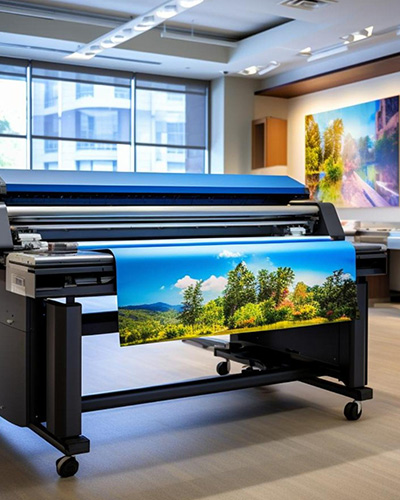
When considering printing services in Singapore, understanding the key factors that influence the overall costs is essential for making informed decisions. Several elements play a significant role in determining the final price, including the type of print, the volume of prints required, the choice of materials, and the quality standards upheld by the service provider.
Print Type and Finish Requirements
The type of printing directly affects the pricing structure. For example, digital printing is often more cost-effective for short runs and quick turnarounds, whereas offset printing is preferred for larger quantities due to its efficiency in mass production. Special finishings like embossing, foil stamping, or UV coating add to the cost due to additional labor and materials involved.
Order Volume and Quantity
The quantity of prints significantly influences per-unit costs. Bulk orders typically benefit from volume discounts, lowering the overall price. Conversely, smaller batches tend to be more expensive per piece, as setup costs and materials are distributed over fewer units.
Material Choices and Quality Standards
Premium materials such as heavyweight paper, textured finishes, or eco-friendly substrates elevate the quality of print products but also increase costs. High-standard printing facilities in Singapore maintain strict quality control, which sometimes translates to higher prices, ensuring durability and aesthetic appeal.
Other Influential Factors
- Design Complexity: Intricate designs or color-rich graphics may require more processing time, affecting costs.
- Print Size and Dimensions: Larger prints naturally consume more materials and require specialized equipment.
- Turnaround Time: Urgent requests often incur premium charges due to prioritization and expedited service.
- Post-Processing Requirements: Finishing touches like lamination, binding, or cutting add to the overall expense.
Understanding these elements helps clients allocate budgets effectively while ensuring that the printed materials meet desired standards without unnecessary expenditure.

Factors Influencing Printing Service Costs in Singapore
Understanding the pricing structure of printing services in Singapore requires a comprehensive look at the various elements that impact costs. Several key factors play a role in determining the final price a client will pay for their printed materials, ranging from material choices to production specifics.
Order Volume and Quantity
The size of the print run is among the most significant cost determinants. Bulk orders benefit from economies of scale, which means lower unit costs due to the spread of setup and preparation expenses over a larger number of copies. Large volume printing often results in discounted rates that appeal to businesses or organizations needing substantial quantities of promotional materials, banners, or training manuals.
On the other hand, small batches tend to have higher per-piece prices, primarily because setup costs—such as plate creation for offset printing or digital file preparation—are spread across fewer units. Consequently, clients with limited needs might encounter higher costs per item but can still benefit from choosing digital printing methods for short runs.
Material Choices and Quality Standards
The selection of materials directly influences printing expenses. Standard paper stocks like coated or matte paper are generally more affordable. However, opting for premium options such as textured paper, recycled eco-friendly substrates, or heavyweight stocks can substantially increase costs due to their production and sourcing complexities. Additionally, finishes like gloss or matte UV coating, embossing, or foil stamping add layers to the expenses, emphasizing quality and aesthetic appeal.
Reputable printing establishments in Singapore adhere to strict quality standards to ensure products are durable, vibrant, and visually appealing. This commitment often results in higher prices but guarantees that the final output aligns with professional expectations and branding needs.
Other Influential Factors
- Design Complexity: Intricate, multi-color, or detailed graphics require more processing time, specialized equipment, and precise color matching, all of which can increase costs.
- Print Size and Dimensions: Larger-format prints, such as posters or banners, naturally consume more materials and processing time, impacting the overall price.
- Turnaround Time: Urgent requests that require expedited processing and delivery often carry additional fees, ensuring priority handling by the service provider.
- Post-Processing Requirements: Additional finishing options like lamination, binding, die-cutting, or custom cuts contribute to the total cost, particularly for complex projects.
By evaluating these factors, clients can better estimate their printing budgets and select services that balance quality with affordability. An understanding of these variables facilitates smarter decision-making, ensuring that the final printed materials meet project standards without unnecessary expenses.
Factors Influencing Printing Service Costs in Singapore
Several factors play a pivotal role in determining the final cost of printing services in Singapore. Understanding these elements allows clients to make informed decisions and align their expectations with their budget constraints. One primary factor is the complexity of the design. Intricate graphics, multi-color images, or detailed artwork necessitate more advanced equipment and longer processing times, which invariably increase the overall expense.
Print size and dimensions also significantly influence the pricing. Larger-format prints such as posters, banners, or large-scale banners require more materials and increased machine usage, which lead to higher costs. Similarly, the choice of paper or material impacts pricing; premium papers, textured finishes, or specialty substrates typically command higher prices than standard ones.
Turnaround time is another crucial factor. Projects requiring expedited delivery or rush services are associated with premium charges due to the need for prioritization and extended operational hours by printing providers. Post-processing elements, like lamination, die-cutting, embossing, foil stamping, or binding, further contribute to the overall costs. These finishing touches enhance the aesthetic appeal and durability but require additional labor and materials.

Another aspect to consider is the quantity ordered. Larger print runs generally benefit from economies of scale, resulting in lower per-unit costs. Conversely, small quantities, especially for custom or one-off projects, tend to be more expensive on a per-piece basis. The choice of printing technology—digital versus offset printing—also affects costs; digital printing is typically more cost-effective for short runs and quick turnarounds, whereas offset printing offers cost advantages for large batch orders.
Material sourcing and sourcing quality, including eco-friendly or specialty inks, can influence costs as well. Reputable establishments often incorporate higher-quality inks and substrates to ensure vibrant, durable results, which may come at a premium but provide better longevity and visual impact.
Pricing Models Used by Printing Service Providers
Printing service providers in Singapore employ various pricing models optimized for different project types and client needs. Common methods include:
- Per-Page or Per-Unit Pricing: Suitable for small-scale or document printing, this model calculates costs based on the number of pages or items. It provides straightforward pricing but may have minimum charges for larger projects.
- Project-Based Pricing: For custom projects involving unique specifications, pricing is tailored to the scope of work, including design, size, materials, and finishing touches. This approach offers flexibility and clarity for clients with detailed requirements.
- Bulk Discount Pricing: Larger volume orders often qualify for discounts, reducing the overall unit cost. This model encourages clients to increase order quantities for cost savings during promotional campaigns or large events.
- Hourly Rates: Less common, but applicable for specialized services such as large format installations or complex design consultations where time investment is a factor.
Understanding these models helps clients to evaluate potential costs effectively and plan their budgets accordingly, especially when coordinating multiple print jobs or scaling up production.
Average Printing Prices in Singapore by Service Type
Pricing varies significantly depending on the specific printing service requested. For example, standard business card printing generally ranges from SGD 20 to SGD 50 for 500 to 1,000 cards, with premium finishes increasing the price. Brochure printing for quantities of 1,000 copies may cost between SGD 150 to SGD 300, depending on paper choice and fold type.
Large format printing, such as banners or posters, can have price points starting from SGD 15 per square meter for basic vinyl prints, escalating based on material quality and finishing options. Customized items like embroidered apparel or personalized packaging can range from SGD 5 to SGD 50 per item, influenced by complexity and customization level.
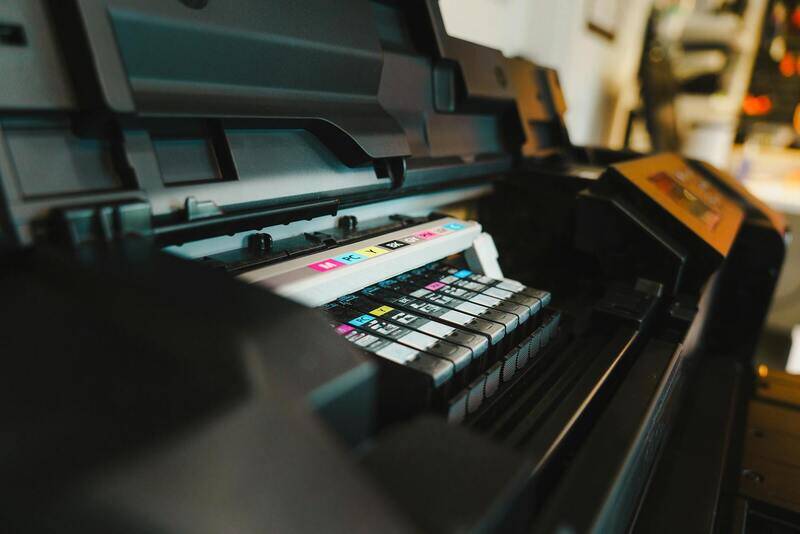
It is essential for clients to request detailed quotations from providers considering all potential additional costs, such as setup fees, finishing charges, or rush order premiums. Transparent communication ensures alignment between expectations and delivered results, avoiding unforeseen expenses during the project lifecycle.
Additional Costs and Customization Charges
When engaging printing services in Singapore, it is vital to consider additional costs that may arise beyond the base price. Customization options, such as special finishes, embossing, or foil stamping, can significantly influence the overall cost. For example, applying a matte or gloss varnish to printed materials can add to the expense but enhances visual appeal and durability.
Setup fees are another factor to keep in mind. These are charges associated with preparing the printing equipment, especially when dealing with intricate designs or unique formats. For small runs, setup fees may constitute a noticeable portion of the total cost, whereas larger print orders often amortize these charges efficiently.
Finishing services, including binding, lamination, cutting, and folding, also contribute to total expenses. Premium finishing options such as die-cutting or custom embossing will incur higher costs but can significantly elevate the perceived value of printed products.
Rush orders are commonly associated with expedited processing and delivery, resulting in premium pricing. If a project requires a rapid turnaround, clients should anticipate higher costs that reflect the urgency.
It is advisable for clients to request a detailed quotation that itemizes all potential additional charges. Transparent communication with the printing service provider helps prevent unexpected expenses and ensures that the final product aligns with the initial budget expectations.
Tips to Get Affordable Printing Services in Singapore
- Compare quotes from multiple providers to identify competitive prices without compromising quality.
- Opt for standard sizes and materials when possible, as custom specifications tend to increase costs.
- Plan your projects ahead of deadlines to avoid rush order fees, which can double or triple the base price.
- Leverage bulk discounts for large-volume print runs, making it more cost-effective per unit.
- Inquire about bundled services or comprehensive packages that may include design, printing, and finishing at a discounted rate.
- Assess the minimum order quantities; sometimes, ordering slightly more can reduce per-unit costs significantly.
What to Consider When Choosing a Printing Service
- Reputation and track record – choose providers with positive reviews and proven reliability.
- Range of services offered – a diverse portfolio can accommodate various project needs and simplify coordination.
- Pricing transparency – providers who offer detailed quotations and itemized costs help in budgeting accurately.
- Turnaround time – ensure the vendor can deliver within your project timelines.
- Quality of finishes and materials – review samples or request proofs to verify the desired quality standards.
- Customer service – responsive communication and clear guidance facilitate a smoother production process.
Understanding the Value and Quality Behind Pricing
While cost is a significant factor, it is essential to evaluate the value and quality associated with different price points. Higher prices often reflect premium materials, advanced printing technology, and superior finishing techniques, which contribute to more durable and visually appealing products. Conversely, lower-cost options may suffice for less critical applications but might lack the longevity or aesthetic finesse required for branded or high-impact materials.
Ultimately, aligning your project specifications with the appropriate level of quality ensures your investment yields effective and professional results. Establishing open communication with your chosen printing provider allows for adjustments that can optimize both budget and outcome, leading to greater satisfaction and a successful project delivery.
Factors Influencing Printing Service Costs in Singapore
Printing service costs in Singapore are affected by a variety of key factors that influence overall pricing, making it essential to understand these elements when budgeting for your project. One of the primary considerations is the volume of prints required; bulk orders often benefit from discounted rates due to economies of scale, whereas small runs typically incur higher per-unit costs. Additionally, the complexity of the design plays a role—multi-color or intricate graphics demand more advanced printing techniques and setup adjustments, which can increase costs.

The choice of materials significantly affects the final price as well. Premium papers, durable cardstocks, or specialty finishes like matte, gloss, or UV coating tend to carry higher charges. The size and format of the print are also crucial; larger formats such as banners or posters typically cost more compared to standard flyers or business cards. Turnaround time is another influencing factor—urgent projects requiring expedited production often attract additional fees due to the need for prioritization and faster processing.
Location and service quality additionally impact pricing. Reputable providers with extensive experience and high-quality equipment might charge a premium but often deliver superior results that justify the investment. Lastly, the level of customization, including special finishes, embossing, or custom die-cutting, can add to the overall cost, reflecting the additional effort and materials involved.
Common Types of Printing Services and Their Price Ranges
In Singapore, printing services encompass a broad spectrum, each with distinct pricing considerations:
- Business Cards: Prices generally start from SGD 30 for basic designs, with premium finishes or thicker stocks increasing the cost to SGD 100 or more for higher-quality options.
- Flyers and Brochures: Basic leaflets printed in bulk can range from SGD 0.10 to SGD 0.50 per piece, with more sophisticated brochures costing SGD 1.00 to SGD 5.00 each based on size, paper quality, and folding styles.
- Banners and Signage: Large-format printing for banners typically costs SGD 10 to SGD 50 per square meter, depending on the material and finishing options.
- Posters and Art Prints: Standard poster prints can range from SGD 5 to SGD 20 each for sizes like A2 or A1, with premium materials and framing options increasing costs.
- Labels and Stickers: Small runs may start around SGD 50 for custom stickers, with prices decreasing per piece in larger quantities.

Pricing Models Used by Printing Service Providers
Understanding the pricing models adopted by providers can help in assessing the most cost-effective options. Common approaches include:
- Per-Unit Pricing: This model charges a fixed amount for each item, ideal for small quantities or one-off projects. It simplifies budgeting but can be less economical for large runs.
- Bulk Pricing: Discounted rates are offered for large-volume orders, reflecting the reduced costs per piece. This model benefits clients with extensive printing needs such as corporate campaigns or mass distribution.
- Project-Based Quotation: A comprehensive quote considers all elements—design, quantity, materials, finishing, and delivery—to provide a tailored cost estimate. This approach is common for complex or customized projects.
- Tiered Pricing: Prices vary depending on the volume bracket, encouraging larger orders with decreasing costs per unit as quantities increase.
Average Printing Prices in Singapore by Service Type
Prices in Singapore span a broad spectrum, influenced by the parameters discussed. For standard business cards, expect to pay around SGD 30 to SGD 80 for a set of 500 cards, depending on the finish and thickness. Brochures and flyers tend to cost between SGD 0.20 and SGD 0.80 per piece when ordered in bulk. For larger format prints such as banners, charges generally start at SGD 20 per square meter, with premium options reaching SGD 50 or more. Small-scale posters or art prints generally cost SGD 10 to SGD 20 each, with higher-end finishes adding to the expense.
For businesses seeking custom packaging or specialized printing such as embossing or foil stamping, prices are higher, reflecting the additional craftsmanship involved. Although these costs are variable, obtaining detailed quotations from multiple providers ensures transparency and helps you identify options that align with your budget without compromising on quality.
Factors Influencing Printing Service Costs in Singapore
Understanding the factors that impact printing service costs in Singapore is essential for businesses and individuals seeking quality outputs at reasonable prices. Several key elements contribute to the overall pricing structure, and awareness of these can guide smarter choices without compromising on quality.
Material Quality and Selection
The type of materials used significantly influences printing costs. Premium stock, textured finishes, or specialty papers such as recycled or coated options typically incur higher expenses. Conversely, standard paper grades offer economical options without sacrificing clarity for most applications.
Print Dimensions and Volume
Size plays a crucial role in determining costs. Larger prints or those requiring complex cutting and finishing techniques tend to be more expensive. Additionally, economies of scale often come into play—higher volume orders usually benefit from lower per-unit costs due to bulk pricing discounts.
Complexity of Design and Finishing
Sophisticated designs involving multiple colors, intricate graphics, or detailed branding elements can elevate prices. Special finishes like embossing, foil stamping, or UV coating add a layer of craftsmanship, resulting in increased costs. These finishes provide enhanced visual appeal, making them suitable for premium branding efforts but also contributing to higher expenses.
Printing Technology and Equipment
Different printing methods, such as digital, offset, or large-format printing, come with varied cost implications. Offset printing, while cost-effective for large quantities, requires setup fees, whereas digital printing offers quick turnaround times with lower initial setup costs suitable for smaller runs.
Turnaround Time and Delivery Logistics
Urgent requests may attract premium charges due to expedited processes. Additionally, transportation costs for delivery within Singapore can influence the overall price, especially for large or bulky orders requiring special handling.

Market Demand and Seasonal Variations
During peak seasons or promotional periods, increased demand for printing services can lead to fluctuations in pricing. Planning ahead and booking early can help secure more competitive rates.
Choosing the Right Supplier
Reputation and experience naturally influence pricing. Established providers with extensive portfolios may charge premium rates but often guarantee higher quality and consistent service. Smaller or newer entrants might offer lower prices to grow their customer base but may have varying standards of quality.
By understanding these influencing factors, clients can better evaluate their options, balancing quality and cost-effectiveness. Transparent discussions with providers about these elements ensure realistic quotes and help avoid unforeseen expenses during project execution.
Factors Influencing Printing Service Costs in Singapore
Numerous factors contribute to the pricing of printing services within Singapore, and understanding these variables can help clients make informed decisions that align both with their budget and quality expectations. The complexity of the job, the materials used, the scale of production, and the printing technology are primary determinants that influence overall costs.
Firstly, the intricacy and design of the print material significantly impact pricing. Detailed graphics, high-resolution images, and custom finishes demand more precise printing techniques and additional post-printing processes, thereby increasing costs. For example, complex die-cut shapes or embossing require specialized machinery, adding to the expense.
Secondly, the choice of materials plays a vital role. Premium paper stocks, eco-friendly substrates, or textured finishes generally come at a higher cost compared to standard options. It’s important to consider the durability and aesthetic appeal desired for the final product, as material quality directly influences the printing price.
The volume of prints required also dramatically affects cost calculations. Bulk orders benefit from lower per-unit costs, which is why many businesses opt for larger print runs to maximize cost efficiency. Conversely, small batches or one-off prints tend to have higher unit prices due to setup costs and inefficiencies associated with small production runs.
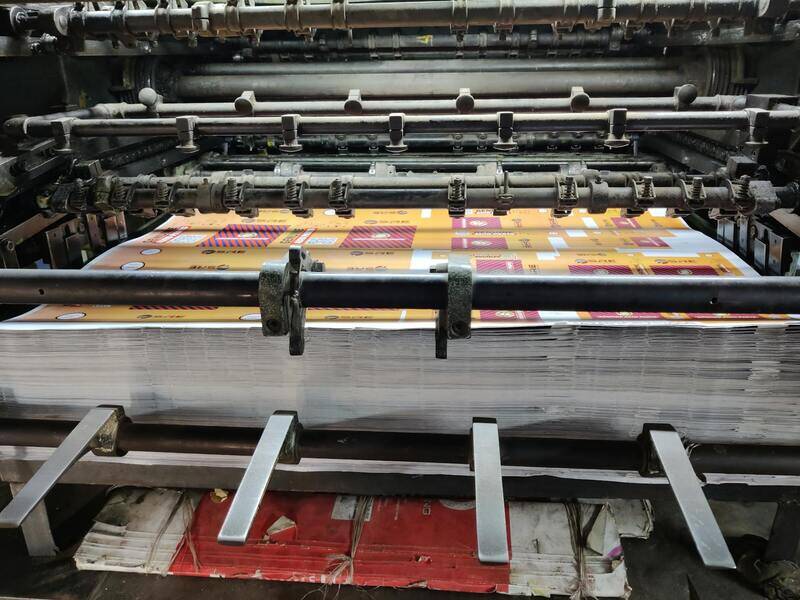
Technology and equipment used by a printing service can also alter pricing structures. Digital printing, suitable for short runs and quick turnarounds, generally costs more per print but requires lower initial setup fees. Offset printing, on the other hand, is more economical for large-volume jobs but involves higher setup costs and longer preparation times.
Additional services, such as finishing options—lamination, UV coating, foil stamping—or custom packaging, further influence the total price. Each extra step provides a tailored appearance but comes with associated material and labor costs.
Receipt of accurate quotes hinges on clear communication with providers about these factors. Clients should specify their desired outcomes, materials, and quantity to obtain a comprehensive estimate that minimizes surprises during the project execution.
Common Types of Printing Services and Their Price Ranges
In Singapore, the range of printing services encompasses everything from simple digital prints to complex large-format projects. Each type comes with its typical price brackets, dictated by the technology and service scope.
- Digital Printing: Ideal for small to medium runs, digital printing is often the most cost-effective for quick, high-quality prints. Prices usually range from SGD 0.10 to SGD 0.50 per page, depending on the material and finish.
- Offset Printing: Suitable for large volume orders, offset printing offers economies of scale. Pricing per unit drops significantly after the initial setup, which can be SGD 200–SGD 500, with subsequent prints costing SGD 0.05–SGD 0.15 each.
- Large-Format Printing: Used mainly for banners, posters, and signage, large-format printing prices are usually calculated per square meter, ranging from SGD 20 to SGD 50 depending on the material and print resolution.
- Specialized Printing (e.g., foil, embossing, or UV coating): These premium finishes add to the base cost, typically increasing the price by 30-50%, based on complexity and scope.
Factors Influencing Printing Service Costs in Singapore
Numerous elements can impact the overall cost of printing services in Singapore. These factors include the complexity of the design, the choice of materials, the volume of prints required, and the specific finishing options selected. High-resolution images or intricate graphics necessitate advanced printing techniques, which tend to be more expensive. Similarly, premium quality paper stocks or specialty materials like glossy, matte, or textured media directly influence pricing.
Printers also consider the technology employed; digital printing offers a more economical solution for small runs, whereas offset printing provides better value for large-volume orders due to economies of scale. Geographic location within Singapore can also affect costs slightly, with proximity to major commercial hubs potentially incurring higher service fees.
Another significant factor is the urgency of the job. Projects requiring quick turnaround times may incur supplementary costs, especially if overscheduled or urgent production slots are involved. Customization options, including unique sizes, folds, coatings, or embossings, further add to the final price, reflecting the craftsmanship and depth of service involved.

Overall, clients should consider these variables and communicate detailed specifications to providers to ensure accurate quotes that meet their expectations without unforeseen expenses.
Common Types of Printing Services and Their Price Ranges
In Singapore, the diversity of printing services provides tailored solutions for different business and personal needs. Pricing varies significantly based on the technology used and the scope of the project.
- Digital Printing: Perfect for small and medium runs, digital printing offers quick turnaround times at affordable prices. Typical costs range from SGD 0.10 to SGD 0.50 per page, with pricing influenced by the material and finishing requirements.
- Offset Printing: Suitable for large quantities, offset printing involves an initial setup fee, usually between SGD 200 and SGD 500, after which the per-unit cost drops to SGD 0.05–SGD 0.15. This method delivers high-quality results with consistent color accuracy, making it ideal for bulk brochures, catalogs, and flyers.
- Large-Format Printing: Used for banners, posters, and signage, pricing is typically per square meter, ranging from SGD 20 to SGD 50. Factors influencing costs include print resolution, media type, and finishing details.
- Specialized Printing: Techniques like foil stamping, embossing, or UV coating fall under premium finishes, adding roughly 30-50% to the base price depending on complexity and scope.

Pricing Models Used by Printing Service Providers
Singapore-based printing companies generally adopt different pricing strategies to cater to varying client needs. The most common models include:
- Per-Page or Per-Unit Pricing: Widely used in digital and small-format printing, this model charges a fixed rate for each printed page or unit, making it suitable for straightforward projects.
- Project-Based Pricing: For complex, multi-faceted jobs involving design, customization, and specific finishing techniques, providers often offer comprehensive quotes based on the entire scope of work.
- Volume Discounts: Large orders typically benefit from decreasing costs per unit, encouraging bulk purchases, especially for offset printing jobs.
- Setup Fees: Offset printing and some specialty printings include initial setup charges. These costs are amortized over the total number of units produced, impacting overall affordability for smaller runs.
Average Printing Prices in Singapore by Service Type
Understanding average prices helps clients gauge budget allocations and compare quotes effectively. Here are some typical ranges:
- Business Cards: SGD 50–SGD 150 for basic designs, with premium finishes costing upwards of SGD 200.
- Flyers and Brochures: SGD 0.20–SGD 1.00 per piece, depending on size, paper quality, and quantity.
- Posters and Banners: Around SGD 20–SGD 50 per square meter, with larger or highly detailed prints at the higher end.
- Booklets and Catalogs: SGD 5–SGD 20 per page, influenced by binding, paper type, and color complexity.

Additional Costs and Customization Charges
Beyond base printing prices, clients should be aware of supplementary charges that may apply. These include costs for special paper stocks, unique finishes like matte or gloss coatings, or custom sizes. For instance, high-gloss UV coatings or embossed details can add a significant premium, often ranging from 30% to 50% over standard costs.
Design modifications, expedited processing, and delivery charges are other factors that might influence the total expenditure. It is essential to obtain detailed quotes beforehand, clarifying what is included and what constitutes additional expenses.
Tips to Get Affordable Printing Services in Singapore
To maximize the value of printing investments, clients should consider the following strategies:
- Order in bulk whenever possible to benefit from volume discounts.
- Compare quotes from multiple providers, paying close attention to included services and finishings.
- Choose standard sizes and materials to reduce costs; customization tends to increase price substantially.
- Plan ahead to avoid rush charges; scheduling your printing projects well in advance ensures better rates.
- Leverage digital printing for smaller runs to minimize setup fees and expedite delivery.
What to Consider When Choosing a Printing Service
Clients should evaluate providers based on factors such as their portfolio of past work, customer reviews, turnaround times, and the range of services offered. Ensuring that the provider has the latest printing technology can guarantee high-quality results, especially for critical branding materials. Transparent pricing policies and clear communication about available options help prevent misunderstandings and unexpected costs.