Understanding Print on Demand Booklets
Print on demand (POD) booklets have become a vital component in modern publishing and marketing strategies. This approach allows entrepreneurs, small businesses, educators, and content creators to produce high-quality booklets without the need for large-scale print runs. The core feature of POD booklets is the ability to print individual copies or small batches tailored to specific orders. This method offers a level of flexibility that traditional printing cannot match, enabling a rapid response to changing market demands and content updates.
One of the primary advantages of print on demand booklets is cost-effectiveness. By avoiding the expenses associated with large print runs, businesses can allocate their budgets more efficiently and minimize inventory risks. Additionally, POD technology ensures that each booklet is produced with professional standards, incorporating high-resolution printing and durable binding options. Common uses span various industries, including marketing brochures, educational handouts, event programs, product catalogs, and literary works. Its versatility makes it an ideal solution for situations requiring customization, limited editions, or just-in-time inventory management.

In essence, print on demand booklet services empower users with the ability to produce small quantities swiftly and efficiently, ensuring that each product maintains visual appeal and professional integrity. This approach aligns well with modern business models that prioritize agility and responsiveness in content delivery and promotional efforts.
Key features of print on demand booklets include customizable formats, variable content, and the option for different finishes and binding styles. Such features enable the creation of visually appealing, durable booklets that can be used for education, marketing, internal communications, or artistic projects. The compact and portable nature of these booklets further enhances their applicability across numerous contexts, making them an indispensable tool in today's fast-paced, content-driven environment.
Choosing the Right Printing Material and Finish
When preparing your booklet for production via print on demand services, selecting appropriate printing materials and finishes is vital to ensure your final product meets both aesthetic and functional standards. The choice of paper stock influences the booklet's durability, appearance, and tactile appeal, making it essential to consider factors such as weight, texture, opacity, and color brightness. For instance, a thicker, glossy paper can enhance vibrant images and create a premium feel, ideal for catalogs and promotional materials, while a matte finish offers a subtler look suitable for educational handouts or internal reports.
Durability is another key aspect, especially if your booklet will undergo handling or outdoor exposure. A coated paper with a scratch-resistant finish provides longevity, preventing smudges and tears. Conversely, uncoated paper offers better writability and an organic texture, fitting for artistic or personal projects. The choice of finish—such as gloss, matte, or satin—further refines the visual impact, with gloss delivering vivid colors and matte reducing glare for easier reading. Custom finishes like embossing or spot UV coating can add tactile or visual highlights, making your booklet stand out effectively in competitive markets.

Printing Technology and Process
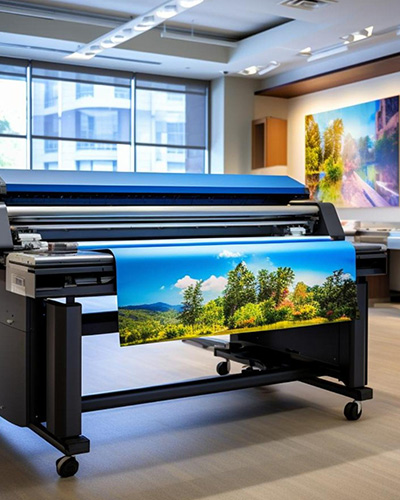
The efficiency and quality of print on demand booklets hinge significantly on the printing technology employed. Modern digital printing methods, such as inkjet or laser printing, dominate the industry due to their fast turnaround times and ability to handle variable data and short runs without sacrificing quality. Digital presses allow for precise color matching, sharp detail reproduction, and seamless personalization, which are critical features for custom publications or limited editions.
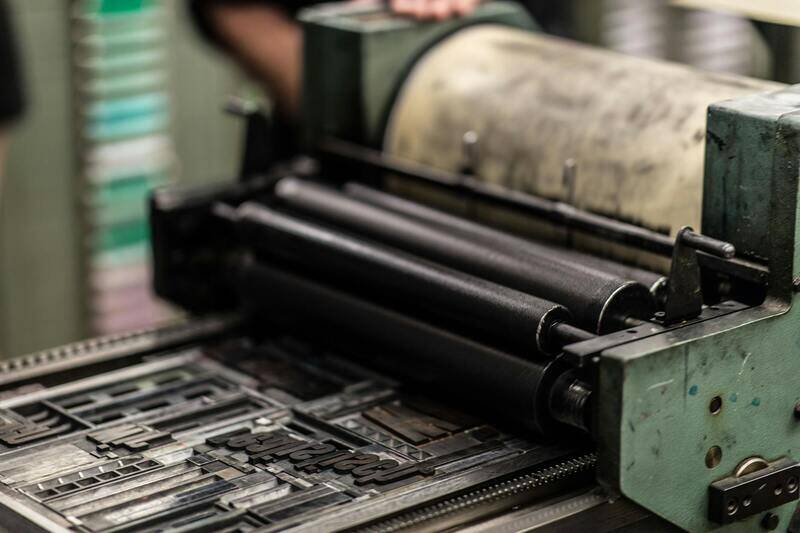
Offset printing, traditionally used for larger volumes, can also be adapted for on-demand services through hybrid models that combine digital and offset techniques. Although offset printing offers superior color consistency and cost-effectiveness at high quantities, digital technology remains the preferred choice for smaller batches because it eliminates setup costs and reduces waste.
The process typically involves digital file preparation, color calibration, and precise color management to ensure that the printed booklet aligns perfectly with your design specifications. Post-print finishing processes such as folding, binding, and coating are then executed to deliver the finished product. Select a print provider that utilizes advanced digital presses capable of handling intricate designs, variable data, and high-resolution images to achieve professional results.
Understanding Print on Demand Booklets
Print on demand (POD) booklets present a flexible and cost-effective method for producing small quantities of customized printed materials. This approach enables creators, businesses, and institutions to print high-quality booklets without the need for large upfront investments or excess inventory. The key to successful POD booklet production lies in selecting reputable print methods and understanding how to optimize your design, materials, and workflow to ensure a seamless process from digital file preparation to finished product.
Official Methods for Producing Print on Demand Booklets
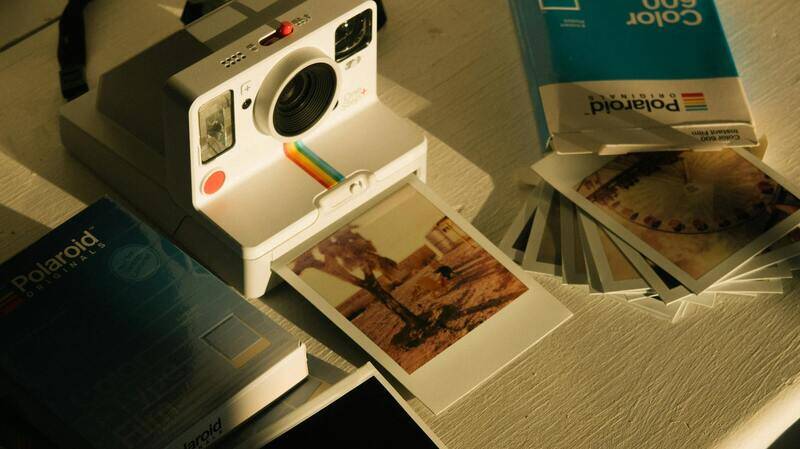
When printing booklets on demand, the most recognized and reliable methods involve digital printing technologies such as inkjet and laser printing. These methods are preferred for their ability to deliver quick turnaround times, excellent flexibility, and consistent quality for shorter runs. Digital printing requires minimal setup compared to traditional offset methods, making it ideal for small quantities or personalized editions.
Digital presses utilize advanced inkjet or toner-based systems that can handle complex graphics, full-color images, and variable content without compromising clarity. This technology allows for precise color matching and detailed reproduction, essential for professional, polished booklets. The digital workflow begins with preparing your digital files correctly, ensuring that images, fonts, and layouts adhere to print specifications. Proper calibration and color management are critical to achieving the intended visual outcome.
Hybrid models sometimes merge digital and offset printing techniques, especially for larger on-demand runs. These systems offer the benefits of digital flexibility combined with offset's cost efficiency and color consistency at higher volumes. However, for short runs and highly customized projects, digital printing remains the standard approach due to its agility and minimal waste.

Ensuring Quality Through Proper Material Selection
The choice of materials significantly impacts the durability, appearance, and overall impression of your print on demand booklet. High-quality paper choices include various weight options, finishes, and textures suitable for different purposes. Standard options such as matte, gloss, and silk finishes can each enhance the presentation, depending on your goals.
- Paper Types: Acid-free, archival-quality paper is ideal for longevity; lighter weight papers are suitable for informational brochures, while heavier, cardstock covers lend a premium feel.
- Cover Finishes: Glossy finishes make colors pop, while matte or textured covers provide a sophisticated, subdued aesthetic.
- Additional Enhancements: Embossing, foil stamping, or spot UV coatings can elevate your booklet’s appearance for branding or special editions.
Selecting the right combination of materials involves considering your booklet’s purpose, target audience, and budget. Working with reputable print providers ensures access to a wide range of options, enabling customization to match your specific requirements.
Finalizing Your Print Files for Reliable Output
Before submitting your design, it’s essential to prepare high-resolution files that conform to printing standards. This involves setting proper bleed margins, ensuring color profiles are embedded, and utilizing CMYK color space for accurate color reproduction. Save your files in widely accepted formats such as PDF/X-1a or TIFF, which preserve quality and facilitate compatibility with print equipment.
Collaborating closely with your chosen print service provider allows you to review proofs and make adjustments if necessary. Proofing is a critical step to verify layout, color fidelity, and overall appearance to avoid costly errors post-printing.

Understanding Print on Demand Booklets
When considering print on demand booklets, it is vital to recognize the technology and processes that underpin their production. Digitally driven, print on demand (POD) utilizes advanced printing methods that enable small batch or even single-copy production without sacrificing quality. This approach offers unmatched flexibility, allowing creators and businesses to produce customized, personalized, or limited edition booklets efficiently.
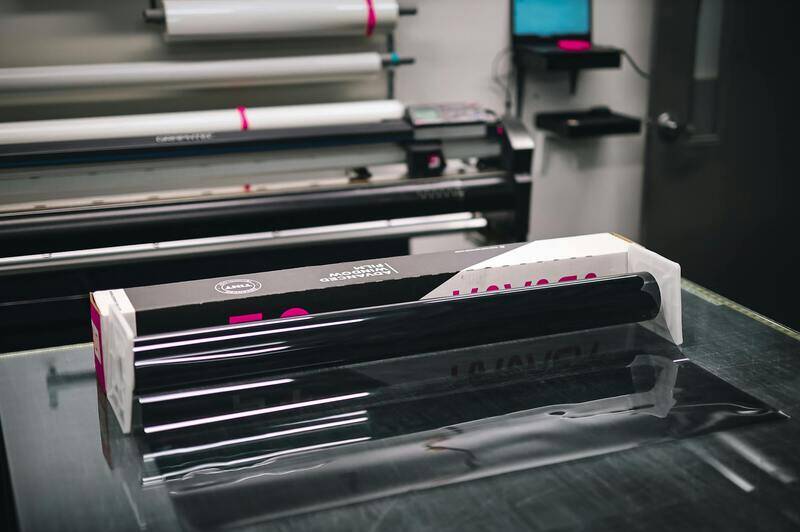
The core printing technology employed is digital printing, which differs fundamentally from traditional lithography or offset methods. Digital printing employs electrophotographic or inkjet processes that directly transfer digital images onto printed substrates. This direct-to-print capacity reduces setup costs, shortens lead times, and supports on-demand order fulfillment.
Advantages of Digital Printing for Booklets
- Cost Efficiency for Small Batches: Digital printing minimizes setup costs, making it economical for short runs or unique copies.
- Rapid Turnaround: The absence of elaborate plate creation enables faster production cycles, often within a matter of days.
- Customization: Variable data printing allows for individualized content, personalized covers, or targeted marketing messages within each booklet.
- High-Resolution Output: Advances in digital presses deliver sharp images and vibrant colors, ensuring professional quality.
Implementing digital printing for your booklets guarantees flexibility, speed, and high-quality results, essential for dynamic marketing campaigns, educational resources, or limited-edition collections.
Process Overview of Digital Booklet Printing
- Design Preparation: Finalize your booklet design in high-resolution format, ensuring proper color management and bleed settings.
- File Submission: Upload your files in compatible formats, such as PDF/X-1a or TIFF, to your chosen print provider's platform.
- Pre-Press Review & Proofing: Review digital proofs supplied by the printer to verify layout, colors, and content accuracy before mass printing.
- Printing: The digital press prints the booklets directly from digital files, with the ability to insert variable data if necessary.
- Finishing: Post-print processes such as binding, trimming, and applying coatings (glossy, matte, textured) are completed to produce a polished final product.

Choosing the Suitable Printing Method for Your Needs
Understanding the specifics of digital printing technology equips you with the knowledge to select the optimal production method aligned with your project goals. When producing a limited number of booklets with high-quality visuals or customizable features, digital printing is preferred due to its flexibility, speed, and cost-effectiveness.
For larger quantities, some providers may recommend offset printing due to potential unit cost advantages. However, the efficiency and rapid turnaround of digital presses often overshadow traditional methods for small to medium runs, especially in the context of print on demand services.
Understanding Print on Demand Booklets
Print on demand (POD) booklets serve as a flexible and efficient solution for publishers, businesses, educators, and content creators seeking to produce small to medium runs without the need for large inventories. Unlike traditional printing methods that require substantial upfront investments and extensive setup, POD allows for immediate production based on demand, reducing waste and storage costs. This process ensures each booklet is printed precisely when needed, enabling dynamic updates, customization, and rapid distribution.
At its core, the process revolves around digital printing technology, which directly reproduces your digital files onto various materials with high precision. This method supports short print runs and offers the advantage of tailoring each booklet to specific audiences or purposes—be it promotional materials, training manuals, or limited-edition publications. The ability to print small batches efficiently makes print on demand a cost-effective choice for many organizations aiming for high-quality results without the hassles of traditional bulk printing.
In addition, print on demand booklets facilitate rapid turnaround times, allowing creators to bring projects to market swiftly. This is particularly beneficial for campaigns with tight schedules, seasonal promotions, or personalized content. The convenience of on-demand printing also means adjustments can be made after initial runs, whether through content updates or design modifications, all while maintaining high standards of quality and consistency.

Key Factors in Producing Print on Demand Booklets
Successfully navigating the landscape of print on demand requires understanding the critical components that influence production quality, cost, and efficiency. These include your choice of design, materials, printing technology, and the pairing with a capable print service provider.
Design Optimization for Digital Printing
Preparing your booklet design for digital printing involves ensuring the artwork is in high resolution, typically 300 dpi, to guarantee crisp visuals and clear text. Bleed settings should be appropriately set to prevent unwanted white borders, and color profiles need to be managed accurately to match your intended palette. Digital print files often require formats such as PDF/X-1a or TIFF, which preserve quality and compatibility for seamless submission.
Material Compatibility and Finishes
The choice of paper stock influences not only the aesthetic appeal but also the durability of your booklets. Thicker, matte-finish papers lend a professional look and feel, while gloss coatings can enhance vibrant imagery. Finishes like textured or soft-touch coatings add tactile appeal, ensuring your booklet stands out. Considerations about ink absorption, weight, and environmental factors will influence your selection of materials to match your project goals.
Working with a Print Service Provider
Legitimate print providers that specialize in POD services offer tailored consultations to help you choose the right materials, finishes, and binding options. Clear communication about your timeline and budget is essential for aligning expectations and ensuring quality results. Reputable providers often provide sample kits, allowing you to evaluate different paper qualities, coatings, and binding styles before finalizing your order, minimizing surprises and ensuring your booklet meets your standards.

Incorporating Advanced Printing Technologies
Digital printing, particularly inkjet and laser technologies, forms the backbone of reliable print on demand services. These systems facilitate rapid throughput, precise color matching, and high-resolution output. For small runs, digital presses excel in delivering consistent quality without the extensive setup costs associated with offset printing. Modern digital presses also support variable data printing, allowing for personalized content on each booklet—an essential feature for targeted marketing campaigns or customized educational materials.
Understanding the specifics of these printing processes helps clients optimize their projects, choosing options that best suit the volume, complexity, and visual requirements of their booklets. For instance, certain digital presses are capable of printing on diverse types of paper, including textured or recycled stocks, broadening creative possibilities.
When considering your digital printing options, inquire about the resolution capabilities, color gamut, and finishing support, ensuring the final product aligns with your expectations for quality and durability.

Official Methods for Producing Print on Demand Booklets
Creating print on demand booklets through legitimate channels involves utilizing established digital printing processes and partnering with reputable print service providers. These providers employ advanced digital printing technology to ensure consistent quality, rapid production times, and accurate color reproduction, making them ideal for small to medium-sized print runs. The most common methods include inkjet and laser printing techniques, both of which are capable of handling a wide range of paper types and finishes, providing flexibility for various booklet designs and purposes.
It is essential to work exclusively with certified print providers that operate under industry standards, guaranteeing adherence to quality control measures and the use of genuine printing equipment. Such providers often maintain rigorous quality assurance protocols, including color calibration, substrate compatibility checks, and finishing processes, to deliver professional-grade booklets that meet your specifications. This approach not only ensures high-quality output but also facilitates compliance with intellectual property rights, avoiding any potential infringements or unauthorized duplication.

In addition to choosing the right methods, selecting a licensed and experienced print partner helps streamline the process, from file submission through final delivery. These providers often include digital file preparations, proofing, and color matching as part of their comprehensive service package, thus safeguarding the integrity of your design and content.
Step-by-Step Approach to Ensuring Authorized Production
- Source Your Content Legally: Ensure your manuscript or design files are obtained or created through legitimate means, respecting copyright and licensing agreements.
- Use Reputable File Formats: Submit your booklet files in industry-standard formats such as PDF/X, which preserves design fidelity and is compatible with most professional printing systems.
- Partner with Licensed Printing Companies: Select print providers that are recognized for adhering to official standards and quality benchmarks, with proven track records in delivering consistent results.
- Review and Approve Proofs: Always request and scrutinize digital or physical proofs before authorizing the full run, confirming that the printed material accurately reflects your design intent.
- Maintain Proper Licensing and Documentation: Keep records of agreements, licenses, and proofs to facilitate future transactions and verify the authenticity of your printing process.
Implementing these steps ensures your print on demand booklets are produced through controlled, authorized procedures that uphold the integrity of your content and aesthetic standards.
Ensuring Proper Licensing and Copyright Compliance
When producing print on demand booklets through authorized channels, establishing a clear and documented licensing process is essential. This involves securing the rights to use any third-party content, such as images, texts, or proprietary data incorporated into your booklet. Maintaining an organized record of licensing agreements, permissions, and licenses not only helps streamline the production process but also ensures transparency and accountability throughout the printing cycle.
Verifying Source Material Legitimacy
Before finalizing your submission, it’s crucial to double-check the origin of your content. Use original designs or materials obtained from reputable sources with clear ownership rights. Employ digital tools to trace licenses and ensure that any borrowed or licensed material is used in accordance with the agreed-upon terms. This diligence reduces the risk of disputes and ensures your booklet maintains its integrity and respectability.
Choosing Certified and Recognized Printing Partners
Selecting a printing service provider that adheres strictly to official standards involves research and due diligence. Look for companies with valid certifications, industry recognitions, and proven track records for high-quality output. Such providers typically follow best practices in file handling, color management, and finishing processes, guaranteeing that your booklet’s visual and tactile qualities meet professional expectations.
Assessing Printing Facility Accreditation
- ISO Certification or equivalent industry standards
- Compliance with environmental and safety regulations
- Memberships with professional printing associations
Requesting and Reviewing Proofs
Before giving the final approval for mass production, always request detailed proofs—either digital or physical. Carefully compare these proofs against your original design and content specifications to verify accuracy in color reproduction, layout, and overall quality. Engaging in this step helps identify and correct any issues early, preventing costly reprints or delays.
Maintaining Quality Through Proper Documentation
Keeping thorough records—including licensing agreements, proof approvals, and correspondence with your printing partner—facilitates accountability and clarity throughout the process. These documents serve as an essential audit trail that supports your project’s authenticity and adherence to quality standards, especially when dealing with multiple stakeholders or large-scale orders.
Legal Use of External Resources
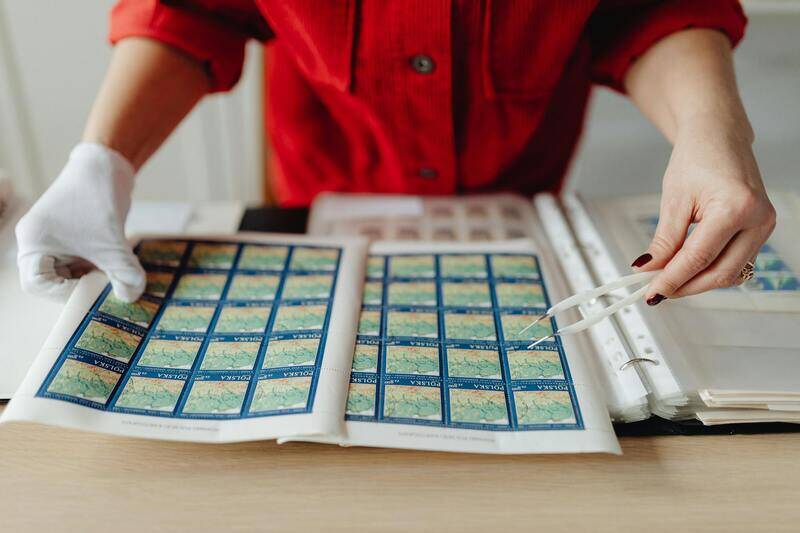
Incorporating external content, such as stock images or licensed texts, requires careful management. Verify that permissions are up-to-date and that usage rights explicitly cover commercial printing. This practice prevents inadvertent infringement and promotes responsible content integration, supporting a professional and respectful presentation of your booklet.
Continuous Quality Improvement
Regularly reviewing your production process, from licensing to final printing, helps identify opportunities for enhancement. Engage with your print partner for feedback and implement improvements in file preparation, material selection, or finishing techniques. This proactive approach ensures that your print on demand booklets consistently align with your quality benchmarks and industry standards.
Ensuring Proper Use and Distribution of Print on Demand Booklets
Once your booklet has been printed through a legitimate print on demand service, the next crucial step involves managing its distribution responsibly. Proper methods of distributing your booklet not only help in reaching your target audience effectively but also ensure that your content remains protected and aligns with your strategic goals.
Secure Digital and Physical Distribution Channels
To maximize reach while maintaining control over your content, utilize secure distribution channels. Digital distribution can be managed through proprietary platforms, email marketing campaigns, or authorized online marketplaces. These methods ensure your booklet reaches the intended audience without unauthorized duplication or dissemination.
For physical distribution, partner with reputable logistics providers that specialize in handling print materials. This helps in reducing transit damages and guarantees timely delivery. Packaging your booklets securely also preserves their quality and presentation, reinforcing your professional image.
Implementing Proper Licensing and Usage Rights
Legitimacy in distribution extends beyond production—it's essential to adhere to the licensing and usage rights associated with your content. Ensure that all external resources, such as images or texts included within the booklet, are properly licensed for commercial distribution. Maintaining documentation of licensing agreements aids in preventing content misuse and supports your rights as an author or publisher.
Monitor Distribution and Collect Feedback
Tracking how your booklets are distributed provides valuable insights into their reach and impact. Use analytics tools and feedback forms to gauge reader engagement and satisfaction. This information can inform future print runs, content adjustments, or distribution strategies, ensuring your efforts translate into meaningful results.
Adopting Ethical and Responsible Practices
Distribute your print on demand booklets ethically by respecting intellectual property rights and your target audience. Avoid unauthorized copying or sharing, and adhere to applicable regulations concerning print materials and copyrighted content. Such practices promote credibility and build trust with your customers and partners.