Definition and Types of Color Printing
Color printing is a manufacturing process that reproduces images and text in a wide spectrum of colors, providing vibrant and accurate visual representations for a variety of needs. This technique is essential for creating impactful marketing materials, detailed photographic reproductions, and precise brand representations. Its versatility allows for different methods tailored to specific requirements, volume, and quality standards.
Among the most prevalent types of color printing are digital printing, offset printing, and large-format printing, each serving distinct purposes based on project scope and desired outcome.
Digital Color Printing
Digital color printing involves directly transferring digital images onto various media, such as paper or fabric. It is renowned for its quick turnaround times, cost-effectiveness for short runs, and its ability to produce high-resolution images with fine detail. Digital printing is ideal for personalized prints, small batch production, and on-demand jobs.
Offset Color Printing
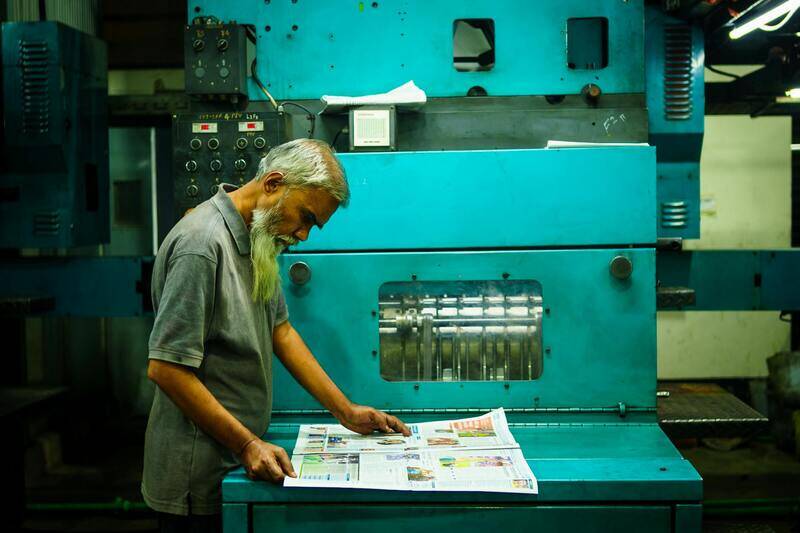
Offset printing utilizes plates to transfer ink onto a rubber blanket, which then applies it to the printing surface. This process excels in producing large quantities with consistent high quality, making it a popular choice for magazines, brochures, and catalogs. Offset printing offers superior color fidelity and is highly economical for bulk printing projects, despite longer setup times.
Large-Format Color Printing
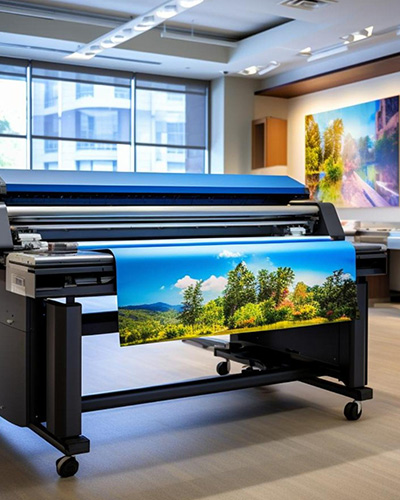
Large-format printing caters to banners, posters, and exhibition displays that require expansive print areas. It employs specialized inks and large printers capable of handling wide media. This method ensures that images retain vibrant colors and sharp detail over larger surfaces, serving sectors such as advertising, event planning, and retail displays.

Effective color printing hinges on integrating appropriate technology, media selection, and precise color management. Understanding these different types enables organizations and individuals to select the optimal solution tailored to their specific requirements, ensuring high-quality output that aligns with their branding and communication goals.
Definition and Types of Color Printing
Color printing encompasses a broad array of techniques designed to reproduce vibrant, accurate colors on various substrates. Each method serves distinct purposes, tailored to specific output needs and production volumes. Recognizing the differences among these types enables better decision-making for projects requiring high-quality, consistent color results.
Digital Color Printing
Digital printing directly transfers digital images onto media, such as paper, fabric, or plastic, without the need for physical printing plates. This approach is well-suited for short runs and highly customized projects. It provides rapid turnaround times and supports variable data printing, which allows for personalized content. Digital color printing is also favored for its ability to produce fine detail and rich hues, making it ideal for promotional materials, labels, and small batch prints.
Offset Color Printing
Offset printing relies on the transfer of ink from metal plates onto a rubber blanket, then onto the substrate. This process is optimal for large-volume production, offering superior color fidelity, consistency, and sharpness. Offset printing is the preferred choice for producing magazines, books, brochures, and catalogs, as it provides cost-effectiveness per unit in high quantities despite longer setup times. Achieving precise color matching is a hallmark of offset printing, ensuring brand colors are consistently maintained across large runs.
Large-Format Color Printing
Designed to handle expansive media, large-format printing caters to banners, posters, and trade show displays. Utilizing wide-format printers and specialized inks, this method ensures vibrant colors and sharp details over large surfaces. It plays a crucial role in advertising, event promotions, and retail environments where visual impact is paramount. The ability to print on various media types, such as vinyl, canvas, and fabric, extends its application scope across diverse industries.
Additional Methods of Color Printing
- Screen Printing: Suitable for printing on textiles, ceramics, and other surfaces requiring durable ink layers, often used for promotional apparel and merchandise.
- Flexography: Commonly employed for packaging, labels, and flexible substrates, utilizing fast-drying inks for high-speed production.
- Gravure Printing: Ideal for high-volume magazines and wallpapers, providing rich color detail and consistent quality over large runs.
Understanding these various types of color printing allows organizations to select the most appropriate technology for their specific requirements—whether prioritizing speed, cost, or print quality. This strategic choice ensures the final output effectively communicates the intended message and maintains visual consistency across multiple media.
Definition and Types of Color Printing
Color printing refers to the process of reproducing images and text in full color by utilizing a combination of colored inks or toners. This method enables the creation of vibrant, detailed visuals suitable for various applications, from marketing materials to photographic reproductions. The technology behind color printing encompasses several distinct types, each optimized for specific needs and production scales.
Primary Types of Color Printing
- Digital Color Printing: Ideal for short runs and quick turnaround times, digital printing involves directly transferring digital files onto media using high-tech printers. It offers excellent color accuracy and is highly flexible for personalized or customized outputs.
- Offset Color Printing: Widely used for large-volume printing, offset lithography uses metal plates to transfer ink onto paper. This method produces high-quality results with consistent color reproduction suitable for magazines, catalogs, and commercial brochures.
- Flexography: Often applied to packaging and labels, flexography employs flexible relief plates and fast-drying inks. This process is excellent for high-volume runs on non-absorbent surfaces such as plastics and foils.
- Screen Printing: Suitable for printing on textiles, ceramics, and other substrates requiring thick ink layers, screen printing provides durable and vibrant color output, frequently used in promotional apparel and merchandise.
- Large-Format Color Printing: Designed to accommodate expansive media, this method utilizes wide-format printers and specialized inks to produce banners, posters, and trade show displays with exceptional clarity and color vibrancy.
Factors to Consider When Choosing a Color Printing Type
- Print volume requirements: Large-scale projects often favor offset or large-format printing due to cost efficiency, whereas short runs benefit from digital methods.
- Color fidelity: The choice of technology impacts color accuracy, with offset and digital printing generally providing superior precision.
- Material compatibility: Certain substrates, such as textiles or flexible packaging, require specific printing techniques like screen or flexography.
- Turnaround time: Digital printing offers rapid production, making it suitable for time-sensitive projects.
- Budget constraints: Cost per unit varies among technologies, influencing the decision based on the project's financial scope.
Summary
Understanding the various types of color printing allows organizations to select the most appropriate technology for their project needs, balancing factors such as quality, quantity, material compatibility, and budget. Ensuring the right choice enhances the visual impact of printed materials, maintains brand consistency, and achieves the desired communication objectives across diverse media.
Understanding the Process of Color Printing and Its Industry Applications
Primary Methods of Color Printing in Commercial Settings
Color printing encompasses a variety of techniques, each tailored to meet specific requirements related to quality, volume, and material compatibility. Four principal types dominate the industry: offset printing, digital printing, flexography, and screen printing. These methods are optimized for different applications and offer distinct advantages based on project scope and desired outcome.
Offset Printing
Offset printing is widely regarded for its high quality and cost efficiency in large-volume print runs. It involves transferring ink from a plate to a rubber blanket and then onto the printing substrate, typically paper. This process supports a broad color spectrum and achieves consistent color fidelity across extensive print runs. Offset is particularly favored for printing magazines, catalogs, and high-volume packaging materials where image sharpness and color uniformity are paramount.
Digital Printing
Digital printing has transformed the industry with its rapid turnaround and ability to produce short runs or personalized prints economically. Utilizing digital files directly from computers, this method eliminates the need for printing plates, reducing setup costs. It is ideal for on-demand printing, promotional materials, and customized items. The technology supports variable data printing and can seamlessly incorporate diverse color profiles to ensure accurate reproduction of complex graphics and photographs.
Flexography
This relief printing technique employs flexible plates and is commonly used in packaging, especially for flexible materials like plastic films, foils, and corrugated boxes. Flexography offers excellent color registration and is well-suited for high-speed production, making it a preferred choice for large-scale labeling and flexible packaging jobs requiring vibrant color output.
Screen Printing
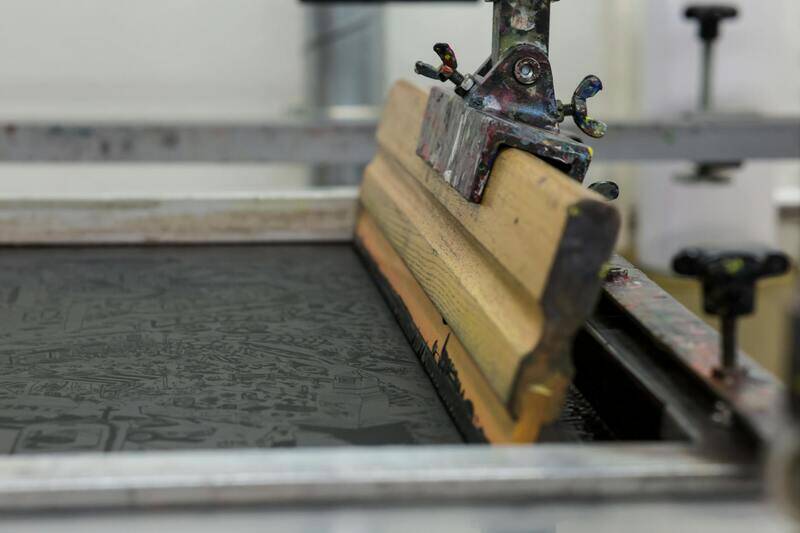
Screen printing uses a mesh-based stencil to apply ink onto various substrates, from textiles to plastics. This technique excels in printing vibrant colors on versatile surfaces, making it ideal for branding promotional apparel, signage, and specialty packaging. The ability to use opaque inks also enhances color richness, especially on dark or textured backgrounds.
Choosing the Appropriate Color Printing Method for Your Project
Selection hinges on factors such as quantity, material, desired quality, and budget. For large print runs with pristine color consistency, offset remains a reliable choice. Digital printing offers flexibility and speed for short runs or personalized projects. Flexography and screen printing are invaluable for packaging and apparel, respectively. Consideration of these elements ensures efficient production aligned with strategic communication goals.
Visual Representation of Diverse Color Printing Technologies
Factors Affecting Color Quality in Printing
Achieving consistent and vibrant color reproduction in printing processes demands careful attention to multiple factors. Variations in paper type can significantly influence how colors appear once printed. Certain substrates may absorb ink differently or reflect light in ways that alter perceived hues, thereby impacting the final visual output. Selecting the appropriate paper, such as gloss, matte, or uncoated varieties, is crucial for optimizing color accuracy.
In addition to substrate selection, the quality and type of ink play a vital role in color fidelity. High-quality, properly formulated inks provide broader color gamuts and better adhesion, resulting in richer and more precise hues. The viscosity and drying properties of inks can also affect color consistency, especially across large print runs.
Print settings, including resolution, color profiles, and press calibration, are equally influential on color outcomes. Proper calibration ensures that the digital design files are accurately translated onto physical media, reducing discrepancies between the intended and the printed colors. Regular maintenance of printing equipment, including cleaning and calibration, is essential for maintaining color integrity over time.

Moreover, environmental factors such as humidity and temperature can influence ink drying times and substrate behavior, which in turn affect color quality. Managing these conditions during the printing process ensures optimal results. Skilled operators also interpret and adjust print settings dynamically, based on real-time feedback, to uphold color standards.
Color Profiles and Their Implementation
Implementing standardized color profiles, such as ICC profiles, helps in maintaining consistency across various devices and media. These profiles serve as reference standards that guide how colors are perceived and reproduced in different stages of production. By embedding specific color profiles within digital files and printing equipment, companies can achieve precise control over color output, ensuring that brand colors and detailed imagery appear accurately and consistently.
Quality Assurance Measures
- Regular color calibration of printers and screens
- Use of authenticated, high-quality inks and papers
- Monitoring environmental conditions in the printing environment
- Utilizing color management software to align digital and printed assets
- Conducting sample proofs before full-scale production
These measures assist in minimizing color deviations and uphold the integrity of the visual message delivered through printed materials. Proper management and quality control are indispensable for any operation that demands precise and vibrant color reproduction.
Definition and Types of Color Printing
Color printing encompasses a variety of methods designed to reproduce full-colored images and designs on different types of media. It involves the application of multiple ink colors to accurately represent photographs, artwork, and branding elements. The primary types include digital color printing, offset color printing, flexography, and gravure printing. Digital color printing involves directly printing digital files onto media, providing quick turnaround and cost-effective solutions for short runs. Offset color printing, on the other hand, uses plates to transfer ink to substrates and is ideal for high-volume production with superior color consistency. Flexography employs flexible relief plates, making it suitable for packaging and labels with complex colors. Gravure printing offers high-quality reproduction for premium magazines and packaging by engraving images onto cylinders. Each type offers unique benefits, and the choice depends on project requirements, quantity, and desired color fidelity.
Color Printing Technologies Used in the Industry
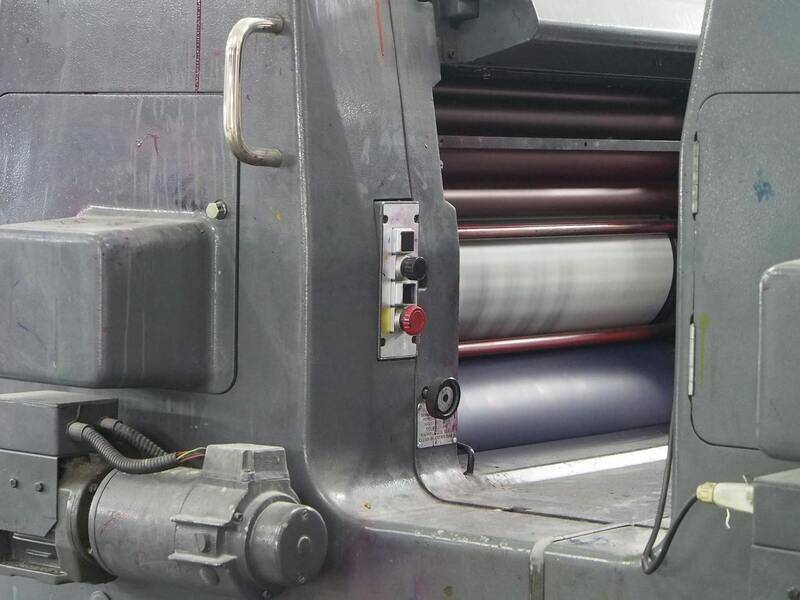
The industry relies heavily on advanced printing technologies to achieve vibrant and consistent color output. Inkjet printing is popular for on-demand, short-run projects and offers high-resolution color reproduction through tiny droplets of ink deposited onto media. Electrophotographic printing, commonly used in high-volume environments, utilizes toner powders that are fused onto paper, delivering rapid, high-quality output. Lithography, or offset printing, employs liquid inks transferred from metal plates to sheets, enabling precise color matching and scalability. UV and LED-UV printing incorporate ultraviolet light to cure inks instantly, providing durable, highly vibrant images on a variety of substrates. Digital presses integrating multiple technologies deliver flexibility and quick turnaround, making them indispensable for modern print needs. Each technology has specific advantages that contribute to achieving optimal color fidelity, durability, and efficiency in production.
Color Management and Calibration
To ensure consistent and accurate color reproduction, comprehensive color management and calibration practices are essential. Color management involves the use of standardized profiles, such as ICC profiles, which serve as reference documents to manage how colors are interpreted across devices and media. Calibration is the process of adjusting printers, monitors, and other equipment to match desired color standards, minimizing discrepancies between digital designs and finished prints. Regular calibration routines include checking printer output against color targets and adjusting settings accordingly. Implementing color management workflows helps in maintaining brand consistency, especially when multiple print runs or media are involved. This involves embedding color profiles into artwork files, using high-quality calibration tools, and maintaining controlled environmental conditions during production, all of which contribute to achieving predictable and repeatable color results.
Applications of Color Printing in Various Industries
Color printing plays a pivotal role across a wide spectrum of sectors. Advertising and marketing agencies utilize vibrant banners, brochures, and posters to draw attention and communicate brand messages effectively. The packaging industry relies on precise color reproduction for product labels, boxes, and wrappers to maintain brand integrity and consumer appeal. The apparel and textile industries incorporate color printing techniques for custom patterns and designs on fabrics. In the publishing sector, magazines, catalogs, and art books depend on high-quality color printing to showcase images with clarity and vibrancy. Additionally, the pharmaceutical and healthcare sectors employ color printing for labels, documentation, and instructional materials, ensuring information is clear and distinguishable. Each application demands specific color fidelity standards to communicate messages and brand identity accurately.

Factors Affecting Color Quality in Printing
Several factors influence the final color quality in printing processes, necessitating careful management throughout production. Substrate selection is crucial; different paper, plastic, or fabric bases can absorb inks differently, affecting vibrancy and accuracy. Ink composition and quality directly impact color richness and longevity; using authentic, high-quality inks ensures consistent results. Environmental conditions such as humidity, temperature, and lighting conditions in the printing environment can alter ink drying times and substrate behavior, influencing color accuracy. Proper drying and curing processes are essential, especially with UV and digital printing methods, to prevent color shifts or smudging. Operator expertise also plays a vital role in adjusting print parameters dynamically based on real-time feedback, ensuring adherence to color standards. Regular quality checks, calibration, and environmental control are key to achieving high-quality, consistent color output for all print jobs.
Color Printing Technologies Used in the Industry
Implementing effective color printing relies on a variety of advanced technologies that cater to different application needs and production scales. Digital color printing, including inkjet and laser printing, offers high flexibility and rapid turnaround times, making it ideal for short runs, personalized projects, and quick turnarounds. These methods utilize precise inkjet nozzles or laser beams to produce vibrant, detailed images with a broad color spectrum.
Offset color printing remains a cornerstone for high-volume jobs requiring impeccable color fidelity, such as mass marketing materials and packaging. This technique employs metal plates to transfer ink onto substrates, enabling consistent replication of complex images with precise color matching across large quantities. The use of special inks and coatings further enhances color vibrancy and durability during long-term use.

Another notable technology includes flexographic printing, predominantly used for packaging, labels, and flexible materials. It utilizes flexible plates and fast-drying inks, suitable for high-volume production with excellent color accuracy on non-porous surfaces. Screen printing is also widely used for vibrant, opaque colors on textiles, glass, and promotional products where unique textures and finishes are desired.
Color Management and Calibration
Maintaining consistent color output hinges upon robust color management systems and precise calibration protocols. Color management involves profiling devices and substrates to ensure that digital colors accurately translate to printed results. This process includes utilizing ICC profiles, which serve as references for color matching across devices such as monitors, printers, and scanners.
Calibration is vital for aligning hardware components, including monitors, printers, and even workflow software. Regular calibration routines minimize color discrepancies and ensure adherence to the intended color standards. When properly managed, these processes allow for predictable, high-quality outputs that meet the strict requirements of brand accuracy and visual consistency.
Applications of Color Printing in Various Industries
From marketing campaigns to industrial labeling, color printing plays a significant role across numerous sectors. Retail and consumer goods heavily depend on vibrant packaging and point-of-sale displays to attract customers and differentiate brands in competitive markets. Art publishers and photographers utilize high-resolution color printing to reproduce artworks and images with true-to-life color fidelity, preserving the creator's intent and detail.
The healthcare industry employs color printing for clear, informative labels and instructional materials, ensuring critical information remains legible and distinguishable. Educational institutions use color printing for promotional visuals, posters, and student materials that foster engagement and comprehension.

Factors Affecting Color Quality in Printing
Multiple elements influence the eventual color quality of printed materials. The choice of substrate is fundamental; different materials, such as coated or uncoated paper, plastic, fabric, or metal, react uniquely with inks, impacting vibrancy and accuracy. Ink quality, including the pigmentation and formulation, directly correlates with the depth and durability of colors—premium inks tend to produce richer and longer-lasting results.
Environmental conditions during printing, especially humidity, temperature, and lighting, can alter ink drying behaviors and substrate interactions, leading to color shifts if not adequately controlled. Post-print curing, particularly in UV and digital printing technologies, is essential for fixing colors and preventing smudging or fading.
Operator expertise is also critical in managing print settings—adjusting parameters such as ink density and color profiles based on real-time feedback to achieve optimal output. Regular maintenance, calibration, and quality control procedures further ensure consistent color results across different print runs and substrates.
Comprehensive Methods for Achieving Accurate Color Printing
Ensuring the fidelity of colors in printed materials depends on adhering to established and reliable techniques that maintain consistency, vibrancy, and accuracy throughout the process. These methods encompass precise color matching, the use of standardized equipment, and regulated procedures that uphold quality standards across various printing projects.
Color Matching Computers and Software
Utilizing sophisticated software for color management allows printers to simulate final outputs and make necessary adjustments before starting the print run. Color matching tools generate specific profiles that align with the target colors, ensuring that what appears on a screen translates accurately onto physical media. These tools analyze color spaces and correct deviations, contributing to consistent results across multiple batches.
Standardized Color Profiles and ICC Profiles
Standardized color profiles, such as ICC (International Color Consortium) profiles, serve as benchmarks that define how colors should appear on specific devices and substrates. Implementing these profiles during pre-press preparation guarantees that color reproduction remains uniform regardless of equipment variations, substrate differences, or environmental factors. They also facilitate seamless communication across different stages of the printing workflow, from design to production.
Testing and Color Sample Approval
Before finalizing large orders, producing proof samples allows for meticulous color evaluation and adjustment. These samples are scrutinized for color fidelity, saturation, and contrast, enabling minimal deviations in the finished product. Customers’ approval of these proofs ensures alignment with their expectations, reducing waste and rework during the actual printing process.
Regular Equipment Calibration and Maintenance
Consistent color output depends heavily on ongoing calibration of printing devices. Regular calibration schedules align the machine's output with standardized color profiles, accounting for equipment wear and environmental changes. Calibration involves adjusting ink density, color registration, and sensor feedback to achieve the desired accuracy. Routine maintenance minimizes fluctuations and keeps the printing process smooth and predictable.
Environmental Control During Printing
Environmental factors such as humidity, temperature, and lighting can influence ink behavior and color consistency. Proper climate control within printing facilities ensures stable conditions, preventing issues like ink drying inconsistencies or color shifts. Many facilities invest in climate control systems to maintain optimal conditions conducive to high-quality color reproduction.

In addition to these established practices, ongoing training for operators enhances their ability to manage complex color printing operations effectively. Skilled personnel proficient in color calibration and troubleshooting are essential for maintaining high standards and achieving professional-grade results.
Implementation of Digital Color Management Systems
Digital color management systems integrate various components such as monitors, printers, and proofing devices, creating a unified workflow that minimizes discrepancies. These systems streamline the calibration process, automate profile adjustments, and provide real-time feedback, ultimately leading to more precise and reliable color reproduction across different projects.

By combining these proven techniques—software-based color matching, adherence to standardized profiles, routine calibration, environmental control, and sophisticated digital workflows—companies can significantly enhance the accuracy and quality of their color printing. This integrated approach fosters trust, reduces costs associated with reprints, and elevates the overall standard of printed communications.