Factors Influencing Color Print Out Price
Understanding the variables that impact the cost of color printing is crucial for businesses and individuals seeking affordable and quality print services. Several key elements work together to determine the final price, including the volume of prints, paper quality, and the technology used in the printing process.

Print Volume
The quantity of prints ordered significantly affects the overall cost. Typically, higher volumes benefit from bulk pricing discounts because the setup costs are distributed over a larger number of prints. Small-volume jobs tend to have higher per-page costs due to setup and material overheads. Therefore, if frequent printing is anticipated, opting for larger batches can lead to considerable savings.
Paper Quality and Type
The choice of paper influences both the appearance of the final product and its cost. Premium glossy or matte finishes, thicker stock, or specialty papers like textured or waterproof materials generally incur higher prices than standard sheets. The paper's weight, texture, and brand also play roles in the overall pricing structure, especially for projects demanding a professional look or durability.
Printing Technology
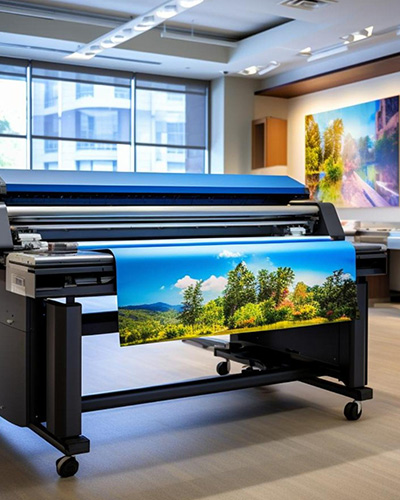
The type of printer technology used can impact the per-page cost. High-end digital printers equipped with advanced color management and multi-pass capabilities produce superior quality prints but might cost more per sheet. Conversely, smaller or less sophisticated printers may offer cost-effective options for less demanding jobs but might compromise on color fidelity or resolution.
Color Coverage
The extent of color coverage on each page influences the cost. Printing pages with extensive color elements, such as full-page images or graphics, consumes more ink and time, resulting in higher prices. Simple text documents with minimal color typically cost less than complex, image-heavy material.
Additional Factors
- Print Speed and Turnaround Time: Urgent requests may attract additional fees due to expedited processing.
- Complexity of Design: Intricate designs requiring multiple colors or special printing effects can increase costs.
- Post-Processing Services: Finishing options such as binding, laminating, or cutting also influence total expenses.
By understanding these factors, clients can better estimate the costs involved and make informed choices that balance quality and budget. Selecting a printing provider that transparently discusses these elements ensures clarity and helps avoid unexpected expenses during the process.
Common Pricing Models for Color Printing
Printservice providers often adopt various pricing strategies to accommodate different customer needs and project scopes. Understanding these models can help clients anticipate costs and select the most suitable options for their requirements.
- Per-Page Pricing: This is the most straightforward approach, where a fixed rate is charged for each printed page. The cost typically varies based on the color content, size, and complexity. For example, a standard A4 color page may have a different rate compared to larger formats or pages with extensive graphics.
- Bulk or Volume Discounts: For large projects involving substantial quantities, providers usually offer discounted rates per page. This model benefits clients with extensive printing needs, such as marketing collateral, brochures, or training materials.
- Service Packages: Some printers bundle multiple services—like printing, binding, and delivery—into comprehensive packages. These packages often provide better overall value, especially when working on multi-faceted projects requiring cohesive finishing services.
- Project-Based Quotes: For customized or intricate jobs, pricing might be determined after a detailed consultation. These quotes consider specific design complexities, materials, and turnaround times to establish a fair price for the project.
Knowing these models helps clients compare quotes more effectively and choose the most cost-efficient solution without sacrificing quality.
Average Cost of Color Printing in Singapore
The cost of color printing in Singapore can vary based on several factors, including the printing technology, volume, and specific service providers. As of recent market data, typical costs range from SGD 0.30 to SGD 1.20 per page for standard A4-sized color prints. Small-scale or local shops often provide more affordable options, especially for bulk orders, whereas premium digital printing services tend to charge higher rates for superior quality and advanced finishes.
For larger formats like posters or banners, pricing usually depends on dimensions, material type, and complexity. For instance, printing a large poster of 24x36 inches might cost between SGD 15 to SGD 50, depending on the material and finish selected.

Pricing for Different Printing Formats and Sizes
Different formats significantly influence the pricing structure. Standard sizes like A4 and A3 are generally more economical, with prices reflecting the simplicity of such formats. In contrast, larger sizes or special shapes, such as flyers or posters, require additional setup and material considerations, which impact the overall cost.
- A4 and A3 Prints: Cost-effective options suitable for reports, flyers, and newsletters. Expect prices around SGD 0.30 to SGD 0.80 per sheet.
- Posters and Banners: Larger prints that may cost between SGD 15 to SGD 50 depending on material quality and size.
- Custom Sizes and Formats: Quotes are usually provided after evaluation of the project's specifications, especially if specialty papers or finishes are involved.
Additional Charges and Fees
Beyond basic printing costs, additional fees can include charges for expedited services, special paper or ink options, and finishing treatments like lamination, binding, or die-cutting. Transparent communication about these extras helps prevent unexpected expenses and ensures the project stays within budget.
Tips to Reduce Color Printing Costs
- Opt for standard sizes and formats whenever possible.
- Limit the use of full-page color images when grayscale or mono printing can suffice.
- Print in bulk to take advantage of volume discounts.
- Choose eco-friendly or economy paper options for less critical projects.
- Request detailed quotes to compare service packages.
Factors Influencing Color Print Out Price
When evaluating the cost of color printing, it is essential to consider multiple factors that directly impact the final price. These include the type of printer used, the quality of ink and paper, the complexity of the design, and the print volume. High-end professional printers often deliver superior color accuracy and detail but come with higher running costs. Similarly, premium-quality papers, especially those with special finishes such as gloss or matte coatings, tend to elevate the overall expense.
In addition, the intricacy of the image or graphic plays a significant role. Fine details, gradients, and color saturation levels require more precise print settings and potentially more ink, which can increase costs. The number of colors used beyond the standard CMYK (cyan, magenta, yellow, black) spectrum also influences pricing, especially if spot colors or metallic inks are involved.

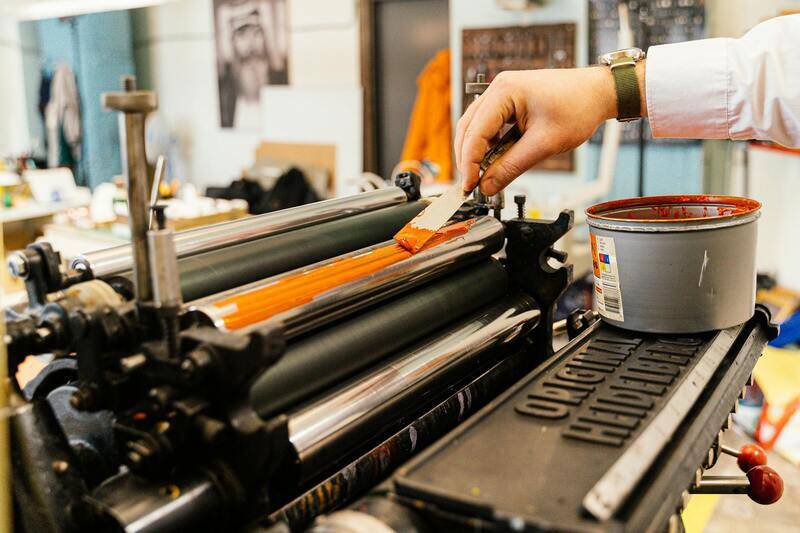
Moreover, printing technique selection matters. Digital printing is typically more cost-effective for short runs and personalized projects, whereas offset printing is favored for large volumes due to its economies of scale. Environmental considerations, such as the use of eco-friendly inks and recycled papers, may also contribute to slightly higher costs but offer sustainable advantages.
Additional charges might include setup fees for complex projects, color calibration, or custom finishing options like lamination, binding, or die-cutting. These value-added services often elevate the final invoice but are crucial in achieving the desired professional finish. Transparent communication with the printing service provider ensures that all costs are understood upfront, enabling better budget management.
Impact of Printing Volume and Turnaround Time
Volume discounts are standard practice. Ordering larger quantities typically results in lower per-unit costs, as the initial setup costs are amortized over a greater number of prints. Fast turnaround requests, such as same-day or next-day services, may incur premium charges due to the expedited handling required.
Material Selection and Finishing Options
Selecting the right paper and finishing options directly influences print costs. For example:
- Standard gloss or matte papers are generally inexpensive and widely available.
- Specialty papers, textured stocks, or recycled materials tend to cost more.
- Finishing treatments like lamination or spot UV coating can enhance durability and aesthetic appeal but add to the expenses.
Being aware of these variables makes it possible to compare printing options more effectively and choose solutions that align with budget constraints without compromising quality.
Factors Influencing Color Print Out Price
The cost of color printing varies significantly based on several key factors. These elements determine not just the base rate but also additional charges that may accrue depending on the project's specifications. Understanding these factors enables you to evaluate pricing more accurately and select options that best fit your needs and budget.
Type and Quality of Materials
Material selection plays a critical role in determining the overall cost. Standard glossy or matte paper stocks are generally budget-friendly and suitable for most typical printing needs. Conversely, specialty papers such as textured, recycled, or premium stock tend to carry higher prices, owing to their unique surface qualities and production costs. The thickness (measured in GSM) also impacts pricing, with thicker, more durable papers costing more than standard ones.
Complexity of Color Printing
The intricacy of the design influences the price. Projects requiring high-resolution images, vibrant color gradients, or detailed graphics typically demand more from the printers, including advanced calibration, multiple ink layers, and higher-quality presses. These requirements increase both material use and machine time, translating into higher costs. Simple color prints with basic tones and minimal detail are comparatively economical.
Print Volume and Quantity
Volume plays a pivotal role in cost calculation. Generally, larger quantities benefit from economies of scale, reducing the per-unit price as setup costs are distributed over more pieces. For small runs, the setup and preparation costs constitute a more significant portion of the total expense, leading to higher per-piece prices.
Finishing and Customization Options
Additional finishing services such as lamination, UV coating, die-cutting, or binding influence the final cost. These enhancements add durability and aesthetic appeal but come with extra charges. For example, a laminated brochure or a die-cut business card will typically cost more than standard options, but these value-added features can also elevate the perceived quality and professionalism of your printed materials.
Turnaround Time
Urgent requests, including same-day or next-day delivery, are generally associated with premium charges. This is due to prioritization in printing schedules and the expedited handling process necessary to meet tight deadlines. Planning your print jobs well in advance can help avoid these additional costs, ensuring a more economical solution.
Additional Charges and Fees
Aside from base printing costs, extra charges may be incurred for specific services such as:
- Design adjustments or color correction
- Specialty inks or finishes
- Large-format or custom-sized prints
- Delivery or courier services
Transparent consultation with the printing provider can help clarify these costs, preventing unexpected expenses and enabling better budget management.

Conclusion
By comprehensively assessing these influencing elements, you can make informed decisions on your color printing needs. Whether balancing quality, volume, or turnaround time, understanding the underlying cost components allows for optimized budgeting and a satisfactory end product that meets both your expectations and financial considerations.
Pricing for Different Printing Formats and Sizes
Color print out prices are significantly affected by the specific formats and sizes of the materials being produced. The dimensions of your print job determine the amount of ink, paper, and processing time required, which subsequently impacts the overall cost. Standard paper sizes such as A4 or A5 tend to be more economical due to their widespread availability and efficient printing processes. Conversely, larger formats like A3, or custom-sized prints, demand more material and may require specialized equipment, driving up the price.
Specialty printing formats, including wide-format banners, posters, and decorative displays, involve larger physical dimensions and often necessitate high-quality or premium material selections. These formats offer high visual impact but come at a premium cost due to increased material use, longer printing times, and the need for advanced equipment. Understanding the specific requirements of your project will help you gauge the expected costs and choose the most suitable option without overspending.
Impact of Color Depth and Complexity on Cost
The complexity of your print design also plays a role in pricing. Multi-color images with detailed shading, gradients, and high-resolution graphics tend to be more costly than simpler, monochrome or limited-color designs. This is because intricate images require more precise color matching, higher ink coverage, and longer processing times. Additionally, the use of specialty inks such as metallic, fluorescent, or matte finishes can elevate the price per print due to their specialized nature and the additional steps involved in the printing process.
When preparing your artwork, it’s advisable to consult with your printing service about the scope of the design. Simplifying images or reducing color richness can lead to cost savings without compromising the overall visual impact, especially for bulk print jobs where cost efficiency is critical.
Material Selection and Its Effect on Cost
The choice of printing materials significantly influences the total price of color print outs. Standard paper options such as gloss or matte finishes are generally affordable and suitable for everyday printing needs. However, for premium applications, materials like textured paper, laminated surfaces, or waterproof vinyl come with higher costs due to their enhanced durability and aesthetic qualities.
When opting for specialty materials, consider their application and longevity requirements. For instance, outdoor signage or promotional banners that need weather resistance and longevity may justify the higher initial investment. Conversely, short-term or indoor displays might best be served by standard, less expensive options.
Pricing for Different Printing Formats and Sizes
Color print out prices vary significantly depending on the format and size of the print. Standard formats such as A4 or letter-sized prints are generally the most affordable and are suitable for everyday documents like flyers, reports, and promotional materials. As the size increases to A3, banners, or large posters, the cost per print escalates proportionally due to the increased amount of ink and material used.
Specialized formats like panoramas, panoramic banners, or custom dimensions also impact pricing. These larger formats typically require specialized printers capable of handling bigger media sizes, often leading to higher setup and per-unit costs. For instance, high-resolution large posters necessitate more ink coverage and longer printing times, which are reflected in the price.
When planning your project, consider the aspect ratio and optimal size specifications to balance visual impact with budget constraints. Smaller prints, such as business cards or postcards, generally cost less on a per-item basis, especially if ordered in bulk. Conversely, for large-scale displays or detailed artwork, larger sizes and high-resolution outputs will naturally incur higher expenses.

Understanding how format and size influence prices allows for better budget management and ensures that the chosen print dimensions meet your project needs without unnecessary expenditure.
Factors Influencing Color Print Out Price
The cost of color printing is affected by multiple factors that influence the final price charged by printing service providers. Among these, the quality of ink and paper plays a significant role, with higher-quality materials naturally incurring higher expenses. Additionally, the complexity of the design, color richness, and color accuracy requirements can impact the amount of ink used, thereby affecting the price.
Print volume also directly affects pricing. Larger quantities often benefit from tiered discounts, but small orders or custom jobs may carry premium rates. The type of print job—whether a one-off poster or a bulk batch of flyers—determines whether economies of scale can be applied.
Equipment capabilities and technological sophistication of the printer can influence the per-page cost. High-end printers that produce superior color accuracy and faster turnaround times usually charge higher rates than standard models. Location and operational costs of the printing facility may further contribute to pricing differences across providers.
Common Pricing Models for Color Printing
Print service providers often adopt different pricing strategies, tailored to the type of client or project requirements. The most prevalent models include:
- Per-Page Pricing: Charges are calculated based on the number of pages or items printed. This model is typical for documents, brochures, and flyers, where each page has similar printing costs.
- Per-Square-Meter Pricing: For large-format or banner printing, pricing is based on the total area of print media. This approach allows for transparent costs depending on the size of the output.
- Project-Based Pricing: A customized quote considering all aspects of the job, including design complexity, materials, and turnaround time. This is common for specialized printing projects like exhibitions or promotional events.
- Bulk Discounted Rates: When printing in large quantities, providers typically offer reduced rates per unit, making bulk orders more cost-effective.
Average Cost of Color Printing in Singapore
The average price for color printing in Singapore can vary based on the type of print, format, and volume. For standard A4 color prints, prices are commonly within the range of SGD 0.50 to SGD 2.00 per page, with discounts available for bulk orders. Business cards printed in full color usually range from SGD 50 to SGD 200 for a set of 100, depending on card quality and finish.
Large-format prints such as posters or banners—dimensions typically ranging from A2 to A0—may cost between SGD 20 to SGD 100 per square meter, with the final price influenced by material and resolution requirements. For specialized prints, such as high-resolution photo prints or textured finishes, costs can be higher, often surpassing SGD 200 per square meter.

Pricing for Different Printing Formats and Sizes
Print size and format are key determinants of the overall cost. Standard formats include:
- A4 and Letter-Sized Prints: These are the most economical options for everyday documents and marketing materials, with prices typically under SGD 2 per sheet.
- A3 and Larger Formats: Cost increases proportionally with size, often ranging from SGD 5 to SGD 15 per sheet, suitable for presentations or artwork reproduction.
- Posters and Banners: Printing on larger media involves higher setup and material costs, with prices fluctuating based on dimension, material, and print resolution.
- Specialized Formats: Panorama, panoramic banners, or custom dimensions demand specialized equipment and media, leading to higher expenses.
Besides size, the choice of paper—matte, gloss, or textured—is another factor influencing prices. Thicker or specialized media, like waterproof or fabric materials, will naturally involve higher costs due to material and handling requirements.
Additional Charges and Fees
Aside from the basic printing fees, several extra charges may be applied depending on specific project needs:
- Design and Artwork Preparation: Fees for designing or prepping files if not supplied ready for printing.
- High-Resolution and Specialty Printing: Extra costs for enhanced image quality or novel printing techniques such as embossing, foiling, or textured finishes.
- Setup and Plate Charges: Common in large-format or custom jobs, these one-time fees cover equipment calibration and media preparation.
- Express or Rush Orders: Premium charges apply for expedited services to meet tight deadlines.
- Delivery and Pick-Up Fees: Costs may be added for courier services or special arrangements for pick-up.
Tips to Reduce Color Printing Costs
Efficient planning and strategic choices can significantly lower your printing expenses:
- Opt for Standard Sizes and Formats: Using common formats like A4 or letter-sized sheets ensures lower costs per page.
- Limit Color Usage: Minimize the use of full-color designs where possible, or consider using duplex printing to halve the number of pages required.
- Consolidate Orders: Printing in bulk often results in discounted rates and lower per-unit costs, especially for flyers, brochures, or business cards.
- Select Economical Materials: Choose standard paper and finish options unless premium quality is essential for your project.
- Plan Ahead: Providing print-ready files and allowing sufficient lead time can eliminate rush charges and reduce errors that lead to reprints.
- Compare Quotes: Request detailed quotes from multiple providers to identify the best value for your needs without compromising quality.
Factors Influencing Color Print Out Price
Several key elements impact the final cost of color printing projects. The type of printer used, whether digital or offset, plays a significant role. Digital printers are more cost-effective for small-volume jobs, while offset printing tends to offer better value for larger runs. Additionally, the choice of materials, such as premium or specialty papers, can elevate costs significantly. The complexity of the design, especially with rich color gradients or detailed images, can also influence pricing, as more sophisticated color management and calibration may be necessary. Quantities matter too; higher volume orders often benefit from bulk discounts, reducing the per-unit price. Location and the specific service provider's pricing strategy are further factors — some companies offer bundled packages or tiered pricing models to accommodate various budgets. The inclusion of finishing touches like lamination, binding, or special coatings also contributes to overall expenses, especially when multiple additional processes are involved. Understanding these components helps in making informed decisions that balance quality and costs effectively.
Common Pricing Models for Color Printing
Color printing services generally operate under several established pricing structures. The most prevalent is the per-page rate, where clients are charged based on the number of pieces printed. This model often varies depending on the volume, with discounts available for larger print runs. Another common approach is the flat-rate bundle for specific projects like business cards or flyers — ideal for budgeting purposes. Some providers also employ a tiered pricing system, where the cost per unit decreases as the volume increases. For specialty printing or custom projects, setup fees may be charged upfront to cover pre-printing preparations like calibration, proofing, or plate creation. Additionally, rush orders or expedited services typically command premium rates, reflecting the priority given to finishing projects within shorter timelines. When assessing quotes, clients should clarify which model applies and how it influences the overall cost structure to ensure transparency and accurate budgeting.
Average Cost of Color Printing in Singapore
In Singapore, the average price for basic color printing frequently falls within a specific range depending on the format and scope of the project. For instance, standard A4-sized color prints generally cost around SGD 0.20 to SGD 0.50 per sheet, with prices decreasing when ordering in bulk. Small quantities of business cards might start at SGD 20 for 100 cards, scaling accordingly with increased numbers. Brochure or flyer printing could range from SGD 200 to SGD 600 for 500 to 1,000 copies, depending on the paper and finish selected. Larger formats, such as posters and banners, typically start from SGD 50 for smaller sizes, with prices rising based on dimensions and material quality. For high-quality or specialty prints, costs can escalate, especially with textured finishes or UV coatings. Being aware of these approximations enables individuals and businesses to plan their budgets efficiently when commissioning color print jobs in Singapore.
Pricing for Different Printing Formats and Sizes

- Business Cards: Typically SGD 20-100 per 100 pieces, depending on material and finishing options.
- Flyers and Brochures: Ranging from SGD 200 to 600 for 500-1,000 copies, with larger sizes and premium materials increasing costs.
- Posters and Banners: Starting at SGD 50, with prices contingent on size, material, and printing techniques.
- Booklets and Catalogs: Generally SGD 300-1,500, depending on page count, binding, and paper quality.
Additional Charges and Fees
Beyond the basic printing costs, several supplementary fees may apply, which can influence the overall price. Setup charges are common for complex jobs or custom formats, covering initial calibration and media preparation. Specialty finishings like lamination, embossing, or foil stamping usually come with added fees reflecting their intricacy. If a project requires quick turnaround, express or rush fees are often imposed to prioritize the job within tight deadlines. Delivery costs might also be billed separately, especially if courier services are involved or if the client opts for designated pick-up arrangements. For large or recurring orders, some printers might offer discounts or negotiate bulk pricing, but it’s essential to review the detailed quote to fully understand all potential charges included in the final invoice.
Tips to Reduce Color Printing Costs
Effective strategies can help minimize expenses without compromising quality. Opt for standard paper sizes like A4 or letter, which are generally lower in cost and widely available. Limiting the use of full-color images and designs can dramatically lower ink consumption — consider using grayscale or duplex printing to halve the number of pages printed in color. Consolidate multiple small orders into larger batch runs to unlock volume discounts. Choosing economical materials and finishes, such as default gloss or matte paper instead of premium textures, can yield savings. Planning your project well in advance allows for proper preparation, avoiding costly reprints or rush charges. Providing print-ready files that meet specifications reduces errors and retries, further controlling costs. Request quotes from several providers to compare prices and services, ensuring you select an option that fits your budget while still meeting your quality expectations.
Choosing the Right Printing Service for Your Budget
When selecting a color printing partner, evaluating their pricing structure alongside their quality standards is essential. Prioritize services with transparent quoting processes that clearly itemize costs and additional fees. Consider their reputation for consistency, turnaround times, and customer support to ensure reliability. For affordable yet professional outcomes, look for providers offering bulk discounts, flexible payment options, or package deals tailored to business or individual needs. Reviewing sample works and client testimonials can offer insight into the quality of finish and adherence to specifications. Always balance cost considerations with the service provider’s ability to deliver high-quality, accurate prints within your desired timelines, fostering a dependable partnership that aligns with your printing objectives and budget constraints.