Understanding the Factors That Influence Color Printing Cost
Color printing plays a vital role in various sectors including marketing, education, and business communication, making it essential for organizations and individuals alike to grasp the elements that influence its associated costs. Several key factors shape the overall expenditure involved in producing high-quality color prints, from the choice of materials to the printer technology employed and the scale of production.
Factors Influencing the Overall Cost of Color Printing
Material Choices
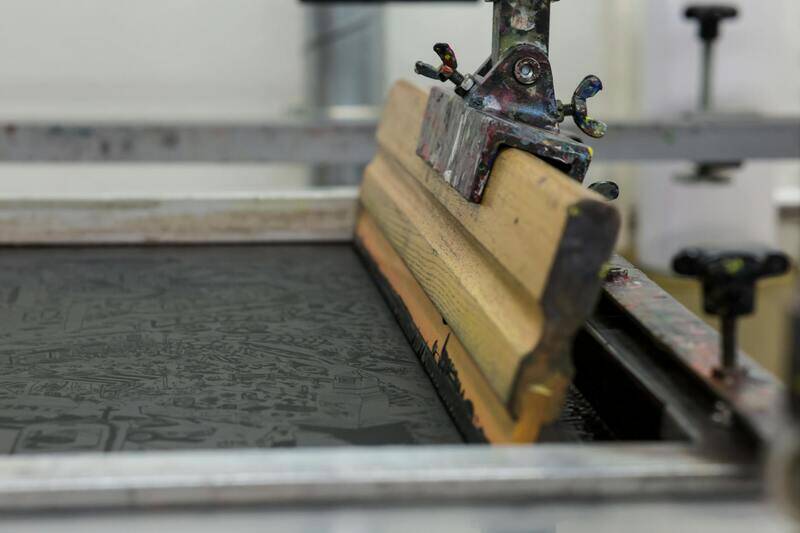
The type of paper or substrate significantly impacts the price of color printing. High-quality gloss or matte papers typically cost more than standard options, but they enhance the vibrancy and durability of the output. Additionally, specialty materials such as waterproof or textured papers may incur higher costs, especially in bulk printing projects.
Printer Types and Technology
The printing technology greatly influences the cost structure. Inkjet printers, known for their fine color output, usually have lower initial investment costs but higher ink consumption rates, affecting ongoing expenses. Conversely, laser printers, particularly those designed for color printing, tend to have higher upfront costs but benefit from faster print speeds and lower per-page costs in high-volume scenarios.
Print Volume and Usage Frequency
Businesses and individuals who require frequent color prints can benefit from volume discounts and loyalty programs offered by service providers. Low-volume users might find the per-page cost higher due to setup and maintenance fees, whereas high-volume printing spreads these costs across many prints, reducing the overall cost per item.
Print Quality Settings
Higher resolution settings and advanced color management systems improve the visual appeal of prints but also increase printing costs. Selecting appropriate quality levels depending on the purpose—whether for professional presentations or quick internal drafts—can help manage expenses effectively.
Visual Illustration: The Components of Color Printing Cost

Types of Color Printing Services and Pricing Models
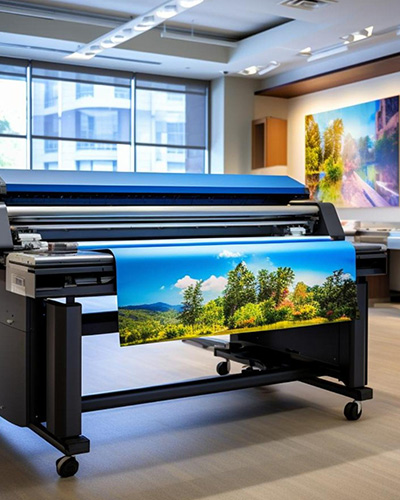
Color printing services encompass a variety of methods, each with distinct characteristics that influence their cost structure. Primarily, these services can be categorized into digital printing, offset printing, and large-format printing. Digital printing is widely used for short runs due to its quick turnaround and lower setup costs, making it a cost-effective choice for small quantities. Offset printing, on the other hand, involves higher initial setup costs but becomes more economical with larger print volumes; it offers superior color fidelity and consistency for extensive projects. Large-format printing caters to banners, posters, and signage, utilizing specialized printers that can handle large media sizes, often at premium rates attributable to equipment and material requirements.
Pricing models for these services vary based on multiple factors, including the complexity of the design, paper quality, printing volume, and finish options. Many print providers adopt tiered pricing, where the unit cost decreases as the quantity increases, encouraging bulk orders. Additionally, some vendors implement custom quotes for intricate jobs involving special effects, textured papers, or multi-page documents. Understanding these models helps clients optimize their printing budgets while maintaining desired quality standards.
Pricing Considerations for Different Color Printing Technologies
- Digital Color Printing: Known for flexibility and quick turnaround, digital color printing often charges per page, with costs influenced by the number of colors used, page size, and ink coverage. This method is ideal for on-demand printing or short runs, where costs are manageable due to lower setup requirements.
- Offset Color Printing: Characterized by higher upfront costs, offset printing reduces the per-unit expense in large quantities. It is suitable for producing high-quality prints with consistent color accuracy, making it a preferred choice for magazines, catalogs, and marketing brochures.
- Large-Format Printing: This approach demands specialized large-scale printers and media, leading to higher pricing. It is primarily used for visual displays and promotional materials where vibrant, high-resolution images are essential.
Cost Structure Variations Based on Service Scope
Beyond technology, the scope of service impacts overall expenditure. Custom finishing options, such as lamination, embossing, or UV coating, add to the expense but significantly enhance the visual and tactile appeal of prints. When selecting a service, considering the intended use—whether for internal dissemination or impressive marketing collateral—helps align features with budget constraints.

Cost of Printing Materials for Color Prints
One of the significant determinants of the overall color printing cost is the selection of printing materials. The quality and type of paper, ink, and other consumables directly influence the final expense. When evaluating the budget, it’s essential to recognize that different materials come with varying costs and performance characteristics.
High-quality paper enhances the vibrancy and durability of color prints. For instance, glossy or heavy cardstock options typically incur higher costs compared to standard matte paper. These premium papers are favored for marketing collateral requiring a premium look and feel but can significantly increase material expenses, especially for large volumes.

Ink selection is another crucial factor. Dye-based inks tend to produce brighter colors and are generally less expensive, suitable for everyday printing needs. In contrast, pigment-based inks offer better longevity and color stability, but they tend to be costlier due to their advanced formulation and longer-lasting qualities.
The richness of colors, especially for images with complex gradients or high color density, may require additional ink coverage. Heavier ink usage increases both material costs and drying times, impacting the overall budget. It’s advantageous to optimize image settings and color profiles to reduce excess ink application while maintaining visual quality.
Furthermore, specialty inks such as metallic, luminance, or spot colors, often necessary for specific branding or artistic projects, involve extra expenditure. Incorporating these specialty inks enhances the visual impact but requires careful consideration of the overall project budget.

In conclusion, the choice of materials—paper quality, ink type, color richness, and specialty inks—plays a pivotal role in determining the cost of color printing. Careful planning and material selection aligned with project goals can optimize expenses without compromising on desired visual quality.
Factors Influencing Color Printing Cost
When assessing the expenses associated with color printing, several key factors must be considered to develop an accurate and comprehensive budget. These factors directly impact both the material and operational costs, influencing the overall pricing structure offered by printing service providers.
Quality and Resolution Requirements
The desired quality and resolution of the final print significantly affect color printing costs. Higher resolution outputs, such as 600 dpi and above, require more precise calibration, advanced printers, and often higher ink consumption. These enhancements, although delivering superior visual clarity and detail, lead to increased expenses due to the sophistication of equipment and additional ink usage.
Color Fidelity and Color Management
Achieving accurate color representation involves meticulous color management systems. Employing professional color profiles and calibration ensures consistency across batches but can entail higher costs. Complex color matching for branding or artistic purposes might necessitate custom color inks or special printing processes, thereby elevating the price.
Project Complexity and Design Specifications
The intricacy of design, including the number of colors, gradients, and detailed artwork, influences the amount of ink and drying time needed. Rich, multicolored images with fine details require more extensive color application and potentially longer production times, both contributing to increased costs.
Print Size and Volume
The dimensions of each print and the overall volume being produced are fundamental cost determinants. Larger prints consume more material and may require specialized equipment, while high-volume projects benefit from economies of scale, reducing the per-unit cost. Conversely, small runs or individual prints tend to incur higher costs per piece.
Type of Printing Technology
Different printing technologies come with varying cost implications. Inkjet printers, common in small-scale or on-demand jobs, might have lower initial investments, but ink costs can accumulate with frequent use. Laser-based color printers often have higher upfront costs but offer faster processing and potentially lower long-term expenses, especially for high-volume production.
Specialty Inks and Finishing Effects
Incorporating specialty inks, such as metallic, fluorescent, or custom spot color inks, enhances product uniqueness and branding but involves additional material costs and specific printing techniques. Moreover, finishing effects like lamination, embossing, or coating can further increase expenses, requiring more time and specialized equipment.
Understanding these influencing factors allows businesses and individuals to better assess their needs, choose appropriate materials, and collaborate with printing providers that can offer solutions aligned with budget and quality expectations. A comprehensive evaluation of these elements ensures that color printing outputs meet visual standards while staying within financial plans.
Factors Influencing Color Printing Cost
Understanding the various elements that impact the overall cost of color printing is essential for controlling expenses and achieving desired quality levels. Several key factors influence pricing, including the selection of printing technology, the complexity of design, the type of materials used, and additional finishing techniques. Each element contributes uniquely to the final cost, and a comprehensive assessment can help optimize expenditures without compromising on quality.
Printing Technology and Equipment
The choice between inkjet, laser, and offset printing technologies significantly affects costs. Inkjet printers, ideal for small batches or on-demand printing, generally entail lower initial investments but incur higher per-unit ink costs over time. Laser printers, known for their speed and efficiency in high-volume jobs, often involve higher upfront costs but benefit from reduced long-term expenses. Offset printing, used for large print runs, offers the lowest per-unit cost with economies of scale but requires substantial setup investments, making it less suitable for small quantities.
Design Complexity and Color Usage
Intricate designs with multiple colors, gradients, or detailed imagery naturally demand more resources. The number of colors used influences the type of inks and screens or digital files needed, which can impact both materials and labor costs. Additionally, complex color matching and proofing processes can add to production time and expenses. Precise color consistency across batches further requires meticulous calibration and quality control, potentially increasing costs.
Materials and Specialty Inks

The type of paper, cardstock, or other substrates plays a critical role in pricing. Premium or specialty papers, such as textured or coated stocks, tend to be more expensive than standard options. For projects demanding special effects, such as metallic or fluorescent inks, additional costs are incurred due to the complexity of application and material prices. These specialty inks often require specialized equipment and processes, contributing to higher production costs.
Finishing Techniques and Additional Treatments
- Lamination: Adds a protective layer that enhances durability and appearance but increases material and labor costs.
- Embossing or Debossing: Creates tactile effects, requiring precise setup and additional equipment, thereby raising the overall expenses.
- Coating and Spot UV: Adds gloss or matte finishes and localized high-gloss effects, which involve extra steps and costs in finishing.
Each finishing process brings about incremental expenses, but they significantly enhance the visual appeal and perceived quality of the final product. Selecting appropriate finishing options aligned with the project scope and budget is crucial for cost management.
Additional Charges and Hidden Costs in Color Printing
When evaluating the overall expense of color printing projects, it is essential to account for additional charges that may not be immediately apparent in the initial quotation. These hidden costs can significantly influence the final invoice and should be clearly understood before commencing the printing process.
- Design and Pre-Press Fees: Many printing providers charge for preparing digital files for printing, including color correction, layout adjustments, and proofing. These costs ensure the final product adheres to quality standards and brand specifications.
- Set-up and Plate Charges: For large-scale print runs, especially when using offset printing techniques, the setup costs can be substantial. These include creating printing plates and calibrating machines, which are amortized across the print quantity.
- Color Management and Calibration: Achieving consistent and accurate color reproduction across prints often requires advanced calibration tools and processes, adding to the expense. This is particularly relevant for projects where precise color matching is critical.
- Finishing and Post-Production Costs: Additional treatments such as binding, trimming, hole-punching, or lamination can escalate costs. Special effects, like embossing or varnishing, are often priced separately and vary based on complexity and material use.
- Rush Orders and Expedited Services: Urgent deadlines typically involve premium charges. Rushing the production process may require additional shifts or faster shipping, which increase overall costs.
- Supply Chain and Material Fluctuations: Variations in the price of high-quality paper, specialty inks, and other materials can impact costs, especially if supply shortages or tariffs influence availability.

Understanding these potential expenses allows businesses and individuals to budget effectively and select the most suitable options without unexpected financial burdens. Transparent communication with providers regarding all possible charges fosters trust and helps in making well-informed decisions tailored to project scope and financial constraints.
Factors Influencing Color Printing Cost
Several key elements impact the overall expense associated with color printing projects. Understanding these factors can help businesses and individuals manage their budgets effectively while ensuring high-quality output. Among these factors, the type of printing technology used significantly influences costs. For instance, digital color printers typically offer lower setup costs and faster turnaround times for small batches, making them ideal for short runs or custom jobs. Conversely, offset printing, which involves creating plates for each color, tends to be more cost-effective for large-volume prints but incurs higher initial setup expenses.
Paper quality and finish also play crucial roles in pricing. Premium papers, textured surfaces, or specialty finishes like matte or gloss coatings can increase material costs. Additionally, the complexity of the design, number of colors used, and color management requirements—such as color calibration for precise matching—further contribute to the final price. The intricacy of artwork, including detailed graphics or color gradients, might necessitate additional adjustments or multiple proofing rounds, adding to production costs.
Print volume significantly influences per-unit costs. Higher quantities typically decrease the cost per piece due to economies of scale but may involve higher upfront expenses. Therefore, strategic planning and accurate estimations are vital to avoid underestimating or overestimating the necessary investment. Special requests, such as variable data printing or incorporating textured effects, are additional variables that can escalate costs, depending on their complexity and the materials involved.

Types of Color Printing Services and Pricing Models
Color printing services span a broad spectrum, each with distinct pricing structures tailored to different project requirements. Digital printing is favored for rapid turnaround times and low to moderate volume projects. Its flexible pricing model often includes set-up fees plus variable costs based on page coverage, color complexity, and paper choice. This makes digital printing suitable for freelance projects, marketing materials, and customized prints where speed and flexibility are priorities.
Offset printing, on the other hand, involves higher initial setup costs due to plate creation but offers more economical cost per unit at larger quantities. Its pricing model typically includes a fixed setup fee and a sliding scale for per-unit costs that decrease with volume. This method is optimal for bulk production of magazines, brochures, or catalogs that demand consistent color accuracy and high-quality finishes.
Other specialized services include large-format printing, which is priced based on print size, resolution, and ink type, commonly used for banners or signage. Embossing, foil stamping, or varnishing are usually quoted separately, depending on project complexity. Some vendors also offer variable data printing with custom pricing, ideal for personalized direct mail campaigns or promotional materials. Selecting the appropriate service and understanding pricing models ensures cost-effective results aligned with project goals.

Cost of Printing Materials for Color Prints
The choice of materials dramatically influences overall printing costs. Standard paper stocks are generally more affordable, whereas premium options like coated, glossy, or textured papers add to the expense due to their material properties and handling requirements. Specialty papers, such as recycled or artisanal fibers, incur higher costs and may require specific printing protocols to achieve optimal results.
Inks form another critical cost component. While standard CMYK inks are economical and widely available, specialty inks—such as metallic or fluorescent—are priced higher due to their unique composition. These inks offer enhanced visual effects but demand careful calibration and handling, thus increasing production costs.
Furthermore, the quantity of ink used per print, especially in designs with significant color coverage or gradients, impacts ink consumption and related costs. Factoring in potential wastage and the need for precise color matching—using calibration tools or additional proofing processes—can lead to further expenditure. Selecting suitable materials that balance quality requirements and budget constraints is essential for achieving desired outcomes without overspending.

Factors Affecting Production Time and Cost
Production timelines directly impact costs, especially when expedited services are required. Rush orders typically entail premium charges due to the need for overtime shifts, faster processing, and expedited shipping. While these options increase immediate expenses, they are sometimes necessary for meeting tight deadlines or urgent campaign launches.
Print complexity also influences turnaround times. Intricate designs with multiple colors, special finishes, or high-resolution requirements demand longer production runs and additional quality control steps. These processes, while enhancing the final product, can raise costs due to labor, equipment usage, and material handling.
Supply chain logistics have a notable effect as well. Fluctuations in material costs, delays in procurement, or shortages—especially of specialty papers or inks—can extend production schedules and contribute to increased expenses. Proper planning and early procurement help mitigate unforeseen charges and ensure smooth project execution.
Cost Differences Between Small-Scale and Bulk Color Printing
Small-volume color printing often incurs higher per-unit costs due to setup fees and minimum order charges. Digital printing excels in this segment, allowing for lower initial investments and fast turnaround times. However, the unit price may be comparatively higher, making it suitable for prototypes, small batches, or projects requiring frequent updates.
Bulk color printing, predominantly using offset methods, leverages economies of scale. Once the plates are created, the cost per print decreases significantly, making large runs highly cost-efficient. This is advantageous for producing high-volume marketing collateral, catalogs, or packaging materials where consistent quality and color fidelity are paramount.
Understanding these differences helps in strategic planning. For short-term projects or limited editions, small-scale digital printing offers flexibility without excessive costs. For ongoing or extensive production needs, investing in offset printing provides long-term savings and consistent results.

Pricing Tips for Affordable Color Printing
To optimize costs without compromising quality, consider batching similar print jobs to leverage volume discounts. Planning ahead and consolidating print runs can reduce setup fees and enhance overall efficiency. When selecting materials, prioritize balance—using quality papers and inks that meet your standards but avoid unnecessary upgrades unless required for the project’s purpose.
Work closely with printers to understand all associated charges upfront. Transparent communication about your budget and project scope helps avoid hidden fees and ensures accurate quotations. When possible, opt for standard size formats and color profiles to streamline production and reduce additional adjustments or costs.
Finally, consider the benefits of multiple quotes from reputable vendors. Comparing pricing structures, turnaround times, and included services allows for informed decision-making. Employing these strategies ensures cost-effective color printing tailored to your project's unique needs.
Cost Differences Between Small-Scale and Bulk Color Printing
When evaluating color printing costs, understanding the divide between small-scale and bulk printing is essential. Small-scale color printing typically involves digital printers that cater to individual or limited-run projects. These units are ideal for on-demand printing, allowing for quick turnaround times and flexible customization options. However, the per-unit cost remains higher due to factors such as setup and material usage that cannot be amortized over large quantities.

In contrast, bulk color printing leverages offset printing or large-format presses, which are optimized for producing high volumes efficiently. The initial setup costs for offset presses can be significant, involving plate creation and machine calibration. Nonetheless, once production begins, the per-unit cost decreases substantially, making it more economical for large print runs. This method is particularly advantageous for projects such as catalogs, magazines, posters, or extensive marketing materials, where consistency and quality are critical across a wide distribution.
Cost variance is driven primarily by the economies of scale: larger quantities diminish the impact of fixed costs, thus reducing the cost per piece. Additionally, bulk printing often benefits from negotiated discounts on materials, further lowering overall expenses. It’s crucial for businesses to analyze their project scope, expected volume, and timeline to determine which approach offers the best financial outcome.
Pricing Tips for Affordable Color Printing
- Batch similar print jobs together to maximize volume discounts.
- Plan print runs well in advance to avoid rush charges and enable negotiations on pricing.
- Choose standard paper sizes and finishes to streamline production and reduce additional costs.
- Work with printers who offer transparent pricing structures, clearly outlining all charges upfront.
- Request multiple quotes to compare pricing models and included services comprehensively.
- Limit the use of premium materials unless necessary, balancing quality with affordability.
By adopting these strategies, you can ensure the most cost-effective color printing solutions tailored to your project’s scale and quality requirements. Selecting the appropriate printing method and vendor represents a vital component of budget management, as these decisions directly influence overall expenses and project success.
Additional Charges and Hidden Costs in Color Printing
While initial estimates may appear straightforward, several ancillary expenses can influence the total cost of color printing. These include color calibration adjustments, file preparation fees, finishing and binding services, and delivery charges. Some printers apply surcharges for complex designs that require extensive setup or color corrections to achieve desired fidelity.
It is important for clients to scrutinize quotes carefully, ensuring that all potential charges are itemized and understood. Unexpected fees can inflate the overall expense, particularly if not identified early in the planning process. Choosing vendors known for transparent pricing reduces the risk of unforeseen costs and helps maintain budget control throughout the project lifecycle.

Effective communication with your printing service provider and comprehensive quotations are essential to avoid surprises. Discussing specific project details upfront enables vendors to provide precise estimates, ensuring that your color printing endeavors remain within financial expectations while fulfilling quality standards.