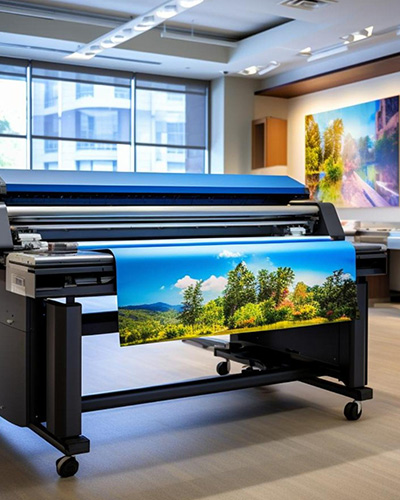
Understanding Colors Fprint: A Comprehensive Overview
Colors fprint is a critical concept within the printing industry, serving as a precise reference point for color accuracy and consistency in various printing projects. It pertains to the specific, measurable characteristics of print colors, offering a standardized approach to evaluating how closely a printed color matches its intended hue. This standardization is essential for achieving uniformity across multiple printing runs, ensuring brand consistency, and satisfying client expectations for color fidelity.

The term 'colors fprint' encapsulates the detailed, quantifiable parameters that define a particular color output. By employing advanced measurement tools and techniques, printers can analyze a printed sample's color properties—such as hue, saturation, and brightness—and compare them against predefined standards. This process ensures that every print aligns with the specified color requirements, minimizing discrepancies that could otherwise compromise visual appeal or brand integrity.
In practical terms, colors fprint acts as a digital fingerprint for colors used in printing. Just as a fingerprint uniquely identifies an individual, a colors fprint uniquely characterizes a specific color with high precision. This analogy underscores the importance of meticulous measurement and documentation, especially in industries where color accuracy is paramount, such as packaging, advertising, and luxury branding.
Understanding the concept of colors fprint is fundamental for professionals in the printing industry. It enables them to maintain high-quality standards, facilitate effective communication between designers and printers, and streamline production workflows by reducing color-related errors. As printing technology continues to evolve, the methodologies for capturing and utilizing colors fprint are becoming more sophisticated, paving the way for even greater precision in color management.
Accurately capturing the colors fprint involves sophisticated instruments such as spectrophotometers and colorimeters. These devices measure the spectral properties and chromaticity coordinates of printed colors, translating them into digital data that can be analyzed and compared. By establishing a detailed color profile—comparing the measured data to a reference standard—printers can ensure that the final product embodies the intended visual impact with remarkable accuracy.
In the context of branding and quality control, an exact colors fprint guarantees consistency across batches, printing presses, and production sites. This consistency is crucial for maintaining a brand's visual identity and meeting the expectations of clients and consumers. As the scope of print applications expands, so does the necessity for refined measurement techniques that can accurately profile complex color shades and gradients. Investing in proper tools and methodologies to capture the colors fprint is, therefore, an integral part of professional printing services.
Color Reproduction and the Role of Colors Fprint
Accurate color reproduction is critical in achieving visually compelling and true-to-spec printed materials. The colors fprint serves as a blueprint, capturing the precise color profile of original design elements or reference prints. This digital fingerprint becomes the benchmark for reproducing colors consistently, regardless of the print run or production environment.
During the color matching process, printers utilize the colors fprint to create color profiles that guide the color management system throughout the printing process. This ensures that each print maintains the same hue, saturation, and brightness as the original design or reference sample. When executed properly, this process minimizes color deviations that can occur due to variances in ink, substrate, or printing conditions, thereby delivering a finished product that aligns perfectly with the client’s expectations.

The integration of colors fprint into the workflow also allows for effective troubleshooting if color discrepancies arise. By comparing the current print’s color profile with the stored fingerprint, operators can quickly identify deviations caused by machinery drift or ink inconsistencies, enabling targeted adjustments that restore color fidelity.
Measurement Techniques for Colors Fprint
Implementing precise measurement techniques is essential for capturing reliable colors fprint data. Two primary devices used are spectrophotometers and colorimeters, each with specific advantages suited for different applications.
- Spectrophotometers: These advanced instruments measure the spectral reflectance of printed colors across multiple wavelengths, providing comprehensive data about the color’s spectral composition. This detailed information helps in creating highly accurate color profiles, especially for complex shades, gradients, or metallic inks.
- Colorimeters: These devices measure the chromaticity values within the CIE (Commission Internationale de l'Eclairage) color space. They are more accessible and faster than spectrophotometers, ideal for routine quality control checks and real-time adjustments during production.
The data obtained through these methods is then processed to generate detailed color profiles, which serve as reference points for consistent reproduction. Proper calibration of these devices is crucial to ensure the data collected is precise and repeatable, ultimately leading to accurate colors fprint for every print run.

Factors Influencing the Accuracy of Colors Fprint
Several variables can impact the fidelity of the colors fprint, and understanding these factors is essential for achieving reliable data. These include:
- Lighting conditions: Consistent lighting, typically D50 or D65 standards, must be maintained during measurements to avoid color shifts caused by different illuminants.
- Surface finish and texture: Glossy, matte, or textured surfaces reflect light differently, affecting measurement readings. Proper sample preparation is necessary to minimize inconsistencies.
- Device calibration: Regular calibration of spectrophotometers and colorimeters ensures measurement accuracy over time, preventing cumulative errors.
- Environmental stability: Temperature and humidity fluctuations can affect ink drying and substrate properties, ultimately influencing color measurement results.
Moreover, operator training plays a vital role. Trained professionals know how to position samples correctly, choose appropriate settings, and interpret data accurately, all of which contribute to the fidelity of the colors fprint.

Applications of Colors Fprint in Printing Services
In commercial printing environments, the utilization of colors fprint supports diverse applications, including:
- Brand consistency: Ensuring that branded elements such as logos and corporate color palettes are reproduced accurately across different print jobs and substrates.
- Color matching: Achieving targeted color matches in packaging, labels, or promotional materials by referencing the stored color fingerprint.
- Quality control: Routine checks using colors fprint help rapidly identify deviations and maintain standards throughout the production process.
- Complex color workflows: Facilitating the reproduction of intricate images, gradients, and metallic effects with high precision.
These advantages highlight the importance of integrating the proper measurement practices and tools to capitalize on the benefits offered by the colors fprint methodology.
Best Practices for Managing Colors Fprint
Consistency in capturing and applying the colors fprint relies on adherence to established procedures:
- Standardize measurement conditions: Maintain consistent lighting, sample preparation, and environmental conditions during every measurement session.
- Regular calibration and maintenance: Keep measurement devices calibrated according to manufacturer specifications to sustain accuracy over time.
- Document color profiles: Store and organize color profiles systematically for easy retrieval and application in ongoing projects.
- Training and skills development: Invest in training operators to handle measurement devices correctly and interpret data meaningfully.
- Continuous monitoring: Implement ongoing quality checks to detect and correct color deviations promptly and avoid costly reprints.
Adopting these best practices enhances the reliability of colors fprint data, supporting high standards in print quality and consistency.
Future Trends in Colors Fprint Technology
The evolution of colors fprint technology is driven by innovations in measurement precision, automation, and integration. Developments such as AI-powered color analysis and machine learning algorithms enable faster, more accurate identification of color deviations, even in complex prints. Additionally, advancements in multispectral imaging allow for capturing a broader range of color information, supporting complex effects like holography or metallic finishes.
Automation in color measurement, including inline sensors integrated directly into printing presses, is expected to become more prevalent, reducing human error and increasing throughput. As industries push for greater sustainability, future tools will also focus on minimizing ink waste and energy use while maintaining precise color fidelity.

Understanding the Role of Color Management Systems in Colors Fprint
Central to achieving consistent and precise color reproduction is the implementation of sophisticated color management systems (CMS). These systems serve as the backbone for interpreting, converting, and controlling color data throughout the printing process. They facilitate the accurate translation of digital color specifications into physical prints by aligning the color profiles of different devices—such as monitors, printers, and workflows. Properly calibrated CMS ensures that the colors represented on the screen closely match those produced on the printed material, minimizing discrepancies and rework.
Key components of a robust CMS include color profiles, calibration procedures, and color workflows tailored to specific industries and printing techniques. These systems rely on standardized color profiles like ICC profiles, which encode the color reproduction characteristics of devices and media, enabling seamless communication and translation between different hardware components. When correctly configured, a CMS adapts digital files ensuring fidelity in hue, saturation, and brightness, regardless of external variables such as substrate or lighting conditions.
Calibration and Profiling: Critical to Accurate Colors Fprint
Calibration involves adjusting devices to a known standard, thus providing a consistent baseline for color measurement. Profiling creates a detailed mapping of device-specific color behavior, enabling the CMS to correct discrepancies proactively. Regular calibration and profiling are vital, especially in high-volume printing operations, to maintain the consistency of colors fprint across different jobs and media types.
This process entails measuring the output of printers using spectrophotometers or colorimeters, which capture color data with high precision. The collected data informs the creation of custom ICC profiles, which are then used by design and printing software to ensure that the digital design translates into a print with accurate color fidelity.
Implementation of Color Measurement Devices
Modern printing environments leverage advanced color measurement devices to facilitate colors fprint. Portable spectrophotometers and inline sensors provide rapid, reliable color data acquisition, which feeds directly into the CMS. Inline sensors, integrated into printing presses, allow real-time color monitoring and adjustments, reducing waste and rework while boosting efficiency.
- Spectrophotometers: Measure color at specific points, ideal for detailed color analysis and profiling.
- Colorimeters: Offer quick measurements suitable for routine quality checks and calibration.
- Inline Sensors: Enable continuous monitoring during production, facilitating immediate corrections.
Best Practices for Ensuring Precise Colors Fprint
To maximize the effectiveness of colors fprint management, it is essential to establish standardized procedures across workflows. This includes consistent calibration schedules, regular device maintenance, and adherence to industry-recognized color standards. Training operators on correct measurement techniques and interpretation of results ensures reliable data collection and effective application of color profiles.
Documenting and auditing color calibration records help maintain transparency and track performance over time, supporting ongoing quality assurance efforts. Combining these practices with automated color control systems creates a resilient environment where high standards of color accuracy are consistently upheld.
Measurement Techniques for Colors Fprint
Accurate measurement of colors fprint is fundamental to achieving consistent and high-quality print results. The primary methods employed include spectral measurement, colorimetry, and the use of inline sensors, each suited for specific stages of the printing process.
Spectrophotometers stand as the gold standard for detailed color analysis. These devices measure the entire spectrum of reflected light from printed surfaces, providing comprehensive data that enables precise color characterization and profiling. Their high-resolution measurements allow print professionals to fine-tune color formulas and correct deviations, ensuring the final output aligns with client specifications.
Colorimeters, on the other hand, offer more expedient assessments by capturing color data in a specific wavelength range. They are particularly useful for routine quality checks and calibration procedures where speed is essential, and absolute spectral data is less critical.
Inline sensors, integrated directly into printing presses, facilitate real-time color monitoring. These sensors continuously evaluate printed colors during production, enabling immediate adjustments to prevent color drift and reduce waste. The integration of inline sensors streamlines workflow by providing instant feedback, maintaining color consistency throughout a print run, especially in high-volume operations.
Alongside these technological tools, the use of reference color standards such as the Pantone Matching System (PMS) or industry-specific color libraries helps calibrate devices and establish a consistent color baseline. Regular calibration schedules, proper handling of measurement tools, and adherence to standardized measurement protocols are essential practices to ensure data accuracy and repeatability.
Factors Influencing Colors Fprint Accuracy
Several factors can impact the precision of colors fprint within printing environments. These include ambient lighting conditions, device calibration status, substrate properties, and ink formulation. Variations in ambient lighting can alter perceived color, which makes controlled measurement conditions critical. Regular device calibration ensures that measurement tools are providing valid data, especially when configurations or environmental conditions change.
The nature of the printing substrate also plays a significant role. Texture, gloss, and material composition influence how colors are reflected and perceived, necessitating substrate-specific calibration and measurement adjustments. Ink consistency, drying time, and curing methods further affect color stability, requiring meticulous quality control throughout the production cycle.
Applications of Colors Fprint in Printing Services
Colors fprint has a broad spectrum of applications in various printing services. In commercial printing, maintaining color fidelity is essential for brand consistency, especially in packaging, marketing materials, and high-end publications. Accurate colors fprint ensures that printed products match client specifications and existing brand standards.
In label printing, where color precision directly correlates with product appeal and regulatory compliance, reliable color reproduction is critical. Colors fprint techniques help in manufacturing consistent labels across multiple batches, reducing costly reprints and customer complaints.
Specialty printing, such as printing on textured or non-traditional substrates, benefits significantly from precise color management. Ensuring consistent colors across diverse surfaces requires rigorous measurement techniques and adaptable calibration protocols, making colors fprint an integral component of quality assurance.
Best Practices for Managing Colors Fprint
Effective management of colors fprint begins with establishing clear standards and protocols across all stages of the printing workflow. Consistent calibration of measurement devices is fundamental, ideally following a defined schedule aligned with industry benchmarks or manufacturer guidelines. Training operators on proper measurement techniques and data interpretation reduces errors, enabling more reliable color control.
Incorporating automated color management systems (CMS) can significantly enhance accuracy and efficiency. These systems utilize real-time data to adjust ink formulations or printing parameters dynamically, maintaining color fidelity without manual intervention. Documenting calibration results, measurement data, and corrective actions creates a transparent record, facilitating audits and continuous improvement.
To further refine colors fprint, quality assurance should include regular audits, process validation, and feedback loops involving client input. Emphasizing consistency in substrate handling, ink mixing, and environmental controls minimizes variables that can jeopardize color accuracy.
Measurement Techniques for Colors Fprint
Accurate measurement of colors fprint is essential for achieving consistent and high-quality printing results. Specialized measurement devices, such as spectrophotometers and colorimeters, are employed to quantify the precise color values on various substrates. These instruments evaluate the reflection or transmission of light from a printed surface, providing objective data that guide color corrections and calibrations.
Spectrophotometers are renowned for their high precision and ability to capture detailed color information across the visible spectrum. They generate comprehensive color profiles that serve as benchmarks for calibration and color matching. Colorimeters, while slightly less detailed, offer quicker measurements and are suitable for routine quality checks where high precision is not as critical.
Effective measurement practices involve consistent sample preparation, such as ensuring uniform lighting conditions and clean measurement areas. Using standardized measurement positions and angles further enhances accuracy. It is important to measure multiple points across a print to account for any variations and to obtain an average color value for reliable results.
Measurement data must be interpreted properly to inform necessary adjustments. Advanced software solutions can analyze spectrophotometric readings and compare them against target color values, providing actionable insights. This process allows operators to make real-time adjustments to ink formulations, printing parameters, or device calibrations to maintain color fidelity.

Automated measurement systems are increasingly integrated into printing press setups for continuous monitoring. These systems perform in-line color measurements, enabling rapid detection of deviations and immediate corrective actions. Such automation minimizes human error, accelerates production cycles, and sustains rigorous quality standards.
Calibration protocols should adhere to industry standards, with scheduled recalibrations based on device usage and environmental factors. Regular validation using certified color reference materials ensures measurement consistency over time. Maintaining calibration records not only supports ongoing quality assurance robustly but also facilitates troubleshooting and process improvements.
Overall, the combination of advanced measurement tools, standardized procedures, and automation forms the backbone of reliable colors fprint management, elevating printing excellence across various applications.
Definition of Colors Fprint
Colors Fprint refers to the precise digital or physical representation of color values in the printing process. It encompasses the detailed measurement of how colors reproduce on various substrates, ensuring consistency between digital designs and printed outputs. This concept involves quantifying colors through specific metrics, such as L*a*b* values, which allow for accurate comparison and reproduction. Colors Fprint serves as a benchmark in color management, providing a reliable standard for matching colors across different devices, materials, and printing conditions. It is fundamental to understanding how colors behave in real-world printing scenarios and forms the basis for achieving high-quality, predictable results.
Image Placeholder

Importance of Colors Fprint in Printing Quality
Maintaining optimal print quality relies heavily on achieving accurate colors Fprint. Variations in color reproduction can lead to mismatched branding, customer dissatisfaction, and increased rework costs. By accurately capturing and controlling colors Fprint, printing professionals can ensure that every print aligns with client specifications and brand standards. Consistent colors Fprint minimizes deviations caused by variations in ink batches, paper types, or environmental conditions, leading to uniform output across multiple print runs. This consistency enhances brand integrity, strengthens client trust, and reduces waste due to rejected prints or reprocessing. Additionally, a well-maintained colors Fprint system enables printers to troubleshoot color discrepancies swiftly, preventing delays and preserving workflow efficiency.
Image Placeholder

Color Reproduction and Colors Fprint
Color reproduction in printing hinges on accurately translating digital color data into physical prints. The fidelity of this process depends on how closely the printed colors match the original digital design, which is measured and controlled through colors Fprint. Achieving true-to-sample color reproduction involves calibrating devices, selecting appropriate inks, and controlling environmental factors such as humidity and temperature. By leveraging colors Fprint data, printers can fine-tune their equipment to replicate colors with high precision across different printing platforms and substrates. This ensures that print materials—ranging from marketing collateral to packaging—maintain visual consistency, enhancing aesthetic appeal and brand recognition.
Image Placeholder

Measurement Techniques for Colors Fprint
The most reliable approaches to capturing colors Fprint involve advanced measurement devices known as spectrophotometers. These instruments analyze the spectral reflectance of printed surfaces, providing detailed color profiles that include hue, saturation, and brightness. The measurement process typically involves placing the device on the printed sample, which then captures the spectral data for analysis. Modern configurations often incorporate automated systems that enable in-line, real-time measurements, drastically reducing manual intervention and improving accuracy. Calibration with certified color references ensures consistent results over time. Complementary software solutions interpret spectral data, compare it against target values, and assist operators in making precise adjustments to inks, print settings, or pressing parameters. Using these technologies, printers can maintain tight control over colors Fprint, reducing variability and achieving high-fidelity reproduction.
Image Placeholder

Factors Influencing Colors Fprint Accuracy
Several factors can affect the accuracy of colors Fprint in the printing process, necessitating meticulous control and calibration. Ink formulation and stability are critical; variations in dye or pigment concentration can lead to color shifts. The type and quality of substrates influence how inks interact with surfaces, affecting reflectance and color perception. Environmental parameters like temperature, humidity, and light exposure can cause inks and papers to behave unpredictably, impacting the reproduction fidelity. Machine calibration and maintenance are equally vital—wear and misalignments can introduce inconsistencies in color output. Operator expertise and adherence to standardized procedures also play a crucial role in maintaining accurate colors Fprint. Implementing rigorous quality control protocols and utilizing precise measurement tools enable ongoing monitoring and correction of these influencing factors, ultimately ensuring repeatable high-quality color reproduction across different print runs and materials.
Definition of Colors Fprint
Colors Fprint refers to a standardized measurement of how accurately a printing process reproduces specific colors. It involves quantifying the color output of a printer or print system in comparison to a predefined standard or target color. This measurement serves as a critical benchmark for assessing color fidelity, consistency, and overall print quality. By analyzing colors Fprint, operators can determine the degree of deviation from the intended color, which informs adjustments needed for calibration or process optimization. The primary goal of assessing colors Fprint is to ensure that the printed material reflects the original design intentions with precise color matching, thereby maintaining brand integrity and satisfying client specifications.

Importance of Colors Fprint in Printing Quality
Achieving consistent and accurate colors across multiple print runs is crucial for professional printing environments. Colors Fprint provides an objective metric that helps monitor and control the color reproduction process. Precise measurement ensures that color shifts, which can occur due to variations in ink batches, paper types, or environmental conditions, are promptly identified and corrected. This consistency is vital for brand-sensitive applications, such as packaging and promotional materials, where color accuracy directly influences visual impact and brand recognition. Utilizing Fprint measurements regularly during the production process fosters continuous improvement, minimizes waste, and enhances customer satisfaction by delivering prints that meet or exceed established color standards.
Color Reproduction and Colors Fprint
The reproduction of colors in printing hinges on accurately matching the desired hue, saturation, and brightness. Colors Fprint acts as a quantitative reflection of how well these parameters are being replicated. In practice, it involves measuring the spectral properties of the printed output and comparing them to the target values. Advanced color management workflows integrate Fprint data to adjust ink formulations, print speed, and other parameters dynamically. This meticulous control helps achieve near-perfect color fidelity, especially in complex color matching scenarios such as photographic reproductions, brand colors, and intricate designs. Maintaining a close match between printed and digital colors not only elevates print quality but also enhances the efficiency of color workflows.
Measurement Techniques for Colors Fprint
Accurate assessment of colors Fprint relies on specialized measurement instruments capable of capturing spectral and colorimetric data with high precision. The most common devices include spectrophotometers and colorimeters. Spectrophotometers are preferred for detailed spectral analysis because they measure reflectance or transmittance across multiple wavelengths, providing comprehensive data on color attributes. These instruments often feature integrated software that analyzes spectral data, calculates Fprint values, and compiles reports for process review. Regular calibration of measurement devices is essential to maintain their accuracy. Implementing standardized measurement protocols and consistent sample preparation enhance reliable Fprint assessments, leading to more predictable color management outcomes.

Factors Influencing Colors Fprint Accuracy
Several variables can impact the precision of colors Fprint during the printing process. Ink consistency is paramount; inconsistencies in pigment concentration or formulation can cause color deviations. The type, surface, and treatment of substrates influence how inks reflect light, affecting the perceived color. Environmental conditions, including temperature, humidity, and ambient light, can alter ink behavior and substrate characteristics, leading to variability in Fprint readings. Machinery calibration and maintenance are also critical—misalignments, worn components, or outdated calibration settings can produce inconsistent results. Operator skill and adherence to established protocols further determine measurement reliability. Regular calibration, environmental control, and operator training form the foundation of accurate Fprint readings and repeatable color quality.
Applications of Colors Fprint in Printing Services
Colors Fprint finds extensive application across various sectors of printing services, underpinning quality assurance and operational efficiency. Commercial printers utilize Fprint measurements to maintain color consistency across large print runs, ensuring brand colors remain intact. Packaging industries leverage Fprint data to match stringent color standards for product branding and labeling. In the realm of fine art printing, ensuring that reproductions are true to the original artwork is achieved through meticulous Fprint monitoring. Similarly, in digital and large-format printing, Fprint is critical for adjusting profiles and ink settings rapidly, maintaining high fidelity in diverse printing conditions. Overall, integrating Fprint measurement protocols enhances process control, reduces rework and waste, and guarantees customer satisfaction with every print job.
Advanced Techniques for Ensuring Accurate Colors Fprint
Achieving precise colors Fprint in printing processes requires the integration of advanced measurement techniques that reinforce consistency and fidelity. These methods often involve the use of specialized equipment designed to capture subtle differences in color appearance, ensuring that reproductions match original designs with minimal deviation.
- Spectrophotometric Measurements: This method involves capturing the spectral reflectance of a printed sample using a spectrophotometer. It provides detailed data across visible wavelengths, allowing for an objective assessment of color accuracy and enabling precise calibration of printers.
- Colorimetric Profiling: Creating color profiles through profiling instruments helps translate digital color data into physical print outcomes. By establishing a true-to-life relationship between digital files and printed outputs, this technique maintains consistent Colors Fprint across different jobs and media.
- Delta E Evaluation: Utilizing the Delta E metric quantifies the difference between target and actual colors. Regular measurement and analysis of Delta E values serve as a benchmark for assessing color fidelity, guiding adjustments that improve overall Colors Fprint.

Calibration and Standardization Procedures
To optimize Colors Fprint reliability, implementing robust calibration and standardization routines is essential. This involves routinely calibrating measurement devices using traceable reference standards, which ensures consistent data collection over time. Standard operating procedures (SOPs) should be established for the measurement process, detailing environmental conditions, handling protocols, and measurement sequence to minimize variability. Consistent application of these procedures guarantees that color assessments are both accurate and reproducible.
- Regular Device Calibration: Schedule routine calibration against certified standards to align measurement equipment with industry benchmarks.
- Environmental Control: Maintain controlled environmental conditions such as temperature, humidity, and lighting to prevent measurement discrepancies.
- Operator Training: Ensure personnel handling measurement devices are thoroughly trained, maintaining consistency in measurement techniques and data interpretation.

Innovations Shaping the Future of Colors Fprint
Emerging advancements aim to elevate the precision and efficiency of Colors Fprint measurement in printing. Developments include the integration of artificial intelligence (AI) algorithms that analyze spectral data for faster and more accurate predictions of color fidelity. Additionally, the advent of portable measurement tools allows for on-site evaluation, facilitating real-time adjustments and quality control. These innovations are poised to reduce turnaround times, minimize waste, and enhance overall consistency in color reproduction.
- Artificial Intelligence Integration: AI-driven analysis automates data interpretation, providing instant feedback and recommendations for color adjustments.
- Enhanced Portable Devices: Advanced handheld scanners enable rapid, non-invasive Color Fprint assessments at various stages of production.
- Cloud-Based Data Management: Centralized platforms store measurement data, enabling seamless tracking, reporting, and continuous improvement initiatives.