Multi Colour Printing: Techniques, Materials, And Applications In Singapore Printing Services
Digital Printing Services
Overview of Multi Colour Printing
Multi colour printing is a sophisticated printing process that involves the application of multiple ink colours to produce vibrant, detailed, and visually compelling printed materials. Unlike single-colour or monochrome printing, this technique enables the reproduction of full colour imagery, complex designs, and intricate graphics with high fidelity. Its core principle revolves around layering different coloured inks accurately on the printing surface, ensuring each hue aligns perfectly to create a seamless final image.
The significance of effective colour design in multi colour printing cannot be overstated. Colour plays a pivotal role in capturing attention, conveying messages, and establishing brand identity. Precise colour reproduction ensures that the intended hues match the original design specifications, which is crucial for maintaining consistency in branding and detailed visual communications. Whether for marketing materials, packaging, or client presentations, mastering multi colour printing enhances the overall quality and professionalism of printed outputs.
Visual illustration demonstrating the multi layer application of inks in multi colour printing
To achieve high-quality results, printers must understand the foundational principles of colour mixing, registration, and ink application. Proper colour management throughout the printing process ensures that each colour layer aligns perfectly, producing sharp images with accurate colour representation. The ability to reproduce a broad spectrum of colours—with shades, gradations, and complex hues—underscores the importance of this technique in industries requiring detailed and vibrant imagery.
As technologies evolve, multi colour printing continues to adapt, offering greater precision, speed, and range of applications. This allows businesses and designers to push creative boundaries while ensuring consistent quality across large production runs or intricate print projects. The mastery of multi colour printing is essential for producing high-impact visuals that stand out in competitive markets, making it a critical component in professional printing services.
Overview of Multi Colour Printing
Multi colour printing is a sophisticated printing technique that involves the application of multiple ink colours onto a substrate to produce vibrant, detailed, and highly accurate images. This method allows for the reproduction of intricate colour gradations, realistic imagery, and precise branding elements that are vital in various industries such as advertising, packaging, and textile printing. Unlike single-colour or monochrome printing, multi colour printing enables designers and businesses to utilize a broad palette for impactful visual communication.
The process demands meticulous planning, from creating detailed colour separations to ensuring precise registration during printing. By combining different inks, printers can generate images with depth, shading, and subtle hues, closely matching original digital designs. This capability enhances brand presentation and enables creative expressions that are not feasible with simpler printing techniques.
Visual representation of layered ink application in multi colour printing
Mastering multi colour printing requires an understanding of colour management, accurate ink mixing, and advanced registration techniques. Proper calibration ensures color consistency across large batches, which is essential for maintaining brand integrity. As digital workflows become more integrated, the accuracy, efficiency, and quality of multi colour printing continue to improve, providing high-resolution outputs with vibrant, true-to-life colours.
Businesses benefit from investing in this technique by achieving more compelling visual communications—whether for eye-catching packaging designs, promotional materials, or bespoke artworks. The ability to produce high-fidelity colour images with sharp detail and minimal fuss makes multi colour printing a cornerstone of professional print services, fostering creative freedom while ensuring exacting standards are met consistently.
Diagram showing the process flow in multi colour printing
Materials Suitable for Multi Colour Printing
Choosing the right materials is fundamental to achieving vibrant, durable, and precise multi colour prints. The selection depends on the intended application, the printing technique employed, and the type of ink used. For most commercial projects, high-quality substrates such as coated and uncoated papers, synthetic materials like vinyl, polycarbonate, acrylic, and fabric are commonly utilized. Each material type offers unique properties that influence ink adhesion, color vibrancy, and longevity.
For paper-based substrates, coated papers with a smooth surface are ideal because they enhance ink adherence and color clarity. Uncoated papers may introduce a more textured appearance, which can be desirable for certain artistic or branding purposes. Synthetic materials such as vinyl and plastics are favored in applications requiring water resistance and outdoor durability, such as signage, banners, and promotional displays.
Fabric materials including textiles and canvas are also popular choices for multi colour printing, especially in custom apparel, flags, and banners. These materials require specific types of inks, often textile inks, which are formulated for flexibility and wash durability. When selecting materials, compatibility with the chosen printing process—like screen printing, UV printing, or digital printing—is critical. Ensuring the substrate’s surface smoothness, absorption rate, and chemical compatibility directly impacts the overall quality and longevity of the printed design.
Various substrates compatible with multi colour printing techniques
To maximize the impact and durability of multi colour prints, it is essential to consult with printing service providers who can recommend the most suitable materials for specific project requirements. Proper material selection not only enhances visual appeal but also contributes to cost-efficiency by reducing reprints and wastage.
Factors to Consider When Selecting Printing Materials
Durability: The material must withstand environmental exposure if the print is for outdoor use.
Surface Compatibility: The surface should facilitate optimal ink adhesion and color vibrancy.
Application Type: Different projects may require specific materials such as textiles, plastics, or paper.
Cost Effectiveness: Balancing material quality with budget constraints is vital for project success.
Environmental Impact: Sustainable and eco-friendly materials are increasingly prioritized in print production.
Investing in high-quality, appropriate materials enhances the effectiveness of multi colour printing, ensuring that the final output meets both aesthetic and functional expectations.
Color Separation and Design Preparation
Effective multi colour printing begins with meticulous design preparation and precise color separation processes. The goal is to ensure that each hue is accurately rendered, vibrant, and aligned perfectly when printed together. During this phase, digital files must be carefully calibrated to separate complex images into individual color channels. This can involve the use of specialized software that breaks down images into CMYK components or PMS color matches, depending on the printing method selected.
Artists and designers should work closely with printing specialists to develop color proofs that anticipate how the final product will appear. This collaborative process helps prevent common issues such as misregistration, color bleed, or unintended shifts in hue. When preparing files, it’s crucial to adhere to best practices that include using high-resolution images, embedding fonts, and ensuring color profiles are correctly assigned. These steps contribute significantly to achieving precise color reproduction and maintaining consistent quality across multiple print runs.
The detailed color separation technique also involves handling fine gradients, subtle shading, and multi-tone hues with care. Properly prepared artwork ensures that each color layer is distinct yet seamlessly integrated, resulting in a unified final print. Additionally, understanding the nuances of each printing method—such as the layering process in screen printing or the dot patterns in digital printing—enables the creation of complex multi colour designs that are sharp, vibrant, and durable.
High-quality color separation techniques result in vibrant and precise multi colour prints.
For optimal results, designers should consider testing print samples and conducting color calibration sessions before mass production. These measures help identify potential discrepancies early, saving time and cost down the line. In essence, thorough design preparation forms the backbone of successful multi colour printing, ensuring that the final outcome meets aesthetic standards and brand expectations.
Detailed Methods for Achieving Accurate Multi Colour Printing
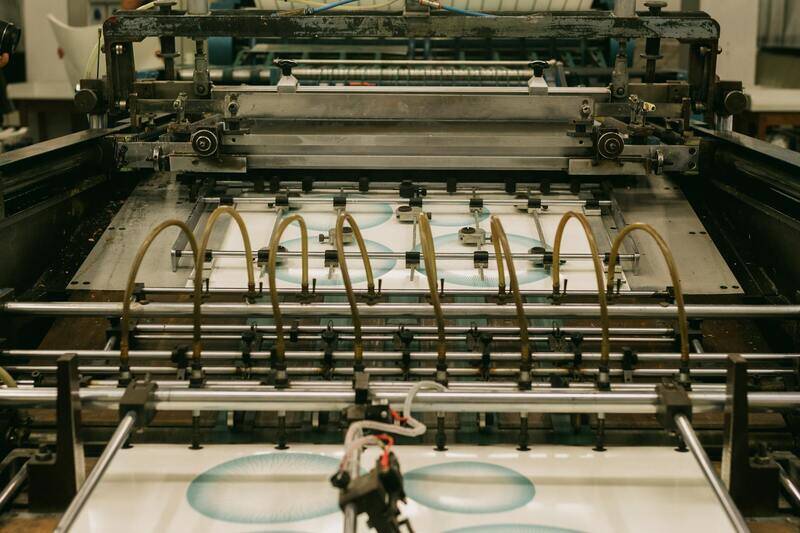
Implementing multi colour printing with precision requires a strategic approach using standard, reliable techniques that ensure high-quality, consistent results across various projects. Among the most trusted methods is the layering technique, widely employed in screen printing. This process involves applying separate stencils for each colour, meticulously aligning each layer to produce intricate, vibrant images. Proper registration tools and alignment jigs are crucial here to maintain the exact positioning of each colour layer, preventing issues such as misregistration or colour bleeding.
High-precision layering in multi colour screen printing ensures vivid and accurate reproductions
Digital multi colour printing, particularly inkjet and laser technologies, also follows a set of standardized processes for color accuracy. These systems utilize advanced print heads capable of producing hundreds of colours through the combination of primary inks or toners. Color management software plays a pivotal role, enabling printers to match digital designs to physical outputs with remarkable accuracy. Calibration of printers and consistent testing are fundamental practices to guarantee colour fidelity, especially when reproducing detailed graphics or photographs.
Digital multi colour printing employs sophisticated colour management systems for precise reproduction
Offset lithography remains a mainstay for larger volume print runs, combining high quality with efficiency. This technique relies on transferring ink from a plate to a rubber blanket, then onto the printing surface. Precise colour mixing and registration are achieved through meticulously prepared plates and wash-up procedures, ensuring colours are accurately reproduced and sharply aligned. The use of standardized Pantone colour matching systems helps maintain consistency across batches and over time.
Color Separation and Design Preparation for Multi Colour Printing
Creating artwork suitable for multi colour printing involves meticulous color separation, which divides the original design into individual colour components. This process often begins with converting files into compatible formats like CMYK or spot colours, followed by using industry-standard software to assign specific colours to each separation. Precise control over this phase is essential to prevent colour overlap or inconsistent hues.
High-Resolution Artwork: Ensuring all images and graphics are at least 300 DPI to preserve detail and sharpness.
Colour Profiles: Embedding correct color profiles to maintain colour accuracy during the printing process.
Spot Colours: Utilizing Pantone or custom spot colours for specific branding requirements or exact colour matches.
Layer Management: Organizing colour layers for clear separation and ease of registration during printing.
Proper design preparation ensures effective color separation for optimal multi colour printing results
Complex designs with gradients, shading, or multi-tone effects require additional attention during this stage. Techniques such as trapping and tinting are applied to prevent gaps between colours or unwanted overlaps. The objective is to produce a seamless, vibrant final product that accurately reflects the original creative intent. Careful prepress adjustments, including proofing and calibration, are essential steps before commencing full-scale production.
Selection of Suitable Materials for Multi Colour Printing
The choice of materials plays a vital role in the success of multi colour projects. For substrates such as paper, cardboard, fabric, or plastic, the properties of each material influence how inks or toners adhere and how well colours will be reproduced. High-quality, coated papers are generally preferred for achieving sharper, more vibrant colours, especially in offset and digital printing. For textiles, inks that are flexible and weather-resistant ensure durability and colour longevity.
Paper and Cardboard: Use of coated or premium-grade substrates for enhanced vibrancy and sharpness.
Textiles: Selection of suitable fabric dyes and inks that withstand washing and wear.
Plastic and Vinyl: Compatibility with UV or solvent-based inks for durable branding and signage applications.
Specialty Materials: Consideration for textured or transparent media when the design demands an innovative appearance.
Ensuring compatibility between materials and inks is essential to prevent issues like smudging, fading, or misregistration. Proper surface preparation, such as cleaning and pre-treating substrates, contributes significantly to achieving optimal colour accuracy and adhesion in multi colour printing processes.
Overview of Multi Colour Printing
Multi colour printing is a sophisticated process that involves layering multiple inks to create vibrant, detailed, and complex images. Unlike single-colour printing, this method allows for a broad spectrum of hues and subtle gradations, making it ideal for projects that demand high visual impact. It enables designers and businesses to produce products that stand out in competitive markets, reinforcing brand identity and conveying messages with clarity and vibrancy. Achieving precise colour matching and registration is fundamental to this process, as it ensures each layer aligns perfectly to produce seamless and eye-catching results.
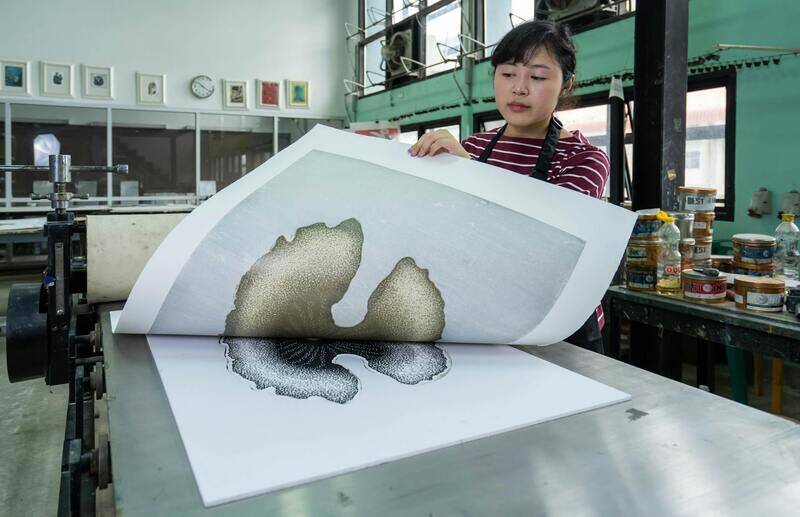
Multi colour printing involves precise layering of inks for vibrant, detailed images.
Types of Multi Colour Printing Techniques
Several methods are employed in multi colour printing, each suited to different substrates, scale, and desired outcomes:
Offset Printing: Utilizes metal plates to transfer ink onto the printing surface. Ideal for high-volume projects requiring consistent colour accuracy and fine detail. Uses process colours to produce a wide spectrum of hues.
Digital Printing: A versatile method suitable for shorter runs and complex designs with multiple colours. It directly prints from digital files onto substrates, offering quick turnaround and easy modifications.
Screen Printing: Employs stencils and mesh screens, making it highly effective for textiles, plastics, and promotional items. Each colour is applied using a separate screen, which allows for bold and opaque colour layers.
Flexography: Often used for packaging and labels, flexography employs flexible plates and fast-drying inks, suitable for large-scale production of multi coloured designs on various materials.
Gravure Printing: Known for superior image quality and consistency, it involves engraving the image onto a cylinder. This technique supports rich colour reproduction and detailed images in high-volume printing.
Image Placeholder:
Color Separation and Design Preparation
Preparing a design for multi colour printing requires careful separation of colours and meticulous arrangement to ensure accuracy. Designers typically work with professional graphic software capable of isolating individual colour channels, which are then assigned to specific printing plates or digital layers. This process involves:
Design Conceptualization: Visualize the final composite and determine the optimal number of colours needed.
Colour Separation: Break down the artwork into separate elements corresponding to different inks or layers, paying close attention to overlaps and interactions.
Proofing and Calibration: Conduct proofs to evaluate colour accuracy, registered alignment, and overall appearance before mass production. This step is crucial in identifying potential issues and making necessary adjustments.
File Preparation: Ensure files are correctly formatted, with proper layer management and colour profiles, to facilitate smooth translation into the printing process.
Materials Suitable for Multi Colour Printing
The choice of substrate significantly influences the final output quality. Materials must be compatible with the inks and printing method used:
Papers and Cardboard: Coated and premium-grade options improve colour vibrancy and sharpness, especially in offset and digital printing.
Textiles: Use inks formulated for fabrics, ensuring flexibility and resistance to washing for durable textiles.
Plastic and Vinyl: UV or solvent-based inks are preferred to achieve vibrant, weather-resistant finishes for signage and branding.
Specialty Materials: Textured surfaces, transparent media, or metallic substrates can be incorporated for unique visual effects, provided they are suitable for multi colour printing processes.
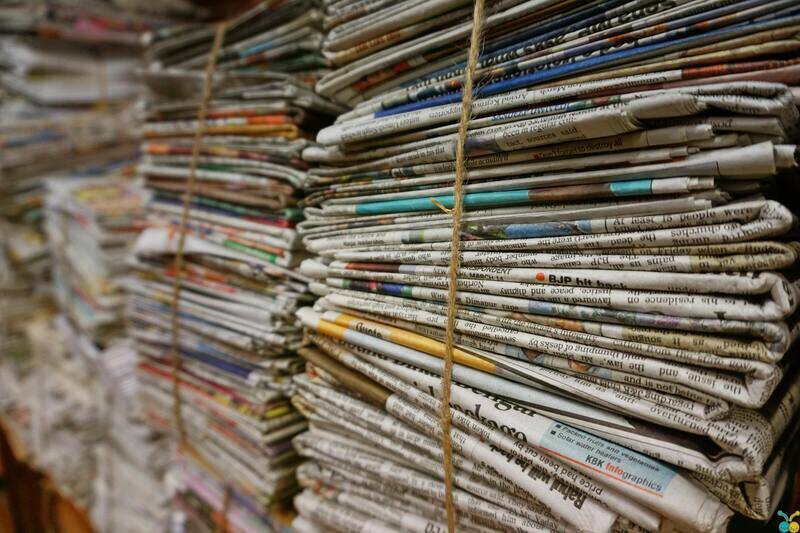
Materials such as coated paper, textiles, and plastics are ideal for multi colour printing projects.
Considerations for Effective Multi Colour Printing
To maximize the visual impact and efficiency of multi colour printing projects, certain key considerations must be observed. These encompass precise color reproduction, efficient cost management, and rigorous quality control throughout the process.
Ensuring Accurate Color Reproduction
Achieving true-to-design colors requires meticulous color management protocols. This involves establishing standardized colour profiles and detailed color matching procedures to ensure consistency across batches. Fine-tuning ink formulations, as well as implementing advanced calibration techniques for printers, helps to maintain color accuracy. Additionally, utilizing physical color references or swatches during print runs provides a benchmark for comparison, enabling immediate adjustments if deviations occur.
Precise color matching in multi colour printing to ensure vibrancy and consistency
Cost Management Strategies
While multi colour printing naturally involves more complex processes, strategic planning can optimize expenses. Selecting appropriate materials that offer cost-effective yet high-quality outcomes is essential. Moreover, limiting the number of colour layers to only what is necessary reduces ink wastage and printing time. Streamlining the workflow, from file preparation to press operation, can minimize errors and rework, thereby controlling costs. Lastly, leveraging digital technologies for rapid prototyping allows for adjustments and approvals before full-scale production, avoiding costly mistakes.
Quality Control and Inspection
Implementing strict quality control measures at every stage of production is critical. Regular inspection of proofs ensures alignment, registration, and color fidelity. Employing color measurement tools such as spectrophotometers enables objective assessment of color consistency and quality. During printing, continuous monitoring helps identify issues like ink density fluctuations, misregistration, or substrate inconsistencies. Post-print inspections verify that the final product adheres to the specified standards, reducing the risk of defects reaching clients.
Additional Tips for Optimal Results
Perform test prints on sample materials to predict how colours will appear on the final substrate.
Maintain clean and well-calibrated printing equipment to prevent contamination and colour drift.
Communicate clearly with designers about colour specifications and limitations inherent to the chosen printing process.
Use high-quality inks compatible with the substrate to ensure durability and vibrancy.
Consider environmental factors such as humidity and temperature, which can influence ink drying and adhesion.
By integrating these considerations into every phase of multi colour printing, businesses can achieve highly accurate, visually appealing, and durable printed materials that meet their intended standards and customer expectations.
Quality control processes to ensure accurate and vibrant multi colour prints
Enhanced Practical Tips for Multi Colour Printing Execution
Achieving optimal multi colour printing results necessitates meticulous planning and execution. Implementing precise registration techniques is vital for aligning multiple colours seamlessly, especially when working with complex designs requiring fine details. High-quality calibration of printing equipment prior to production runs helps maintain consistent colour output, minimizing discrepancies across batches.
Utilizing advanced colour management systems enables precise control over ink formulations and colour matching, ensuring that the vibrancy and accuracy of each hue are maintained according to the original design specifications. Regularly updating colour profiles and maintaining an up-to-date colour database assist in achieving uniformity and consistency across different print jobs.
The choice of substrates plays a significant role in the quality of multi colour printing. Selecting materials with smooth, even surfaces minimizes disruptions in ink adhesion and transfer, leading to sharper images and more vivid colours. It's advisable to perform test prints on small sections of the selected substrate to anticipate how colours will appear once printed at full scale. This process helps in identifying potential issues related to absorption, texture, or surface treatment that could affect final output.
High-quality substrates and precise registration techniques are essential for achieving superior multi colour print results.
Controlling environmental variables such as humidity, temperature, and lighting conditions within the production environment contributes significantly to colour fidelity and ink drying times. Maintaining a stable environment reduces distortions in colour registration and prevents issues like smudging or inconsistent drying that could compromise the final product.
Effective colour separation during the prepress phase is crucial. Detailed colour separation involves breaking down the original artwork into individual colour components that can be accurately reproduced during printing. Employing professional graphic design and prepress services ensures that all colours are correctly interpreted and optimized for the chosen printing method, reducing the risk of colour shifts or inaccuracies.
Quality assurance throughout the printing process involves continuous inspection and adjustments. Techniques such as using spectrophotometers or densitometers allow technicians to monitor colour accuracy in real-time, catching deviations early and correcting them promptly. Post-print evaluations are equally important to verify that the palette, registration, and overall quality meet the required standards.
To maximize durability and vibrancy, it is recommended to select high-quality inks that are compatible with the substrate and suitable for multi colour printing. Eco-friendly ink options are increasingly popular, offering environmentally conscious printing solutions without compromising colour performance. Additionally, protective coatings, such as varnishes or laminates, can enhance finish quality, water resistance, and longevity of the printed materials.
Incorporating these detailed, technical approaches ensures that multi colour printing projects consistently achieve exceptional clarity, colour richness, and durability, fulfilling both aesthetic and functional expectations effectively.