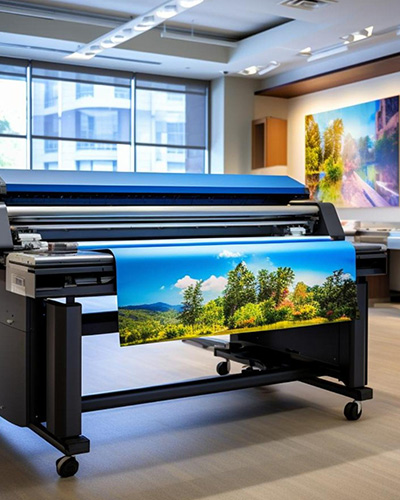
Basics of Print Colour
Understanding print colour begins with a grasp of fundamental principles that govern how colours are produced and perceived on printed materials. Colour theory, a cornerstone of visual communication, explains how colours interact and how they can be combined to create the desired visual effects. It involves concepts such as hue, saturation, and brightness, which influence how colours appear and how they can be manipulated to match specific design requirements.
Colour perception plays a vital role in the printing process, as it determines how viewers interpret the colours on printed surfaces. Human eyes perceive colours based on the light reflected from the surface and the observer’s visual system. Accurate reproduction of these colours requires an understanding of how different pigments, inks, and substrates influence colour appearance.
In printing, achieving true colour fidelity means reproducing colours as close as possible to the original design or vision. This accuracy is crucial for branding, marketing materials, fine art reproductions, and any application where colour precision affects the overall quality and message being communicated.
**The importance of accurate colour reproduction cannot be overstated.** Incorrect colours can lead to miscommunication, brand inconsistency, or diminished aesthetic value. Therefore, print service providers employ various colour management techniques and controlled processes to ensure that the printed colours are faithful to the intended design.
Accurate print colour also involves considerations of light conditions and viewing environments, as colours can appear differently under various lighting conditions. Consequently, selecting the right printing materials and maintaining consistency across production runs are essential practices for achieving optimal colour quality.
Proper understanding and application of these basics enable printing professionals to communicate effectively about colour specifications, troubleshoot issues related to colour discrepancies, and deliver products that meet high standards of visual fidelity.

Colour Models Used in Printing
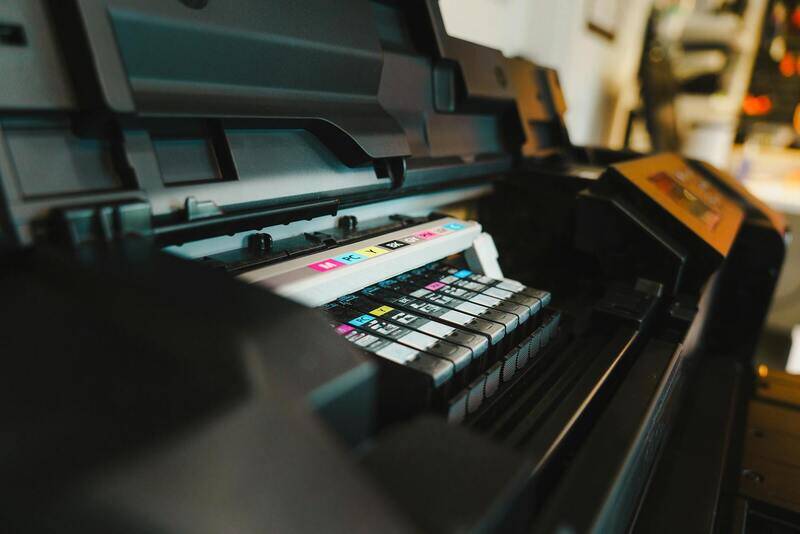
In the realm of professional printing, understanding the fundamental colour models is essential for achieving precise colour reproduction. The most prevalent model is CMYK, which stands for Cyan, Magenta, Yellow, and Key (Black). This subtractive colour model is designed specifically for print media, where colours are created by combining these four inks in varying proportions. The process involves subtracting light from a white background, with the inks absorbing certain wavelengths to produce the desired hue.
CMYK is highly effective for full-colour printing, enabling a wide range of colours through precise Calibrations and mixing. However, its limitation lies in reproducing colours outside the printable gamut, such as certain vibrant hues found in digital screens. To address this, many printers complement CMYK with spot colours, which are specially mixed inks for specific shades.

Another important colour system is the Pantone Matching System (PMS). Unlike CMYK, Pantone uses individual pre-mixed inks to represent specific colours, ensuring exact colour consistency across different print runs and materials. This system is particularly valuable for branding purposes, where maintaining consistent brand colours is critical. Pantone provides a comprehensive palette with precise codes for each shade, significantly reducing the discrepancies that can occur when relying solely on process colours.
Understanding the differences between CMYK and Pantone allows print professionals to select the most suitable colour model based on project requirements. While CMYK offers a broad spectrum suitable for photographs and complex images, Pantone guarantees colour accuracy for logos, corporate identity elements, and specialty finishes. Skilled printers often use a combination of both models, depending on the complexity and fidelity required for each project.

Color Matching and Calibration
Achieving consistent and accurate print colours hinges on precise color matching and calibration techniques. Calibration ensures that printers and monitors display and reproduce colours as intended, aligning digital designs with printed outputs. This process begins with device profiling, which involves creating detailed colour profiles for hardware, allowing adjustments to compensate for device-specific variations.
Utilizing colour management systems (CMS) plays a vital role in maintaining colour fidelity across different devices and media. By embedding colour profiles—such as ICC profiles—into digital files and printer settings, operators can manage colour workflows effectively, reducing discrepancies between digital displays and printed results.
Regular calibration routines, including hardware calibration tools, are essential. For printers, this means adjusting ink density, print head alignment, and colour output to match standard reference colours. Monitors require calibration of brightness, contrast, gamma, and colour temperature to ensure visual accuracy prior to colour checks.
Colour consistency is further reinforced through the use of standardized colour palettes and test prints, allowing for validation and fine-tuning. This iterative process minimizes colour shifts across batches, ensuring that each print matches intended hues with high precision.

Printing Techniques Impacting Colour
Various printing techniques influence how colours appear on final products. Offset printing, known for high-quality and consistent output, benefits from fine ink control and precise application, enabling accurate colour reproduction suitable for large-volume commercial jobs.
Digital printing offers rapid turnaround times and adaptability, though it may require specific calibration to maintain colour accuracy due to the variability in ink or toner formulations. Inkjet printing, popular for fine art and photographic prints, allows for a broad spectrum of colours and nuanced gradations, provided that the equipment is carefully calibrated.
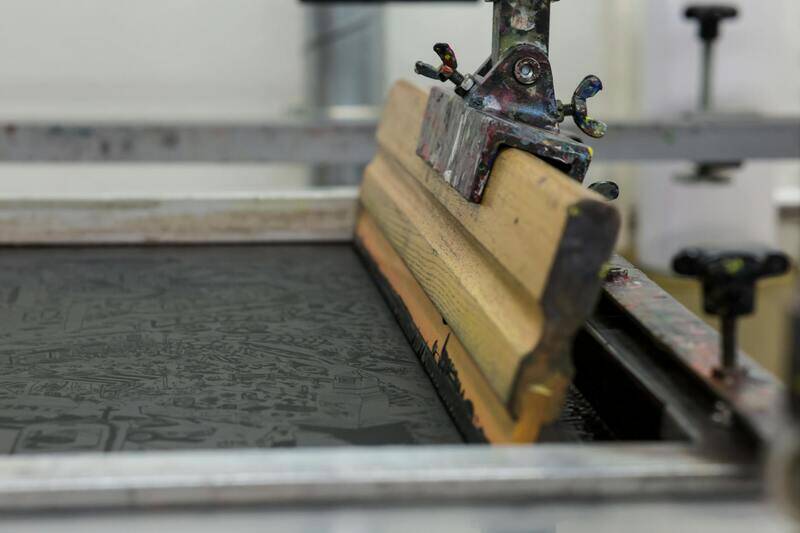
Screen printing, while offering vibrant colours and durability, often involves layer thickness variations that can affect colour accuracy. Each method imposes different technical considerations for colour fidelity, necessitating tailored calibration and process controls.
Color Management in Printing
Advanced colour management methodologies are vital for preserving colour integrity throughout the entire printing workflow. Establishing a consistent colour pipeline involves integrating hardware calibration, colour profiling, and workflow automation tools. These ensure colour consistency from digital design to final print.
Implementing industry-standard ICC profiles tailored to specific printers, inks, and media allows for predictable colour reproduction. This not only enhances accuracy but also streamlines the production process, reducing waste and reprints caused by colour mismatches.
Incorporating colour management software into the pre-press stage helps identify potential colour deviations early, allowing adjustments before printing. Moreover, colour proofing systems—either digital or hard proof—serve as references that emulate the final print, enabling stakeholders to approve colours with confidence.

Color Matching and Calibration
To achieve consistent and accurate print colours, implementing structured color matching and calibration procedures is essential. This involves the use of specialized tools like spectrophotometers, which measure colour outputs precisely, enabling the creation of accurate colour profiles tailored to specific printing setups. Calibration procedures ensure that the printer’s output aligns with digital colour data, reducing discrepancies between intended and final colours.
Establishing a standardized workflow for colour calibration includes regular device calibration, maintaining a controlled environment, and using industry-approved colour management software. This software integrates with hardware to refine colour reproduction, ensuring that every print adheres to the predefined colour standards. Proper calibration reduces colour variation across different batches, substrates, and printing presses, enhancing overall print quality and customer satisfaction.
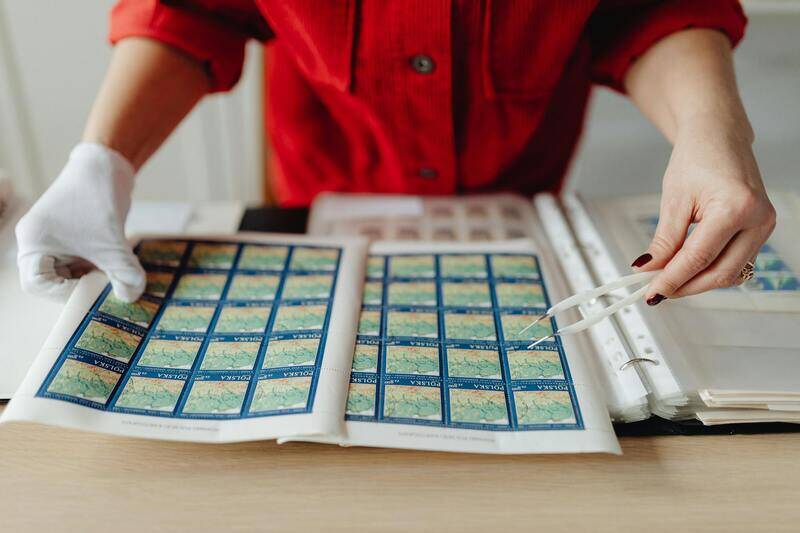
Besides calibration, colour matching involves creating colour palettes that match client specifications accurately. This process often begins by developing a colour target or guide, which acts as a reference standard. The target is printed and then visually compared or measured using spectrophotometers. Adjustments are made until the printed colours align perfectly with the client’s digital files or physical samples. This iterative process ensures high fidelity between digital designs and printed outputs, especially in projects demanding exact colour reproduction such as brand logos, packaging, or photographic prints.
Consistent communication with print service providers regarding colour expectations is vital. Clear specifications, colour standards, and approval processes help avoid misunderstandings, ensuring that the final product meets the desired visual criteria. Leveraging professional colour management systems and adhering to strict calibration routines are proven methods for maintaining colour consistency across all print runs.

Challenges in Achieving Consistent Print Colour
Despite technological advancements, maintaining uniform print colour remains a complex task. Variations in ink formulations, substrate materials, and environmental conditions such as temperature and humidity can significantly impact colour accuracy. For example, different batches of paper may absorb inks differently, leading to subtle colour shifts. Similarly, discrepancies in ink viscosity or drying time influence the final appearance.
Another challenge lies in the differences between digital files and physical media; digital representations often do not accurately reflect how colours will appear once printed. Factors like monitor calibration, ambient lighting, and viewing angles can distort digital colour perception, complicating the process further. Ensuring colour fidelity involves ongoing adjustments, thorough quality control, and a comprehensive understanding of how various materials interact with inks and toners.
Furthermore, the conversion of colours between different colour spaces (such as RGB to CMYK) can introduce inaccuracies, especially when trying to emulate digital designs in print. These issues necessitate a combination of precise printing hardware, advanced colour management, and skilled operators capable of troubleshooting and adjusting processes in real time.
Enhancing Print Colour Quality
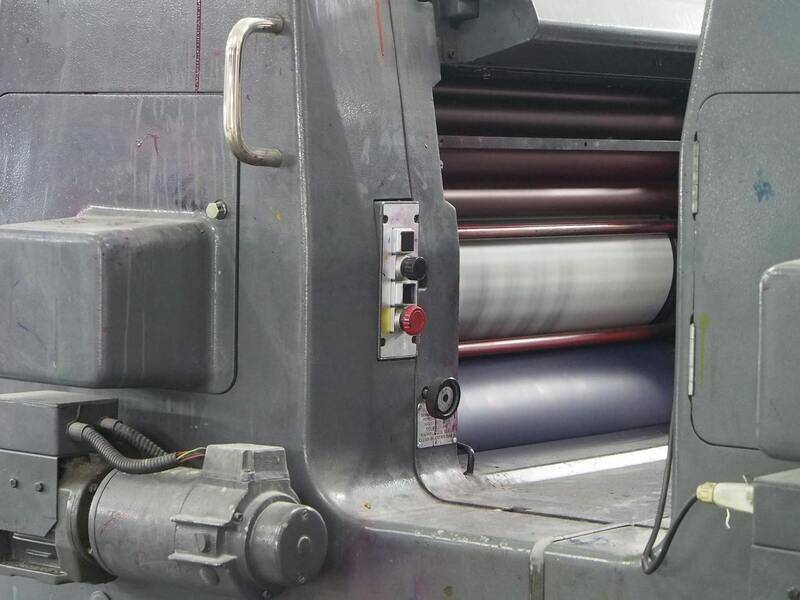
Improving the overall quality of print colours involves a systematic approach to process refinement and equipment calibration. Selecting high-quality inks, substrates, and toners is fundamental, as these materials directly influence vibrancy, stability, and longevity of the colours. Material testing and batch matching ensure that the properties remain consistent across large runs.
Implementing advanced printing technologies, such as high-resolution digital presses equipped with built-in colour management tools, can significantly elevate print fidelity. For instance, some modern printers come with inline spectrophotometers that automatically adjust ink flow to match target colours during production, reducing human error and variability.
In addition to hardware upgrades, refining digital workflows is crucial. Regularly updating colour profiles, optimizing colour correction curves, and conducting routine proofing verify that digital files accurately translate into the printed product. Using high-quality proofing systems, whether digital soft proofs or physical hard proofs, allows for precise colour evaluation before full-scale production.
Training staff in colour theory and calibration techniques further advances print quality. Skilled operators can identify issues early and implement adjustments swiftly, maintaining colour consistency even with complex or difficult materials.

Techniques for Achieving Accurate Color Reproduction
Accurate color reproduction in printing requires meticulous control over various process elements. One fundamental method is the utilization of standard color reference charts, which serve as benchmarks for calibrating printers and verifying color output consistency. During calibration, a color measurement instrument is used to compare the printed colors against the reference values, ensuring the printer maintains fidelity to the intended color profile.
Precise control of ink density plays a vital role in achieving consistent hues and saturation levels. This involves adjusting ink flow rates and applying proper drying techniques to prevent color shifts due to smudging or uneven absorption, particularly on different substrates.
Employing advanced color management software can automate many of these calibration procedures, offering precise adjustments and real-time monitoring. Such tools often include visual aids like color patches and test patterns that guide operators in tweaking print settings, thereby minimizing human error.
Additionally, multi-pass printing techniques, which involve layering inks or applying multiple coats, can deepen color vibrancy and improve depth, especially for photographic-quality prints. Proper sequencing of ink layers and timing ensures that the colors blend seamlessly and retain their richness.

Challenges in Achieving Consistent Print Colour
Maintaining consistent print colour across various projects and materials remains a significant challenge for printing professionals. Factors such as colour shifting, ink incompatibilities, and substrate effects can disrupt the accuracy and vibrancy of the final output. Colour shifting occurs when colours deviate from their original reference due to inconsistencies in ink formulation, equipment settings, or environmental conditions like temperature and humidity. This can be particularly problematic in branding and product packaging where colour fidelity is crucial.
Ink incompatibilities also pose difficulties in achieving uniform colours, especially when mixing or layering different ink types. For instance, combining aqueous and solvent-based inks may produce unpredictable results, affecting both colour vibrancy and durability. Additionally, the physical properties of substrates, including paper, fabric, or plastic, significantly influence colour rendition. Absorption rates, surface textures, and reflectivity can alter perceived hues, requiring careful selection and testing of materials before final printing.

Other challenges include ensuring colour consistency across large print runs and maintaining accurate colour reproduction when printing with various machines or operators. Environmental factors, such as ambient light and drying conditions, can further affect colour perception. Human error in setting calibration parameters can lead to discrepancies, emphasizing the importance of rigorous quality control processes.
Enhancing Print Colour Quality
To elevate print colour quality, it is essential to employ a combination of precise colour management techniques, advanced calibration tools, and rigorous quality assurance practices. Selecting high-quality inks with stable colour properties and adhering to manufacturer guidelines helps ensure reliable colour reproduction. Implementing comprehensive colour management systems, including ICC profiles and software calibration, allows for standardized colour settings across different devices and print jobs.
Furthermore, conducting regular test prints and colour proofing throughout the production process enables early detection of deviations, reducing waste and rework. Proper understanding of substrate interactions and pre-treatment methods can significantly enhance colour accuracy. For example, priming certain materials or using compatible coatings can improve ink adhesion and vibrancy.
Investment in modern printing equipment equipped with advanced colour sensors and real-time monitoring capabilities can also enhance consistency. These systems automatically adjust ink densities and colour balances during printing, maintaining quality and minimizing human intervention.
Future Trends in Print Colour Technology
The future of print colour technology is set to benefit from innovations such as digital colour profiling, AI-driven calibration systems, and sustainable ink formulations. Digital profiling allows for highly precise calibration tailored to specific media and machine combinations, consistently delivering accurate colours. AI-driven systems are capable of real-time analysis and adjustments, reducing human error and optimizing colour fidelity automatically.
Sustainable and eco-friendly inks are gaining traction, offering vibrant colours while reducing environmental impact. As these inks evolve, they will provide manufacturers with more options to achieve high-quality, accurate printing results without compromising on responsibility towards the environment.
Additionally, the integration of augmented reality (AR) and virtual proofing tools enables designers and printers to visualize and review colours in digital environments before actual printing, ensuring alignment on expectations and reducing costly adjustments later in the process.
Advances in substrate science are also expected to yield new materials designed specifically for optimal ink absorption and colour retention, further improving colour consistency and vibrancy across diverse applications. As these technologies mature, quality, efficiency, and sustainability in print colour will become standard benchmarks for the industry.
Challenges in Achieving Consistent Print Colour
Maintaining consistent print colours across multiple print runs and various media types presents a significant challenge for professionals in the printing industry. Variations in substrate types, ink formulations, environmental conditions, and machine performance can all influence the final colour output. For instance, different paper stocks possess unique absorption characteristics, affecting how inks settle and appear. This variability necessitates meticulous process controls to ensure uniformity from batch to batch.
Temperature, humidity, and even fluctuations in ink viscosity can lead to colour shifts during production. These environmental factors impact the ink's drying time and adherence, resulting in discrepancies that compromise colour fidelity. Consistent drying conditions and proper storage of inks are crucial in mitigating such issues.
Moreover, the calibration of printing equipment plays an essential role. Without regular and precise calibration, colour inconsistencies may arise due to mechanical wear and ageing components. This requires ongoing maintenance routines, including periodic checks against standard colour targets, to sustain peak performance.

Human factors, such as operator expertise and attention to detail, also influence final print colour. Variations in ink mixing, application pressure, and throughput settings can inadvertently lead to inconsistencies. Proper training and adherence to standard operating procedures are vital to maintain the desired colour standards.
Strategies for Overcoming Print Colour Challenges
- Comprehensive Colour Management Systems (CMS): Implementing robust color management solutions helps control and predict colour outcomes. These systems utilize standardized colour profiles and calibration tools to align the digital design with the physical print.
- Environmental Controls: Maintaining stable humidity and temperature levels within the printing environment reduces the variability caused by external factors.
- Regular Equipment Calibration: Routine calibration with certified colour targets ensures the calibration stays accurate over time and smoothes out potential inconsistencies.
- Quality Raw Materials: Selecting high-quality, consistent inks and substrates diminishes the likelihood of colour variations. Suppliers that provide detailed specifications and batch consistency data help optimize results.
- Operator Training: Investing in staff training on colour theory, media handling, and machine operation minimizes user-induced discrepancies.

While technological solutions significantly mitigate many issues arise, understanding and controlling these variables remain paramount. Industry professionals who pay close attention to detail and embrace comprehensive colour management practices can achieve high levels of colour consistency, translating to superior print quality and customer satisfaction.
Final Considerations for Achieving Perfect Print Colour
Attaining consistent and vibrant print colours hinges on a combination of precise methods and advanced technology. While equipment quality and colour management systems play pivotal roles, understanding the core processes that influence colour fidelity can significantly enhance print outcomes. This section delves into best practices and official methods for safeguarding colour accuracy, ensuring that printed materials meet high standards of visual appeal and technical precision.
Employing Color Profiling for Accurate Reproduction
Color profiling remains a foundational element in professional printing environments. By creating precise ICC (International Color Consortium) profiles for specific printers, inks, and substrates, operators can establish a consistent colour language between digital files and physical prints. These profiles serve as standardized references, translating digital colour data into predictable results across different devices and media.
- Calibration of Devices: Regular calibration of monitors and printers using certified colour targets ensures that the digital visuals and physical output remain aligned. This practice eliminates discrepancies caused by hardware drift over time.
- Utilizing Industry-Standard Colour Spaces: Employing colour spaces such as Adobe RGB or CMYK colour profiles tailored to printing ensures that colour data remains within reproducible boundaries, minimizing unexpected shifts.

Maintaining a Controlled Printing Environment
Consistency in print colour begins with a stable environment. Fluctuations in humidity, temperature, and light can alter ink interactions and substrate behaviour, leading to colour variations. Ensuring a controlled environment is central to producing repeatable results.
- Climate Control: Use of climate-controlled rooms with monitored humidity and temperature levels prevents media and ink interaction anomalies.
- Lighting Conditions: Proper, colour-corrected lighting within the workspace ensures that digital previews match printed results during review stages.
Precise Ink and Substrate Selection
The choice of inks and substrates directly impacts colour accuracy. High-quality, consistent raw materials with clearly defined colour properties help achieve predictable results. Suppliers who provide detailed batch and formulation data allow for better matching and colour management.
- Matching Ink Sets: Utilizing ink sets designed specifically for certain substrates or applications mitigates unexpected colour shifts.
- Substrate Compatibility: Selecting substrates with uniform absorption and reflective properties ensures the ink's colour integrity is maintained throughout the process.
Implementing Advanced Colour Measurement Technologies
Investing in official, calibrated colour measurement devices such as spectrophotometers or colorimeters enhances quality control. These tools provide objective measurements of printed colours, enabling precise adjustments and calibration for future runs.
- Quality Control Checks: Routine measurement of sample prints ensures colour fidelity, allowing corrective actions before large-scale production.
- Data-Driven Adjustments: Quantitative data from measurement devices inform calibration processes, reducing guesswork and human error.

Investing in Skill Development and Expert Oversight
Ensuring high-quality print colour is also a matter of trained personnel. Regular training on colour theory, proper handling of inks and substrates, and operation of calibration tools enhances the consistency of results. Having dedicated colour management experts oversee the production process can further safeguard standards.
Summary: Relying on Validated, Industry-Standard Practices
Achieving superior print colour quality requires adherence to established procedures and the use of proven technology. From detailed colour profiling to environmental controls, strict calibration protocols, and precise material selection, these official practices underpin the reliability and uniformity of printed colours. Regular review and adherence to these methods are essential for producing consistent, vivid, and true-to-source print outputs that meet professional standards.