Overview of Colour Printing Services
Colour printing services encompass a wide range of professional printing solutions that utilize multiple ink colours to produce vibrant, high-quality images and text on various materials. These services are integral to many industries, including advertising, marketing, publishing, and corporate branding, where visual appeal and colour accuracy are paramount. In Singapore, a hub of business and creative activity, colour printing services have evolved to meet the diverse needs of clients ranging from small startups to large corporations.
At their core, colour printing services enable the reproduction of digital designs, photographs, and artwork with an emphasis on colour fidelity and detail. They facilitate the creation of marketing collaterals such as brochures, posters, business cards, banners, and packaging that require rich, eye-catching visuals. Furthermore, these services support bespoke printing projects that demand unique colour matching and high-resolution output, helping brands maintain consistency across various media platforms.
With the rapid growth of digital marketing and branding initiatives, the demand for professional colour printing is rising steadily in Singapore. Businesses rely on colour printing services not only for promotional materials but also for instructional manuals, event banners, and personalised marketing gifts. The versatility of modern colour printing methods allows for both large-volume production runs and short, customized projects, making it an indispensable component of contemporary business operations.
The importance of precise colour reproduction cannot be overstated, as it directly influences the perception of professionalism and brand integrity. Colour printing services incorporate advanced technology and stringent quality control processes to ensure that each print accurately represents the original design intent. Whether it's the subtle gradient in a product photograph or the vibrant hues of a promotional poster, these services strive for excellence in every print job.
In Singapore, the diverse multicultural landscape also influences the variety of printing materials and styles available. From traditional paper-based prints to options on fabric, vinyl, or specialty substrates, colour printing service providers tailor their offerings to meet specific project requirements. This adaptability supports the local market's dynamic nature, fostering innovation and creativity across various sectors.
In summary,colour printing services play a vital role in enabling businesses and creatives in Singapore to communicate their messages effectively through vivid, high-quality visual outputs. By leveraging advanced techniques and tools, these services translate digital designs into tangible, impactful prints that enhance brand recognition and engagement across multiple channels.
Color Accuracy and Quality Control
Achieving consistent and true-to-design colour output is fundamental to professional colour printing services. To ensure this, providers employ rigorous quality control protocols at every stage of the production process. This includes calibration of printers to match colour profiles, regular maintenance of equipment, and implementing standardised colour management systems. Advanced software tools, such as colour management modules, facilitate the precise translation of digital colour data into printed output, reducing discrepancies and ensuring faithful reproduction of hues and shades. Furthermore, quality assurance involves the selection of high-quality inks and toners that offer durability and vibrancy. These inks are formulated to resist fading over time, maintaining the integrity of the colours even after prolonged exposure to light or environmental factors. Strict inspection processes are also carried out post-printing to verify colour consistency across batches and to identify any deviations promptly, enabling corrections before final delivery. For clients, this meticulous attention to detail means receiving prints that not only meet but often exceed expectations, thereby reinforcing brand image and visual communication clarity across various applications. Such standards are especially critical for branding materials, packaging, and marketing collateral, where colour fidelity can significantly impact consumer perception.
Reliability in colour reproduction also involves using colour calibration tools such as spectrophotometers and colour analyzers. These tools measure the printed colours against target standards, providing objective data that guides adjustments. Many providers adopt ISO-compliant processes to maintain consistency across multiple print runs, regardless of order size. In addition, implementing standardised workflows enhances the overall quality control process. This includes setting precise process parameters for each material type, monitoring environmental conditions like humidity and temperature that can affect print quality, and training personnel in colour management best practices. By maintaining this comprehensive approach, print service providers can minimise errors, reduce waste, and deliver superior results consistently.
Overview of Colour Printing Services
Colour printing services play a crucial role in transforming digital designs into vibrant, tangible outputs that captivate audiences and communicate messages effectively. These services encompass a range of printing solutions designed to meet diverse business and creative needs, from promotional materials and packaging to corporate branding and artistic projects. High-quality colour printing involves precise control over colour reproduction, ensuring that the final print matches the original design as closely as possible. To achieve this, reputable print service providers utilize advanced technologies, rigorous quality control processes, and sophisticated colour management protocols. This comprehensive approach guarantees that every printed piece not only meets aesthetic standards but also aligns with the intended brand identity and marketing objectives. When considering colour printing, it is essential to select providers that maintain consistency across batches, employ environmentally responsible practices, and offer tailored solutions that suit specific project requirements.

Types of Printing Technologies Used
Understanding the different printing technologies employed in colour printing services is vital for choosing the right solution for your project. Each technology offers unique benefits tailored to specific applications, materials, and quality standards. The most common methods include:
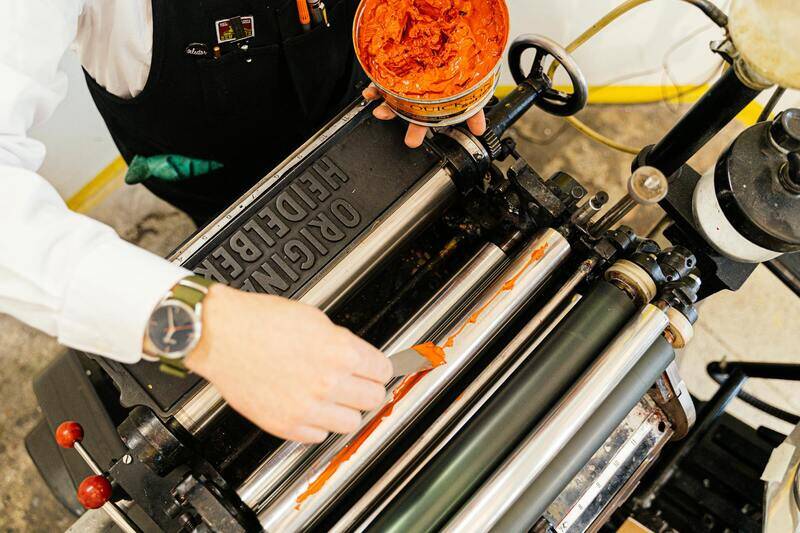
- Offset Printing: This traditional technique is renowned for its high efficiency and superior colour accuracy, especially suitable for large-volume runs. Offset printing uses metal plates to transfer ink onto a rubber blanket, which then applies the ink onto the printing surface. It is ideal for producing consistent, vibrant colours on various substrates such as paper, cardboard, and more.
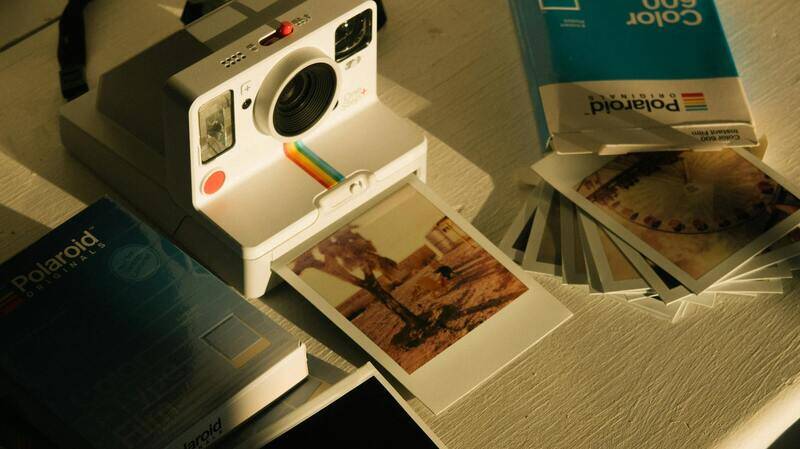
- Digital Printing: Perfect for smaller quantities and quick turnaround times, digital printing allows for direct image transfer from digital files to paper without the need for plates. It offers excellent colour fidelity through advanced colour management systems and is highly adaptable to personalized printing projects.
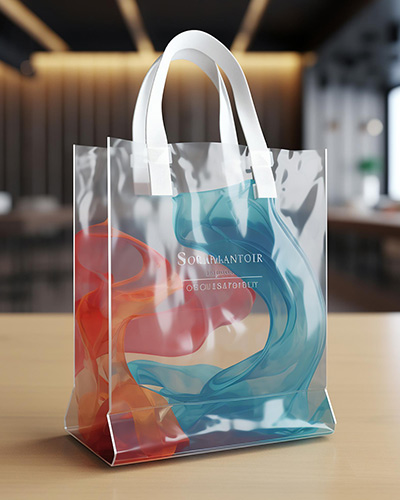
- Flexographic Printing: Often used for packaging materials, flexography employs flexible relief plates and is capable of printing on complex surfaces like plastics, foils, and corrugated containers. It supports vibrant colour reproduction suited for brands seeking impactful packaging solutions.
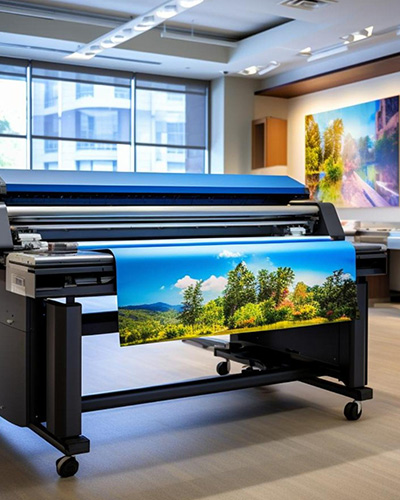
- UV Printing: This method involves curing UV-sensitive inks instantly using ultraviolet light, resulting in highly vibrant, durable prints. UV printing is ideal for promotional displays, signage, and customized branding materials that require weather resistance and vivid colours.
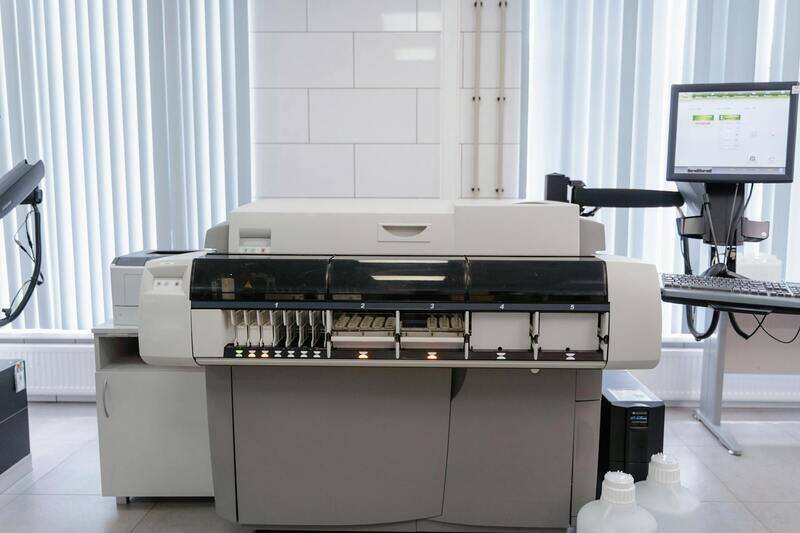
Choosing the appropriate technology depends on factors such as project volume, substrate types, budget constraints, and desired finish quality. Reputable providers assess these factors meticulously to recommend the best printing method for each client, ensuring optimal results and consistent colour fidelity.
Overview of Colour Printing Services
Colour printing services have become an essential component in various industries, from marketing and advertising to packaging and corporate branding. These services enable businesses and individuals to produce vibrant, eye-catching visuals across a wide range of substrates, enhancing visibility and consumer engagement. With advancements in technology, colour printing now offers unparalleled accuracy, consistency, and customization, allowing for highly detailed and vivid representations of designs, logos, and images.
State-of-the-art colour printing encompasses a variety of methods tailored to meet diverse project requirements. Whether it’s large-scale marketing campaigns, short-run personalized products, or specialized packaging, professional print providers employ advanced printing technologies to ensure each project achieves the desired aesthetic and functional outcomes. The selection of the appropriate printing method hinges on factors such as material type, project scale, colour fidelity needs, and budget considerations, making it imperative to work with experienced service providers who can offer insightful recommendations and high-quality execution.
Types of Printing Technologies Used
Various printing techniques are at the forefront of professional colour printing, each optimized for specific applications and substrates:
- Offset Printing: Known for its exceptional quality and consistency, offset printing is ideal for high-volume jobs requiring precise colour matching. It transfers ink from metal plates onto rubber blankets and then onto the printing surface, ensuring vibrant and uniform colours across large runs. This method is particularly suitable for magazines, brochures, and posters where colour accuracy and detail are paramount.
- Digital Printing: Offering flexibility and fast turnaround times, digital printing is perfect for small to medium-sized runs and customized projects. It directly transfers digital images onto substrate materials, incorporating advanced colour management to rival offset quality. Digital printing accommodates variable data printing, enabling personalized graphics and individualised marketing materials.
- Flexographic Printing: Widely used for packaging, flexographic printing employs flexible relief plates to print on diverse substrates, including plastics, films, and corrugated boards. It supports vibrant, opaque colours and is suitable for high-volume packaging production, such as labels, wrappers, and cartons.
- UV Printing: Utilising ultraviolet light to cure inks instantly, UV printing produces durable, highly vibrant images on a multitude of surfaces, including glass, plastics, and metals. Its quick-drying and weather-resistant qualities make it suitable for outdoor signage, promotional displays, and branded merchandise requiring longevity and vividness.
Color Accuracy and Quality Control
Achieving precise colour fidelity is fundamental in professional colour printing services. Advanced colour management systems are employed throughout the printing process to monitor and calibrate colour output meticulously. These systems utilize standardized colour profiles, such as ICC (International Color Consortium) profiles, to maintain consistency across different print runs and substrates. Regular calibration of printers ensures that colours remain true to digital designs, minimizing deviations and ensuring brand integrity.
Quality control measures include inline spectrophotometric scans and periodic inspections to verify colour accuracy, check for registration issues, and ensure uniform ink coverage. Reputable printing services also maintain detailed colour libraries and employ proofing techniques—like digital proofs and colour swatches—to match client expectations before the final print run. These practices guarantee that the vibrancy, hue, and overall appearance of the printed material meet industry standards and client specifications.
Types of Materials and Finishes
Colour printing services encompass a diverse range of materials and finishing options that enhance the visual appeal and durability of printed products. Selecting the appropriate substrate is crucial for achieving optimal results tailored to specific applications. Common materials include high-quality paper, sturdy cardstock, vinyl, fabric, and synthetic surfaces, each offering unique attributes suited for banners, packaging, posters, and promotional items.
In addition to material choice, finishing techniques significantly influence the final appearance and lifespan of printed pieces. Lamination provides a protective layer, boosting resistance to moisture, scratches, and UV exposure while giving a sleek, professional look. Coatings such as gloss, matte, or satin can be applied to modify surface sheen and tactile feel, aligning with branding aesthetics or functional requirements.
Embossing and debossing are techniques used to add texture, depth, and emphasis to specific design areas, creating a tactile experience that enhances visual interest. Foil stamping offers an eye-catching metallic or pearlescent effect, ideal for luxury branding and premium packaging. Die-cutting allows for custom shapes and window features, transforming standard prints into versatile display mediums.

Design Considerations for Colour Printing
Effective design plays a pivotal role in maximising the potential of colour printing services. High-resolution artwork with appropriate file formats ensures clarity and sharpness, especially when dealing with intricate details or gradients. Designers should adhere to the colour profiles specified by the print provider, typically sRGB or Adobe RGB, to facilitate accurate colour reproduction.
When preparing designs, attention should be paid to colour modes—vector files for line art and logos, and raster images for photographs—and the use of colour palettes. Limiting the colour spectrum to essential tones can streamline the printing process and improve colour consistency.
Consistent use of branding colours through the implementation of Pantone matching systems or ICC profiles guarantees that colours remain uniform across multiple print jobs. Additionally, incorporating bleed areas, safe zones, and proper margin settings prevents unwanted trimming or misalignment, ensuring the final product aligns perfectly with client expectations.

Overview of Colour Printing Services
Colour printing services play a vital role in transforming digital designs into tangible, vibrant expressions that capture attention and convey messages effectively. Offering versatility across various industries—from marketing and advertising to packaging and corporate branding—these services ensure that every printed piece benefits from rich, consistent colours that enhance visual appeal. High-quality colour printing supports branding efforts by producing eye-catching brochures, banners, business cards, and packaging materials that stand out in competitive markets. The selection of an appropriate printing service involves understanding the technical capabilities that align with specific project needs, ensuring that colour fidelity and print durability are upheld throughout the process.

Types of Printing Technologies Used
Various printing technologies form the backbone of colour printing services, each suited to different requirements and production volumes. Inkjet printing is widely used for small-scale projects, promotional items, and prototypes due to its ability to produce detailed, high-resolution images with a broad colour spectrum. Offset printing, on the other hand, is ideal for large volume runs, delivering consistent colour quality and sharp details at lower cost per unit, making it a popular choice for business brochures and magazines. Digital printing combines the benefits of both, offering quick turnaround times and excellent colour accuracy for short to medium print runs. Additionally, flexographic and gravure printing are often employed for packaging and labels, providing durability and high-quality detail on flexible materials.

Color Accuracy and Quality Control
Achieving precise colour reproduction is fundamental to delivering professional results in colour printing services. High fidelity in colour matching relies on meticulous quality control procedures and the use of standardised colour profiles, such as Pantone or ICC profiles tailored for specific media. Pre-press checks include calibration of printers and monitors to ensure consistency from digital files to final output. Colour management software assists in monitoring and adjusting colour settings, reducing the risk of discrepancies. Regular maintenance of printing equipment also plays a crucial role in preventing colour shifts and maintaining optimal print quality. Test prints and proofing processes allow clients to review colour fidelity before the full production run, ensuring alignment with their expectations.
Design Considerations for Colour Printing
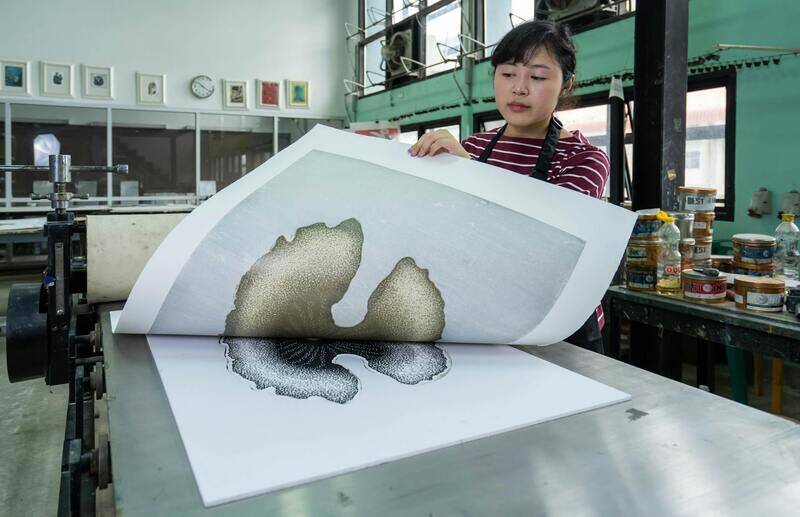
Effective design is essential for maximising the potential of colour printing services. High-resolution artwork ensures clarity and sharpness, particularly when dealing with detailed graphics or gradient effects. It is crucial for designers to work within the specifications provided by the printing provider, including colour profiles like sRGB or Adobe RGB, which influence how colours are rendered in print. Using vector files for logos and line art maintains crispness regardless of size, while raster images should be optimized for the appropriate resolution to prevent pixelation. Strategic use of colour palettes, minimal colour schemes, and consistent branding colours enhance cohesiveness and facilitate colour matching across multiple print jobs. Properly prepared files with bleed areas, safe margins, and correct layering help to prevent misalignments or unwanted trimming, ensuring a neater, professional finish.

Types of Materials and Finishes
Choosing the right materials and finishes is key to maximising the visual and tactile impact of printed items. Papers come in various weights, textures, and finishes—such as matte, gloss, or satin—each influencing how colours appear and how the final product feels. For premium branding and luxury packaging, metallic, pearlescent, or textured papers can add sophistication and uniqueness. The application of finishes like UV coating, lamination, and spot varnishes can protect printed surfaces while enhancing colours and adding visual interest. For instance, a glossy UV finish can make colours pop, while matte finishes offer subdued elegance. Die-cutting and embossing further personalise materials, creating distinctive shapes or textures that resonate with targeted audiences and reinforce brand identity.

Overview of Colour Printing Services
Colour printing services encompass a broad array of solutions tailored to produce vibrant, high-quality visual representations across diverse media. These services are integral to marketing, branding, packaging, and promotional materials, providing businesses with a powerful tool to communicate effectively with their audience. When selecting a colour printing provider, it is essential to evaluate their adherence to industry standards for colour accuracy, print resolution, and material compatibility. Professional colour printing involves precise calibration of printing equipment, rigorous quality checks, and an understanding of colour management systems. This diligence ensures that the final output aligns closely with digital designs, maintaining consistency across multiple print runs and media types. The importance of choosing reputable providers that utilize advanced technology and uphold quality assurance protocols cannot be overstated, as these factors directly influence the vibrant fidelity, durability, and overall professional appearance of printed products.

Types of Printing Technologies Used
Modern colour printing leverages a variety of technologies, each suited to different project requirements and budget considerations. Inkjet printing is renowned for its ability to produce detailed images with an extensive color gamut, making it ideal for short runs, proofing, and photographic reproductions. Laser printing, on the other hand, excels in producing sharp text and vibrant graphics quickly and cost-effectively, suitable for business collateral and bulk print jobs. Offset printing remains the industry standard for large-scale production, delivering exceptional colour accuracy, consistency, and high-resolution output for magazines, brochures, and packaging materials. Furthermore, digital printing enables rapid turnaround times and personalized printing options, catering to short runs and customized designs without the need for extensive setup. Each technology offers unique benefits, and the choice depends on factors such as quantity, quality requirements, and budget constraints.

Color Accuracy and Quality Control
Achieving consistent colour accuracy is pivotal in professional colour printing. This process begins with precise calibration of printers and the use of standardized colour profiles that align digital files with the physical output. Quality control measures include regular maintenance of printing equipment to prevent colour drift and ensure sharp, vibrant results. Additionally, colour management systems facilitate the matching of colours across different devices and substrates, reducing discrepancies in hues and saturation. Proofing plays a crucial role in this process, allowing clients to review colour fidelity before the final print run. Advanced monitoring during production further guarantees that the colours remain true to the initial design, with adjustments made as necessary to maintain uniformity. By implementing rigorous quality checks and standards, printers ensure that each project consistently meets professional expectations for vibrant, accurate, and durable colour reproduction.
Design Considerations for Colour Printing
Designing for colour printing demands attention to detail to optimize final results. High-resolution files, typically 300 DPI or higher, are essential to prevent pixelation and achieve sharp imagery. Color profiles such as CMYK should be utilized to ensure colour consistency across digital and printed formats. Incorporating safe margins and bleed areas in the design files helps in avoiding unwanted trimming and misalignments during production. Using a strategic colour palette with minimal, brand-aligned colours enhances cohesiveness and ensures accurate colour matching in subsequent print jobs. Consistency in branding colours across various materials reinforces recognition and professionalism. Designers should also consider the environmental impact of colours, opting for eco-friendly inks and substrates when possible, which aligns with sustainable practices and appeals to environmentally conscious consumers. Proper planning and detailed specifications are vital to translating digital creativity into visually striking printed products.
Types of Materials and Finishes
Material selection and finishing touches significantly influence the visual and tactile appeal of printed items. Standard papers come in various weights, textures, and finishes—from smooth and matte to glossy and satin—each affecting how colours appear and how tangible the final product feels. Premium options like metallic, pearlized, or textured papers elevate branding efforts, adding sophistication and uniqueness, particularly for luxury packaging and high-end promotional items. Finishing options such as UV coating, lamination, and spot varnishes serve both functional and aesthetic purposes—protecting against wear and enhancing colour vibrancy. For instance, UV coatings can create a glossy, eye-catching surface that makes colours pop, whereas matte finishes deliver a subdued, elegant look. Embossing, debossing, and die-cutting introduce tactile dimension and custom shapes, further establishing a distinctive brand presence. The careful combination of materials and finishes transforms basic prints into memorable, engaging products that resonate with target audiences and elevate brand perception.

Comprehensive Approaches in Colour Printing Services
Establishing Reliable and Secure Payment Methods
Ensuring seamless, secure payment options is fundamental for a professional colour printing service provider. Accepted payment channels typically include bank transfers, credit and debit card payments, and digital wallets, which offer convenience and security for clients. Implementing encryption protocols and secure payment gateways helps protect sensitive financial information, fostering trust and encouraging repeat business. Clear invoicing practices, including detailed breakdowns of costs and turnaround times, enhance transparency. Offering flexible payment terms or packages can provide further convenience, especially for bulk or ongoing projects. Maintaining consistency in payment processes establishes a reputable image that appeals to local businesses and individual clients seeking dependable printing solutions.

Post-Print Quality Assurance and Customer Feedback
Quality assurance extends beyond the printing process itself. Comprehensive checks should include colour consistency, alignment accuracy, and surface finish assessments. Manual inspection combined with advanced tools such as spectrophotometers guarantees that printed outputs meet rigorous standards. Encouraging customer feedback and reviews provides insights into service performance and highlights areas for improvement. Implementing a systematic process of post-production quality control enhances product reliability and client satisfaction. Additionally, offering sample prints for review allows clients to assess colour fidelity and material characteristics before full production, minimizing errors and ensuring expectations are met.

Maintaining Long-term Client Relationships
Building enduring relationships depends on consistent service quality, transparent communication, and personalized solutions. Establishing open channels for client correspondence ensures that preferences and feedback are effectively addressed. Loyalty incentives such as discounts on repeat orders or referral programs further cement long-term engagement. Providing educational resources about the latest printing innovations, colour management, and sustainable practices keeps clients informed and engaged. Additionally, maintaining an updated portfolio of previous work showcases the company’s versatility and commitment to excellence. Such strategies not only foster trust but also position the service provider as a dependable partner capable of supporting diverse printing needs over time.