Ordering Color Printing: A Complete Guide For Singapore Businesses
Custom & Online Printing
Understanding Color Printing Services
Color printing services have become an essential component for businesses, artists, and individuals who seek vibrant, high-quality prints for various applications. Whether for marketing materials, promotional products, or personal projects, selecting the appropriate color printing method ensures the final product meets expectations. There are primarily two dominant digital and offset printing techniques, each with specific advantages suited for different needs.
High-quality color printing options catering to diverse needs
Overview of Color Printing Options Available
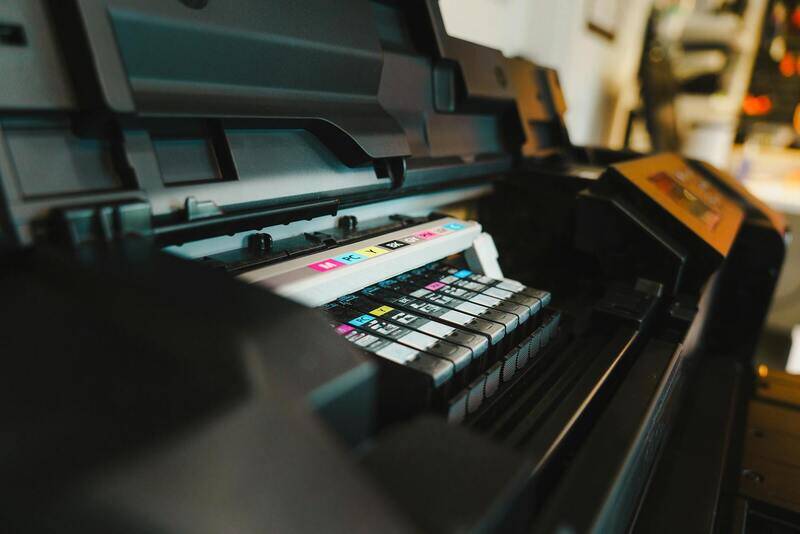
Digital color printing offers quick turnarounds, cost-effectiveness for small batches, and the ability to produce customized prints with ease. It leverages advanced inkjet or laser technology, allowing for detailed, vivid images on various substrates. Typical applications include business cards, flyers, brochures, and personalized promotional items.
Offset printing, on the other hand, provides superior color consistency, higher volume production, and exceptional quality for large runs. It uses plates to transfer ink onto paper, which results in sharp, vibrant images ideal for catalogs, magazines, and posters that require uniformity across extensive quantities.
Typical Applications of Color Printing Services
Marketing collateral designed to captivate and inform audiences
Packaging materials that demand color accuracy and durability
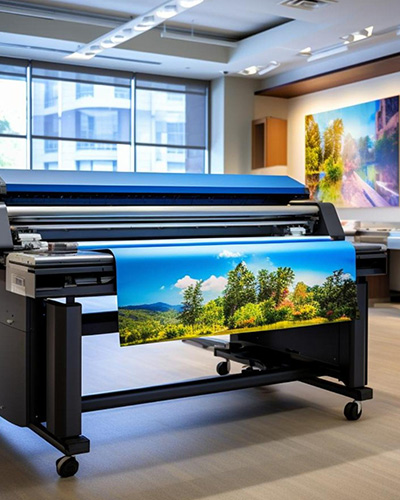
Event signage and banners needing vibrant, impactful visuals
Personalized stationery and art prints for individual or commercial use
Both digital and offset printing play pivotal roles depending on project scope, desired quality, and budget considerations, providing options to suit a broad spectrum of printing needs.
Types of Color Printing Materials
Choosing the appropriate material is essential to achieve optimal results in color printing. Different substrates impact not only the aesthetic appeal but also the durability, functionality, and overall quality of the final product. The most common materials used in color printing include various types of paper, cardstock, and specialty media designed to meet specific project requirements.
Standard printing paper remains a versatile option suitable for numerous applications including flyers, brochures, and poster prints. It is available in multiple finishes such as matte, gloss, or satin, each influencing the visual impact of colors and images. For projects demanding a premium look, high-quality coated papers provide enhanced color vibrancy and sharp details.
Cardstock is favored for creating sturdy promotional materials like business cards, postcards, and invitations. Its thicker, durable surface elevates the perceived value of printed items and offers excellent color reproduction. Specialty media, such as textured papers, transparent films, adhesive-backed sheets, and magnetic substrates, are also popular for unique promotional tools, packaging inserts, and signage where visual impact and tactile experience are critical.
Various materials used in color printing, including coated paper, cardstock, and specialty media, ensure diverse project requirements are met with vivid, durable results.
Design Considerations for Color Printing
Effective planning of your design is crucial in translating your vision into vibrant printed materials. When working with color printing services, consider elements such as color harmony, image resolution, and the purpose of the product. High-resolution images (300 dpi or higher) guarantee sharpness and clarity, especially for detailed graphics and photographs.
Color schemes should be carefully selected to align with branding guidelines and target audiences. Simultaneously, understanding how colors will appear on selected substrates helps in anticipating the final result. Use consistent color profiles and vector graphics whenever possible, as these ensure precise reproduction across different sizes and formats.
Additionally, leave adequate margins and bleed areas in your design files to prevent unwanted white borders or cut-off images during trimming. Incorporating clear and legible typography is also fundamental to maintaining readability and visual appeal in the finished product.
Attention to design details such as resolution, color harmony, and margins enhances the quality and effectiveness of printed materials.
Appropriate File Formats and Color Management
When preparing your artwork for order color printing, selecting the correct file formats is essential to preserve quality and color accuracy. Preferred formats include PDF, TIFF, and high-resolution JPEG files, which maintain integrity during the printing process. These formats support embedded color profiles, enabling consistent color reproduction across different devices and substrates.
Implementing precise color management practices is key in achieving the intended visual outcome. This involves embedding standard color profiles such as Adobe RGB or sRGB in your files, which guide the printer in interpreting color data accurately. Color calibration of monitors ensures that digital previews closely match printed results, reducing discrepancies and miscommunication.
Illustration of color management workflow in professional printing
Color Proofing and Sample Approvals
Before committing to large-scale runs, requesting color proofs provides a tangible preview of the final product. These proofs serve as a vital step for verifying color fidelity, image placement, and overall design integrity. Reputable print service providers often offer digital or physical color proofing options, allowing clients to approve the results or request adjustments.
Thorough review and approval of color proofs mitigate potential issues, ensuring the printed materials align with your expectations. This process not only fine-tunes color accuracy but also minimizes waste and reprints, saving costs and time in the long run.
Maintaining Consistency Across Batches
To ensure uniformity across multiple print runs, established color control procedures are vital. Consistency can be maintained by adhering to standardized color profiles, calibrating printers regularly, and using the same media types for each batch.
Communicating specific color requirements, such as Pantone references, to the printing service enhances precision in matching brand colors. This clarity prevents discrepancies that could arise from color variations between different print jobs or materials.
Sample of color consistency management for multiple print batches
Ensuring Color Accuracy Through Official Printing Methods
To achieve the desired color fidelity in your printed materials, it is essential to utilize official and proven printing techniques. These methods ensure that every hue, shade, and tone matches your original design vision, which is crucial for maintaining brand consistency and professionalism. Reputable print service providers employ specialized equipment, such as high-quality digital printers and offset presses, calibrated to industry standards to reproduce colors with precision.
Adhering to standardized color management protocols, including the use of ICC profiles and color calibration tools, ensures that digital designs translate accurately into print. This consistency is critical when producing materials like logos, packaging, and marketing collateral that rely heavily on exact color matching. Utilizing official methods also involves sourcing inks, toners, and substrates from trusted suppliers to maintain color stability and longevity of the printed output.
The Role of Color Profiles and Calibration in Professional Printing
Color profiles act as technical standards that describe the color attributes of a device or media, facilitating accurate color reproduction across various stages of the printing process. When working with a printing service, providing specific color profiles or requests—such as Pantone matching—helps in achieving consistent results. These profiles guide printers in adjusting color output to match digital files precisely.
Regular calibration of printing equipment is equally vital. By calibrating printers according to manufacturer specifications and industry best practices, print providers prevent color drift and ensure that printed colors remain true to digital designs, batch after batch. This attention to detail helps avoid discrepancies that could compromise brand integrity or design specifications.
Color Proofing: Validating Before Full Production
Color proofing is a crucial stage in the official printing process, serving as a safeguard for achieving exact color results. Official print service providers typically offer digital or physical proofing options, allowing clients to view a sample before the full production run. This step is vital for confirming that the printed colors align with the original design intent.
Physical proofs, often created using the same materials and inks as the final product, give an accurate preview and enable adjustments if necessary. Digital proofs facilitate quick revisions and approvals, with high-resolution previews that closely resemble finished prints. Securing official proofing options ensures clear communication, minimizes costly reprints, and guarantees satisfaction with the final outcome.
Color Consistency in Large-Scale Printing
Maintaining consistent color quality across multiple print jobs requires strict adherence to standardized procedures. This includes using the same batches of ink, media, and calibration settings for each run. Reputable providers often maintain comprehensive documentation of their color management processes, ensuring repeatability and predictability of results.
Communicating specific color references—whether through Pantone, CMYK, or RGB codes—allows print providers to replicate your preferred hues reliably. When working with multiple batches or repeating print jobs in future projects, referencing these standards guarantees brand consistency and reduces the risk of unexpected color variations.
Proper color management ensures your printed materials meet brand standards and aesthetic expectations.
Factors Affecting Color Quality and Cost
When selecting a service to order color printing, understanding the elements that influence both the quality of the final product and its associated costs is essential. Several key factors come into play, including the accuracy of color reproduction, the volume of printing, and the choice of printing materials. Each of these aspects can significantly impact the final outcome and budget considerations.
Color Accuracy and Reproduction
Achieving precise color matching requires a combination of high-quality inks, calibrated printing equipment, and well-managed color profiles. The use of standardized color systems such as Pantone, CMYK, and RGB helps ensure consistency across different batches and print runs. Inaccurate color reproduction often results from inconsistent ink batches, improper calibration, or inferior media, leading to discrepancies that may alter brand perception or visual appeal. Investing in professional color management processes and proofing methods minimizes these risks and guarantees that the printed colors align with the original design expectations.
Print Quantity and Budget
The volume of prints directly influences the overall cost per unit. High-volume orders typically benefit from economies of scale, reducing the cost per piece due to lower setup and production expenses. Conversely, smaller runs might incur higher costs, but they afford greater flexibility for customization and rapid turnaround times. Proper cost analysis considers not only the number of prints but also the complexity of the design and color layers involved, which can influence ink usage and printing time.
Material Choices and Their Impact
The selection of printing media—such as glossy, matte, or satin papers, vinyl, or fabric—affects both visual quality and pricing. Premium materials tend to enhance color vibrancy and durability but come at a higher cost. The surface texture and thickness of the media also influence how inks are absorbed and rendered, impacting the final appearance. When placing an order, it's crucial to specify the desired material and discuss options with the printing provider to balance quality expectations with budget constraints.
Image Placeholder:
High-quality color prints showcasing material and color fidelity
Additional Factors to Consider
Color Management Technology: Advanced color profiling and calibration tools help maintain consistency across different batches.
Ink Type: Choices between dye-based or pigment-based inks can influence color vibrancy and longevity.
Printing Technique: Digital printing is ideal for short runs with quick turnarounds, while offset printing suits large quantities with consistent quality.
Environmental Conditions: Humidity and temperature during printing can affect ink adhesion and color accuracy.
By carefully evaluating these factors and collaborating closely with experienced printing professionals, clients can optimize both the quality and expense of their color printing projects, ensuring a vibrant, precise visual outcome that aligns with their brand and aesthetic standards.
Official Procedures for Ordering Color Printing
To ensure a seamless and professionally managed color printing process, clients must adhere to established ordering protocols designed to optimize results while maintaining clarity and efficiency. These procedures facilitate clear communication with the printing provider and foster an environment where specifications are accurately understood and executed.
Primarily, clients should prepare detailed artwork files that meet the technical requirements specified by the printing company. This includes using appropriate formats such as PDF, TIFF, or AI files, ensuring high resolution—typically 300 DPI or higher—and embedding all fonts and images to avoid discrepancies. Color files must be calibrated correctly, with chosen color profiles like CMYK to match the intended output.
Once the artwork is ready, the next step involves selecting the desired printing options. This encompasses choosing the type of material (e.g., glossy, matte, satin, vinyl, or fabric), the size, quantity, and any special finishing techniques such as lamination, coating, or embossing. Clear communication with the service provider about these specifications prevents misunderstandings and ensures the final product aligns with expectations.
Clients should also specify turnaround deadlines and delivery preferences at the point of order. Many reputable providers offer online ordering portals where these details can be precisely inputted, accompanied by proofs or sample approvals if necessary. Formal confirmation of the order, including a detailed invoice, acts as a safeguard and documentation of the agreed-upon parameters.
Properly prepared digital artwork for color printing ensures quality and accuracy in the final product.
Payment methods are typically standardized, with most providers accepting credit/debit cards, bank transfers, or online payment portals. Clients should verify payment procedures and any dependencies on upfront deposits or partial payments before confirming the order.
Verification and Quality Control
Before the printing process begins, many companies offer a proofing stage—either digital or physical—allowing clients to review and approve the mock-up. This step is essential for confirming color fidelity, layout precision, and material suitability. Making necessary revisions at this stage helps prevent costly reprints and ensures the final output meets exact specifications.
During production, ongoing communication with the printing team guarantees that any issues are promptly addressed. Upon completion, a thorough quality inspection is performed, assessing color accuracy, print clarity, and material integrity. Only after passing these quality checks is the finished product packaged and prepared for delivery.
Quality control measures ensure that the final color print matches client specifications and industry standards.
Conclusion
Officially ordering color printing through reputable providers involves meticulous preparation, clear communication, and adherence to specified procedures. Clients must supply high-quality digital files, specify detailed preferences, confirm proof approvals, and coordinate logistics. Following these authentic procedures helps achieve optimal color vibrancy, durability, and visual impact, reflecting professionalism and care in every printed piece.
Understanding Color Printing Services
To ensure the best possible outcomes for your print projects, it is crucial to understand the official and reliable methods to order color printing. Authentic ordering procedures not only guarantee the fidelity of your colors but also safeguard the quality and durability of the final product. When engaging with reputable print service providers, such as those found at printservicesingapore.net, clients should follow structured steps aligned with industry standards.
Accurate Submission of Digital Files
The initial step in the ordering process involves providing high-resolution digital files that meet the specific format and color profile requirements stipulated by the printer. Ensuring that files are properly prepared with correct bleed margins, color modes (typically CMYK), and font embedding minimizes discrepancies during printing. Utilizing well-established file formats such as PDF, TIFF, or EPS enhances compatibility and preserves color fidelity.
Submitting high-quality digital files is essential for consistent color output.
Clear Specification of Color Preferences
Authentic ordering includes explicit instructions regarding color preferences—whether maintaining brand consistency or achieving specific visual effects. Clients should communicate desired color accuracy, saturation levels, and any special finishes or coatings. Detailed specifications help the printer utilize calibrated equipment and color management systems to realize the exact hues and tones specified.
Obtaining and Approving Proofs
Legitimate printing channels offer proofing options—digital proofs or physical samples—that allow clients to review the print layout, color accuracy, and overall design before mass production. Approving proofs through official channels ensures that the result aligns with expectations, reducing the need for costly reprints and revisions. This step is essential for maintaining high standards and consistent brand presentation.
Confirmation and Payment Procedures
Once the proof is approved, clients should confirm their order through secure, official payment methods such as bank transfers, credit card transactions, or authorized online portals. Verifying payment procedures, including any deposit requirements or installment payments, ensures transparency and smooth processing. Reputable providers will supply clear instructions for completing transactions safely and efficiently.
Order Tracking and Communication
During the production phase, maintaining regular communication with the service provider helps monitor progress and address any unforeseen issues promptly. Clients should request order updates and inquire about estimated delivery times. Reliable firms will keep clients informed through official channels, providing tracking information once the order ships.
Final Inspection and Delivery
Upon completion, an official quality check verifies that the printed products meet industry standards and your specified requirements. Only after passing this inspection are items dispatched for delivery. It is advisable to inspect received goods immediately and report any discrepancies or damages to the provider using documented communication channels. Proper packaging ensures the products arrive in optimal condition.
Official procedures involve final quality checks before shipping.
Additional Services and Support
Many reputable providers offer post-print services such as finishing, binding, lamination, or customized packaging. These additional options enhance the presentation and durability of your printed materials. Selecting officially available services and ensuring clear communication about any special requirements contribute to a seamless overall experience.
Finalizing Your Order and Ensuring Top-Quality Color Printing
When it comes to obtaining vibrant, precise color printing, following established and official ordering procedures guarantees that your expectations are met and your project is executed flawlessly. To achieve optimal results, customers must adhere to legitimate and verified steps that align with industry standards and best practices in the printing service sector.
Official Methods for Placing a Color Printing Order
To place an order for color printing through reputable providers such as printservicesingapore.net, it is essential to follow these structured steps:
Consultation and Requirement Specification: Clearly define your project details, including design files, quantities, materials, sizes, and color specifications. Use official communication channels to detail your requirements to the service provider.
Design Submission: Upload or deliver the finalized design files via authorized platforms or direct submission methods. Ensure files meet technical specifications and are in accepted formats such as PDF, AI, or PSD.
Quote and Confirmation: Obtain a detailed quote based on your specifications. Review the pricing, turnaround time, and included services. Confirm your order officially through the provider’s secured process, which may involve an online portal or official email correspondence.
Payment Authorization: Follow legitimate payment procedures, such as paying through secure online payment gateways, bank transfers, or approved invoicing systems. Always retain confirmation receipts and transaction records.
Production and Quality Control: The provider’s team will initiate the printing process once the order is confirmed. During this phase, official quality checks are conducted to ensure color accuracy and adherence to specifications.
Order Tracking: Use the authorized tracking system or communication channels supplied by the provider to monitor progress. Reputable providers will keep clients informed through official updates and tracking numbers.
Final Inspection and Delivery: Upon receipt, inspect the printed products for color fidelity, clarity, and overall quality. Report any defects immediately through authorized contact points to resolve issues effectively.
Importance of Using Certified and Recognized Platforms
Ordering color printing through certified providers or recognized online platforms ensures that all procedures—from design submission to payment—are conducted securely and transparently. These platforms uphold industry standards and provide official documentation at every step, offering peace of mind and consistent results.
Ensuring quality control through official channels guarantees vibrant and accurate colors in your printed materials.
Recommendations for Accurate Color Reproduction
Provide High-Resolution Files: Use files at the recommended DPI (dots per inch) to prevent pixelation and ensure color clarity.
Specify Pantone Colors: When exact color matching is critical, supply Pantone color codes to the printer for precise reproduction.
Request Proofs: Confirm that the provider offers digital or printed proofs before full production begins. Review proofs for color accuracy and overall design fidelity.
Maintain Consistent Color Profiles: Use color management standards such as ICC profiles to ensure consistency across devices and print runs.
Communicate Clearly: Articulate any specific color preferences or adjustments at every step of the process. Official documentation of these requirements reduces misunderstandings.
Secure and Transparent Payment and Delivery Procedures
Utilizing official payment methods—such as credit card transactions, bank transfers through secured portals, or legitimate invoicing—protects your financial information and guarantees the integrity of the transaction. Confirm receipt and keep records for future reference.
Delivery options should include documented tracking and accepted delivery methods to ensure your order arrives intact and on time. Always verify the condition of the package upon receipt and report any discrepancies immediately through official communication channels.