Overview of Color Printing Services in Singapore
Color printing services in Singapore have become an integral part of both business and personal needs, offering a wide array of solutions for vibrant, high-quality printed materials. These services encompass various types of printing formats, including business brochures, banners, posters, flyers, packaging, and promotional merchandise. With the advent of online platforms, consumers and companies can now access professional color printing with ease, efficiency, and wider customization options.
Online color printing providers in Singapore utilize advanced printing technologies and eco-friendly materials to produce vivid images, sharp texts, and detailed graphics that meet diverse requirements. Whether you need a small batch of personalized greeting cards or large-scale marketing materials, these services cater to all scales with precision and speed. The common applications of color printing include branding materials, event displays, educational resources, corporate presentations, and personal projects like photo printing and wedding invites.

Types of Color Printing Technologies
Understanding the different color printing technologies available is essential for selecting the right service provider for specific needs. Each technology has distinct advantages that influence the final output, turnaround time, and cost. The primary methods utilized in Singapore’s online color printing services include digital printing, offset printing, and large-format printing, among others.

Digital Printing
Digital printing is highly favored for its speed, affordability in small to medium runs, and versatility. It employs digital files directly to the printer, eliminating the need for printing plates. This technology is ideal for short runs, personalized prints, and quick turnarounds, making it suitable for business cards, flyers, and custom marketing materials. Digital presses produce vibrant color outputs with excellent detail, and the offline process ensures quick adjustments and proofs.
Offset Printing
Offset printing involves transferring ink from plates onto rubber blankets before printing onto paper. It is particularly advantageous for producing large quantities of high-quality prints with consistent color accuracy. Offset presses typically require more setup time and costs, but the per-unit cost decreases significantly with volume. This method is extensively used for producing catalogues, brochures, and packaging materials where color fidelity and bulk quality are paramount.
Large-Format Printing
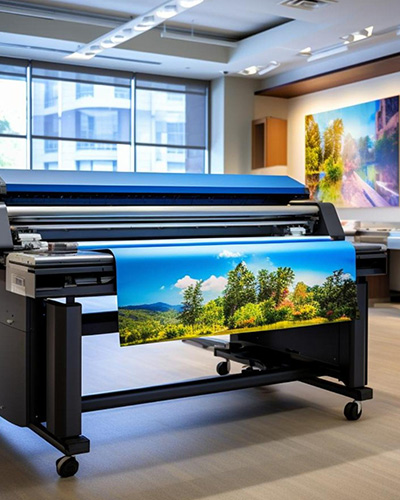
Specialized for banners, posters, trade show displays, and signage, large-format printing uses wide-format inkjet printers equipped with high-capacity ink supplies and media handling capabilities. This technology delivers sharp images on various substrates, including vinyl, canvas, and backlit materials. High-resolution output and durable inks make it suitable for outdoor as well as indoor applications.
Additional Printing Technologies
- Flexography: Used mainly for packaging and labels, offering fast production on flexible materials.
- Screen Printing: Suitable for apparel and promotional merchandise, providing durability and vibrant color on fabrics and surfaces.
- UV Printing: Utilizes ultraviolet light to cure inks instantly, allowing printing on unconventional surfaces like glass, wood, and metal.
Selecting the appropriate technology depends on project specifics such as volume, material, color fidelity, and budget. Reputable online printing platforms in Singapore often have a comprehensive understanding of these technologies, enabling them to recommend the best approach for your project’s unique demands.

Types of Color Printing Technologies
Online color printing services in Singapore utilize a variety of advanced printing technologies to cater to diverse needs, ensuring optimal results for each project. Understanding these methods allows consumers to select the right technology for their specific requirements.
Digital Printing
Digital printing is a popular choice for short runs and on-demand printing due to its speed, flexibility, and minimal setup requirements. It involves transferring digital images directly onto the printing media via high-precision inkjet or laser printers. Digital printing excels in producing vibrant colors with detailed images, making it well-suited for business cards, flyers, posters, and personalized marketing materials. The absence of plates and other traditional setup components reduces turnaround times and allows for easy customization and rapid revisions.

While digital printing is ideal for small to medium quantities, its cost-effectiveness diminishes with larger volumes compared to offset printing. The technology's ability to produce sharp, consistent colors with rapid production times makes it a preferred choice for many Singaporean businesses and individuals seeking quick turnarounds.
Offset Printing
Offset printing remains a staple for large-volume projects that demand impeccable color fidelity and consistency. This process involves transferring ink from metal plates to rubber blankets and then onto the printing substrate. Offset printing is capable of handling larger formats and offers excellent color accuracy, making it suitable for catalogs, magazines, and high-quality marketing collateral.
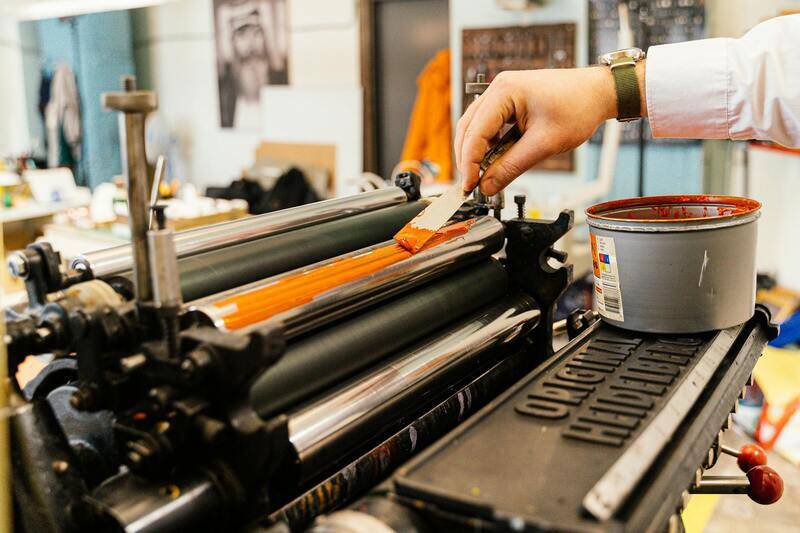
Although offset printing requires more extensive setup and higher initial costs, its efficiency in producing consistent, vibrant colors over thousands of copies makes it highly advantageous for bulk orders. Reputable online printers in Singapore often combine digital and offset capabilities to optimize both cost and quality, depending on the project's scale.
Large-Format Printing
Designed for banners, posters, trade show displays, and signage, large-format printing employs wide-format inkjet printers capable of printing on a variety of media, including vinyl, mesh, fabric, and backlit materials. This method produces high-resolution images that are vivid and sharp, suitable for both indoor and outdoor applications.

The durability of the inks and the quality of the media used ensure that outdoor signage withstands weather elements while maintaining visual impact. Many online print services offer eco-solvent and UV-curable inks, providing options for environmentally friendly and highly durable outputs.
Specialized Printing Techniques
- Flexography: Favored for packaging and labels, flexography uses flexible relief plates to print on various substrates quickly, making it ideal for large-scale packaging runs.
- Screen Printing: Suitable for apparel and promotional merchandise, this method involves forcing ink through mesh screens, resulting in vibrant, durable prints on fabrics and various surfaces.
- UV Printing: Utilizing ultraviolet light to instantly cure inks, UV printing allows for printing on unconventional surfaces like glass, wood, and metal, providing vibrant colors and detailed textures.
Having a clear understanding of these technology options ensures that customers can communicate their project needs with online printing providers effectively, enabling tailored solutions that match both their aesthetic and budgetary expectations.
Design and File Preparation for Color Printing
Ensuring your digital files are properly prepared is vital for achieving the desired print quality in color printing projects. High-resolution files, typically 300 DPI or higher, should be used to guarantee crisp and vibrant image reproduction. When working with images, always select the RGB color mode, as this aligns with most digital printing processes and results in more accurate color output. Converting images to CMYK may be necessary for print-specific color matching, especially for complex color gradients and fine details.
File formats accepted by online printing services often include PDF, TIFF, and sometimes JPEG or PNG. It is essential to embed all fonts and incorporate bleed and crop marks if your design extends to the edge of the material. Proper margins, safe zones, and clear specifications regarding size and resolution help mitigate errors and ensure that the final product matches your original vision.
Working with comprehensive, professionally prepared files minimizes the risk of color mismatches, pixelation, and misalignment. Many online color printing providers offer file guides and templates, which can assist in aligning your design specifications with their printing standards. Paying attention to color profiles and ensuring consistent color management throughout the design process will yield more predictable and accurate results, especially when printing in vibrant, full-color schemes.

Pricing and Cost Considerations
Online color printing services in Singapore typically offer transparent pricing structures, with costs varying based on factors such as material, size, color complexity, and quantity. Bulk orders often benefit from discounted rates, making them ideal for large projects such as event banners, promotional materials, or corporate giveaways. Some providers also include tiered pricing that adjusts according to turnaround speed—faster delivery may carry additional charges.
Depending on the project scope, additional costs may include setup fees for custom finishes, special inks, or unique media. It is advisable to request detailed quotations upfront and compare offerings from multiple providers to identify the most cost-effective options without compromising on quality. Promotional discounts and package deals may also be available, especially for recurring customers or bulk orders, providing additional savings and value for budget-conscious organizations.

Ordering Process and Delivery Options
The ordering process with online color printing services generally involves uploading your designed files through a secure portal or dedicated platform. It's important to double-check file specifications, select desired finishes, and specify quantities and delivery deadlines. Many providers offer real-time order tracking, enabling clients to monitor the progress of their printing jobs from confirmation to delivery.
Delivery options are typically flexible, ranging from standard courier services to express shipping, allowing for urgent projects or scheduled deliveries. Some online printers also provide pick-up services at their local outlets. When choosing a delivery method, consider the project timeline and the nature of the print materials; fragile or large-format items may require specialized handling or packaging to prevent damage during transit.

Tips for Ensuring High-Quality Results
To maximize the quality of your color prints, always communicate your expectations clearly with the online service provider. Providing detailed specifications and referencing sample images can help align the final output with your vision. Conduct a test print if possible, especially for large or critical projects, to review color accuracy, resolution, and material compatibility before proceeding with bulk orders.
Regularly verify that your files are correctly formatted, with accurate color profiles and appropriate bleed margins. Additionally, choosing the right substrate and finish can significantly enhance the appearance and durability of your print, particularly for outdoor signage or promotional displays. Consider requesting proofs or sample swatches when available, to assess material quality and color fidelity in person.
Finally, maintaining open communication with your chosen print provider throughout the process can help address any potential issues early on, ensuring that the final output meets your high standards. Quality assurance measures, such as inspecting printed samples before full production, are essential steps in achieving vibrant, sharp, and consistent color prints.
Choosing the Right Color Printing Paper and Substrate Options in Singapore
When engaging in online color printing services in Singapore, selecting the appropriate paper or substrate is a critical step that influences the final appearance, durability, and overall effectiveness of your printed materials. The variety of available options allows for customization based on your specific project needs, whether for marketing collateral, promotional items, posters, or business stationery.
Types of Printing Paper and Substrates
- Cotton and Art Paper: Ideal for high-end stationery and fine art reproductions, offering a luxurious matte finish that enhances color depth and texture.
- Glossy Paper: Widely used for vibrant photographs and promotional flyers, providing a shiny surface that accentuates color brightness and sharpness.
- Matt Paper: Suitable for professional reports and presentation materials where glare-free readability is essential.
- Offers a non-reflective surface that reduces fingerprints and smudges.
- Empowers colors with a subdued, elegant matte finish.
- Vinyl and Adhesive Films: Essential for outdoor signage or promotional decals, offering weather resistance and durability in various environmental conditions.
- Canvas and Fabric: Perfect for art reproductions, banners, or interior displays that require a textured, artistic look.
Considerations When Choosing Your Material
To ensure you select the most suitable substrate, consider the following aspects:
- Intended Use: Will the printed material be displayed indoors or outdoors? Does it need to withstand weather and handling?
- Color Intensity and Depth: Certain substrates can enhance or mute specific color profiles. Glossy papers tend to make colors pop, while matte surfaces provide a softer, subdued tone.
- Durability Requirements: For long-term displays or items handled frequently, sturdier materials like vinyl or laminated paper are recommended.
- Cost Impact: Higher-quality substrates often come at a greater expense but may provide superior aesthetics and longevity.
Impact of Material Choice on Color Reproduction
The substrate plays a vital role in the final output of your color prints. For example, glossy and semi-gloss papers can make colors appear more vivid and contrast-rich, ideal for photographic reproductions and promotional posters. Conversely, matte finishes contribute to a more muted and elegant look, reducing glare and emphasizing fine details. When planning your project, consult with your online printing service provider to understand the physical and visual properties of each substrate and how they align with your brand or message.

Design and File Preparation for Color Printing
Ensuring your digital files are ready for high-quality color printing is a vital step that directly impacts the final output. Proper design preparation minimizes delays and reduces additional costs caused by reprints or adjustments. When preparing your files, consider the following key aspects to achieve crisp, vibrant, and accurate colors that align with your creative vision.
- Use of Appropriate File Formats: Commonly accepted formats such as PDF, TIFF, or high-resolution JPEG files are recommended for color printing. These formats preserve color profiles and image quality essential for detailed reproductions.
- Color Mode Settings: Working in the CMYK color space, rather than RGB, ensures that colors are accurately represented in print. Converting your files to CMYK before submission helps anticipate how colors will appear on the printed material.
- Resolution Requirements: Set your images and graphics to a minimum of 300 DPI (dots per inch) to maintain sharpness and detail, especially for large-format prints. Low-resolution images often result in pixelation or blurred output.
- Bleed and Margin Guidelines: Incorporate bleed areas—typically 3mm to 5mm beyond your document edges—so that color extends to the edge of the print after trimming. Keep critical text and logos within safe margins to avoid accidental cropping.
- Color Calibration and Profiles: Embed color profiles in your design files, such as ISO coated V2, to communicate color intent clearly. Calibrated monitors ensure that what you see on screen closely matches the printed colors.
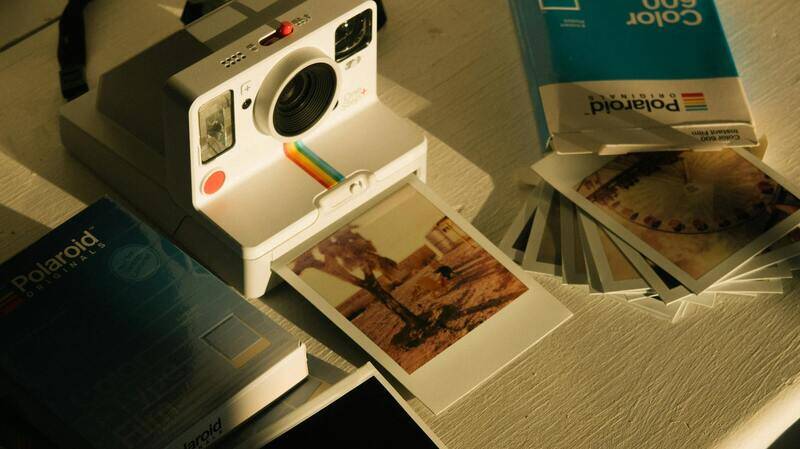
Before submitting your files, it is advisable to review the proofs via digital preview tools or, if possible, request a physical sample. This step ensures that your color choices, layout, and resolution are precisely aligned with your project goals. Collaborating directly with your online printing provider can also provide valuable insights into specific file specifications or standards they require, streamlining the entire process and enhancing the finished product's quality.
Discussion of Eco-Friendly and Sustainable Printing Options
As environmental consciousness continues to influence consumer choices, many online color printing service providers in Singapore are adopting eco-friendly practices to reduce their carbon footprint. These sustainable options include the use of vegetable-based inks, which are less toxic and easier to recycle, and the procurement of paper materials sourced from responsibly managed forests. Additionally, some printing providers have integrated hemp and recycled paper options into their service offerings, catering to clients seeking environmentally responsible solutions.
Implementing eco-friendly printing processes not only aligns with global sustainability goals but also benefits businesses aiming to enhance their corporate social responsibility reputation. Transitioning to digital workflows, such as using energy-efficient printing equipment and recycling waste materials, further exemplifies a commitment to environmental stewardship.

For clients prioritizing sustainability, it's essential to select online printing services that transparently communicate their environmentally responsible initiatives. Clear information about the types of eco-friendly materials used, the recyclability of packaging, and the company's environmental policies can help in making informed choices. Moreover, opting for digital proofs and minimizing excessive reprints contribute to resource savings and waste reduction, fostering a more sustainable printing process.
Innovations and Trends in Color Printing Technology
The realm of color printing is continuously evolving, with advancements aimed at achieving higher precision, better color matching, and more efficient workflows. Digital printing technologies like UV printing and latex printing have gained popularity due to their ability to produce vibrant colors on a variety of materials, including fabrics and rigid surfaces. These innovations enable online printers in Singapore to offer a broader range of solutions for diverse client needs.
Furthermore, the integration of automation in prepress and color management software ensures consistency and accuracy across large print runs. Machine learning algorithms assist in optimizing color profiles, reducing material waste, and improving turnaround times. As a result, customers benefit from faster delivery, competitive pricing, and exceptional quality.
Customized Solutions and Value-Added Services
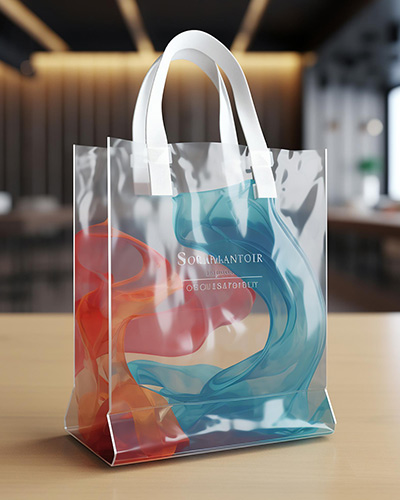
Many online color printing providers in Singapore now focus on delivering tailored solutions that meet specific branding and marketing needs. These include personalized packaging, custom colour matching, and unique finishing options such as embossing, foil stamping, and matte or gloss lamination. By leveraging state-of-the-art digital presses, it is possible to produce small-batch prints with high fidelity to the original design.
Additional services like bulk order discounts, expedited processing, and comprehensive project consultation enhance the overall customer experience. Some providers also offer design assistance, helping clients refine their files for optimal print results. Value-added services not only elevate the quality of printed materials but also foster long-term client relationships based on trust and professionalism.
Quality Assurance and Industry Certifications
To guarantee high standards, reputable online print services in Singapore often possess certifications such as ISO 9001, which signifies adherence to rigorous quality management protocols. These certifications serve as indicators of consistent process control, precise color reproduction, and reliable delivery times.
Regular equipment calibration, staff training, and thorough inspection procedures are integral to maintaining quality assurance. Before placing an order, clients are encouraged to review samples or request color proofing services to verify the accuracy of colors and finishes, ensuring the final product meets their expectations without surprises.

Choosing a service provider with recognized industry standards helps safeguard your investment in printed materials, delivering a polished end result that effectively communicates your message and enhances brand perception.
Ensuring Getting the Right Color Prints: Best Practices for Quality Assurance
Achieving the desired color fidelity and print quality in your projects requires a systematic approach and effective collaboration with your online color printing provider. To maximize results, clients need to understand key steps that ensure the final output aligns with their expectations, especially for intricate designs or brand-sensitive materials.
Thorough Communication of Design Specifications
Clear communication is foundational in the color printing process. Before submitting files, clients should provide detailed print specifications, including preferred color profiles, ink types, finishing options, and paper choices. Discussing these parameters with the printing service ensures alignment from the start, reducing the risk of misinterpretation or errors.
Reviewing Color Proofs
Most reputable online print services offer digital or physical proofing options. Requesting a proof allows clients to review how colors and finishes will appear on the final product. This step is crucial for verifying color accuracy, especially for projects with strict branding guidelines or high visual standards. Clients should check proofs meticulously, considering factors such as brightness, contrast, and overall color balance.
Standardized Color Management
Color management involves utilizing consistent color profiles and calibrated equipment to ensure reproducible results across different print jobs. An experienced print provider maintains calibrated monitors, printers, and proofing devices. As a client, you should verify that the provider adheres to these standards, which significantly contributes to producing vibrant, accurate colors in your printed materials.
Sample Testing and Small Batch Runs
For large projects or critical color matches, requesting a small batch or sample run first can mitigate risks. This approach allows you to evaluate the color fidelity and overall quality before proceeding with full-scale production. If adjustments are needed, they can be communicated early, saving time and resources in the long run.
Final Inspection and Feedback
Upon receiving the completed prints, conduct a thorough inspection against your original design and proof. Pay attention to color consistency, sharpness, and any imperfections. Providing feedback promptly to the printing service can build a constructive dialogue, leading to continuous improvement in your future projects.

By applying these best practices, clients can significantly enhance the quality and accuracy of their color printed materials. Choosing a reputable online provider that emphasizes quality control and transparent communication enables you to realize your visual concepts effectively, delivering printed outputs that meet or exceed expectations for any project in Singapore’s competitive market.