Print Out Posters in Singapore: A Comprehensive Guide to Professional Poster Printing
Types of Posters for Printing
Posters serve as versatile visual communication tools used across various sectors including advertising, education, and entertainment. Selecting the appropriate poster format depends largely on the intended purpose and target audience. Common types include:
- Large Format Posters: Typically used for billboards and outdoor advertising, these posters are characterized by their oversized dimensions, offering high visibility from a distance. They are printed on durable materials designed to withstand weather conditions.
- Standard Posters: Usually measuring 24x36 inches or similar sizes, standard posters are suitable for promoting events, movies, or campaigns. They balance visual impact with portability and ease of display.
- Mini or Small Posters: Compact formats ideal for detailed informational content, point-of-sale displays, or collectible purposes. They are often used indoors where space is limited.
- Educational and Informational Posters: Designed with clarity and readability in mind, these posters typically include charts, diagrams, or instructional content. They are constructed to convey information efficiently.
- Artistic and Decorative Posters: Focused on aesthetics, these posters often feature high-quality images or artwork for aesthetic appeal or collector's items.
Design Considerations for Posters
Creating an effective poster begins with thoughtful design. Key aspects include:
- Visual Hierarchy: Arrange content to guide viewers’ attention towards the most important information through size, color, and placement.
- Color Scheme: Use contrasting colors to enhance readability and draw attention. Choose colors that align with the poster’s message and brand identity.
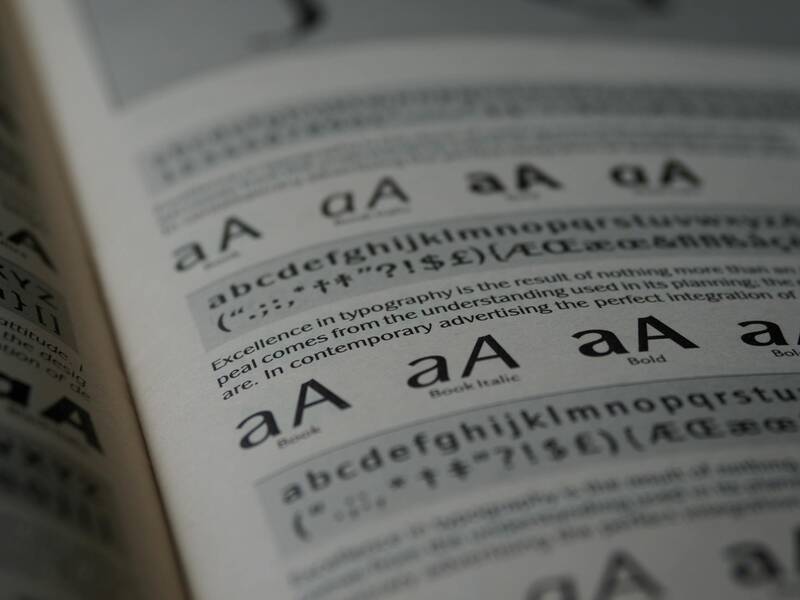
- Typography: Select clear, legible fonts. Limit the number of font types to maintain visual coherence and ensure readability from a distance.
- Imagery and Graphics: Incorporate high-resolution images and graphics that complement the message. Avoid clutter for clarity and impact.
- Content Clarity: Use concise, compelling language. Prominent display of essential information like dates, locations, or product names.
Choosing the Right Printing Materials
The durability and appearance of your poster greatly depend on the printing materials used. Consider the following options:
- Glossy Paper: Enhances colors and images, ideal for indoor displays where visual appeal is paramount.
- Matte Paper: Offers a non-reflective surface, reducing glare. Suitable for posters expected to be viewed under bright lighting conditions.
- Vinyl or Banner Material: Suitable for outdoor use due to its weather-resistant properties, ideal for large banners and billboard posters.
- Heavyweight Paper: Provides a sturdy feel, beneficial for posters that require handling or frequent repositioning.
Printing Techniques for Posters
High-quality output requires appropriate printing techniques. Prominent methods include:
- Offset Printing: Suitable for large volume orders, offering high color accuracy and sharp detail. Cost-effective when printing extensive quantities.
- Digital Printing: Ideal for short runs or custom posters. Provides quick turnaround and flexibility with design modifications.
- Screen Printing: Used primarily for posters with limited color palettes or specialty inks, often in artistic or branding applications.
Size and Resolution Guidelines
Ensuring your poster is printed in the correct resolution is crucial for clarity and sharpness. Key points include:
- For large posters (such as 24x36 inches), a resolution of 150 dpi (dots per inch) is generally sufficient, but 300 dpi is preferable for detailed graphics or close viewing.
- Always work with high-resolution images (at least 300 dpi) to prevent pixelation upon printing.
- Check the printer’s specifications for maximum dimensions to avoid scaling issues or loss of quality.
Cost Factors and Budgeting
The cost of poster printing hinges on several elements, including size, material, quantity, and complexity of design. Budget planning should consider:
- Printing method and volume discounts for bulk orders.
- Material choice, with durable or specialty materials costing more.
- Additional features like lamination, finishing, or special coatings.
- Design complexity — highly detailed or multicolor posters may incur higher costs.
Tips for Successful Poster Printing
To optimize the printing process and outcome, adhere to these guidelines:
- Provide print-ready files formatted per the printer’s specifications, including color profiles and bleed settings.
- Proof the design on screen and, if possible, through printed samples to catch errors before mass printing.
- Communicate clearly with the printing service about timelines, delivery requirements, and finishing options.
- Request samples or swatches of materials to confirm appearance and durability.
- Allow sufficient lead time, especially for large or complex projects, to accommodate revisions and production schedules.
Where to Print Posters in Singapore
Singapore offers a multitude of professional print shops capable of producing high-quality posters tailored to your specifications. Reputable service providers specialize in various printing techniques and materials, providing personalized consultations to ensure your posters meet their intended purpose. When choosing a printing partner, consider their experience, turnaround time, quality assurance processes, and portfolio of past work to guarantee results that align with your expectations.
Design Considerations for Posters
Creating an impactful poster requires careful attention to several core design elements that influence both visual appeal and message clarity. The layout should be balanced, guiding the viewer's eye naturally towards the key information without overwhelming the overall aesthetic. Incorporating white space strategically enhances readability and makes the design less cluttered, ensuring each element stands out appropriately.
Color choices significantly affect a poster’s visibility and mood. Selecting high contrast colors can improve legibility from a distance, while a harmonious color palette, aligned with brand identity or thematic content, creates a cohesive visual experience. Typography must be legible and appropriate for the message; bold headlines attract attention, while supporting text should be easy to read without strain.
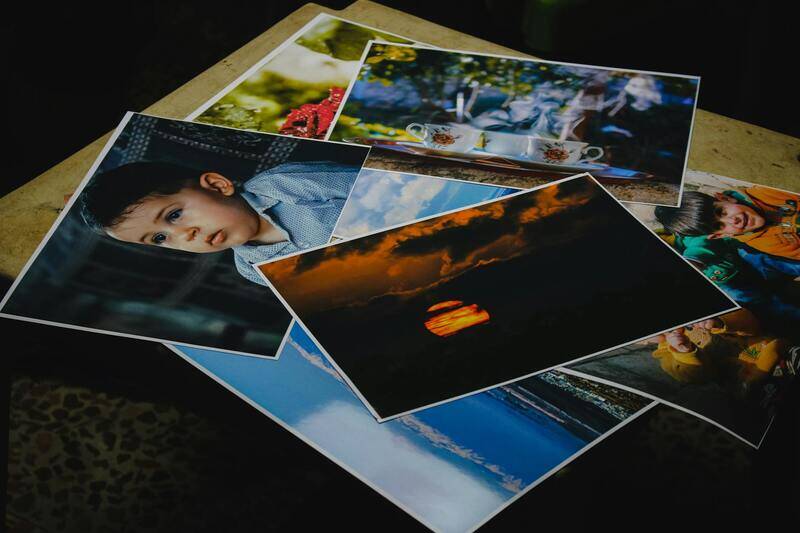
Imagery, whether photography, illustrations, or icons, should be relevant and high-resolution to prevent pixelation. These visuals support the poster’s message, evoke emotion, and facilitate immediate understanding. Proper alignment and spacing between texts and images contribute to a professional appearance and avoid visual clutter, making the poster more enticing and effective.
- Maintain clear focal points to direct viewer attention
- Use typography hierarchy to emphasize critical information
- Integrate visuals seamlessly with text, complementing the overall message
- Optimize layout for both print and digital viewing contexts
Choosing the Right Printing Materials
The selection of materials directly influences the durability, appearance, and perceived quality of printed posters. Common options include gloss, matte, or satin finishes, each offering distinct visual effects paired with functionality.

For outdoor or high-traffic display areas, weather-resistant materials such as withstand wind, rain, and UV exposure. Laminated substrates add an extra layer of protection, preserving vibrancy and resisting scratches or tearing. Specialty materials like canvas or textured paper can lend a unique aesthetic, ideal for art displays or promotional art installations.
- Glossy paper for vibrant, eye-catching posters
- Matte finishes to reduce glare and enhance readability
- Weatherproof and waterproof options for outdoor environments
- Textured and specialty papers for artistic or premium displays
Printing Techniques for Posters
Advances in printing technology allow for varied techniques suited to different quality levels and budget requirements. Digital printing is the most flexible, offering fast turnaround and high-quality output for short runs or customized posters. Screen printing, on the other hand, is cost-effective for bulk production, especially with limited color schemes, and can produce vibrant, durable images.
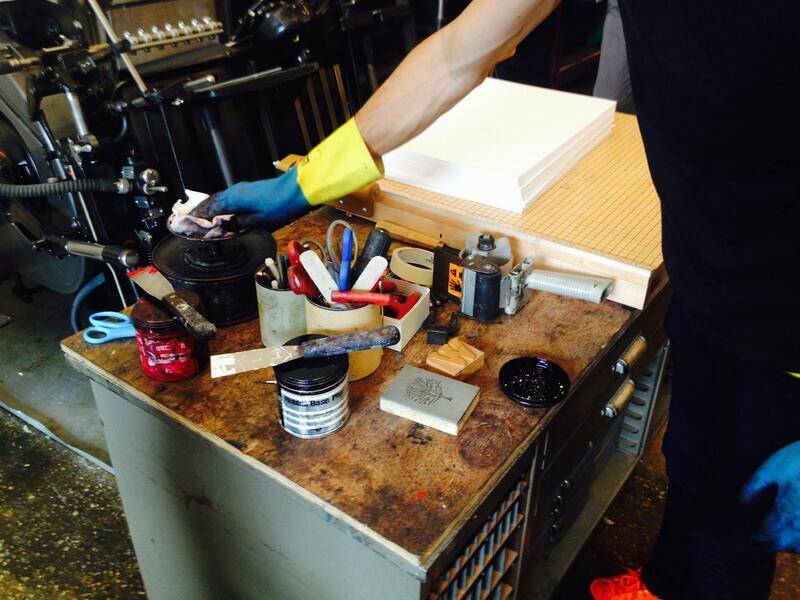
Large-format printing utilizes UV or latex inks that provide sharp, long-lasting finishes suitable for vibrant colors and large displays. When opting for specialty effects such as metallic inks or embossing, it’s crucial to communicate with the print provider about the capabilities and limitations of each technique, ensuring the final product aligns with the intended design.
- Digital printing for high-resolution, quick-turnaround jobs
- Screen printing for bulk and limited color palette designs
- UV or latex printing for outdoor durability and vivid color reproduction
- Specialty effects like metallics and embossing for premium posters
Size and Resolution Guidelines
Choosing the appropriate size depends on the poster’s display location and purpose. Common dimensions include A1, A2, and larger billboard sizes, each requiring specific resolution settings to ensure clarity and sharpness. For print, a minimum resolution of 300 DPI (dots per inch) is generally recommended to achieve crisp details without pixelation.
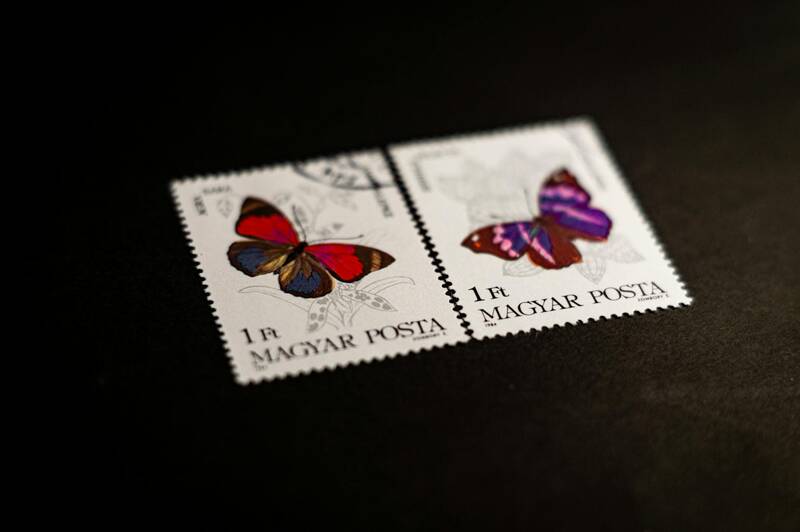
Design files should be created at the target size with the correct DPI setting. Creating a high-resolution, print-ready file from the outset minimizes the risk of blurry or pixelated images, reducing the need for costly revisions or reprints.
- Use vector-based graphics for logos and text to maintain quality at any size
- Ensure raster images are high-resolution (at least 300 DPI)
- Match file dimensions precisely to final print size for optimal results
Cost Factors and Budgeting
Effective budget planning for poster printing involves considering multiple factors that influence overall costs. Material selection, size, quantity, and the complexity of design all contribute to the final expense. Additional finishing options like lamination, folding, or mounting can elevate costs but add value in terms of durability and presentation.
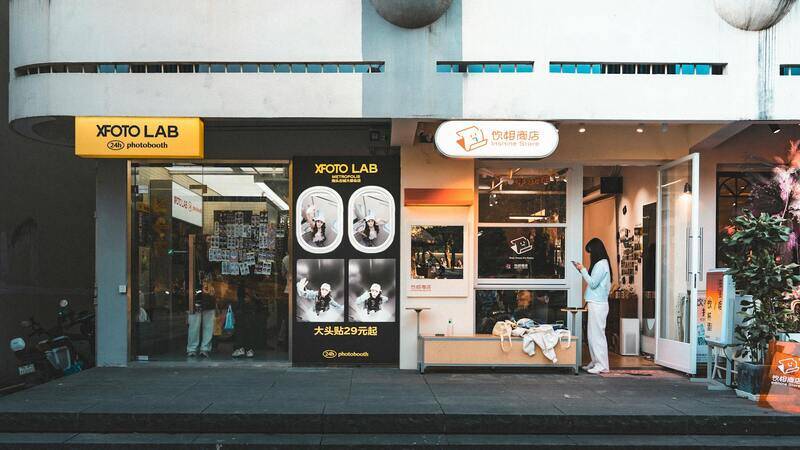
Opting for bulk orders typically offers discounts, with larger quantities reducing the per-unit cost. Also, choosing standard sizes over custom dimensions can minimize setup costs. Discussing your project scope openly with a printing provider allows for tailored recommendations that fit within your budget constraints while achieving the desired quality and impact.
Choosing the Right Printing Materials
When selecting materials for print out posters, understanding the characteristics of each option is essential to ensure the final product meets your needs for durability, appearance, and environmental impact. Paper quality varies significantly, with options ranging from standard poster paper to premium cardstock and specialty finishes. Standard poster paper, typically weighing 150-200 GSM, provides a cost-effective solution suitable for indoor displays, while heavier, coated papers offer a glossy or matte finish that enhances color vibrancy and provides a professional look.
For outdoor or high-traffic environments, weather-resistant materials are recommended. Vinyl posters, often made with a durable, flexible PVC or polyester substrate, resist water, tearing, and UV damage, making them ideal for long-term outdoor use. Mesh vinyl is also utilized in cases where breathability and wind resistance are priorities.
Eco-friendly options have gained prominence, with many printing providers offering recycled or sustainably sourced materials. These not only reduce environmental impact but also add a unique texture and aesthetic appeal to posters. When choosing materials, consider the specific environmental conditions the poster will face and the visual effects you aim to achieve. Matte finishes reduce glare, making posters easier to read from various angles, whereas glossy finishes enhance color vibrancy and sharpness.

Printing Techniques for Posters
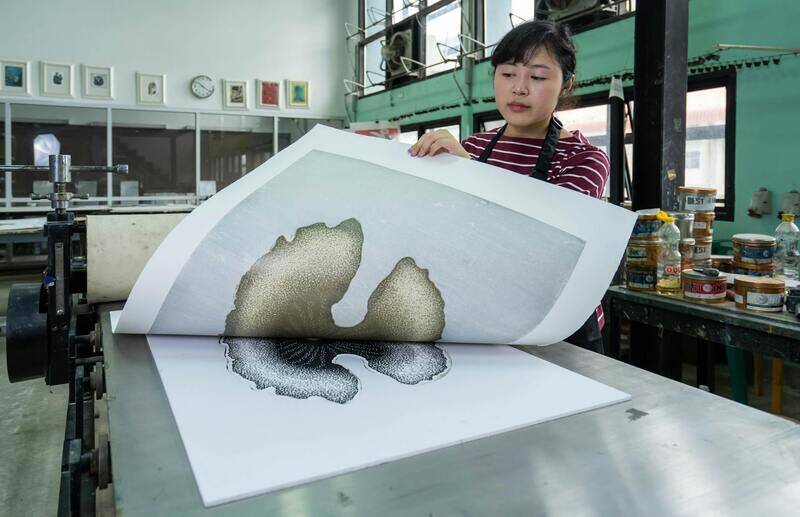
Different printing techniques are employed to produce high-quality posters, each with its own advantages depending on the project scope, budget, and desired outcome. The most common methods include digital printing, offset printing, and large-format inkjet printing.
- Digital Printing: Ideal for short runs and quick turnarounds, digital printing offers excellent color accuracy and sharp details. It is cost-efficient for small quantities and allows for easy customization.
- Offset Printing: Suitable for large orders, offset printing delivers consistent color and high-quality output at economical prices when printing in bulk. It involves printing from plates, which can require longer setup times but results in superior uniformity across multiple posters.
- Large-Format Inkjet Printing: Perfect for oversized posters, this method uses wide-format printers capable of printing on various materials with vivid color and excellent resolution, making it popular for promotional and event posters.
Size and Resolution Guidelines
Choosing the correct poster size and ensuring high-resolution output are critical factors affecting visual impact and clarity. Standard poster sizes in Singapore include A3, A2, A1, and A0, but custom dimensions may be necessary for specific campaigns or display requirements.
For optimal print quality, images should have a resolution of at least 300 DPI at the final print size. This ensures the poster appears sharp and detailed without pixelation or blurriness. When preparing your design files, match the document dimensions precisely to the intended print size, and verify that images and graphics are embedded at high resolution. Vector graphics, such as logos or text, maintain crispness regardless of scaling.

Cost Factors and Budgeting
Understanding the elements that influence the overall cost of poster printing allows for better budgeting and resource allocation. Factors such as material choice, size, quantity, and complexity of the design directly impact expenses. Additional finishing options such as lamination, mounting, or folding can provide enhanced presentation and durability but also increase costs.
Bulk orders generally lead to attractive discounts, reducing the unit cost significantly. Standard sizes are typically more economical than custom dimensions due to reduced setup and production requirements. Open communication with your printing provider about project scope and requirements allows for tailored solutions that balance quality with budget constraints. Comparing quotes from multiple providers ensures you receive the best value without compromising on standards.
Print Out Posters Using High-Quality Techniques and Equipment
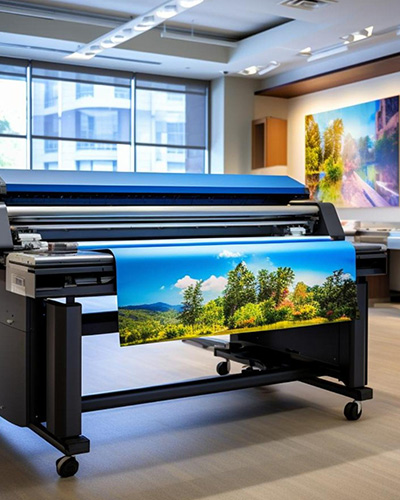
To ensure that your posters display vibrant colors, sharp details, and professional finish, it is essential to utilize the most suitable printing techniques coupled with advanced equipment. Businesses and individuals committed to delivering compelling visual messages often opt for digital large-format printing, which offers flexibility and high resolution, especially for custom dimensions and varied materials.
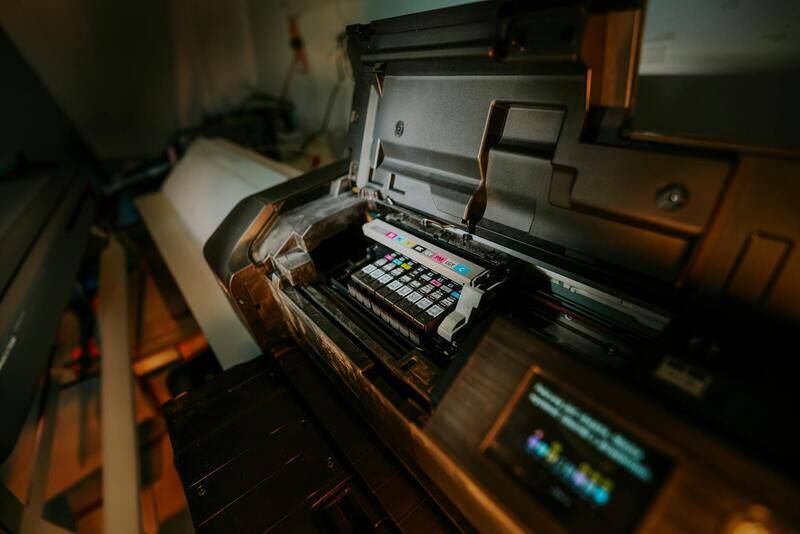
Digital printing is highly favored for poster production because it enables quick turnaround times and cost-effective short runs. This method employs high-end inkjet or LED printers capable of handling large sheets in dimensions typically up to 60 inches wide. When you choose digital printing, you benefit from precise color management, consistent quality, and the ability to incorporate complex graphics and photographic images with vivid realism.
Offset printing, though traditionally associated with higher volumes, continues to be relevant for large print runs requiring ultra-high quality. This process involves transferring ink from a metal plate onto a rubber blanket before printing on the poster material. Offset printing ensures consistency across multiple copies and is ideal for poster campaigns demanding uniform color fidelity and high-detail reproduction, especially for materials such as fine art posters or corporate branding.
Advantages of Large-Format Printing for Posters
- Enhanced Visual Impact: Large-format printers can produce posters that instantly attract attention due to their size and clarity.
- Custom Sizes and Materials: Capable of printing on various substrates, from standard paper to vinyl, fabric, or even canvas, depending on your display needs.
- Fast Production: Digital large-format printing allows for quick reproductions, making it suitable for last-minute campaigns or events.
- Color Accuracy and Detail: Advanced printers deliver high-resolution images with rich color depth, ensuring your design looks as intended.
- Durability: When combined with appropriate finishing options like lamination, posters can withstand outdoor conditions or prolonged display periods.
Ensuring Your Posters Look Professional
Beyond choosing the right printing method, it's crucial to prepare your design files meticulously. Use high-resolution images (minimum 300 DPI at the final size) to avoid pixelation. Vector graphics for logos or text should be properly scaled and embedded, maintaining clarity regardless of size. Select color profiles compatible with your printer to achieve accurate hues, and consider using bleed margins to prevent unwanted white edges after trimming.
Working with trustworthy and equipped printing providers is essential. They can offer guidance on material selection, finishing techniques, and optimal file preparation, ensuring the final output aligns with your expectations.
Size and Resolution Guidelines
Choosing the appropriate poster size is fundamental for achieving a visually appealing and impactful display. Standard dimensions such as A2, A1, and A0 are commonly used, but custom sizes can also be tailored to fit specific spaces or design requirements. When selecting the size, consider the viewing distance and the environment where the poster will be displayed; larger posters are ideal for outdoor advertising or large venues, while smaller sizes suffice for more intimate settings. To ensure the printed poster maintains sharpness and clarity, it is essential to adhere to optimal image resolutions. A minimum of 300 DPI (dots per inch) at the final output size is recommended for high-quality prints. For instance, if designing a poster to be printed at A1 size (594 x 841 mm), your image resolution should be at least 7016 x 9961 pixels. Lower resolutions can result in pixelation or blurry visuals, diminishing the overall impact of your poster. In addition to resolution, consider the use of vector graphics for elements like logos or texts. Vector images scale without loss of quality, making them suitable for various sizes and ensuring crisp lines and clear typography regardless of the scale. When preparing files, always include bleed margins—typically 3mm—to prevent unwanted white edges after trimming. Color profiles should match those supported by your printing provider, usually Adobe RGB or CMYK, to accurately reproduce colors. Properly preparing your files with these specifications guarantees that your posters look professional and meet your visual expectations.
Choosing the Right Printing Techniques for Posters
When selecting a method for printing posters, it is essential to consider the final application and desired visual impact. Several printing techniques are commonly used for producing high-quality posters, each offering unique advantages tailored to different needs.
- Screen Printing: Ideal for bulk production and vivid color results, screen printing involves creating stencils and applying ink through a mesh to produce vibrant, durable posters. This technique is particularly suitable for posters with few colors or specific design requirements where cost efficiency in large quantities is prioritized.
- Digital Printing: The most versatile and widely used method, digital printing delivers high-resolution images directly from digital files. It is perfect for short to medium runs, customized posters, and designs requiring intricate details or a wide color gamut. Digital printing allows for quick turnaround times and minimal setup costs, making it an excellent choice for on-demand printing.
- UV Printing: Utilizing ultraviolet light to cure inks instantly, UV printing offers crisp graphics with vibrant colors and excellent adhesion on various substrates. This technique is suitable for outdoor posters, as the prints are resistant to weather and UV damage, ensuring longevity and durability.
- Large Format Inkjet Printing: Specifically designed for oversized posters, this method employs high-end inkjet printers capable of producing detailed and sharp images on large media. It is the preferred choice for billboards, event banners, and large promotional displays, providing impressive visual clarity.

The selection of a printing technique should align with factors such as budget, volume, desired finish quality, and environmental exposure. Working closely with a reputable printing service provider ensures that you receive guidance tailored to your specific project needs, optimizing both quality and cost-efficiency.
Types of Posters for Printing
Determining the appropriate type of poster for your project begins with understanding the various formats available, each suited to different promotional, informational, or decorative needs. Common poster types include promotional posters, informational posters, event posters, and artistic or decorative posters. Promotional posters are often bright, eye-catching, and designed to attract immediate attention, making them ideal for advertising sales, products, or brand campaigns. Informational posters focus on conveying detailed data or instructions, frequently used in educational settings or safety notices. Event posters highlight upcoming activities, concerts, or exhibitions, requiring a balance of visually appealing graphics and clear information. Artistic posters serve as visual statements or decorative elements, emphasizing creative design and aesthetics to enhance interior spaces.
Design Considerations for Posters
Effective poster design hinges on clarity, visual hierarchy, and visual impact. It is crucial to use bold headlines and strategic placement of images to guide viewers’ attention. Color schemes should align with the message’s tone—vibrant for energetic promotions or subdued for more serious informational content. Utilizing high-contrast elements ensures readability from a distance, especially important for outdoor posters. Typography should be legible at various viewing distances, avoiding overly decorative fonts that compromise clarity. Including a clear call to action, such as contact details or event dates, directs viewers toward the desired response. Ensuring the design aligns with the brand identity enhances recognition and consistency.
Choosing the Right Printing Materials
The selection of materials significantly affects the durability, appearance, and cost of printed posters. Common options include:
- Glossy Paper: Enhances vibrancy and sharpness but can be prone to glare and fingerprints.
- Matte Paper: Offers a non-reflective finish, suitable for indoor displays where glare reduction is a priority.
- Vinyl: A weather-resistant material ideal for outdoor posters exposed to elements like rain and sunlight.
- Canvas: Provides an artistic, textured finish that can serve as a decorative piece rather than just promotional material.

Printing Techniques for Posters
Selecting the appropriate printing technique impacts the quality, durability, and cost of your posters. Key methods include:
- Digital Printing: Suitable for short runs and customized designs, offering quick turnaround and high-resolution output.
- UV Printing: Provides vibrant, weather-resistant graphics ideal for outdoor use and durable display needs.
- Large Format Inkjet Printing: Perfect for oversized posters like billboards or banners, delivering sharp images with extensive color ranges.
Discussing your specific requirements with a reputable printer ensures that the chosen technique aligns with your project goals, budget, and environmental considerations.
Size and Resolution Guidelines
Size choices should be based on the intended viewing distance and placement environment. Common sizes include A3, A2, and large-format dimensions like 24x36 inches or custom sizes for banners and billboards. Opting for higher resolution files (at least 300 dpi) guarantees sharp, clear images, especially when enlarging designs. Insufficient resolution can result in pixelation and loss of visual impact, undermining the poster's effectiveness. Prioritize preparing files in the correct dimensions and resolution upfront to streamline the printing process and avoid costly reprints.
Cost Factors and Budgeting
Pricing for poster printing depends on multiple aspects, such as size, material selection, quantity, and printing method. Larger posters and premium materials like vinyl or canvas naturally incur higher costs. Efficiently managing these variables involves balancing quality with budget constraints. Bulk orders often benefit from discounts, but unnecessary features or over-specifying size may inflate expenses. Consulting with printing professionals helps identify cost-effective options that meet your design standards and durability needs, ensuring the project remains financially viable without compromising visual quality.
Where to Print Posters in Singapore
For individuals and businesses seeking reliable and high-quality poster printing services in Singapore, the options are plentiful, each offering unique benefits tailored to different printing needs. Selecting the right provider involves comparing factors such as print quality, turnaround time, material options, pricing, and customer support. Below is a comprehensive overview of where to print posters in Singapore to ensure your project meets your expectations.
Local Printing Providers with Established Reputations
- Specialized Print Shops: Many dedicated print shops in Singapore, such as those located in the central business district and printing districts, deliver personalized service with expert advice. These shops often have extensive experience handling large-format posters and offer premium materials suited for various purposes, from promotional banners to gallery displays.
- Commercial Printing Companies: Larger print companies provide scalable services capable of handling bulk orders efficiently. They employ advanced printing equipment, ensuring consistent quality and fast turnaround times, which is crucial for time-sensitive projects.
Online Printing Services
For convenience and competitive pricing, online poster printing platforms have gained popularity. These services typically feature user-friendly interfaces where you can upload your design, choose your preferred materials, and select dimensions. They often include cost calculators and live customer support to guide your selection process.

Online services allow for easy comparison of prices and delivery timelines. Reputable providers have established logistics networks to deliver printed posters directly to your location, reducing the need for in-person visits.
Points to Consider When Choosing a Printing Partner
- Quality Assurance: Verify the quality of previous work, request samples if possible, and ensure the printer uses modern, high-resolution printing technology.
- Material Diversity: Confirm the range of materials available, particularly if your project requires weather-resistant options like vinyl or tear-resistant fabrics.
- Turnaround Time: Clarify lead times to coordinate your project timeline effectively, especially if upcoming events or deadlines are involved.
- Customer Support: Choose providers who offer comprehensive support, including design assistance, order tracking, and post-printing services.
- Pricing Transparency: Ensure there are no hidden fees and that the pricing structure aligns with your budget constraints.
Choosing the Optimal Partner for Your Poster Needs
Matching your specific requirements with a printing provider's offerings is key to successful poster production. Whether you opt for a local shop for a hands-on approach or an online service for convenience, client's reviews and ratings serve as useful indicators of reliability. It is advisable to conduct initial consultations to discuss material options, design specifications, and price quotes, enabling you to make an informed decision that aligns with your project goals and budget.