Understanding Picture Poster Printing
Picture poster printing is a specialized process that transforms digital images into large-format prints designed for display in various environments. Used extensively across industries such as advertising, interior decor, event promotion, and corporate branding, poster printing allows for high-impact visual communication. These printed posters serve as promotional tools, decorative elements, or informational displays, depending on their purpose and context. The essence of poster printing lies in combining vivid imagery, strategic design, and durable materials to produce an appealing visual that can attract attention from a distance. Whether used for marketing campaigns, art exhibitions, or personal decoration, the application of high-quality poster printing ensures that images remain sharp, colors vibrant, and materials resilient under different display conditions.
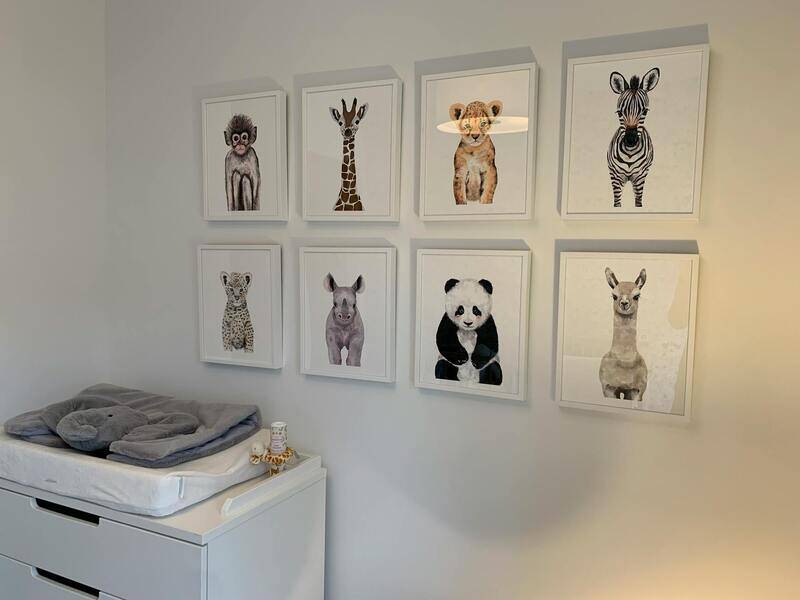
In advertising, large posters are utilized to grab consumers' attention in public spaces, showcasing products or services with compelling visuals. In-home or office decor, posters add aesthetic value by featuring artwork, inspirational quotes, or personal photographs, creating personalized environments. At events such as exhibitions or conferences, posters inform attendees about schedules, sponsors, or themes, often serving as focal points within the venue. The versatility of picture poster printing hinges on its ability to adapt digital images into tangible, eye-catching displays that communicate messages effectively.
Furthermore, advancements in printing technology have broadened the scope of this medium, enabling vibrant reproductions and complex designs to be produced efficiently and cost-effectively. The process involves transferring images onto suitable substrates using various printing methods, ensuring the final product maintains visual fidelity and durability. As a result, picture poster printing remains a fundamental tool in visual communication, combining technological innovation with creative expression to fulfill diverse needs across multiple sectors.
Understanding Picture Poster Printing
Picture poster printing encompasses a range of methods and material choices that allow individuals and businesses to transform digital images into striking visual displays. This process requires meticulous attention to detail in selecting appropriate printing techniques and substrates to achieve the desired aesthetic and durability. The goal is to create posters that not only captivate viewers with vivid imagery and clarity but also withstand environmental factors such as UV exposure, humidity, and handling over time.
Fundamentally, picture poster printing involves the transfer of digital images onto physical mediums using sophisticated printing technologies. These technologies employ precise color management systems, ensuring consistency and accuracy in reproducing the original image's tone, contrast, and vibrancy. Whether for promotional displays, artistic showcases, or personal artwork, the method selected can significantly influence the final product's appearance and longevity.
Different printing methods are tailored to specific application needs. For short-term promotional displays, digital printing offers quick turnaround and cost efficiency. For high-quality art reproductions or large-format posters, inkjet printing provides superior resolution and color accuracy. Screen printing, although less common today, remains viable for mass production of posters with limited color palettes. Each approach requires specialized inks, substrates, and calibration processes to ensure optimal results.
Considerations for Materials in Poster Printing
The choice of printing material plays a crucial role in the final presentation and durability of a poster. Common substrates include:
- Paper: Ideal for indoor displays, with options ranging from lightweight poster paper to heavyweight cardstock, which offers durability and a premium feel.
- Vinyl: Suitable for outdoor applications due to its weather-resistant properties, vinyl posters are resistant to tearing, water, and UV rays, making them perfect for banners and signage.
- Fabric: Used for high-end arts or display purposes, fabric posters add texture and a refined aesthetic, often used in gallery settings or for custom branding.
The selection should align with the intended environment, longevity requirements, and visual impact. For instance, a vinyl banner would be advantageous for an outdoor event, whereas a glossy paper poster might be preferable for indoor advertising or decor purposes.

Summary
Mastering picture poster printing involves an understanding of suitable materials and advanced printing technologies. By carefully selecting the right substrate and method, one can produce highly detailed, vibrant, and durable posters suitable for various uses—from marketing campaigns to artistic displays and beyond. The emphasis on quality materials and innovative techniques ensures that printed posters effectively communicate messages and stand the test of time, enhancing any environment or event they adorn.
Understanding Picture Poster Printing
Picture poster printing is a specialized process that involves translating digital images into large-scale visual displays with high fidelity and sharpness. This form of printing emphasizes clarity, color accuracy, and durability, making it suitable for a broad range of applications, from commercial advertising to personal art collections.
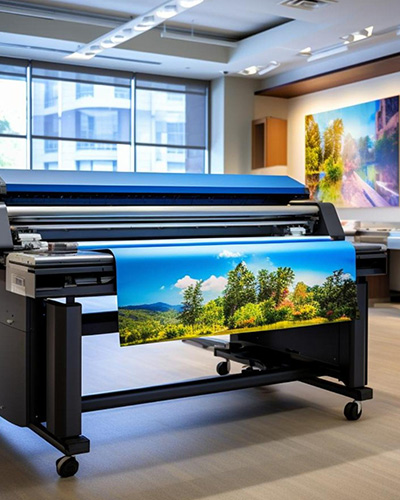
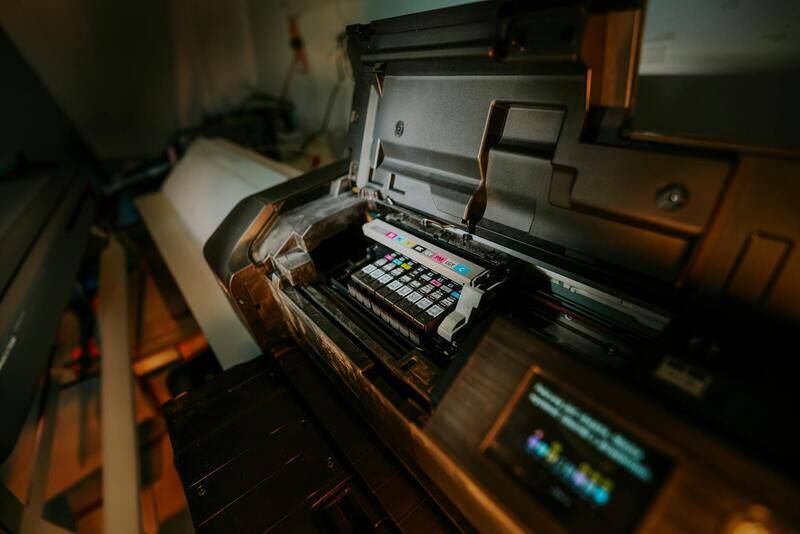
To achieve optimal results, it’s essential to understand the core aspects of picture poster printing. This includes selecting the appropriate printing technology, customized sizing options, and high-resolution image preparation. High-end printers, such as wide-format inkjet printers equipped with advanced color management systems, are commonly used to produce vibrant, detailed posters with smooth gradients and precise color matches. These printers utilize equipment capable of handling large media formats, ensuring every detail of the original image is faithfully reproduced.
Digital image quality plays a pivotal role. For detail-rich posters, images should be captured or prepared at a minimum resolution of 300 dpi at the final print size to avoid pixelation and maintain sharpness. Ensuring proper color calibration before printing guarantees consistency across different media and lighting conditions. Additionally, the choice of ink types influences the longevity and vibrancy of the poster. Archival-grade inks offer resistance to fading and water damage, ideal for posters intended for long-term display.
High-quality printing also involves meticulous file preparation. The image files should be in a lossless format such as TIFF or a high-resolution PDF, with appropriate color profiles embedded. This preparation ensures that the final printed poster matches the digital design accurately, with color fidelity maintained throughout the process.

In terms of production workflow, pre-print proofing is a recommended step. Digital proofs or test prints allow designers and clients to verify colors, contrast, and composition before committing to the full-scale print. This step helps to mitigate any discrepancies and ensures the final product aligns with expectations.
Overall, the success of picture poster printing depends on a seamless integration between digital image quality, printing technology, and material choice. Precision in each phase of the process results in a captivating poster that effectively communicates its intended message while maintaining visual integrity even under various viewing conditions.
Understanding the Benefits of Professional Picture Poster Printing Services
Opting for professional picture poster printing services ensures that you receive high-quality, visually impactful posters that effectively communicate your message or showcase your artwork. These services employ advanced printing technologies and premium materials that are not typically available through standard home or office printers. As a result, the colors are more vibrant, the details sharper, and the overall presentation more polished and impressive. One significant advantage is the consistency and accuracy achieved in color reproduction. Professional printers calibrate their machines regularly, guaranteeing that the colors in your digital design translate precisely onto the final printed poster. This is particularly vital for projects where color fidelity is crucial, such as branding materials, photographs, or artwork. Furthermore, professional printers utilize a range of high-end inks and substrates designed for durability and long-term display. The use of archival-grade inks ensures that your posters resist fading and environmental damage over time, making them suitable for both indoor and outdoor applications. The result is a poster that maintains its visual appeal across years, regardless of exposure to sunlight, humidity, or handling.
Another critical benefit of engaging expert printing services is the meticulous attention to detail in every aspect of production. From proper file preparation and color management to finishing touches like lamination or mounting options, professionals ensure that each poster meets high standards of quality. This comprehensive approach minimizes common printing issues such as pixelation, color mismatches, or misalignment, thereby delivering a flawless final product. Additionally, professional services often offer a variety of finishing options to elevate the presentation of your posters. These include matte or gloss lamination, mounting on foam board or acrylic, and specialty coatings that add texture or gloss. Such enhancements not only protect the poster but also accentuate its visual appeal, helping your posters stand out in crowded environments or exhibitions.

The expertise and equipment available through reputable poster printing providers translate into products that meet diverse needs—whether you’re printing large-format posters for advertising, art displays, or event promotions. Professional printers also manage the entire workflow efficiently, reducing turnaround times and enabling quick project completions without compromising quality. By choosing legitimate, professional printing services, clients benefit from tailored solutions, ensuring your posters not only look impressive but also perform reliably in their intended environment. This reliability makes professional poster printing a strategic choice for individuals and organizations aiming to maximize visual impact and longevity.
Using the Correct Printing Methods for Poster Longevity
To achieve the best results in picture poster printing, selecting the appropriate printing method tailored to the specific needs of the project is essential. For large-format posters that require durability and high visual fidelity, digital wide-format printing is a widely adopted technique. This method involves the use of advanced inkjet printers capable of reproducing intricate designs and vibrant colors with exceptional detail, ensuring that posters maintain their impact over time.
Further, for posters intended for outdoor displays or environments exposed to elements, UV printing offers added protection. This technique employs UV-curable inks that are resistant to fading, water, and other environmental factors, making it ideal for long-term outdoor signage. Similarly, solvent and eco-solvent printing are options that provide excellent adhesion on non-porous surfaces and enhance durability in various conditions.

Color Management and Image Preparation
Accurate color reproduction is vital in producing posters that match your original vision. Proper image preparation involves calibrating your digital files to adhere to the chosen printing technology and material. This includes color correction, file format optimization, and ensuring images are in high resolution, usually 300 DPI or higher, to avoid pixelation when enlarged.
Using standardized color profiles such as Adobe RGB or sRGB aligns colors across devices and ensures consistency. When preparing visuals, consider optimal file formats like TIFF or PDF to preserve details and color integrity during the printing process. Collaborating with printing specialists allows for color proofing, which offers previews and adjustments before the final run—minimizing errors and ensuring the final output matches expectations.
Ensuring Consistency and Quality Control
Reputable print providers implement rigorous quality control measures at each stage of production. This encompasses calibration of printing equipment, regular material inspections, and comprehensive testing of color accuracy and image sharpness. Quality assurance processes include review cycles where printed samples are evaluated for color fidelity, resolution, and overall presentation, enabling prompt corrections if discrepancies are identified.
Additionally, professional companies often utilize moisture-controlled environments for printing and storage, preventing warping or color shifts caused by humidity or temperature fluctuations. These meticulous practices contribute to producing posters that consistently meet high standards of excellence, whether for advertising campaigns, art exhibitions, or corporate displays.
Understanding Picture Poster Printing
Picture poster printing serves as a vital method for transforming digital visuals into tangible, high-impact displays. The process involves reproducing digital images onto durable surfaces with clarity and vibrancy, ideal for advertising, art displays, or personal collections. It demands a sophisticated understanding of printing technology, chosen materials, and the intended display environment. Proper execution ensures that the final poster not only captures the designed aesthetic but also withstands environmental factors over time, preserving its visual appeal and message.
Importance of Accurate Image Preparation
Before initiating the printing process, imaging files must be meticulously prepared. This includes ensuring appropriate resolution settings—generally 300 DPI or higher for large posters—to maintain crisp detail when enlarged. Color profiles should be standardized, such as Adobe RGB or sRGB, to guarantee consistency across devices and after printing. Additionally, using high-quality file formats like TIFF or PDF preserves image integrity, preventing compression artifacts and ensuring sharpness.
Digital Proofing and Color Calibration
Engaging in digital proofing allows for previewing how the final poster will appear, enabling adjustments before production. Collaborations with printing professionals facilitate color calibration, which is essential for achieving accurate color reproduction. This process involves matching the digital image to the physical output, reducing discrepancies and ensuring the visual message aligns with expectations.
Final Checks and Print Run Readiness
Prior to printing, comprehensive checks include verifying file formats, image resolution, and color profiles. Ensuring these elements are correct helps prevent costly mistakes and reprints. It's critical to review all elements, including margins, bleed areas, and color accuracy, to ensure the poster appears as envisioned once printed. Effective preparation minimizes waste and delays, making the printing process more efficient and cost-effective.
Ultimately, the precision of image preparation lays the groundwork for a stunning visual output that maximizes the impact of each poster created.
Ensuring Superior Quality in Picture Poster Printing
When embarking on the journey of picture poster printing, adhere strictly to proven standards to guarantee vibrant, durable, and visually captivating outputs. The printing process involves meticulous preparation, which includes selecting high-resolution digital files that meet the required pixel dimensions. Utilizing exposure-optimized formats like TIFF or PDF ensures the integrity of the image remains intact during the production process, avoiding pixelation and loss of detail.
Color management is another critical aspect. Implement calibration techniques on monitors to accurately reflect how colors will appear once printed. Employ color profiles such as Adobe RGB or sRGB to standardize color reproduction, ensuring consistency across all stages—from digital design to the final physical poster. It is also advisable to involve digital proofing, which provides a virtual preview and permits adjustments before committing to the final print.
Selecting the Appropriate Printing Techniques
Digital printing methods, such as inkjet or UV printing, are commonly used for large-format poster productions due to their ability to produce high-quality images with crisp details. UV printing offers the advantage of faster drying times and enhanced durability, especially for outdoor displays. Inkjet printing, on the other hand, excels in producing rich colors and subtle gradients necessary for detailed artwork and photographs.
Advancements in UV LED technology have also made it possible to print directly on various substrates, including rigid materials like metal, acrylic, and wood, providing additional options for unique poster finishes. When selecting a technique, consider the intended environment and display duration, as some methods yield more resilient and weather-resistant results.
Size, Resolution, and Quality Considerations
Optimal poster size depends on intended viewing distance and placement. Larger posters require higher resolution files; generally, a minimum of 150–300 dpi at the final print size ensures sharpness and detailed imagery. For instance, a 24x36 inch poster should have a resolution of approximately 7200x10800 pixels at 300 dpi to preserve image clarity when enlarged.
Color consistency and sharpness are vital to producing standout posters. Print professionals often employ color calibration tools and test prints to verify that colors match the digital design. Proper file preparation, including embedding color profiles and using lossless file formats, prevents visual discrepancies and guarantees pristine output quality.
Budgeting for Poster Printing: Cost Factors to Consider
Several elements influence the overall cost of picture poster printing. Material choice plays a significant role; premium substrates like canvas or vinyl tend to be more expensive than standard paper. The size and complexity of the design also impact pricing—larger and intricate posters require more materials and longer production times.
Printing technique selection affects costs as well. UV and solvent-based printers, while offering enhanced durability, may cost more than traditional inkjet systems. Additionally, finishing touches such as lamination, mounting, or framing incur extra expenses but can significantly enhance the durability and presentation quality of the final product.
- Material and substrate selection
- Design complexity and size
- Color calibration and proofing processes
- Additional finishing and mounting services
Effective budgeting requires consultations with reputable print providers to obtain detailed quotations based on specific project needs. Balancing quality and cost ensures that the final poster aligns with both aesthetic expectations and financial considerations, delivering impactful visual communication within budget constraints.
Ensuring Proper Display and Preservation of Printed Posters
Effectively maintaining and displaying picture posters ensures their visual appeal and longevity, safeguarding your investment and enhancing the impact of your messaging. Proper handling, mounting, and environmental considerations are essential to preserve the quality of your posters over time.
Best Practices for Poster Maintenance
- Handling: Always handle posters with clean, dry hands or wear gloves to avoid transferring oils and dirt that can degrade the print surface. Avoid touching the printed area directly.
- Cleaning: Use a soft, lint-free cloth to gently dust off posters. For stubborn stains or smudges, lightly dampen the cloth with distilled water or a mild cleaning solution suitable for the substrate, ensuring no moisture seeps behind the print.
- Storage: If not displaying immediately, roll posters with the printed side inward and store in acid-free tubes or protective sleeves. Keep them in a cool, dry environment away from direct sunlight to prevent fading and deterioration.
- Protection: For posters displayed in exposed environments, consider applying a clear, UV-resistant coating or framing with UV-protective glass or acrylic. This shields against UV rays, moisture, and physical damage.
Effective Display Techniques
Presenting posters in a manner that maximizes visibility while maintaining their quality is key to impactful visual communication. The following methods are widely recommended:
- Framing: Choose high-quality frames that complement the poster’s aesthetic and provide physical protection. Frames with UV-filtering glass or acrylic help prevent light-induced fading and physical damage.
- Mounting: Use appropriate mounting methods such as adhesive mounts, poster sticks, or magnetic systems that do not compromise the print. For larger posters, consider professional mounting services that offer smooth, bubble-free results.
- Lighting: Position lighting to highlight the poster without causing glare or heat buildup. LED lights with adjustable intensity are ideal for illuminating posters in galleries or retail displays.
- Placement: Hang posters at eye level for maximum visibility, ensuring they are securely fastened to prevent falls. Avoid locations with high humidity, direct sunlight, or areas prone to physical contact.
Environmental Considerations for Display
Exposure to environmental factors significantly influences the longevity of printed posters. To protect your posters:
- Control ambient humidity and temperature: Maintain stable conditions to prevent warping, curling, or mold development.
- Avoid direct sunlight: UV rays accelerate fading; use UV-protective glass or place posters in shaded locations.
- Limit exposure to pollutants and fumes: Keep posters away from areas with smoke, grease, or chemicals that can degrade print materials.