Understanding Color Poster Printing
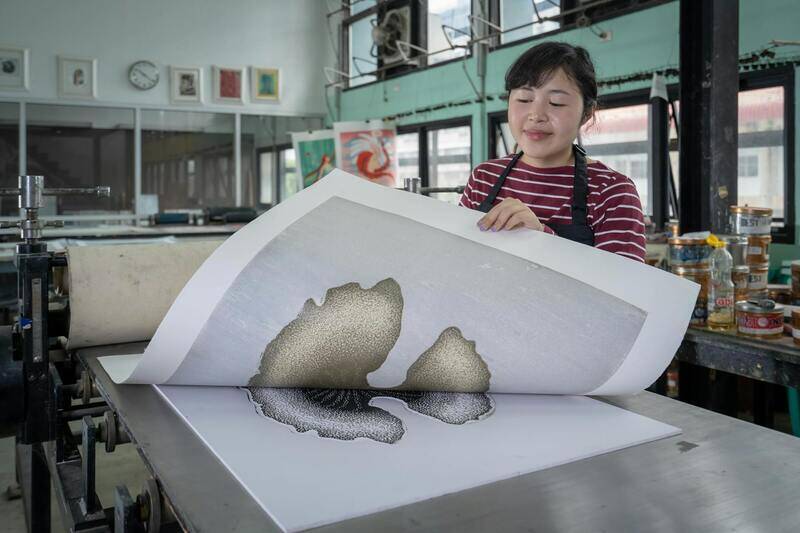
Color poster printing is a specialized process that transforms digital designs into vibrant, high-quality physical posters. This method is employed across numerous industries, including marketing, education, entertainment, and retail, to convey messages visually with striking clarity and color accuracy. The primary aim of color poster printing is to produce visually compelling visuals that attract attention, communicate effectively, and enhance brand visibility.
At its core, color poster printing involves digital design preparation, selection of suitable printing technologies, and the precise application of inks onto various substrates. Whether for outdoor advertising campaigns, event promotions, or interior decoration, posters are an essential tool for impactful visual communication. The use of vivid and consistent colors is fundamental, which is why understanding the nuances of color reproduction and material selection is vital for achieving desired outcomes.
The common applications of color poster printing span several sectors: from eye-catching storefront displays that draw customers in, to detailed event posters that inform and excite audiences. Educational institutions utilize posters to disseminate information effectively, while entertainment industries feature promotional posters for movies, concerts, and festivals. In the corporate context, posters function as part of branding strategies, product launches, and informational campaigns. The versatility of color poster printing makes it integral to various marketing and communication efforts.

Applications of Color Poster Printing
- Advertising Campaigns
- Event Promotions and Announcements
- Trade Show Displays
- Educational and Informational Posters
- Retail Product Promotions
- Art and Creative Displays
- Branding and Identity Campaigns
Understanding the purpose and applications of color poster printing allows professionals to better tailor their designs and production techniques to meet specific goals. With advancements in printing technologies and materials, creating captivating, durable, and cost-effective posters has become more accessible than ever.
Choosing the Right Materials and Paper for Color Posters
One of the most critical steps in producing high-quality color posters is selecting appropriate materials and paper substrates. The choice of material not only influences the visual appearance of the final product but also affects its durability, cost, and suitability for specific environments. When considering options, professionals typically evaluate aspects such as weight, finish, opacity, and weather resistance.
Premium glossy and satin papers are frequently employed for posters that require vibrant color reproduction and high contrast. These finishes enhance color vibrancy and sharpness, making images pop and catch viewers’ attention effectively. Matte paper, on the other hand, offers a non-reflective surface that minimizes glare, making it preferable for posters displayed under bright lighting conditions or in environments where viewers may need to read content without distraction.

For outdoor or long-term displays, weather-resistant materials such as vinyl or waterproof canvas are excellent choices. These materials provide additional protection against elements like moisture, UV rays, and tearing, ensuring that the posters maintain their visual impact over a longer period. Additionally, heavyweight papers and board stocks are suitable for posters that need to stand upright without sagging or bending, especially for freestanding displays in trade shows or exhibitions.
It is also important to consider eco-friendly materials, such as recycled papers and biodegradable substrates, which align with sustainable printing practices. Such options often come with specific coatings or finishes that preserve color fidelity while promoting environmental responsibility.
Maintaining color accuracy and consistency can be achieved through selecting materials with proper surface textures and coatings compatible with advanced printing inks. This ensures that the rich, vibrant hues are faithfully reproduced and that the final poster aligns with the original design intent.

In summary, evaluating the intended display environment, desired visual effects, and budget constraints will help determine the most suitable material for your color poster printing project. Carefully selected materials not only enhance the aesthetic appeal but also extend the lifespan of your posters, ensuring your message leaves a lasting impression.
Color Management and Accuracy in Poster Printing
Achieving precise color reproduction is essential for creating visually striking posters that effectively communicate your message. The process of color management involves several critical steps to ensure that the colors seen on the digital design are faithfully reproduced in the printed output.
Utilizing color profiles such as ICC color profiles allows printers to calibrate their machines to meet specific color standards. These profiles serve as a reference, standardizing colors across different devices and ensuring consistency from digital design to final print. When preparing artwork, it is important to embed or assign the appropriate color profiles to maintain color fidelity throughout the production process.
High-quality color calibration of the printing equipment is fundamental. Regular calibration helps in aligning the printer’s output with the desired color standards, preventing discrepancies between the intended design and the final poster. Quality control checks during and after printing are also advised to verify color accuracy before the posters are dispatched for delivery or display.

Another vital aspect is the choice of inks. Using advanced, weather-resistant, and pigment-based inks enhances the durability and vibrancy of the colors, especially for outdoor or long-term displays. Compression of digital color data and careful selection of color gamut can further improve the richness and precision of the printed posters.
Collaborating with experienced print service providers that utilize professional color management systems can significantly improve your results. They typically have access to sophisticated equipment and quality assurance protocols that guarantee color fidelity. Additionally, requesting color proofing options allows for assessment and adjustments before the full print run, reducing the risk of color mismatches and waste.
Consistent and accurate color reproduction hinges on understanding the nuances of digital-to-print translation. Educating oneself on color profiles, employing proper calibration techniques, and working with reputable printing experts ensures that each poster captures the intended visual impact and professional quality demanded by branding, marketing, and artistic displays.
Choosing the Appropriate Printing Technology for Color Posters
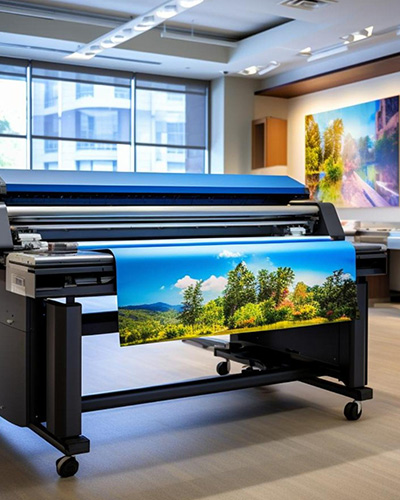
When selecting a printing method for color posters, understanding the strengths of each technology ensures optimal results aligning with project requirements. The two primary digital printing technologies used are inkjet and laser printing, each offering unique advantages tailored to specific needs.
- Inkjet Printing: Known for its ability to produce high-resolution, vibrant images, inkjet printers are ideal for posters requiring intricate detail and a broad color gamut. They excel in producing posters with smooth gradients and nuanced color transitions, making them a popular choice for artistic displays and promotional materials requiring precision. Modern inkjet printers utilize pigment-based inks, which provide superior durability and resistance to fading, especially for outdoor or long-term installations.
- Laser Printing: Laser printers are characterized by their high speed and efficiency, making them suitable for bulk poster production. While traditionally their color gamut is narrower compared to inkjet, advancements have allowed laser printers to deliver quality images with sharp text and bold color contrasts. They are especially advantageous when producing posters that require quick turnaround times and consistent quality, such as event promotions or retail displays.
Beyond the basic technology, UV printing has become increasingly relevant for color poster printing due to its ability to print directly onto various substrates with vibrant colors and excellent adhesion. UV printers use specialized inks cured by ultraviolet light, resulting in weather-resistant posters with intense color fidelity, perfect for outdoor signage.

Each of these printing methods can be optimized through the use of high-quality inks and precise color management. Compatible with various media types, such as vinyl, fabric, or thick poster paper, selecting the appropriate printing technology hinges on factors like desired image quality, production volume, budget, and environmental conditions.
Optimal Methods for Producing High-Quality Color Posters
Utilizing Professional Offsets for Consistent Color Reproduction
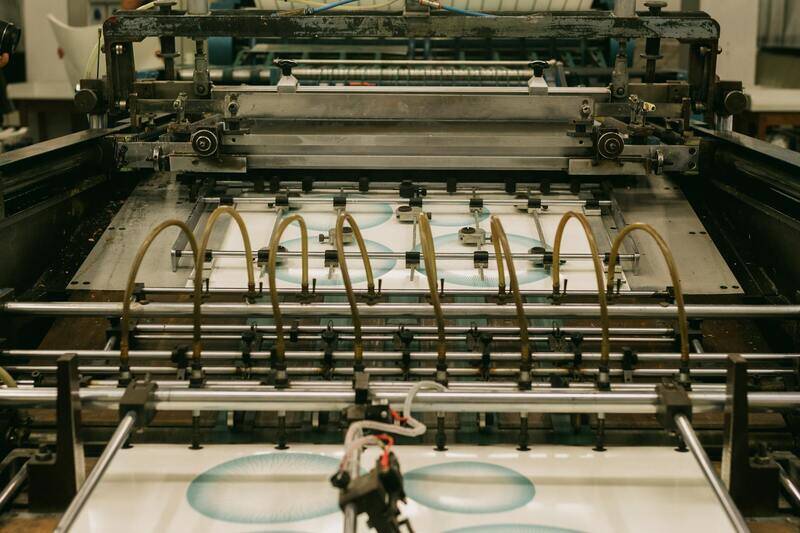
Offset printing remains one of the most reliable methods for large-scale production of high-quality color posters. This technique employs metal plates to transfer ink onto a rubber blanket, which then applies it to the poster substrate. The benefit of offset printing lies in its ability to produce vibrant, consistent colors with exceptional detail and sharpness across extensive runs. It is especially suitable for campaigns or projects requiring uniform color accuracy and high volume output efficiently and economically.
Employing Dye Sublimation for Brilliant, Durable Prints
Dye sublimation printing is an advanced process ideal for producing vibrant, durable posters. It involves turning dye-based inks into gas under heat, allowing them to permeate specially coated materials or fabrics. The results are posters with a luminous finish and excellent color depth, making this method highly favored for event displays, point-of-sale visuals, and artistic posters that demand long-lasting vibrancy. The process also facilitates printing on flexible or fabric materials, expanding creative options.
Exploring UV Printing for Outdoor and Specialty Applications
UV printing technology has revolutionized the production of color posters, especially for outdoor advertising and specialty display needs. By curing inks instantly with ultraviolet light, UV printers achieve vibrant color fidelity on diverse substrates, including acrylic, metal, or vinyl. This method produces weather-resistant posters that resist fading, scratching, and moisture, maintaining visual impact over extended periods. UV printing also enables printing on irregular surfaces, opening avenues for innovative poster designs with unique textures and shapes.
Choosing the Right Substrates for Color Poster Longevity and Aesthetic Appeal
In selecting materials for color poster printing, considerations include durability, surface finish, and visual presentation. Popular options include:
- Glossy and Satin Photopaper: Ideal for vivid color reproduction with a sleek finish that enhances photographs and artwork.
- Matte Paper: Suitable for reducing glare, making posters easier to view in brightly lit environments, while maintaining rich colors.
- Vinyl and Banner Materials: Perfect for outdoor posters due to their weather-resistant properties and tear strength.
- Canvas: Used for artistic displays, offering a textured surface that complements high-quality color printing.
Understanding the specific environmental conditions and display requirements assists in selecting the optimal material, ensuring the poster maintains its visual impact over time and through various viewing circumstances.
Implementing Color Management for Consistent and Accurate Results
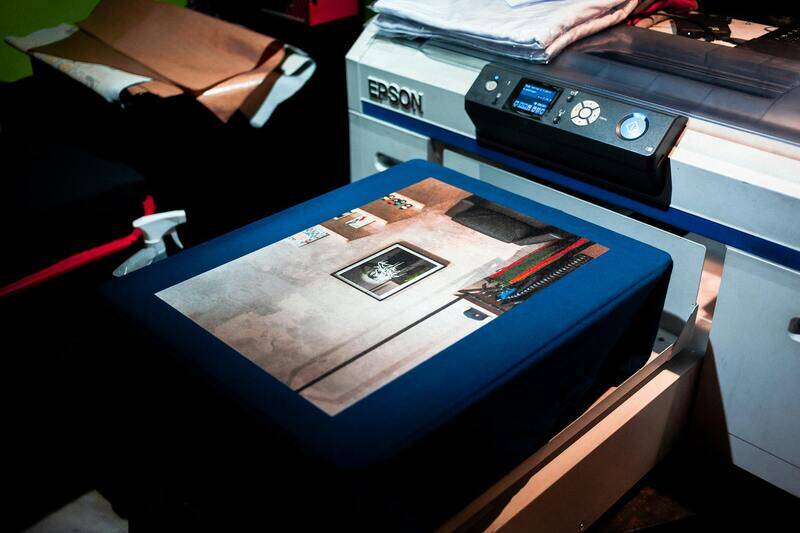
Achieving consistent and accurate color output is a crucial aspect of professional color poster printing. This process involves meticulous calibration of devices and standardized color profiles to ensure that the colors displayed on screens match those printed on physical media. High-quality color management begins with using calibrated monitors during the design phase, allowing graphic designers and print operators to accurately visualize the final output. By employing ICC color profiles tailored for specific printers and substrates, businesses can mitigate color discrepancies that often occur due to variations in ink, paper, or printer settings. This practice guarantees that vibrant hues and subtle shades are preserved throughout the production process, leading to posters that meet precise visual expectations.

Moreover, regular calibration of printing equipment ensures ongoing color consistency over multiple production runs. Keeping printers, monitors, and imaging devices aligned with industry standards reduces color drift and maintains high fidelity. When designing posters, it is advisable to select color palettes that are within the reproducible gamuts of the chosen printing technology, avoiding shades that are difficult to reproduce faithfully. Implementing proofing processes—either digital or on a small-scale print—provides a preview of the final result, facilitating adjustments before bulk printing. This rigorous approach to color management ultimately leads to poster prints that are accurate, vibrant, and visually compelling without the need for costly reprints or reworks.

Attention to color management not only enhances the visual appeal of posters but also reinforces brand consistency and professionalism. Whether creating promotional posters, artistic displays, or informational signage, precise color reproduction communicates the intended message and aesthetic with clarity. Businesses specializing in color poster printing often invest in advanced color management software and equipment to uphold high standards. Clients benefit from consistent quality, as the printed posters reflect the original design intent accurately. Proper color management practices are an essential component of delivering top-tier print products that satisfy clients and stand out in competitive markets.
Ensuring Proper Color Reproduction in Poster Printing Processes
Accurate color reproduction is fundamental in creating posters that effectively communicate the intended message, evoke the desired emotional response, and maintain brand consistency. To achieve this, the implementation of precise color management practices is essential. This involves calibrating all imaging devices, including monitors, scanners, and printers, to industry-standard color profiles. Regular calibration ensures that colors on the display match the printed output as closely as possible, minimizing discrepancies that can compromise visual fidelity.
Utilizing color profiles—such as ICC profiles tailored for specific printer models and media types—enables designers and print technicians to standardize color rendition across various devices and workflows. Embedding these profiles into design files ensures consistent color output, regardless of the printing run or equipment used. Moreover, adhering to color gamuts—defined ranges of reproducible colors for each printing technology—helps avoid selecting hues that cannot be accurately rendered, preserving the vibrancy and integrity of the original design.
Proofing plays a significant role in verifying color accuracy before mass production. Digital proofs simulate the final print and allow adjustments to be made in the design phase. Similarly, controlled test prints on the actual media intended for the final poster can serve as reliable references, helping to fine-tune colors and achieve the desired visual impact. This meticulous approach to color management minimizes costly reprints, ensuring each poster produced meets expectations for color fidelity and quality.

For enterprises offering color poster printing services, investing in advanced calibration tools and color management software underpins their commitment to quality. Clients benefit from consistent results that reflect their original designs, facilitating effective branding and impactful visual communication. When ordering color posters, requesting proofs and confirming color fidelity before the final run are key steps in ensuring the finished product aligns with the project's specifications.
Attention to detail in color management not only enhances visual appeal but also fortifies brand integrity. Clear communication of colors and consistent reproduction across multiple prints help maintain professional standards and client satisfaction. Whether for promotional campaigns, artistic displays, or informational signage, precise color reproduction fosters stronger engagement and greater overall impact of the poster’s message.
Ensuring Durable and Vibrant Color Poster Prints
Achieving long-lasting color posters that retain their vibrancy over time requires adherence to specific printing and finishing techniques. Proper surface treatment, such as applying protective coatings or laminates, enhances resistance to environmental factors like moisture, UV exposure, and abrasion. These coatings not only safeguard the visual appeal but also extend the lifespan of the posters, making them suitable for outdoor or high-traffic environments.
Implementing precise curing processes is essential to ensure the durability of the ink in color poster printing. Using UV curing or heat-based drying methods helps fix the inks firmly onto the substrate, preventing smudging, fading, or cracking. Quality control measures during post-printing stages, such as inspecting for inconsistent coating or color discrepancies, further guarantee that each poster meets high standards of durability and color fidelity.

Alongside protective measures, choosing appropriate finishing options can influence both appearance and longevity. Options like matte, gloss, or satin finishes each offer unique benefits—gloss finishes heighten color richness, while matte options reduce glare and fingerprints. These choices should be aligned with the poster's intended usage and display conditions to optimize aesthetic appeal and resistance to environmental damage.
Legal and Ethical Considerations in Color Poster Printing
When producing color posters, it is crucial to ensure that all visual content, especially images and logos, are used in a manner that respects copyright and intellectual property rights. Securing proper licenses or permissions for copyrighted material helps maintain ethical standards and avoids potential legal disputes. Furthermore, transparency in design processes, including accurate representation of brand colors and adherence to any branding guidelines, underscores professional integrity.
Employing legitimate printing technologies and sourcing materials from reputable suppliers guarantees that the final product aligns with regulatory standards and industry best practices. Regular audits and adherence to quality management systems reinforce a commitment to excellence, ultimately fostering trust and confidence among clients and stakeholders.
Future Trends in Color Poster Printing
The industry continues to evolve with technological advancements that enable even more precise color reproduction and efficient workflows. Innovations such as expanded color gamuts, eco-friendly inks, and automation in print management are shaping the future of color poster production. These developments promote sustainability, cost efficiency, and higher quality outputs, allowing for more vibrant, accurate representations of designs that captivate audiences effectively.
Moreover, integrating digital asset management systems can streamline the process of retrieving, editing, and printing large volumes of posters, reducing turnaround times. As the market emphasizes environmental consciousness, further adoption of biodegradable substrates and recyclable finishes will become standard practices, ensuring that color poster printing remains both impactful and responsible.