Understanding Poster Printing
Poster printing serves as a versatile medium for communication, advertising, and decoration. Its primary purpose is to visually convey messages efficiently to targeted audiences, making it an invaluable tool for businesses, educators, event organizers, and artists alike. The effectiveness of a poster hinges on its ability to attract attention, deliver clear information, and evoke the desired response from viewers.
In the commercial realm, posters are frequently used to promote products, services, or upcoming events. They are designed to catch the eye in crowded settings like shopping malls, airports, or outdoor billboards, leveraging striking visuals and compelling typography. Beyond advertising, posters also play a crucial role in educational environments, displaying essential information, safety instructions, or motivational messages in accessible formats. Similarly, they contribute to interior decoration, adding aesthetic appeal while reflecting personal taste or branding themes.
The benefits of quality poster printing include enhanced visual impact, durability, and the ability to customize designs according to specific requirements. When produced with high-resolution printing techniques and premium materials, posters can maintain their vibrancy and structural integrity over time. This ensures that promotional or decorative messages remain effective, whether displayed indoors or outdoors, for short-term campaigns or long-term installations.
Choosing to make a poster print is a strategic decision for effective visual communication. It combines artistic design, technical quality, and material selection to engage audiences and convey messages with clarity and style. As such, understanding the foundational aspects of poster printing is essential for producing impactful visual materials that meet desired objectives and stand out in diverse environments.
Choosing the Right Size and Material
Selecting the appropriate size and material for a poster print is crucial to ensure it aligns with your intended purpose and environment. The choice impacts visibility, durability, and overall visual appeal. For indoor displays, standard sizes such as A2, A1, or 24x36 inches are commonly preferred because they offer a good balance between prominence and manageability. Larger formats like 36x48 inches or even billboard-sized prints are ideal for outdoor advertising, where visibility from a distance is necessary. When considering outdoor placements, it’s essential to opt for materials that withstand weather elements and UV exposure, such as vinyl or weather-resistant fabric. These materials preserve color vibrancy and structural integrity over time.
- Vinyl: Highly durable and weatherproof, suitable for outdoor signage and long-term displays.
- Canvas: Provides a premium look for interior decorative purposes with a textured surface that adds artistic depth.
- Brochure stock or poster paper: Ideal for indoor use, lightweight and easy to handle, available in matte or gloss finishes.
- Mesh fabric: Used in large-format outdoor banners, allowing wind to pass through and reducing stress on the material.
Ensuring the Durability and Proper Installation of Your Poster Print
Once you have selected the appropriate size and material for your poster print, proper installation and care are crucial to maintaining its visual impact and longevity. Effective mounting techniques depend on both the environment and the chosen material, requiring specific methods and accessories.
For indoor posters, adhesives like poster tape or mounting strips offer clean, damage-free options. These methods are ideal for smooth surfaces such as walls painted with latex or smooth panels. When applying adhesive-based mounting, it is important to ensure the surface is clean, dry, and free of dust or grease to achieve a secure bond and prevent damage during removal.
In outdoor settings, more robust solutions are necessary. Heavy-duty hooks, grommets, or pole pockets enable a secure fit, especially for banners or large-format prints. Vinyl banners, in particular, benefit from eyelets or reinforced edges to withstand wind and weather conditions. Additionally, tension systems or bungi cords can help keep large posters taut and prevent flapping or tearing.
For versatile and temporary installations, suction cups or removable adhesives can be used without damaging surfaces. When fasters or adhesives are chosen, selecting weather-resistant options ensures the poster remains visually appealing over time, even under changing environmental conditions. Proper installation not only prolongs lifespan but also ensures that the poster maintains its professional appearance and visibility.
Regular cleaning and maintenance are essential to preserve the vibrancy of the print. Use soft, damp cloths to gently wipe dust or dirt from the surface. For posters still in protective coverings, removing the covering periodically allows for inspection and avoids the buildup of grime or moisture in creases or edges. Keeping the poster in a suitable environment—away from direct sunlight, moisture, or extreme temperature fluctuations—further extends its effectiveness and appeal.

Understanding the Importance of Print Quality and Legal Standards
When aiming to achieve the best visual impact with your poster print, it is crucial to collaborate with printing service providers who employ high-quality printing processes and adhere to industry standards. Ensuring that your print files are prepared correctly not only enhances visual clarity but also aligns with the technical specifications required for long-lasting, vibrant posters. Reputable print service providers utilize advanced digital and offset printing technologies, including UV and latex printing, which guarantee color accuracy, sharp detail, and durability.
Quality assurance begins with the selection of the appropriate printing method for your project. Digital printing is suitable for smaller batches and quick turnarounds, offering excellent detail and color fidelity. For larger quantities, offset printing provides cost efficiencies and consistent output across prints. It is important to communicate your desired materials, finishes, and environmental considerations with your chosen provider to ensure your poster meets all expectations.
Ensuring Compliance with Printing Standards and Regulations
To maintain high standards and produce professional-looking posters that are compliant with industry regulations, it is essential to work with authorized printing vendors who operate transparently and responsibly. Authorized service providers follow rigorous quality control protocols, including color management, proofing, and finishing processes, to guarantee that your posters meet official standards.
When preparing artwork files, ensure they are designed with correct bleed, margins, and color profiles compatible with commercial printing standards. Using the CMYK color mode rather than RGB enables accurate color reproduction for print. Additionally, checking the resolution — ideally 300 dpi or higher — guarantees clarity and detail in large-format prints. These technical precautions minimize errors and ensure your posters look professional upon completion.
Choosing Eco-Friendly and Sustainable Printing Options
With growing environmental awareness, many businesses and individuals opt for sustainable printing solutions. Reputable print services often feature eco-friendly inks, biodegradable materials, and sustainable production processes. These environmentally conscious choices not only reduce a poster's carbon footprint but also demonstrate a commitment to sustainability.
For poster printing, selecting recyclable materials such as FSC-certified papers, eco-solvent inks, or water-based inks contributes to environmentally responsible practices. Additionally, some providers offer options for energy-efficient printing facilities and waste minimization measures. Requesting these sustainable options ensures your poster printing aligns with green initiatives without compromising quality.
Working with Professional Print Vendors in Singapore
For optimal results, it is advisable to choose experienced and reputable print vendors who specialize in large-format poster printing. These vendors typically offer consultation and guidance throughout the process—from file preparation to material selection and finishing. Their expertise ensures that your poster meets specific requirements and withstands environmental conditions.
It is beneficial to request samples or proofs prior to full production. This allows for a final review of color accuracy, material quality, and overall appearance. Approaching a vendor with a proven track record, transparent pricing, and adherence to quality standards will help ensure that your poster print project is successful and produces a visually impactful result.
Implementing Final Checks Before Printing
Before submitting your poster file for printing, it is vital to perform comprehensive checks to ensure the final product aligns perfectly with your expectations and specifications. Verify that the resolution is set to at least 300 DPI to guarantee sharp and clear visuals, particularly if the poster features detailed graphics or text. Confirm that all images and design elements are correctly placed and that there are nobleed areas or misaligned margins that may be trimmed during finishing.
Colors should be reviewed thoroughly. It is advisable to view your design in both on-screen and printed previews if possible. This helps identify any discrepancies in color profiles or contrasts that might affect the visual impact of the poster. Additionally, double-check the text for any typographical errors or misaligned fonts that could undermine your message's professionalism.
Clear communication with your chosen printing provider is essential before proceeding. This includes confirming file formats (preferably PDF or TIFF), color modes (CMYK for print), and any specific finishing options such as lamination, mounting, or framing. When in doubt, request a sample proof to review the print quality, color fidelity, and material texture firsthand. This step serves as a safeguard against unwanted surprises and provides an opportunity to make adjustments before mass production begins.
Effective Communication with Your Printing Partner
Establishing a direct line of communication with your print service provider fosters a seamless printing process. Provide detailed instructions about your preferred materials, dimensions, and any special effects such as gloss or matte finishes. Sharing your design specifications upfront minimizes errors and ensures that the final product aligns with your project goals.
Discussing lead times and delivery schedules helps manage expectations and enables you to plan your campaign or event accordingly. If your project is time-sensitive, inquire about expedited options or rush printing services, ensuring that quality is maintained throughout the process. Regular updates from the provider—such as status reports or digital proofs—can keep you informed and allow for immediate feedback if adjustments are necessary.
Having a clear understanding of the post-printing process and available finishing touches can further enhance the appeal of your poster. You might consider lamination for durability, mounting options for ease of display, or custom framing to elevate its presentation. These additional services are often available through professional print vendors and can significantly impact the visual impact and longevity of your posters.

Ultimately, meticulous preparation, precise communication, and selecting a reputable print service are key to achieving a high-quality poster print that effectively communicates your message and stands the test of time.
Understanding Poster Printing
Creating a high-quality poster print involves more than just selecting an image and sending it to the printer. It requires a comprehensive understanding of the printing process, the appropriate materials, and the technical specifications needed to achieve the desired visual impact. Poster printing employs various advanced printing techniques designed to produce vibrant colors, sharp details, and durable finishes suitable for different environments and purposes.
Types of Printing Technologies in Poster Production
- Digital Printing: Ideal for short runs and customized posters, digital printing offers quick turnaround times and excellent quality. It is cost-effective for small quantities and allows for easy modifications during the design process without significant additional expenses.
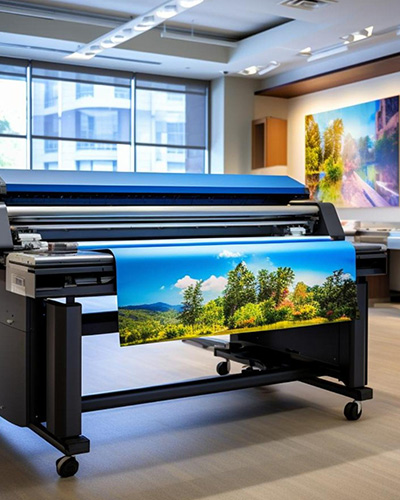
- Large-Format Printing: This method is specifically designed for printing larger posters that require high resolution and color accuracy. It employs specialized wide-format printers capable of handling massive paper or vinyl rolls, producing crisp images suitable for signage, retail displays, or event promotions.
- UV Printing: Utilizing ultraviolet light to cure ink instantly, UV printing produces vibrant, waterproof, and weather-resistant posters. It is particularly suitable for outdoor use or for creating posters with unique textures and embellishments that stand out.
Impact on Quality and Cost
The choice of printing technology influences both the visual quality and the overall cost of your poster project. Digital printing tends to be more affordable for smaller quantities and offers a quick process, but it may be limited in size and material options. Large-format printing, although more expensive initially due to equipment costs, ensures the finest quality for big displays with intricate details, making it suitable for professional environments and public spaces. UV printing combines durability with high resolution but comes with higher upfront costs, making it ideal for specialty posters that require outdoor longevity or unique finishes.
Additional Considerations for Poster Printing
It is essential to work closely with your chosen print service provider to select the appropriate printing process based on your project's scope, aesthetic requirements, and budget. Discussing options such as color profiles, resolution settings, and finishing techniques guarantees the final product meets expectations and maintains visual consistency. Moreover, always request a proof or sample print before proceeding with the full batch to verify color accuracy, alignment, and overall appearance.

Understanding Poster Printing
Poster printing is an essential aspect of visual communication, widely utilized for advertising, educational purposes, and artistic expression. It involves transferring digital or physical artwork onto a printed medium, ensuring vibrant color reproduction, durability, and visual appeal. Comprehending the fundamental aspects of poster printing helps you make informed decisions, from selecting the appropriate printing technology to choosing the right materials for your specific needs.
Key Considerations in Poster Printing
When embarking on a poster print project, several critical factors influence the final outcome. These include the purpose of the poster, desired durability, budget constraints, and aesthetic preferences. The intended placement—whether indoor or outdoor—dictates the type of material and finishing techniques suitable for longevity. For example, outdoor posters require weather-resistant materials and protective coatings, while indoor posters can utilize lighter, less durable substrates.
Types of Poster Printing Techniques
- Digital Printing: Ideal for small to medium print runs, offering quick turnaround times, high-resolution images, and cost-effective options for prototypes or personalized posters.
- Large-Format Printing: Suitable for wide or oversized posters, providing sharp details and vibrant colors, often utilizing UV or latex inks for enhanced durability.
- Screen Printing: Traditionally used for high-volume productions, especially for simple designs with limited color palettes, delivering bold and consistent results.
- UV Printing: Utilized for specialty posters needing resistance to weather, scratches, and fading, also capable of printing on various textured surfaces.
Materials and Finishes
The choice of materials significantly impacts the look, feel, and longevity of your poster. Common options include:
- Matte Vinyl: Reduces glare, suitable for indoor and outdoor use, providing good weather resistance.
- Glossy Paper or Vinyl: Enhances vibrancy and color depth, ideal for eye-catching displays.
- Canvas: Offers a textured, artistic finish, perfect for gallery-style presentations.
- Backlit Materials: Designed for lightbox displays, allowing illumination to enhance visibility and impact.
Additional Tips for Poster Printing Success
To ensure your poster printing project achieves optimal results, consider the following:
- Work with experienced printing providers who have access to advanced technology and a broad selection of materials.
- Discuss your project's specific requirements, including environmental conditions, thickness, and finishing options.
- Provide high-quality, print-ready files that adhere to recommended settings for resolution, color profiles, and bleed margins.
- Request samples or proofs to verify color accuracy, layout, and overall appearance before proceeding with full production.
- Plan your timeline to allow for adjustments and unforeseen delays, ensuring timely delivery of your finished posters.
Careful planning and collaboration with professional printers are essential to produce high-impact posters that effectively communicate your message and withstand environmental challenges.
Proper Care and Maintenance of Your Poster Prints
Once your poster print has been produced and installed, maintaining its quality and appearance over time requires specific care and handling practices. Proper upkeep ensures that the visual impact of your poster remains intact, preserving its effectiveness in communicating your message.
Mounting and Framing Techniques
Secure mounting is essential not only for aesthetic purposes but also for protecting the print from damage. Using high-quality mounting materials such as acid-free adhesives or mounting foam board can prevent warping and deterioration. If the poster is meant for prolonged display, framing with UV-protective glass or acrylic can shield it from dust, moisture, and harmful UV rays that may cause fading.
Protection Against Environmental Factors
Outdoor posters or those displayed in high-humidity areas should be coated or laminated to provide an additional layer of protection. Lamination options, like matte or glossy finishes, can resist scratches, moisture, and dirt, ensuring the poster remains visually appealing even after extended exposure to environmental conditions. For indoor posters, regular dusting with a soft, lint-free cloth helps maintain clarity and finish.
Cleaning and Handling Guidelines
- Always handle posters by the edges to avoid fingerprints and smudges on the printed surface.
- Use a microfiber cloth for gentle cleaning—dampening it slightly if necessary. Avoid using harsh chemicals or abrasive materials that can damage the ink or surface coating.
- For posters with laminated surfaces, a soft, damp cloth is sufficient for cleaning; avoid excessive moisture which might seep into the edges.
- If a poster shows signs of wear or minor damage, consult with professional restoration services rather than attempting to repair it yourself.
Storage Tips for Unused Posters
If your posters are not immediately displayed, store them properly to prevent curling, creases, and fading. Store rolled posters in a protective tube made of acid-free materials, keeping them in a cool, dry environment away from direct sunlight. Flat storage in a climate-controlled room with buffered folders or sleeves can also help preserve the print quality and prevent warping.
By adopting these care practices, you maximize the lifespan of your poster prints, ensuring they continue to serve as compelling visual communication tools, whether displayed indoors or outdoors.