Understanding Large Photo Prints for Walls
Large photo prints for walls have become a prominent feature in modern interior design, serving as striking focal points and personalized artistic statements within homes, offices, and commercial spaces. These expansive prints typically range from dimensions like 24x36 inches to monumental sizes exceeding 60 inches in width, depending on the intended impact and available wall space. Common materials used for printing include high-quality photographic papers, canvas, acrylic, and metal, each offering distinct aesthetics and durability attributes.
When selecting a large photo print, considerations extend beyond size alone. The material choice influences the final appearance, from the textured surface of canvas to the sleek gloss of acrylic. These prints are not merely decorative; they integrate visual storytelling into a space, evoke emotions, and reflect personal taste or brand identity. High-resolution images are essential to ensure clarity and detail at larger sizes, making the printing process a critical step in achieving a professional, polished result.
In interior settings, large wall prints serve multiple roles—from creating a sense of depth and openness in small rooms to anchoring a gallery wall in spacious environments. They can transform ordinary walls into engaging visual narratives, adding personality and style. As technological advancements in printing continue to evolve, consumers have access to a more diverse array of options, making it easier than ever to incorporate large photo prints seamlessly into various design schemes.

Understanding the core aspects of large photo prints for walls is essential for making informed decisions in their selection and application. From initial size considerations to material choices and aesthetic integration, these prints offer a versatile way to enhance any space with meaningful, eye-catching imagery.
Materials and Printing Techniques
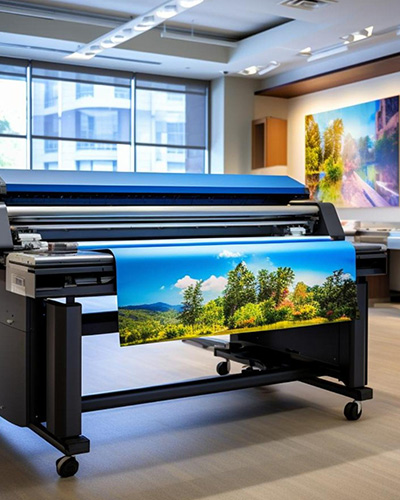
When producing large photo prints for walls, selecting the appropriate printing method and material is crucial for achieving a high-quality result that aligns with the desired aesthetic and durability. Several key printing techniques are commonly employed in the industry, each offering unique benefits suited to various environments and purposes. Digital inkjet printing, for example, is renowned for its precise color reproduction and ability to handle large formats with exceptional detail. UV printing, on the other hand, offers the advantage of quick curing and the capacity to print directly onto rigid surfaces without the need for additional mounting.
Material selection plays an equally vital role in the final appearance and longevity of the print. Popular media options include canvas, acrylic, metal, and high-quality vinyl. Canvas prints provide a textured, artistic feel that complements modern and traditional interior styles. Acrylic prints offer a sleek, glossy finish with vibrant color depth, making images pop for maximum visual impact. Metal prints are known for their durability and contemporary appeal, as well as their resistance to moisture and UV exposure, ideal for high-humidity areas or outdoor use.
Choosing the right combination of technique and material involves considering factors such as the intended environment, desired aesthetic, and budget. Professional printing services utilize advanced, environmentally friendly inks that ensure color fidelity and fast-drying times, reducing the risk of smudging or damage during handling. For instance, UV-cured inks are highly resistant to scratches and fading, ensuring the artwork maintains its vibrancy over time.
Design and Composition Tips
Effective large photo wall prints start with thoughtful design considerations. The composition of your image should be balanced, with focal points strategically placed to draw attention. When enlarging photos, ensure the subject remains prominent and that background details do not get lost or appear overly pixelated.
Here are some tips to optimize your design:
- Maintain a strong focal point to prevent the viewer’s eye from wandering.
- Use cropping to remove unnecessary elements and emphasize the main subject.
- Incorporate negative space to give the image room to breathe, especially in expansive wall displays.
- Align the key elements with the natural eye level of viewers for maximum engagement.
High-resolution images are essential when creating large prints. Datasets with low pixel counts will appear blurred or pixelated after enlargement, detracting from the professional look. It is advisable to work with images that have a resolution of at least 300 DPI at the desired print size.
Color and Resolution Considerations
Color accuracy plays a vital role in producing visually striking large photo prints. Calibration of monitors and printers helps in maintaining consistency and fidelity between digital images and the final physical product. Soft-proofing techniques allow previewing how colors will appear after printing, enabling adjustments before production.
Resolution should be carefully evaluated; higher resolutions translate into sharper, more vibrant images after enlargement. Subpar resolution leads to pixelation and loss of detail, which is particularly noticeable when viewed up close. For most large wall prints, a minimum of 150-300 DPI at the final size is recommended, with 300 DPI preferred for intricate images or close-up viewing areas.
Placement and Installation
Proper placement and methodical installation are key to maximizing the visual impact of large photo prints. Consider the height, lighting, and surrounding decor to ensure the print complements the space effectively. Wall-mounting hardware should be selected based on the weight and material of the print. For example, metal and acrylic prints often require specialized mounting systems to prevent damage and ensure stability.
Using level tools or laser guides during installation helps achieve a professional, clean look. Additionally, leaving sufficient distance from furniture or other wall elements ensures the artwork stands out without visual clutter. For highly valuable or oversized prints, professional installation services guarantee safety and precision.
Material Selection and Printing Techniques for Large Photo Prints
When it comes to large photo prints for walls, selecting the appropriate material and printing technique is crucial for achieving the desired visual impact and ensuring durability. Different materials offer unique aesthetic qualities and functional benefits, making them suitable for various environments and preferences.
Among the most popular options are canvas, acrylic, metal, and high-quality photographic paper. Each material pairs well with specific printing methods, such as dye sublimation, UV printing, or inkjet printing. For instance:
- Canvas: Provides a textured, artistic feel, ideal for creating a gallery-like appearance. Canvas prints are usually printed with high-resolution inkjet printers using pigment-based inks that resist fading over time.
- Acrylic: Offers a sleek, modern look with vibrant color reproduction. UV printing on acrylic provides a glossy finish and exceptional clarity, often used for contemporary or minimalist decor.
- Metal (Aluminum): Known for its durability and reflective qualities, metal prints are resilient and suitable for high-traffic areas. Sublimation printing on aluminum results in vivid, scratch-resistant finishes.
- Photographic Paper: Used primarily for premium, fine art prints, offering exceptional detail and color accuracy. Large-format inkjet printers are used to produce high-resolution images with meticulous attention to color fidelity.

Optimizing Durable and Vivid Prints Through Advanced Techniques
To maximize the quality and longevity of large photo prints, leveraging advanced printing techniques is essential. UV printing, for example, cures inks instantly using ultraviolet light, resulting in highly durable images that resist scratches, moisture, and UV damage. This method is particularly advantageous for outdoor or high-traffic indoor spaces.
Sublimation printing is another technique essential for metal and certain fabric substrates, allowing for vibrant color saturation and long-lasting results. Dye sublimation involves transferring dye-based inks onto specially coated surfaces, creating a seamless and resilient product suitable for frames, murals, or feature walls.
Moreover, understanding the importance of proper calibration of printing devices and employing high-resolution images contribute to producing sharp, vibrant visuals. Investment in professional-grade printers and materials ensures color consistency, accentuating the visual appeal of each large-scale print.
It is also beneficial to consult with printing specialists to determine the best combination of materials and techniques based on the intended setting, whether for commercial displays, residential decor, or gallery exhibitions. These professionals can advise on weather-resistant finishes, protective coatings, and mounting options to maintain the print’s appearance over time.

Materials and Printing Techniques
Opting for the appropriate materials and printing techniques is essential to achieve stunning large photo prints for walls. The choice of substrate directly influences the visual impact, durability, and suitability for indoor or outdoor settings. Common materials include high-quality photo paper, canvas, acrylic, metal, and fabric, each offering unique textures and finishes.
Advanced printing techniques such as UV printing and dye sublimation significantly enhance the vibrancy and longevity of wall-mounted photos. UV printing involves curing inks instantly with ultraviolet light, resulting in highly durable, scratch-resistant images that hold up well against environmental factors like moisture and sunlight. This method is particularly ideal for large-format outdoor displays or high-traffic indoor areas.
Sublimation printing, on the other hand, seamlessly integrates dyes into specially coated surfaces such as aluminum or fabrics, producing vivid, long-lasting images with a glossy finish. This technique is excellent for creating striking murals, metal prints, or decorative textile artworks.
In addition to the choice of technique, factors like resolution and calibration of printing equipment are vital. High-resolution images—preferably 300 DPI or higher—ensure clarity and detail in large formats. Professional-grade printers capable of handling wide-format printing with precise color management are preferred to attain consistent, high-quality results.
To further enhance durability, surface coatings such as varnishing or laminating can be applied post-printing. These treatments protect against scratches, UV damage, and dirt accumulation, extending the lifespan of the artwork.
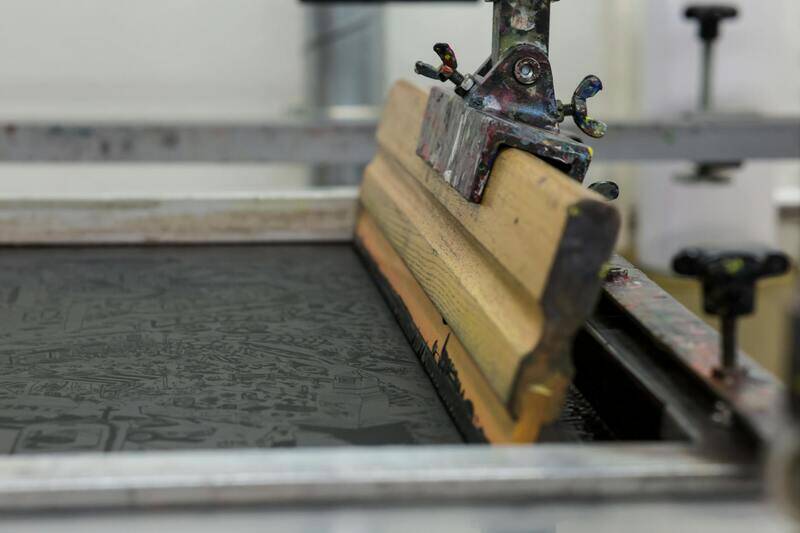
Collaborating with experienced printing specialists allows for tailored solutions based on the specific environment, whether it’s a commercial space, a home, or an art gallery. They can recommend weather-resistant finishes or specialized mounting options to ensure your large photo print remains visually striking over time.
Color and Resolution Considerations
Achieving impeccable visual impact in large photo prints for walls hinges significantly on maintaining accurate color fidelity and optimal resolution. The precision of color reproduction is influenced by the calibration of the color profiles used during the printing process, as well as the quality of the original image. Ensuring that digital files are processed in color spaces such as Adobe RGB or sRGB, which closely match the printer's color gamut, helps in delivering true-to-life hues.
High resolution images are essential for large-scale displays, as they prevent pixelation and ensure sharp detail. Generally, a minimum of 300 DPI (dots per inch) at the final print size is recommended. For example, a 48-inch-wide print would ideally require an image resolution of at least 14,400 pixels in width (48 inches x 300 DPI). Lower resolutions can result in a blurred or grainy appearance, detracting from the overall aesthetic.
To verify resolution suitability, professional printers utilize specialized software to analyze image quality pre-print. This step is crucial to prevent disappointment upon viewing the final piece. Additionally, color management systems enable precise control over every stage of production, from digital file preparation to the final print, ensuring consistent and accurate color output.
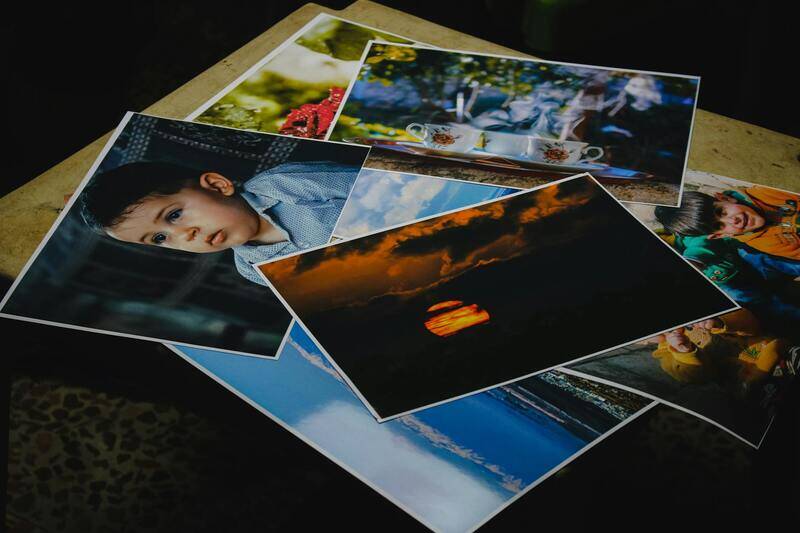
Lighting conditions in the display environment also influence how colors are perceived. It is advisable to consider ambient lighting when selecting and placing large photo prints, ensuring that colors remain vibrant and true to the original image under various lighting scenarios.
In summary, meticulous attention to image resolution and color calibration ensures that large photo prints for walls exhibit the clarity, vibrancy, and detail intended, elevating the aesthetic appeal of your space.
Placement and Installation
Effective placement and secure installation of large photo prints are key to maximizing visual impact and ensuring longevity. When selecting a location, consider the overall decor theme and the lighting conditions to highlight the photograph’s details and colors effectively. Ideal spots often include feature walls in living rooms, spacious hallways, or corporate reception areas where the artwork can be appreciated fully.
Prioritize wall surfaces that are clean, flat, and free of obstructions to achieve a seamless and professional appearance. Use appropriate mounting hardware such as heavy-duty hooks, wall anchors, or rail systems designed to support the weight of large prints. This minimizes the risk of shifting or falling, which could cause damage.
In addition to secure hanging, consider the eye level placement for optimal viewing. The center of the print should be approximately at eye level, around 57 to 65 inches from the floor, to ensure it attracts immediate attention without causing strain. For a cohesive aesthetic, align multiple large prints in a balanced arrangement, maintaining consistent spacing and orientation.
Installing large photo prints often requires precise tools such as laser levels and measuring tapes to achieve symmetry and alignment. For particularly sizable or heavy pieces, professional installation services may be advisable. They can ensure that the mounting hardware is accurately anchored into wall studs or suitable anchors, preventing potential accidents and preserving the artwork's condition.
Furthermore, consider ambient lighting when positioning your print. Accent lighting or adjustable spotlights can enhance visual appeal, especially in dimmer settings, bringing out the depth and richness of your large photo display. Avoid placing prints where direct sunlight hits them for prolonged periods, as this can lead to fading or deterioration over time.
Overall, thoughtful placement combined with secure installation not only showcases your large photo print to its fullest potential but also safeguards your investment, ensuring your display remains stunning and intact for years to come.
Understanding Large Photo Prints for Walls
Large photo prints for walls serve as captivating focal points in any space, transforming ordinary walls into personal galleries that reflect individual style and taste. These prints utilize high-resolution images that are enlarged to create a dramatic visual impact, allowing intricate details to remain vivid and clear even at significant sizes. When selecting large photo prints, factors such as the intended viewing distance, the quality of the original image, and the overall design theme of the space play pivotal roles. High-quality printing techniques ensure that colors are vibrant, details sharp, and the finished product durable enough to withstand the test of time without fading or damage. The process of producing large photo prints involves meticulous attention to detail, from image preparation to material selection, to guarantee that the final artwork meets expectations and elevates the aesthetic of the environment.

Choosing the Right Photos for Wall Prints
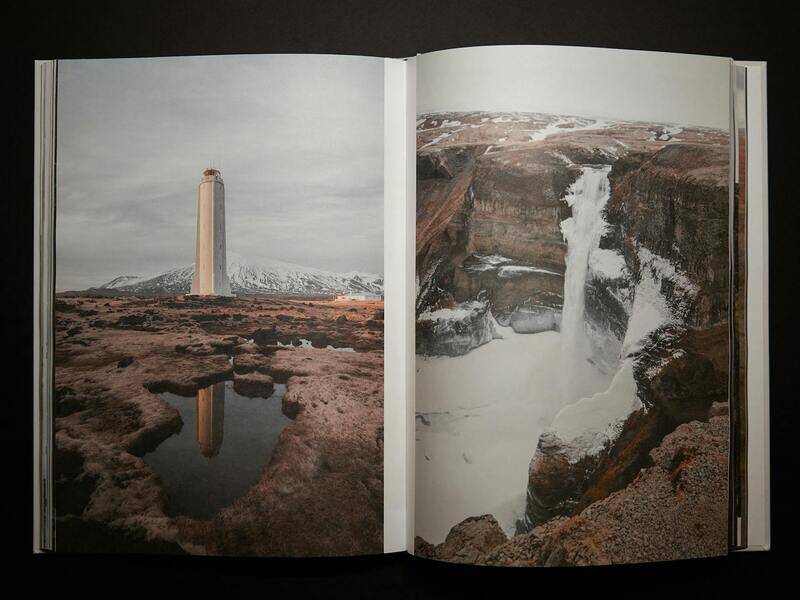
Selecting appropriate images for large wall prints requires careful consideration to ensure they resonate and maintain visual integrity at bigger sizes. Opt for photos with high resolution to prevent pixelation and loss of detail when enlarged. Natural landscapes, cityscapes, and portraits tend to work exceptionally well, offering depth and emotional appeal. It's crucial to evaluate the composition of the image, ensuring it has a clear focal point and balanced visual elements to prevent cluttered or overly busy appearances. Additionally, consider the mood and color palette, coordinating with the room’s existing decor to create harmony. Black-and-white images or bold graphics can also be striking choices, particularly in modern interior settings. By choosing images that are meaningful and visually compelling, you enhance the impact of your large photo wall.
Materials and Printing Techniques
Material selection and printing methods significantly influence the appearance, durability, and overall quality of large photo prints for walls. Common materials include canvas, acrylic, metal, and fine art paper, each offering distinct aesthetic qualities and suitability for different environments:
- Canvas: Provides a textured, artistic appearance, ideal for creating a classic gallery feel. Canvas prints are stretchable, making them versatile for framing or display without glass.
- Acrylic: Offers a sleek, modern look with vibrant color reproduction and increased UV resistance, making it suitable for contemporary interiors.
- Metal: Delivers a glossy, high-impact finish with excellent longevity, perfect for vivid landscape or abstract art displays.
- Fine Art Paper: Used for more traditional or photographic styles, adding a touch of sophistication and depth.
Printing techniques such as dye sublimation, Giclée, and UV printing are employed to produce vibrant, durable images. Giclée printing, recognized for its rich color gamut and fine detail, is particularly popular for high-quality wall art. Each method has unique advantages, and selecting the appropriate one depends on factors like desired finish, longevity, and budget considerations.
Design and Composition Tips
Effective design and composition are vital to making a large photo print visually striking and balanced within a space. Consider the rule of thirds to position key elements at intersecting points, creating a dynamic and engaging layout. Avoid placing overly busy or cluttered images in large formats, as this can overwhelm the viewer. Instead, focus on images with strong composition, clear focal points, and ample negative space to allow the eye to rest and appreciate the details. Frame selection can accentuate the image’s focal areas or complement the surrounding decor. Additionally, grouping multiple large prints with complementary themes or color schemes can produce a cohesive gallery wall that enhances the room’s aesthetic.
Color and Resolution Considerations
Choosing the right colors and ensuring sufficient resolution are fundamental aspects of creating impactful large photo wall displays. Bright, saturated colors can energize a room, while subtle, muted tones create a calming atmosphere. Carefully analyze your original image’s color profile and make necessary adjustments to match your desired ambiance. For resolution, aim for at least 150-300 DPI (dots per inch) at the final print size; however, this may vary depending on viewing distance. As enlargements require lower pixel density without sacrificing quality, professional printing services often have specific guidelines to optimize image files. Utilizing programs to enhance resolution or reduce noise can also improve clarity. Proper calibration of your images ensures that colors remain true and sharpness is maintained, ultimately resulting in a striking, clear, and enduring wall display.
Understanding Large Photo Prints for Walls
Creating large photo prints for walls transforms your living or working space into a visual showcase that reflects your personality, interests, or artistic appreciation. These prints serve as focal points and conversation starters, providing an immersive experience when artfully displayed. The process involves selecting the appropriate images, understanding the technical requirements, and choosing the right materials and placement strategies to ensure that the prints remain vivid and impactful over time.
High-quality large photo prints are achieved through meticulous planning and execution, guaranteeing that every detail from the original image is preserved and enhanced. This level of quality is essential for making an aesthetic statement, whether in a gallery, corporate environment, or personal residence. Proper knowledge about the printing process, materials, and care routines ensures your wall art maintains its brilliance and integrity for years to come.
Choosing the Right Photos for Wall Prints
Selecting the ideal images requires consideration of several factors that contribute to visual harmony and technical quality. The chosen photo should have a compelling composition, focal points, and color harmony suited to the environment. High-resolution images are necessary to prevent pixelation when enlarged, so sourcing images from professional-grade cameras or high-quality digital files is recommended.
When selecting photos for large prints, consider the overall theme or mood you wish to convey. For living rooms, panoramic landscapes or abstract art can evoke a sense of openness and tranquility. In corporate settings, sleek imagery or branding visuals reinforce professionalism. Personal collections, such as family portraits or travel memories, add warmth and character to domestic spaces.
- Determine the desired atmosphere or theme of the space.
- Ensure image resolution meets the minimum requirements for enlargement.
- Opt for images with strong composition and focal points.
- Maintain color consistency with the room’s decor.
Careful selection of images aligned with these guidelines ensures that your large photo prints will be both striking and harmonious within their environment.
Materials and Printing Techniques
The choice of materials and printing techniques significantly influences the durability and appearance of large wall prints. Standard options include glossy, matte, or satin finishes, each offering unique aesthetic qualities. Glossy finishes deliver vibrant colors and sharp detail but can reflect light, while matte options reduce glare and provide a more subdued look. Satin finishes strike a balance between the two, offering richness without the unwanted reflections.
Advanced printing techniques, such as dye-sublimation or UV printing, enhance color durability and resistance to fading. Canvas printing provides a textured appearance that lends a contemporary or classic feel, depending on the framing. Vinyl and acrylic prints are popular for their robustness and sleek presentation, suitable for both indoor and outdoor locations.
Investing in high-quality materials and printing methods ensures longevity and minimizes issues like color fading or material warping, maintaining visual integrity over time.
Design and Composition Tips
Effective design principles elevate large photo prints, making them focal points within any space. Symmetry and balance are crucial; for instance, aligning focal points with key areas of the wall creates harmony. Consider integrating negative space around the image to prevent the composition from feeling crowded, which allows viewers to appreciate the visual details fully.
Framing plays a pivotal role in enhancing visual impact. Thin, modern frames complement contemporary artwork, while ornate frames can lend a classic touch. The choice depends on the overall interior aesthetics. When grouping multiple large prints, ensure a consistent theme or color palette to establish cohesion. Spacing between individual pieces should be thoughtfully calculated to maintain visual flow and avoid clutter.
- Prioritize focal points to draw the eye.
- Utilize negative space to enhance visual clarity.
- Choose framing that complements the artwork and decor.
- Create thematic groupings for gallery walls.
These strategic design considerations help translate your wall space into a curated visual experience that highlights your personality or brand identity effectively.
Color and Resolution Considerations
Color accuracy and image resolution are fundamental to producing stunning large photo prints that captivate viewers. Bright, saturated hues can invigorate a space, while subdued tones evoke calmness and serenity. Before printing, adjust color profiles to match the intended ambiance, and utilize calibration tools to ensure consistency across devices.
Achieving crisp details relies heavily on sufficient resolution. For large prints, a minimum of 150 DPI at the final print size is recommended; however, factors such as viewing distance may influence this requirement. Distant viewing allows for slightly lower resolution without compromising perceived quality, whereas close-up displays demand higher resolution to maintain clarity.
Image enhancement software can improve resolution, reduce noise, and correct color discrepancies, resulting in vibrant, sharp prints. Consistent calibration of your monitor and proper file preparation aligned with the printer’s specifications are essential steps for optimal output quality.
Placement and Installation
Strategic placement of large photo prints ensures they act as focal points and integrate seamlessly with your interior design. Consider the room’s natural lighting, wall color, and existing furnishings when choosing the location. For example, placing prints at eye level promotes engagement, while higher placements suit larger wall spaces or rooms with high ceilings.
Proper installation involves securely mounting the print to prevent shifting or damage. Use appropriate hardware such as heavy-duty hooks, brackets, or anchoring systems, especially for large or heavy materials like canvas or acrylic. Adequate spacing and alignment during installation maintain visual harmony, particularly when grouping multiple pieces.
Lighting also plays a crucial role; accent lighting or picture lights can highlight your prints, adding depth and emphasis. Avoid placement in areas prone to moisture or direct sunlight to preserve color vibrancy and prevent deterioration.
Cost Factors and Budgeting
The final cost of large photo prints depends on various elements, including the size dimensions, material choices, printing technology, and framing options. Larger sizes inherently cost more due to increased material use and print complexity. Premium materials such as canvas or acrylic can elevate the appearance but also contribute to higher expenses.
Additional costs may include professional framing, mounting hardware, and installation services. Budgeting accordingly involves balancing quality with financial considerations, ensuring you invest in durable, high-quality materials that guarantee longevity.
For optimal results, requesting quotes from reputable printing providers that detail the specifications and service inclusions helps to manage expectations. Planning for maintenance costs, such as periodic cleaning or protective coatings, can also be part of your long-term budget considerations.