Understanding Huge Photo Prints
Huge photo prints are impactful visual displays that span significantly larger dimensions than standard photographs. These prints are characterized by their large-scale size, often exceeding 24 inches in width or height, and are commonly used to create striking visual statements in various settings. They serve as focal points in commercial environments, including retail displays, corporate lobbies, and exhibition halls, as well as in personal spaces such as home galleries and event venues.
In the realm of advertising and marketing, huge photo prints are instrumental in capturing attention and conveying messages with visual authority. They enable brands and businesses to showcase their products and services on grand scales, creating immersive experiences for viewers. In the artistic and creative industries, large-format photographs are utilized to tell compelling stories or evoke strong emotional responses, often displayed in galleries, museums, and public art installations.
Large photo prints also have practical applications in architectural and interior design. They are used to enhance spaces by incorporating panoramic views or thematic visuals that complement interior aesthetics. Furthermore, event organizers frequently employ giant printed photos for backdrops, banners, and promotional displays, amplifying visual impact and visibility.
Achieving high-quality large-scale prints requires careful selection of materials, advanced printing technologies, and meticulous attention to detail in design and production processes. When executed correctly, huge photo prints serve not just as images but as powerful visual anchors that elevate the environment and communicate messages effectively.
Materials and Substrates for Large-Scale Prints
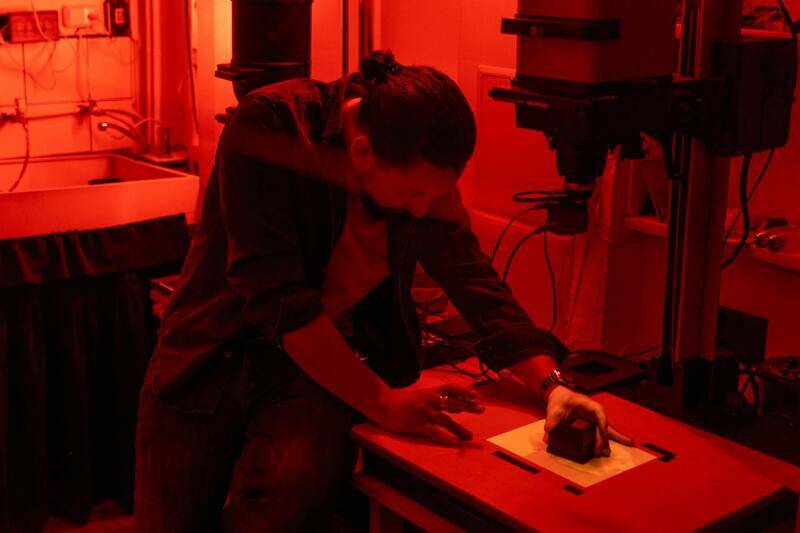
Choosing the right materials and substrates is fundamental in producing high-quality huge photo prints that are both visually striking and durable over time. Different surfaces and finishes serve specific purposes, depending on the environment in which the print will be displayed and the desired aesthetic outcome.
Among the most popular materials for large photo prints are vinyl, fabric, and rigid substrates such as aluminum or foam board. Vinyl banners are flexible and weather-resistant, making them ideal for outdoor displays or installation in environments exposed to elements. Their lightweight nature also facilitates easier installation on various surfaces.
Fabric options, such as canvas or polyester, offer excellent presentation qualities with a matte finish that reduces glare and enhances color richness. They are often used in interior spaces, art galleries, or upscale exhibitions where visual quality is paramount.
Rigid substrates like aluminum, acrylic, or PVC boards provide a sturdy backing that maintains shape and form, making them perfect for detailed images that require sharpness and vibrant colors. These materials are resistant to warping and are suitable for both indoor and outdoor installations with proper finishing.
Finish Options and Their Impact
- Glossy finish: Enhances color vibrancy and contrast but can produce glare. Ideal for detailed imagery and vibrant landscapes.
- Matte finish: Reduces reflections, offering a more subdued appearance that is suitable for gallery settings where viewer comfort is a priority.
- Satin or semi-gloss: Balances the benefits of gloss and matte finishes, providing a soft sheen that enhances visuals without glare.
Selection of the appropriate substrate and finish is crucial for achieving the desired visual impact and longevity of the huge photo print. It is recommended to consult with professional printing services to determine the best combination tailored to specific display conditions and aesthetic goals.
Optimizing Printing Techniques for Large-Scale Photo Prints
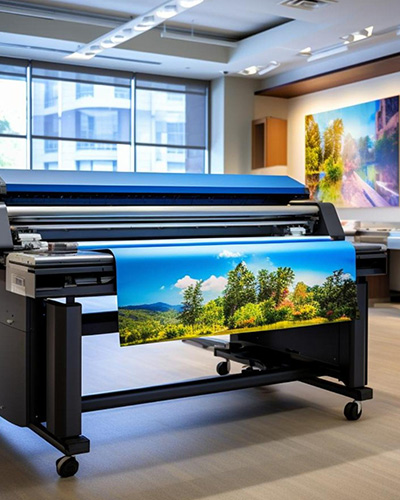
Producing high-quality huge photo prints requires selecting appropriate printing technologies that can deliver superior detail, color accuracy, and durability. Among the most effective methods for large-format images are inkjet printing, solvent printing, and dye sublimation, each offering specific advantages based on the application and substrate.
Inkjet Printing for Large Photos
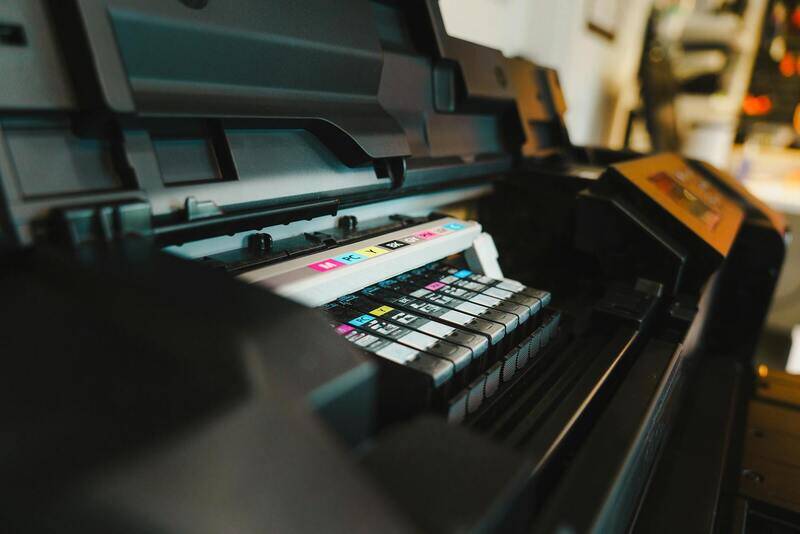
Inkjet technology remains the most prevalent choice for large photo prints due to its excellent ability to reproduce detailed images with vibrant colors. Modern wide-format inkjet printers utilize advanced piezoelectric or thermal printheads capable of dispensing millions of tiny droplets with precision, resulting in highly detailed images. When paired with high-quality archival inks, inkjet prints exhibit remarkable longevity and resistance to fading, making them ideal for professional displays, fine art, and commercial signage.
Solvent Printing for Durability
Solvent printing uses solvent-based inks that bond strongly to substrates, offering enhanced water, scratch, and weather resistance. This technique is particularly suited for outdoor large-scale prints like banners and billboards that need to withstand environmental conditions without deterioration. Solvent printers can produce vibrant colors and large-format images with high resolution, facilitating impactful outdoor visual communications.
Dye Sublimation for Vibrant, Durable Images
Dye sublimation printing involves transferring dye-based inks onto specially coated substrates, resulting in vivid, fade-resistant images. Although traditionally associated with fabric printing, advances have enabled sublimation on rigid surfaces such as aluminum, ceramic tiles, or specially coated panels. This process produces seamless, durable prints with excellent color richness, especially useful for artistic displays or high-end interior decoration.
Technical Considerations for Large-Scale Photo Output
When planning for large-format photo printing, various technical considerations should be addressed to ensure optimal results. These include resolution, color fidelity, and file preparation.
- Resolution: Ensuring your digital files have a high resolution—typically at least 150-300 DPI at the final print size—is essential for maintaining sharpness and detail in large prints.
- Color Fidelity: Accurate color reproduction begins with color management, which involves calibrated monitors, color profiles, and proper profiling of the printer and substrate to reflect the intended hues faithfully.
- File Preparation: Using the correct file formats, such as TIFF or high-quality JPEGs, coupled with proper layering and color profiles, helps prevent quality loss during printing.
Choosing an experienced printing service ensures these technical factors are managed properly, resulting in a flawless final product that meets high standards.
Ensuring Proper Handling and Installation of Large-Scale Photo Prints
Handling and installing huge photo prints requires meticulous care and precision to safeguard the quality of the print and to ensure a professional presentation. Given the size and fragility of these large-format images, employing specific techniques and equipment during transport, storage, and installation is crucial.
When transporting large photo prints, it is essential to use sturdy, protective packaging that prevents bending, creasing, or scratches. Rolls should be stored in wide, padded tubes to avoid pressure points that can distort the image or damage the surface. For mounted prints, utilize pallets or specialized carrying towers to facilitate safe movement, especially when navigating stairs or uneven surfaces.
During the installation process, precision tools like levelers, plumb lines, and laser alignment devices are indispensable. These tools help position the print accurately, ensuring it is perfectly straight and centered. Using appropriate mounting hardware tailored to the substrate—whether it’s adhesive mounts, standoff hardware, or framing—contributes significantly to a clean, professional appearance and long-term durability.

It is recommended that installation be performed or overseen by trained specialists who understand the nuances of large-format work. Such expertise minimizes risks of accidental damage and guarantees that the visual impact of the huge photo print is maximized. Regular maintenance, including gentle cleaning with soft, non-abrasive cloths and suitable cleaning solutions, helps preserve the vibrant colors and sharpness over time.
Ultimately, investing in professional handling and installation not only safeguards the integrity of large photo prints but also elevates the overall aesthetic appeal, making them a striking focal point in any space.
Proper Handling and Installation Techniques for Huge Photo Prints
When working with large-scale photo prints, meticulous handling and precise installation are crucial to preserving image quality and ensuring a professional presentation. Utilizing specialized equipment and adhering to best practices can greatly reduce risks associated with movement and mounting.
Advanced tools such as laser alignment systems, levelers, and plumb lines are indispensable during installation. These devices assist in achieving perfect alignment, ensuring that the photo is hung flat and centered, which enhances visual appeal and highlights the artwork's details. The choice of mounting hardware—whether adhesive mounts, standoff brackets, or custom framing—should be compatible with the substrate and intended display environment. Proper hardware ensures stability and a polished look, preventing warping or sagging over time.
Handling large prints demands careful planning, especially when moving them within a space. Supports such as padded carts, wide pallets, or custom-made carriers are essential to prevent bending, creasing, or surface scratches. During transportation, rolls should be stored in wide, padded tubes to avoid pressure points that could distort the image. When mounting, using appropriate tools and harnesses ensures even weight distribution, reducing the risk of damage.
Professional installers are trained to manage these complexities, employing techniques that safeguard both the visual quality and structural integrity of the print. They understand the nuances of different substrates and mounting options, ensuring that the installation process aligns with the specific needs of the artwork and environment.
Maintenance and Long-Term Care of Large Photo Prints
Once a huge photo print is successfully installed, ongoing maintenance extends its lifespan and preserves its vibrant appearance. Regular cleaning is recommended using soft, non-abrasive cloths and suitable cleaning solutions that do not damage the surface or compromise the colors. Avoiding harsh chemicals and excessive moisture helps prevent deterioration of the print surface.
Proper environmental controls, such as maintaining stable humidity and temperature levels, reduce the risk of warping, fading, or surface degradation. UV-filtering glass or acrylic coverings further protect the print from harmful light exposure, preserving color fidelity and sharpness over time.
Additional Tips for Ensuring Exceptional Display Results
- Always perform a detailed inspection before and after installation to catch and correct any damages or misalignments.
- Use quality hanging hardware designed specifically for large or heavy prints, ensuring secure fastening and level positioning.
- Coordinate with experienced professionals for complex installations, especially in public or high-traffic areas.
- Maintain digital backing-up of the original file to facilitate future reproductions or restorations if needed.
- Consider lighting conditions—using accent lighting or specialized displays can significantly enhance the visual impact of the print.
Handling and Installing Massive Photo Prints Safely and Effectively
Managing large-scale photo prints requires meticulous planning and careful handling techniques to safeguard the integrity of the artwork while achieving a professional presentation. Proper handling minimizes the risk of damage such as tearing, creasing, or surface scratches that can compromise the visual appeal of the final display. It begins with using suitable protective gear like gloves to prevent fingerprints and contamination, especially when dealing with glossy or delicate finishes. Additionally, employing large, sturdy support structures during transport prevents undue stress on the material.

Best Practices for Mounting and Framing
Effective mounting techniques are vital for achieving a flawless, professional look while maintaining the print’s durability. For large photo prints, especially those displayed indoors, mounting on foam boards or rigid backings provides stability without adding unnecessary weight. When framing, opt for custom-fit, high-quality materials that complement the artwork, ensuring the frame does not deform or exert uneven pressure on the print surface. Consider UV-protective glass or acrylic to shield the print from environmental damage and enhance longevity.
Step-by-Step Mounting Process
- Prepare a clean, dust-free workspace to prevent debris from contaminating the print surface.
- Align the print carefully on the mounting surface, ensuring correct positioning.
- Utilize gentle adhesives or mounting strips suited for large-format prints to fix the artwork securely without causing wrinkles or bubbles.
- Apply pressure evenly across the surface, using professional tools like rollers to flatten out any imperfections.
- Frame the mounted print with precision, aligning joints and securing fasteners properly, avoiding overtightening that might distort the print.
Secure Hanging and Display Solutions
Choosing the right hardware is essential for safe and aesthetically pleasing displays of huge photo prints. Heavy-duty hooks, rails, and anchors designed specifically for large, weighty items ensure stability and reduce the risk of accidents. Wall anchors should be positioned to distribute weight evenly, and the hanging system should accommodate adjustments to balance the artwork perfectly. For commercial or public installations, professional installation services guarantee that the setup meets safety standards and maintains visual clarity.
Transport and Handling Precautions
Transporting huge photo prints demands specialized packaging to prevent flexing, impacts, and environmental exposure. Use padded crates or custom foam enclosures that cushion the edges and surfaces. During transit, handle with care, avoiding sudden movements or stacking to preserve the integrity of the print. When loading or unloading, ensure a flat, stable surface and coordinate with trained personnel experienced in large-format artwork handling. Proper labeling indicating fragile or delicate contents enhances awareness and caution among handlers.
Maintenance and Preservation Post-Installation
Once installed, ongoing maintenance helps retain the quality and appearance of large photo prints. Regular dusting with clean, non-abrasive cloths prevents the buildup of dirt that can deteriorate the surface. Avoid placing prints in direct sunlight or near heat and moisture sources, which can accelerate fading or warping. Consider environmental controls like humidity regulation and the use of UV-filtering coatings or glass. These measures safeguard the print's vibrancy and structural integrity, ensuring the display remains striking over time.
Understanding Huge Photo Prints
Creating large-scale photo prints requires a comprehensive understanding of the process, from selecting suitable materials to employing advanced printing technologies. The goal is to produce vibrant, sharp images that retain their quality regardless of size. High-resolution images are essential; they ensure that enlargements do not compromise detail and clarity. When planning for huge photo prints, it’s crucial to consider the purpose of the display—whether for commercial advertising, art exhibition, or personal decor—as this influences choices regarding materials, finish, and mounting methods. Clarity in design and resolution becomes increasingly vital as the size increases, to avoid pixelation and loss of visual impact.
Materials and Substrates for Large-Scale Prints
The selection of materials plays a significant role in the durability and appearance of huge photo prints. Common substrates include:
- Vinyl Banner Material: Ideal for outdoor applications due to its resistance to weather elements and durability.
- Canvas: Offers a textured, artistic look suitable for gallery displays and interior decor.
- Acrylic Sheets: Provide a sleek, glossy finish that enhances color vibrancy and offers a modern aesthetic.
- Metal Panels: Used for high-end, industrial-style installations, featuring durability and a unique reflective quality.
Choosing the right substrate depends on the intended display environment, exposure to elements, and the desired visual effect. Proper surface preparation and coating can further enhance longevity, protect against UV damage, and prevent fading over time.
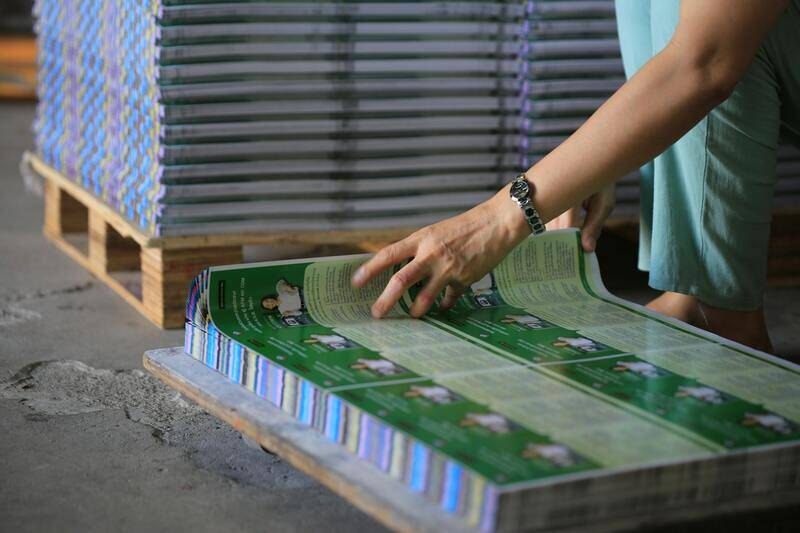
Printing Technologies for Large Photos
High-quality large-format printing relies on advanced technologies that enable precise color reproduction and sharp detail. Key methods include:
- Solvent and Eco-Solvent Printing: These technologies provide vibrant colors and water-resistant finishes suitable for outdoor use. They are fast and capable of printing on a variety of substrates.
- UV Printing: This method involves curing inks with ultraviolet light, resulting in highly durable, scratch-resistant images. UV printing allows for direct printing on non-traditional surfaces like glass and metal.
- Piezo Electric Inkjet Printing: Known for exceptional detail and color accuracy, this technology is often used in high-end gallery-grade prints and produces consistent results on different materials.
Choosing the appropriate printing technology depends on factors such as substrate compatibility, environmental durability requirements, and budget constraints. Professional printers configured for large-format outputs ensure high fidelity and color consistency across large surfaces.
Design and Resolution Considerations
Designing for large photo prints entails meticulous attention to resolution and file quality. A minimum of 150 dpi (dots per inch) is typically recommended for large displays to maintain visual sharpness when viewed from an average distance. For prints intended for close examination, a resolution of 300 dpi or higher is advisable. Additionally, the image file should be prepared in a color space such as Adobe RGB or sRGB to accurately reproduce colors during printing.
Scaling images appropriately is crucial. Until the final enlargement, avoid stretching or compressing images artificially, as this can compromise quality. Instead, utilize vector graphics for any text or graphic elements to ensure clarity at large sizes.
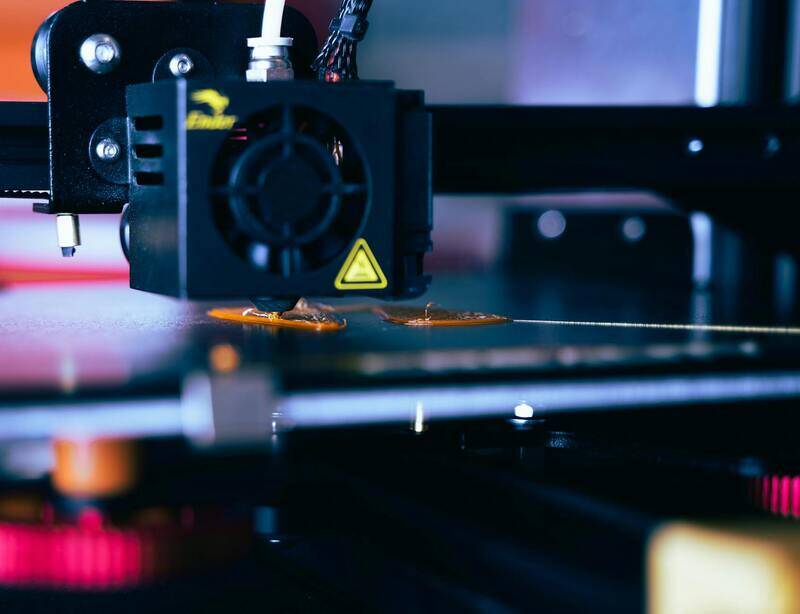
Color Management and Calibration
Achieving consistent color reproduction across large prints requires rigorous color management protocols. Calibration of monitors and printers ensures that the colors you see during the design process match the final output accurately. Use of professional color profiles tailored for specific printers and substrates aids in maintaining color fidelity.
Implementing soft proofing techniques allows designers to simulate how colors will appear after printing, helping to detect any deviations before production begins. Regular calibration of printing equipment, coupled with high-quality inks and coatings, prevents color drift over time, ensuring that each print matches expectation and maintains uniformity across batches.
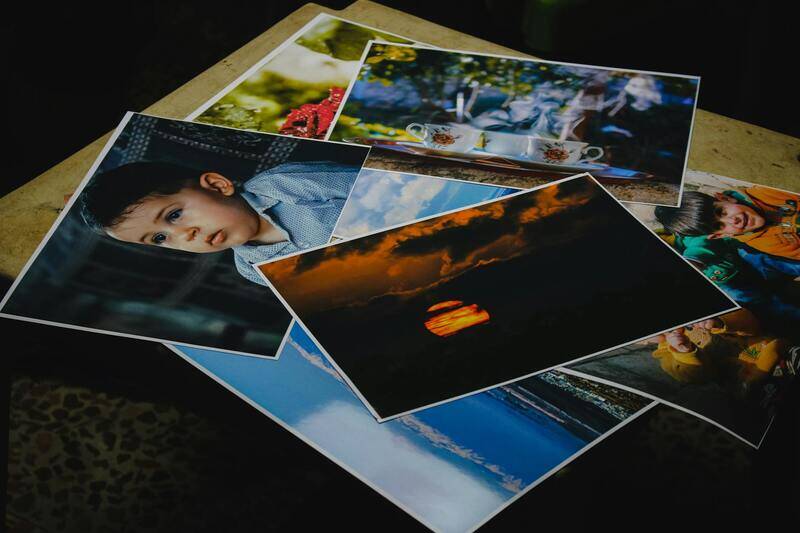
Understanding Huge Photo Prints
Creating massive photographic displays requires meticulous planning and an understanding of the printing process. Large photo prints serve as focal points in interior design, advertising, and artistic exhibitions, demanding not only visual impact but also durability and clarity. When producing such expansive images, the emphasis lies in balancing image quality with practical considerations such as materials, technology, and handling. The process starts with selecting high-resolution digital files that can be scaled without loss of detail. These files are prepared with careful attention to color accuracy, resolution, and composition, ensuring that the final print maintains authenticity and vibrancy at a large scale.
Materials and Substrates for Large-Scale Prints
The choice of substrate is crucial in determining the longevity, appearance, and application of big photo prints. Common materials include:
- Vinyl: Durable and weather-resistant, ideal for outdoor banners and signage.
- Canvas: Offers a textured, artistic feel suitable for interior decor and gallery exhibitions.
- Fine Art Paper: Provides a premium look with excellent color reproduction, often used for gallery-quality prints.
- Mesh Banners: Light and flexible, suitable for large outdoor advertising with wind resistance.
Each substrate may require specific inks and coatings to optimize color fidelity and protection against environmental damage. Choosing the right material depends on the intended display environment, lifespan requirements, and budget constraints.
Printing Technologies for Large Photos
Several advanced printing methods are available for producing high-quality massive images. These include:
- UV Printing: Utilizes ultraviolet light to cure inks instantly, resulting in vibrant colors and added durability. It’s especially suitable for rigid substrates such as glass, acrylic, and metal.
- Solvent and Eco-Solvent Printing: Known for their excellent adhesion and weather resistance, these are popular for outdoor banners, vehicle wraps, and large signage.
- Giclée Printing: A high-resolution inkjet process that offers exceptional detail and color accuracy, typically on fine art papers or canvases.
- Latex Printing: Provides flexible, vibrant prints that are suitable for a variety of media, including vinyl and fabric, with environmental benefits due to the use of water-based inks.
The selection of technology hinges on the desired quality, substrate compatibility, and environmental considerations. Professional print providers often combine multiple technologies to achieve optimal results tailored to specific projects.
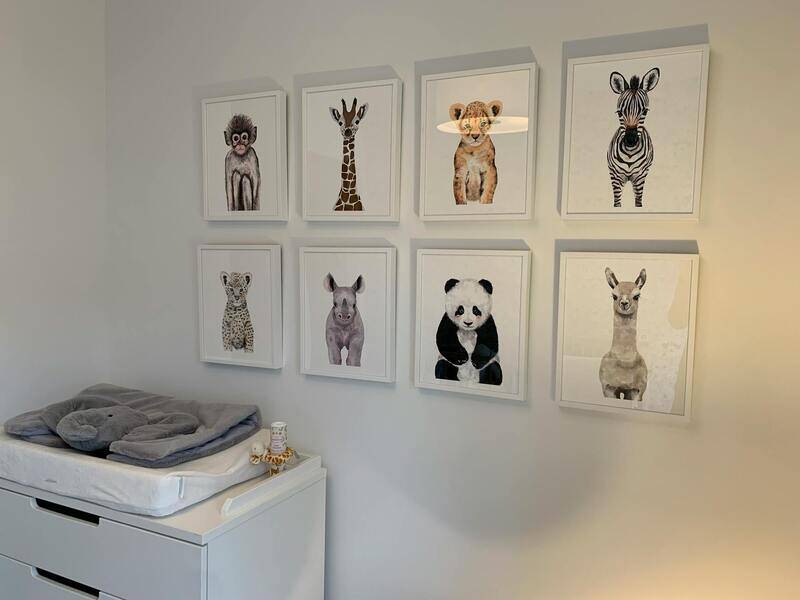
Design and Resolution Considerations
Effective design for huge photo prints necessitates a strategic approach to ensure clarity and visual impact. Key factors include:
- Image Resolution: Images should be prepared at a resolution appropriate for the print size. While 150 dpi can suffice for viewing from a distance, 300 dpi or higher is preferred for close inspection to preserve sharpness.
- File Format: Use non-compressed formats like TIFF or PSD to avoid quality degradation. Vector graphics are preferred for text and logos to maintain crispness at large sizes.
- Color Profile: Utilizing color spaces such as Adobe RGB or sRGB ensures consistent color reproduction across devices and media.
- Scaling and Cropping: Maintain aspect ratio consistency and avoid stretching images, which can distort the visual message. Design layouts should account for margins and bleed areas to prevent unintentional cropping.
Careful planning in the design stage mitigates potential issues during printing and installation, resulting in stunning, accurate large-scale visuals.
Color Management and Calibration
Simultaneously managing color fidelity from digital file to final print involves rigorous calibration protocols. Key practices include:
- Monitor Calibration: Regularly calibrating screens ensures that the visual cues used during design accurately reflect true colors.
- Printer Profiling: Implementing ICC profiles tailored for specific printer and substrate combinations guarantees consistent color output.
- Use of Soft Proofing: Simulating the printed appearance on calibrated monitors helps detect discrepancies before production, saving time and resources.
- Environmental Controls: Maintaining stable lighting and temperature conditions during the calibration and printing process prevents color variation caused by external factors.
Adherence to these practices ensures the final product's colors align closely with the designer’s intent, producing vibrant, true-to-life visuals.

Installation and Handling of Huge Photos
Proper handling and installation extend the lifespan and visual integrity of large photo prints. Key considerations include:
- Support Structures: Using structural framing such as aluminum rails or tension systems supports the weight and prevents sagging or warping.
- Environmental Protection: Applying UV coatings, laminates, or anti-fading treatments safeguards against UV damage, moisture, and physical abrasions.
- Handling Precautions: Wearing gloves and using appropriate equipment prevents fingerprints and tears. Ensuring clean, flat surfaces during installation minimizes wrinkles or creases.
- Professional Installation: Employing experienced installers with proper tools guarantees alignment, tensioning, and secure mounting, ensuring a polished appearance.
Proper strategies during installation not only enhance aesthetic appeal but also preserve the durability of the large print over time.
Cost Factors and Budgeting for Large Prints
Producing huge photo prints involves several cost considerations. These include:
- Material Costs: Premium substrates and high-quality inks elevate costs but ensure longevity and vibrancy.
- Print Size and Resolution: Larger sizes require more material and longer printing times, impacting expenses.
- Technology Used: Advanced printing methods like UV or latex printing may incur higher setup and operation costs.
- Post-Processing and Finishing: Laminating, framing, or mounting adds to the overall expense but enhances durability and presentation.
- Design and Preparation: Professional design, file preparation, and color calibration fees contribute to the final budget.
Understanding these components helps in accurately estimating and managing costs, ensuring the project aligns with financial expectations while maintaining quality standards.