Understanding Huge Picture Prints
Huge picture prints have become a prominent feature in contemporary interior décor, serving as striking focal points that elevate the aesthetic appeal of any space. These large-scale images, often measuring several meters in width and height, transform empty walls into dynamic visual displays that capture attention and evoke emotions. The versatility of huge picture prints allows them to be tailored to various environments, including corporate offices, residential homes, galleries, and commercial venues.
At their core, huge picture prints encompass a wide array of formats, from panoramic landscapes and artistic illustrations to custom photographs. The key characteristic that distinguishes them is their ability to produce a dramatic visual impact due to their size and clarity. This makes them ideal for making bold statements or creating immersive experiences within interior spaces. Their role extends beyond aesthetics; they also serve as conversation starters, reinforce brand identity in commercial settings, and infuse personality into otherwise plain walls.
To understand their significance, it is essential to consider their placement within a space, as the right choice of image and size can dramatically influence the ambiance and visual coherence. Properly executed, huge picture prints not only beautify an environment but also convey messages, evoke ambiance, and harmonize with existing décor themes. As more individuals and businesses recognize the power of visual storytelling, the demand for high-quality large-format prints continues to grow steadily.

Implementing huge picture prints requires careful planning and expertise, ensuring the final product aligns with the intended purpose and aesthetic. Whether used to create a serene landscape in a hotel lobby or a vibrant mural in a retail store, these prints redefine the spatial experience, making interior environments more engaging and memorable. For anyone considering the integration of such impactful visuals, understanding the attributes and potential of huge picture prints is the first step towards achieving an interior that speaks volumes through imagery.
Material and Finishing Options
When it comes to producing huge picture prints, selecting the appropriate materials and finishing techniques is crucial to achieving a durable, visually stunning result. The choice of material impacts the print’s lifespan, appearance, and suitability for specific environments, whether indoor or outdoor.
Popular materials for large-format prints include:
- Vinyl: Known for its durability and weather resistance, vinyl is ideal for outdoor displays, banners, and murals. It offers excellent color vibrancy and flexibility, making it suitable for curved surfaces.
- Canvas: Canvas prints provide a classic, textured appearance, lending a fine art feel to large images. They are often coated to prevent fading and are suitable for interior decoration.
- Photo Paper: High-quality photo papers can be used for wall-mounted prints inside buildings. They come in various finishes such as gloss, matte, or luster to match the desired aesthetic.
- Backlit Materials: For illuminated displays, materials like translucent vinyl or fabric enable light diffusion, rendering vibrant images even in low-light settings.
Finishing techniques enhance both the visual quality and the longevity of the prints. These include lamination, which protects against scratches and UV damage, and mounting options such as:
- Aluminum Frames: Offer a sleek, contemporary look and high stability, suitable for both indoor and outdoor installations.
- Wooden Frames: Provide a warm, classic border, ideal for gallery-style presentations.
- Floating Mounts: Create a modern, frameless effect that makes the print appear to float on the wall.
Design Considerations for Large Prints
Creating a visual impact with huge picture prints requires thoughtful design planning. It’s essential to consider how the image aligns with the surrounding environment, lighting, and overall interior aesthetic. When designing for large-scale prints, attention to detail ensures that the final product maintains clarity and vibrancy.
Factors affecting the design include:
- Image Composition: Large prints should have a balanced composition that captures the viewer’s attention without overwhelming the space. Elements should be scaled appropriately to maintain clarity when enlarged.
- Color Palette: Colors should be vibrant and consistent, working harmoniously with existing décor. Be mindful of how lighting affects perceived colors, especially in large displays.
- Viewing Distance: Consider the typical distance viewers will have from the print. Details may be simplified or exaggerated depending on how close audiences are expected to be.
- Theme and Message: Ensure the visual content aligns with the intended message, whether for branding, ambiance, or artistic expression.

Printing Technologies and Quality Assurance
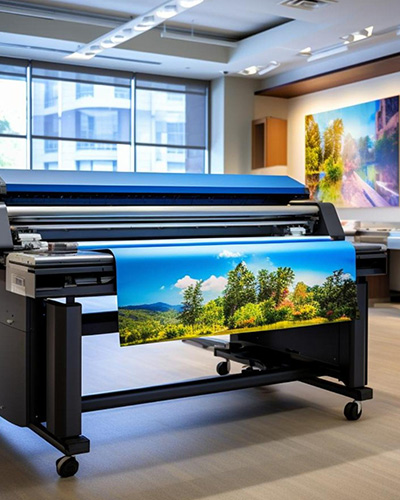
Achieving high-quality large-format prints hinges on advanced printing technologies. Industrial-grade printers utilize UV, solvent, or latex inks, each offering distinct benefits in terms of color vividness, durability, and environmental considerations. UV printing, in particular, is favored for its precision and resistance to fading, making it suitable for outdoor applications.
During the printing process, quality assurance measures include:
- Color calibration to ensure consistency across prints.
- Regular inspection of inkjet nozzles and printheads to prevent streaking or color discrepancies.
- Utilization of high-resolution files, tested for color accuracy and detail preservation.
- Proofing stages that allow clients to review and approve the color and layout before final production.
Material and Finishing Options
Choosing the right material is crucial for ensuring the durability and aesthetic appeal of large-format prints. Each substrate offers unique advantages, catering to different environments and visual objectives. Canvas is often used for artistic displays, providing a textured, gallery-like appearance that enhances visual depth. Acrylic prints bring a modern, sleek look with high clarity and vibrant color reproduction, making them suitable for sophisticated branding or decorative features. Vinyl remains a popular choice for both indoor and outdoor applications, especially in environments requiring flexibility and weather resistance.
Finishing touches significantly influence the longevity and overall presentation of huge picture prints. Laminations can add an extra layer of protection against scratches, UV exposure, and moisture, extending the lifespan of outdoor displays. Matte or gloss coatings are selected based on the desired visual effect; gloss finishes enhance color vibrancy and detail, while matte options reduce glare and reflections, ideal for installations where lighting conditions are variable. Additionally, edges can be reinforced with protective framing or mounting hardware, contributing to stability and ease of installation.

Advanced finishing techniques, including mounting options like plexiglass, aluminum, or wood backing, further customize the appearance while improving structural integrity. For outdoor signage, weatherproof coatings and heavy-duty mounting hardware are recommended to withstand environmental exposure. Custom finishes can also include textures or layered effects, elevating the visual impact and aligning with specific design themes.
Design Considerations for Large Prints
Effective design for huge picture prints requires careful planning to optimize visual impact across expansive surfaces. High-resolution imagery is fundamental, with a recommended minimum DPI (dots per inch) to maintain clarity when scaled up. Vector graphics and scalable illustrations are preferred for text and logos to prevent pixelation. Color schemes should be aligned with overall branding or thematic goals, ensuring colors remain consistent and vibrant at large scales.
Key design elements include clear focal points and balanced compositions that guide viewers' attention across the large display. Incorporating ample negative space helps prevent clutter, making the visual message more comprehensible from a distance. When designing, consider the viewing context—including lighting, surrounding environment, and viewer perspective—to optimize contrast and visibility. Modular design approaches can facilitate future updates or replacements of sections, especially in expansive installations.

Placement and Installation of Huge Prints
Proper placement and secure installation are essential for maximizing the impact and longevity of large-format prints. Urban environments, exhibition spaces, and corporate lobbies each present unique considerations related to visibility, safety, and environmental exposure. Positioning should optimize sightlines, ensuring the print is accessible and catches the eye from strategic vantage points. Height, angle, and lighting are important factors to consider during installation to enhance visual clarity and reduce glare or shadowing.
Structural support and mounting systems should be selected to match the size and weight of the print. Heavy-duty brackets, wall anchors, and frame reinforcements prevent shifts or damage over time. For outdoor installations, corrosion-resistant hardware and waterproof enclosures safeguard against weather elements. Professional installation teams employ precise measurement and alignment techniques to ensure the print is perfectly centered and secure, reducing risks of slippage or warping.
The integration of these elements creates a commanding visual presence that holds viewers' attention while ensuring safety and durability. Proper planning from material selection to installation techniques lays the foundation for an impressive, lasting display.
Material and Finishing Options
Choosing the appropriate materials for huge picture prints is vital to achieving the desired visual effect and ensuring durability. The selection depends on the intended environment, whether indoor or outdoor, and the specific aesthetic or functional requirements. Common substrate choices include vinyl, canvas, backlit film, fabric, and rigid materials like foam core or plexiglass.
Vinyl is highly versatile, suitable for large banners and outdoor signage due to its weather-resistant properties. Canvas provides a textured, artistic appearance ideal for interior decor and gallery displays. Backlit films are perfect for illuminated installations, creating vibrant and eye-catching visuals. Fabric materials offer a softer, premium look and are often used in temporary setups due to their lightweight nature. Rigid substrates such as foam board and acrylic provide stability and are suited for detailed, high-resolution images that need to be displayed prominently.
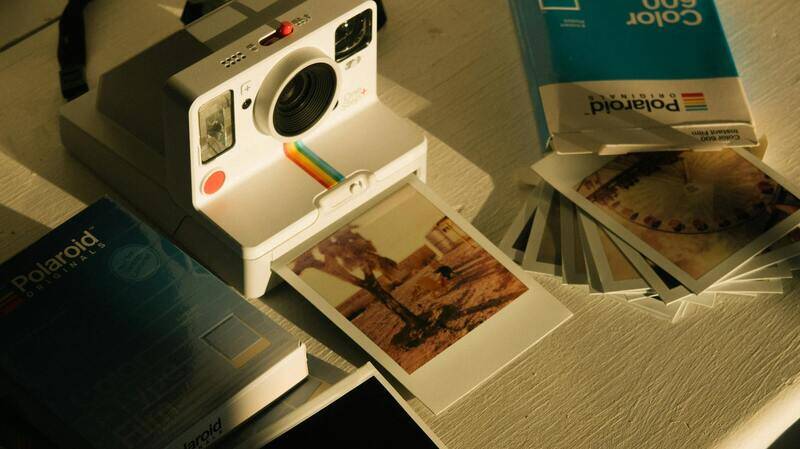
Finishing techniques also play a crucial role in enhancing the durability and presentation of huge picture prints. Laminating the print prolongs its life by providing a protective barrier against scratches, UV exposure, and moisture. Matte, gloss, and satin laminates offer different visual effects, with gloss enhancing vibrancy and matte reducing glare. Edging and hemming are often used for banners to prevent fraying and facilitate easier installation. Additionally, mounting options such as tension fabrics or framing can elevate the overall appearance, ensuring the print remains taut and free from warping.
Proper finishing not only safeguards the artwork but also amplifies the visual impact, ensuring the print maintains its vibrancy for years to come.
Placement and Installation of Huge Prints
Strategic placement is a fundamental aspect of maximizing the impact of huge picture prints. It involves careful consideration of sightlines, lighting, and contextual surroundings to enhance visibility and aesthetic harmony. For instance, in urban environments or high-traffic areas, positioning a large print at eye level or in prominent locations ensures that it captures attention effortlessly. Inside exhibition spaces or corporate lobbies, the placement should complement existing architectural features and architectural lighting to create a cohesive visual experience.
Installation techniques must be tailored to the specific environment and material chosen. For outdoor displays, weatherproof hardware, corrosion-resistant fasteners, and sealed enclosures are essential to withstand the elements. Indoor installations typically require secure wall mounting, often employing heavy-duty brackets, wall anchors, or specialized frames to distribute weight evenly and prevent shift or damage over time.
- Measurement and Planning: Precise measurements and planning guarantee correct placement, reducing risks of misalignment or uneven surfaces.
- Mounting Systems: Selection of appropriate mounting hardware, such as tension rods, framing, or adhesive solutions, depends on the weight and size of the print.
- Safety Considerations: Ensuring secure installation is crucial, particularly in public spaces, to avoid accidents and maintain long-term stability.
Procuring professional installation services is highly recommended to ensure that the process adheres to safety and quality standards. Skilled installers utilize specialized tools and techniques, including laser alignment and precise hardware installation, to achieve flawless results that highlight the print’s visual potential and ensure safety for viewers.

Placement and Installation of Huge Prints
Positioning large-scale prints requires a strategic approach that maximizes visual impact while ensuring safety and durability. Precise planning involves evaluating the surrounding environment, considering both indoor and outdoor factors, and selecting the most suitable location to enhance the artwork or messaging. For indoor spaces, ideal placement often involves high-traffic areas such as main lobbies, corridors, or feature walls where the print can be a focal point. Outdoor installations benefit from locations with high visibility, such as building facades, open plazas, or public transportation hubs.
When it comes to securing huge picture prints, proper mounting systems are critical. Heavy-duty brackets, tension cables, or specialized frameworks are typically employed to support the weight and size of the print. For indoor applications, wall anchors and reinforced frames provide stability and prevent shifting over time. Outdoor displays demand weather-resistant hardware, including corrosion-proof fasteners and sealed enclosures to resist environmental conditions like rain, wind, and sunlight.
Measuring and planning are essential steps in the placement process. Accurate measurements of the available space, combined with detailed site assessment, help determine the optimal size and orientation of the print. Using laser alignment tools during installation ensures precise positioning, which is vital for maintaining the visual integrity, especially for panoramic or symmetrical designs.
Installation safety cannot be overlooked, particularly for large displays in public or high-traffic areas. Employing professional installation services is strongly recommended to adhere to safety standards and prevent accidents. Skilled installers utilize specialized equipment and techniques, including laser guides and load-testing, to guarantee secure and flawless mounting. This level of expertise not only enhances the visual appeal but also prolongs the lifespan of the print by minimizing risks of damage or detachment.

In addition to choosing the right location, the installation process must consider accessibility for future maintenance and cleaning. Properly planned placement facilitates easy access, enabling routine upkeep that preserves the print’s visual clarity and structural integrity. Employing modular or removable mounting solutions can simplify this process, especially for large, heavy prints that may require periodic adjustments or replacements.
Ultimately, the combination of strategic placement, professional installation, and suitable hardware safeguards ensures that huge picture prints achieve maximum visual impact while remaining safe and durable over time. This comprehensive approach is key to transforming large-scale prints from temporary displays into lasting features that enhance the environment and communicate effectively to viewers.
Understanding Huge Picture Prints
Huge picture prints serve as impactful visual statements that can transform a space, whether for commercial advertising, corporate branding, or artistic display. These large-scale prints demand precision in production to ensure they meet the desired standards of clarity, vibrancy, and durability. When selecting a huge picture print, it is essential to consider aspects such as image resolution, color accuracy, and material durability. High-resolution images ensure crisp details when scaled up, preventing pixelation that can diminish visual appeal. Color calibration during the printing process guarantees that hues are vivid and true to the original design, which is crucial for branding and professional presentations. The significance of appropriate material choice becomes evident in how well the print withstands environmental factors such as sunlight, humidity, and physical handling. Common materials include PVC, vinyl, fabric, and acrylic Plexiglas, each offering unique benefits suited to various installation environments. Opting for the right backing and surface treatment can improve longevity and ease of maintenance, preserving the visual impact over years of display. For outdoor installations, weather-resistant materials are indispensable, providing a safeguard against UV damage, moisture, and temperature fluctuations.
Choosing the Right Image for Large-Scale Printing
High-quality source images form the foundation of visually stunning and professional huge picture prints. Prioritize images with high resolution and proper aspect ratio to prevent stretching or pixelation when enlarged. For photographic content, images should ideally have a resolution of at least 150 DPI at the final printed size. Vector graphics are preferable for logos or designs requiring sharp edges, as they can be scaled infinitely without loss of quality.
When selecting an image, consider the intended viewing distance; larger prints viewed from afar can afford lower resolutions without compromising visual quality. Conversely, images intended for close-up inspection require meticulous attention to detail and high resolution. Color profiles should be adjusted for printing to ensure vibrancy and fidelity, and image retouching may be necessary to correct imperfections or enhance visual impact.
Material and Finishing Options
The selection of materials and finishing techniques directly influences the aesthetic appeal and durability of huge picture prints. For indoor displays, lightweight materials such as fabric banners or vinyl sheets are popular, providing ease of installation and a sleek appearance. These can be finished with matte, gloss, or satin coatings, each offering different visual effects and light reflection qualities.
For outdoor or high-traffic areas, more robust materials like weatherproof vinyl, coroplast, or aluminum composite panels are preferable. These materials resist environmental elements and maintain structural integrity over time. Finishing touches, such as lamination or protective coatings, add an extra layer of defense against scratches, UV damage, and chemical exposure, thereby extending the lifespan of the print.
Additionally, edges can be reinforced with grommets, hems, or magnetic strips to facilitate secure mounting and prevent fraying. The choice of finishing should align with both aesthetic goals and the specific environmental demands of the installation site.

Design Considerations for Large Prints
Designing for large-scale printing requires a keen understanding of scale, composition, and visual hierarchy. Elements should be bold and easily distinguishable to retain clarity when viewed from various distances. Text, if included, must be legible without straining, often necessitating larger fonts and high-contrast color schemes. The use of negative space can prevent the design from becoming cluttered, ensuring each element stands out effectively. Simplified imagery and minimalistic layouts often translate better onto large surfaces, conveying messages quickly and clearly. Furthermore, consider how lighting will interact with the print; positioning can enhance visual impact, emphasizing focal points or creating visual flow. Technical aspects such as bleed margins and safe zones must be incorporated during the design process to prevent important content from being cut off or obscured during installation. The coordination between design and material choices ensures that the final product aligns with the desired visual and functional objectives.
Printing Technologies and Quality Assurance
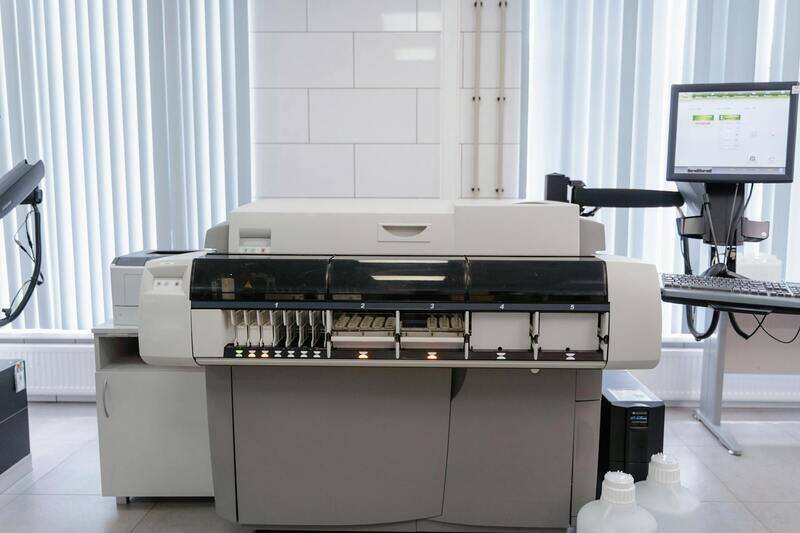
Accurate reproduction of images on a large scale hinges on the selection of advanced printing technologies. Inkjet digital printing is the dominant method for producing huge picture prints, offering high resolution, color fidelity, and versatility across various materials. Wide-format inkjet printers utilize multiple color cartridges, including light variants to achieve smooth gradations and nuanced color blending. Dye sublimation is another technique suitable for fabric-based prints, providing vibrant colors and excellent durability. UV-curable printing is favored for rigid surfaces like acrylic and metal, as it allows direct printing with quick curing times and high precision. Quality assurance involves rigorous inspection protocols, including color calibration, resolution checks, and physical testing of sample prints. Consistency in color matching across batches ensures uniformity for large projects comprising multiple panels or sections. Post-print finishing processes, such as lamination or edge sealing, are employed to protect against environmental and handling-related damages. Employing state-of-the-art printing solutions coupled with thorough quality checks guarantees that large-format prints meet professional standards, delivering visually striking results intended to last and captivate viewers.
Understanding Huge Picture Prints
Creating impressive large-scale prints requires a comprehensive grasp of the technical and aesthetic elements involved. The choice of image resolution, color profile, and overall composition must align with the size of the final print. High-resolution images are essential to ensure clarity and detail, especially since enlarging a digital image can often lead to pixelation or blurriness if not properly prepared. Additionally, considerations like the aspect ratio and visual impact must be evaluated to produce an eye-catching piece that maintains integrity at large dimensions.
Choosing the Right Image for Large-Scale Printing
The foundation of a striking huge picture print lies in selecting images with sufficient resolution and clarity. Digital images intended for large-format printing should ideally have a resolution of at least 150 DPI at the final print size; however, 300 DPI is preferable for detailed visual requirements. Elements such as sharpness, contrast, and color richness play a vital role in ensuring the print creates the desired impact.
It's also important to consider the subject matter and composition of the image. Bold, high-contrast images tend to produce compelling visuals at large scales, while overly intricate or busy images may become less effective when scaled up. Purpose-driven selection aligned with the intent of display—whether for decorative, branding, or informational purposes—guides the choice toward images that resonate with viewers and enhance the environment.
Material and Finishing Options
The selection of suitable materials is fundamental to the durability and aesthetic appeal of huge picture prints. Common options include vinyl, fabric, acrylic, and metal, each offering unique qualities tailored to different settings and uses. Vinyl and fabric are flexible, lightweight, and excellent for wall coverings or banners, while acrylic and metal provide rigidity, a modern aesthetic, and increased longevity for outdoor or high-traffic areas.
Finishing techniques such as laminating, edge sealing, and mounting methods further enhance the longevity and visual quality of large prints. Lamination can protect against scratches, fading, and environmental damage, while mounting options—such as frame mounting or direct wall adhesion—affect the overall presentation and ease of installation.
Design Considerations for Large Prints
Designing for large-format printing involves careful consideration of layout, typography, and image placement to maximize visual impact. Key guidelines include ensuring sufficient negative space to prevent clutter, and optimizing the use of contrast to guide viewer focus. When incorporating text or logos, legibility at a distance is paramount—large fonts and clear spacing are essential elements.
Color harmony and consistency across the entire print are also crucial, requiring precise color management during the design process. Using grid systems or templates can assist in aligning elements perfectly, while previewing the print at actual size helps identify potential issues before production begins.
Printing Technologies and Quality Assurance
Employing advanced printing technologies ensures high-quality output for huge picture prints. Inkjet digital printing stands out as the preferred method, leveraging high-resolution nozzles and a broad color gamut to produce vibrant images with fine detail. Wide-format inkjet printers utilize multiple ink cartridges, often including light cyan, light magenta, and other shades, to achieve smooth gradations and realistic color reproduction.
For fabric-based prints, dye sublimation offers vivid coloration and excellent durability, often used in banners or soft signage. Rigid surface applications benefit from UV-curable printing, which allows direct printing onto materials like acrylic, metal, or coated substrates with quick curing times and precision.
To maintain consistency and quality, rigorous inspection protocols should be implemented. These include calibration of color profiles, resolution checks, and physical validation of sample prints. Post-processing steps like lamination or edge sealing not only enhance aesthetics but also serve to protect the image from environmental factors and handling damage.
Placement and Installation of Huge Prints
Proper placement and installation are critical to maximize the impact of large-format prints. Selecting a suitable location involves assessing lighting conditions, viewing distance, and the surrounding environment. For indoor displays, wall-mounting or suspended installation options can highlight the visual without crowding the space. Outdoor displays require weather-resistant materials and secure mounting systems to withstand environmental elements.
Ensuring precise alignment during installation avoids distortion or sagging, which can compromise the visual integrity. Employing professional installers with experience in large-format applications provides peace of mind, as they are skilled at handling oversized panels and ensuring they are securely anchored and visually optimized.

Optimizing How Huge Picture Prints Are Used
Maximizing the visual impact of large-format images involves strategic placement and thoughtful integration into the surrounding environment. Careful consideration of the viewing angle, ambient lighting, and the physical space ensures that the print commands attention and communicates your message effectively. For indoor environments, installing the print at eye level or slightly above can enhance visibility and engagement. When used outdoors, positioning the print to face major foot traffic pathways or prominent landmarks guarantees higher exposure. Additionally, choosing locations with controlled lighting or adding external lighting solutions can further elevate the visual clarity and nighttime appeal of large images.
Implementing proper mounting techniques is paramount to safeguarding the integrity of huge picture prints. This involves selecting suitable fixtures that align with the weight and material of the print, whether it is wall-mounted, suspended, or framed. Professionals skilled in large-format installation utilize precision tools to ensure alignment, avoiding distortions or sagging that can diminish the aesthetic quality. The choice of mounting hardware—be it heavy-duty brackets, cable suspensions, or adhesive mounts—must correspond with environmental factors and the surface characteristics of the installation site. These measures prevent damage over time and maintain a pristine appearance, even after prolonged exposure to environmental conditions.

To preserve the vibrancy and clarity of the image, ongoing maintenance is essential. Regular cleaning with appropriate materials—avoiding abrasive or chemically harsh substances—helps prevent the buildup of dust, dirt, and environmental pollutants. For outdoor installations, periodic inspection for weather-related damages or wear ensures the print remains resilient. Protective coatings or lamination layers can further extend the lifespan by shielding against UV rays, moisture, and abrasions. When managed properly, these steps guarantee that the large picture print continues to captivate viewers and effectively conveys the intended message over time.
Investing in professional installation and maintenance services preserves the durability and visual impact of huge picture prints. This approach not only enhances aesthetic appeal but also ensures safety and longevity, making your large-scale visual communication a lasting impression for your audience.