Overview of Business Card Design Principles
Creating an effective business card requires a strategic approach to design that balances visual appeal with clear communication. At its core, professional business card design hinges on understanding fundamental principles such as layout, typography, and color schemes. These elements work harmoniously to convey the brand’s identity and make a memorable impression on recipients.
Effective layout involves organizing information in a way that is both aesthetically pleasing and easy to read. A well-structured design guides the viewer’s eye through essential details like names, titles, contact information, and company branding without overwhelming the viewer. Incorporating sufficient white space is crucial as it enhances readability and gives the card a clean, uncluttered appearance.
Typography choices are paramount in ensuring that information is accessible and professional. Selecting legible fonts that reflect the brand’s personality, combining different font sizes, and ensuring consistent spacing contribute to overall clarity. Color schemes should complement the brand identity, utilizing contrasts that enhance visibility and evoke the desired emotional response.
Moreover, the principles of repetition, alignment, and proximity help in creating a cohesive and polished appearance. Repetition of design elements fosters brand recognition, while proper alignment ensures all elements are visually connected, making the information easier to follow. Proximity groups related information together, supporting a logical flow and reducing confusion.
In addition to these core principles, designers should consider how the business card’s style reflects the industry and target audience. A creative, bold layout might suit a design firm, whereas a more understated and elegant approach may be preferred in the legal or financial sectors. Understanding the context and purpose behind the card helps shape an effective design that strengthens professional relationships.
Overall, a thoughtfully crafted business card stands as an extension of the brand, combining aesthetic appeal with functional clarity. By adhering to these basic principles, businesses can produce cards that not only look professional but also serve as effective tools for networking and brand promotion.
Selecting the Right Material and Finish
Choosing the appropriate material and finishing options for business cards is a critical step in creating a durable and visually appealing design. The material forms the foundation, directly influencing the card’s tactile feel, longevity, and overall presentation. Standard choices include thick cardstock, which offers sturdiness and a premium impression, as well as specialty papers with textures or unique finishes that can elevate the card’s aesthetic appeal. For instance, uncoated or matte textures provide a subdued, elegant touch, perfect for professional and conservative industries. Conversely, gloss finishes accentuate vibrant colors and sharp details, making images and logos stand out vividly.

In addition to the base material, finishes such as matte, gloss, soft touch, or textured options can add a distinctive tactile experience. Matte finishes are popular for their subdued elegance, reducing glare and fingerprints, well-suited to luxury brands or formal corporate environments. Gloss finishes amplify color brilliance and sharpness, enhancing photographic elements and logos, ideal for creative industries. Textured finishes, like linen or embossed surfaces, lend a tactile depth that can differentiate a brand in crowded markets by providing a memorable sensory impression.
Specialty coatings such as UV coating or spot UV can further enhance specific areas of the design, adding a touch of luxury or highlighting vital contact information. Embossing or debossing patterns and logos offers a three-dimensional aspect, increasing visual interest and tactile engagement. For businesses aiming to make a lasting impression, combining these treatments with creative design elements ensures the card communicates quality and attention to detail, resonating with the target audience.
Considerations for Durability and Practical Usage
Beyond aesthetics, selecting sturdy materials and appropriate finishes ensures the card withstands daily handling. Thick, high-quality paper resists bending and creases, maintaining a pristine appearance over time. For outdoor use or environments where cards might be exposed to elements, water-resistant or laminated options protect the print and surface. It is essential to balance visual appeal with practical durability to uphold brand professionalism at every touchpoint.
Careful consideration of environmental factors also plays a role in material selection. Eco-friendly options, such as recycled paper and soy-based inks, support sustainability goals without compromising quality. As awareness about environmental impact grows, incorporating sustainable materials can strengthen a brand’s commitment to responsible practices, further enhancing its reputation among conscientious clients and partners.
Visual Representation of Material Selection

Overview of Business Card Design Principles
Designing effective business cards involves a strategic balance of visual appeal, clear communication, and functional practicality. High-quality business card design not only captures attention but also leaves a memorable impression on recipients. To achieve this, it is essential to understand core principles such as clarity, hierarchy, consistency, and originality.
Clarity ensures that important contact information is easily readable and accessible at a glance. Hierarchy guides the viewer’s eye through the most critical elements—from the company logo and name to individual contact details—using thoughtful placement, size, and contrast. Consistency with brand identity—through aligned colors, fonts, and logos—fortifies the company’s visual presence and fosters recognition across various touchpoints. Originality, meanwhile, involves incorporating unique design features or creative layouts that distinguish your business card from competitors.
Another fundamental aspect is the balance between aesthetics and functionality. A visually striking card must also be practical, resilient, and easy to handle. Material choice and finishing touches play pivotal roles in delivering a design that withstands daily use and maintains visual integrity over time. The integration of these principles ensures that every aspect of the business card aligns with the overall branding strategy, reinforcing professionalism and credibility.

Selecting the Right Material and Finish
Choosing appropriate materials and finishes is crucial in translating a design concept into a tangible, durable product. The material sets the foundation for the card’s look, feel, and longevity. Standard options like high-quality cardstock are favored for their balance of sturdiness and flexibility, ensuring the card resists bending and creasing during handling.
For businesses seeking a touch of luxury, premium materials such as linen, textured paper, or cardstock with embossed patterns add tactile sophistication. These materials not only elevate the visual quality but also encourage a physical connection that reinforces the brand's premium image. Finishes like matte, gloss, or soft-touch coatings further enhance the card’s aesthetic appeal and durability:
- Matte finish: Offers a subdued, elegant look that reduces glare and fingerprints, perfect for a professional appearance.
- Gloss finish: Provides vibrant color contrast and a shiny surface, ideal for colorful designs and images.
- Soft-touch finish: Adds a velvety feel that communicates luxury and comfort.
In addition to visual impact, consider protective options such as laminations or waterproof coatings. These treatments shield the card from environmental damage, ensuring that it remains in pristine condition over time, particularly for outdoor events or frequent exchanges. Eco-conscious choices, like recycled paper and soy-based inks, allow brands to project a sustainable image without sacrificing quality. These options appeal especially to environmentally aware clients and partners, aligning corporate responsibility with aesthetic excellence.

Design Elements That Make an Impact
Strategic placement of key elements on a business card significantly influences its effectiveness and memorability. The logo, being the visual cornerstone of brand identity, should be prominently positioned, typically in the top-left corner or centered, ensuring immediate recognition. Proper logo sizing guarantees visibility without overpowering other vital information. Whitespace, often underestimated, provides visual breathing room that enhances clarity and directs focus toward essential details. An uncluttered layout appears more professional and invites viewers to engage thoughtfully with the content.
Imagery can enrich the card’s message, particularly when related to the services or products offered. High-quality icons, subtle background patterns, or relevant graphics deepen visual interest while maintaining coherence with the overall branding strategy. Incorporating a compelling call-to-action (CTA), such as a QR code leading to a portfolio or website, can motivate recipients to take immediate steps toward engagement. When designing these elements, balance is crucial; each component should complement rather than compete within the confined space of the card.

Size, Shape, and Unique Formats
The conventional rectangular business card remains a standard choice, offering ease of handling and compatibility with cardholders and wallets. However, exploring custom sizes and shapes can set a brand apart. Square, circular, or rounded edges lend distinctive character that captures attention in crowded environments. Beyond traditional shapes, unique formats such as foldable cards, origami-inspired designs, or multi-panel layouts enable businesses to convey more information or showcase creative elements in a compact form.
Consider practicality alongside aesthetics; unconventional shapes should still adhere to standard printing methods and not compromise durability or ease of storage. Specialty die-cutting techniques can produce intricate or brand-specific contours that reinforce the company's identity. The goal is to create a tactile experience that aligns with the overall brand personality, whether it exudes professionalism, creativity, or innovation.
Typography and Readability
Typography plays a pivotal role in the legibility and visual appeal of business cards. Selecting fonts that reflect the brand’s character is essential—serif fonts convey tradition and trustworthiness, while sans-serif fonts communicate modernity and simplicity. Typeface choices should prioritize clarity, especially for contact details, titles, and disclaimers. Avoid overly decorative fonts that hinder reading, particularly at small sizes.
Effective use of hierarchy through size differentiation, bolding, or color highlights key information, guiding the viewer’s eye intuitively across the card. Consistent font pairing and alignment contribute to a cohesive look and enhance overall professionalism. Additionally, consider the contrast between text and background to ensure readability in various lighting conditions and on diverse materials. Proper spacing between lines and characters prevents clutter, giving the card a polished, approachable appearance.

Size, Shape, and Unique Formats
Choosing the right size and shape for your business card is a strategic decision that significantly influences its visual appeal and functionality. Standard dimensions, such as the traditional 3.5 x 2 inches, remain popular due to their compatibility with most wallets, cardholders, and standard printing processes. However, exploring unconventional formats can set your brand apart and create a memorable tactile experience for recipients.
In terms of shapes, beyond the classic rectangular form, options include rounded corners, elliptical, or custom die-cut designs. Rounded corners not only soften the overall appearance but also enhance durability by reducing wear and tear on edges. Custom die-cut shapes—such as circular, scalloped, or brand-specific contours—offer a creative edge that emphasizes uniqueness and reinforces your brand identity. Special formats like foldable or accordion-style cards can provide additional space for branding or detailed information while maintaining a compact footprint.

The choice of size and shape should align with your overall branding strategy and target audience preferences. For instance, luxury brands might opt for thicker, more substantial card sizes to convey premium quality, while tech startups might lean towards modern, minimalist shapes that reflect innovation. When considering unconventional formats, it’s essential to consult with professional printing service providers to ensure compatibility with manufacturing processes and to achieve desired quality outcomes.
Design Elements That Make an Impact
Choosing the right design elements is essential to craft a compelling business card that captures attention and effectively communicates your brand personality. A well-balanced combination of visuals and text ensures that the card is not only aesthetically pleasing but also functional. Incorporate high-quality images or icons that align with your industry and brand identity, ensuring they are crisp and relevant. Color schemes should complement your overall branding, utilizing contrasts that draw attention to critical information like your name and contact details while maintaining harmony with the card’s overall aesthetic.
Effective use of white space is crucial, as it prevents clutter and helps important details stand out. Strategic placement of elements such as logos, slogans, and contact information facilitates logical flow and ease of reading. Avoid overcrowding; instead, aim for a clean design that highlights key points without overwhelming the viewer. Additionally, integrating subtle design motifs—such as lines, patterns, or embossed effects—can add depth and tactile interest, reinforcing the professionalism of your brand.

Emphasize consistency by using your brand’s visual language, including colors, typography, and imagery, across all printed materials. This approach not only solidifies brand recognition but also fosters trust and credibility with clients and partners. When designing business cards, select elements that reflect your unique selling points—whether sleek minimalism for a modern tech firm or intricate patterns for a luxury boutique—to create a strong, memorable impression that resonates with your target audience.
Advanced Strategies for Effective Business Card Design
Incorporating Official and Proven Methods
When developing a business card that stands out while aligning with established standards, selecting appropriate design techniques and materials is vital. Use high-resolution visuals and precise typography to communicate professionalism. Opt for durable materials like thick cardstock, which not only enhances durability but also conveys a sense of quality. Finish choices such as matte, gloss, or soft-touch coatings can significantly influence the tactile experience, subtly reinforcing your brand’s message. Matte finishes often evoke elegance and sophistication, while gloss coatings can make colors more vibrant and eye-catching. For a more distinctive appearance, consider embossed or debossed elements that add depth and texture, making key information feel tangible and memorable.

Furthermore, adherence to official standards involves proper alignment and spacing, ensuring all elements are clear and well-organized. Consistency in the use of fonts, colors, and imagery across all copies is essential to maintain a unified brand identity. Use templates from reputable sources or industry-standard guidelines to help maintain professional layouts and avoid common pitfalls such as overcrowding or misaligned elements.
Security and Verification in Business Card Printing
To guarantee authenticity and protect your brand's reputation, consider incorporating security features available through reputable printing vendors. These include watermarks, microtext, or specialized inks that are difficult to duplicate. Such features can prevent counterfeiting and provide verification at a glance, especially for high-value clients or sensitive industries. Working with certified printers ensures these elements are integrated seamlessly without compromising the overall design integrity or print quality.

Ensuring Quality and Consistency in Production
Official printing methods involve rigorous quality control measures throughout the production process. This guarantees that colors remain true to the original design, edges are perfectly cut, and finishes are uniform across batches. Request samples prior to bulk printing to verify that the selected materials and coatings meet your expectations. Regular communication with the printing partner, along with detailed specifications, minimizes errors and ensures every element, from font sizes to color codes, aligns with the intended design.
Maintaining a dedicated archive of approved designs and specifications facilitates future reprints, ensuring consistent branding over time. Additionally, choosing vendors with ISO certifications or equivalent industry-recognized standards guarantees adherence to best practices in print quality, environmental responsibility, and overall production excellence.
Comprehensive Approaches to Authentic and Secure Business Card Design
Utilizing Advanced Printing Techniques
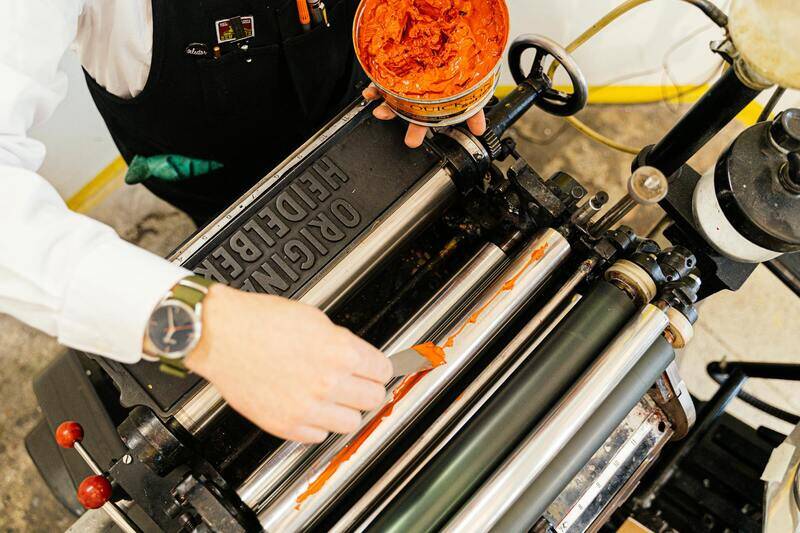
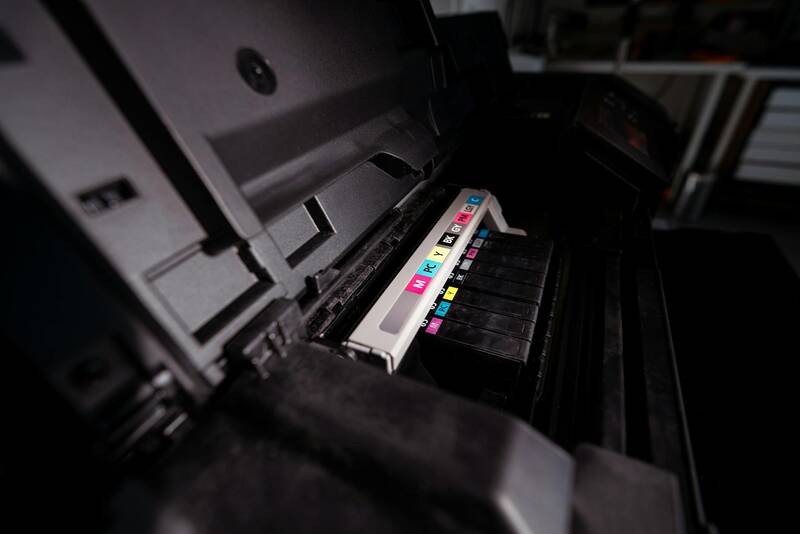
Employing official printing methods that incorporate state-of-the-art techniques can significantly elevate the authenticity and security of your business cards. Techniques such as embossing, debossing, foil stamping, and UV coating not only enhance the visual appeal but also add tactile elements that are difficult to replicate. These features contribute to the integrity of the card, providing a layer of verification and reinforcing brand professionalism. When working with certified printing vendors, ensure they use high-end presses and tactile finishing processes that are traceable and conform to industry standards. Such practices help in preventing unauthorized reproductions and ensure your cards reflect a high degree of authenticity.

Implementing Watermark and Microtext Features
Incorporating subtle security features such as watermarks or microtext within your business card design enhances both visual sophistication and verification capabilities. Watermark elements are embedded into the cardstock during the printing process, providing a layered defense against counterfeiting. Similarly, microtext—tiny, detailed fonts that appear as lines to the naked eye—can be used for important information or branding alongside decorative details. These elements are created using specialized equipment and precise printing standards, ensuring they are seamlessly integrated and easily distinguishable under magnification by authorized personnel. Properly implemented, they serve as discreet yet effective markers of legitimacy, especially valuable in high-stakes industries where authenticity is crucial.
Ensuring Consistency Through Certified Production Processes
Manufacturing business cards via only trusted, certified vendors guarantees adherence to strict quality control measures. These vendors follow standardized procedures, employing calibrated equipment capable of precisely reproducing colors, textures, and intricate features. Requesting pre-production samples allows you to verify the consistency of dye matches, finishing effects, and print clarity before proceeding with bulk orders. Keep thorough records of approved designs, including color codes and material specifications, to facilitate future reprints while maintaining brand consistency. Regular audits of production protocols and suppliers with recognized industry certifications provide ongoing assurance that every batch of cards meets established standards of quality and security.

Verification and Quality Assurance Measures
Implementing rigorous quality assurance protocols at every stage—from design approval to final inspection—is vital for producing official business cards. Visually inspect each batch for consistent alignment, color fidelity, and finishing quality. Use light tables or magnification tools to verify microtext, watermarks, and foil details. Establish clear criteria for defect tolerance, ensuring that cards with slight imperfections are identified and corrected before distribution. Partner with printing entities that are ISO-certified or adhere to recognized industry benchmarks, which indicates a commitment to environmentally responsible and high-standard production practices. Maintaining comprehensive records of quality checks and approvals not only guarantees current batch integrity but also serves as a reference for future quality management.
Advanced Printing and Security Partner Selection
Choosing experienced and reputable printing providers is essential for producing secure, official business cards. Confirm that your selected vendor employs certified printing presses, maintains rigorous quality assurance protocols, and utilizes secure handling and storage practices. It's important that they hold certifications such as ISO 9001 or similar, demonstrating their commitment to consistency, traceability, and overall excellence. Engaging with a provider familiar with security printing standards ensures your cards incorporate effective features without compromising design integrity. Transparent communication regarding your requirements and expectations promotes seamless collaboration, confirming that the final output aligns with your security standards and brand identity.