Benefits of Custom Business Cards
Custom business cards serve as a powerful tool in establishing and reinforcing a professional brand presence. They offer a tangible medium through which individuals and businesses can communicate their identity, values, and contact information succinctly and creatively. Unlike generic templates, custom cards provide the flexibility to tailor every aspect of the design, ensuring alignment with your company's branding guidelines and personal style.
One of the primary advantages of opting for custom business cards is their ability to create a memorable impression. Well-designed cards feature unique layouts, logos, and color schemes that stand out in a stack of standard cards, thereby enhancing brand recall. This visual differentiation helps to establish trust and credibility, making initial interactions more impactful.
Furthermore, custom cards improve networking efficiency. They facilitate quick and effective exchanges of contact details, reducing the need for digital or handwritten information that can often be incomplete or subject to misinterpretation. When crafted with professionalism and clarity, custom business cards serve as enduring representations of your brand, often leading to new opportunities and collaborations.
From a branding perspective, the ability to incorporate specific design elements—such as custom logos, fonts, and thematic visuals—ensures consistency across various marketing materials. This coherence reinforces brand recognition and promotes a unified corporate image, which is essential in competitive markets.
Another critical benefit is the personalization aspect. Businesses can select unique finishes, textures, and embellishments that align with their industry and client expectations. For instance, a luxury brand might opt for embossed finishes and high-quality cardstock, while a startup might choose bold colors and innovative shapes to signal creativity and modernity.
Overall, investing in custom business cards offers tangible advantages—from enhancing your brand visibility and professional appearance to streamlining networking encounters. The strategic design and printing choices made during the creation process ensure your cards serve as effective marketing tools that support your business goals and foster meaningful connections.
Materials and Finishes
Choosing the right material and finish for your custom business cards is crucial in projecting a professional image and ensuring durability. These selections not only influence the tactile experience but also impact how your brand is perceived.
Common cardstock options include standard matte, gloss, and silk finishes. Matte finishes offer a sophisticated, understated look with a non-reflective surface, ideal for minimalistic designs and writing. Gloss finishes, on the other hand, provide vibrant colors and sharp images, making them suitable for visually striking branding elements. Silk finishes combine the elegance of matte with a subtle sheen, offering a smooth, soft-touch feel that appeals to premium branding.

For added impact, finishing touches such as lamination, UV coating, or soft-touch coatings can be applied. Lamination provides additional protection and a polished appearance, while UV coating enhances glossiness and highlights specific design elements. Soft-touch finishes create a velvety texture that conveys luxury and refinement, ensuring your business card stands out physically and visually.
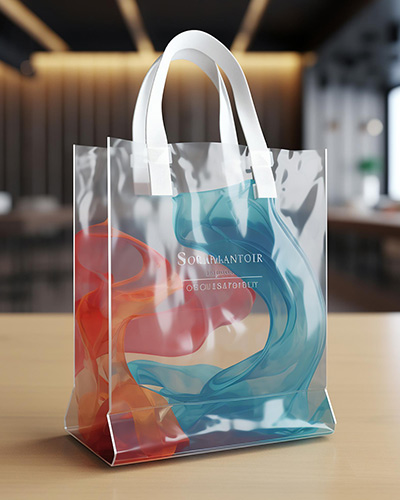
Specialty options include textured papers, metallic surfaces, or transparent materials like acrylic or PET. These materials lend a modern or premium feel, aligning with innovative branding strategies. Embossed or debossed elements also add tactile richness, emphasizing logos or key details to make a memorable impression.
Printing Technologies and Processes
Professional printing methods ensure that your custom business cards are produced with high precision and quality. Offset printing remains a popular choice for bulk orders, offering excellent color consistency and detail. This process is ideal for designs with complex color blends or photographic elements.
Digital printing, however, provides flexibility for small quantities and rapid turnaround times, making it suitable for personalized or limited-edition cards. It also allows for easier updates to designs without incurring significant setup costs.
For added visual or tactile effects, specialty printing processes such as foil stamping, thermography, or letterpress can be employed. Foil stamping introduces metallic or pigmented foils to specific areas, creating a luxurious metallic sheen or vibrant accent. Thermography produces raised printing, giving a tactile, three-dimensional quality to key text or logos. Letterpress printing offers a classic, handcrafted feel with deep impression and rich textures, particularly suitable for high-end branding.
Size, Shape, and Special Features
Standard business card dimensions are typically 85 x 55 mm or 90 x 50 mm, but customizing size and shape can add uniqueness. Non-traditional formats such as square, circular, or die-cut cards allow your brand to stand out through distinctive design elements.
Special features to consider include rounded corners, embossed or debossed patterns, holographic finishes, or cut-outs that reveal underlying layers or textures. These features reinforce your brand's creativity and leave a memorable tactile impression.

Incorporating interactive or technological features such as NFC (Near Field Communication) chips can add a modern dimension to your cards. NFC-enabled cards enable recipients to access digital content, portfolio links, or contact details instantly by simply tapping their phone, blending traditional professionalism with innovative functionality.
Choosing a Printing Service in Singapore
When selecting a printing partner, it is essential to evaluate their expertise in handling diverse materials and custom finishes. A reputable service will offer comprehensive guidance on design optimization, material selection, and finishing options to best suit your business needs.
Quality assurance procedures, such as proofing and sample testing, ensure the final product aligns with your expectations. Additionally, reliable services offer efficient turnaround times and transparent pricing structures, helping you stay within budget while delivering high-quality results.
Connection with local providers also allows for easier communication, faster revisions, and the opportunity to see samples in person, which is invaluable for making informed decisions about materials and finishes.
Cost Factors and Budgeting
Pricing for custom business cards varies depending on factors such as material quality, complexity of design, printing techniques, and additional features. High-end materials and finishes like embossed foil or specialty textures naturally command higher costs, but they significantly enhance visual and tactile appeal.
Bulk orders tend to reduce overall unit costs, making them cost-effective for companies producing large quantities for events, trade shows, or ongoing branding efforts. Smaller, premium batches allow for greater customization, which could be beneficial for targeted marketing campaigns.
When budgeting, consider the potential return on investment by evaluating how the design and quality of your cards can influence brand perception and networking success. Allocating funds towards durable materials and striking finishes ensures your cards remain impressive over time, justifying higher upfront costs.
Best Practices for Business Card Usage
Effective distribution of your custom business cards involves strategic planning. Always include your cards during formal meetings, networking events, and when handing over proposals or contracts. Ensuring your cards are clean, uncreased, and well-presented reflects your professionalism.
Limit the number of cards handed out but choose recipients carefully to maximize impact. Additionally, consider complementary digital methods, such as sharing your contact via QR codes or NFC, to create multiple pathways for contact exchange and brand engagement.
Maintaining an organized repository of your business cards, including updates or new designs, keeps your branding current and relevant. Regularly reviewing and refreshing card designs can also signal innovation and attention to detail to your contacts and clients.
Materials and Finishes
Opting for the right materials and finishes plays a pivotal role in elevating the perceived value of your custom business cards. Choosing high-quality materials not only enhances durability but also provides a luxurious tactile experience that leaves a lasting impression on recipients.
Common material options include premium heavyweight cardstock, which offers robustness and a substantial feel, and textured papers such as linen or laid finish, adding unique visual and tactile elements. For brands seeking a modern or innovative aesthetic, plastics such as PVC or PET offer durability and water resistance, making them ideal for long-term use and outdoor environments.
In addition to traditional paper-based options, eco-friendly materials like recycled papers or biodegradable plastics are gaining popularity among environmentally conscious businesses. These materials underscore a company's commitment to sustainability while maintaining a professional look.

Finishes that add sophistication include:
- Matte Finish: Offers a smooth, non-reflective surface that provides a muted, elegant appearance. It also reduces glare and fingerprints, maintaining a clean look for longer.
- Gloss Finish: Features a shiny surface that enhances vibrant colors and sharp images. Ideal for designs that require visual pop and high contrast, creating a striking overall effect.
- Embossed and Debossed Finishes: Add a three-dimensional texture to specific design elements, such as logos or icons, creating a tactile experience that reinforces brand identity.
- Spot UV Coating: Applies a glossy coating to selected areas of the card, highlighting particular features or designs for a dramatic contrast against matte or uncoated surfaces.
The choice of material and finish should align with your brand's personality, budget, and the impression you wish to convey. Combining textured papers with embossed accents or matte backgrounds with spot UV highlights can yield sophisticated and memorable results. The production quality, including material choice and finish application, directly impacts the overall effectiveness of your business cards, making them a powerful tool for professional networking and brand reinforcement.
Official Printing Methods for Custom Business Cards
When selecting a printing process for your custom business cards, choosing established, reputable methods ensures both quality and consistency. Digital printing is a popular choice for small print runs or highly customized designs, offering quick turnaround times and cost-effective solutions. It works well for intricate graphics or personalized details that require precision.
Offset printing, on the other hand, is ideal for larger quantities, providing high-quality image reproduction with sharp detail and color fidelity. This traditional method ensures that each card has a professional finish, especially suited for bulk orders where consistency across thousands of cards is essential.
Specialized printing techniques further elevate the impact of your business cards. Foil stamping, for example, involves applying metallic or pigmented foil to certain areas, creating a rich, textured appearance that catches the eye. Letterpress printing offers a tactile, embossed effect with a classic feel, adding depth through indentation, generally utilized for premium branding materials. Spot UV coating can be selectively applied to parts of the design to produce a glossy, raised effect that contrasts with matte backgrounds, drawing attention to key elements like logos or contact details.
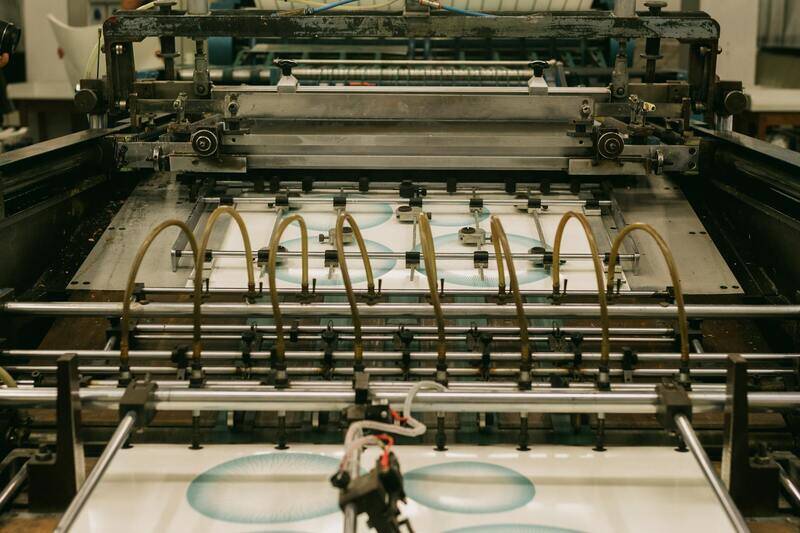
Each printing method has specific advantages depending on your desired result, budget, and order volume. Consulting with a professional printing service allows for tailored solutions that align with your brand identity, ensuring the final product effectively communicates your message with durability and style.
In Singapore, choosing a reputable print service specializing in custom business cards ensures access to a range of official, high-quality printing options. These services employ modern machinery and skilled artisans who understand the nuances of color fidelity, texture, and finishing techniques, translating your design concepts into a tangible corporate asset.
Adherence to proven, official printing standards safeguards your investment in custom business cards and guarantees a professional appearance that leaves a lasting impression on recipients. Whether you opt for digital, offset, or specialty finishes, working with a trusted provider ensures consistent quality, timely delivery, and compliance with best industry practices.
Size, Shape, and Special Features
Selecting the appropriate size and shape for your custom business cards plays a vital role in how your brand is perceived. Standard dimensions, such as 85 x 55 mm, provide a familiar and professional look that fits comfortably in wallets and cardholders. However, opting for alternative sizes like square or rounded corners can make your cards stand out, capturing attention with distinctive visual appeal.
Beyond size, the shape of your business card can be customized with die-cutting techniques. Die-cut cards allow for intricate shapes that align with your brand identity or thematic elements, such as circular logos, silhouette cutouts, or custom contours that complement your design.

In addition to shape, implementing special features elevates the tactile and visual impact of your business cards. Techniques such as foil stamping can add metallic accents that convey luxury and professionalism, while spot UV coating provides a glossy finish to specific areas, emphasizing logos or key contact details. Embossing and debossing create a raised or recessed effect that adds texture and depth, fostering a sophisticated feel that aligns with premium branding.
Other notable features include magnetic backing for convenience, transparent or semi-transparent designs using acetate or PET materials, and textured finishes like linen or kraft paper that contribute to a unique sensory experience. When selecting these features, it is crucial to balance creative vision with functional durability, ensuring the final product remains practical for everyday use while effectively promoting your brand's distinct identity.
Collaborating with experienced printing professionals will ensure that your chosen features are implemented correctly, respecting the specifications of your design and the constraints of production. They can advise on the most suitable materials and techniques to achieve your intended效果, ensuring a seamless blend of aesthetics and functionality that truly represents your brand ethos.
Size, Shape, and Special Features
Custom business cards offer a remarkable opportunity to differentiate your brand through innovative design elements that extend beyond traditional rectangular formats. One of the most impactful ways to achieve this is by experimenting with varying sizes and shapes, which can immediately capture attention and convey your company’s personality. For example, square cards, circle cards, or cards with rounded corners can soften the visual impression and suggest approachability. Conversely, sharp angles and unconventional proportions can communicate modernity and creativity. Integrating these design choices depends on your brand identity and the message you want to project.
Beyond basic shapes, incorporating special features enhances both the aesthetic appeal and functional utility of your business cards. Techniques such as foil stamping introduce metallic accents—gold, silver, or custom colors—that add a touch of luxury and exclusivity. Spot UV coating can be selectively applied to highlight logos or key contact information, creating a striking contrast with matte or uncoated sections. Embossing and debossing bring tactile depth, elevating the sensory experience and making the card memorable upon contact.
Additional features such as magnetic strips enable your business card to function as a mini billboard or functional accessory, ideal for industries where staying top of mind is crucial. Transparent or semi-transparent designs using acetate or PET materials lend a modern, sleek aesthetic, perfect for showcasing minimalistic branding. Textured finishes like linen, kraft paper, or embossed patterns not only contribute visual interest but also provide a tactile experience that reinforces your brand’s unique qualities.
When considering these custom features, it is essential to collaborate with experienced printing professionals. They can ensure proper execution, maintaining design integrity and durability. For instance, metallic foils and textured finishes must be applied with precision to prevent chipping, peeling, or uneven surfaces. A good printing partner will be able to advise on the combination of materials and techniques that align with your overall branding strategy, balancing visual impact with practical usability.
Benefits of Custom Business Cards
Customized business cards serve as a powerful tool to leave a lasting impression on clients, partners, and potential customers. They enable businesses to convey professionalism, creativity, and brand identity through tailored designs that reflect the company's ethos. Unlike generic cards, custom options allow for strategic use of colors, fonts, and graphics to differentiate your brand in a competitive marketplace.
Beyond aesthetics, custom business cards enhance recall value, making it easier for recipients to remember your contact details and associate them with your brand. They also provide opportunities to include unique features such as QR codes, social media handles, and specific call-to-actions, thereby facilitating easier engagement and communication.
Design Options and Personalization
Today’s customization capabilities encompass a broad spectrum of design choices that cater to diverse branding needs. Businesses can opt for minimalist, modern, retro, or artistic styles, translating their vision into physical form with precision. Personalization can extend to custom logos, taglines, and color schemes that align with corporate branding guidelines.
- Unique layouts and typography to reflect brand voice
- Custom illustrations or icons for visual storytelling
- Integration of branding elements with creative graphic design
- Specialty finishes to add texture and depth
Materials and Finishes
Selecting the right materials and finishes is crucial to achieving the desired aesthetic and tactile experience. Premium materials such as thick cardstock, textured papers, or specialty substrates like linen or kraft paper can elevate the perceived value of your business card. Matched with suitable finishes, contact points are optimized for durability and style.
- Matte finishes for a subdued, elegant look
- Glossy coatings to enhance color vibrancy
- Soft-touch coatings for a luxurious feel
- Embossing, debossing, and foil stamping for added tactile and visual interest

Printing Technologies and Processes
Advanced printing technologies enable high fidelity reproduction of intricate designs and special effects. Digital printing offers quick turnaround times and cost efficiency for small quantities, while offset printing ensures consistent quality and vibrant colors for larger runs. Screen printing can be employed for certain textures and specialty inks, such as metallic or neon.
Techniques like foil stamping and spot UV coating provide decorative accents that enhance brand recognition. Embossing and debossing add a tactile dimension, creating a sense of exclusivity and craftsmanship. Combining these processes thoughtfully ensures your business card stands out from the crowd while maintaining a professional appearance.
Size, Shape, and Special Features
While the standard size remains prevalent, exploring alternative shapes and dimensions can make your card more distinctive. Rounded corners, die-cut shapes, or folded designs introduce visual interest and functional versatility. Incorporating features like magnetic backing, transparent sections, or textured surfaces can further personalize your business card to suit your industry and branding strategy.
- Innovative shapes such as circle, oval, or custom die cuts
- Enhanced functionality with magnetic strips or holders
- Use of transparent or semi-transparent materials for a contemporary look
- Integration of NFC technology for seamless digital interactions
Choosing a Printing Service in Singapore
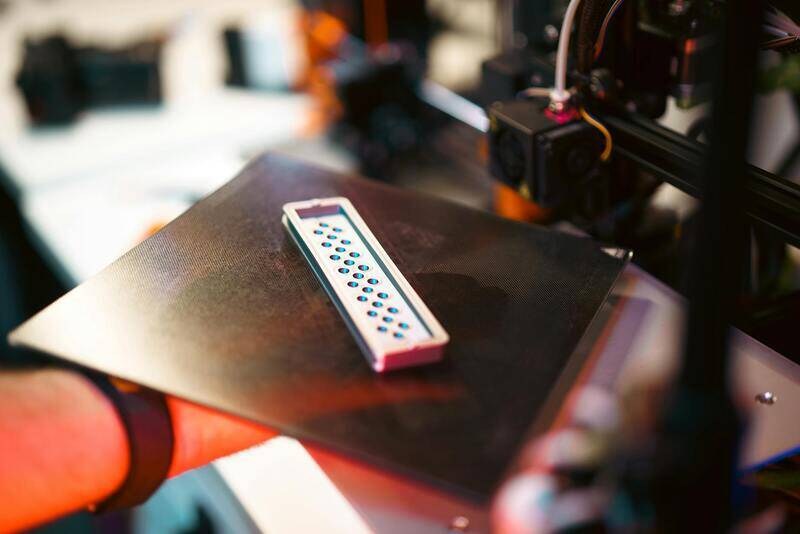
When selecting a local printing partner, it is vital to assess their experience with custom projects and technical expertise in advanced printing techniques. Reputable service providers offer consultations to advise on material selection, design suitability, and finish options aligned with your branding objectives. They demonstrate transparency in pricing and turnaround times, ensuring your project progresses smoothly from concept to delivery.
Moreover, a trusted printer should possess a portfolio illustrating a variety of successful custom business card projects, reflecting their capability to handle different styles and techniques. Their knowledge of industry standards ensures that specific features such as foil accents, embossing, or specialty coatings are executed with precision, elevating your brand’s physical footprint with quality craftsmanship.
Choosing the Right Printing Service in Singapore
In the realm of custom business cards, selecting a reputable printing service in Singapore involves careful evaluation of several key factors. An experienced provider should have a comprehensive portfolio showcasing diverse projects, demonstrating their capability to manage various design complexities and material preferences. This portfolio acts as a testament to their technical proficiency and consistency in delivering high-quality results.
It's essential to consider the range of services offered, including advanced printing techniques such as foil stamping, embossing, matte or gloss finishes, and specialty coatings. These features can significantly enhance the tactile and visual appeal of your business cards, ensuring they stand out in professional contexts. A trusted printer will also offer expert consultations, guiding you through material choices—such as thick cardstock, textured surfaces, or transparent plastics—to align with your branding and industry standards.
Transparent communication on pricing structures and turnaround times is equally important. A reliable printing partner provides detailed quotes that clearly outline costs associated with design complexity, material options, and finishing touches. Transparent timelines help manage expectations and ensure your project progresses smoothly from initial concept through to final delivery.
Moreover, the ability to handle unique requests—such as die-cut shapes, foldable formats, or embedded NFC technology—indicates a printer’s versatility and technical capacity. Providers that stay abreast of the latest industry innovations are capable of delivering cutting-edge solutions that elevate your branding efforts.
Customer reviews and testimonials can offer additional insights into the reliability and professionalism of a printing service. An established company will have a track record of satisfied clients and successful projects, often accompanied by a diverse sample collection. This demonstrates their adaptability to different business sectors and design preferences.
Furthermore, assessing their process for sample approval can be beneficial. The ability to review physical proofs before the final print assures that the project meets your expectations and specifications. This step minimizes errors and guarantees a final product that accurately reflects your vision.
Choosing the right printing partner is a strategic step in your branding journey. It’s about more than just cost; it involves trust in their craftsmanship, technological expertise, and commitment to quality. With the right provider, your custom business cards will serve as impactful tools for networking and brand recognition, leaving a lasting impression on your contacts.