Importance of Visiting Card Printing
In today’s competitive business environment, the significance of well-crafted visiting cards cannot be overstated. These small yet impactful tools serve as a tangible representation of your brand, making a lasting first impression on potential clients, partners, and collaborators. High-quality visiting cards not only convey professionalism but also reinforce your company's credibility and attention to detail. A thoughtfully designed visiting card communicates essential information succinctly—such as your name, company logo, contact details, and key services—while showcasing your brand’s visual identity. When printed with precision and using quality materials, these cards become reliable branding assets that support your marketing efforts. Furthermore, in an era dominated by digital communication, the tactile experience of a well-printed visiting card helps your message stand out. They facilitate face-to-face interactions that foster trust and connection, making them vital tools in networking events, business meetings, and conferences. The importance of visiting card printing extends beyond aesthetics; it embodies professionalism and provides a convenient way for contacts to save your information. The durability of the card also ensures that your contact details remain accessible over time, reducing the chances of your information being lost or overlooked. Investing in professional printing services ensures that your visiting cards meet these standards, reflecting your brand’s values and fostering stronger professional relationships. High-quality printing services also allow for customization, giving you the flexibility to tailor designs that align precisely with your brand identity and business goals. In sum, visiting card printing is an essential component of strategic branding—creating a physical reflection of your business that can effectively communicate your message and facilitate meaningful connections in a competitive marketplace.

Materials and Finishes for Visiting Cards
Choosing the appropriate materials and finishes is crucial to producing impactful visiting cards that leave a lasting impression. The selection of cardstock or specialty materials directly influences the tactile feel, durability, and overall aesthetic. High-quality cardstock options, such as 300gsm or higher, provide a sturdy, professional appearance and resist creases or tears, ensuring the card maintains its integrity over time.
In addition to the base material, finish options can dramatically enhance the visual appeal and tactile experience of your visiting card. Matte finishes offer a smooth, non-reflective surface that exudes sophistication and helps prevent fingerprint smudges. Glossy finishes, on the other hand, provide vibrant color reproduction and a shiny surface that highlights design details, making elements like logos and images pop. Soft-touch finishes combine the tactile luxury of matte and gloss, creating an elegant feel that stands out in tactile perception.
Specialty finishes, including embossing, debossing, foil stamping, and UV coating, further elevate card designs. Embossing and debossing add dimensional textures, emphasizing specific design elements such as logos or key text, creating a memorable tactile experience. Foil stamping introduces metallic accents, lending a luxurious, eye-catching effect, which is ideal for premium branding. UV coating provides a protective layer with a high-gloss finish, adding both durability and visual appeal.
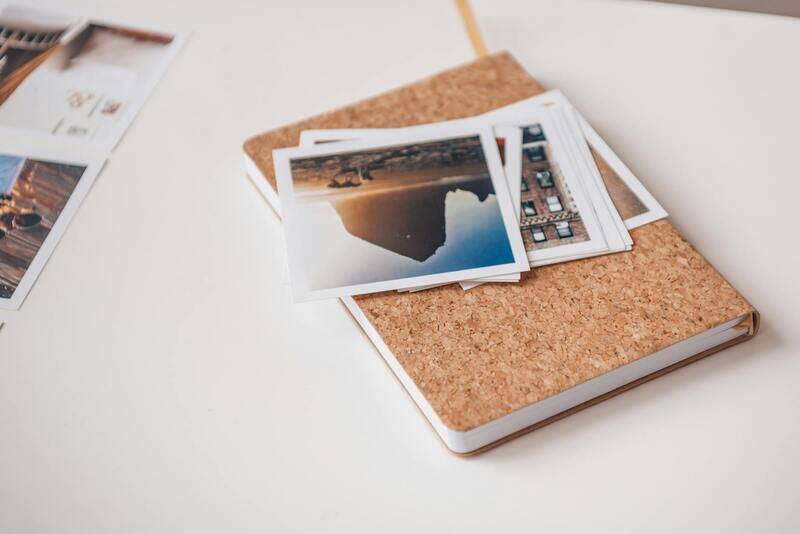
Professionally selected materials and finishes complement the overall design, reinforce the brand message, and ensure your visiting card stands out from the competition. When collaborating with a reputable printing provider, it is essential to review available options and select finishes that align with your brand personality and professional goals.
Printing Techniques and Methods
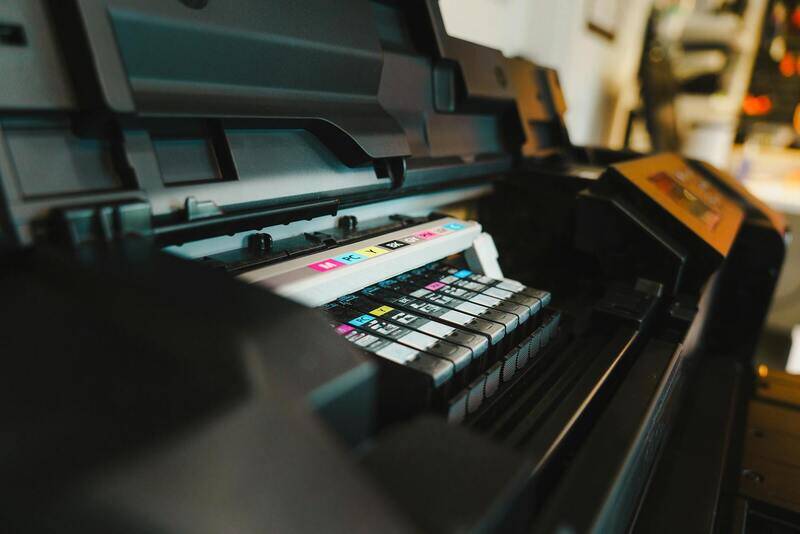
Adopting advanced printing techniques guarantees precision and high-quality results for your visiting cards. Traditional offset printing remains a popular choice, offering consistent color reproduction and high volume efficiency, making it suitable for bulk orders with complex design elements. Digital printing provides an excellent alternative for short runs and customized designs, offering rapid turnaround times without compromising quality.
Specialized techniques add unique touches to your business cards. Spot UV coating selectively highlights certain areas by applying a high-gloss finish, contrasting beautifully with matte backgrounds. Letterpress printing offers a tactile, embossed effect that provides a distinctive, upscale look. Screen printing can be used for vibrant, opaque color applications, especially on textured or specialty materials. Additionally, foil printing can add metallic or holographic accents, ideal for creating an elegant and eye-catching appearance.
Combining different printing methods allows for a customized approach, enabling you to create a visually striking and professionally crafted visiting card tailored to your branding needs. Working closely with a technical expert ensures the chosen techniques effectively communicate your business identity.
Choosing the Right Size and Shape
The standard size for a visiting card typically measures 3.5 x 2 inches, fitting comfortably into wallets and cardholders. However, exploring different sizes or custom shapes can help your business stand out and reflect your brand personality. For instance, square cards, circular designs, or uniquely die-cut shapes can evoke creativity, innovation, or a premium perception.
When selecting shape and size options, consider practicality alongside aesthetics. Custom shapes should be compatible with the printing process to ensure crisp edges and accurate die-cutting. Unconventional sizes may require special handling and adjustments during production but can significantly enhance brand differentiation if aligned with your overall branding strategy.
Ensure that your contact information remains legible and accessible, regardless of size or shape modifications. Balancing creativity with functionality ensures that your visiting card remains an effective networking tool that invites engagement.

Materials and Finishes for Visiting Cards
Choosing the appropriate materials and finishes is crucial to ensuring your visiting cards leave a memorable impression. High-quality paper stock not only adds durability but also conveys professionalism and attention to detail. Commonly used materials include standard cardstock, textured paper, and premium options like linen or vellum finishes, each lending a distinct tactile experience.
Lighting and texture can be accentuated through various finishes. Matte finishes offer a sleek, understated elegance that reduces glare and fingerprints, making text and graphics highly legible. Gloss finishes impart vibrant color saturation and a polished look that captures attention immediately. Embossed or debossed effects elevate design elements, adding a tactile dimension that encourages tactile exploration, making your card stand out from the rest.
Additional finishing options include spot UV coating, which targets specific areas for a glossy highlight, or foil stamping to add metallic accents that convey luxury and sophistication. These enhancements not only improve aesthetics but also underscore your commitment to quality, which can resonate positively with clients and partners.
Printing Techniques and Methods
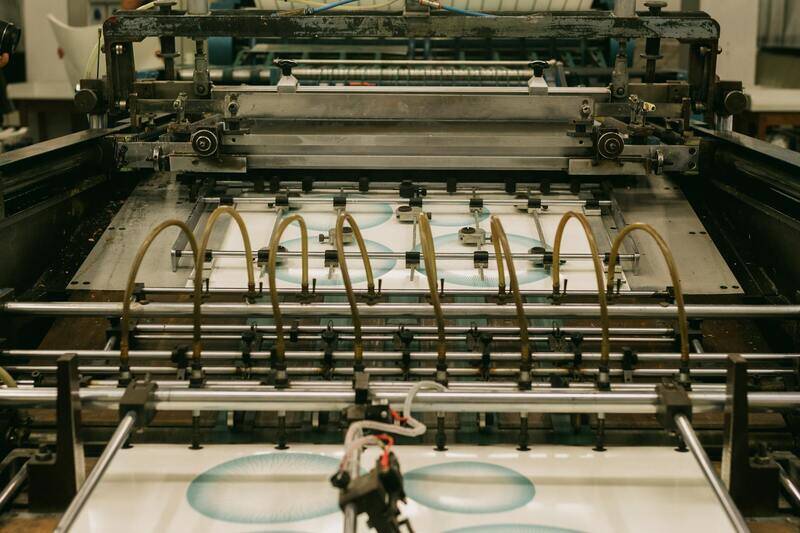
The choice of printing technique significantly influences the quality, texture, and overall appearance of your visiting cards. Digital printing is excellent for quick turnaround and cost-effective small runs, offering vibrant color fidelity and sharp details. Offset printing, on the other hand, is ideal for larger orders, providing consistent high-quality results with precise color matching.
For designs that require specific effects or textures, specialized methods such as letterpress, thermography, or UV coating can be employed. Letterpress printing, known for its tactile impression, lends a classic and sophisticated look, especially suited for embossing logos or decorative elements. Thermography replicates the effect of raised printing at a lower cost, creating a textured and visually striking finish.
Spot UV coating, as mentioned earlier, adds a glossy highlight to selected areas, enhancing visual hierarchy and focus. Similarly, foil stamping involves applying metallic foils to emphasize logos, borders, or key text sections, giving your visiting card a premium appearance.
Choosing the appropriate printing technique depends on your desired aesthetics, budget, and production timeline. Consulting with professionals at a reputable printing service can ensure you select methods that best align with your branding objectives.
Materials and Finishes for Visiting Cards
Choosing the right materials and finishes is crucial in creating a memorable visiting card that leaves a lasting impression. Standard cardstock options, such as 300gsm or 350gsm, are popular for their durability and premium feel. For clients seeking an eco-friendly approach, recycled papers offer sustainability without compromising quality. Additionally, specialty materials like transparent PVC or kraft paper can create distinctive visual effects aligned with modern branding trends.
Finishes enhance the tactile experience and visual appeal of your cards, adding a layer of sophistication. Matte finishes are preferred for a subdued, elegant look that minimizes glare, making text easier to read. Glossy finishes, on the other hand, provide vibrancy, deepening colors and providing a sleek sheen that catches the eye. Soft-touch coatings give a velvety sensation, elevating the perceived value of your brand.
Additional options such as embossing or debossing can add texture and depth, highlighting specific elements like logos or contact details. Foil stamping introduces metallic accents, providing a striking contrast and a sense of luxury. Spot UV coating selectively applied to certain areas enhances visual hierarchy, creating focal points and making critical information stand out. These finishes and materials, when selected cohesively, can communicate professionalism and reinforce your brand identity effectively.
Materials and Finishes for Visiting Cards
When selecting materials for visiting card printing, the choices impact not only the aesthetic appeal but also the durability and overall impression conveyed. Standard options include various types of cardstock, with 300gsm and 350gsm being highly preferred for their robustness, professional feel, and ability to withstand daily handling. These materials provide a sturdy base that sustains the print quality and resist bending or tearing, projecting a sense of reliability.
For clients who prioritize sustainability, recycled paper options are increasingly popular. These eco-friendly materials can be customized with water-based inks and environmentally conscious finishes, aligning brand values with responsible practices. Additionally, specialty materials such as transparent PVC or kraft paper bring a modern or rustic look, respectively, making your cards stand out with distinctive textures and visual effects.
Finishes play a pivotal role in elevating visiting cards from ordinary to extraordinary. Matte finishes lend a muted elegance, reducing glare and making text more legible, which is ideal for professional settings. Glossy finishes offer vibrant color reproduction and a sleek, polished appearance that captures attention instantly. Soft-touch coatings add a luxurious velvety feel, creating a tactile experience that enhances the perceived value of your brand.
Furthermore, decorative finishes like embossing and debossing add texture and depth, drawing focus to logos or key contact information. Foil stamping introduces metallic accents that shimmer under light, conveying sophistication and exclusivity. Spot UV coating applied selectively to certain areas adds contrast and highlights specific elements, helping to establish visual hierarchy and guide recipients’ attention effectively.

Choosing the right combination of materials and finishes depends on your brand identity, target audience, and the message you want to communicate. A well-considered selection can communicate professionalism, creativity, or sustainability, solidifying your impression in the minds of clients and contacts.
Materials and Finishes for Visiting Cards
Selecting the appropriate materials and finishes is essential in creating a memorable visiting card that aligns with your brand identity. The choice of material impacts durability, tactile experience, and visual appeal, while finishes add an extra layer of sophistication and uniqueness that can set your cards apart in a crowded marketplace.
Common materials include standard card stock, which offers a reliable balance of quality and affordability. For a more premium feel, options like thick matte cardstock, textured linen, or embossed paper can imbue your card with a tactile richness that leaves a lasting impression. Specialty materials such as transparent PVC or kraft paper not only add distinctive textures but also introduce an element of innovation that resonates with brands emphasizing modernity or eco-friendly values.

Finishing techniques further enhance the visual impact and durability of your cards. Matte finishes are favored for their muted elegance and reduced glare, promoting readability especially in professional contexts. Glossy finishes, with their vibrant color reproduction and sleek surface, are perfect for eye-catching designs and branding that seeks to stand out at first glance. Soft-touch coatings introduce a luxurious, velvety feel, elevating the perceived value of your brand and enticing recipients to keep your card close.
Beyond basic finishes, decorative options like embossing and debossing add tactile texture and depth, bringing key design elements into focus. Foil stamping introduces metallic accents that shimmer and reflect light, conveying luxury and exclusivity. Spot UV coating applied selectively can emphasize specific areas such as logos or contact details, creating a dynamic contrast that guides the recipient’s attention strategically.
The ideal combination of materials and finishes depends heavily on your brand’s message, target audience, and overall branding strategy. For instance, a corporate entity may prefer a clean matte finish on thick cardstock to communicate professionalism, while a luxury brand might opt for embossed textures with foil accents to evoke a high-end feel. Thoughtful selection ensures your visiting card not only communicates your contact information but also reflects the core values and aesthetic sense of your brand, making it a powerful tool for networking and brand reinforcement.

Choosing the Right Size and Shape
When it comes to visiting card printing, selecting the appropriate size and shape is crucial for making a memorable impression while ensuring practicality. Standard dimensions, typically 3.5 x 2 inches, are widely used due to their compatibility with wallets, cardholders, and standard paper slots, easing distribution and storage. However, opting for a slightly unconventional size or shape can help your card stand out in a sea of standard designs, provided it maintains ease of handling and readability.
Consider shapes beyond the traditional rectangle, such as rounded corners, square cards, or even custom die-cut designs. Rounded corners lend a softer, more approachable feel, reducing wear and tear over time. Square cards or uniquely cut shapes can project a bold, contemporary image, especially suited for creative industries or brands seeking to demonstrate innovation. Nonetheless, ensure that the dimensions and shape do not compromise the legibility of contact details or the overall clarity of the design.

Another aspect to consider is the orientation—vertical versus horizontal. Vertical cards often convey a modern aesthetic and may be better suited for certain industries, while horizontal formats are traditional and familiar. Ultimately, the shape and size should complement your branding elements, align with your industry standards, and serve the functional purpose of clear communication.
Moreover, thoughtful consideration of edges and corners, such as beveled or embossed edges, can add a subtle yet effective layer of sophistication. Custom shapes require precise die-cutting processes, which might influence cost and turnaround time, but the distinctive appearance often justifies the investment. Ensuring the design remains balanced within the chosen dimensions prevents overcrowding and maintains visual harmony.

In summary, the size and shape of your visiting card should reflect your brand identity, industry standards, and practical considerations for handling and distribution. A well-chosen format enhances visual appeal and fosters a stronger connection with recipients, making your card a valuable asset in professional networking strategies.
Maintaining Privacy and Security in Visiting Card Printing
Protecting sensitive contact information is a crucial aspect of professional branding through visiting cards. When selecting a printing service, it is vital to choose providers that adhere to strict data handling protocols, ensuring that your personal and business information remains confidential throughout the process. Legitimate printing companies maintain secure servers and adhere to data privacy standards to prevent unauthorized access or data breaches.
Suppliers that have transparent privacy policies and offer secure file transfer options are preferable. This reduces the risk of interception or misuse of your branding materials and contact details. Additionally, understanding the confidentiality agreements signed before sharing any proprietary information with the printing provider can offer an extra layer of security, fostering trust and peace of mind.

It is also advisable to limit the dissemination of digital files and verify the provider’s reputation regarding data security. Opt for companies that use encrypted file-sharing platforms and have a track record of handling client information responsibly. Furthermore, establishing clear communication channels and requesting confidentiality assurances in your contract can bolster your privacy measures, providing assurance that your sensitive information remains protected during the entire printing process.
Choosing a printing provider that prioritizes data security not only safeguards your personal and business information but also consolidates your professional credibility. As the landscape of digital security continues to evolve, staying informed about best practices and ensuring your chosen provider complies with industry standards is essential to maintaining the integrity of your branding assets.