Understanding Business Card Requirements
When planning to order business cards, it is essential to gather comprehensive information to ensure the final product accurately represents your professional identity. This process begins with clearly defining the contact details you want to display, such as your full name, job title, company name, phone number, email address, and physical or digital business location. Precision in these details not only enhances your credibility but also facilitates effective communication with clients and partners.
Design preferences play a crucial role in reflecting your brand personality. Consider aspects like logo placement, color schemes, font styles, and overall layout. A clean, professional appearance with consistent branding elements reinforces your company's image. It's also important to adhere to industry standards specific to Singapore, where certain sectors may prefer minimalist designs, quality materials, or specific dimensions to meet industry expectations.
Industry standards often influence the choice of card size, material, and printing techniques. For example, corporate environments might favor sleek matte finishes with minimal embellishments, while creative industries might opt for textured papers or vibrant colors. Paying attention to these standards ensures your business card resonates with your target audience and aligns with professional norms within Singapore's business landscape.
In summary, understanding the essential requirements for your business card order involves meticulous consideration of contact information, design aesthetics, material quality, and industry-specific standards. Collecting these details ahead of time paves the way for a smooth ordering process, producing a tangible, professional representation of your brand that stands out in Singapore's competitive market.
Understanding Business Card Requirements
When preparing to order business cards, it is essential to focus on the specific criteria that will define the quality and effectiveness of your final product. Accurate and comprehensive contact details are paramount; these should include your official company name, your full name, designation, multiple ways to contact you—such as phone number, email address, and optionally, physical address. Ensuring these details are current, error-free, and professionally formatted prevents miscommunication and reflects your commitment to professionalism.
Design elements hold significant influence over the perception of your brand. Consider a layout that emphasizes clarity and simplicity, with deliberate placement of your logo—preferably in the top left or center—to encourage brand recognition. Color schemes should complement your corporate palette, promoting consistency across your marketing materials. Selecting carefully styled fonts that are legible and align with your brand personality enhances readability and reinforces your visual identity. Standard dimensions in Singapore, typically around 90mm x 55mm, are widely adopted, but some industries might favor larger or uniquely shaped cards to stand out. These decisions should resonate with the norms and expectations of your specific sector.
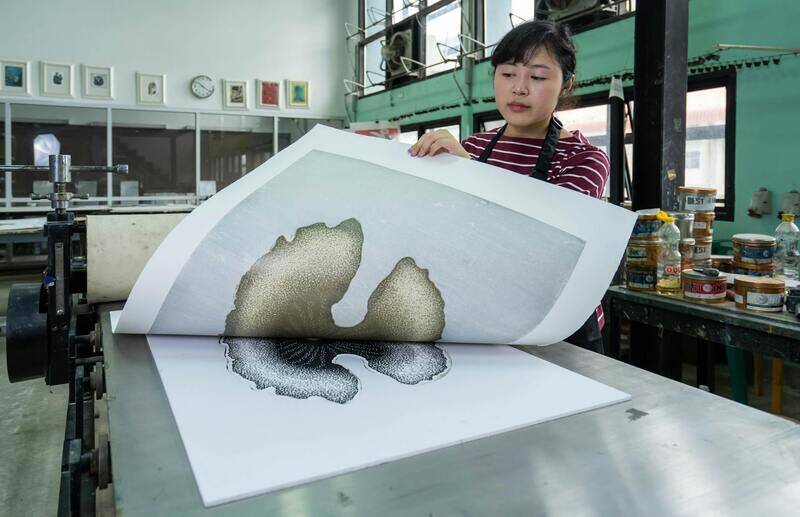
Material quality and industry standards shape the tactile experience and durability of your cards. Premium cardstock options such as matte, gloss, or textured finishes not only elevate the visual appeal but also impact the card's lifespan. Textured papers or specialty coatings may serve creative industries well, whereas sleek matte or high-gloss finishes are preferred in corporate environments. The choice of printing technique—such as offset or digital printing—can influence the vibrancy, sharpness, and overall fidelity of your design. Paying close attention to these details ensures your business cards convey professionalism and align with sector-specific expectations in Singapore.
In essence, a meticulous understanding of the required details—from contact information and design aesthetics to material selection—is critical to facilitate a smooth and efficient ordering process. Proper preparation leads to a tangible representation of your brand that not only communicates your message effectively but also enhances your professional image in a competitive market landscape.
Types of Business Cards and Materials
Business cards come in a variety of finishes, materials, and innovative formats designed to cater to diverse professional needs. Standard paper cards are the most common, available in multiple thickness levels and surface textures to bring different tactile experiences. For those seeking a distinct impression, options like soft-touch matte finishes, high-gloss coatings, or textured surfaces such as linen or laid papers can add a sophisticated touch.
Emerging materials include plastic cards, which offer increased durability and waterproof qualities, and even premium options like metal or wood business cards that make a bold statement. These unconventional choices are especially suited for industries where creativity and unique branding are valued. The selection of these materials should align with your industry standards, brand identity, and the message you want to convey to clients and partners.

In addition to traditional options, innovative adhesives, embossing, foiling, and UV coating add further customization, enabling you to produce business cards that stand out. Understanding the variety of materials and finishes ensures your final product not only looks professional but also accurately reflects your brand's personality and industry expectations within Singapore’s business environment.
Understanding Business Card Requirements
To ensure your business cards make a lasting impression, it’s crucial to meticulously determine your specific requirements prior to finalizing your order. This begins with clarifying the core purpose of your business card, which influences the overall design and material choices. Whether your goal is to communicate professionalism, creativity, or innovation, aligning your requirements with your brand message helps create a card that resonates with your target audience.
Consider the essential information to be included, such as your company name, logo, contact details, and possibly a tagline or other branding elements. The placement and size of these components should uphold a clean, logical layout that is easy to read and visually appealing. Additionally, the choice of colors, fonts, and images must harmonize with your overall brand identity. Consistency in branding across all marketing materials reinforces brand recognition and trustworthiness among clients and associates.
Material thickness and finish options are also a significant aspect of understanding your requirements. Thicker cards tend to convey a sense of durability and quality, suitable for businesses that emphasize premium service. The surface finish—matte, gloss, or textured—affects both aesthetic appeal and tactile experience, influencing how recipients perceive your brand. For instance, matte finishes provide a refined tactile impression, while gloss coatings enhance vibrancy and visual impact. Texture options like linen or laid paper can add a distinctive, tactile dimension, making your card memorable.
Emerging materials such as plastic, metal, or wood are gaining popularity for their durability and unique appearance. These are often preferred by industries where innovation, craftsmanship, or luxury branding play a prominent role. When considering niche materials, it’s important to balance the desired visual impact with practical aspects like weight, upkeep, and compatibility with other branding elements.

Types of Business Cards and Materials
Understanding the variety of business card types and materials available enables you to select the most suitable option for your industry and brand position. Standard paper cards remain the most popular choice due to their affordability and versatility. These can be customized with various finishes, including matte, gloss, or textured surfaces, to enhance visual appeal and tactile experience.
Plastic cards are increasingly favored for their durability and waterproof qualities, making them ideal for businesses requiring long-lasting cards that withstand daily handling. Premium choices include metal and wooden business cards, which communicate exclusivity and craftsmanship. Metal cards, often made from aluminum or brass, provide a modern and resilient feel, ideal for tech firms, luxury brands, or creative agencies. Wooden cards evoke an organic, eco-friendly message, appealing to environmentally conscious clients and companies emphasizing sustainability.
Unconventional formats such as transparent PVC or layered cardstock offer innovative ways to stand out. These formats can incorporate unique design elements like cut-outs or embedded details that reinforce brand identity. The selection of these materials and formats should align with the expectations of your industry and the image you aim to project.
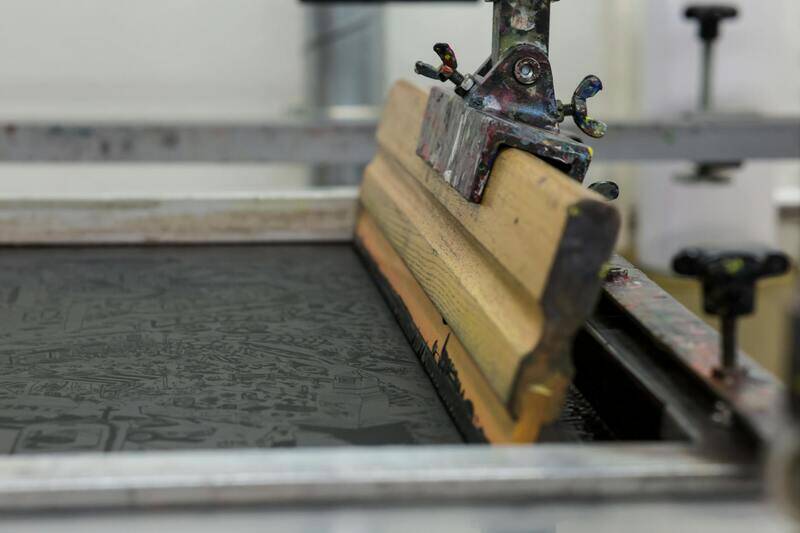
Innovative Finishes and Customization Options
Maximizing the visual and tactile impact of your business cards involves exploring various finishing techniques and customization options. Techniques like embossing and debossing add a tactile dimension, elevating the perceived quality and sophistication of your cards. Foiling, whether in gold, silver, or other metallic shades, introduces a luxurious accent that can highlight logos, borders, or vital text elements.
UV coating can provide a high-gloss, durable surface that resists scratches and fingerprints, perfect for exposure to frequent handling. Spot UV allows specific areas, such as a logo or a graphical element, to stand out with a shiny finish against a matte background. These enhancements contribute to creating a memorable, high-quality product tailored to your branding goals.
Customization extends beyond finishes to include unique shape cuts, rounded corners, and innovative layout arrangements. Such design choices can significantly affect first impressions, especially when tailored to your industry or brand persona. Collaborating with your printing service to incorporate these elements ensures your business cards will be both distinctive and aligned with your branding strategy.
Ensuring Proper Business Card Specifications and Compliance
When ordering business cards through a trusted printing service, it's essential to adhere to specific specifications to ensure the final product meets your expectations and aligns with industry standards. This involves providing accurate details on dimensions, resolution, color profiles, and file formats. Most professional printers prefer files in high-resolution formats such as PDF, AI, or EPS, which preserve the quality regardless of size adjustments and ensure sharp, clear printing.
Standard business card dimensions typically range around 3.5 x 2 inches (89 x 51 mm), but some industries or brands may opt for custom sizes or shapes to stand out. Always confirm the preferred cut lines, bleed areas, and safe zones with your printing provider. Bleed areas are extra margins extended beyond the final trim, ensuring that graphics or background colors reach the edges without unwanted borders after cutting.
Submissions should also include specifications related to color modes; generally, CMYK color profiles are recommended for print materials to ensure color accuracy and consistency. Providing clearly labeled, high-quality graphic elements avoids delays and reprints due to resolution issues or color discrepancies. Including detailed instructions and proofs beforehand allows for adjustments to be made proactively, minimizing errors and ensuring compliance with industry best practices.
Collaborating with your printing service throughout the process can enhance the final outcome. Supply your artwork in the preferred format, specify finishes, and confirm dimensions. This dialogue ensures that every aspect of the business card aligns with your vision and industry standards, whether you aim for a sleek minimalistic look or a highly detailed, vibrant design.
Pay close attention to the proofs provided by the print service. Reviewing digital proofs or physical samples allows you to verify color fidelity, layout, and any special finishes. Once satisfied, approve the final design with confidence, knowing it complies with all technical and aesthetic specifications required for a professional, effective business card.
Understanding Business Card Requirements
Before placing an order for business cards, it is crucial to understand the specific requirements that ensure your cards stand out professionally while adhering to industry standards. Accurate specifications help streamline the printing process and prevent issues related to design or production.
Key aspects to consider include:
- Card Dimensions: Standard business card sizes typically measure 90mm x 55mm, but custom sizes can be requested based on branding needs.
- Color Mode: Use CMYK color profiles for your designs to match printing capabilities, ensuring colors appear as intended upon final output.
- Resolution and Image Quality: Artwork should be at least 300 DPI to maintain sharpness and detail, preventing pixelation or blurry prints.
- File Format: Preferred formats include PDF, AI, or EPS, which preserve vector qualities and color accuracy.
- Bleed Area and Margins: Incorporate a bleed area of at least 3mm around the design to prevent unwanted borders after trimming. Safe margins within the design keep crucial information from being cut off.
- Typography and Font Choice: Use clear, legible fonts and ensure they are embedded or outlined to avoid inconsistencies in printing across different machines.
- Design Elements and Placement: Balance visual components with adequate white space to achieve visual harmony and readability.

Materials and Finishes
Selecting the right materials and finishes is integral to creating business cards that reflect your brand's professionalism and personality. Options range from standard cardstock to premium materials with specialty finishes, each offering a distinct tactile and visual appeal.
- Standard Cardstock: The most common choice, providing durability and easy handling.
- Matt Finish: Offers a smooth, non-reflective surface that minimizes fingerprints and enhances readability.
- Glossy Finish: Adds vibrancy and shine, perfect for colorful designs and images.
- matte or soft-touch Coating: Provides a luxurious, velvety feel, suitable for premium branding.
- Specialty Materials: Includes transparent or textured papers, kraft, or recycled materials to align with eco-friendly branding.
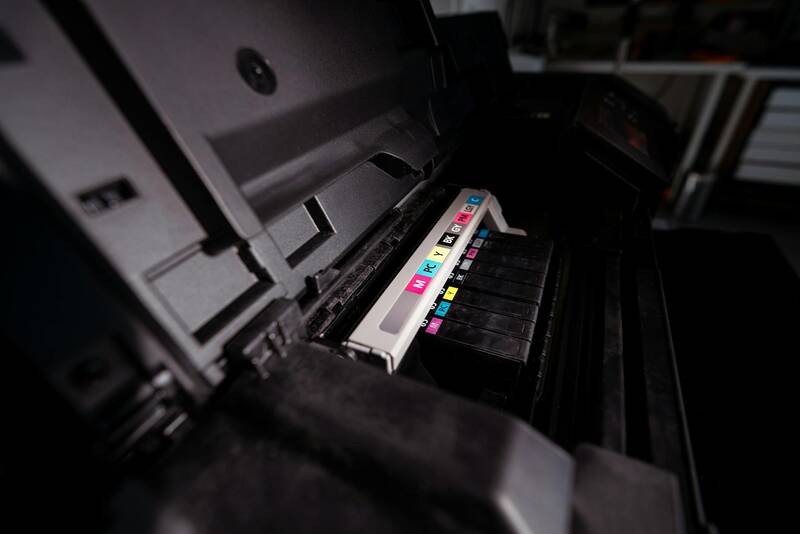
Design Considerations and Customization Options
Effective design and customization capabilities enable your business cards to communicate your brand identity clearly. When working with your printing service, explore various options to tailor your cards to your preferences and industry standards.
- Color Schemes: Use consistent brand colors to reinforce recognition.
- Fonts and Typography: Select readable fonts that match your brand personality.
- Logo Placement: Position your logo prominently without cluttering the layout.
- Special Features: Incorporate embossed or foil-stamped elements, rounded corners, or custom die cuts for a distinctive look.
- Dual-Sided Printing: Maximize space by utilizing both sides for information and design elements.
- Interactive Elements: Include QR codes or NFC tags to integrate digital contact sharing options.
With numerous customization options, it’s essential to communicate your vision clearly through mockups or digital proofs. Proper collaboration with your printer guarantees that the final product aligns with your expectations and branding standards.
Order Business Cards: A Step-by-Step Guide to an Effective Procurement Process
Understanding Business Card Requirements
Before initiating an order, it is crucial to clearly define the essential specifications for your business cards. This involves identifying the core information that must be included, such as your name, title, company name, contact details, and website address. Additionally, consider the industry standards and the impression you want to convey — whether it’s professionalism, creativity, or innovation.
Often, businesses tailor their card requirements based on target clients and branding strategies. For instance, a tech startup might lean towards modern designs with minimalistic layouts, whereas a luxury brand may prefer embossed features and high-end materials. Ensuring that your specifications are precise minimizes errors, reduces reprints, and streamlines the entire ordering process.
Types of Business Cards and Materials
Selecting the right type of business card involves understanding the various options available in terms of material and finish. Standard paper stock is widely used for its affordability, but many businesses opt for premium options to stand out and convey quality.
- Standard Cardstock: Usually 14-16 pt thickness, suitable for most applications.
- Premium Materials: Include thicker stocks, textured papers, or recycled materials for eco-conscience branding.
- Translucent and Specialty Papers: Such as transparent PVC cards or kraft paper, adding distinctive visual appeal.
Finishes also play a vital role in the overall appearance and feel:
- Glossy Finish: Enhances color vibrancy and visual impact.
- Matte or Soft-touch Coating: Offers a sophisticated, velvety feel that reduces glare.
- Specialty Coatings: Include matte lamination, foil stamping, or embossed textures for a bespoke look.
Design Considerations and Customization Options
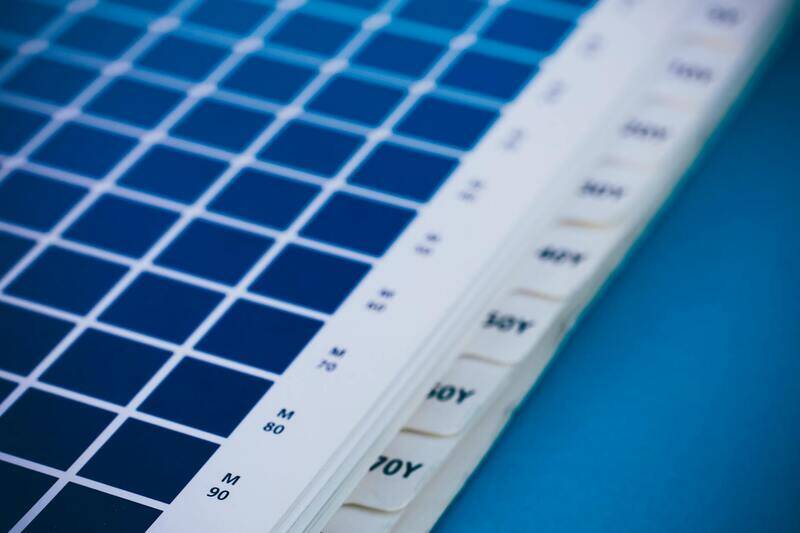
Designing a compelling business card involves merging creativity with clarity. It’s essential to optimize space for key information without overcrowding, ensuring readability and brand recognition. Customization options provide avenues to distinguish your card from competitors and reinforce your identity.
- Color Scheme: Utilize your brand colors consistently to reinforce recognition and visual harmony.
- Typography: Choose legible fonts that reflect your brand personality — professional, modern, or playful.
- Logo Placement: Position your logo prominently, typically on the top or corner, to increase brand visibility.
- Special Features: Incorporate embossed elements, foil accents, rounded corners, or unique die cuts for a memorable tactile experience.
- Dual-Sided Printing: Maximize space by displaying additional details, designs, or QR codes on the reverse side.
Clear communication with your printing partner is key to translating your design ideas into the final product. Providing digital mockups or proofs ensures that the colors, layout, and special features meet your expectations before mass production.
Choosing a Printing Service
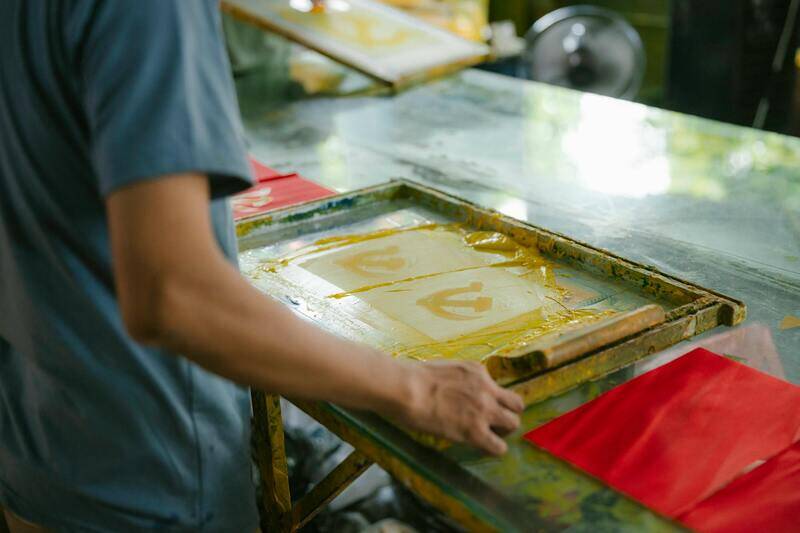
Selecting an appropriate printing service is vital for achieving the desired quality and professional finish. Reliable printing providers offer a range of options, from basic digital printing to advanced letterpress or foil stamping techniques. When evaluating a printer, consider their experience with business cards, portfolio samples, customer reviews, and the variety of customization options available.
It is advisable to work with a service that provides clear communication throughout the process, including mockups, proofs, and updates on production status. Ensuring that the printer uses high-quality equipment and materials can significantly influence the durability and appearance of your cards. Additionally, inquire about their finishing options—such as UV coating, matte lamination, or specialty effects—that can elevate your business card design.

Ordering Process and Specifications
The ordering process begins with specifying the quantity, size, paper type, finish, and any special features. Most print services accept digital files in formats like PDF or AI, with recommended resolutions of 300 dpi for crisp images and text. When preparing your artwork, adhere to the bleed specifications—usually an additional 3-5 mm—to prevent white borders or cropping issues during trimming.
Provide detailed instructions on any special effects, corner styles, or double-sided printing. It’s important to specify the exact quantity needed, as bulk orders often qualify for discounts and faster turnaround times. Confirm the turnaround schedule and delivery options, especially if the cards are needed for specific events or meetings.
From submitting your artwork to approving proofs, maintaining clear communication with the printing team ensures a seamless experience. Preparations such as reviewing digital proofs for color accuracy, layout, and overall design are vital steps before final approval and production.
Understanding Business Card Requirements
Ensuring your business cards meet specific requirements begins with understanding the core elements that influence their impact and usability. Key considerations include the purpose of the cards, target audience, and branding consistency. When selecting specifications such as size and layout, think about how easily the card can be stored and retrieved, as well as how well it reflects your professional identity. Standard dimensions, like 90 x 55 mm, are widely used for ease of handling and compatibility with wallets and cardholders. However, for a unique impression, consider custom sizes or shapes that align with your brand image.

Material choice plays a vital role in the final presentation and durability. Options range from traditional cardstock to premium materials such as linen, recycled paper, or even plastics, each offering different tactile experiences and longevity. Print finishes like matte, gloss, or soft-touch coatings can significantly influence visual appeal and hold up against everyday wear and tear.
Color schemes and font selections should adhere to your brand guidelines, enhancing recognition and consistency across your marketing collateral. Additionally, integrate essential information such as your full name, job title, company name, contact details, and official website. When designing the layout, prioritize clarity and balance, ensuring that vital information is easily accessible at a glance.
Types of Business Cards and Materials
Business cards come in a variety of styles tailored to specific professional needs and aesthetics:
- Standard Business Cards: The most common style, ideal for straightforward networking, with options for matte or gloss finishes.
- Minimalist Designs: Clean layouts with minimal text and subtle branding, perfect for modern and luxury brands.
- Specialty Materials: Cards made from clear plastics, textured linen, or recycled paper add a tactile dimension to your branding.
- Enhanced Features: Embossing, foil stamping, or spot UV coatings can create visual and textural highlights that elevate your card’s appeal.

Different materials also influence the cost and production complexity. For example, thicker cardstock provides a premium feel and increased durability but may require specialized cutting equipment. Conversely, lightweight options may be more cost-effective for bulk orders or everyday distribution. When selecting materials, consider the target professional environment—more tactile and high-quality options are suitable for premium services, while practical, economical choices work well for mass distribution.
Design Considerations and Customization Options
Designing an effective business card involves balancing aesthetics with informational clarity. Customization allows you to create a distinctive visual identity. Use brand colors and typography consistently, and incorporate elements like logos or unique patterns. Pay attention to white space to prevent clutter and ensure readability.
Special customization options include rounded or beveled corners for a softer look, dual-sided printing for additional information, or textured finishes to add a tactile element. Incorporating QR codes is also an effective way to link directly to your website or portfolio, facilitating seamless digital engagement. When collaborating with a printing service, discuss these options early to ensure compatibility with your chosen materials and finishes.
Choosing a Printing Service
Partnering with a professional printing service involves evaluating factors such as quality standards, turnaround times, and service offerings. Look for providers with a proven track record in producing business cards that meet detailed specifications. Reviews and testimonials can serve as indicators of consistent quality and customer satisfaction. Additionally, inquire about their experience with various materials and finishes to maximize design flexibility.
Open communication about your requirements and expectations is essential. Request samples or prototypes if possible, to evaluate the print quality, material feel, and color accuracy before placing a large order. Also, confirm the availability of additional services like design assistance, proofing, or expedited processing to streamline the overall ordering experience.
Additional Considerations for Business Card Ordering and Usage
To maximize the effectiveness of your business cards, it is essential to recognize the importance of off-site storage and distribution, especially when managing high volumes or multiple locations. Proper storage ensures that cards remain in pristine condition, free from bending, moisture, or detachment of printed elements. Use dedicated card organizers or compartments within your office drawers for easy access and preservation.
Effective distribution strategies are key to leveraging your business cards as a powerful networking tool. During professional interactions, handing out your cards confidently and at appropriate moments increases recall and engagement. Consider keeping a supply of cards accessible in your conference badge holder, briefcase, or car. This readiness facilitates prompt sharing, especially during spontaneous networking opportunities or last-minute meetings.
In addition, tracking your card distribution can provide valuable insights into the success of your outreach efforts. Maintain a record of contacts acquired through business cards, including details such as the context of exchange and follow-up actions. This practice ensures that your networking efforts translate into tangible business opportunities.
When it comes to reordering, consistently reviewing your inventory helps prevent shortages, especially ahead of industry events or marketing campaigns. Developing a reorder schedule based on your consumption rate allows for timely restocking without rushing into last-minute orders. This proactive approach maintains the professionalism of your brand presentation and ensures continuity in your outreach initiatives.
Finally, integrating digital solutions such as QR codes on your cards can bridge the gap between physical and virtual engagement. Scanning QR codes allows recipients to access your online portfolio, social media profiles, or booking pages instantly. Ensuring that these codes are properly tested for readability and linked to accurate, up-to-date content enhances your credibility and convenience for potential clients or partners.