Introduction to Custom Made Business Cards
In the competitive landscape of business, establishing a memorable professional identity is crucial for success. Custom made business cards serve as a vital tool in this endeavor, offering a tangible representation of your brand’s personality, values, and professionalism. Unlike generic alternatives, personalized cards allow businesses and individuals to showcase their uniqueness through tailored designs, specific material selections, and innovative finishes. This level of customization not only reinforces your branding efforts but also leaves a lasting impression on clients, potential partners, and contacts.
Understanding the importance of custom business cards begins with recognizing their role in networking and brand positioning. A well-crafted, personalized card immediately communicates credibility, attention to detail, and a commitment to quality. It acts as a portable extension of your business’s visual identity—highlighting logos, color schemes, typography, and unique design elements aligned with your corporate persona. Such tailored approaches increase the likelihood of recall, fostering future engagement and facilitating long-term relationships.
In today's digital age, the tactile experience of a carefully designed and professionally printed business card stands out even more amid an inundation of digital communication. Customization elevates this experience, transforming a simple contact-sharing tool into a strategic branding asset. Whether you're a startup entrepreneur, a seasoned professional, or a company looking to rebrand, investing in custom made business cards can significantly enhance your first impression and differentiate you in a crowded marketplace.

Choosing personalization options that align with your business identity assures authenticity and distinguishes your brand. As such, the process of creating custom made business cards involves more than just selecting a design—it requires meticulous attention to detail in design, material, and finishing options. These elements collectively contribute to a professional presentation that resonates with your target audience and elevates your overall brand strategy.
Material Choices for Custom Business Cards
Choosing the appropriate materials for custom made business cards is crucial in reflecting your brand’s professionalism and ensuring durability. Premium materials not only enhance the tactile experience but also communicate a commitment to quality that resonates with recipients. Common options include high-quality cardstock, which offers strength and a smooth surface ideal for detailed printing and finishes. For a more distinctive feel, textured papers, such as linen or linen-like finishes, provide an elegant touch that can set your cards apart. Additionally, specialty papers like metallic or opaque materials can add a unique element to your design, making your cards memorable and stand out from standard options.
For brands seeking eco-friendly solutions, recycled paper stocks and sustainably sourced materials offer a conscientious choice, aligning with principles of environmental responsibility without compromising quality. These materials are often produced under strict quality controls to ensure consistency, printability, and durability. When selecting a material, consider factors such as weight (measured in GSM), surface texture, and compatibility with your chosen printing techniques to optimize both aesthetics and longevity.

Special Finishes and Embellishments
Finishing touches play a pivotal role in elevating the visual appeal and perceived value of custom business cards. Spot UV coating, for instance, selectively adds a glossy finish to specific areas such as logos or text, creating a contrast that draws attention. Embossing and debossing techniques add texture by raising or lowering design elements, giving a sophisticated and tactile dimension that enhances brand recognition. Foil stamping introduces metallic accents—commonly in gold, silver, or other hues—that create an eye-catching effect and imply a sense of luxury and professionalism.
Other embellishments, like edge painting, can add a splash of color along the edges of the card, providing a subtle yet impactful design element. Incorporating these effects requires precision and expertise, ensuring that the enhancements complement the overall design without overpowering it. Carefully selected finishes and embellishments can communicate your brand’s values and ethos, making each card a small but powerful marketing tool.

Printing Techniques for Custom Business Cards
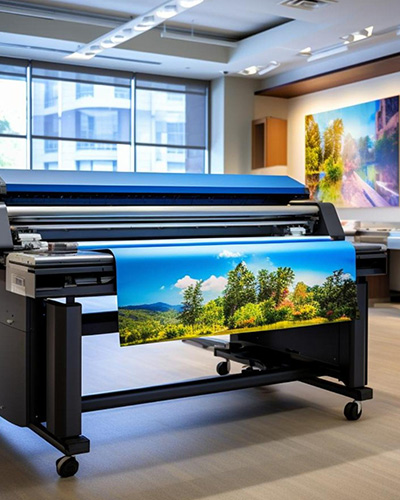
Multiple printing techniques are available to produce high-quality custom business cards, each offering distinct advantages. Digital printing is a versatile and cost-effective method suitable for small to medium runs, providing vibrant color reproduction and quick turnaround times. Lithography, or offset printing, is ideal for large orders, delivering sharp detail and consistent quality, especially for complex designs with intricate color schemes.
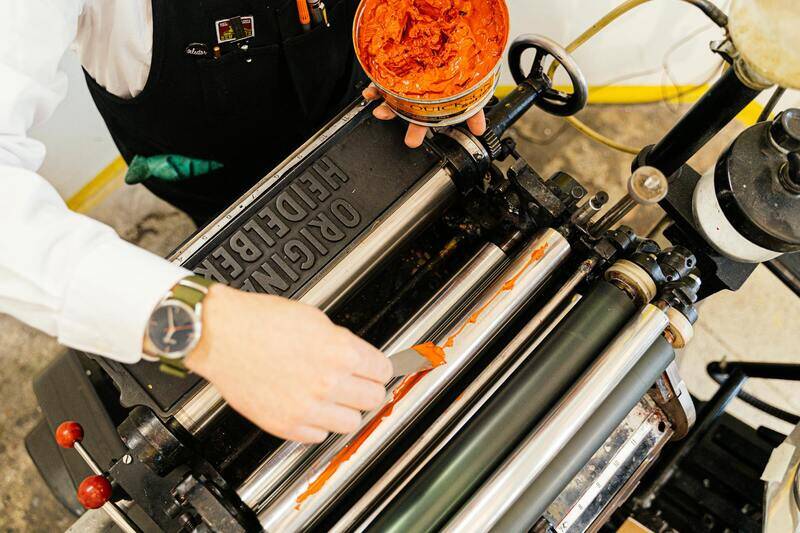
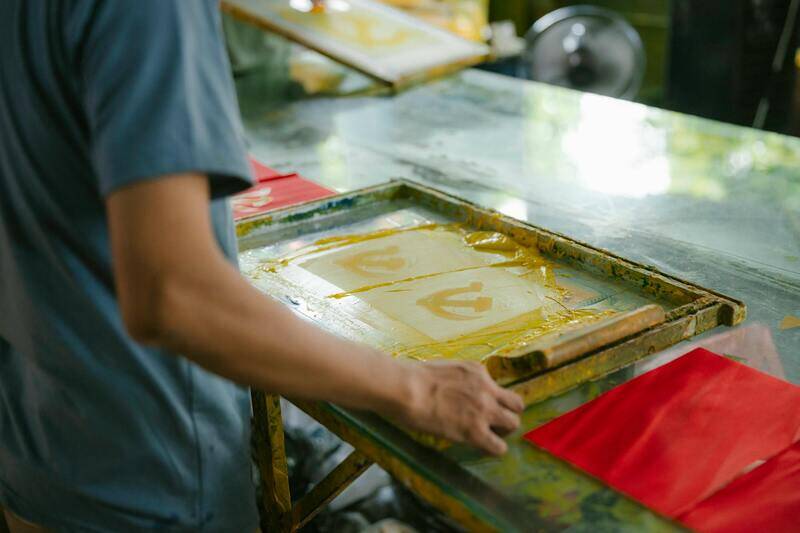
Letterpress printing offers a tactile experience with deep impressions, suitable for designs requiring a classic or vintage look, often paired with thick cards and bold typography. Additionally, screen printing can be employed for specific effects or specialty inks, providing unique textures and finishes. Advanced techniques like thermography can mimic the appearance of foil stamping at a lower cost, adding dimension to your design. Matching the appropriate printing method with your design and budget ensures a professional finish that aligns with your branding goals.
Size, Shape, and Finish Options
Moving beyond traditional rectangular cards, custom business cards offer a variety of size and shape options that enhance uniqueness. Square, rounded corners, and die-cut shapes can create visual interest and tactile differentiation. Unconventional sizes, such as slim or mini cards, offer versatility and convenience, while maintaining practicality for storage and handling.
Finish options like matte, gloss, or soft-touch coatings add another layer of sophistication. Matte finishes provide a subtle, non-reflective surface conducive to detailed graphics and text, while gloss coatings enhance vibrancy and color depth. Soft-touch coatings lend a velvety feel, elevating the tactile experience and creating a luxurious impression. Combining distinctive shapes with appropriate finishes allows your business cards to serve as powerful branding assets with a memorable physical presence.

Material Choices for Custom Business Cards
When selecting the material for your custom made business cards, the options significantly influence the overall appearance, durability, and tactile experience. Traditional paper stocks remain popular due to their versatility and cost-effectiveness, available in various weights and textures such as smooth, linen, or textured finishes that convey professionalism and elegance. High-quality cardstock, typically ranging from 14pt to 32pt, offers a substantial feel that leaves a lasting impression.
Beyond paper, plastics such as PVC or acrylic provide durability and a contemporary aesthetic, ideal for brands seeking a modern, sleek look. Acrylic cards can be transparent, frosted, or colored, allowing for creative versatility. Moreover, textured surfaces like linen, felt, or embossed patterns add tactile interest, making each card memorable upon touch.
Eco-conscious options are increasingly vital in business branding. Recycled paper stocks and biodegradable materials are readily available, enabling companies to demonstrate commitment to sustainability. These environmentally friendly materials often feature natural textures or subdued finishes that align with eco-friendly branding initiatives.
Choosing the right material involves balancing aesthetic preferences, environmental considerations, and logistical factors such as print compatibility and cost. High-end materials like metal or wood are also options for niche branding, offering a distinctive look and feel that can set a business apart in competitive markets. Carefully evaluating the intended message and audience helps determine the most appropriate material for your custom business cards.
Enhancing Business Card Impact with Special Finishes and Embellishments
In the realm of custom business cards, finishing touches can dramatically elevate the overall appearance and tactile experience. Special finishes and embellishments serve as strategic tools to reflect brand identity, emphasize key design elements, and create a memorable impression. Implementing these enhancements requires careful consideration of their visual impact, durability, and alignment with the business’s aesthetic goals.
Foil stamping, a popular embellishment, introduces metallic or pigmented foils onto selected areas of the card, such as logos, borders, or highlights. This technique imparts a luxurious, eye-catching finish that can convey professionalism and sophistication. When applied to specific design elements, foil stamping ensures they stand out while maintaining an elegant profile.
Embossing and debossing are tactile techniques used to add dimension to the card surface. Embossing lifts particular design elements, such as a company emblem or name, providing a subtle yet distinctive texture that captures attention and enhances brand recognition. Conversely, debossing creates a recessed effect, adding depth and interest to the overall design.
Spot UV coating is another valuable finish that selectively adds a glossy, reflective layer to specific areas of the card. Applied strategically over printed images or text, spot UV creates a striking contrast against matte backgrounds, emphasizing critical design features. This technique not only enhances visual appeal but also protects underlying inks from wear and tear.
Other embellishments include textured finishes like linen, felt, or rubberized coatings, which introduce a tactile element that invites touch. These textures can resonate with brands looking to communicate quality, craftsmanship, or personality. Furthermore, techniques such as die-cut shapes and layered elements add physical dimension and uniqueness to each card, setting a brand apart in competitive markets.
Integrating special finishes and embellishments with your custom cards should be aligned with your brand message and target audience. Proper placement and choices in embellishments optimize the aesthetic appeal while ensuring durability and cost-effectiveness. Collaborating with professional printing specialists can help determine which techniques best fit your design and branding strategy, resulting in a business card that leaves a lasting impression.
Official Printing Methods for Custom Business Cards
When it comes to producing high-quality custom made business cards, selecting the appropriate printing method is crucial. The choice not only affects the visual appearance but also the durability and tactile experience of the final product. Each printing technique offers unique advantages, making it essential to understand their differences to make an informed decision aligning with your brand goals.
Digital Printing
Digital printing is widely used for its rapid turnaround and cost-effectiveness, especially for small to medium runs. This method employs digital files directly onto the printing surface, allowing for quick production without the need for creating plates. Digital printing excels in producing vibrant colors and sharp images, making it suitable for complex designs, photographs, or detailed logos. Additionally, it offers flexibility for customization, enabling variations in individual cards with minimal additional costs.
Offset Printing
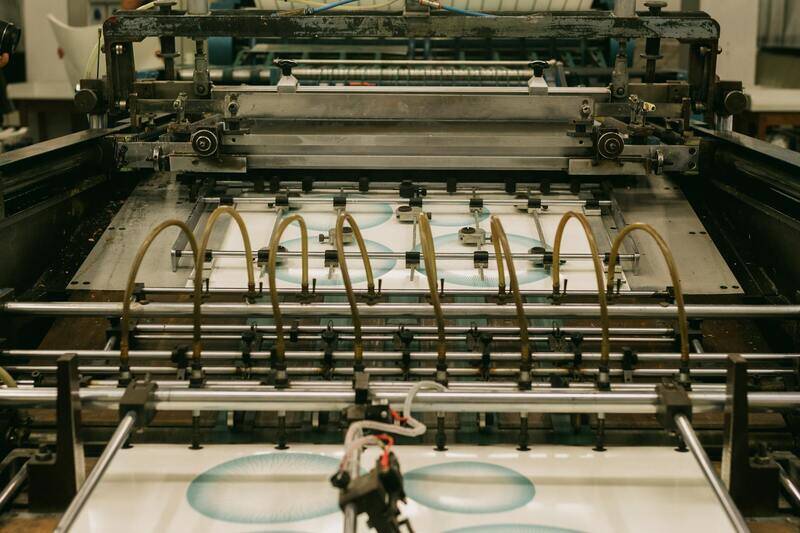
Offset lithography is considered the gold standard for high-volume production of custom business cards that require premium quality. Using metal plates, ink is transferred onto a rubber sheet before printing onto the card stock. This technique results in crisp, consistent images and colors, especially for large batches. Offset printing provides a high level of color fidelity and allows for the inclusion of special finishes or coating layers, making it ideal for brands seeking a refined and professional look.
Letterpress Printing
Known for its tactile appeal, letterpress printing imparts a distinctive impression onto the card surface. This traditional method involves pressing the design into the paper using metal or polymer plates, creating a debossed effect that is both visually striking and tactile. Letterpress is often chosen for its elegance and craftsmanship, making it a popular option for boutique or luxury brands. Due to the intricate process, this method typically involves higher costs and longer production times but results in a unique, memorable product.
Additional Considerations
- Compatibility with finishes: Certain printing methods work best with specific finishes, such as matte or gloss coatings, to enhance the overall effect.
- Color accuracy: Offset printing generally offers superior color consistency, while digital printing provides more flexibility for variable data.
- Cost and volume: Digital printing is more economical for small orders, whereas offset becomes cost-efficient for larger quantities due to its setup process.

Size, Shape, and Finish Options
When creating custom made business cards, a variety of sizing, shaping, and finishing options are available to ensure your cards stand out. Standard card dimensions typically measure 3.5 x 2 inches, but unique sizes can be used to make a lasting impression. Custom sizing allows for creative expression and can help your brand differentiate itself in a crowded marketplace.

Die-cut shapes offer another layer of customization. Instead of conventional rectangular designs, you can opt for circular, oval, or custom-shaped cards that mirror your brand identity or product themes. These shapes draw attention and demonstrate a commitment to thoughtful branding.
Rounded corners are an elegant way to soften the appearance of your business card, making it more comfortable to handle and less prone to damage. This finishing touch can imbue your cards with a modern, refined look that complements many design styles.
Finish options like matte or glossy coatings are essential for achieving the desired tactile and visual effect. Matte finishes provide a subtle, sophisticated look with a velvety texture that minimizes fingerprints and glare. Glossy finishes, conversely, offer vibrant color enhancement and a sleek, shiny surface that catches the eye. Both options can be complemented with special laminations or soft-touch coatings to provide additional durability and visual appeal.
Including embossed or debossed features can add tactile depth to your cards, creating a memorable texture that reinforces your brand. Spot UV coating can highlight specific elements like logos or contact information with a shiny, raised effect, further elevating the overall presentation.
Practical Tips for Selecting Size, Shape, and Finish
- Align your choice of shape and finish with your brand identity and industry standards. A luxury brand might prefer thick, embossed cards with matte finishes, while a tech startup may opt for vibrant, glossy, die-cut designs.
- Consider the handling and durability of your cards. Rounded corners and thicker materials tend to last longer and resist wear and tear.
- Balance your creative vision with practicality. Highly intricate die-cuts or specialty finishes might entail higher costs or longer production times, which should be accounted for in your planning.
- Request samples or prototypes before finalizing your order to ensure the chosen size, shape, and finish meet your expectations.
Through a strategic combination of size, shape, and finishing options, your custom business cards can effectively communicate your brand's personality and professionalism, leaving a memorable impression on recipients.
Size, Shape, and Finish Options
Choosing the right size, shape, and finish for your custom made business cards plays a critical role in how your brand is perceived. While standard rectangular cards measuring 3.5 x 2 inches remain popular and versatile, exploring alternative sizes and shapes can help your cards stand out in a crowded marketplace.
For instance, square cards or rounded corners can add a modern or softer touch, respectively. Die-cut designs in unique shapes, such as circles, ovals, or custom silhouettes aligned with your brand identity, can make your card memorable. When considering shapes, it’s important to ensure they are practical for handling and stacking, without compromising durability or ease of storage.
The choice of finish significantly influences the tactile experience. Matte finishes offer a sophisticated, glare-free surface that enhances readability and is ideal for minimalist or luxury branding. Glossy finishes provide a vibrant, reflective surface that makes colors pop, perfect for creative industries or brands seeking a lively, energetic image.
Special finishes such as soft-touch coatings add a luxurious feel, making each card a tactile delight. Embossing or debossing introduces physical depth, creating a textured surface that draws attention and adds a sense of craftsmanship. Spot UV coatings are often used selectively on logos or key contact elements, offering a contrasting shiny accent that highlights important details.
Balancing Functionality with Aesthetics
While aesthetic appeal is vital, it’s equally important to consider the practical aspects of your choices:
- Handling and Durability: Thicker cards and rounded corners tend to withstand wear and tear better, maintaining professionalism over time.
- Production Costs and Time: Intricate die-cuts or specialty finishes may incur higher costs and extend production timelines. Collaborate with your printing partner to evaluate options that align with your budget and schedules.
- Brand Consistency: Ensure that size, shape, and finish choices reinforce your brand’s personality and industry standards, whether it’s elegant minimalism or bold creativity.
- Sample Testing: Request physical prototypes to assess the actual look and feel before finalizing large-volume prints, minimizing the risk of dissatisfaction.
Leveraging a strategic combination of size, shape, and finish options enables your custom business cards to effectively communicate your brand’s identity while leaving a lasting impression. Deliberate selection of these features ensures your cards not only attract attention but also promote professionalism and trustworthiness.
Finalization and Quality Assurance for Custom Made Business Cards
Once the design, material, and finishing touches are thoroughly selected, the next critical step involves finalizing your order and ensuring the highest quality standards are met. This phase encompasses meticulous verification processes and strategic planning to guarantee that each business card aligns perfectly with your brand’s vision and professional standards.
Pre-Production Proofing and Approvals
Before commencing large-scale production, requesting physical samples or digital proofs from your printing service provider is essential. These proofs allow you to scrutinize color accuracy, alignment, material quality, and the effectiveness of special finishes or embellishments. Your feedback at this stage helps mitigate errors and ensures the final product matches your expectations. Some providers offer mock-up options tailored to your specific design, enabling a more tangible preview of the finished product.

Quality Checks During Production
- Material Consistency: Confirm that the supplied materials meet the specified quality standards, with uniform thickness and color saturation.
- Color Fidelity: Ensure that printed colors accurately reflect your design, especially when using Pantone or custom color matches.
- Finish Uniformity: Verify that special finishes, such as foil stamping or spot UV, are applied consistently across all cards.
- Edge and Corner Precision: Check that edges are cleanly cut and corners are rounded or shaped as requested, without rough edges or imperfections.
- Embossing/Debossing Accuracy: Confirm that any textured effects are sharply defined and properly aligned with design elements.
Post-Production Inspection and Packaging
Following production, a thorough inspection process is vital before shipment. This involves reviewing a sample batch to verify that each card adheres to quality benchmarks. Proper packaging is also crucial to prevent damage during transit, especially for delicate finishes or die-cut designs. Ensure that cards are securely stacked, cushioned, and labeled appropriately to facilitate smooth delivery and distribution.
Addressing Potential Issues and Revisions
In the event of discrepancies or defects, establish clear communication channels with your printing partner. Most reputable providers offer revision options to correct or reprint affected cards, often at minimal additional cost if issues are due to production errors. Maintaining transparency and prompt feedback minimizes delays and ensures your business cards uphold your professional image.
Maintaining Your Custom Business Cards
Proper handling and maintenance extend the lifespan of your custom cards. Use gentle cleaning methods to remove dirt or smudges, avoid excessive bending or moisture exposure, and store your cards in protective sleeves or cases. For designs with delicate finishes or intricate embellishments, additional precautions may be necessary to preserve aesthetics over time.
Summary of Key Finalization Steps
- Request and review physical or digital proofs to confirm design accuracy.
- Conduct a pre-production check focusing on material and print quality.
- Inspect the sample batch meticulously upon completion of production.
- Ensure proper packaging to prevent damage during shipping.
- Establish protocols for addressing and correcting any issues promptly.

Adhering to these comprehensive finalization procedures guarantees that your custom business cards meet professional standards, effectively reinforcing your brand identity and making a compelling impression on every recipient.