Understanding Custom Business Card Printing
Custom business card printing stands as a strategic tool for professionals and companies aiming to establish a memorable brand presence. Unlike standard business cards that often come with uniform designs and limited options, custom printing offers the flexibility to craft cards that align precisely with a company's visual identity and messaging. This tailored approach helps reinforce brand recognition and makes a lasting impression on recipients. Custom business cards often incorporate unique design elements, special finishes, and premium materials, ensuring that each card not only communicates contact information but also conveys professionalism and attention to detail.
In a competitive marketplace, the importance of a well-designed, distinctive business card cannot be overstated. Custom printing empowers businesses to choose from an array of sizes, layouts, and creative embellishments, enabling them to stand out amidst a sea of standard options. The process of customizing extends beyond aesthetics; it involves selecting appropriate materials, finishes, and printing techniques that complement the brand’s identity and message. When executed with precision, custom business cards serve as tangible representations of a brand’s quality and ethos, making them an invaluable asset in networking and marketing efforts.
Key Features of Custom Business Cards
- Personalized Design: Tailored layouts, logos, and artwork to reflect brand personality.
- Material Variety: Options include thicker stocks, textured surfaces, and eco-friendly materials.
- Finish Options: Matte, gloss, soft-touch, and other finishes for enhanced tactile feel and visual appeal.
- Unique Size and Shape: Non-standard dimensions and die-cut shapes to create a distinctive look.
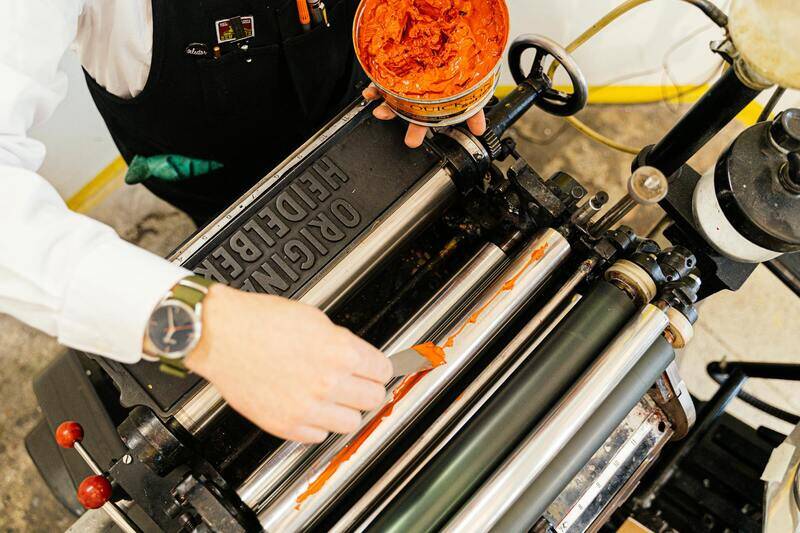
- Special Effects: Foil stamping, embossing, debossing, and letterpress techniques to add depth and sophistication.
Selecting the Right Material and Finish
The choice of material in custom business card printing plays a fundamental role in the card’s durability and aesthetic impact. Common options include standard cardstock, matte finishes, textured papers, and environmentally conscious materials. Thicker stocks, such as 16-20pt, provide a substantial feel that communicates quality, while textured finishes add tactile richness. Finishes like gloss or matte coat enhance the visual appeal and protect against wear and tear, ensuring the card retains its professional look over time. Deciding on the suitable material and finish should align with the brand’s image, message, and the intended impression on recipients.

Design Considerations for Custom Business Cards
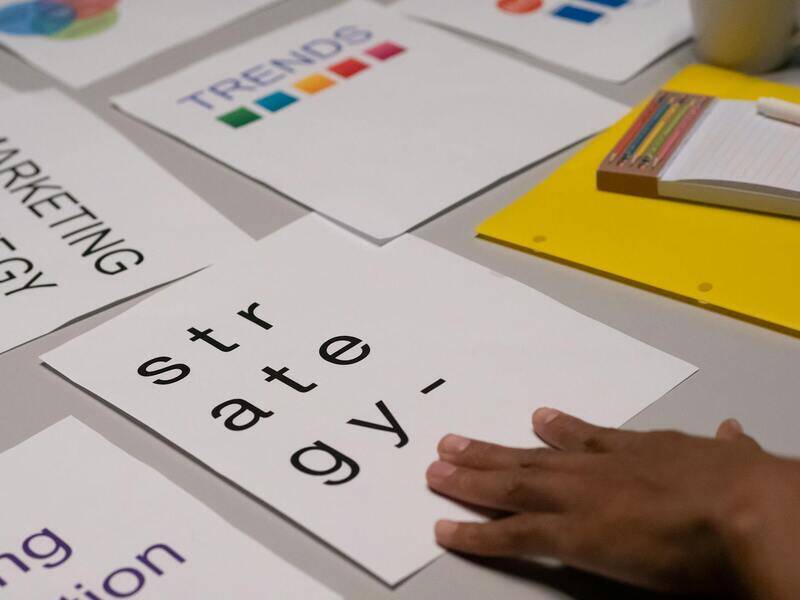
When designing custom business cards, attention to detail is essential to create a memorable impression. The layout should be clean and well-organized, ensuring that key information such as name, title, contact details, and company logo are prominently displayed. Utilizing consistent branding elements, including color schemes, typography, and logo placement, reinforces brand recognition and visual identity. Incorporating whitespace effectively prevents clutter and enhances readability. Additionally, thoughtful placement of design elements such as icons or sponsor logos can add a professional touch without overwhelming the overall aesthetic.
Choosing the right font style and size is crucial; it must be legible across various formats and sizes. Embedding QR codes can also be a strategic addition, offering recipients quick access to digital contact information or company websites while maintaining a neat appearance. Incorporate branding elements subtly to avoid distraction but ensure they strengthen the visual message. Experimenting with different color contrasts and textures can also elevate the overall look, making each card stand out in a stack of competitors.
Printing Techniques and Technology
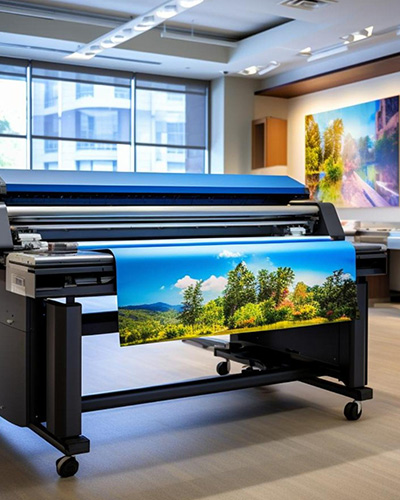
Modern printing technologies provide a broad spectrum of options that impact both the aesthetic quality and tactile experience of each business card. Offset printing remains a popular choice for bulk orders due to its high quality and cost-effectiveness when producing numerous copies. Digital printing offers a flexible and faster alternative for smaller quantities or personalized designs, maintaining high resolution and color fidelity. Special effects such as foil stamping or embossing often require advanced press techniques, adding a layer of sophistication and dimension to the final product. Advanced printing methods also enable precision in die-cut shapes and intricate design details, ensuring each card meets specific branding requirements.
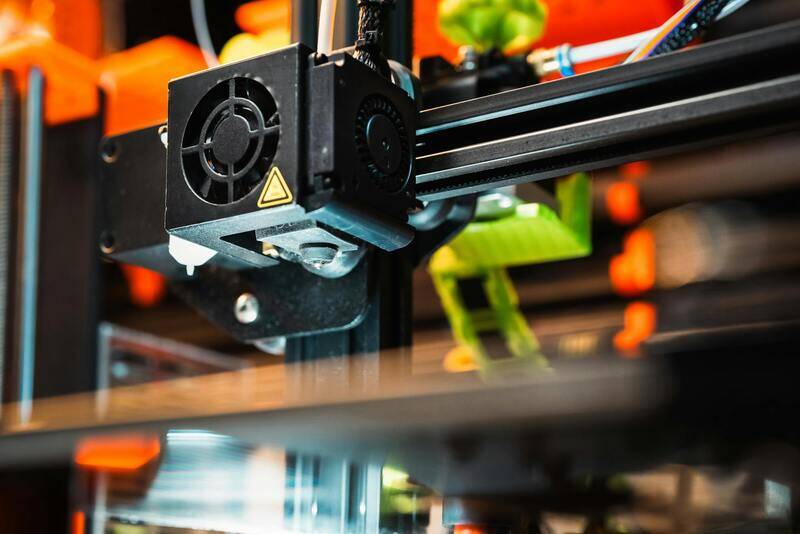
Some printing facilities employ UV coating or soft-touch finishes to further enrich tactile qualities and improve durability. These methods not only boost visual appeal but also protect the cards from scratches and fading, allowing the cards to withstand daily handling and shipping wear. For designs emphasizing vivid colors and complex graphics, high-end printers equipped with the latest color management software guarantee a consistent and accurate reproduction of artwork. As technology continues to evolve, newer innovations such as 3D printing and augmented reality integration are beginning to influence business card customization, offering the potential for increasingly interactive and eye-catching designs.
Cost and Order Quantity Factors
Pricing for custom business card printing varies significantly depending on the chosen materials, finish, complexity of design, and order quantity. Typically, higher quality materials and special effects like foil stamping or embossing commands a premium. Small-batch orders might carry higher per-unit costs due to setup fees, whereas larger quantities generally benefit from volume discounts. Some printing providers offer package deals that bundle design, printing, and finishing, facilitating budget management. It’s important to assess the intended use—whether for a limited launch or ongoing networking efforts—and plan the quantity accordingly. Bulk orders not only reduce costs but also ensure consistency across your branding collateral, creating a cohesive professional appearance.
Considering the lifecycle of the cards and the potential need for reordering is also advisable. Some providers offer digital proofing and sample services, enabling you to verify colors and design accuracy before the full run. This step helps prevent costly errors and ensures the final product aligns perfectly with your brand standards. When planning your order, balancing quality, design complexity, and budget will be key to producing a professional and impactful business card that leaves a lasting impression on recipients.
Understanding Custom Business Card Printing
Custom business card printing involves more than just selecting a design; it encompasses choosing the appropriate printing techniques, materials, finishes, and understanding the subtleties that can influence both the appearance and longevity of your cards. The process begins with a clear vision of your brand identity and the message you intend to communicate, which guides decisions related to size, color scheme, font style, and overall layout.
Opting for custom printing allows for essential personalization, such as incorporating unique textures, finishes, or embossed elements that can make your cards stand out. This level of customization ensures your business cards not only convey professionalism but also leave a memorable impression on clients and contacts. Advanced printing methods can include spot UV coating for gloss effects, foil stamping for metallic accents, or even UV coating for additional durability, all tailored to enhance the tactile and visual appeal.
Key Features of Custom Business Cards
- Personalized Design Elements: Fully customizable layouts, colors, and fonts to align with your branding standards.
- Unique Finishes: Options such as matte, gloss, or matte-gloss coatings that impact the feel and appearance.
- Enhanced Durability: Use of thick cardstock, plastic materials, or textured surfaces that resist wear and tear.
- Special Effects: Foil stamping, embossing, or spot UV to add elements of sophistication and visual interest.
- Multiple Size and Shape Options: Beyond the traditional rectangle, options include rounded corners, square, or custom die-cut shapes.
The Role of Printing Technologies and Techniques
Advances in printing technology have significantly expanded the possibilities for custom business cards. Digital printing offers rapid turnaround times and cost-effective solutions for small batches or prototypes, ensuring consistency and vibrancy in colors. Offset printing, on the other hand, is suitable for larger quantities, providing sharp detail and high-quality finishes at scale.
Special techniques like letterpress or thermography introduce tactile effects that can add sophistication to your cards. For instance, letterpress printing pushes the design into the paper, creating an embossed or debossed effect that is both visible and tactile.
Cost and Order Quantity Factors
The investment in custom business card printing varies according to several key factors, including choice of material, complexity of design, and the finishing techniques used, as well as the number of cards ordered. Generally, higher-quality materials and intricate effects like foil stamping or embossing will increase production costs. Small runs tend to have higher costs per unit because of setup fees involved in preparing the printing plates or digital files. Conversely, larger orders benefit from economies of scale, reducing the unit price and making bulk orders a more cost-effective option.
Providers often offer package deals that include design, printing, and finishing, allowing clients to streamline the process and stay within budget. When planning your order, it’s important to consider the length of time your business cards will serve you and how frequently reordering may be necessary. Digital proofing and sample services are recommended to verify colors and layout before mass production, preventing costly mistakes and ensuring the final product matches your expectations.
Choosing Local Printing Services in Singapore
Engaging with local printing providers offers distinct advantages, including faster turnaround times, easier communication, and the ability to see samples in person before placing an order. Local printers often have a better understanding of regional preferences and come equipped with advanced printing equipment capable of producing high-quality, customized business cards efficiently. Additionally, working locally can facilitate better negotiations on complex finishing options and provide more personalized customer service.
Tips for Ensuring Quality and Accuracy
To achieve the best results, always request digital proofs or samples before finalizing your order. This step ensures your colors, text, and images render accurately and align with your brand standards. Clear communication with your printing provider regarding specifications such as material choice, finishes, and special effects is crucial. Request detailed descriptions of the printing process and verify that your design files meet the provider’s technical requirements.
Inspect finished samples whenever possible and pay attention to small details, such as alignment, color consistency, and surface smoothness. Maintaining open dialogue with your printer during the process can help address issues proactively, ensuring the end product is of high quality and accurately reflects your design intentions.
Choosing the Appropriate Printing Techniques for Custom Business Cards
Implementing the right printing technique is essential to achieve the desired quality and aesthetic appeal for custom business cards. Different methods offer unique advantages, depending on the design complexity, desired texture, and budget constraints. The most common printing techniques include digital printing, offset printing, letterpress, and foil stamping.
- Digital Printing: Ideal for short to medium runs, digital printing offers quick turnaround times and cost-effective options. It enables high-definition color reproduction and allows for easy customization of each card, making it suitable for personalized designs or limited editions.
- Offset Printing: Suitable for large volume orders, offset printing provides exceptional color accuracy and consistency. It produces sharp images with fine detail, making it perfect for complex designs or designs with specific color match requirements.
- Letterpress: Known for its tactile quality, letterpress printing creates an embossed effect that elevates the physical presence of the business card. This technique exudes sophistication and is well-suited for premium, luxury branding.
- Foil Stamping: Adding metallic foils through stamping introduces a vibrant shimmer and an eye-catching accent. It’s effective for highlighting key elements such as logos or contact information, enhancing brand visibility.
Integrating multiple techniques can further enhance the uniqueness of your business cards. For example, combining letterpress with foil stamping can create a highly tactile and visually striking product. Understanding the technical capabilities and limitations of each method will help in selecting the most appropriate option that aligns with your brand identity and budget.

Evaluating Cost and Order Quantities for Custom Business Cards
The cost of custom business card printing varies significantly based on several factors, including the chosen printing method, materials, finishes, and the total quantity ordered. Typically, larger order volumes benefit from a lower per-unit cost, making bulk orders more economical for businesses aiming to maintain a consistent branding presence.
- Order Size: Small runs or sample orders tend to have higher unit costs due to setup and production expenses. Conversely, larger quantities usually reduce the overall cost, especially when offset printing economies are considered.
- Material Selection: Premium materials such as thick cardstock, textured finishes, or specialty papers naturally increase production costs. Carefully balancing quality with budget constraints is crucial.
- Finish and Effects: Additional features like embossing, foil stamping, or spot UV coatings add to the cost structures but can significantly impact the perceived value of the cards.
- Design Complexity: Intricate graphics, detailed textures, or custom cut-outs may require additional production steps, influencing overall expenses.
Plan your order quantities based on your marketing needs, budget, and the desired frequency of distribution. For those prioritizing consistency and brand recognition, ordering in larger batches and storing the cards for future use is often more cost-effective.

Partnering with Local Print Providers in Singapore for Quality Assurance
Collaborating with local printing companies ensures tight quality control and prompt communication throughout the production process. Local providers often offer face-to-face consultations, allowing clients to review samples and clarify details in real time. This proximity facilitates swift adjustments to design or specifications, minimizing the risk of misinterpretation or errors.
- Sample Approvals: Request physical samples or digital proofs to verify the accuracy of colors, finishes, and overall design before committing to a full run.
- Direct Communication: Engage in detailed discussions about material options, special finishes, and turnaround times, ensuring your expectations are fully aligned.
- Turnaround Time: Local printers can often guarantee faster delivery due to proximity and streamlined logistics, reducing project delays.
- Personalized Service: In-person consultations or dedicated account managers can provide tailored recommendations, ensuring the final product meets your branding standards.
Fostering a partnership with a reputable local printer in Singapore can enhance the overall quality and satisfaction of your custom business card project. The ability to see samples firsthand, make adjustments promptly, and work within a familiar business environment offers significant advantages for companies aiming for premium, distinctive branding materials.

Printing Techniques and Technology
Choosing the appropriate printing technique is fundamental in achieving the desired quality and visual impact of custom business cards. Advances in printing technology provide a variety of options that cater to different design complexities, texture preferences, and budgets. Digital printing, for instance, is renowned for its quick turnaround times and the ability to produce small batches cost-effectively, making it suitable for personalized and high-detail designs. Offset printing, on the other hand, excels in producing large volume orders with consistent color accuracy and sharp images, ideal for bulk business card production.
Foil stamping introduces metallic accents and reflective finishes that significantly elevate the card's visual appeal, creating a sense of luxury and exclusivity. Embossing and debossing techniques add tactile dimension, making the design stand out physically and visually, which is especially effective for logos and branding elements. Thermography is another technique that produces raised printing with a unique textured feel, perfect for highlighting key information.
State-of-the-art printing presses and sophisticated software integration ensure high precision, vibrant color replication, and detailed finishes. Many local printing providers incorporate latest technology to handle complex designs, multiple finishes, and specialty effects seamlessly. This combination of technology and craftsmanship guarantees print results that meet high standards of professionalism and durability.
Advanced Printing Techniques and Technology
To achieve the highest quality in custom business card printing, leveraging advanced printing techniques is essential. Modern digital and offset presses are equipped with high-resolution outputs, ensuring that each color, line, and detail is sharp and vibrant. The integration of sophisticated software allows for precise color management and complex design reproduction, which is especially critical for detailed logos and intricate graphics.
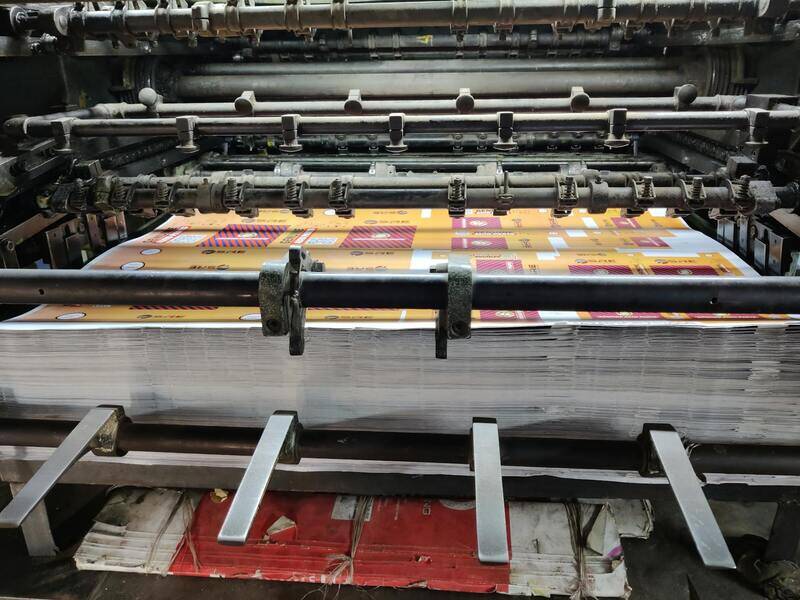
State-of-the-art equipment supports a variety of finishes and embellishments, such as spot UV coating, textured coatings, embossed and debossed elements, and foil stamping. These techniques enhance visual appeal and tactile experience, creating a memorable first impression. For example, foil accents can highlight specific design features, while embossed logos add a sense of depth and professionalism.
Implementing these advanced methods requires a trained technical team well-versed in the intricacies of each process. This ensures consistency in quality across large volumes, as well as the ability to execute complex designs with precision. Local print providers that invest in the latest printing technology possess the capacity to produce customized designs that meet individual branding requirements while maintaining high standards of durability and visual integrity.
Beyond aesthetic appeal, these technological advancements also improve the durability of business cards. Protective overlays and resistant finishes safeguard against wear and tear, ensuring that the cards retain their vibrant appearance over time. Additionally, environmentally friendly printing options, such as soy-based inks and sustainable paper stocks, are increasingly available through modern printing facilities, allowing businesses to align their branding with eco-conscious practices.
Choosing the Right Custom Business Card Specifications
When selecting the appropriate printing techniques, it’s crucial to consider the intended purpose and branding identity of the business. For instance, companies seeking a luxurious image might prioritize foil stamping and embossing, while startups aiming for affordability might focus on digital printing with sleek finishes. Customization options are virtually limitless, enabling tailored finishes that align with specific branding strategies.
- Design Complexity: Assess whether the design includes intricate graphics or metallic accents that could benefit from specialty techniques.
- Durability Requirements: Determine how long the cards are expected to last and choose protective finishes accordingly.
- Budget Constraints: Balance the desired quality features with cost considerations, selecting techniques that provide optimal value.
- Turnaround Time: Consider the time needed for complex finishing processes, which may extend production schedules.
By collaborating closely with experienced print service providers, businesses can identify the most fitting combination of materials, finishes, and techniques that effectively communicate their brand message and meet operational needs.
Understanding Custom Business Card Printing
Custom business card printing allows companies to craft unique and memorable branding tools that effectively represent their identity and values. The process involves selecting specific design elements, materials, finishes, and printing techniques to produce a card that stands out and makes a lasting impression. Unlike standard templates, custom cards are tailored to meet business-specific requirements, whether that involves integrating brand colors, logos, textures, or creative shapes. This customization ensures that each card not only conveys contact information but also communicates the essence of the brand and its professionalism. Modern printing technology enables precise reproduction of complex designs, vibrant colors, and detailed graphics, ensuring each card aligns with the company's vision and marketing goals.
Key Features of Custom Business Cards
- Personalized Design: Every aspect, from font choices to layout, is tailored to reflect your brand identity.
- Premium Materials: Options include thick cardstock, textured finishes, and specialty papers to enhance tactile appeal.
- Innovative Finishing: Techniques such as foil stamping, embossing, and spot UV coating add a luxurious touch.
- Shape and Size Customization: Creative cuts beyond the standard rectangular shape to create distinctive silhouettes.
- Enhanced Durability: Protective coatings extend the life and maintain the aesthetic appeal of the cards.
Selecting the Right Material and Finish
Choosing appropriate materials and finishes is essential for achieving the desired impact and longevity of your business cards. Heavier cardstock is often preferred for a premium feel, while textured or matte finishes can evoke sophistication or understated elegance. Glossy finishes highlight vibrant colors, making images pop, whereas matte finishes provide a sleek, modern look with reduced glare. Specialty materials, such as recycled paper or clear acetate, can reinforce your commitment to sustainability or innovative branding. When making selections, consider how the material and finish align with your company's image and the message you intend to convey to clients and partners.

Design Considerations for Custom Business Cards
A well-designed business card should balance aesthetics and functionality while reinforcing your brand identity. Key factors include alignment with your brand colors, legibility of contact details, and the incorporation of visual elements like logos, icons, or patterns. Design complexity depends on your target audience and the card’s purpose. For instance, professional controllers might opt for minimalist designs emphasizing clarity, while creative agencies might explore bold graphics and unconventional layouts. Keep in mind that simplicity often enhances memorability and reduces printing costs, but intentional use of negative space and high-contrast elements can make your card stand out without overloading the design.
Printing Techniques and Technology
Modern printing facilities employ advanced techniques to produce high-quality, customized business cards. Digital printing is ideal for low to medium volume orders and allows for quick turnaround with sharp color reproduction. Offset printing offers superior quality for larger runs, with precise color matching and consistency. Specialty techniques such as foil stamping add metallic accents, while embossing creates tactile patterns that elevate the card’s texture. Spot UV coating highlights specific areas for visual emphasis. VersaTech and other high-tech presses ensure detailed graphic representation, enabling intricate design elements to be perfectly rendered. The choice of printing technique hinges on your budget, desired finish, and production timeline, with collaboration from experienced printers ensuring optimal results.
Cost and Order Quantity Factors
The expense of custom business card printing varies with several key factors. Larger order quantities often reduce per-unit costs due to economies of scale, making bulk printing a cost-effective solution for established businesses. Conversely, small batches tailored for specific events, like trade shows or new product launches, might incur higher costs per card but offer flexibility in design and materials. The complexity of the design, choice of specialty finishes, and premium materials also influence pricing. Additionally, quick turnaround times can add to the overall cost, especially when complex finishing processes are involved. To optimize your investment, consult with your printer to find the best balance between quality, design intricacy, and budget constraints, ensuring your business cards effectively support your branding efforts without exceeding your financial plan.
Understanding Custom Business Card Printing
Custom business card printing is a strategic process that combines innovative design, quality materials, and precise manufacturing techniques to create a tangible representation of your brand. Choosing a reputable printing provider ensures that your cards reflect professionalism and attention to detail, which can make a significant impact on client impressions and networking success. Whether you're aiming for minimalist elegance or intricate aesthetic details, understanding the standards and processes involved in custom printing guarantees a final product that aligns with your business identity.
Key Features of Custom Business Cards
The defining features of custom business cards include personalized design options, premium material selection, and a variety of finishing touches that enhance visual appeal and tactile experience. Advanced printing methods allow for vibrant colors, sharp graphics, and intricate patterns, all tailored to specific branding requirements. Custom cards also provide flexibility in shape, size, and format, helping your brand stand out from generic templates and ensure that your touchpoint communicates professionalism and uniqueness.
Selecting the Right Material and Finish
Material choice significantly impacts the durability and overall aesthetic of your business cards. Common options include:
- Standard cardstock: Cost-effective, suitable for bulk printing, and easy to carry.
- Premium matte or gloss finishes: Enhance color vibrancy and provide a sleek look.
- Textured papers: Add tactile interest, such as linen or felt options, which convey sophistication.
- Specialty materials: Include clear, frosted, or metal-infused options for a distinctive appearance.
Finish type also influences the perception of your business card:
- Matte finish: Elegant, non-reflective surface that minimizes fingerprints.
- Gloss finish: Vibrant color reproduction with a shiny surface.
- Soft-touch coating: Luxurious, velvety texture that adds a premium feel.
- Specialty coatings: Include matte varnish, spot UV, or foil stamping for accents and focal points.

Design Considerations for Custom Business Cards
Creating an effective design involves balancing aesthetics with clarity. Essential elements include your logo, contact details, and visual identity, all arranged for easy readability and visual harmony. Use vector graphics for sharp, scalable images, and select fonts that complement your branding tone. Incorporate whitespace to avoid clutter and guide the viewer’s eye toward critical information. Consider unique design elements, such as geometric patterns or textured embossing, to add a tactile dimension that reinforces brand identity.
Printing Techniques and Technology
The printing method chosen affects both the quality and cost of your business cards. High-end techniques like offset printing provide rich color depth and consistency suited for large runs, while digital printing offers flexibility and rapid turnaround for smaller batches. Specialty techniques, including foil stamping, embossing, and Spot UV coating, add visual and tactile interest. Modern high-definition presses ensure precise detail reproduction and color accuracy, essential for intricate design elements and branding consistency. The decision on technique often hinges on project scope, budget, and desired finish, with collaborations from experienced printers ensuring optimal results.
Cost and Order Quantity Factors
The cost structure for custom business card printing depends on various elements, notably order volume. Larger quantities typically lower the cost per card due to economies of scale, making bulk printing advantageous for established companies needing consistent branding. Smaller quantities, however, allow for greater flexibility in design and material selection, suitable for special events or limited-time campaigns. Higher complexity in design, premium finishes, and special materials generally increase the overall expense. Additionally, rapid turnaround requirements may incur additional costs, especially when utilizing advanced finishing techniques. To maximize value, it’s crucial to find an optimal balance that caters to your brand’s needs while respecting budget constraints.
Tips for Ensuring Quality and Accuracy
To achieve the best results, meticulously review all proofs provided by the printing service before approval. Confirm that design elements, contact information, and color schemes are accurate and meet your expectations. Selecting a printing provider with a proven track record for quality and consistency ensures your cards will be produced to professional standards. Engaging in sample approvals and requesting color swatches can further guarantee that the final product matches your branding vision. Clear communication with your printer about your requirements minimizes errors and ensures a seamless production process.