Overview of Personal Card Printing
Personal card printing is a specialized process that involves creating high-quality cards used primarily for personal branding, networking, and establishing a professional image. In Singapore, where business and social connections are highly valued, having a well-designed personal card can significantly impact how individuals present themselves in both professional settings and personal interactions. Personal cards often include essential details such as the individual’s name, contact information, and sometimes a personal logo or graphic that reflects their personality or profession.
The importance of personal card printing lies in its ability to serve as a tangible representation of one's identity. It provides a convenient way to share contact details quickly and leave a memorable impression. Whether for job seekers attending interviews, entrepreneurs expanding their network, or professionals attending conferences, a personalized card is an effective tool for fostering connections. Moreover, in Singapore's competitive environment, standout personal cards can differentiate individuals from others by showcasing a sense of professionalism, creativity, and attention to detail.
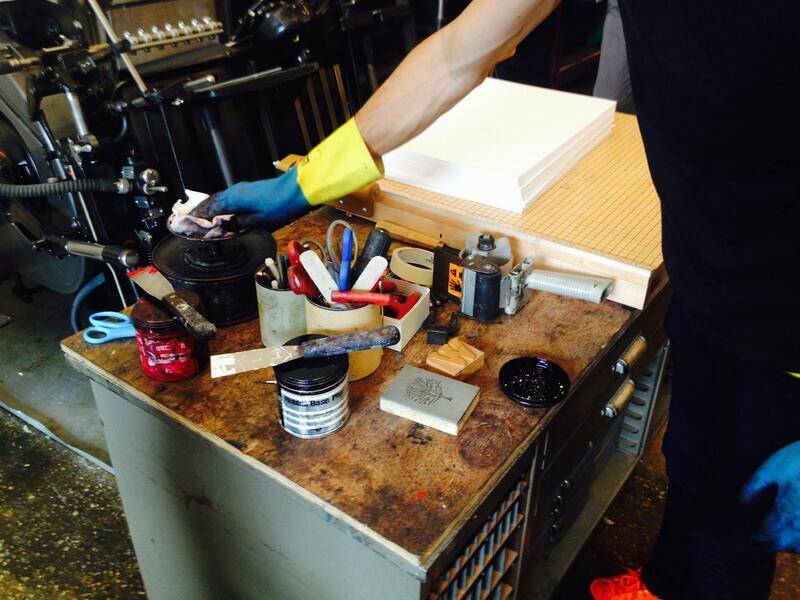
Furthermore, personal card printing supports personal branding efforts, allowing individuals to communicate their unique style or message visually. Customizable options in design, materials, and finishes enable users to craft cards that resonate with their personal or professional image. As a result, personal card printing becomes a valuable investment for anyone looking to make meaningful connections and establish a credible presence in various social and business environments across Singapore.
Types of Personal Cards and Design Options
Choosing the appropriate type of personal card involves understanding the variety of design styles and customization options available. Personal cards can range from minimalist and sleek designs to more elaborate and artistic layouts, depending on individual preferences and the intended impression.
Design styles include:
- Classic: Simple layouts with clean lines, maintaining professionalism and clarity.
- Creative: Incorporates unique graphics, vibrant colors, and innovative shapes to showcase personality or brand identity.
- Elegant: Features sophisticated font choices, luxurious finishes, and refined aesthetics suitable for high-end interactions.
- Minimalist: Focuses on essential information with ample white space, emphasizing simplicity and modernity.

Material choices significantly impact the look and feel of personal cards. Options include standard cardstock, premium photographic paper, textured finishes, or eco-friendly options crafted from recycled materials. Each material offers distinct tactile experiences and visual appeal, enabling customization based on the individual's intent and style preference.
Finishes such as matte, gloss, or soft-touch coatings enhance durability and aesthetics. For instance, matte finishes reduce glare and give a muted elegance, while gloss finishes make colors pop vividly for more eye-catching effects. Additionally, special effects like embossing, foil stamping, or spot UV coating can be applied to create standout features that highlight specific design elements or branding symbols.
Customization extends beyond materials and finishes. Personal card printing services offer various options such as:
- Adding personal logos, mascots, or graphics to communicate individual style or professional identity.
- Using specialty fonts to evoke personality traits or brand attributes.
- Incorporating unique die-cut shapes to break away from traditional rectangular cards.
- Implementing design elements like QR codes for quick digital access to online profiles or portfolios.
Through these diverse options, individuals can craft cards that not only convey essential contact details but also leave a memorable impression aligned with their personal image or branding goals.
Overview of Personal Card Printing
Personal card printing serves as a pivotal tool for individuals seeking to establish a professional image or share personal contact information in a memorable manner. Unlike generic mass-produced cards, custom personal cards provide an avenue for self-expression and branding. They are meticulously crafted through a process that ensures high-quality reproduction of designs, logos, and detailed graphics. This specialized service caters to various needs, from networking and professional presentations to personal branding and creative pursuits.
Many printing providers utilize state-of-the-art digital and offset printing techniques capable of producing vibrant color accuracy and sharp details. These methods allow for the replication of intricate designs, including textured patterns and metallic accents, which are critical for creating standout cards. Additionally, quality assurance measures during production guarantee that every card maintains consistency and adheres to customer specifications. The outcome is a durable, visually appealing personal card that effectively communicates individual identity and leaves a lasting impression.

Types of Personal Cards and Design Options
Designing personalized cards involves selecting from a variety of styles and customization features. Standard business card formats are the most common, typically measuring 3.5 x 2 inches, but there are numerous creative variations to suit different preferences.
- Standard Business Cards: Classic rectangular shape with clean, professional layouts suitable for corporate and personal use.
- Die-Cut Cards: Unique shapes, such as rounded edges, circles, or custom outlines, provide a distinctive touch that captures attention.
- Folded Cards: Offer additional space for detailed information or creative design, making them ideal for portfolios or event invitations.
- Magnetic Cards: Incorporate magnetic backing for fridge attachment, blending functionality with personalization.
Design options extend beyond shape. Customers can choose from a broad palette of colors, font styles, and graphics. Incorporating branding elements such as logos, slogans, or personal mascots facilitates a cohesive and professional look. Specialty finishes such as foil stamping or embossing can add a tactile dimension that elevates the card's appeal. For digital integration, QR codes can be seamlessly embedded to direct recipients to online profiles or portfolios, enhancing connectivity and engagement.
Choosing the Right Printing Service
When selecting a personal card printing provider, it is crucial to evaluate several core aspects to ensure quality and value. The first consideration should be the range of customization options available — a quality service offers various paper stocks, finishes, and design templates to bring creative ideas to life.
Equally important is the provider’s reputation for print quality, which can be gauged through customer reviews, sample proofs, and portfolio showcases. A reputable service maintains high standards in color accuracy, printing precision, and material handling, resulting in professional-grade cards that meet individual expectations.
Pricing transparency is another key factor, with clear estimates reflecting material costs, additional finishes, and any setup fees. Turnaround times should align with personal or professional deadlines, especially when urgent reprints or bulk orders are involved. Excellent customer support, including guidance during the design process, ensures an overall smooth experience from concept to delivery.
Materials and Finishes for Personal Cards
Selection of printing materials significantly impacts both the look and durability of personal cards. Common options include standard cardstock, which provides a sturdy foundation, and premium photographic papers for more vibrant visuals. Textured finishes such as linen or felt offer tactile richness, while eco-friendly options made from recycled materials support sustainable practices.
Finishing touches elevate the card's visual appeal and longevity. Matte coatings reduce glare and impart a subtle, sophisticated appearance, making text easier to read. Gloss finishes enhance color vibrancy, perfect for eye-catching graphics or logos. Soft-touch coatings deliver a velvety feel, combining luxury with durability. For an extra touch, special effects like embossing, foil stamping, or spot UV coatings can highlight specific design elements or create a premium appearance that resonates with recipients.

Materials and Finishes for Personal Cards
Choosing the appropriate materials and finishes is crucial to producing a personal card that not only looks professional but also withstands everyday handling. Standard cardstock remains the most popular choice due to its affordability, durability, and ease of printing. It provides a sturdy base that prevents bending and tearing, ensuring your card maintains its pristine condition over time.
For those seeking heightened visual impact, premium photographic papers can deliver vibrant colors and sharp details that make graphics, logos, and text pop. Textured finishes like linen or felt add an elegant tactile dimension, giving the card a distinctive feel that sets it apart from the typical smooth surface. Eco-friendly options made from recycled materials are increasingly available, catering to environmentally conscious preferences without compromising quality.
Finishing touches further elevate a personal card’s aesthetic and durability. Matte coatings lend a subtle, refined appearance by reducing glare, which improves readability and makes the design look sophisticated. Gloss finishes, on the other hand, enhance color vibrancy and give images a luminous quality that attracts attention immediately. Soft-touch coatings offer a velvety surface that not only feels luxurious but also adds an extra layer of protection against scratches. Additional effects such as embossing or foil stamping can accentuate specific design elements like logos or names, making the card memorable and appealing.
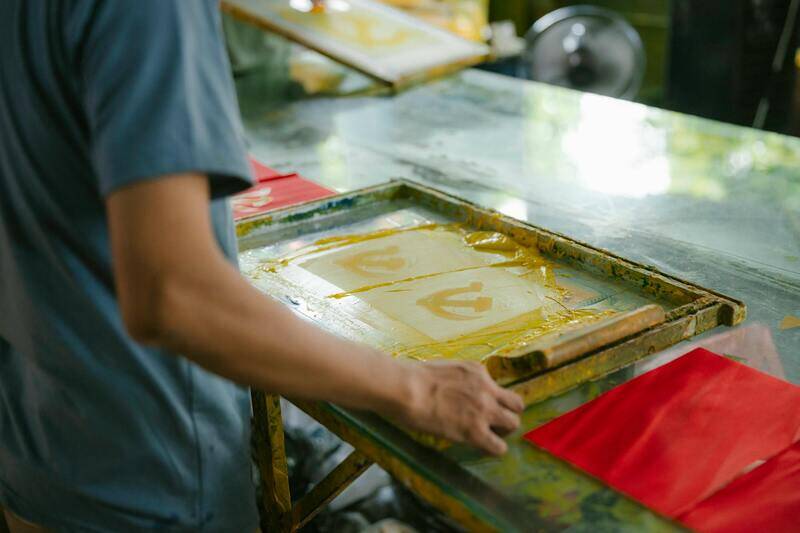
Selection of the right material and finishing options depends on the intended use, desired impression, and budget. For personal branding or professional networking, a high-quality textured or coated card can make a lasting impact. Meanwhile, simple cardstock with a matte finish often suffices for casual or informal exchanges, offering a balanced blend of cost and durability.
When finalizing the design, consider how different finishes may influence color accuracy and overall visual coherence. For instance, gloss coatings tend to amplify vivid hues, making them ideal for bold graphics, whereas matte finishes can tone down overly vibrant colors for a more subdued, elegant look. The choice of material and finish should complement the card’s purpose and reflect the personality or branding message it aims to communicate.
Materials and Finishes for Personal Cards
Choosing the appropriate material and finish for your personal card is essential in creating a memorable impression. The selection impacts both the aesthetic appeal and tactile experience, aligning with the card's purpose and the image you wish to project. Common materials include traditional cardstock, textured papers, and specialty options such as plastic or eco-friendly substrates. Each material offers unique characteristics that can elevate the overall design and durability.
One of the fundamental considerations is the weight and thickness of the material. Heavier, thicker cards—often measured in points (pt)—convey a sense of quality and professionalism. For instance, a 30pt or 32pt card feels substantial, which is ideal for premium branding, whereas standard business cards typically range from 14pt to 16pt for everyday use. Textured papers, such as linen or vellum, introduce a tactile dimension, adding sophistication and distinctiveness to your personal cards.
Finishing options further enhance the visual and tactile appeal of the cards. Matte finishes offer a subdued, elegant look with reduced glare, making text easier to read and enabling subtle color tones to stand out softly. Gloss finishes, on the other hand, amplify colors and images, creating a vibrant, luminous appearance that captures attention quickly. Soft-touch coatings provide a velvety surface that communicates luxury and richness while also protecting the print from scratches and fingerprints.
Additionally, specialty finishes such as embossing, foil stamping, or UV coating can be employed to highlight specific design elements like logos, names, or borders. Embossing creates a raised effect that adds depth and texture, making certain features stand out. Foil stamping imparts a metallic sheen, ideal for creating a luxurious or eye-catching accent. UV coating offers a glossy, high-shine finish that enhances particular areas of the design for dramatic visual impact.
The choice of material and finish should align with your overall branding strategy, budget, and the desired physical impression. For example, premium branding efforts benefit from heavier weights and textured or coated finishes to evoke quality and exclusivity. Conversely, simpler designs with minimalist aesthetics may prefer lightweight cardstock with matte coatings, balancing cost and durability. Consider how these options influence the overall look, feel, and message conveyed by your personal card.
Materials and Finishes for Personal Cards
Choosing the appropriate materials and finishes for your personal card plays a crucial role in creating a memorable and professional impression. The selection process involves understanding various cardstock options, coating types, and specialty finishes that can enhance both the aesthetic appeal and tactile quality of your cards. These choices should align with your overall branding strategy, target audience, and the message you wish to convey.
Common Cardstock Options
- Standard Matte Cardstock: Offers a smooth, non-reflective surface ideal for minimalist designs or text-heavy cards. Its subdued finish reduces glare, making it easier to read and providing a sophisticated look.
- Glossy Cardstock: Provides a shiny, vibrant surface that enhances color intensity and image clarity. Perfect for visually striking designs, photographs, or logos that need to pop.
- Matte Finish: Combines durability with a soft, non-reflective surface. It exudes elegance and reduces fingerprints, maintaining a clean, professional appearance.
- Soft-Touch Coated Cardstock: Features a velvety texture that communicates luxury and richness. Its tactile feel leaves a lasting impression and protects the print from fingerprints and scratches.
- Textured and Specialty Papers: Includes linen, embossed, or handmade options, which add an extra layer of tactility, enhancing the card’s perceived value.
Specialty Finishes to Elevate Your Design
- Embossing and Debossing: Creates a raised or recessed effect that adds depth and texture, highlighting logos or key design elements.
- Foil Stamping: Imparts a metallic sheen, adding a luxurious or eye-catching appearance to specific areas like initials or borders.
- UV Coating: Applies a high-gloss finish to particular parts of the card, producing a dramatic contrast that draws attention.
- Spot-UV: Combines UV coating with targeted areas, allowing precise emphasis on selected design features without affecting the entire card.
When selecting materials and finishes, consider aspects like durability, tactile experience, visual impact, and how well the finishes communicate your brand’s message. Heavyweight papers and textured coatings tend to project quality and exclusivity, making them ideal for premium branding or professional settings. Conversely, lightweight, matte-finish options provide a sleek, minimalist aesthetic suitable for everyday or cost-conscious designs.
Tips for Optimal Material and Finish Choices
- Match your materials and finishes with your brand identity—luxurious finishes for high-end brands or simple matte options for modern, minimalist designs.
- Balance cost and visual impact; premium finishes often come at higher costs but can distinguish your cards significantly.
- Consider environmental sustainability—some options, such as recycled or plant-based papers, help promote eco-friendly branding.
- Test samples before finalizing the entire batch to ensure the chosen combination aligns with your expectations in both look and feel.
Overview of Personal Card Printing
Personal card printing encompasses the process of creating customized cards that reflect individual identity, professional status, or personal branding. High-quality personal cards are essential tools for networking, establishing credibility, or expressing personal style. The process involves selecting design elements, choosing suitable materials, and working with reputable printing providers to ensure precise execution. When opting for personal card printing, it’s important to consider factors such as design customization, material durability, and overall presentation to achieve a polished and impactful result.

Types of Personal Cards and Design Options
Personal cards come in various formats and styles to suit diverse preferences and purposes. The most common types include traditional business cards, personalized cards for social events, and specialty cards such as loyalty or membership cards. Each type offers different design possibilities, from minimalist aesthetics to intricate illustrations and embossed textures.
- Standard Business Cards: Classic rectangular design with professional branding elements, often incorporating logos, contact information, and social media details.
- Luxury Personal Cards: Features premium finishes like foil stamping, embossing, or die-cut edges to create a distinctive tactile experience.
- Creative and Artistic Cards: Incorporate bold graphics, custom shapes, or textured surfaces to showcase artistic flair.
Design options range from simple monochrome layouts to complex, multi-layered visuals. Modern printing technologies enable the inclusion of special effects such as embossed lettering, metallic foils, or textured surfaces, allowing individuals to craft cards that truly stand out.

Choosing the Right Printing Service
Selecting a reputable printing provider is crucial for achieving high-quality results. Consider providers that specialize in personal cards and have a proven track record of delivering precise, vibrant prints. Look for options with extensive material selections, advanced printing techniques, and flexible customization options. Reading customer reviews and requesting samples can help gauge the quality and service standards.
- Experience and Portfolio: Choose providers with a history of successful projects and a diverse portfolio.
- Technology and Capabilities: Ensure they use modern digital or offset printing methods that accommodate intricate designs and special finishes.
- Customer Support and Consultation: Opt for services that offer professional advice and guidance throughout the design and printing process.
- Turnaround and Delivery: Confirm processing times align with your schedule and that delivery options are reliable and secure.

Materials and Finishes for Personal Cards
The choice of materials and finishes significantly influences the look, feel, and longevity of personal cards. Common paper types include matte, gloss, textured, and recycled options, each offering distinctive tactile and visual effects. High-end finishes such as foil stamping, embossing, spot UV coating, and soft-touch coatings elevate the card’s appearance and tactile experience, making them suitable for premium branding.
- Paper Materials: Standard cardstock, heavyweight paper, textured papers, recycled or eco-friendly alternatives.
- Finishing Techniques: Foil accents, embossing/debossing, spot UV coating, matte or gloss lamination, soft-touch coating.
- Special Effects: Metallic foils, holographic overlays, or textured surfaces for added visual impact.
When selecting materials, consider the intended use of the cards and the message you wish to convey. The tactile feel and visual cues can reinforce your personal or professional identity effectively. Testing different finishes and materials on sample cards is recommended to ensure satisfaction before proceeding with bulk printing.

Maintaining and Reordering Personal Cards
To ensure your personal brand remains professional and consistent, proper maintenance and timely reordering of your personal cards are essential. Storage practices can significantly extend the lifespan and preserve the quality of your cards, while strategic reordering guarantees that your contact information stays current and relevant.
Effective Storage Solutions
- Keep your personal cards in a dedicated cardholder or protective case to prevent physical damage such as bending, scratching, or stains.
- Avoid exposing cards to direct sunlight or extreme temperatures, which can cause fading or warping of the card material.
- For digital records, maintain an organized digital file of your card design, allowing quick reprints or updates as needed.
- Separate personal cards from other printed materials to avoid misplacement or accidental damage.
When and How to Reorder or Update Cards
Regular review of your personal cards is crucial, especially if there are changes in your contact information, job title, or branding elements. Typically, consider reordering when:
- Your contact details or professional affiliations change.
- The design or branding elements need refreshing to stay current and reflective of your professional image.
- Quality issues such as fading, smudges, or creases become apparent on existing stocks.
- You reach a sufficient quantity that the remaining cards are inadequate for upcoming networking events or business needs.
When updating your cards, clarify your new information and desired design enhancements with your printing service provider. It's worthwhile to request samples of updated designs or finishes to ensure they meet your expectations before placing a bulk order.
Strategic Reordering
Implement a schedule for periodic reviews based on your networking frequency and professional changes. Some professionals opt for quarterly or bi-annual reorders, particularly if their contact details or branding elements are susceptible to frequent updates. This proactive approach ensures you always have fresh, relevant, and visually appealing personal cards ready for optimal impression-making.