Importance of Professional Name Cards
In today’s competitive business environment, a well-designed professional name card remains an indispensable tool for effective networking and brand representation. It acts as a tangible extension of an individual's or company's identity, providing a quick and memorable way to share contact information and establish credibility. Regardless of industry or career level, a high-quality name card can open doors to new opportunities and foster lasting professional relationships.
Professional name cards serve several vital functions in the realm of business communications. Firstly, they facilitate seamless exchanges of contact details during meetings, conferences, and industry events, ensuring that potential clients or partners have a reliable reference. Secondly, they reinforce brand consistency when aligned with a company's visual identity, including logo, color schemes, and typography, which helps build brand recognition over time. Thirdly, a thoughtfully crafted name card can leave a lasting impression, demonstrating attention to detail and professionalism that may influence future interactions.
Industries such as finance, legal services, creative arts, and technology all recognize the strategic value of a well-designed name card. For entrepreneurs and freelancers, it remains an affordable yet impactful marketing tool. When paired with a clear, engaging design and quality materials, a professional name card becomes more than just contact information; it transforms into a representation of expertise, trustworthiness, and brand values.
Building a Lasting Impression
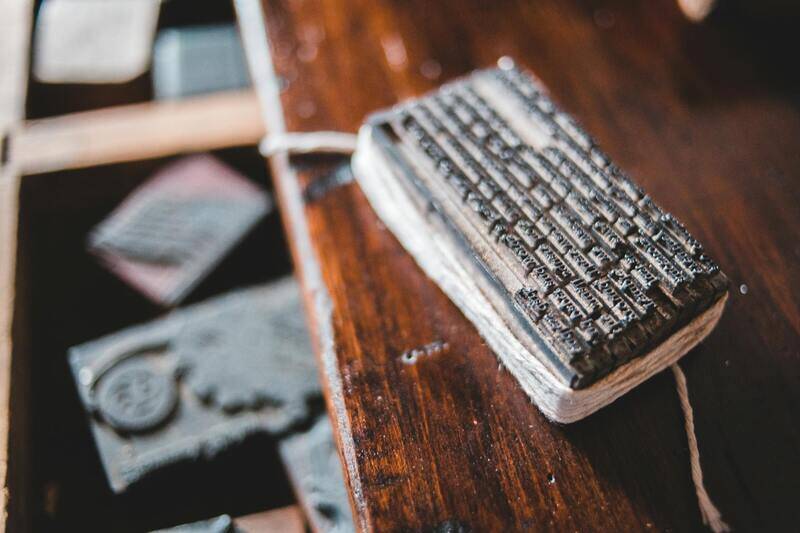
The effectiveness of a name card hinges on its ability to leave a memorable impression. This involves considering not just the information presented but also the overall aesthetic and tactile experience. An expertly crafted name card should balance visual appeal with practicality, ensuring that key details are easily accessible while showcasing innovative design elements that distinguish it from competitors. When properly executed, a name card becomes a vital part of one’s professional toolkit, reinforcing credibility and fostering trust among contacts.
Design Principles of Effective Name Cards
Creating a compelling professional name card goes beyond selecting attractive visuals. It demands a strategic approach to layout, typography, and color that harmonize to produce an impactful design. A well-crafted name card should immediately draw attention to essential information, such as the individual’s name, job title, contact details, and company branding, without appearing cluttered or overwhelming.
Layout plays a critical role in guiding the viewer’s eye. A logical flow of information, with hierarchy established through size, spacing, and placement, ensures that the most important details are easily noticed first. Symmetrical or asymmetrical arrangements can create different impressions; symmetrical designs may evoke stability and reliability, while asymmetrical layouts lend a modern, dynamic feel.
Typography choices influence the readability and overall aesthetic. Selecting fonts that reflect the brand’s personality—be it formal, innovative, or approachable—should also consider legibility across various sizes. Combining a primary font for headings with a secondary font for contact details can create visual order and clarity.
Color schemes must complement the brand’s visual identity and evoke the desired emotional response. Consistent color usage across the name card and wider branding materials reinforces recognition and professionalism. Additionally, the use of whitespace enhances clarity, emphasizing key elements and preventing visual fatigue.

Utilizing these design principles ensures that each name card not only conveys contact information but also echoes the brand's values and aesthetic. This careful balance between form and function underpins the card’s ability to leave a memorable impression and foster professional trust.
Choosing Materials and Finishes
The choice of materials directly influences the tactile experience and perceived value of a professional name card. Premium cardstock, textured finishes, and environmentally friendly options are common considerations for businesses aiming to project quality and sustainability.
Matte finishes reduce glare and lend a sophisticated, understated look, while gloss finishes enhance vibrancy and make colors pop. Soft-touch coatings add a luxurious feel that can distinguish a name card from standard offerings. For those seeking durability, thicker stocks or laminated surfaces provide longevity and resistance to wear.
Specialty materials like transparent or translucent plastics, metal, or embossed paper can create unique sensory experiences that elevate a brand’s image. Incorporating elements such as foil stamping, spot UV coating, or die-cut shapes further enhances visual appeal and tactile interest, making the card stand out in a drawer or display.
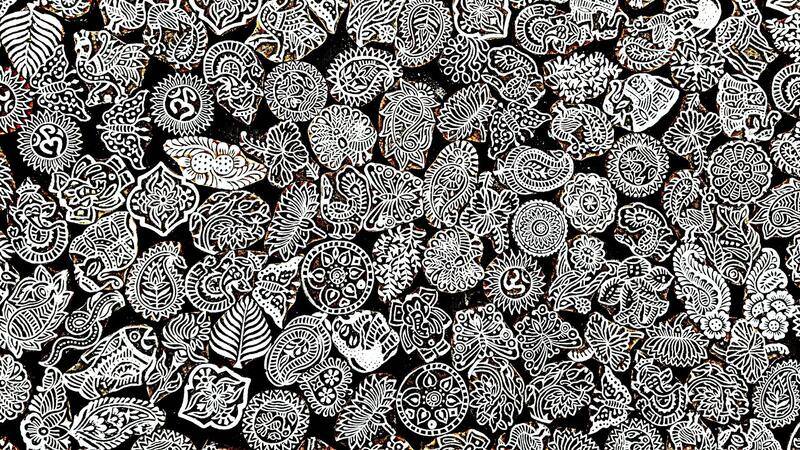
Careful selection of materials aligns with the overall branding strategy, ensuring that the physical attributes of the name card communicate professionalism and attention to detail. These choices should complement the overall design, reinforce brand identity, and meet budget constraints.
Guidance on Selecting Suitable Paper Types, Textures, and Finishing Options
When aiming to produce a professional name card that truly represents your brand, choosing the right paper type and finishing options is essential. The paper's texture and weight not only influence the tactile experience but also reflect the overall quality of your presentation. Heavier, premium cardstock, such as 350gsm or higher, offers durability and a substantial feel, conveying reliability and professionalism.
Texture plays a significant role in creating a lasting impression. Smooth finishes lend a sleek, modern appearance, suitable for tech firms or corporate settings aiming for minimalist elegance. Conversely, textured finishes like linen or diplomatic paper add a tactile dimension that can communicate craftsmanship and attention to detail, ideal for luxury brands or artisanal businesses.
Finishing options further enhance design and longevity. Glossy coatings intensify colors and add vibrancy, making images and logos pop, which is especially advantageous for creative industries or hospitality businesses seeking eye-catching visuals. Matte finishes offer a subdued, sophisticated look that reduces glare and is easier to write on, valuable for professionals who might handwrite notes or contact details.
Embossing, debossing, foil stamping, and spot UV coating are techniques that add depth and shine, elevating a name card’s aesthetic appeal. These embellishments can highlight key elements like logos or contact information, making them stand out during handovers. When selecting these features, consider the overall branding message and the environment in which the cards will be used to ensure compatibility with your image.

Integrating appropriate materials and finishes requires a careful balance of visual impact, durability, and budget. Consistent with brand identity, these choices should reinforce the professionalism and credibility you wish to communicate through your name card. Consulting with experienced printing service providers can assist in selecting the best combination that aligns with your company's image and operational context.
Implementing Official and Proper Methods for Producing Professional Name Cards
Ensuring that your professional name card aligns with your brand image and communicates credibility involves leveraging established and recognized production methods. Utilizing high-quality printing technologies such as digital and offset printing guarantees sharp, vibrant visuals and crisp text that uphold your business’s professional standard. Digital printing is particularly suitable for small batch runs or designs that require frequent updates, offering flexibility and quick turnaround times. Offset printing, on the other hand, excels in producing consistent, color-rich results for larger quantities, maintaining a uniform appearance across batches.
Specialized printing techniques further enhance the tactile and visual appeal of name cards. Foil stamping adds a metallic shine to logos or key details, creating a striking contrast against matte or glossy backgrounds. Letterpress printing, with its distinct embossed relief, communicates a sense of craftsmanship and elegance—ideal for luxury brands, law firms, or boutique consulting agencies. These methods, when employed judiciously, reflect a commitment to quality and attention to detail that resonates with recipients and enhances your professional reputation.

Choosing the appropriate printing method depends on the desired aesthetic, the nature of your business, and budget considerations. Consulting with a trusted printing provider can ensure that your name card production process adheres to proven standards, delivering a product that looks refined and durable. Moreover, selecting methods that are widely recognized and are compatible with various finishing options guarantees a professional outcome that stands the test of time and makes a lasting impression.
Adopting Legitimate and Recognized Approaches for Name Card Customization
When customizing your name card, it is essential to rely on legitimate and reputable techniques that adhere to standard industry practices. This includes working with certified printers and adhering to established specifications for dimensions, materials, and finishes. Using professional-grade materials such as premium cardstock, eco-friendly options, or specialty textures ensures durability and a refined tactile experience for each card.
Furthermore, employing recognized finishing techniques such as lamination, embossing, spot UV coating, or foil accents enhances the visual hierarchy of the design while maintaining a professional appearance. These methods are performed by skilled technicians employing standard equipment, guaranteeing consistency and quality across your entire batch.

Adherence to recognized standards not only ensures that your name card meets industry expectations but also demonstrates your commitment to professionalism. Selecting printers and suppliers with a proven track record, transparent processes, and adherence to high-quality standards is crucial in producing a name card that effectively represents your brand. This approach minimizes risks associated with inconsistent quality and provides a reliable foundation for building trust and recognition through your professional networking initiatives.
Size, Shape, and Format Options
Choosing the appropriate size, shape, and format for your professional name card is a critical factor in establishing a memorable and effective contact medium. Standard dimensions, such as 85 x 55 mm, are widely accepted as they fit comfortably in wallets and cardholders, ensuring easy distribution and storage. However, deviating from the norm can enhance visibility and brand recognition. Custom shapes—such as rounded corners, die-cut edges, or innovative contours—offer a distinctive tactile and visual appeal that sets your name card apart from competitors. When considering non-traditional formats, it is important to ensure compatibility with standard storage systems to prevent issues during sharing or storage.
The format also extends to the layout of information. Clear hierarchies and logical arrangements of contact details support quick readability. Incorporating elements like QR codes can facilitate immediate digital engagement, further expanding networking reach. For industries where design and presentation are paramount, experimenting with vertical layouts or layered designs can convey creativity or professionalism effectively. Nonetheless, maintaining a balance between design innovation and functional clarity remains essential for maximum impact.
Material and Finish Selection
The choice of materials and finishes profoundly influences the tactile experience and durability of professional name cards. Premium cardstock offers a sturdy, high-quality feel that reflects positively on your personal or corporate brand. Options include matte, gloss, and satin finishes—each providing different visual effects and tactile sensations. Matte cards, for instance, deliver a sophisticated, non-reflective surface ideal for elegant, understated designs, while gloss finishes enhance vibrancy and color saturation, making images pop.
Eco-friendly materials, such as recycled paper or organic fibers, align with sustainable branding efforts and appeal to environmentally conscious clients. Specialty textures like linen, leather grain, or soft-touch coatings can differentiate your card, giving it a luxurious feel that encourages recipients to retain it longer.
Incorporating finishes like foil stamping, spot UV gloss, or embossing further elevates your name card’s appearance. Foil accents convey a sense of premium quality and are suitable for highlighting logos or key details. Embossing adds a tactile element that makes your contact information stand out and enhances the overall aesthetic. When selecting these finishes, it is crucial to collaborate with experienced printing professionals who utilize advanced equipment to ensure consistent results across all cards.

Printing Techniques for Name Cards
Employing the right printing technique is vital to achieving the desired visual impact and durability for your professional name card. Traditional offset printing remains a popular choice due to its ability to produce high-quality, consistent results—ideal for large batches and complex color schemes. Digital printing offers flexibility for short runs or customized designs, enabling quick turnaround times without compromising quality.
Specialized techniques such as thermography can produce raised ink effects that add dimensionality, while embossing and debossing create tactile impressions that enrich the physical experience of handling the card. Spot UV coating strategically applied to specific areas adds a glossy contrast to matte backgrounds, emphasizing logos or key messages.
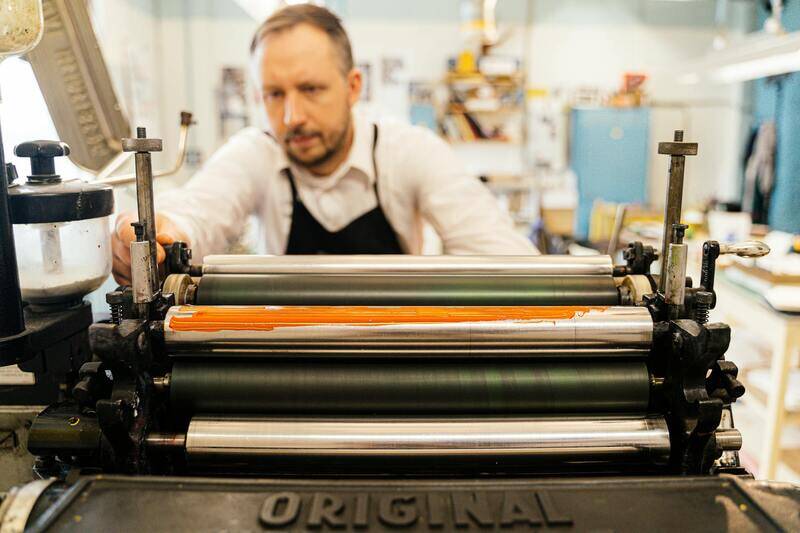
Letterpress printing, with its roots in historic craftsmanship, imparts a deep impression into the paper surface, creating a premium, textured look suited for high-end branding. Laser cutting and die-cutting allow for intricate shapes and detailed contours, giving your card a unique silhouette that captures attention.
Choosing the appropriate technique depends on your branding objectives, budget, and desired aesthetic. Partnering with experienced printing vendors who employ state-of-the-art equipment ensures that each detail—from color accuracy to finishing effects—is executed flawlessly, projecting professionalism and dedication to quality.

Size, Shape, and Format Options
Choosing the right size, shape, and format for a professional name card is essential to creating a memorable impression and ensuring practicality. While the standard dimensions—such as 90mm x 55mm—are widely accepted and fit comfortably into wallets and cardholders, exploring custom sizes can set your brand apart. For example, opting for a slightly larger or smaller card, or a unique aspect ratio, can make your card more noticeable and easier to recall.
Beyond traditional rectangles, innovative shapes offer a distinct visual appeal. Rounded edges, circular or square formats, or even custom die-cut shapes aligned with your branding elements can enhance visual interest. These creative formats often require specialized cutting techniques like die-cutting or laser shaping, adding an extra layer of sophistication.
Incorporating digital features such as QR codes or NFC tags into your name card can significantly elevate its functionality. QR codes allow recipients to access a portfolio, website, or contact information instantly, streamlining networking efforts and providing an interactive experience. Ensuring the placement and size of these digital features are optimized for readability is crucial, emphasizing clarity and aesthetics.
Furthermore, considering the overall layout is vital. Balancing text, logos, and visual elements ensures the card communicates professionalism while remaining uncluttered. Use of negative space and strategic positioning can improve readability and touchpoints for your message.
Ensuring the Authenticity of Your Professional Name Card
In an era where digital communication dominates, the craftsmanship and authenticity of physical professional name cards continue to serve as a testament to your brand's credibility and attention to detail. As a vital component of your networking toolkit, authentic methods of creating and maintaining your name card reflect your commitment to quality and professionalism. It is essential to utilize reputable printing services that adhere to high standards, ensuring that every card produced truly represents your brand's essence.
When seeking legitimate avenues to produce your name cards, consider established printing providers with a track record for consistent quality. These providers often employ state-of-the-art printing technologies and premium materials to deliver professional results. Opting for such services not only assures the fidelity of colors, logos, and text but also safeguards the durability and overall presentation of your name card.
Understanding the printing process can also help differentiate genuine products from less reliable options. Reliable printing companies typically offer transparent communication about their procedures, including details about the choice of materials, finishing techniques, and quality control measures. Look for providers that utilize certified inks and environmentally responsible practices, further affirming your commitment to integrity and quality.
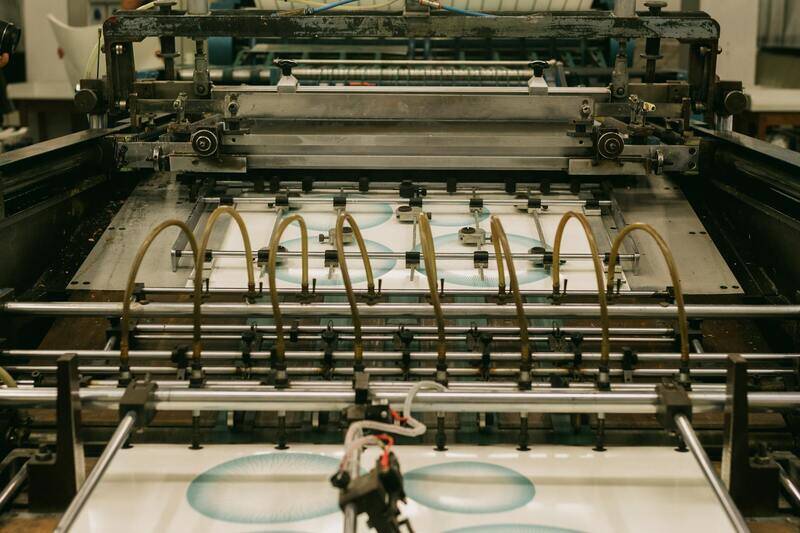
Authentic methods for creating professional name cards encompass more than just selecting a reputable printing partner. It involves clear specifications, adherence to industry standards, and a thorough quality inspection before distribution. Always request samples or proofs beforehand to confirm that the final product aligns with your expectations. This step minimizes errors and ensures your name card exemplifies authenticity and craftsmanship.
Maintaining consistency across your name cards is another crucial aspect. By using the same materials, finishes, and printing techniques, you reinforce your brand’s visual identity and demonstrate reliability. Additionally, storing excess stock securely prevents accidental damage or deterioration, preserving the integrity of your professional image for future use.
Legitimate, high-quality methods of producing your professional name card safeguard your reputation and leave a lasting impression on recipients. Prioritizing authenticity in every step of the creation process ensures your business card remains a true reflection of your professionalism and dedication to excellence.
Selecting the Appropriate Size, Shape, and Format for Your Professional Name Card
Choosing the right dimensions and layout for your professional name card is essential to ensure it stands out and leaves a memorable impression. Standard size cards typically measure 85 x 55 mm, aligning with international business card norms, which facilitates easy storage and handling. However, exploring custom sizes and innovative shapes can serve as effective branding tools, especially within creative industries or when targeting specific audiences.
Opting for unique shapes such as rounded corners, oval edges, or die-cut forms can make your card visually distinct. These variations should complement the overall design ethos and not compromise the practicality of the card, such as ease of insertion into wallets or cardholders. To maintain professionalism, ensure that any unconventional format aligns with your industry standards and reflects your brand identity.
Cost Efficiency and The Ordering Process
Cost considerations significantly influence the selection of materials, printing techniques, and the overall volume of your name cards. Most reputable printing providers offer tiered pricing based on order quantity, material specifications, and finishing options. Establishing a clear budget helps streamline decisions while ensuring quality is not compromised.
The ordering process generally involves selecting your preferred design, specifying the quantity, and choosing your materials and finishes. To guarantee optimal results, supply detailed design files adhering to the provider’s specifications, and request physical or digital proofs before full production. This step minimizes discrepancies, confirms color accuracy, and verifies the placement of all textual and visual elements.
- Design confirmation: Review proofs meticulously for errors or misalignments.
- Material selection: Consider durability, texture, and aesthetic appeal.
- Production timeline: Discuss lead times and delivery options.
- Quality assurance: Ensure the provider implements rigorous quality checks at each stage.
Maintaining Consistency and Handling Your Professional Name Cards
Once your professional name cards are produced, appropriate handling and storage are critical to preserving their pristine quality. Store unused cards in protective cases or containers, away from moisture, direct sunlight, and physical damage. Proper storage not only extends the lifespan of your cards but also sustains their visual appeal and professional image.
Consistency in distribution practices reinforces your brand’s reliability. Use your name cards strategically during networking events, business meetings, and conferences. Offering your card with confidence, coupled with engaging conversations, maximizes the likelihood of future collaborations. Remember to tailor your distribution approach to the context—more formal settings may warrant a polished, conservative design, while creative industries can benefit from vibrant, innovative formats.
- Timing: Present your card after establishing rapport to ensure receptiveness.
- Location: Use during professional events, seminars, or client meetings.
- Personalization: Accompany your card with a brief, thoughtful remark.
- Follow-up: Confirm receipt and express appreciation post-exchange.
Innovative Approaches to Name Card Distribution
In an increasingly digital world, integrating traditional name card exchange with modern methods enhances your outreach. Digital business cards, accessible via QR codes or mobile apps, offer an environmentally friendly alternative that enables instant sharing across platforms. Including QR codes on your physical cards simplifies the process of connecting online, directing recipients to your website or professional profiles seamlessly.
Another effective practice involves creating branded merchandise or promotional items alongside your name cards. These can serve dual purposes: leaving a tangible reminder of your brand and initiating ongoing engagement through giveaways or incentives.