Understanding Brochure Printing
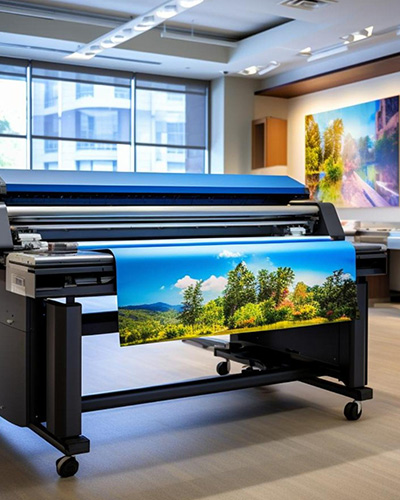
Brochure printing plays a pivotal role in the realm of marketing and brand promotion. As an essential printed marketing material, brochures serve as tangible representations of a company's offerings, values, and identity. They are designed to inform, engage, and persuade potential customers through visually appealing layouts and compelling content. The process involves translating a conceptual marketing message into a professionally printed piece, which can then be distributed across various channels to reach targeted audiences.
Effective brochure printing enhances brand visibility and credibility. It allows businesses to showcase their products or services in a structured and aesthetically pleasing manner. The significance of brochure printing extends beyond simple advertising; it becomes an influential tool that helps build customer trust, encourages interaction, and supports sales initiatives. A well-crafted brochure acts as a portable representative of the business, capable of leaving a lasting impression on prospective clients.
In today’s competitive market, the importance of professional brochure printing cannot be overstated. With the ability to customize layouts, incorporate vibrant colors, and choose different paper stocks, businesses can create materials that stand out. This flexibility allows for a tailored approach aligned with branding strategies, ensuring consistency across all promotional materials. Whether for corporate presentations, product launches, or direct marketing campaigns, brochure printing remains a vital component of a comprehensive marketing plan.
Moreover, the evolution of printing technology has significantly improved the production process, enabling higher resolution images, precise color matching, and varied finishing options. These advancements make it possible for companies to produce brochures that not only communicate messages effectively but also reflect the highest standards of quality and professionalism.
Choosing the appropriate printing method, understanding different brochure formats, and selecting materials that resonate with target audiences are critical steps in the brochure printing journey. These considerations ensure that each printed piece effectively conveys the intended message while maintaining an attractive appearance. As such, selecting the right printing partner—one with experience and a commitment to quality—is essential for achieving optimal results.
Overall, brochure printing offers a strategic avenue for companies seeking to enhance their marketing efforts, strengthen brand recognition, and engage with their audience through visually compelling and professionally crafted printed materials.
Understanding Brochure Printing
Brochure printing represents a strategic approach to physical marketing materials tailored to showcase a company's offerings and strengthen brand visibility. It involves the precise process of translating a carefully crafted design into a tangible product that communicates professionalism and reliability. The process starts with selecting the appropriate format, size, and fold style, which can significantly impact the brochure's functionality and visual impact.
Effective brochure printing begins with understanding the essential steps involved, which include digital or offset printing methods, color matching, and finishing options. Digital printing is ideal for short runs and quick turnaround times, offering high quality with cost efficiency, particularly for custom or small batches. Offset printing, however, remains the preferred choice for larger quantities due to its consistency, color accuracy, and ability to reproduce complex designs with sharp detail.
The choice of paper stock is critical in defining the final look and feel of the brochure. Options range from matte and gloss coatings to textured and recycled materials, each lending a different character that can tie into branding themes. Special finishes, such as UV coating, embossing, or foil stamping, are also available to enhance visual appeal and add tactile interest, making the brochure more memorable for recipients.
Color accuracy and resolution are vital to producing visually compelling brochures. Advanced printing equipment ensures vibrant colors, precise detail, and true-to-original imagery. High-resolution images and carefully calibrated color profiles help maintain consistency throughout the print run, which is essential for brand integrity and professional presentation.
Choosing the right printing method and materials involves considering the brochure’s purpose, target audience, and distribution scale. Businesses aiming for a polished, durable product often prioritize quality finishes and premium paper stocks, whereas shorter runs or budget-conscious projects might opt for streamlined digital processes. The collaboration with experienced print providers can simplify decision-making and ensure the final product aligns with strategic marketing goals.
Turning a design concept into a beautifully printed brochure also requires attention to detail in layout and typography. Clear, concise content combined with appealing visuals guides the reader through the material effectively. The layout should balance text and imagery to avoid clutter while emphasizing key messages. Strategic placement of calls to action encourages recipient engagement and response.
In sum, the success of brochure printing hinges on a meticulous process that blends quality materials, precise production techniques, and thoughtful design. Partnering with a reputable printer that understands the nuances of professional printing ensures that each brochure accurately reflects the company’s brand values and makes a lasting impression on its audience.
Understanding Brochure Printing
Brochure printing encompasses a range of processes aimed at transforming a marketing concept into a tangible, professionally crafted promotional material. The foundation of successful brochure printing lies in selecting appropriate production techniques, materials, and finishing options that collectively enhance the overall visual impact and tactile experience of the final product. It involves precise color management, fidelity in image reproduction, and attention to detail during the printing process to ensure that the final brochures resonate with the brand’s identity and messaging. High-quality brochure printing requires collaboration with experienced printers who utilize advanced machinery and abide by strict quality control standards to produce consistent results across every batch.
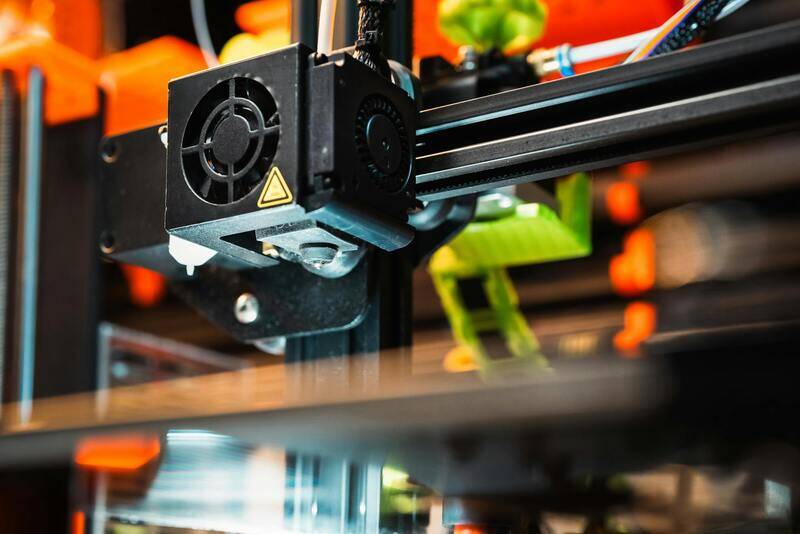
The process begins with detailed planning of layout, color profiles, and paper choices, which directly influence the durability and aesthetic appeal of the brochures. Digital printing methods are suitable for quick turnarounds and short runs, providing flexibility in customization and avoiding high setup costs. Conversely, offset printing is typically preferred for large quantities due to its cost-effectiveness and superior color consistency. Understanding the nuances of these methods allows businesses to select the most appropriate solution that aligns with project timelines, inventory requirements, and budget constraints.

Beyond printing techniques, the finishing touches such as lamination, embossing, and UV coating further elevate the professionalism of the brochure. These enhancements not only improve durability but also add a tactile dimension that captures attention and invites engagement. When handled correctly, brochure printing becomes a powerful tool for brand storytelling, enabling businesses to communicate complex messages in a compact, aesthetically pleasing format designed to captivate target audiences and foster brand awareness.
Understanding Brochure Printing
Brochure printing is a specialized aspect of visual marketing communication that combines design, material selection, and printing technology to create compelling promotional tools. It plays a vital role in establishing brand identity, providing detailed information about products or services, and enticing potential clients through visually appealing formats. The process involves precise planning and execution to ensure that each brochure meets the intended purpose, resonates with the target audience, and withstands the rigors of handling and environmental exposure.

Effective brochure printing requires a careful selection of design elements, materials, and finishing techniques, all harmonized to produce a cohesive and impactful communication piece. The professionals engaged in brochure printing adhere to established standards, using industry-grade equipment and high-quality supplies to guarantee consistency and durability. Whether for marketing campaigns, corporate presentations, or event promotions, understanding the intricacies of brochure printing helps in making informed decisions that maximize value and effectiveness.
Types of Brochure Formats and Designs
Brochures come in various formats, each suited to different messaging styles and distribution methods. Common formats include bi-fold, tri-fold, z-fold, and gatefold, each offering unique ways to organize content and guide the reader’s journey through information.
- Bi-fold Brochures: Divided into two panels, ideal for straightforward products or services with concise descriptions.
- Tri-fold Brochures: Create six panels, commonly used for displaying detailed content or catalogs.
- Z-fold Brochures: Allow multiple panels that fold in a zigzag pattern, perfect for step-by-step guides or process explanations.
- Gatefold Brochures: Feature large front panels that open out to reveal extensive information, suitable for high-end presentations or luxury branding.
Design styles range from minimalist to highly elaborate, depending on the branding needs. Elements such as color schemes, typography, imagery, and layout are tailored to create visual hierarchy and clarity. Incorporating engaging visuals and concise messaging ensures the brochure captures attention and communicates effectively.
Choosing the Right Materials for Brochure Printing
Material selection in brochure printing significantly influences the final product's appearance, durability, and tactile impression. Options include various paper stocks, finishes, and coatings that serve different purposes and budgets.
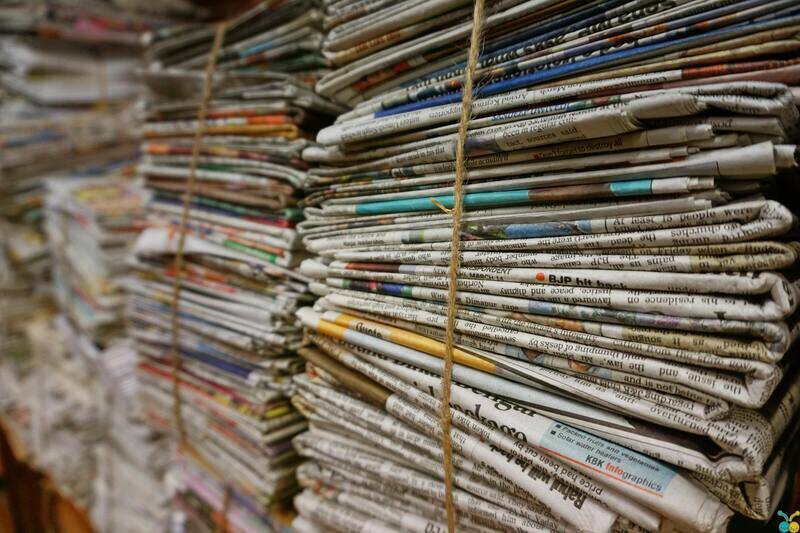
When selecting paper, consider weight, texture, and finish:
- Paper Weight: Ranges from lightweight (80-120gsm) for flyers to heavyweight (250-350gsm) for premium brochures, ensuring durability and a high-end feel.
- Finish: Matte finishes provide a non-reflective surface ideal for readability, while gloss finishes enhance vibrancy and visual impact.
- Special Coatings: UV coatings and soft-touch finishes add a luxurious tactile experience and extra protection against scuffs and moisture.
For professional results, selecting high-quality, compatible materials can elevate your brochure’s perception, reinforce brand value, and ensure longevity in various environments. The choice of materials should align with the overall marketing strategy, target audience preferences, and budget constraints.
Understanding Brochure Printing
Brochure printing remains an essential aspect of a comprehensive marketing strategy, providing a tangible means to communicate brand messages, showcase products, and build customer relationships. The process involves transforming a well-crafted design into a physical product that exemplifies quality and professionalism. It requires attention to detail, precise printing techniques, and selection of appropriate materials to ensure the final product aligns with brand objectives and strategic goals.
Choosing a printing partner with a proven track record and access to advanced technology can significantly influence the outcome. Such providers utilize cutting-edge digital and offset printing processes, ensuring high-resolution results with accurate color reproduction and crisp details. They also offer consultation services to help clients select the best printing options based on quantity, timeline, and budget, making the entire process seamless and efficient.
For businesses aiming to project sophistication and credibility, investing in high-quality brochure printing is paramount. This involves not just high-grade printing technology but also the correct selection of paper stocks, finishes, and binding techniques. These elements work together to produce a durable, appealing product that effectively conveys the intended message while leaving a lasting impression on recipients.
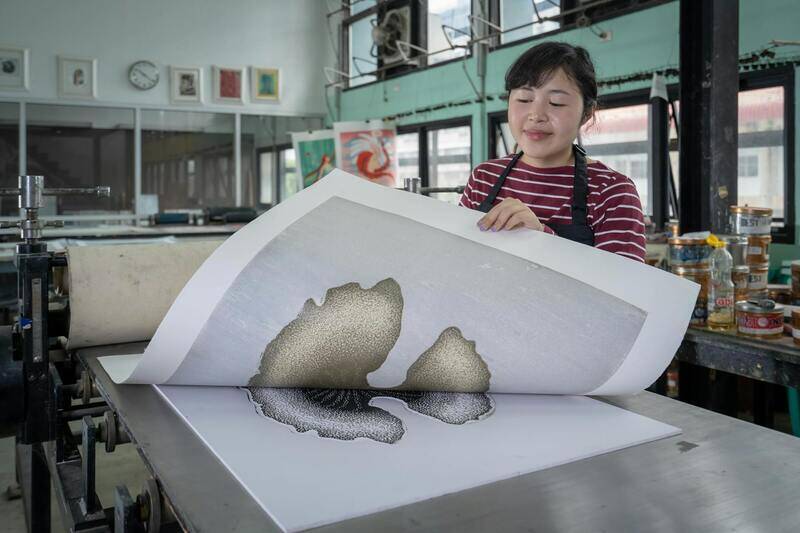
Importance of Proper Color Management
In brochure printing, maintaining color accuracy is critical to the visual integrity of your design. Consistent and vibrant colors reinforce brand recognition and make your brochure stand out. This requires calibrated monitors during design, precise color profiles during printing, and sometimes, special color matching processes. Employing Pantone color systems can ensure specific shades are rendered accurately across different print runs, enhancing overall quality and brand consistency.
Understanding Print Resolution and Its Impact
Print resolution, measured in dots per inch (DPI), directly influences the sharpness and clarity of images and text on your brochures. A minimum of 300 DPI is recommended for professional-quality printing, ensuring fine details are crisp and visuals appear vibrant. Low-resolution images may result in pixelation, diminishing the perceived quality of the final product. Therefore, supplying high-resolution files and working closely with your printing service can prevent such issues and ensure the best possible outcome.
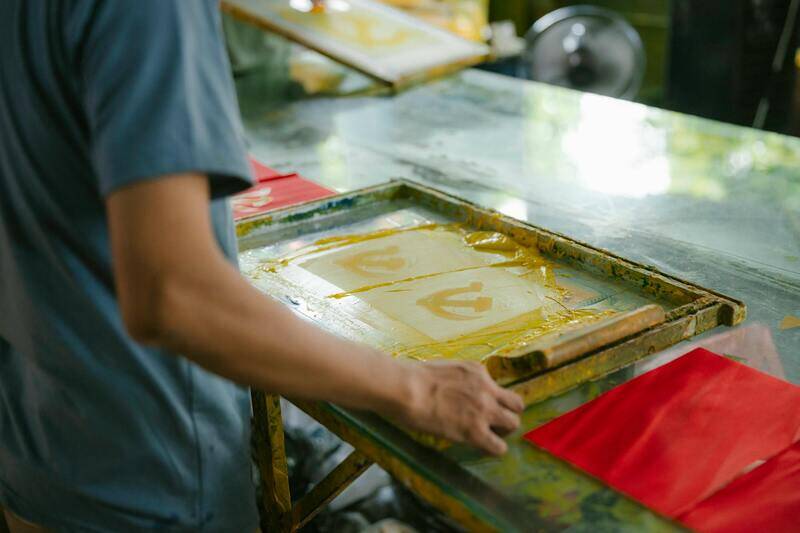
Ensuring Consistent Color Calibration Across Printing Batches
To maintain consistency throughout multiple brochure print runs, it is crucial to calibrate printing equipment regularly. This process involves aligning color output with standardized standards, reducing variability between batches. Proper calibration tools and procedures help ensure that each set of brochures retains the same vibrancy and tone, which is vital for ongoing branding efforts and large-scale campaigns. When working with a professional printing provider, confirm their calibration routines and quality control measures are robust to guarantee consistent results.
Understanding Brochure Printing
Brochure printing is a fundamental aspect of corporate and marketing communication, serving as a tangible reflection of a brand’s identity. It involves translating your design concepts into high-quality printed materials that capture attention, convey key messages, and persuade potential clients or partners. Achieving effective brochure printing requires attention to detail, from selecting appropriate printing techniques and materials to ensuring color accuracy and sharp visuals. A well-executed brochure not only elevates your brand image but also reinforces credibility and professionalism in your industry.
Types of Brochure Formats and Designs
Brochures come in various formats, each suited to different marketing objectives and content presentation styles. Common formats include:
- Simple and compact, ideal for concise information and minimalistic design. It divides into two equal parts when folded, providing four panels for content.
- Tri-fold: One of the most popular formats, splitting into three panels. Useful for evenly distributing sections of information while maintaining a clean, professional look.
- Gate-fold: Features two end panels that open to reveal a larger central panel. This format adds a sense of grandeur and impact, suitable for high-end branding.
- Z-fold: Similar to tri-fold but with a zigzag fold, allowing easy unfolding while maintaining a compact exterior.
- Booklet: Multiple pages bound together to tell a comprehensive story, often used for product catalogs or in-depth services descriptions.

Choosing the Right Materials for Brochure Printing
The material selection for brochure printing significantly influences the final appearance, durability, and tactile experience. Common options include:
- Glossy paper: Provides vibrant colors and a sleek finish, ideal for image-heavy brochures that require eye-catching visuals.
- Matte paper: Offers a subdued, elegant look with reduced glare, suitable for professional and understated designs.
- Uncoated paper: Has a natural, textured feel that works well with minimalistic and environmentally conscious themes.
- Premium cardstock: Thicker and more rigid, adds a sense of quality and robustness, enhancing perceived value.
In addition to paper type, weight, and finish (such as UV coating or laminates) should be considered based on your usage scenario and brand aesthetics. High-quality materials not only make the brochure more durable but also support intricate design details, ensuring your message remains compelling over time.

Key Factors in Brochure Printing Quality
Several technical aspects underpin the quality of brochure printing outcomes. First, using high-resolution images—preferably 300 DPI or higher—ensures visuals appear sharp and clear. Fading or pixelation often results from lower resolution files, which can compromise the professionalism of your material.
Color accuracy is equally crucial. Employing color management techniques, such as color calibration and standardized color profiles, helps reproduce your intended hues consistently. For brands that rely on specific shades, incorporating Pantone Matching System (PMS) colors guarantees that your brand colors remain uniform across different print batches.
Print calibration and regular maintenance of printing equipment are essential to achieving consistent and vibrant results. This involves aligning the calibrations of printers to industry standards, minimizing variations between print runs. Consistency is vital when producing large volumes, ensuring every brochure looks as polished as the first.
Cost Considerations in Brochure Printing
Balancing quality and budget is a critical component of brochure printing. Different factors influence the overall cost, including the choice of materials, the complexity of design, quantity, and finishing options such as lamination or embossed accents. Higher-quality papers and specialized finishes naturally add to expenses but contribute significantly to the perceived value of the final product.
Eco-friendly options, such as recycled paper or soy-based inks, might be slightly more costly but align with sustainable branding practices. Additionally, choosing consistent quantities can reduce setup costs associated with particular printing processes.
Working with experienced print providers allows for transparent pricing and the selection of efficient, cost-effective solutions tailored to your needs. Cost-effective planning, including clear specifications and bulk ordering, ensures you get the most value while maintaining high standards of quality in your brochure printing projects.
Effective Strategies for Distributing and Utilizing Brochures
Once your brochure has been meticulously designed and printed with high-quality materials, the next crucial step is ensuring it reaches your target audience effectively. Distribution strategies play a vital role in amplifying your marketing efforts and maximizing the impact of your brochures. Thoughtful placement and distribution can significantly enhance brand visibility, generate leads, and foster customer engagement.
Targeted Distribution Techniques
- Event and Trade Show Distribution: Handing out brochures at industry events, exhibitions, or trade shows allows you to directly engage with potential clients and partners who are already interested in your sector. Positioning your brochures at strategic locations, such as registration desks or presentation areas, increases the likelihood of engagement.
- In-Store Placement: For retail outlets or service centers, placing brochures near checkout counters or product displays can inform and influence buying decisions. Well-placed brochures serve as tangible reminders of your offerings.
- Direct Mail Campaigns: Sending Brochures via targeted mailing lists ensures that your marketing message reaches specific demographics. Personalized addresses and compelling cover letters can increase open and response rates.
- Strategic Partnerships and Collaborations: Distributing brochures through partner businesses or organizations with aligned audiences can expand your reach. These collaborations can include placing brochures in shared spaces or as part of joint marketing initiatives.
Positioning for Maximum Visibility
Optimizing brochure placement within physical locations ensures they attract the right attention. Consider the following tips:
- Eye-Level Placement: Position brochures at eye level on display racks or tables to make them easily noticeable.
- Clear Signage: Use signage or banners to draw attention to brochure stands or displays.
- Themed Displays: Coordinate brochure displays with current promotions, seasons, or events to attract interest.
Digital Extension of Brochure Content
Complement your physical brochures with digital versions, including downloadable PDFs or interactive online brochures. These digital assets can be distributed via email campaigns, social media, or embedded on your website, broadening your outreach without additional printing costs. Including QR codes on printed brochures that link to online content can seamlessly connect your offline and online marketing efforts.
Monitoring and Measuring Effectiveness
Track the success of your brochure distribution through various methods, such as:
- Collecting feedback from recipients or clients who received the brochures.
- Analyzing website traffic or online engagement that originates from QR codes or tracked URLs on your brochures.
- Monitoring lead generation and conversion rates following brochure campaigns.
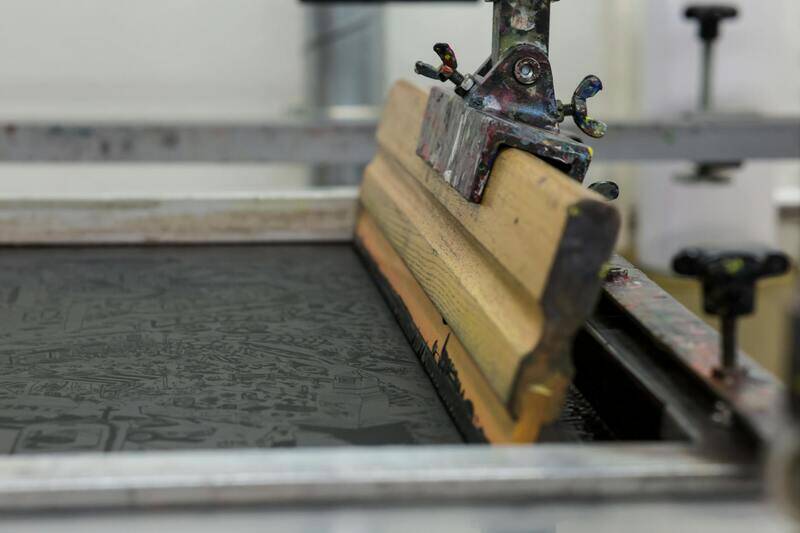
Choosing a Printing Service for Brochure Production
Evaluating Printing Vendors
When seeking a trustworthy brochure printing partner, it is essential to thoroughly evaluate potential vendors to ensure they meet your specific needs. Start by reviewing their portfolio to assess the quality of previous projects. Look for consistency in print clarity, color accuracy, and finishing touches, which are indicators of professional standards. An established printing company should have a diverse array of sample materials available for review, allowing you to verify their capabilities firsthand.
Investigate the company's reputation by checking client testimonials and industry reviews. Positive feedback regarding punctual delivery, quality consistency, and customer support can significantly influence your choice. Additionally, inquire about their experience handling projects similar to yours, whether for retail, corporate, or promotional purposes.
Assessing Quality and Technology
High-quality brochure printing hinges on the use of advanced printing technology and premium materials. Confirm that the vendor employs modern digital or offset printing presses that ensure sharp images and vibrant colors. Moreover, ask about their printing options, including details on ink quality, paper thickness, and finishing techniques such as lamination, embossing, or UV coating. These features enhance durability and visual appeal, making your brochures stand out.

Turnaround Times and Customer Service
Reliable print services should offer clear timelines for project completion, from initial proofing to final delivery. Discuss your schedule upfront to ensure they can meet your deadlines, especially for time-sensitive campaigns. Prompt communication and transparency about production stages are crucial indicators of a vendor’s professionalism. Superior customer service, including responsive support and clear documentation, adds value and simplifies the entire process.
Pricing and Value
While cost is a significant consideration, opting solely for the lowest bid may compromise quality. Seek detailed quotes that itemize costs including setup fees, printing per unit, finishes, and shipping. Compare these against the expected quality and service offerings to determine the best value. Some vendors offer discounts for bulk orders or package deals that include design assistance, which can further optimize your budget.
Additional Considerations
- Sustainability Practices: Prioritize vendors committed to eco-friendly printing, using recycled papers and soy-based inks, aligning with environmental responsibility values.
- Customization Options: Confirm if the printer can accommodate specialized formats, unique dimensions, or tailored finishes that match your branding and marketing objectives.
- Samples and Prototypes: Request physical or digital samples before final approval to ensure the finished product aligns with your expectations.
Final Steps in Selecting a Brochure Printing Partner
Once you have gathered all necessary information, compare the options based on quality, turnaround time, cost, and customer support. Establish clear communication channels and finalize the contract with detailed specifications to avoid misunderstandings. Engaging a reliable printing service ensures your brochures are produced to high standards, effectively supporting your marketing and branding initiatives for the long term.