Understanding Custom Brochure Printing
Custom brochure printing stands as a vital component in the realm of marketing and brand communication. It involves the creation of tailored printed materials designed to effectively showcase a company's products, services, or core messages. Unlike generic templates, custom brochures allow for a high degree of personalization, ensuring that each piece aligns precisely with the brand identity and appeals directly to the target audience. This form of printed collateral serves multiple purposes: educating potential clients, highlighting key offers, and establishing a professional image that differentiates a business from its competitors.
In essence, the goal of custom brochure printing is to craft visually compelling and informative materials that drive engagement, foster trust, and ultimately, generate leads. The benefit of investing in personalized brochures is significant; they provide a tangible, memorable experience for recipients, which digital content often cannot match. Furthermore, custom brochures can be strategically designed to reflect the company’s unique style, incorporating specific color schemes, typography, and imagery that reinforce brand recognition.
Businesses across various industries leverage custom brochure printing for different purposes, including product launches, corporate presentations, event promotions, and real estate listings. The strategic selection of design elements and printing techniques plays a crucial role in ensuring that the brochure resonates with its intended audience. High-quality custom brochures not only serve as effective promotional tools but also reflect professionalism and attention to detail, which are essential for establishing credibility and trust in competitive markets.
In conclusion, understanding the core aspects of custom brochure printing enables businesses to harness its full potential. It bridges the gap between digital marketing and tangible communication, providing a lasting impression that can influence purchasing decisions and strengthen customer relationships. When executed properly, these customized materials become invaluable assets in any comprehensive marketing strategy.
Choosing the Right Paper and Material Options
When it comes to custom brochure printing, selecting the appropriate paper and materials is fundamental to achieving a professional and eye-catching final product. The choice of paper not only influences the brochure’s tactile experience but also impacts its durability and overall visual presentation. Common options include gloss, matte, and satin finishes, each offering unique benefits suited for different branding needs.
Glossy paper is ideal for vibrant imagery and dynamic colors, making photos and graphics stand out with a polished look. Matte paper provides a subdued, elegant finish that reduces glare, making it perfect for text-heavy brochures or sophisticated branding styles. Satin finishes strike a balance, offering some sheen while maintaining readability and visual richness. For projects requiring extra durability, consider thicker cardstock or specialty materials such as linen or textured papers that add a tactile dimension to the brochure’s design.
Beyond traditional paper options, printing specialists often provide eco-friendly alternatives, such as recycled papers or sustainably sourced materials, to align with environmentally conscious branding efforts. Additionally, specialty materials like transparent or translucent sheets, as well as cardstock with embossed or raised elements, can elevate the tactile experience and create a memorable impression.
In selecting materials, it's crucial to consider the intended distribution method and handling conditions. For example, if brochures will be mailed or handled frequently, thicker, tear-resistant papers help maintain pristine appearance over time. Meanwhile, semi-gloss or matte finishes are generally more suitable for quick handling, as they resist fingerprints and glare better. Crafting a balanced combination of visual appeal and material practicality ensures that your brochure not only attracts attention but also endures through distribution channels.
Investing in the right paper and material options is a strategic decision that conveys professionalism and attention to detail. It reinforces brand perception and ensures the final product aligns with your marketing objectives, resulting in a tangible piece that engages and impresses your target audience effectively.
Understanding Custom Brochure Printing
Custom brochure printing offers a tailored approach to crafting marketing materials that precisely reflect your brand and message. This process involves selecting specific sizes, finishes, and formats that align with your target audience and distribution method. Unlike generic templates, custom options allow for a high degree of personalization, ensuring your brochure stands out amidst competitors. It enables businesses to incorporate unique design elements, innovative folds, and premium materials to elevate their visual appeal and functionality.
To achieve maximum impact, a strategic selection of layout and design is essential. Consider how each element—from headlines to images—serves to guide the reader’s journey through the brochure. A well-structured custom brochure communicates your core messages clearly, encourages engagement, and nurtures brand recognition. Engaging a professional printing service ensures that every aspect, from color matching to binding, adheres to your specifications, resulting in a finished product that aligns with your marketing vision.

Choosing the Right Paper and Material Options
The foundation of an impactful brochure lies in the selection of appropriate paper and materials. This choice influences not only the visual presentation but also the tactile experience and durability of the final product. For example, thicker, premium-weight paper such as 300gsm cardstock conveys sophistication and resilience, ideal for high-end branding or important corporate communications. Conversely, lighter weight papers may be suitable for informational leaflets that require economical distribution.
Beyond standard paper types, specialty options like textured papers, linen finishes, or silk coatings can add a layer of elegance and uniqueness. Eco-conscious businesses should explore recycled or sustainably sourced materials that align with environmental commitments. Specialty materials, including translucent sheets or embossed surfaces, can create dynamic visual effects and tactile interest, elevating the overall impact of your brochure.
Matching the finish to your brochure’s purpose is equally significant. Matte coatings reduce glare and fingerprints, making text easier to read, while gloss finishes amplify colors and image vibrancy. Semi-gloss finishes offer a balance, providing durability and aesthetic appeal suitable for most applications. When choosing materials, assess the handling conditions during distribution. For instance, tear-resistant or waterproof papers are preferable for mailed brochures or outdoor distribution, ensuring longevity and professionalism.
Design Principles for Effective Brochures
Effective brochure design hinges on principles that maximize readability, visual engagement, and message clarity. Key elements include a well-organized layout that guides the reader seamlessly from the cover to the inside pages, strategic use of color schemes that align with your brand palette, and typography choices that facilitate easy reading. High-quality images and graphics should complement the content without overwhelming the overall design.
White space plays a crucial role in preventing clutter and highlighting important information. Consistent branding elements, such as logos and color accents, reinforce recognition, while the inclusion of compelling calls-to-action encourages reader interaction. Incorporating a hierarchy of information—using headings, subheadings, and bullet points—helps convey your message efficiently. Each element should work harmoniously to create a balanced, attractive, and functional brochure.
Professional designers and printing experts can assist in developing layouts that adhere to these principles, ensuring your brochure captures attention and communicates your message effectively.
Innovative Printing Techniques and Finishing Options
Implementing advanced printing techniques and finishing touches elevates the overall appeal and impact of your custom brochures. Digital printing offers quick turnaround times, affordability, and high-quality color reproduction suitable for small to medium order volumes. For larger runs, offset printing provides exceptional consistency and sharpness, ensuring each brochure maintains a professional appearance throughout the batch.
Specialty printing methods such as embossed or debossed elements create tactile effects that enhance visual interest and tactile engagement. Spot UV coating selectively applied to specific areas adds a glossy contrast, directing attention to key messages or logos, which bolsters brand visibility.
Regarding finishes, matte coatings offer a subdued, elegant look that reduces glare and fingerprints, perfect for sophisticated branding. Glossy finishes, on the other hand, maximize vibrancy and contrast, making images and colors appear more vivid and eye-catching. Soft-touch or velvet coatings provide a luxurious feel, encouraging a tactile interaction that can leave a lasting impression.
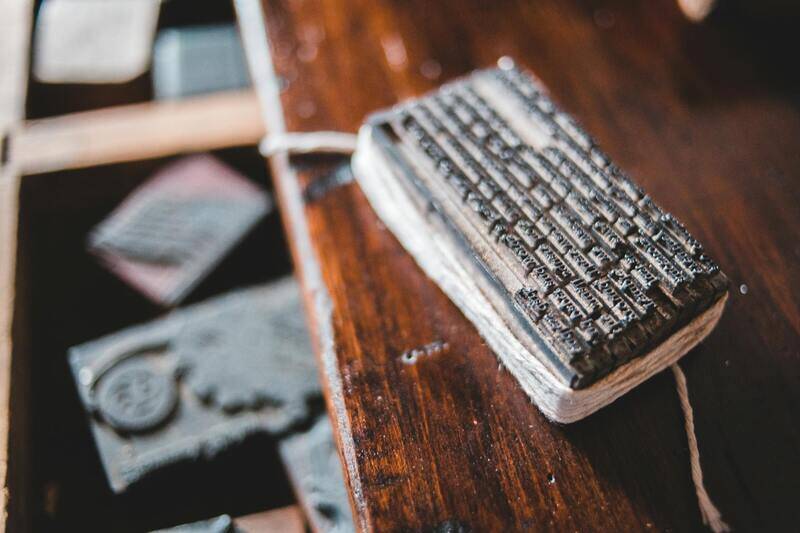
Additionally, die-cutting allows for creative shapes and window effects, giving your brochure a distinctive form that stands out from conventional rectangular designs. Foil stamping is another option to add metallic accents that evoke a sense of premium quality and exclusivity.
Choosing the right combination of these techniques aligns with your brand’s identity and communication goals, ensuring your brochures capture attention and convey professionalism. Collaborating with experienced printing providers ensures these advanced options are executed flawlessly, maintaining the integrity of your design and message.
Securing Your Brochure Through Proper Authentication Methods
Implementing official security measures in your brochure production is vital to uphold your brand’s integrity and to prevent counterfeiting or unauthorized reproductions. Using advanced authentication methods adds a layer of trust and authenticity, demonstrating your commitment to quality and security.
One common approach involves integrating unique QR codes or holographic stickers into the design. These features can be verified through secure online portals, allowing recipients or stakeholders to confirm the brochure's legitimacy conveniently. Holographic elements are difficult to duplicate, providing a visual indication of authenticity that also enhances the brochure’s aesthetic appeal.
Incorporating microtext or fine line printing, which appears as a solid line to the naked eye but reveals fine details upon close inspection, further fortifies your materials against forgery. This technique is especially effective when combined with high-resolution printing processes that ensure the microelements remain clear and precise.
Another valuable security measure is the use of secure inks or coatings, such as UV-sensitive inks that become visible only under ultraviolet light. These can be applied selectively to certain areas, adding a covert layer of authentication that is only detectable with specialized equipment.
Choosing a printing partner experienced in security printing ensures these features are integrated seamlessly without compromising the design or print quality. Furthermore, transparent documentation and clear communication about the security measures reinforce confidence in the official nature of your brochures.
Ultimately, deploying these official security methods in your brochure printing process protects your intellectual property, fosters trust with your audience, and reinforces your brand’s commitment to authenticity. Whether for promotional campaigns, official communications, or high-value client proposals, secure printing techniques are essential components in safeguarding your message and maintaining a professional image.
Methods to Verify and Validate Your Custom Brochure Printing
When investing in custom brochure printing, ensuring the authenticity and quality of the final product is crucial for maintaining brand integrity and conveying professionalism. To achieve this, various legitimate methods can be employed that verify the authenticity of your brochures without resorting to unofficial or questionable practices.
One primary approach involves working exclusively with reputable printing partners who have established a track record for delivering high-quality products. These providers adhere strictly to industry standards, utilize certified equipment, and follow rigorous quality control protocols, ensuring every brochure meets strict specifications. Verifying their certifications, client testimonials, and portfolio can further affirm their legitimacy.
Another method includes the use of official documentation and detailed order confirmations. When placing an order, request detailed proofs, including digital mock-ups and printed samples, before proceeding with full-scale printing. This ensures you approve all elements, from color accuracy to material quality, reducing the risk of discrepancies or counterfeit reproductions.
Digital watermarks or overt security marks integrated subtly into the design can serve as verification features. These marks are difficult to replicate and can be authenticated using specialized tools, adding an extra layer of confidence in your printed materials. Implementing such security features through established printing providers ensures that your brochures remain distinctive and tamper-proof.
Additionally, maintaining comprehensive records of your printing processes, including purchase orders, proofs, and receipts, provides a transparent trail that attests to the legitimate origin of the brochures. For highly sensitive or official communications, consider employing serialization or QR codes that can be scanned to verify authenticity via a secure database maintained by your printing partner.
It’s also beneficial to stay informed about the latest advancements in official printing techniques. Many providers implement security features such as microtext, holograms, or special inks—features that are not readily available through unofficial channels. Confirm with your printing service that these methods are used and documented, ensuring the final product aligns with your brand’s standards and security requirements.
Maintaining Brand Consistency and Quality Standards
To uphold authenticity, regularly review samples and request updates from your printing partner. Consistency in print quality, precise color matching, and material integrity are key indicators of reliable, legitimate printing practices. Employing standardized quality assurance protocols throughout the process minimizes errors and maintains the integrity of your visual branding.
Lastly, fostering a transparent dialogue with your service provider about all security measures and verification methods ensures mutual understanding and adherence to high standards. By choosing trusted, certified printing partners and implementing verified authentication processes, you safeguard your official communications and reinforce your organization's credibility in every brochure distributed.
Understanding Custom Brochure Printing
Custom brochure printing involves tailoring printed materials to meet specific branding, informational, and aesthetic goals. The process begins with selecting suitable formats, sizes, and folds that best showcase your content. It emphasizes the importance of choosing compatible paper qualities and finishing options that enhance the overall appearance of the brochure. By customizing every element, businesses can effectively communicate their message and create a memorable impression on their target audience.
Choosing the Right Paper and Material Options
Material selection plays a pivotal role in the effectiveness and durability of custom brochures. The choice of paper weight and finish can significantly influence how your brochure perceives quality. Heavier cardstock, such as 300gsm or higher, is ideal for premium feels and longevity, while lighter papers are suitable for mass distribution where cost efficiency is a priority.
In addition to paper thickness, finishes like gloss, matte, or satin can affect visual appeal. Glossy coatings are excellent for vibrant colors and striking images, making your brochure stand out with vividness. Matte finishes provide a sophisticated, non-reflective surface that lends a professional tone, ideal for text-heavy designs. Satin offers a balanced sheen that adds subtle elegance while minimizing glare.
Design Principles for Effective Brochures
Effective brochure design hinges on clarity, visual hierarchy, and consistent branding. It’s crucial to establish a balanced layout that guides readers seamlessly through your key messages. Use high-quality visuals and concise copy to capture attention, supported by strategic use of colors, fonts, and whitespace.
Maintain brand consistency by adhering to your brand guidelines regarding color schemes, logo placement, and typography. Incorporate compelling headlines and clear calls-to-action to motivate engagement. Ensuring readability, especially on mobile devices, is essential for broader reach and impact.
Additional Tips for Design Optimization
- Utilize high-resolution images to avoid pixelation and convey professionalism.
- Limit the number of font styles to maintain visual harmony.
- Prioritize important information with larger fonts or bolding.
- Include contact details and next steps prominently for ease of user action.
Popular Brochure Fold Types and Sizes
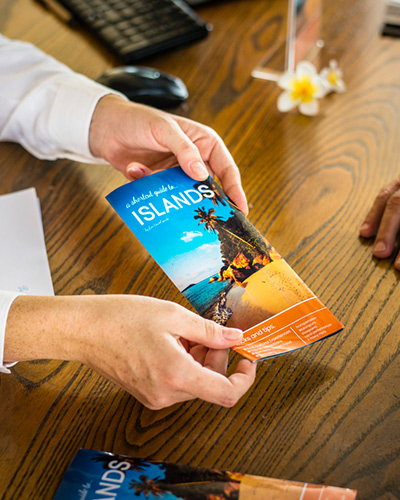
Fold styles dictate the overall look and functionality of your brochure. Common options include tri-folds, bi-folds, z-folds, and gate folds, each suited for different content complexity and distribution contexts. Flodable sizes often align with standard paper dimensions like A4, A5, or DL, facilitating easy mailing and handouts.
For instance, tri-fold brochures are versatile and widely used, providing six panels for organized information dissemination. Bi-fold designs offer a clean, minimalist appearance, suitable for highlighting key points. Choosing the right fold type depends on your content amount, distribution method, and visual preferences.
Printing Techniques and Finishings
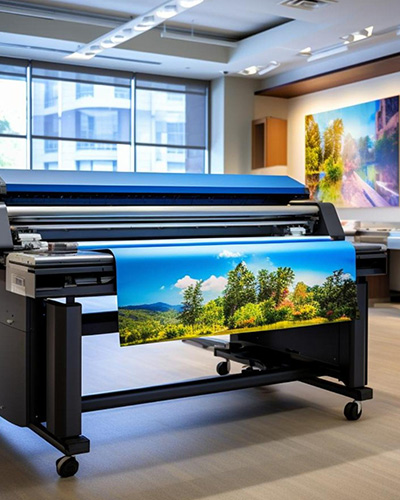
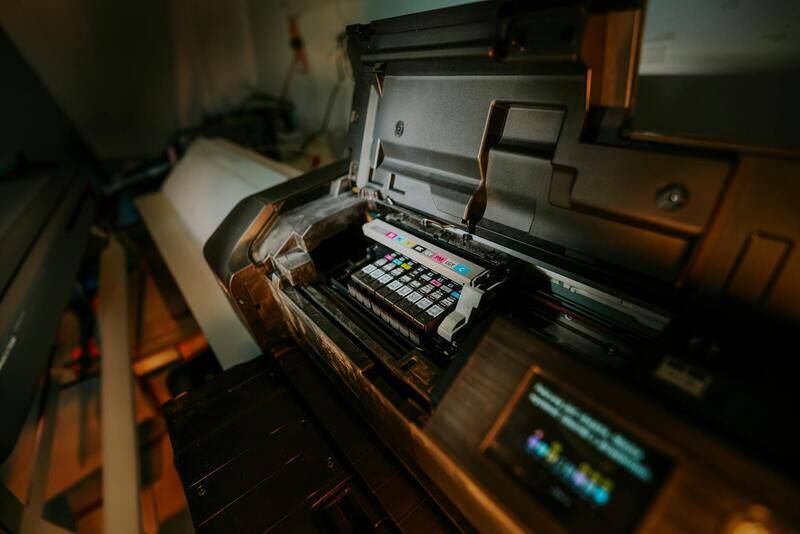
Advanced printing techniques and finishing processes significantly elevate the quality of your custom brochures. Offset printing is ideal for large quantities, providing consistent color reproduction and sharp details. Digital printing offers flexibility for smaller runs and quick turnarounds without sacrificing quality.
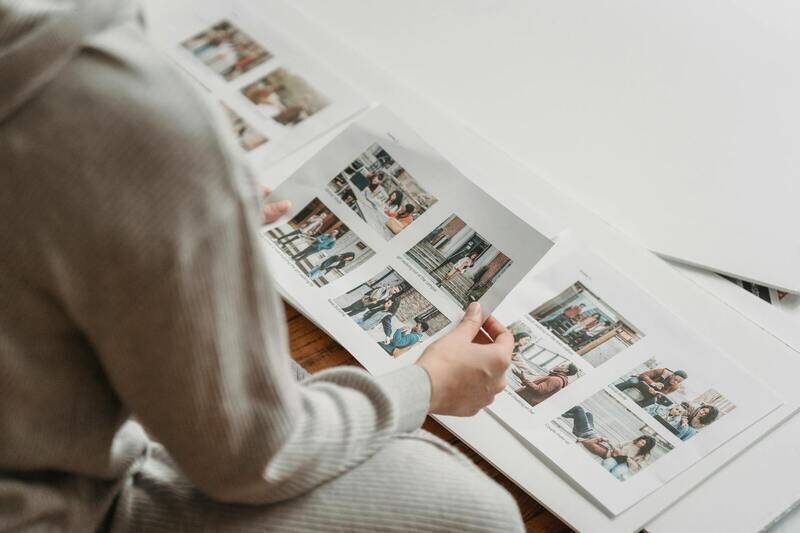
Finishings such as embossing, debossing, lamination, UV coating, and foil stamping add tactile or visual enhancements that make the brochure more engaging. Embossing and debossing create raised or recessed areas, emphasizing key elements. UV coatings provide a glossy top layer that resists scratches, while matte lamination offers a smooth, glare-free finish.

Cost Factors and Budgeting for Custom Brochures
Budget planning for your custom brochure project requires understanding various cost components. These include material costs, printing method, quantity, fold type, and finishing options. Larger quantities often reduce the unit cost due to economies of scale, making bulk printing more cost-effective.
Opting for premium papers and special finishes naturally increases overall expenses, but they also elevate the perceived value of your brochure. To maximize your investment, consider balancing quality features with your desired reach and campaign goals. Request detailed quotes from your printing service to compare options and avoid unforeseen expenses.
In designing your brochure, aim for a strategic approach that aligns quality and budget. Clearly defining the scope, selecting the appropriate materials and finishes, and planning the production run carefully can result in a compelling, professionally crafted marketing tool within your financial parameters.
Ensuring Your Brochures Meet Legal and Ethical Standards
Producing custom brochures requires adherence to certain standards to ensure they accurately represent your brand and comply with industry norms. Utilizing official printing methods and high-quality materials is fundamental to creating professional marketing collateral. These methods include selecting certified printing facilities that follow rigorous quality assurance processes, ensuring consistent color reproduction, sharp images, and durable finishes. When choosing a printing partner, review their certifications, industry memberships, and adherence to environmental standards, which reflect their commitment to quality and responsible practices.
Moreover, sourcing high-grade paper and substrate options from reputable suppliers guarantees material authenticity. Employing certified inks and environmentally friendly printing processes adds further value, reinforcing your brand's commitment to sustainability and quality. This is crucial in maintaining trust with your clients and partners, while also safeguarding your company’s reputation.

Designing your brochure content with accuracy and integrity is another vital aspect of compliance. Ensuring all claims are verifiable, avoiding misleading information, and respecting intellectual property rights help uphold ethical marketing practices. Incorporate legitimate testimonials, copyrights, and trademarks appropriately, and avoid exaggerated statements that could tarnish your credibility.
Verifying Printing and Material Sources
- Choose printing companies with verifiable credentials and industry certifications.
- Source paper and materials from reliable suppliers with transparent sourcing practices.
- Utilize licensed images, graphics, and fonts to respect intellectual property rights.
- Employ certified printing inks and environmentally safe processes.
Implementing Quality Control Measures
- Request sample proofs before full production to review color accuracy and layout integrity.
- Inspect prints for color consistency, sharpness, and finishing quality.
- Ensure any embossing, lamination, or special effects are executed precisely according to specifications.
- Maintain documentation of the production process for accountability and future reference.
By prioritizing these official practices, your custom brochures will not only provide a professional appearance but also reflect your company’s commitment to quality and responsible marketing. This approach contributes to building lasting client relationships, enhances your brand reputation, and ensures compliance with industry standards at every stage of production and distribution.