Importance of Professional Brochures
In today’s competitive marketplace, establishing a strong brand presence requires more than just digital marketing efforts. High-quality, professionally crafted brochures serve as tangible representations of a company’s identity, values, and services. They act as key tools for communication, enabling businesses to deliver concise, impactful messages directly to potential clients and partners. A well-designed brochure not only captures attention but also conveys a sense of credibility and expertise, fostering trust with the audience. When businesses invest in professional brochures, they demonstrate a commitment to quality and detail, which enhances their reputation and sets them apart from competitors.
Beyond initial impressions, brochures facilitate the educational process by providing comprehensive information in an organized manner. They help clarify complex products or services through visually appealing layouts and strategically crafted content. As a versatile marketing asset, brochures can be used in various settings—trade shows, client meetings, direct mail campaigns, or in-store displays—making them an indispensable component of a multifaceted promotional strategy. The physical nature of a brochure also offers a tactile experience, allowing recipients to engage with the material at their own pace, reinforcing brand recall and fostering a lasting impression.
Businesses aiming to reinforce professionalism and build lasting relationships often choose custom-designed brochures tailored to their industry and target market. These printed materials reflect an investment in quality that speaks volumes about the organization’s standards. The role of these brochures extends beyond simple advertising; they act as tangible representations of a brand’s essence, helping clients and stakeholders understand the company’s offerings, expertise, and core values with clarity and confidence.

Choosing the Right Format and Size
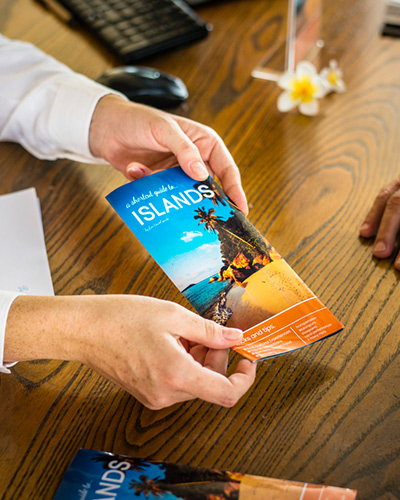
Opting for an appropriate format and size for your professional brochures is crucial in ensuring that your message is conveyed effectively and that the materials are manageable for your target audience. Standard sizes such as A4, A5, or tri-fold configurations serve different purposes and can influence how recipients perceive your brand. For instance, a tri-fold brochure is compact, easy to handle, and ideal for quick information dissemination at events or in mailings. Conversely, larger formats like A4 offer more space for detailed imagery and extensive content, suitable for detailed product catalogs or service descriptions.
When selecting the size, consider the distribution method and the setting where the brochure will be used. Smaller formats are excellent for handouts and mailing inserts, while larger brochures can serve as impressive display materials during face-to-face interactions. Additionally, a well-chosen format enhances the overall perception of professionalism, demonstrating careful consideration and attention to detail. It also influences storage and handling, making it easier for clients and partners to keep your materials accessible and in pristine condition.
Designing your brochure with the appropriate dimensions in mind allows for strategic placement of imagery and text, maintaining visual harmony and readability. Custom sizes are also an option for businesses seeking to stand out with unique branding; however, standard formats tend to be more cost-effective and easier to produce in large quantities.
Content Strategy and Writing Tips
Creating compelling and informative content is the backbone of a professional brochure. The message should be clear, concise, and aligned with your overall branding strategy. Focus on highlighting the unique selling propositions (USPs), key benefits, and core values that distinguish your business within your industry.
- Start with a powerful headline that captures attention and sparks interest.
- Keep language straightforward and jargon-free to ensure accessibility.
- Use bullet points and subheadings to organize information logically and improve readability.
- Incorporate calls-to-action (CTAs) that persuade prospects to take the next step—whether it's contacting your team, visiting your website, or making a purchase.
- Leverage storytelling to craft a narrative around your brand that resonates emotionally with your audience.
In addition to thoughtful writing, incorporating testimonials, case studies, and data-driven results can substantiate your claims and foster trust. Ensuring the content aligns with your visual elements creates a cohesive presentation that reinforces your message. Regular updates and revisions to your brochure content will keep the information current and relevant, reflecting new offerings or industry developments.
Enhancing Content with Visual Elements
Integrating compelling visuals into your professional brochures is essential to capturing attention and conveying your message effectively. Well-chosen images, icons, and graphics can elucidate complex concepts, highlight your key offerings, and evoke emotional responses from your audience. High-quality visuals should align seamlessly with your textual content, creating a cohesive narrative that reinforces your brand identity.
Consider using relevant images that showcase your products in action, depict satisfied customers, or illustrate your unique selling points. This visual storytelling not only engages viewers but also enhances the memorability of your message. Additionally, employing infographics and data visualizations can present statistics and information succinctly, making technical or detailed content more accessible.
When selecting visuals, prioritize authenticity and professionalism. Stock images should be high-resolution and free from obvious flaws or overuse, ensuring your brochure maintains credibility and sophistication. Custom illustrations and photography tailored to your brand can further distinguish your material from generic templates, offering a unique and recognizable aesthetic.
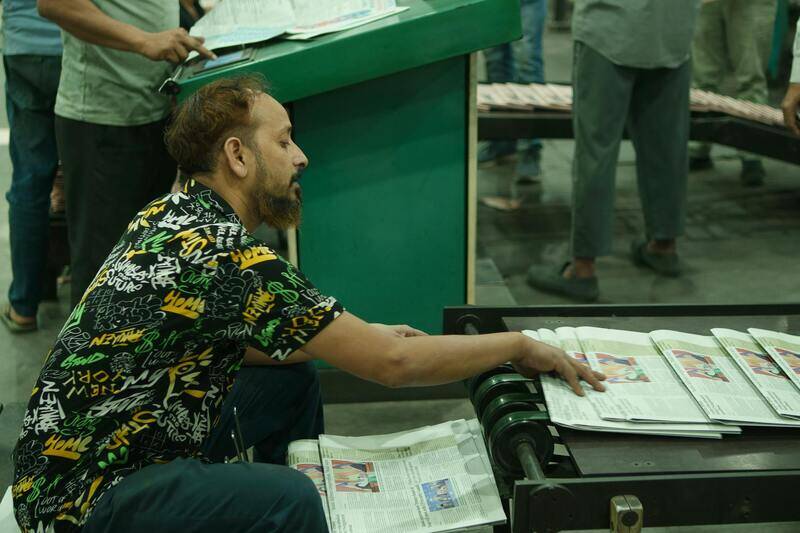
Here is an example of visual integration:
Optimal Printing Techniques for Superior Brochures
Choosing the right printing techniques is crucial for the production of professional brochures that leave a lasting impression. The choice of technique impacts the tactile feel, durability, and overall aesthetic appeal of your marketing material. Standard offset printing remains a popular method for large-volume runs due to its cost-effectiveness and high-quality output. It produces sharp images and vibrant colors, ensuring that each brochure reflects your brand’s professionalism. In contrast, digital printing offers advantages for shorter runs, rapid turnaround times, and easy customization options. It allows for innovative features like variable data printing, which can personalize each brochure for targeted campaigns. When considering advanced print effects, techniques such as UV coating provide a glossy finish that enhances color vibrancy and protects against fingerprints and smudges, boosting longevity. Another impactful method includes spot varnishing, where specific areas of the brochure are coated to create visual or tactile emphasis—perfect for highlighting key features or calls-to-action. Embossing and debossing add a three-dimensional element, elevating the tactile experience and reinforcing the perceived quality of your material. Material selection is equally significant. Thick, high-quality paper stocks—ranging from matte to gloss finishes—set a professional tone, conveying sophistication and credibility. Optionally, textured paper, such as linen or felt, can add an extra layer of refinement, making your brochures stand out even more. Finally, environmental considerations are increasingly influencing printing choices. Recycled papers, soy-based inks, and eco-friendly coatings demonstrate a commitment to sustainability without compromising quality. It’s essential to align printing techniques and materials with your brand values while ensuring that the final product meets the highest standards of professionalism.
Effective Distribution Channels for Professional Brochures
Choosing the appropriate channels to distribute your brochures is crucial for maximizing their impact and ensuring they reach your target audience effectively. A strategic approach involves a combination of traditional and modern methods tailored to your industry and customer demographics.
- Direct Mail Campaigns: Sending physical brochures directly to prospects and existing clients can foster personalized engagement. Employ targeted mailing lists to ensure your brochures reach decision-makers and influential stakeholders within your niche.
- Event and Trade Show Distribution: Handing out professionally designed brochures at industry events, conferences, and trade shows offers an excellent opportunity for face-to-face interaction. Well-crafted brochures can succinctly communicate your value proposition and leave a lasting impression.
- In-Store and Point-of-Purchase Display: If your business operates retail outlets or showrooms, placing brochures in high-traffic areas can attract walk-in prospects. Consider eye-catching displays and accessible placement to encourage potential clients to take a copy.
- Partner and Affiliate Networks: Collaborating with complementary businesses to share your brochures expands your reach. Distribution through partner channels ensures your message gains visibility within relevant customer bases.
- Digital Integration: While physical brochures are vital, integrating them into your digital marketing strategy enhances overall outreach. For example, QR codes linked to your website or online catalogs can bridge the gap between offline and online engagement.
Measuring the Effectiveness of Brochure Distribution
To ensure your brochure distribution efforts are successful, implement tracking methods such as unique coupon codes, dedicated landing pages, or consultation appointments. Regularly analyze customer response rates and sales inquiries resulting from brochure campaigns, allowing for data-driven adjustments that optimize future distributions.

Advanced Printing Techniques and Material Selection for Professional Brochures
Orienting your brochure's physical presentation with the right printing methods and material choices is fundamental to conveying professionalism and durability. High-quality printing techniques help in achieving crisp visuals, vibrant colors, and clear text, which collectively enhance your brand's image. UV coating, for instance, provides a glossy finish that makes images pop and offers protection against scratches and fingerprints, ideal for premium offerings. Matte finishes, on the other hand, provide a sophisticated look with reduced glare, suitable for more understated or elegant designs.
In addition to surface finishes, the selection of materials plays a crucial role. Thicker paper stocks, such as 150# cover stock or even specialty textured papers, can give brochures a substantial feel that communicates quality and longevity. For occasions demanding added durability, lamination can be applied, providing resistance against moisture and wear. Alternatively, recycled papers offer eco-friendly options that appeal to environmentally conscious audiences while still maintaining a professional appearance.

Color management during the printing process ensures that the vibrancy and accuracy of your brand colors are preserved. Pantone matching systems can be employed to guarantee consistency across batches, preventing color discrepancies that might undermine your branding efforts. Furthermore, considering the environmental impact of materials and utilizing eco-friendly inks not only aligns with sustainability initiatives but can also serve as a positive touchpoint for your brand image.
Implementing the Final Production and Quality Control
Once your design is prepared, meticulous quality control during the printing process is vital. Proofing stages—either digitally or with actual print samples—allow for adjustments before the full run. Inspecting finished brochures ensures that color consistency, alignment, and finishing details meet your standards. Properly stored batches also help maintain quality over time, particularly if you plan for long-term distribution cycles.
Investing in professional printing services backed by advanced technology and strict quality assurance protocols results in brochures that reflect the excellence of your brand. The tangible presentation of your message can significantly influence perceptions, making this step a critical component of your overall marketing strategy.
Implementing High-Quality Printing Techniques and Selecting Premium Materials
When aiming to produce professional brochures that leave a lasting impression, the choice of printing techniques and materials plays a pivotal role. The right combination ensures that your brochures not only look remarkable but also withstand the rigors of handling and environmental exposure, preserving your brand’s integrity and message.
Advanced Printing Techniques for a Sophisticated Finish
Utilizing cutting-edge printing methods can elevate the visual appeal of your brochures, making them stand out in crowded markets. Techniques such as UV coating provide a glossy, resilient surface that enhances color vibrancy and offers protection against scratches and smudges. Matte finishes, on the other hand, deliver a subtle, elegant look that reduces glare and feels refined to the touch, suitable for luxury or corporate branding.
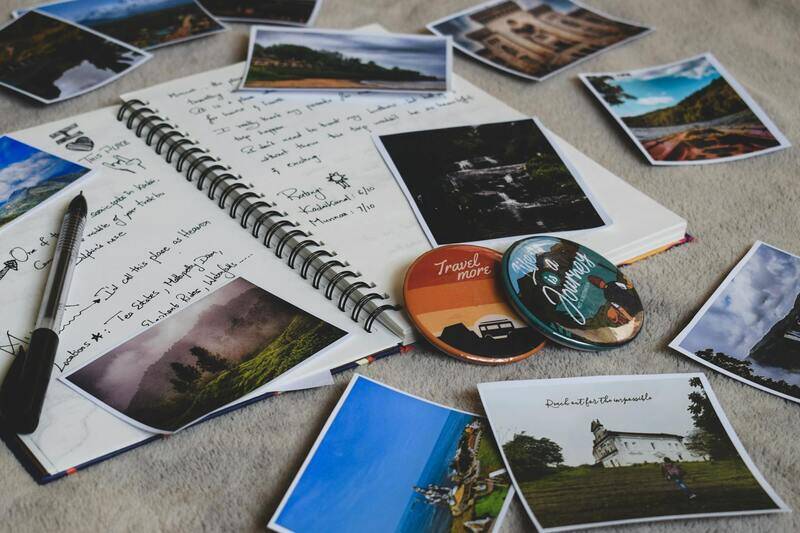
Spot UV coating can be strategically applied to highlight specific design elements such as logos, headlines, or images, drawing attention and adding a layer of visual depth. Embossing and debossing techniques create tactile effects, adding dimension to your brochures and making physical interaction more engaging for recipients. Additionally, foil stamping can be used for metallic accents, conveying a sense of opulence and exclusivity.
Material Selection: Durability Meets Aesthetic
The quality of brochures is greatly influenced by the paper and finish selected. Thicker cardstock provides durability, ensuring the brochures withstand handling during distribution. Options like satin, gloss, or matte lamination on the surface of the paper not only enhance aesthetic appeal but also add a protective layer that guards against water and fingerprints.
Eco-conscious enterprises can opt for recycled or FSC-certified paper that aligns with sustainability goals. Bamboo paper or other innovative, environmentally friendly materials are also gaining popularity for their high quality and reduced ecological footprint. These choices not only serve functional purposes but also communicate your commitment to responsible business practices.
Color Management and Finishing Details
Precise color management during printing guarantees that your brand colors are consistent across all brochures, reinforcing brand recognition. Employing Pantone matching systems ensures exact color reproduction, reducing discrepancies that could dilute your message’s clarity. Additionally, being attentive to finishing details—such as rounded corners, perforations, or die-cut shapes—can add a distinctive touch that makes your brochures more memorable to recipients.

Final Quality Assurance and Handling
Before committing to large print runs, conducting thorough proofing—either digitally or through physical samples—ensures that all elements, from color fidelity to layout precision, meet your expectations. Checking for any flaws during the initial stages helps avoid costly mistakes in the production process.
Proper storage of completed brochures is essential to maintain quality, especially if they are intended for long-term distribution. Store them in cool, dry environments away from direct sunlight to prevent fading or warping. When executed with meticulous attention to detail, professional printing not only enhances the aesthetic quality of your brochures but also reflects the overall excellence of your brand.
Advanced Techniques for Producing Unmatched Professional Brochures
Leveraging Digital Printing Technologies
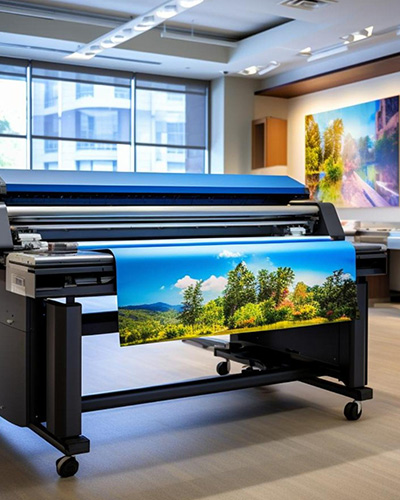
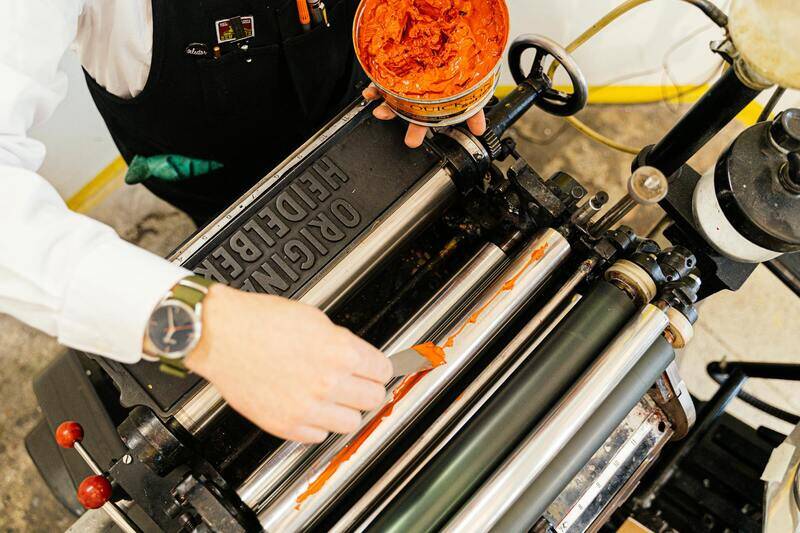
Modern digital printing methods enable businesses to produce high-quality brochures with sharp imagery and vibrant colors. This technology allows for short runs with quick turnaround times, making it ideal for targeted marketing campaigns or limited edition brochures. Digital presses facilitate variable data printing as well, which can customize each brochure with recipient-specific information, enhancing engagement and response rates. The ability to efficiently update content without incurring high setup costs also provides flexibility for seasonal or promotional adjustments.
Implementing Eco-Friendly Printing Solutions
Utilizing sustainable printing practices demonstrates corporate responsibility and appeals to environmentally conscious audiences. Techniques such as printing with soy-based inks, using recycled or FSC-certified paper, and adopting vegetable-based dyes contribute to reducing the ecological footprint of brochure production. Moreover, choosing biodegradable materials or those made from sustainably harvested resources ensures that your marketing collateral aligns with eco-aware branding strategies. Incorporating eco-friendly options does not compromise quality; with advances in these materials, your brochures can maintain their visual appeal while minimizing environmental impact.
Post-Printing Quality Control and Finishing Touches
After printing, rigorous quality checks are imperative to ensure that every brochure meets the highest standards. Inspecting for color consistency, alignment accuracy, and any printing defects helps prevent distribution of subpar materials. Finishing touches such as lamination, foil stamping, embossing, or spot UV coating can elevate the tactile experience and add a layer of sophistication. These enhancements not only capture attention but also improve durability—protecting the brochures from wear and tear during handling and distribution.
Strategic Storage and Handling
Proper storage of printed brochures safeguards their visual integrity until distribution. Utilizing climate-controlled environments, away from excessive light or humidity, preserves the colors and structural quality. When managing large quantities, organizing brochures systematically ensures easy access during distribution phases. Handling protocols, such as minimizing contact points and avoiding folding or creasing, are essential to maintain a pristine appearance. Investing in proper storage solutions confirms that your printed collateral remains compelling and professional at every touchpoint.