Understanding Brochure Printing Services
Brochure printing companies serve as essential partners for businesses aiming to communicate their brand, products, and services effectively through visually compelling marketing materials. These companies leverage advanced printing technologies and quality materials to produce a variety of brochure formats tailored to diverse marketing strategies and target audiences. Their expertise spans across designing, customizing, and printing brochures that resonate with viewers and evoke a professional image.
Brochures are versatile marketing tools used in both digital and physical formats, making them suitable for trade shows, retail displays, corporate presentations, and informational handouts. The scope of brochure printing services includes everything from small flyers to elaborate multi-page booklets, each designed to enhance brand visibility and credibility. For instance, companies can opt for single-fold brochures that deliver concise messages or more complex tri-fold and z-fold designs that accommodate detailed information and imagery.
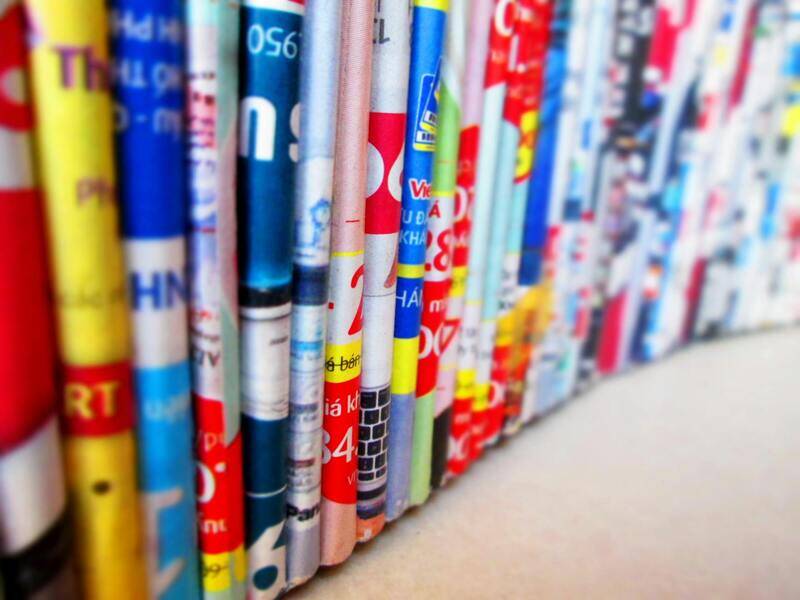
The selection of materials, finishes, and binding options significantly influences the overall impact of the finished product. A reputable brochure printing company collaborates closely with clients to choose suitable paper stocks, such as gloss, matte, or silk finishes, that complement the design and purpose of the brochure. They also offer customization options including lamination, spot UV coating, embossing, and die-cutting to achieve specific visual and tactile effects. These enhancements contribute to a premium feel that can help elevate brand perception and engagement.
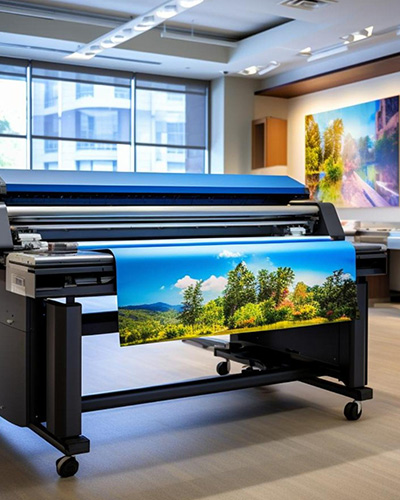
Furthermore, modern brochure printing companies leverage digital, offset, and large-format printing technologies to optimize quality, consistency, and quantity. Whether clients require a small batch for a targeted campaign or large-scale production for nationwide distribution, these companies ensure efficient and high-quality output. Their services often extend to mailing and distribution solutions, providing a comprehensive package from the initial concept to timely delivery.

Types of Brochure Printing Materials and Finishes
Choosing the appropriate materials and finishes is crucial for creating a brochure that effectively communicates your brand message and resonates with your target audience. Reputable brochure printing companies offer a variety of premium paper stocks, each with unique qualities suited for different purposes. For instance, gloss finish paper enhances vibrant colors and sharp images, making it ideal for visually driven brochures. Matte finishes provide a subtle, non-reflective surface that lends a sophisticated and understated look, suitable for content-heavy designs. Silk finishes strike a balance between gloss and matte, offering a soft sheen and smooth texture that appeals to a wide range of applications.
Beyond paper selection, finishes and special effects can significantly enhance the tactile and visual appeal of your brochures. Spot UV coating adds a glossy accent to specific areas, creating contrast and drawing attention to key design elements. Embossing and debossing techniques introduce texture and depth, making certain parts of the brochure stand out physically and visually. Die-cutting allows for intricate cut-outs within the design, providing a unique shape or window that can showcase the content inside or create a distinctive look.
Other finishing options include lamination, which protects the brochure from wear and tear while imparting a luxurious feel. The choice of finish depends on the intended use and desired impression, but professional brochure printing companies guide clients through selection processes to ensure the final product aligns with their objectives and brand identity.

Design and Customization Options
Customization plays a vital role in creating brochures that stand out. Leading brochure printing services offer a comprehensive range of design and customization options to tailor each piece to specific branding and marketing needs. From choosing the layout and typography to selecting color schemes and imagery, every element can be customized to reflect your brand’s personality and message.
Advanced printing companies also provide options for personalized inserts, variable data printing, and customized folds, facilitating targeted marketing and personalized outreach. For example, personalized brochures containing recipient-specific information can increase engagement and response rates.
Moreover, embellishments such as foil stamping, holographic finishes, and textured coatings can add a layer of elegance and sophistication. These enhancements do not only boost aesthetic appeal but also elevate perceived value, making your brochures more memorable and impactful.

Cost Factors in Brochure Printing
Understanding cost factors is essential for effective budget planning. The overall expense of brochure printing depends on several elements, including the volume, material choices, finishes, and complexity of design. Offset printing tends to be more cost-effective for large quantities due to its high speed and quality consistency, whereas digital printing offers advantages for smaller batches and quick turnarounds.
Additional costs may arise from customized features such as embossing, die-cutting, or specialty finishes. These options can elevate the final product but should be balanced against the overall budget to ensure cost-effectiveness without compromising quality.
Most professional brochure printing companies provide transparent pricing models and estimates based on specific project requirements. Clients are encouraged to discuss their budget constraints early in the planning process, allowing the printer to recommend suitable options that maximize value and impact within financial limits.
Importance of Eco-Friendly Printing Practices
Eco-friendly printing practices are increasingly valued in the marketing industry. Reputable brochure printing companies in Singapore prioritize sustainable methods by using eco-conscious materials and environmentally safe inks. Options include recycled paper stocks, vegetable-based inks, and water-based coatings which reduce the environmental footprint of the production process.
Implementing sustainable practices not only aligns with corporate social responsibility goals but also appeals to environmentally conscious consumers. Many printing firms have obtained eco-label certifications that guarantee adherence to strict environmental standards. Choosing a vendor committed to green practices demonstrates your company’s dedication to sustainability, enhancing brand image and consumer trust.
Types of Brochure Printing Materials and Finishes
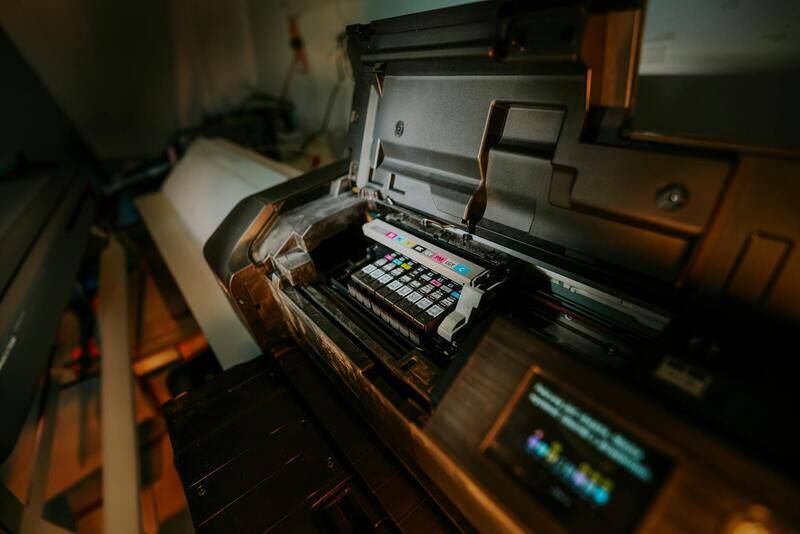
Choosing the appropriate materials and finishes for your brochure plays a crucial role in conveying your brand message and ensuring durability. The selection process involves considering factors such as paper weight, texture, coating, and finishing techniques to achieve the desired visual impact and longevity.
Brochure printing companies offer a wide range of paper stocks to suit different branding needs. Standard options include:
- Matte Paper: Offers a non-reflective surface that provides a sophisticated and subtle appearance, ideal for text-heavy brochures or those requiring muted color palettes.
- Glossy Paper: Brings vibrancy to images and colors, making it suitable for product showcases and high-end marketing materials.
- Satin or Silk Finish: Combines the benefits of matte and glossy, delivering a smooth, semi-reflective surface that enhances images without excessive glare.
Finishing techniques further add to the brochure’s appeal and durability. Popular options include:
- UV Coating: Provides a high-gloss, protective layer that resists scratches and fingerprints, perfect for brochures that require extra protection and visual pop.
- Laminate: Offers a durable surface that guards against moisture and wear, suitable for long-term use or outdoor distribution.
- Soft-touch Coating: Adds a velvety texture, creating a tactile experience that enhances the perceived quality of the printed material.
For a more polished look, finishing touches such as embossing, foil stamping, or die-cutting can be incorporated. These techniques lend a unique, premium feel, helping your brochures stand out in competitive markets.

Design and Customization Options
Effective brochure design goes beyond aesthetics; it involves strategic customization to optimize communication and visual engagement. Reputable brochure printing companies offer comprehensive design services, including layout, typography, color schemes, and image selection, tailored to your brand identity.
Customization options include:
- Fold Types: Trifold, bifold, z-fold, gate fold, and more, each serving different display and informational needs.
- Size Variations: Custom dimensions allow tailored fits for specific distribution channels or display requirements.
- Image and Content Integration: High-quality graphics and well-crafted copy enhance clarity and appeal.
- Interactive Elements: QR codes, augmented reality features, or textured accents engage tech-savvy audiences and add interactivity.
Design flexibility ensures that your brochures effectively communicate your message while resonating with your target audience. When selecting a printing partner, ensure they provide expert guidance on layout and creative options to bring your vision to fruition.

Understanding Brochure Printing Services
Brochure printing services are integral to establishing a vibrant and professional brand image. They involve various processes, from initial design to final production, ensuring that the printed materials effectively communicate your message. Reputable brochure printing companies employ advanced printing technologies, such as digital and offset printing, to produce high-quality outputs that meet diverse business needs. These services encompass customization options, including diverse paper stocks, finishes, and binding techniques, facilitating the creation of brochures that are not only visually appealing but also durable and functional.
Modern brochure printing also incorporates innovative features such as spot UV coating, varnishes, and specialized binding methods, enabling businesses to craft unique presentation materials that stand out. Engaging in comprehensive consultations with professional printers helps identify optimal specifications aligned with your marketing objectives. Moreover, a reliable brochure printing service offers quality assurance through meticulous proofreading and color calibration processes, ensuring that the final product aligns with your branding standards and visual expectations.

Key Factors When Selecting a Brochure Printing Company
Choosing the right brochure printing partner requires careful consideration of several critical aspects to align your expectations with the provider’s capabilities. First, evaluate the company's technological capacity, including the availability of both digital and offset printing options, to ensure flexibility and quality. Next, review their portfolio and client testimonials to gauge consistency and excellence in previous projects.
Pricing transparency is essential; it ensures clarity regarding cost structures and prevents unforeseen expenses. A professional printing company should offer detailed quotes and be willing to discuss various options to optimize your budget and goals. Turnaround time is another vital consideration, especially when tight deadlines are involved. Reliable companies maintain efficient workflows and logistics to deliver finished products promptly, whether for a local event or a nationwide campaign.
Customer support and after-sales service also play a significant role. Effective communication channels, dedicated account managers, and post-project assistance help streamline the process. Certifications or industry affiliations can further attest to a company's professionalism and compliance with quality standards, providing additional confidence in their service delivery.
Types of Brochure Printing Materials and Finishes
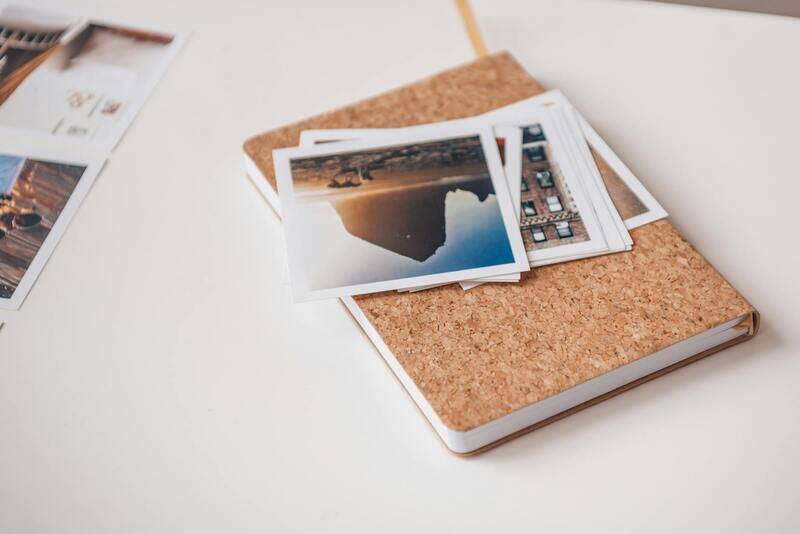
The choice of materials and finishes significantly impacts the overall look, feel, and durability of brochures. Standard printing materials include various paper stocks, such as gloss, matte, silk, and uncoated papers, each offering different visual effects and tactile sensations. For premium appearances, thicker cardstock or specialty papers like textured or recycled options can be used, aligning with brand values or environmental considerations.
Finishing techniques further enhance the visual appeal and durability. Matte finishes provide a sophisticated, non-reflective surface ideal for elegant designs, while gloss finishes accentuate vibrant colors and sharp details. Soft-touch coatings create a luxurious texture that invites tactile engagement. Additional decorative options such as embossing, foil stamping, or die-cutting can add dimension and uniqueness, elevating your brochures from standard promotional materials to eye-catching assets.
Types of Brochure Printing Materials and Finishes
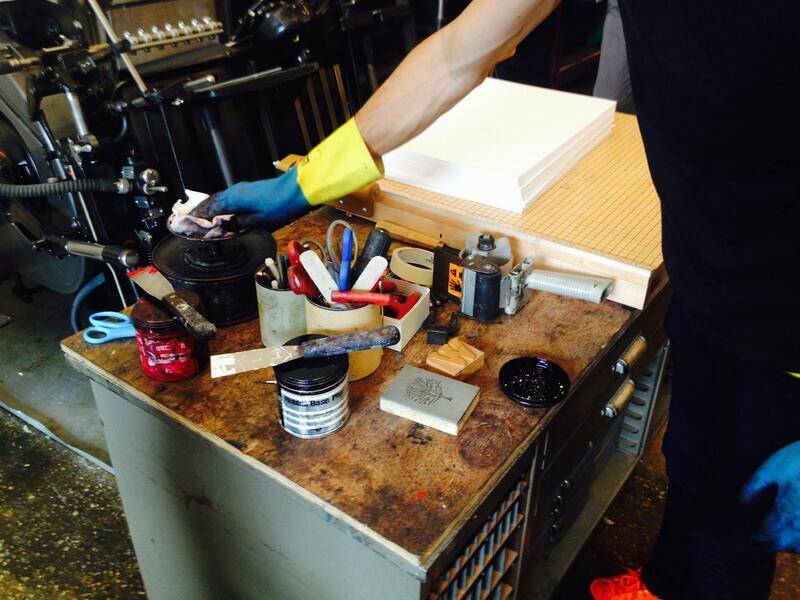
Choosing the appropriate materials and finishes is essential to creating brochures that effectively represent your brand and stand out in competitive markets. The selection process involves careful consideration of visual appeal, durability, tactile experience, and environmental impact.
Standard brochure printing employs various paper stocks, such as gloss, matte, silk, and uncoated options. Glossy paper enhances vibrancy and sharpness, making colors pop and details crisp, ideal for images and graphics. Matte finishes lend a sophisticated, non-reflective surface that minimizes glare, suited for text-heavy or understated designs. Silk papers offer a balance, combining smoothness with a subdued sheen, suitable for versatile applications.
Beyond basic stock choices, premium materials like textured papers—linen, felt, or embossed textures—add tactile richness and depth, reinforcing a high-end image. Recycled papers can meet sustainability goals while maintaining quality, reflecting the company's environmental commitments.
Finishing techniques further define the brochure's impact. Matte coatings offer an elegant, subdued look that reduces fingerprints and glare, perfect for professional, refined messages. Gloss finishes intensify colors and details, making images vibrant and eye-catching, suitable for promotional materials or product catalogs. Soft-touch coatings provide a velvety texture that enhances tactile engagement, often used in luxury branding to evoke a sense of quality and exclusivity.
Additional embellishments—embossing, foil stamping, die-cutting—introduce visual and tactile dimension, transforming standard brochures into memorable marketing tools. Embossing adds raised elements for depth, foil stamping introduces metallic sheen for sophistication, and die-cutting shapes the brochure's form to capture attention.

The choice of materials and finishes should align with your branding strategy, target audience, and budget. High-quality materials combined with innovative finishing techniques provide a tangible representation of your brand, making a lasting impression and encouraging engagement.
Ensuring Reliable and Secure Printing Methods
When selecting a brochure printing company, it is essential to verify the use of trustworthy and secure printing processes. Reputable providers employ advanced printing technology and validated workflows that adhere to strict quality control standards, minimizing errors and ensuring consistent output. They typically operate with well-maintained equipment, regular calibration, and industry-standard safety protocols, which safeguard both the final product and the client's confidential design files. Additionally, secure handling of digital assets is vital. A professional brochure printing service often employs encrypted data transfers and restricted access to customer files, reducing the risk of unauthorized use or breaches. This level of diligence demonstrates a commitment to protecting client intellectual property throughout the production cycle. Transparency in their operational procedures and quality assurance measures reflects an understanding of industry best practices. Clients should inquire about their printing certifications, such as ISO standards or environmental safety approvals, which further establish a company's credibility. The method of printing also impacts the durability and presentation of brochures. Offset printing is preferred for high-volume, precise color reproduction, while digital printing offers flexibility for small runs and quicker turnaround times. Both techniques have their merits, but the decision should align with the project scope and quality expectations. Investing in a company that maintains rigorous quality protocols and secure digital processing confirms the reliability of your marketing collateral, ensuring your brand message is conveyed with professionalism and finesse.

Assessing Customer Support and Post-Print Services
Exceptional customer support is an integral aspect of a trusted brochure printing company. From initial consultations to post-production assistance, reliable providers offer comprehensive guidance to help clients make informed decisions. They assist with choosing suitable materials, finishes, and design options that align with branding goals and budget constraints. Clear communication channels, prompt responses, and professional advice contribute to a seamless printing experience. Moreover, reputable companies often provide proofing services, allowing clients to review layouts and color proofs before mass production. This step minimizes errors and ensures that the final product meets expectations. Post-print services such as packaging, inventory management, and delivery tracking further enhance convenience. Many companies also offer warehousing solutions for bulk stock, enabling timely distribution or reprints as needed. Select a provider willing to go the extra mile in customer care. Their willingness to accommodate special requests or provide detailed guidance often indicates their dedication to delivering a product that aligns perfectly with your branding and messaging requirements.
Understanding Brochure Printing Services
Brochure printing services encompass a comprehensive range of options designed to meet various marketing and branding needs. From simple pamphlets to intricate multi-fold designs, a reliable brochure printing company provides not only high-quality printing but also expert guidance on material selection, design customization, and finishing techniques. The process begins with understanding the client’s objectives—be it brand promotion, product showcasing, or event marketing—and translating these into visually compelling printed materials. A professional brochure printing provider ensures consistency in color, clarity, and durability, thanks to state-of-the-art printing technology and rigorous quality control measures. They typically offer a variety of paper stocks, finishes, and binding options, allowing clients to tailor their marketing collateral to specific aesthetic and functional requirements. The end goal is to produce a tangible marketing tool that effectively communicates a brand’s message while leaving a lasting impression.

Key Factors When Selecting a Brochure Printing Company
Choosing the right brochure printing partner involves evaluating several critical aspects that influence both the final output and the overall experience. These factors include their technological capabilities, material offerings, turnaround times, and customer support services.
- Printing Technology: Ensure the company employs advanced digital or offset printing machines capable of producing vibrant colors and sharp details. Consistent color matching and registration are signs of professional equipment.
- Material Variety: A broad selection of paper stocks, finishes, and embellishments allows for greater customization and helps achieve desired tactile and visual effects.
- Portfolio and Experience: Reviewing past projects and client testimonials provides insight into their expertise and reliability in handling different brochure formats and complexities.
- Customer Service and Support: Adequate consultation services, clear communication channels, and attentive post-print support contribute to a smoother process and higher satisfaction.
- Turnaround Capabilities: Flexibility in accommodating rush orders or urgent deadlines without sacrificing quality is essential, especially for time-sensitive campaigns.
Types of Brochure Printing Materials and Finishes
The choice of materials and finishes significantly influences the brochure’s appearance, durability, and tactile appeal. Selecting the appropriate options depends on your branding, target audience, and budget considerations.
- Paper Stocks: Options range from glossy, matte, to silk finishes, each offering different visual effects and touch sensations. Heavier weights, such as 130-170gsm, lend a premium feel, while lighter stocks are suitable for mass distributions.
- Finishes: Applying coatings like UV varnish enhances gloss and protects against scratches, while matte finishes provide a sleek, understated look. Spot UV can be used selectively to highlight specific design elements.
- Special Effects: Embossing, debossing, foil stamping, or textured coatings can add a luxurious or tactile dimension to your brochures, making them stand out more effectively.
Design and Customization Options
The visual impact of a brochure hinges on a well-crafted design that captures attention and reinforces brand identity. Harnessing customization options allows for maximum creative expression and alignment with your marketing goals.
- Fold Types: Choose from bi-fold, tri-fold, Z-fold, or custom folds to optimize layout and functionality.
- Size Variations: Standard sizes include A4, A5, or DL, but custom dimensions can be tailored for specific distribution channels or aesthetic preferences.
- Incorporating Graphics and Images: High-resolution visuals and professional graphics help convey complex information visually, supporting a compelling message.
- Typography and Layout: Clear, attractive typography combined with balanced layouts improves readability and engagement.
- Personalization: Some companies offer variable data printing, allowing for personalized messages or images tailored to individual recipients.
Cost Factors in Brochure Printing
The total cost of brochure printing is influenced by multiple factors including print volume, material choices, complexity of design, and selected finishes. Typically, larger print runs reduce per-unit costs due to economies of scale. Additional costs may include setup fees for custom sizes or special effects, as well as shipping and handling fees. Work closely with your printing provider to develop a budget aligned with your needs. Request detailed quotes that itemize costs related to paper selection, color quality, binding options, and any embellishments. Understanding these elements helps in balancing optimal quality with cost efficiency.
Importance of Eco-Friendly Printing Practices
Environmentally conscious printing practices are becoming increasingly significant in the corporate landscape. Opting for eco-friendly options demonstrates a commitment to sustainability while often aligning with global standards and consumer expectations. Reputable brochure printing companies utilize vegetable-based inks, recycled papers, and energy-efficient manufacturing processes to minimize environmental impact. Incorporating eco-friendly practices does not compromise quality; rather, it can enhance your brand image by showcasing responsible stewardship. Green-certified materials and processes often come with added transparency and accountability, ensuring that your marketing collateral maintains high standards while respecting ecological considerations.
Effective Methods for Ensuring Quality in Brochure Printing
Securing a high-quality brochure print involves more than just choosing the right design and materials; it requires a comprehensive approach to the entire printing process. Reputable brochure printing companies employ a combination of proven methodologies, rigorous quality control measures, and advanced technology to deliver consistent results that meet client expectations.
Pre-Press Quality Assurance
Before printing begins, a detailed review of the digital proofs is essential. This step involves verifying color accuracy, layout precision, and resolution standards to ensure the final product aligns perfectly with the design intent. Professional companies utilize calibrated monitors and color management systems to prevent discrepancies. Additionally, they perform trap checks to ensure that different colors and elements overlap accurately, preventing misregistration during printing.
Material Selection and Handling
The quality of paper and finishes directly impacts the durability and appearance of the brochures. Trusted providers recommend premium-grade materials tailored to the brochure’s purpose, whether it’s for high-end marketing or informative distribution. Proper handling and storage of these materials before printing also contribute to the final quality, preventing issues such as warping, staining, or dust accumulation.
Printing Technologies and Methodologies
Modern brochure printing companies leverage advanced printing technologies like offset and digital presses, each with unique strengths. Offset printing is ideal for large volumes, offering sharp image reproduction and cost-efficiency, whereas digital printing provides flexibility and quick turnaround for smaller batches. High-resolution printing, precise color matching, and consistent ink application are achieved through sophisticated machinery and routine maintenance.
Post-Print Inspection and Quality Control
Upon completion, each batch undergoes thorough inspection for color consistency, alignment, and finishing quality. Quality control teams use standardized criteria and tools such as spectrophotometers to measure color fidelity. Surfaces are examined for printing imperfections, smudges, or inconsistencies. For brochures requiring complex finishes like embossed elements or spot UV coatings, additional checks ensure proper adhesion and uniformity.
Additional Techniques for Optimal Results
- Sample Testing: Producing and reviewing small samples before full-scale production helps identify potential issues early.
- Batch Matching: Ensuring color and quality consistency across multiple printing runs, especially for large campaigns.
- Finishing Quality: Skilled finishing technicians ensure binding, folding, and embellishments align precisely, enhancing the brochure’s overall presentation.

Engaging with a professional brochure printing company that prioritizes quality assurance at each stage results in marketing collateral that commands attention, resonates with target audiences, and effectively communicates your brand message. A meticulous approach to every detail in the printing process ensures the final product not only looks impressive but also performs reliably under various conditions, reinforcing your brand’s credibility and professionalism.