Understanding Business Brochure Printing
Business brochure printing is a vital component of corporate marketing strategies, serving as a tangible representation of a company's brand, offerings, and value proposition. It encompasses the design, production, and distribution of printed materials that provide detailed information about a company's products, services, or initiatives. These brochures are crafted to engage potential clients, reinforce brand recognition, and support promotional efforts across various channels.
Effective business brochure printing involves a strategic blend of compelling visual design and precise content layout. The printed brochure acts as an extension of the business, capturing the attention of target audiences through attractive graphics, clear messaging, and professional finishes. As a versatile marketing tool, it can be tailored for multiple uses, including trade shows, client meetings, direct mail campaigns, and in-store displays.
In addition to aesthetic appeal, the process of brochure printing emphasizes the importance of consistent branding. This involves integrating logos, color schemes, and typography that align with the company's overall identity. Moreover, the choice of paper, finishes, and binding methods directly influences the tactile experience, which can leave a lasting impression on the recipient.
Adopting professional print methods ensures that the final product meets high standards of clarity, color accuracy, and durability. This not only elevates the perceived value of the brochure but also reflects positively on the company's reputation.
In the digital age, physical brochures continue to hold significant influence due to their tangible nature. They serve as a credible, permanent reference that customers can keep and revisit, thereby reinforcing the brand message over time. Strategically distributed, well-designed business brochures are instrumental in driving customer engagement, generating leads, and supporting comprehensive marketing campaigns.
Understanding the core components of business brochure printing—including design principles, material selection, and production technology—is essential for businesses aiming to maximize the effectiveness of their printed collateral. Partnering with a reputable printing provider ensures that every aspect, from initial concept to final delivery, aligns with industry standards and business objectives.
Choosing the Right Paper and Finish
Selecting appropriate paper stock and finishes is crucial in creating a professional and durable business brochure. The choice of paper directly impacts the tactile experience and visual appeal of the final product. For high-end branding, a heavier cardstock such as 170-300gsm offers a sturdy, premium feel that aligns with luxury or corporate image. Thinner papers, typically around 135gsm, are suitable for more cost-effective mass distributions and still provide a clean presentation.
Finish options further refine the brochure’s presentation and longevity. Matte finishes offer a sophisticated, non-reflective surface that reduces glare and is excellent for readability and subdued aesthetics. Glossy finishes enhance color vibrancy and sharpness, making images and graphics stand out with vivid clarity. Satin or silk finishes serve as a middle ground, providing a smooth texture with a subtle sheen that is resistant to fingerprints and smudges.
Specialized coatings such as UV coating can add extra protection against scratches and moisture, extending the brochure’s durability, especially for outdoor or frequently handled distributions. Soft-touch coatings lend a luxurious tactile quality, leaving a memorable impression on recipients. When selecting materials and finishes, it’s important to consider the brochure’s primary use, distribution environment, and branding objectives to ensure alignment with overall marketing goals.

Printing Technologies and Quality Standards
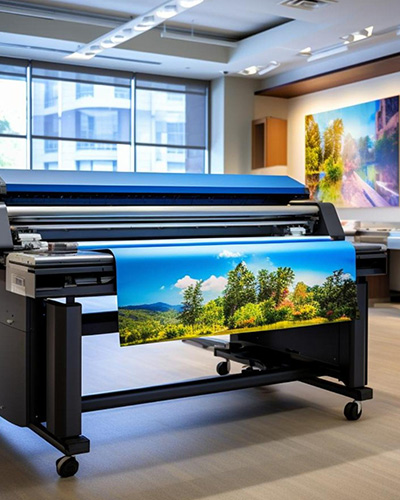
Modern brochure printing relies heavily on advanced printing technologies that ensure vibrant, precise images and consistent color reproduction. Digital printing offers benefits such as quick turnaround times, cost-effectiveness for small batches, and flexibility in customization. It is ideal for projects requiring rapid delivery or personalized content adjustments.
Offset printing, on the other hand, excels in producing high-volume brochures with superior color consistency, fine detail, and sharp image definition. This technology is typically used for larger print runs where the quality and cost efficiency are paramount. Both methods adhere to strict quality standards, including color management protocols, resolution specifications, and calibration practices that guarantee each print meets the required aesthetic and professional benchmarks.
High-quality printing also emphasizes precise registration, ensuring images and text are correctly aligned with no misprints. Additionally, quality control measures involve regular inspection during production, uniform ink application, and the use of durable inks that resist fading and smudging. The result is a brochure that not only looks impressive upon delivery but maintains its integrity over time, reinforcing trust and professionalism through every detail.

Understanding Business Brochure Printing
Business brochure printing is a strategic process that combines creative design with advanced printing techniques to produce professional marketing materials. The quality of the final product significantly influences how a company is perceived by its target audience. Selecting the appropriate printing methods, paper types, and finishes plays a crucial role in conveying a brand's message effectively. Accurate color reproduction, sharp images, and durable materials all contribute to an impactful brochure that can bolster a company’s reputation, foster trust, and attract potential clients. Modern business brochure printing also involves considering environmental sustainability, with many printers offering eco-friendly options such as recycled paper and soy-based inks, aligning with corporate responsibility goals.

Types of Brochures and Design Options
There is a diverse range of brochure formats tailored to different marketing needs and aesthetics. Common types include bi-fold, tri-fold, Z-fold, gate fold, and booklet brochures. Each format offers unique advantages in terms of space management, visual flow, and ease of distribution. When it comes to design, a compelling brochure seamlessly combines impactful visuals with clear, concise messaging. Incorporating brand elements such as logos, color schemes, and typography enhances recognition and consistency across marketing collateral. Modular layouts, custom illustrations, and high-resolution images can elevate the visual appeal, making the brochure not just informative but also engaging. Advanced design software enables the creation of intricate patterns, embossed elements, and die-cut features that add tactile and visual sophistication.
Choosing the Right Paper and Finish
The selection of paper quality is fundamental in defining both the look and durability of your brochures. Thicker papers, such as 170gsm or higher, provide a premium feel and are suitable for high-end presentations. Lighter weight papers can be used for mass distributions where cost-effectiveness is prioritized. Finishing options like matte, gloss, and satin each impart a distinct aesthetic:
- Matte finishes offer a smooth, non-reflective surface that enhances readability and provides a sophisticated, understated look.
- Gloss finishes deliver vibrant colors and sharp details, making visuals pop and attracting immediate attention.
- Satin finishes strike a balance between matte and gloss, providing a soft sheen that enriches both color depth and elegance.
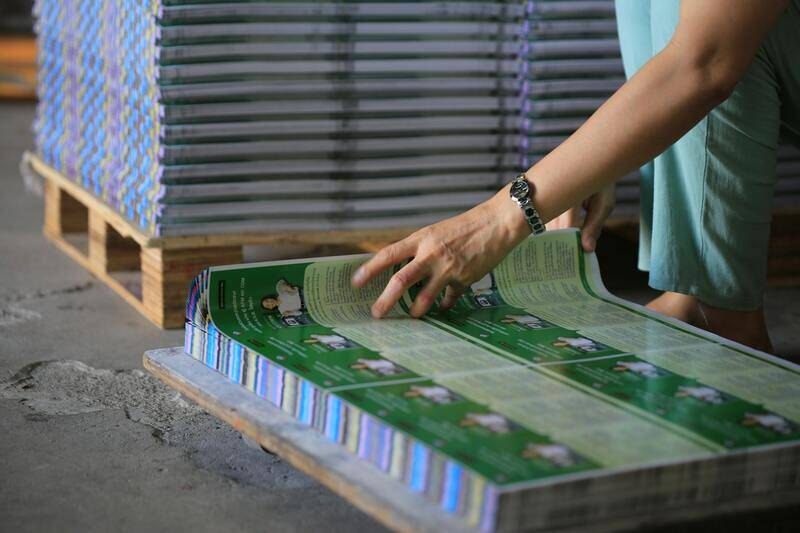
Understanding Business Brochure Printing
Business brochure printing is a critical component of corporate communication strategies, designed to effectively showcase a company's products, services, and brand story. It involves the careful selection of printing techniques, materials, and design elements to produce a professional and visually compelling marketing tool. When executed with precision, brochure printing enhances brand credibility and provides prospects with a tangible product that reflects the company's quality standards.
Key aspects of effective brochure printing include determining the appropriate size and format, aligning content with brand messaging, and selecting finishing touches that enhance visual appeal. Modern printing methods ensure that vibrant colors, fine details, and durable designs are achieved consistently, allowing businesses to leave a lasting impression on their audience. The process also involves meticulous quality control measures to guarantee color accuracy, sharpness, and durability—factors crucial in representing a professional image.

Choosing the right printing approach, whether digital or offset, depends on project scope, budget, and desired quality. Digital printing offers speed and flexibility, suitable for smaller runs and quick turnarounds. Offset printing, on the other hand, excels in producing large quantities with consistently high quality, making it ideal for extensive marketing campaigns. Both methods require adherence to strict quality standards to ensure the final product aligns with your branding goals.
In addition, advancements in printing technology facilitate the production of brochures with intricate designs, special finishes, and unique paper textures. These elements add tactile elegance and help differentiate your marketing materials in a competitive landscape. Properly executed printing processes result in brochures that not only look appealing but also withstand handling and environmental factors over time.
Types of Brochures and Design Options
Optimizing brochure design involves selecting the right type that best conveys your message and aligns with your branding strategy. Common brochure formats include bi-fold, tri-fold, Z-fold, and gate-fold styles, each offering unique ways to organize content and layout. The choice of format impacts how information is structured and how visually compelling elements are showcased.
Design options encompass a wide range of creative techniques, such as the use of bold imagery, cohesive color schemes, clear typography, and custom illustrations. Modular layouts enable clean and organized presentation of complex information, while high-resolution images and infographics facilitate quick comprehension. For companies seeking to stand out, incorporating interactive elements like textured finishes, embossing, and die-cut shapes can add a tactile dimension that enhances engagement.
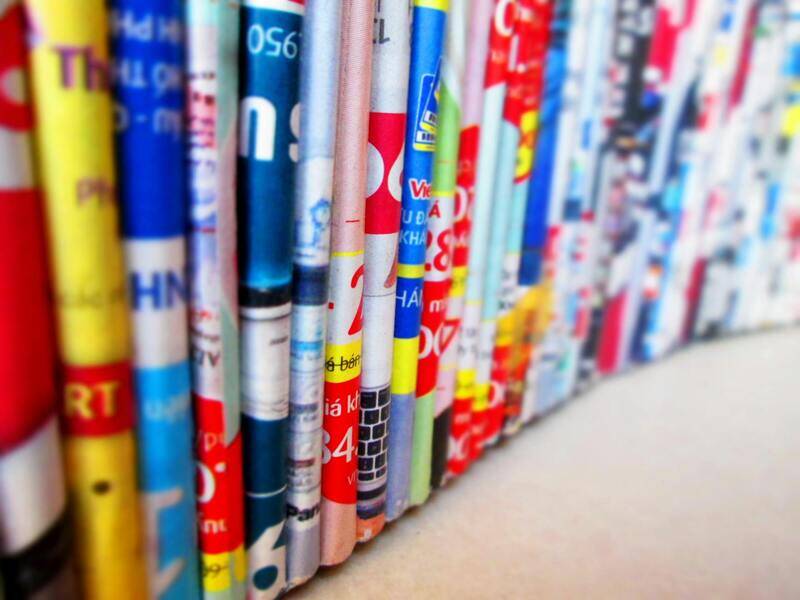
From minimalist, modern aesthetics to intricate, vintage-inspired designs, the creative scope is vast. Incorporating brand elements such as logos, slogans, and signature color palettes consistently across the brochure fosters recognition and trust. Whether you prefer a sleek, professional look or a vibrant, lively presentation, thoughtful design choices can significantly influence how your message resonates with your audience.
Choosing the Right Paper and Finish
The material quality plays a pivotal role in the overall perception of your brochures. Heavyweight papers, typically 170gsm or more, exude luxury and sophistication, suitable for high-end presentations or important marketing collateral. For mass distributions, lighter papers help contain costs while still delivering a professional appearance.
Finish options further define the brochure's tactile and visual texture. Matte finishes provide an understated elegance, reducing glare and enhancing readability, ideal for brochures with extensive text. Gloss finishes, with their vibrant sheen, make images and colors pop, capturing immediate attention. Satin finishes offer a balanced sheen that combines the benefits of both matte and gloss, delivering a refined look with durability.
Specialty finishes enhance durability and aesthetics further. Spot UV coating adds gloss selectively to highlight specific design elements, while textured lamination introduces tactile interest. Soft-touch coatings offer a velvet-like feel that elevates the perceived quality of the brochure, making it a memorable keepsake for recipients.
Ensuring Compliance with Printing Standards and Regulations
When selecting methods for business brochure printing, it is essential to adhere to established industry standards and regulations that promote quality, safety, and consistency. Professional printing services follow strict guidelines to ensure each print run meets specific parameters for color accuracy, paper handling, and finishing processes, resulting in consistent and reliable outputs. These standards encompass the use of eco-friendly and sustainable materials, where poilicies are in place to minimize environmental impact while maintaining high-quality results.
By choosing legitimate printing methods, businesses can also benefit from transparency in materials and processes. Certified suppliers often supply detailed documentation regarding the sourcing of papers, inks, and finishes, giving clients confidence in the sustainability and safety of their marketing collateral. This compliance not only supports responsible business practices but also aligns with corporate social responsibility initiatives that many brands prioritize.
Additionally, legitimate printing providers rigorously test their equipment and adhere to evolving security and quality standards. This ensures that every brochure produced is free from defects such as misalignment, color inconsistencies, or smudging, which can detract from the perceived professionalism of the final product. By strictly following industry guidelines, printing companies safeguard the integrity of your branding and marketing efforts, providing materials that meet the high standards clients expect.
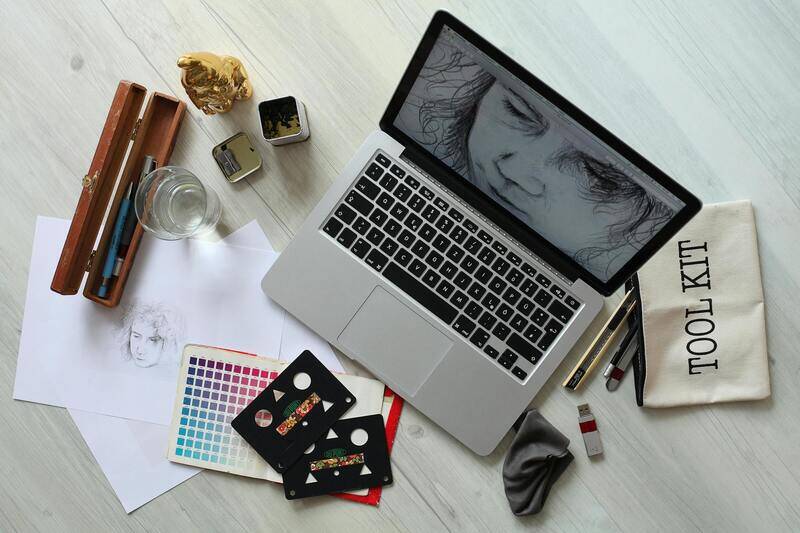
Choosing certified and reputable printing partners also facilitates adherence to regulations regarding the usage of certain inks and materials. For example, water-based and soy-based inks are increasingly favored for their reduced environmental footprint, aligning with regulations that encourage sustainable practices. Suppliers familiar with these considerations can help you navigate compliance seamlessly while still achieving your desired aesthetic outcomes.
Ultimately, working with printing entities that prioritize official protocols and recognized standards ensures your brochures are produced with the best practices in mind—enhancing brand reputation, fostering trust with your audience, and providing a consistent, high-quality promotional tool that effectively communicates your message and image.
Understanding Business Brochure Printing
Business brochure printing is a critical component of corporate marketing strategies. It involves transforming your branding message into a tangible, visually appealing product that can effectively communicate your company's value proposition. The printing process requires careful calibration of design, material selection, and quality standards to produce a brochure that not only captures attention but also upholds your brand’s integrity. With the growing demand for high-quality printed materials, choosing an official printing partner ensures your brochures meet industry standards, thus reinforcing your brand’s professionalism and reliability.
Ensuring Authenticity and Quality Through Established Methods
Official business brochure printing employs proven methods that guarantee the durability, color fidelity, and overall quality of the final product. These methods include the precise calibration of printing presses, rigorous quality control checks, and adherence to standardized color matching procedures. Such practices are crucial in maintaining the consistency of brand colors, logos, and imagery across multiple print runs. This consistency helps forge a strong, recognizable brand identity that resonates with your target audience and enhances your market presence.
Importance of Certified Printing Equipment and Processes
Utilizing certified printing equipment is essential for producing brochures that meet high industry standards. Certified printers undergo regular maintenance and calibration to ensure optimal performance. Their processes typically involve the use of advanced printing technologies such as offset or digital printing, which are known for their precision and superior color reproduction. These technologies are capable of achieving sharp details and consistent hues, which are vital for the professional appearance of your brochures. Additionally, legitimate printing services comply with safety and environmental regulations, employing eco-friendly inks and sustainable materials, thereby aligning with responsible business practices.
Quality Assurance Protocols for Business Brochure Printing
Quality assurance procedures are integral to official printing operations. Before finalizing any print batch, samples are inspected for alignment, color accuracy, and material consistency. Once approved, the entire run is monitored closely to detect any deviations or defects. This meticulous process ensures that each brochure adheres to predetermined quality standards, minimizing waste and rework costs. Reliable printing companies also provide comprehensive tracking and reporting to give clients transparency throughout the printing cycle, fostering confidence in the final product’s standard of excellence.
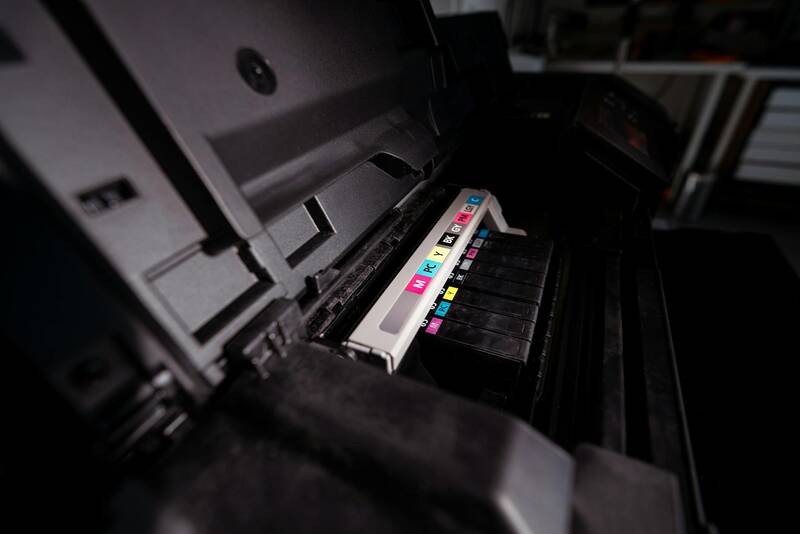
Compliance with Industry Security and Material Standards
Official printing entities follow strict guidelines concerning the security and safety of printing materials. They utilize tamper-evident inks and secure handling procedures to prevent unauthorized reproduction or alterations. Furthermore, they are well-versed in regulations governing the use of inks, adhesives, and finishes that meet environmental and safety standards. For businesses concerned with data protection, certified print providers often incorporate secure handling practices for digital files, ensuring sensitive information remains confidential during the production process. This adherence not only preserves the integrity of your marketing materials but also safeguards your corporate reputation.
Consistent Results for Repeated Print Runs
One of the key benefits of working with reputable, official print providers is the ability to achieve consistency across multiple print runs. This consistency is vital when maintaining a unified brand appearance in campaigns conducted over an extended period. Standardized procedures, high-quality materials, and advanced printing technology contribute to uniform results, ensuring that each batch of brochures matches previous ones in color, detail, and finish. This reliability strengthens your branding efforts by providing a familiar and professional image to your clients and partners.
Understanding Business Brochure Printing
Business brochure printing involves a meticulous process that transforms digital designs into tangible marketing materials. It requires the careful selection of printing techniques, materials, and finishes to ensure the final product aligns with branding goals and marketing strategies. Official printing services use advanced technology and high-quality inks to produce vibrant images and crisp texts. This process begins with comprehensive file preparation, where designers ensure that graphics are in the correct resolution, and color profiles are calibrated for consistency. Once finalized, the digital files are sent to the print house, where precision printing equipment reproduces the designs with exceptional fidelity.
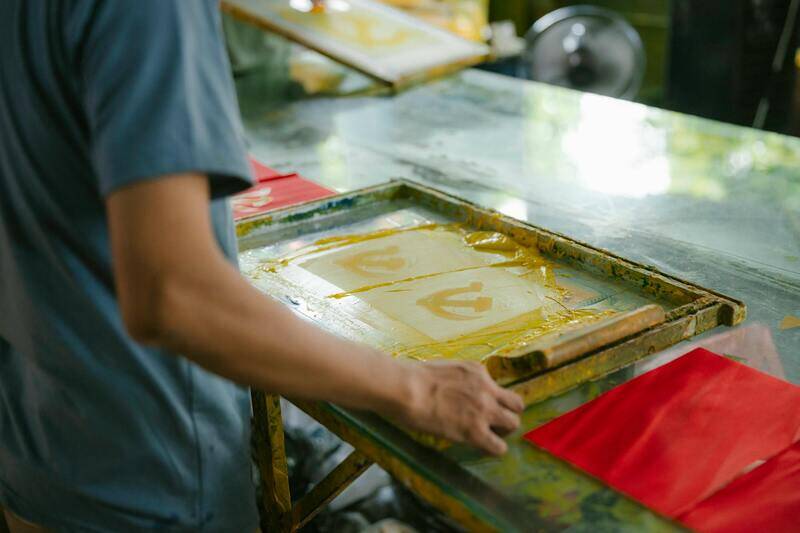
Quality assurance is integral at every stage, from pre-press checks to post-print examinations. Reputable printing partners follow strict guidelines to maintain color accuracy, prevent defects, and ensure that materials meet safety and durability standards. Choosing legitimate providers who adhere to disciplined manufacturing protocols guarantees that your brochures will be produced reliably, safeguarding your investment and brand image. Additionally, some providers incorporate environmental considerations into their processes, utilizing eco-friendly inks and recyclable materials. This commitment aligns with corporate responsibility initiatives and appeals to environmentally conscious consumers.
Types of Brochures and Design Options
- Bi-fold Brochures: Classic and versatile, these fold into two panels and are suitable for detailed service descriptions or product catalogs.
- Tri-fold Brochures: Offer three panels for organized content sections, ideal for clear, segmented information.
- Z-fold and Accordion Brochures: Expand to reveal extensive content, suitable for interactive presentations.
- Gate Fold and Double Parallel Fold: Provide dramatic opening effects and ample space for bold visuals and messages.
Design options can include matte or gloss lamination, UV coating for added durability, embossed or textured finishes, and custom sizes to cater to specific branding needs. Professional layout and artwork ensure that each brochure communicates efficiently and remains visually compelling across different formats.
Choosing the Right Paper and Finish
Paper selection significantly impacts the overall presentation and durability of your brochures. Materials range from standard gloss or matte finishes to premium options like silk or velvet textures. Heavier paper stocks, such as 170gsm or higher, lend a luxurious feel and enhance durability, making brochures suitable for handouts or display materials. Incorporating finishes such as UV coating or aqueous varnish can add gloss and protection against scratches and moisture, ensuring your marketing collateral stays pristine over time. For environmentally conscious brands, recycled paper options offer eco-friendly solutions without compromising quality.
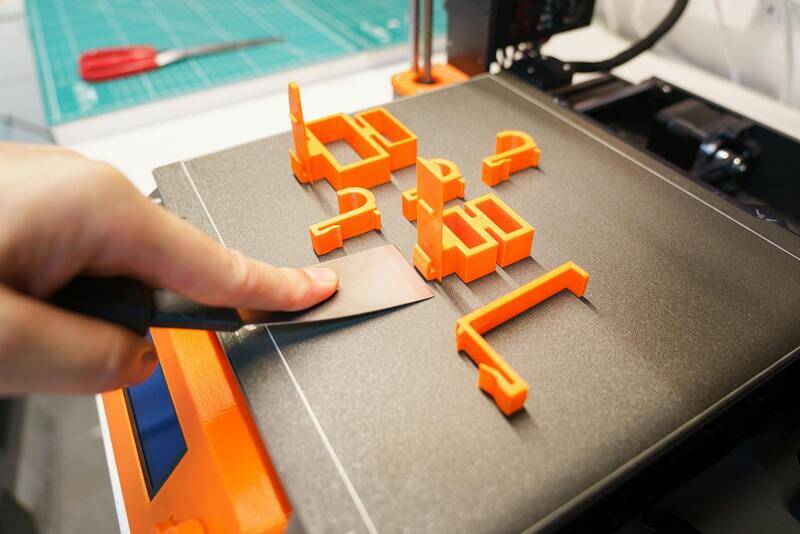
Choosing the right combination of paper type and finishing techniques depends on the intended use, target audience, and branding aesthetics. Reputable print providers can advise on the best options tailored to your marketing goals, ensuring your brochures’ tactile and visual qualities align with your overall brand messaging.
Printing Technologies and Quality Standards
Official printing services employ a variety of advanced technologies such as offset printing, digital printing, and UV flatbed printers to produce high-quality brochures. Each technology offers distinct advantages: offset printing delivers high volume, consistent quality with accurate color reproduction, while digital printing allows for rapid turnaround and customization. UV printing, on the other hand, is ideal for specialty finishes on rigid substrates or unique materials.
Maintaining strict quality standards, reputable printers adhere to industry best practices, including color management protocols, regular calibration of machines, and thorough inspection processes. This ensures each batch of brochures maintains the expected standards, with uniform color consistency, sharp images, and precise folding. Certifications from established industry bodies often serve as indicators of adherence to these high-quality standards, providing added assurance for clients.
Customization and Branding Integration
Integrating branding elements into your brochures enhances recognition and reinforces your corporate identity. Legitimate printing partners offer a range of customization options, including the incorporation of logos, brand colors, and specific fonts. Additional features such as foil stamping, embossing, and custom die-cuts allow for innovative designs that stand out in competitive markets.
When working with official providers, ensure that file formats are compatible with their production processes. They often assist in proofing and pre-press adjustments to guarantee that the final print matches your branding vision. Consistent branding across all printed materials builds trust and demonstrates professionalism, making your brochures more effective as marketing tools.
Cost Factors and Budgeting for Brochure Printing
The overall cost of brochure printing depends on multiple factors, including the complexity of the design, paper quality, finishes, color requirements, quantity, and the chosen printing technology. Standard quantities typically offer price advantages through economies of scale, but smaller batches can be produced with digital printing for quick turnaround and flexibility.
Budgeting should also account for additional costs like design services, folding, cutting, and binding if applicable. Reputable printing providers offer transparent quotes and can advise on cost-effective options that do not compromise quality. Investing in quality materials and finishes can elevate the perception of your brand, but it remains important to balance enhancements with budget constraints to achieve the best return on investment. Planning ahead and requesting detailed quotations from verified print partners ensures that your brochure campaign remains financially sustainable while delivering impactful marketing collateral.
Ensuring Confidentiality and Proper Handling of Your Printed Materials
When engaging in business brochure printing through official channels, maintaining the confidentiality of your designs and sensitive information is paramount. Reputable printing providers implement strict confidentiality protocols to safeguard your proprietary content, intellectual property, and branding assets. This includes secure file transfer methods, non-disclosure agreements (NDAs), and restricted access to digital files during the production process.
It is essential to verify that your chosen printer adheres to transparent policies regarding data handling, and that they employ secure storage solutions. Professional printing firms typically have dedicated teams trained to manage client files responsibly, ensuring that confidential information remains protected from unauthorized access or leaks. This level of professionalism not only preserves your business’s reputation but also fosters trust between clients and providers.
Moreover, selecting an established printing partner who is compliant with industry best practices for data security minimizes risks associated with file mishandling. They often offer detailed guidelines on preparing your files for printing, including acceptable formats, file resolution, and color profiles. By collaborating closely with your print service provider and following their recommendations, you can ensure that your brochure printing process remains smooth, secure, and aligned with your business standards.

Managing Post-Printing Logistics and Distribution
Once the printing is complete, managing the delivery and distribution of your brochures efficiently is crucial for maximizing their marketing impact. Reliable print providers often offer comprehensive logistics solutions, including protected packaging, tracking, and timely dispatch to your designated locations. This ensures that your printed materials arrive in pristine condition and on schedule.
For large-scale campaigns or regional distributions, it’s advisable to coordinate with your printing partner to plan logistics well in advance. This allows for customization of delivery methods suited to your distribution channels, whether local delivery, bulk shipping, or international dispatch. Furthermore, some providers assist with inventory management, warehousing, and order re-stocking, streamlining your overall marketing operations.
Effective post-print management also involves maintaining a record of your print runs and related documentation. This practice supports your ongoing marketing efforts by enabling easy reordering, inventory tracking, and version control, especially if updates or revisions are needed for future batches.