Understanding Print Shop Brochures
A print shop brochure serves as a vital marketing tool that effectively communicates a company's products, services, and brand values to potential clients. These printed materials are designed with the purpose of attracting attention, conveying important information, and encouraging prospective customers to engage with the business. In an era dominated by digital communication, the tactile experience of a professionally printed brochure still holds significant appeal, providing a tangible connection that digital formats often cannot replicate.
Print shop brochures are versatile; they can be used in a variety of settings including trade shows, in-store displays, direct mail campaigns, and client meetings. Their primary goal is to present a cohesive, visually appealing narrative about the company’s offerings in a compact format that is easy to distribute and access. Well-designed brochures not only enhance brand recognition but also foster trust by demonstrating professionalism and attention to detail.
The benefits of deploying high-quality print shop brochures are manifold. They help businesses reach targeted audiences through precise distribution, reinforce brand messaging, and leave a memorable impression that digital marketing channels might lack. By combining compelling visuals with clear, concise text, brochures serve as a physical reminder of the brand long after they are handed over. This physical presence can significantly influence purchasing decisions, making brochures an essential component of a comprehensive marketing strategy.

The Role of Brochures in Business Promotion
In the competitive marketplace, a well-crafted brochure can differentiate a business from its rivals. It acts as a compact showcase, highlighting unique selling points, competitive advantages, and vital contact information. Moreover, elements such as testimonials, case studies, and high-impact visuals can further elevate a brochure’s effectiveness. As a portable, tangible marketing asset, a brochure allows businesses to maintain a persistent presence in a customer’s decision-making process, whether during a face-to-face meeting or a promotional event.
Advantages of Using Print Brochures
- Enhanced brand visibility and recognition
- Increased customer trust through quality presentation
- Ability to target specific demographic groups effectively
- Cost-effective marketing for ongoing campaigns
- Potential for high engagement when distributed strategically
By understanding the fundamental role and advantages of print shop brochures, businesses can leverage this traditional yet powerful marketing medium for maximum impact. The next step involves identifying the key elements that contribute to a brochure’s success, ensuring that every piece created aligns with strategic goals.
Choosing the Right Size and Format
Selecting the appropriate size and format for your print shop brochure is a crucial step that influences both its visual appeal and functional effectiveness. The size should align with the amount of information you wish to communicate while also considering ease of handling and distribution. Common formats include bi-fold, tri-fold, z-fold, and flat sheet designs, each offering unique advantages depending on content complexity and presentation style.
For instance, bi-fold brochures offer a clean and straightforward layout, ideal for highlighting core services or products. Tri-fold options provide multiple panels for categorizing information, making them suitable for detailed listings or segmented marketing messages. Z-folds can add a modern touch and facilitate sequential storytelling, while flat sheets are versatile for detailed visuals or comprehensive guides.
Considering distribution channels is also vital; smaller, compact formats are easier to handle at events or mailings, whereas larger formats can provide a more substantial impression in targeted displays. The decision on size and format should also reflect your brand identity — consistent styling and layout convey professionalism and boost brand recognition.
Design Principles for Print Brochures
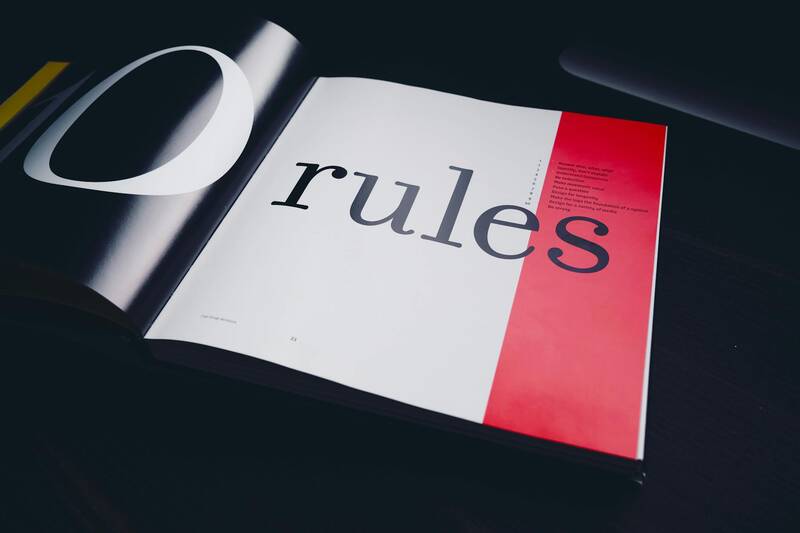
Effective brochure design hinges on clarity, coherence, and visual engagement. Start with a consistent color scheme that complements your brand palette, ensuring the brochure aligns with your overall branding strategy. Use fonts that are legible and professional, and maintain a hierarchy that guides the reader’s eye through the content seamlessly.
The layout should balance text and visuals, avoiding clutter while providing sufficient whitespace to enhance readability. Incorporating high-quality images and graphics can significantly improve visual appeal, capturing attention and reinforcing your messaging. Strategic placement of headlines, subheadings, and bullet points facilitates quick scanning, allowing viewers to grasp key points efficiently.
Consistency in style and format across all promotional materials creates a unified brand image, fostering trust and recognition. Additionally, integrating consistent branding elements such as logo placement, taglines, and color schemes helps reinforce your brand identity at every touchpoint.
Material Selection and Printing Techniques
The choice of materials directly impacts the durability and tactile experience of your brochure. High-quality paper stocks, such as gloss or matte finishes, can enhance the visual presentation and feel of your materials. gloss finishes tend to make colors pop, ideal for vibrant imagery and detailed graphics, while matte finishes offer a more subdued, elegant look suited for informative content.
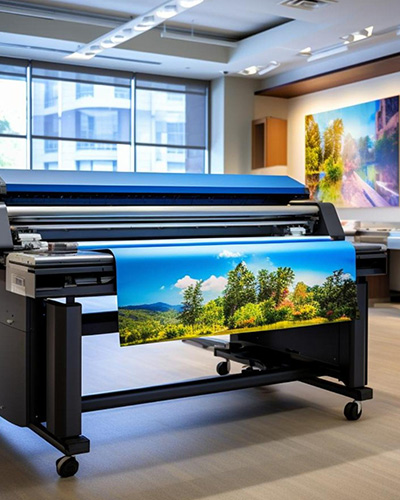
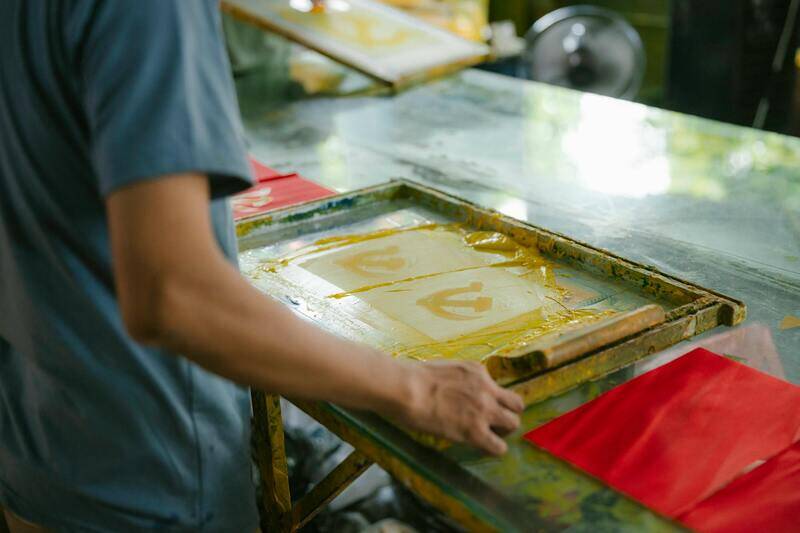
Advanced printing techniques can elevate the quality further. Techniques such as embossing, spot UV coating, and foil stamping can add textural details and visual interest, making your brochure stand out. Digital printing offers flexibility for small batch runs and quick turnaround times, whereas offset printing is more suitable for large quantities with consistent quality.

Investing in premium materials and innovative printing methods can yield tangible results, elevating your marketing collateral and leaving a lasting impression on your audience. Carefully selecting options based on project scope, branding needs, and budget ensures your brochures not only look professional but also perform effectively.
Understanding Print Shop Brochures
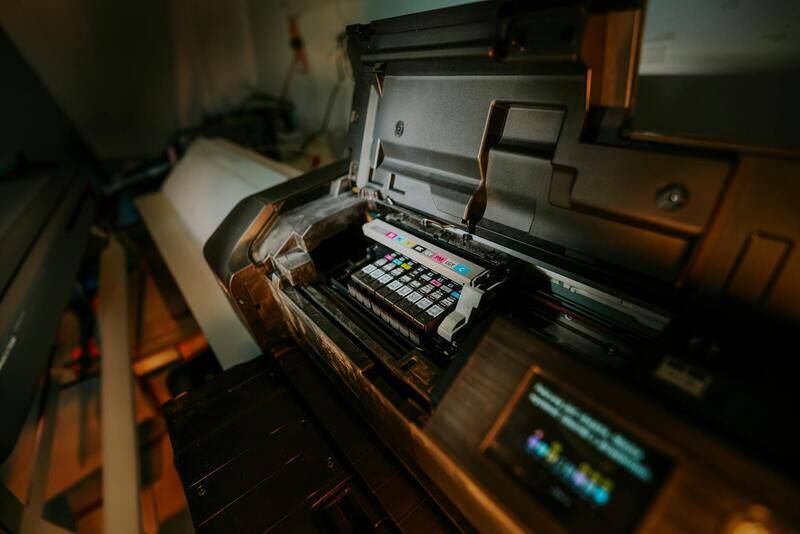
Print shop brochures serve as essential marketing tools that succinctly convey your brand message, products, or services to your target audience. They act as tangible touchpoints, providing potential clients with detailed information while simultaneously reinforcing your brand identity. A well-crafted brochure not only captures attention but also guides readers through your value proposition, making it a critical component of any comprehensive marketing strategy. When produced through professional print services, brochures benefit from high-quality printing parameters and materials that enhance visual appeal and durability, ensuring your message endures over time. In today’s competitive marketplace, the focus extends beyond just content; the format, quality of printing, and overall presentation significantly influence how your brand is perceived. Choosing a reputable print shop ensures access to advanced printing techniques, premium materials, and expert advice, all of which contribute to the creation of impactful brochures that resonate with your audience.
Key Elements of a Successful Brochure
Designing an effective print shop brochure involves more than attractive visuals; it demands strategic integration of several core elements:
- Compelling Visuals: Use high-resolution images and graphics that align with your brand identity. Visuals should support your message, evoke emotions, and encourage engagement.
- Concise Messaging: Content should be clear, persuasive, and tailored to your target audience. Highlight your unique value proposition and include a strong call-to-action.
- Consistent Branding: Incorporate your logo, color schemes, fonts, and taglines uniformly throughout the brochure to strengthen brand recognition.
- Structured Layout: Organize information logically with a balance between text and visuals. Use headings, subheadings, and bullet points to enhance readability.
- Contact and Location Details: Make it easy for readers to reach out or find your business with prominently displayed contact information and maps if necessary.
Choosing the Right Size and Format
Selecting the appropriate size and format for your brochure is crucial in maximizing its visual impact and functionality. Common formats include bi-fold, tri-fold, and Z-fold designs, each offering different advantages based on content volume and distribution channels. For instance, bi-fold brochures provide ample space for detailed descriptions and images, making them suitable for showcasing extensive product ranges. Tri-fold brochures are compact, easy to handle, and ideal for quick information dissemination at events or as direct mail pieces. Z-fold formats can be engaging and interactive, guiding the reader through a narrative or sequential information. When selecting a size, consider your distribution method—whether it’s handed out at events, mailed, or displayed in-store—and ensure the brochure fits comfortably into standard document holders or mailing envelopes. An oversized brochure might make a bold statement but could be less convenient for bulk distribution, whereas smaller sizes are more portable but might limit content space. Collaborating with a professional print service helps identify the most effective size and format for your specific marketing goals, ensuring your printed collateral is both functional and visually appealing.
Material Selection and Printing Techniques
Choosing the appropriate materials and printing techniques is essential to produce a high-quality print shop brochure that captures attention and reflects your brand’s professionalism. The selection of paper stock influences the tactile experience and durability of your brochure. Matte finishes offer a sophisticated, non-reflective surface that works well for detailed images and extensive text, making it ideal for informational brochures. Glossy finishes, on the other hand, enhance color vibrancy and image sharpness, creating a striking visual impression that captivates recipients. Additionally, weight and thickness should be considered; heavier papers convey a sense of quality and durability but may increase production costs.

Beyond paper choices, printing techniques such as offset and digital printing have distinct advantages. Offset printing is well-suited for large-volume runs, ensuring consistent color reproduction and precise detail at a cost-effective rate per unit. Digital printing offers flexibility for smaller quantities and quicker turnaround times, making it suitable for customized or short-term campaigns. Special finishes like spot UV coating can highlight specific design elements or logos, adding a layer of sophistication and tactile engagement. Embossing and foil stamping are additional options to create visual interest and enhance brand identity, especially for premium brochures.

Implementing environmentally friendly materials is increasingly important for brands aiming to demonstrate sustainability. Recycled paper options, soy-based inks, and eco-friendly coatings help minimize environmental impact without compromising quality. Collaborating with a professional print provider ensures the correct material choices align with your marketing objectives and budget, resulting in a compelling, well-crafted print brochure that stands out amid competitors.
Understanding Print Shop Brochures
Print shop brochures serve as a vital marketing tool for businesses seeking to convey their brand identity, showcase products or services, and engage potential clients. A well-crafted brochure can effectively communicate your message, highlight unique selling points, and leave a lasting impression on your target audience. These printed materials are versatile and tangible, allowing recipients to physically hold and revisit your information, thereby increasing brand recall. When considering a print shop brochure, it’s essential to focus on clarity, visual appeal, and strategic messaging to ensure your brochure performs its intended purpose effectively.

Why a Brochure Is a Strategic Marketing Asset
In an era dominated by digital communication, physical brochures still hold significant value. They provide a tangible expression of your brand, offering a level of professionalism and credibility that digital media alone cannot match. Brochures are particularly effective in settings like trade shows, client meetings, direct mail campaigns, and retail displays. They serve as portable, easy-to-distribute marketing collateral that fosters trust and facilitates detailed, comprehensive messaging. Properly designed brochures can guide potential customers through your offerings, showcase testimonials, highlight awards or certifications, and provide contact information—all within a compact, visually appealing format.

Enhancing Brand Recognition and Customer Engagement
A professionally produced brochure reinforces your brand identity through consistent use of logos, color schemes, fonts, and imagery. It acts as a mini-website in print, guiding viewers through a narrative that builds interest and encourages action. For instance, incorporating visually striking images alongside concise, impactful copy ensures the message resonates. Effective brochures also include calls to action, such as visiting a website, making a phone call, or visiting a location, helping to convert interest into tangible leads or sales. Customization, whether through personalized content or tailored offers, can further deepen engagement and foster loyalty among your customer base.
Understanding Print Shop Brochures
Print shop brochures serve as versatile marketing materials crafted to communicate your brand, products, or services directly to your target audience. Unlike digital advertisements, physical brochures offer tactile engagement, enabling potential clients to physically hold and browse through your offerings. This sensory experience can forge a sense of trust and permanence, making your message more memorable. Additionally, brochures are highly customizable, allowing for detailed imagery, compelling copy, and strategic layouts that reflect your brand personality. They are especially beneficial in face-to-face settings such as trade shows, sales meetings, or in-store displays, where they can effectively supplement personal interactions. In essence, a meticulously designed brochure functions as a miniature sales representative, guiding prospects through your business's key advantages and prompting actionable responses.

Key Elements of a Successful Brochure
To ensure maximum impact, a print shop brochure must encompass several core components. These elements work synergistically to inform, persuade, and motivate your audience:
- Compelling Headline: Captures attention immediately and clarifies the main message or value proposition.
- High-Quality Imagery: Visual elements should be engaging and relevant, effectively illustrating your offerings or brand spirit.
- Concise, Persuasive Copy: Clear messaging that highlights benefits, features, and calls to action without overwhelming the reader.
- Consistent Branding: Use of logos, color schemes, and fonts aligned with your overall brand identity enhances recognition and professionalism.
- Contact Information: Easy-to-find contact details prompt potential customers to take the next step, whether it’s calling, visiting, or visiting your website.
- Strategic Layout: Organized content flow that guides viewers seamlessly from introduction to action.
Choosing the Right Size and Format
The dimensions and fold types of your brochure significantly influence its functionality and aesthetic appeal. Common formats include tri-fold, bi-fold, and booklet styles, each offering unique advantages depending on content complexity and distribution context. Tri-fold brochures are popular for their compact nature and ease of handling, ideal for quick information and straightforward messaging. Bi-fold layouts provide larger panels, suitable for detailed descriptions or imagery. Booklet formats accommodate extensive content, making them suitable for comprehensive showcases or catalogs. Additionally, selecting an appropriate size—such as A4, A5, or custom dimensions—depends on your distribution method and where the brochures will be displayed. An optimized size balances visual impact with practicality, ensuring the brochure is comfortable to hold and easy to store or transport.
Design Principles for Print Brochures
Effective brochure design hinges on several foundational principles. First, maintaining visual hierarchy ensures that vital information captures immediate attention through strategic use of font sizes, bolding, and placement. Consistent color schemes establish brand cohesion and evoke the desired emotional response. White space, or negative space, prevents clutter, facilitating easier reading and allowing key elements to stand out. Balance in layout—arranged symmetrically or asymmetrically—creates visual harmony. Utilizing high-resolution images guarantees clarity when printed, enhancing professionalism. Lastly, a clear call to action directs readers toward desired responses, whether it's visiting a location, contacting a sales rep, or exploring your website. Focusing on these design elements results in brochures that are not only attractive but also highly functional in conveying your message effectively.
Material Selection and Printing Techniques
The choice of materials and printing techniques directly impacts the durability and aesthetic quality of your brochure. Premium paper stocks, such as gloss, matte, or silk finishes, can enhance visual appeal and tactile feel. Glossy papers make colors pop, ideal for vibrant imagery, whereas matte finishes offer a sophisticated, glare-free surface, suitable for text-heavy brochures. For added durability, coated or laminated surfaces provide resistance to wear and moisture. When it comes to printing methods, offset printing is preferred for large volume runs due to its cost efficiency and high-quality output. Digital printing offers flexibility for small batches and customization, with quicker turnaround times. Embellishments like spot UV coating, foil stamping, or embossing can add a touch of luxury and make your brochure stand out. Incorporating these choices wisely ensures your printed collateral not only looks professional but also endures the rigors of distribution and handling.
Authentic Methods for Print Shop Brochure Production
Producing a high-quality print shop brochure involves a combination of meticulous planning, precise execution, and proven official methods. Ensuring that your brochures are created through legitimate channels not only guarantees superior quality but also adheres to industry standards that protect your brand integrity.
One of the foundational steps is collaborating with reputable printing companies that utilize certified equipment and experienced personnel. These providers uphold stringent quality controls, from color accuracy to mechanical precision, ensuring that each copy meets your specifications precisely. Verifying credentials such as industry certifications, customer testimonials, or accreditation from recognized trade associations can serve as indicators of a reliable partner.
Utilizing Certified Printing Processes
Employing certified printing processes and equipment affirms your commitment to quality. Offset printing remains the gold standard for large-volume diverse-color brochures, offering consistency and high fidelity in reproducing artwork and images. Digital printing, suitable for smaller runs or prototypes, should be carried out on industry-grade presses that meet manufacturer standards. When selecting a print service, inquire about the technology used—machine certifications like ISO standards for color management and environmental compliance ensure adherence to best practices.
Protection and finishing methods are equally important. For instance, applying clear coatings such as UV varnish or lamination not only enhances visual impact but safeguards against wear and moisture. Embossing or foil stamping are specialized techniques that require professional expertise and equipment, further emphasizing the necessity of working with experienced providers who follow official procedures.
Source Material Compliance and Quality Assurance
Official methods also extend to the preparation of source materials. Using correctly formatted, high-resolution digital files supplied by authorized graphic designers or in-house professionals ensures clarity and precision during printing. Ensuring these files conform to industry standards—such as correct color profiles and bleed margins—prevents issues like misalignment or color inconsistencies.
Furthermore, requesting sample proofs before bulk production is a critical step. Proofs allow you to review and approve the design, layout, and color fidelity, confirming that the final product aligns with your expectations. Relying on accredited labs or trusted professional service bureaus to generate these proofs helps maintain quality control throughout the process.
Adherence to Legal and Industry Standards
Adhering strictly to established standards for printing, such as ISO norms and industry best practices, ensures that your brochure production complies with safety, environmental, and quality guidelines. This includes sourcing paper and inks from responsible vendors, and ensuring your printing partner complies with waste disposal and emissions regulations.
Ensuring all processes are transparent and documented can provide further assurance of legitimacy and quality. This may involve obtaining certifications or documentation that verify each stage of production adheres to the official standards, reducing the risk of defects or subpar output.
Ultimately, partnering with reputable vendors who consistently follow official, accredited procedures is essential to producing durable, visually appealing, and effective print shop brochures. This disciplined approach not only guarantees the desired quality but also safeguards your brand reputation as a professional entity committed to excellence.
Ensuring Reliable Distribution and Promotion of Print Shop Brochures
Effective distribution and promotion strategies are vital in maximizing the reach and impact of your print shop brochures. The legitimacy of these methods hinges on established channels and official protocols that ensure your brochures reach the intended audience efficiently and professionally.
Utilize Approved Distribution Networks
Partnering with reputable mailing services, courier companies, and distribution agencies that adhere to industry standards guarantees that your brochures are delivered safely and promptly. These providers often hold certifications and accreditations that affirm their compliance with safety and quality protocols, thus ensuring your materials are handled with care and professionalism.
- Postal Services: Engage with national postal services or certified mailing providers that offer targeted distribution options, including bulk mailing and address verification, increasing the certainty your brochures reach potential clients.
- Courier Companies: Use well-established courier services known for their reliability. Many of these providers maintain compliance with logistical and safety standards, providing tracking and proof of delivery to confirm their services meet rigorous industry benchmarks.
- Distribution Agencies: Work with authorized distribution firms that specialize in print collateral. These agencies operate under formal agreements and adhere strictly to distribution laws and standards, ensuring your brochures are handed over through official channels.
Leverage Digital Integration for Promotion
Complement your physical brochures with digital marketing avenues such as email campaigns, professional social media platforms, and company websites. Utilizing these official digital channels ensures your promotional efforts are aligned with industry best practices and comply with digital content regulations.
- Email Campaigns: Sending personalized, targeted emails using verified mailing lists enhances engagement and provides measurable insights into your brochure’s reach.
- Social Media: Sharing digital versions of your brochure on reputable platforms backed by official accounts extends your visibility and attracts a broader audience.
- Website Integration: Embed your brochure on your official website with secure links to encourage downloads and inquiries, demonstrating transparency and adherence to online content standards.
Measurement and Monitoring of Distribution Effectiveness
Tracking the distribution process through official metrics and reporting tools helps evaluate the effectiveness of your promotional efforts. Many approved distribution services provide detailed reports and certifications of delivery, enabling you to make informed decisions about future outreach strategies.
Maintaining documentation of distribution records and engagement metrics not only reinforces the professionalism of your marketing campaign but also ensures compliance with industry and regulatory requirements.