Introduction to Full Color Brochure Printing
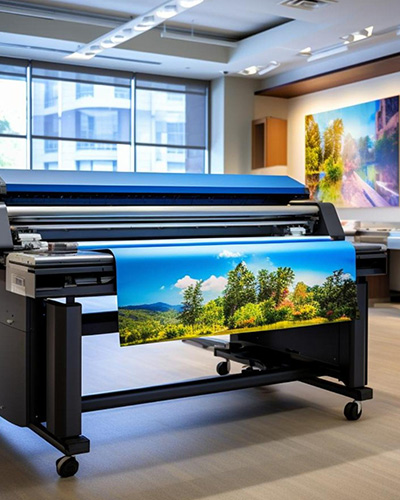
Full color brochure printing is a fundamental component in modern marketing strategies, serving as a powerful visual tool to communicate brand messages and showcase products or services. This printing technique utilizes vibrant, full-spectrum color processes to produce visually striking brochures that can capture attention and effectively convey information. For businesses aiming to increase brand awareness, stand out in competitive markets, or create a lasting impression on clients and stakeholders, investing in high-quality full color brochure printing proves essential.
The primary purpose of producing full color brochures is to offer a tangible, professionally designed catalog or promotional material that stands apart from digital content. Well-crafted brochures can enhance brand recognition, educate potential clients about products or services, and stimulate engagement through compelling graphics and persuasive messaging. Additionally, they serve as versatile marketing collateral suitable for trade shows, direct mail campaigns, in-store displays, and corporate presentations.

With the advent of advanced printing technologies, full color brochures can now be produced with exceptional clarity and depth of color. Businesses in Singapore and beyond recognize the value of this versatile printed material, leveraging it to leave a memorable impression on their target audiences. When designed thoughtfully and printed using high-quality methods, brochures can serve as lasting representations of a company’s professionalism and attention to detail.
Understanding the importance of full color brochure printing involves recognizing its role in a holistic marketing strategy. It combines compelling visual design, appropriate material choice, and precise printing techniques to ensure the final product aligns with brand standards and marketing goals. As a result, companies see increased engagement, higher conversion rates, and improved brand loyalty through carefully produced brochures that reflect their core message and aesthetic standards.
Paper Selection and Finishes in Full Color Brochure Printing
Choosing the right paper stock and finishes is crucial to maximize the aesthetic appeal and durability of your full color brochures. The paper quality directly impacts the vibrancy of the colors, the overall look, and how well the brochure withstands handling over time. For projects requiring rich, vivid images, premium coated papers such as gloss or semi-gloss are often preferred. These finishes enhance color richness and provide a sleek, professional appearance that catches the eye and invites engagement.
Uncoated papers, on the other hand, lend a matte, textured feel that is suitable for a more subdued, sophisticated presentation. They are also favored for their ease of writing or annotating, making them ideal for informational or comment-laden brochures.
In addition to paper selection, the choice of finishes can add a layer of refinement. Spot UV coating, for example, is used selectively to accentuate specific elements like logos, headings, or images, giving the brochure a high-end look. Matte finish coatings offer a soft, non-reflective surface perfect for readability and reducing glare underneath bright lighting. Satin or satin-matte finishes blend the best attributes of gloss and matte, providing a durable surface with moderate reflectivity.
When selecting materials, businesses should consider the intended distribution environment. For instance, outdoor promotional brochures might benefit from thicker, weather-resistant stocks, while internal corporate brochures could prioritize lightweight, eco-friendly options. The right paper and finish not only enhance visual appeal but also reinforce the brand image and ensure the longevity of printed materials.
Paper Selection and Finishes
Choosing the appropriate paper type and finish is crucial in creating an impactful full color brochure. The paper’s weight and texture can significantly influence both the durability and overall aesthetic appeal of the printed materials. For brochures that require a luxurious feel, options such as premium cover stocks with weights ranging from 200gsm to 350gsm are commonly preferred, providing a sturdy and high-quality impression.

In addition to paper weight, finishes such as gloss, matte, and satin contribute uniquely to the brochure's durability and visual aesthetics. Gloss finishes are ideal for vibrant, eye-catching images, as they enhance color vibrancy and sharpness. Matte finishes lend a sophisticated, non-reflective surface that is easier to read and reduces glare, making them suitable for text-heavy brochures. Satin finishes strike a balance between gloss and matte, offering moderate sheen and durability for versatile applications.
Implementing appropriate finishing techniques can also include lamination, UV coating, or embossing, which further protect printed materials while adding tactile appeal. For instance, UV coating provides a glossy protection layer that enhances color depth, while embossing can highlight specific design elements or logos, creating a memorable sensory experience for recipients.
When selecting these materials and finishes, it's vital to align choices with the intended distribution environment and branding strategy. Outdoor brochures may require weather-resistant stocks with a waterproof or tear-resistant coating to withstand various conditions. Conversely, internal corporate brochures benefit from environmentally friendly, lightweight papers that support sustainability goals without compromising quality.
Consulting with seasoned printing professionals allows for tailored advice on combining paper types and finishes that match your design intent, target audience, and budget considerations. The right choices will ensure your brochures not only stand out visually but also maintain integrity over time, conveying professionalism and reinforcing your brand identity effectively.

Understanding Full Color Brochure Printing Methods
Full color brochure printing is primarily achieved through two main techniques: offset printing and digital printing. Each method offers distinct advantages and is suitable for different scales and design complexities. When aiming for vibrant, consistent colors that vividly showcase your branding and graphics, the choice of printing method plays a crucial role.
Offset Printing
Offset printing employs plates—usually made of aluminum—that transfer ink onto rubber blankets before applying it to the printing surface. This process is ideal for large order quantities, as it ensures high color fidelity, sharp images, and uniform results across extensive runs. Offset presses can accommodate a broad spectrum of Pantone spot colors, enabling precise color matching essential for strong brand consistency. Additionally, offset printing offers excellent control over color vibrancy, especially with complex graphics and gradients, making it the preferred choice for professional, high-volume brochure production.

Digital Printing
Digital printing is more flexible and cost-effective for smaller print quantities. It uses electronically transferred images directly onto substrates, enabling quick turnaround times and effortless revisions. Modern digital presses offer impressive color reproduction capabilities, ensuring that your brochure's visuals are bright, accurate, and detailed even in lower volume runs. This method is beneficial for personalized or targeted marketing campaigns, where customization and timely delivery are priorities. Digital printing also allows for variable data printing, which can assign different content or images to each brochure, amplifying its relevance to diverse audience segments.
Ensuring Color Accuracy and Consistency
Achieving consistent, true-to-design colors across your brochures requires meticulous attention during the printing process. Pre-press preparations, such as accurate color management and calibration of printing equipment, are fundamental. Utilizing ICC profiles and adhering to standardized color spaces like CMYK helps in translating digital designs accurately onto physical media. Regular printer maintenance, proofing procedures, and quality checks prior to the full run minimize deviations that could compromise the visual impact of your brochure.
Implementing color calibration techniques ensures that what you see on your screen matches the printed output. This is particularly vital when dealing with branded materials where color precision is essential for brand recognition. When working with your printing partner, always request proof samples or color proofs to verify the accuracy before proceeding with the entire batch. This proactive step ensures that subtle variations do not diminish the effectiveness of your brochure’s visual appeal.

Ensuring Color Accuracy Through Legally Compliant Methods
Maintaining precise color reproduction in full color brochure printing is vital for preserving brand integrity and visual appeal. To achieve this, reputable printing services employ a range of standardized and trustworthy techniques grounded in industry best practices. These methods include the use of industry-recognized color management tools, such as ICC profiles, which ensure digital designs are faithfully reproduced in print. Proper calibration of printing equipment is another cornerstone of consistent color output, as it guarantees that colors remain true across different batches, minimizing discrepancies that could undermine the brochure’s impact.
Pre-press procedures play a crucial role in safeguarding color fidelity. Before the actual printing begins, proofs are generated—either digital or physical samples—that serve as benchmarks for color accuracy. These proofs are carefully examined and compared to the digital design files, allowing for adjustments if necessary. This proactive process helps identify potential color shifts early, reducing the risk of costly reprints and ensuring the final product aligns with the intended visual branding.
For businesses prioritizing consistency, establishing clear communication channels with printing providers is essential. Verifying that the service uses compliant color standards and proofing processes can prevent misunderstandings and misinterpretations related to color fidelity. When ordering large volumes, requesting color samples or swatch books from the printer further ensures that the final brochures will meet the desired quality specifications. Investing in this extra step not only enhances the visual impact but also secures alignment with your brand’s color palette.
By relying solely on officially recognized methods and high-quality equipment, printing providers deliver brochures that reflect your design intent precisely. These practices encompass calibration standards, regular quality control measures, and the use of verified color management software—all designed to uphold the integrity of detailed visuals and vibrant hues in your promotional materials.
Transparency about the printing process and adherence to established standards are indicators of reliable service quality. Clients are encouraged to request documentation or certification that confirms the use of approved color management techniques. This not only assures the accuracy of the printed output but also demonstrates commitment to professional, compliant printing methods that meet industry expectations and uphold client trust.
Quality Assurance and Finishing Touches
Ensuring the highest standards in full color brochure printing extends beyond just the printing process itself. Strict quality assurance measures are vital to delivering a product that aligns with your expectations and enhances your brand image. Reputable printing companies implement comprehensive checks at every stage of production, from pre-press setup to final inspection.
During pre-press, files are meticulously reviewed to confirm color profiles, resolution, and layout accuracy. Proofing stages—either digital or physical—are essential to verify that the colors, images, and text appear as intended. Clients are encouraged to request high-quality proofs or sample swatches, guaranteeing that the final printed materials will reflect the original design with precision.
In the printing phase, equipment calibration plays a crucial role. Leading printers utilize verified color management software and maintain calibration standards to uphold color accuracy and consistency across large runs. Regular maintenance, combined with automated quality control systems, identifies any defects or deviations early, preventing flawed batches from reaching clients.

Finishing Touches to Elevate Your Brochure
Finalizing the printing process involves a variety of finishing options that can dramatically improve the tactile experience and longevity of your brochures. Common finishes include:
- UV Coating: Provides a glossy, protective surface that enhances colors and safeguards against scratches and stains.
- Lamination: Adds a durable layer for increased resistance to wear and tear, available in gloss, matte, or satin finishes.
- Spot UV: Targets specific areas for a high-gloss effect, creating visual focus on key elements.
- Embossing/Debossing: Adds texture to certain sections, elevating the tactile quality of logos or headings.
- Edges and Corners: Rounded or specialty cut edges contribute to a polished, distinctive look.
Choosing appropriate finishing options depends on your brand identity, the purpose of the brochure, and your budget. Effective finishing not only elevates the aesthetic appeal but also extends the lifespan of your promotional materials, making a lasting impression on your target audience.
Quality assurance and finishing touches
Maintaining impeccable quality throughout the full color brochure printing process hinges on rigorous quality assurance measures. These measures encompass comprehensive proofing stages, where initial mock-ups or digital proofs are meticulously examined to ensure design fidelity, color accuracy, and correct layout before proceeding to large-scale production. Employing proofing methods such as soft proofs and printed proofs allows for detailed evaluation and client approval, minimizing errors and costly reprints.
Color calibration plays a pivotal role in guaranteeing that the printed output matches the intended design. Printers utilize advanced color management systems and adhere to strict calibration protocols across their presses and monitors. This consistency shortens turnaround times and assures clients of the accuracy and vibrancy of colors across all batches.
Beyond color management, finishing touches serve as crucial steps in elevating the overall look and durability of brochures. These enhancements not only improve aesthetics but also extend the lifespan of printed materials, ensuring they remain visually appealing over time.
Popular finishing options include:
- UV Coating: This glossy, protective overlay intensifies colors and creates a sleek, high-end appearance. It is resistant to scratches and stains, enhancing the brochure's durability.
- Lamination: Offers a durable layer that protects against wear, tear, moisture, and finger marks. Options include gloss, matte, or satin finishes, allowing customization to suit branding needs and tactile preferences.
- Spot UV: Selectively applied to specific areas such as logos or headers, this adds a glossy highlight that draws attention and creates a contrasting effect with matte backgrounds.
- Embossing/Debossing: Adds texture by raising or indenting certain elements—ideal for logos, titles, or other focal points—bringing a tactile sophistication to the brochure.
- Edge & Corner Treatments: Rounded edges, die-cut shapes, and specialty cuts give your brochure a unique, customized appearance that stands out from standard rectangular formats.
Choosing the right combination of finishes depends on the desired visual impact, brand image, and budget constraints. Properly finished brochures not only captivate audiences but also withstand handling and environmental factors, sustaining their visual appeal for extended periods.
Choosing a Professional for Full Color Brochure Printing
When selecting a provider for full color brochure printing, it’s essential to evaluate several key aspects that contribute to a successful print job. A reputable printing company will have extensive experience, advanced equipment, and a solid track record of delivering high-quality results, ensuring that your marketing materials reflect your brand message precisely and effectively.
Assessing Technical Expertise and Equipment
Look for a service provider equipped with state-of-the-art digital and offset printing presses capable of handling vibrant color reproductions with high fidelity. Modern printing technology should support a broad color gamut, enabling accurate color matching and consistency across large batches. Facilities that utilize advanced color calibration tools and proofing systems significantly reduce the risk of discrepancies between your digital designs and the final printed brochure.
Review of Customer Testimonials and Portfolio
Evaluating customer reviews and testimonials provides valuable insights into the company's reliability and quality standards. A company with a diverse portfolio demonstrating various brochure styles, finishes, and paper types indicates versatility and experience in handling different client requirements. Requesting samples of previous projects can also help assess print quality, color vibrancy, and finishing finesse.
Range of Services and Customization Options
Choose a provider that offers comprehensive services, including design assistance, paper selection guidance, finishing options, and expedited turnaround times. A one-stop shop streamlines the printing process and ensures coherence between design elements and print execution. Flexibility in customization, such as special finishes or unique folding styles, can elevate your brochure’s visual appeal and functional effectiveness.
Technical Support and Customer Service
Reliable customer service is crucial, particularly if you require assistance during the design or ordering phases. Staff should be knowledgeable about print parameters and willing to advise you on optimal paper choices, color management, and finishing techniques. Responsive communication throughout the production cycle helps prevent miscommunications and ensures that expectations are met at every stage.
Pricing and Turnaround Time
Transparent pricing structures and reasonable quotes aligned with quality expectations are a hallmark of professional printing services. Be wary of overly low prices that may compromise quality. Additionally, inquire about production timelines—efficient turnaround times without sacrificing quality are indicative of well-organized processes and reliable resources.
By thoroughly assessing these aspects, you can select a printing partner that not only meets your aesthetic and functional requirements but also offers a seamless experience from concept to delivery. Ensuring your full color brochures are produced by experienced professionals guarantees vibrant visuals, durable finishes, and a polished presentation that effectively captures your audience’s attention.