Understanding Banner Design and Printing
Banner design and printing are essential components of effective visual communication for various promotional, informational, and branding purposes. The foundational step involves creating a design that captures attention quickly while conveying the intended message clearly and professionally. Key elements in this phase include layout, typography, imagery, and color schemes, all contributing to the banner's overall visual impact.
The design process begins with understanding the target audience and the environment where the banner will be displayed. Whether indoors or outdoors, the chosen design elements must adapt to environmental factors such as lighting conditions, viewing distance, and movement in the vicinity. A well-thought-out design naturally leads to a more engaging and persuasive visual presentation.
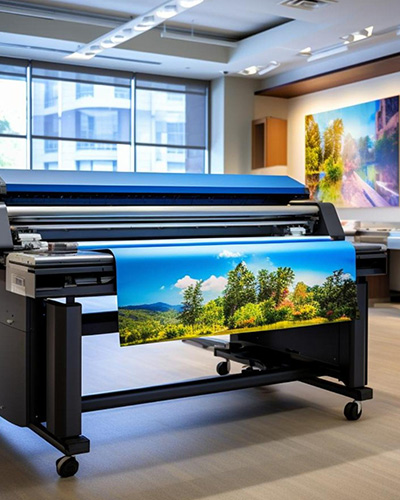
Once the design concept is finalized, the printing process takes precedence. This process involves translating digital artwork into a large-scale visual format using specialized printing technologies. High-quality printing ensures that colors are vibrant, sharp details are preserved, and the material's durability matches the intended display duration and location.
In addition to aesthetics, durability is a crucial aspect of banner printing. Factors influencing longevity include the choice of materials and printing techniques that can withstand environmental stressors like UV exposure, moisture, and wind. Properly printed banners maintain their visual integrity over time, ensuring consistent promotional impact.
Image Placeholder:
To achieve a balance between visual appeal and durability, it is vital to select appropriate printing methods and materials that align with specific needs. This comprehensive understanding of the fundamentals of banner design and printing sets the stage for creating impactful visual displays that significantly enhance branding and promotional efforts.
Choosing the Right Banner Materials
Selecting appropriate materials is fundamental to ensuring that banners serve their intended purpose effectively. The choice of material directly impacts the banner's visual quality, durability, and suitability for specific environments. Common options include vinyl, mesh, fabric, and banner paper, each offering distinct benefits tailored to various display scenarios.
Vinyl banners are among the most versatile and durable options, especially suitable for outdoor use. They resist weather conditions such as rain and wind, making them ideal for outdoor advertising, event signage, and promotional displays that require longevity. Their smooth surface ensures vibrant print quality, which enhances visual impact.
Mesh banners feature a perforated surface that allows wind to pass through, reducing tension and potential damage caused by strong gusts. This material is excellent for large-scale outdoor advertising, building wraps, or any setup where wind resilience is a priority. Despite their semi-transparency, high-quality mesh banners maintain color vibrancy and sharpness in printed graphics.
Fabric banners provide a sophisticated appearance with a matte finish that minimizes glare, making them suitable for indoor exhibitions, trade shows, and retail displays. These banners often utilize satin or polyester fabrics, which can be taxidermied to retain shape and provide a premium look. Their flexibility and elegance make them preferred for high-end branding projects.
Banner paper or flex paper often serves for short-term indoor promotions due to lower costs. While less durable than vinyl or fabric, paper banners are easy to produce and suitable for temporary events, sales, or seasonal displays. They are less resistant to environmental factors, thus limiting their usefulness for outdoor applications.
Environmental considerations, budget constraints, and the intended longevity of display influence material choice. Proper selection ensures that banners maintain their visual appeal over time while withstanding environmental stressors. It is advisable to consult with printing experts to determine the most suitable material based on specific project needs, location, and expected display duration.
Additionally, advancements in material technology have led to the development of UV-resistant and waterproof coatings, further extending the lifespan of outdoor banners. When selecting materials, investing in those with enhanced protective features can significantly improve the durability and overall effectiveness of the advertising effort.

By understanding the properties and benefits of each material type, businesses and organizations can make informed decisions that balance visual quality, environmental resilience, and cost-efficiency. This strategic approach maximizes the return on investment and ensures that banners continue to promote the intended message effectively throughout their lifespan.
Understanding Banner Design and Printing
Effective banner design and printing require meticulous attention to detail, from conceptualizing compelling visuals to selecting appropriate printing techniques. At the core, it involves tailoring the message visually to resonate with the target audience while ensuring durability and clarity. Properly designed banners not only attract attention but also convey the intended message swiftly and effectively, often in environments with competing visual stimuli.

Key Elements of Successful Banner Design
- Clarity of Message: The primary message should be immediately understandable. Use clear, concise wording and compelling visuals to communicate your purpose quickly.
- Color Scheme: Colors should align with branding and evoke the desired emotional response. High contrast combinations improve readability and visibility from a distance.
- Typography: Font choices must be legible, even from afar. Avoid overly decorative fonts and stick to bold, simple typefaces that enhance readability.
- Imagery and Graphics: Use high-resolution images that complement the message. Visuals should be relevant and professionally crafted to avoid pixelation or distortion during printing.
- Layout and Composition: Balance text and images to create a visually appealing design. Maintain sufficient whitespace to prevent clutter and guide viewer focus strategically.
Printing Techniques for Banner Production
Choosing the right printing technique directly impacts the quality, durability, and cost of your banners. Common methods include solvent, UV, latex, and eco-solvent printing. Each offers specific advantages aligned with different material types and environmental conditions.
Solvent and Eco-Solvent Printing
This technique is prevalent for outdoor banners, providing excellent resistance to weather elements. Solvent inks penetrate deep into the material, resulting in vibrant colors and long-lasting prints without significant fading over time.
UV Printing
UV printing employs ultraviolet light to cure inks instantly, producing highly detailed images with sharp color accuracy. It is ideal for banners that require precise graphics and a glossy finish.
Latex Printing
Latex printing offers environmentally friendly options with flexible outputs suitable for various surfaces. Its stretchability enhances the banner’s durability, especially in outdoor settings with variable weather conditions.
Ensuring Quality and Longevity
High-quality banners withstand environmental stressors like UV exposure, moisture, and wind. To achieve this, selecting weather-resistant materials coupled with advanced coating technologies like UV-resistant and waterproof layers is essential. These enhancements help maintain visual integrity over extended periods, maximizing return on investment.
Brand Consistency and Visual Impact
Maintaining brand consistency across printed banners strengthens brand recognition and reinforces marketing messages. Utilizing consistent color schemes, logo placement, and font styles ensures a cohesive visual identity, which is crucial for establishing a memorable presence during promotional events or outdoor advertising campaigns.
Understanding Banner Design and Printing
Effective banner design and printing hinge on selecting the appropriate materials and techniques that align with the intended purpose and environment. The process begins with understanding various printing methods, each offering unique advantages tailored to specific requirements. For outdoor visibility, solvent printing provides vibrant, weather-resistant graphics capable of withstanding harsh conditions without significant fading. UV printing offers precision and a glossy finish, ideal for banners requiring intricate detail and standout visuals. Latex printing combines eco-friendliness with flexibility, producing durable banners suitable for dynamic outdoor settings where elasticity prevents tearing and deformation.
These printing methods are complemented by the selection of suitable materials. Vinyl, mesh, fabric, and polyester are popular choices, each offering specific benefits in terms of durability, weight, and visual appeal. Vinyl, for example, is highly resistant to weathering, making it a common choice for outdoor banners. Mesh banners allow wind passage, reducing stress on mounting points, while fabric options provide a premium look for indoor displays. The choice of material influences the banner’s lifespan, visual clarity, and ease of installation, ultimately affecting its effectiveness and return on investment.
Design Principles for Effective Banners
Design plays a pivotal role in ensuring a banner’s effectiveness. Visual hierarchy guides viewers' attention to the most critical information first, such as a brand logo or a key message. Use bold, contrasting colors to enhance visibility and legibility from a distance. Simplicity is paramount; cluttered designs diminish impact and are hard to interpret quickly. Incorporate consistent branding elements—such as logo placement, color schemes, and fonts—to reinforce brand recognition. High-resolution images and vector graphics ensure clarity, regardless of the banner's size.
Placement considerations also influence design choices. Banners intended for outdoor use should leverage large, bold fonts and minimal text to communicate messages swiftly. For indoor banners, detailed graphics and smaller fonts can be used, given the proximity of viewers. Establishing a balance between aesthetic appeal and functional clarity maximizes the banner’s capacity to attract attention and communicate effectively.
Design Best Practices
- Maintain a consistent visual identity through color schemes, logos, and font styles.
- Prioritize readability with clear, bold fonts suitable for viewing from a distance.
- Limit the amount of text to key messages for quick comprehension.
- Use high-quality images and graphics that are optimized for large-format printing.
- Incorporate call-to-action elements where relevant to encourage viewer interaction.
By adhering to these principles, businesses can craft banners that are not only visually appealing but also highly effective in conveying their intended message, ensuring maximum visibility and impact across various settings.
Ensuring Durability and Longevity of Printed Banners
To maximize the lifespan of banners used in various environments, selecting appropriate printing methods and materials is essential. For outdoor banners that face exposure to weather elements, materials such as vinyl or mesh fabrics are preferred due to their resistance to UV rays, moisture, and tearing. These materials can withstand harsh conditions without fading or deteriorating quickly, maintaining their vibrancy and structural integrity over time.
In addition to choosing suitable substrates, employing high-quality printing techniques plays a crucial role. Digital printing with UV-resistant inks offers sharp, vivid images with enhanced durability. UV inks are formulated to resist fading from sunlight, making them ideal for outdoor displays. Similarly, solvent and eco-solvent printing technologies penetrate deep into the material, providing resistance to scratches, weather, and chemicals. These methods ensure that colors stay vibrant and images remain crisp even after prolonged outdoor exposure.
For indoor banners, where environmental stressors are less intense, materials like fabric or lightweight vinyl are often sufficient. These can be printed with dye sublimation or eco-solvent inks, which produce rich colors and detailed graphics suitable for close viewing. Proper finishing such as lamination or UV coating not only enhances visual appeal but also provides an additional protective layer, guarding against abrasions and dust.
Regular maintenance is equally important in preserving banner quality. Cleaning outdoor banners with mild soap and water, avoiding harsh chemicals or abrasive tools, can prevent dirt accumulation and material damage. Proper storage when banners are not in use, such as rolling instead of folding to avoid creases, extends their usability. Periodic inspections for tears, fading, or loosened fixtures allow for timely repairs, maintaining the banner's visual effectiveness.
Consulting with print service professionals can provide tailored solutions tailored to specific usage needs, helping ensure that your banners remain impactful and visually appealing throughout their lifespan.
Understanding Banner Design and Printing
Effective banner design and printing are critical components in creating visual marketing tools that capture attention and communicate messages clearly. The process begins with an understanding of the purpose behind the banner, whether for advertising, event promotion, or brand awareness. A well-designed banner combines compelling graphics, typography, and imagery to resonate with the target audience. High-quality printing methods are essential to accurately reproduce designs with vibrant colors, sharp details, and durable finishes, ensuring the banners withstand various environmental conditions. Modern printing technologies such as UV printing, solvent, and eco-solvent printing allow for versatile applications across different materials. These methods produce high-resolution images with excellent color fidelity, tear resistance, and weatherproofing, making them suitable for both outdoor and indoor use. Analyzing the intended placement and environmental factors informs the choice of printing technique and material, which in turn influences the durability and overall effectiveness of the banner. Custom design templates and software pave the way for creating personalized banners aligned with branding standards. Working with experienced print providers enables seamless translation from digital design to physical product, ensuring that specifications such as resolution, color accuracy, and finishing details meet industry standards for professionalism and longevity.
Understanding Banner Design and Printing
Effective banner design and printing serve as vital tools in your visual marketing strategy, capable of conveying powerful messages and capturing the attention of your target audience immediately. A well-crafted banner starts with a clear understanding of its core purpose, whether it’s promoting a new product, announcing an event, or strengthening brand visibility. The design elements—graphics, typography, images—must work harmoniously to create a compelling visual story. Accurate reproduction of these elements through advanced printing techniques ensures that every detail, color vibrancy, and texture aligns with the original concept. The quality of the materials used further influences the longevity and appearance of the banner, particularly when intended for outdoor environments where exposure to weather elements is inevitable.

Choosing the right printing technology is crucial for achieving the desired visual effects and durability of the final product. Modern methods such as UV printing, solvent, and eco-solvent printing facilitate the reproduction of intricate designs with vibrant colors and sharp details. These techniques also enhance weather resistance, making banners suitable for outdoor use, including environments with high humidity, sunlight, or wind. A comprehensive understanding of these printing options allows marketers and business owners to select the appropriate method based on the banner’s intended location and expected lifespan. Custom finishes like matte, gloss, or lamination further improve durability and visual appeal, ensuring the banner remains attractive and intact over time.
The interplay of design aesthetics and printing technology sets the foundation for banners that not only deliver their message effectively but also withstand the rigors of their environment.
Legal and Ethical Considerations in Banner Design and Printing
When engaging in banner design and printing, it is essential to adhere to established practices that respect intellectual property rights and industry standards. This ensures that the final product not only effectively communicates the intended message but also maintains a professional reputation and avoids potential legal issues.
Respecting Intellectual Property Rights
Using original artwork, licensed images, and properly credited fonts is fundamental in banner design. Securing permissions or licenses for any third-party content prevents infringement and demonstrates ethical integrity. Businesses should consult copyright guidelines and industry best practices to verify that all materials used comply with legal standards.
Adhering to Industry Standards and Regulations
Manufacturers and designers must follow relevant regulations concerning signage and advertising, especially in public spaces. This includes complying with local regulations regarding size, placement, and content restrictions. Staying informed about these guidelines helps in creating banners that are both visually impactful and legally compliant.
Ensuring Accurate Representation
Authentic and truthful messaging is critical. Avoid misleading claims, exaggerated visuals, or unauthorized use of trademarks. Transparent communication fosters trust and upholds the integrity of your brand.
Data Privacy and Security
When handling client information or personalized design elements, implementing secure processes safeguards data privacy. Responsible data management reinforces professional standards and maintains client confidence.
Utilizing Professional Printing Technologies
Employing official printing methods such as UV, solvent, or eco-solvent printing guarantees high-quality results while aligning with industry protocols. These techniques are designed to produce durable, vibrant, and weather-resistant banners suitable for various environments.
It is advisable to work with reputable printing service providers that operate within established industry standards. Such providers typically possess the proper certifications and equipment that ensure the production of safe, reliable, and legally compliant banners.
Promoting Sustainability and Ethical Production
Opting for eco-friendly inks and recyclable materials supports sustainable practices. Many respected suppliers adhere to environmental regulations and prioritize reducing ecological impact, aligning banner production with broader corporate responsibility goals.
By consistently following official methods and respecting intellectual property, businesses and designers not only produce effective banners but also contribute to a trustworthy and reputable advertising ecosystem.