Understanding Custom Banners and Their Uses
Custom banners serve as versatile visual communication tools designed to convey specific messages, promote brands, or enhance events. They are typically large-format graphics created to attract attention from a distance, making them ideal for a variety of applications across industries. From corporate branding endeavors and trade shows to public events and retail storefront promotions, custom banners provide a powerful means to increase visibility and engagement.
In commercial settings, businesses utilize custom banners to highlight sales, new product launches, or special events, effectively drawing customers into their locations. In the context of community and public events, banners help disseminate information, celebrate local occasions, or support fundraising initiatives. Additionally, custom banners are frequently employed in sports arenas and entertainment venues to showcase sponsorships, team spirit, or event branding.
From a logistical perspective, custom banners are designed for durability and visual clarity, benefitting from their large size and high-quality graphics. They can be mounted on walls, hung from ceilings, or positioned as standalone displays, making them adaptable to various spatial settings. The flexibility of custom banner applications ensures their effectiveness in capturing attention and reinforcing branding efforts in both temporary and permanent installations.
Overall, the strategic use of custom banners can significantly elevate the impact of marketing campaigns, enhance event visibility, and foster brand recognition. Their widespread utility across different sectors underscores their importance as an essential tool in visual communication and promotional strategies.
Materials and Fabric Options for Custom Banners
Choosing the right material is essential to ensure your custom banner withstands environmental conditions, maintains visual appeal, and aligns with your branding objectives. The most common materials used for custom banners include vinyl, fabric, and mesh, each offering unique advantages tailored for specific settings.
- Vinyl Banners: Known for their durability and versatility, vinyl banners are ideal for both indoor and outdoor use. They are resistant to weather elements such as rain, sunlight, and wind, making them suitable for prolonged exposure. Vinyl can be printed with high-resolution graphics that remain sharp and vibrant over time, even under harsh conditions. This material is a popular choice for event signage, storefront promotions, and outdoor advertising campaigns.
- Fabric Banners: Typically made from polyester or polyester blends, fabric banners provide a premium look with a smooth, matte finish that minimizes glare. They are often used for indoor applications such as trade shows, corporate events, and gallery displays. Fabric banners are lightweight and easy to install, and they tend to have a more elegant appearance compared to vinyl. Their ability to be printed with rich, detailed graphics makes them highly effective for branding and decorative purposes.
- Mesh Banners: Constructed with perforated material, mesh banners are designed to allow wind and air to pass through, reducing the risk of tearing in windy outdoor environments. They are commonly used for large-scale outdoor advertising, such as building wraps and stadium banners. Despite their openness, mesh banners can still display vibrant graphics, making them a practical choice for long-term outdoor promotions where durability is a concern.
Additional options include eco-friendly materials and specialty fabrics designed for specific lighting or aesthetic effects. Understanding the characteristics of each material helps in selecting the most suitable option for your desired banner application, ensuring it effectively communicates your message while enduring the environment.

Designing Your Custom Banner
The visual impact of your banner depends heavily on the design process. Effective design combines clear messaging, eye-catching visuals, and adherence to branding guidelines. When developing your banner design, consider the following factors:
- Brand Consistency: Use your brand colors, logos, and fonts to reinforce brand recognition across all marketing materials.
- Visibility: Employ bold, legible fonts and high-contrast colors that are easy to read from a distance.
- Simplicity: Focus on a single key message or call-to-action to avoid clutter and confusion.
- Graphics and Imagery: Incorporate high-resolution images that complement the message without overpowering the text.
Many online banner printing services offer design templates or professional design assistance to streamline this process. Preparing your artwork in the recommended formats and resolutions ensures the printed banner meets your expectations for clarity and impact.
Choosing the Right Printing Technology for Your Custom Banner
When selecting a printing method for your custom banners online, understanding the different technologies ensures optimal quality and durability. Two primary printing techniques dominate the industry: digital printing and screen printing. Each has its advantages tailored to specific needs and quantities.
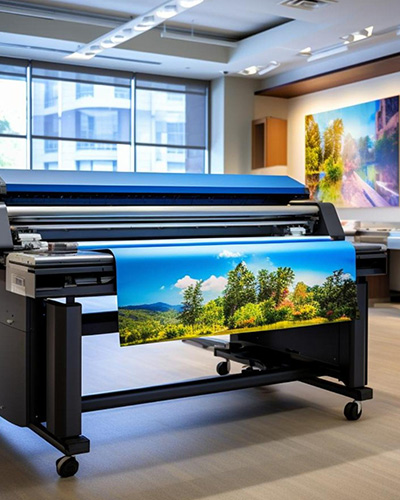
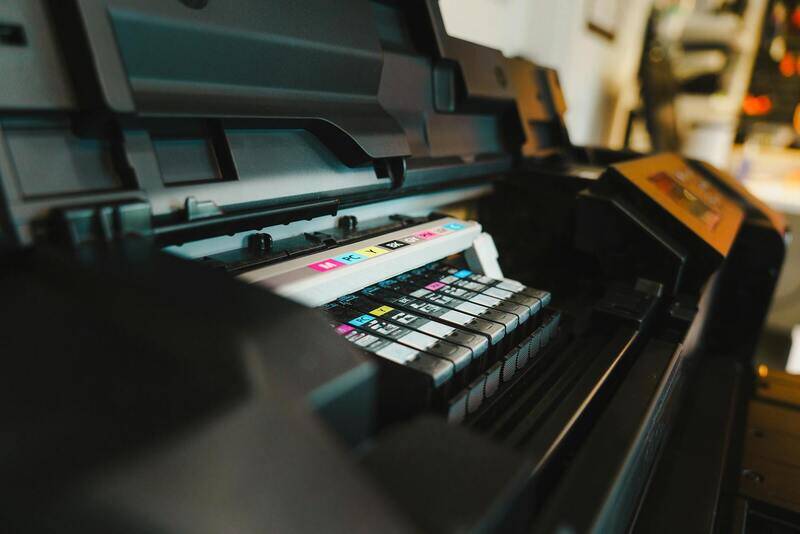
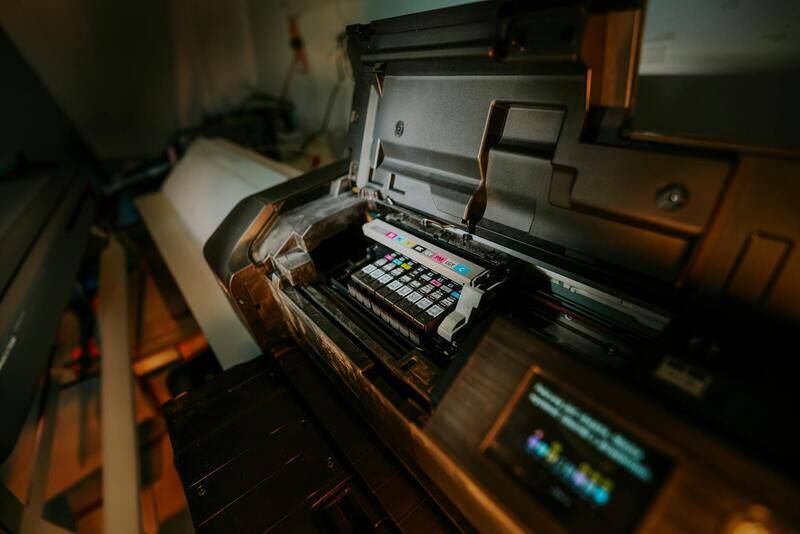
- Digital Printing: This method employs inkjet or latex printers, offering high-resolution imagery capable of reproducing complex graphics and vibrant colors. It is ideal for short to medium runs, custom designs, or banners requiring detailed images. Digital printing allows for quick turnaround times and cost-efficiency for smaller quantities, making it popular among clients seeking flexibility and high-quality visuals.
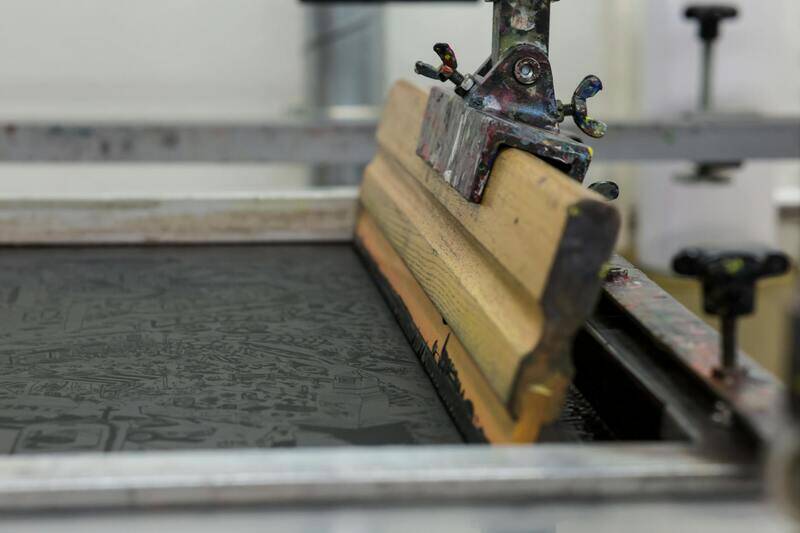
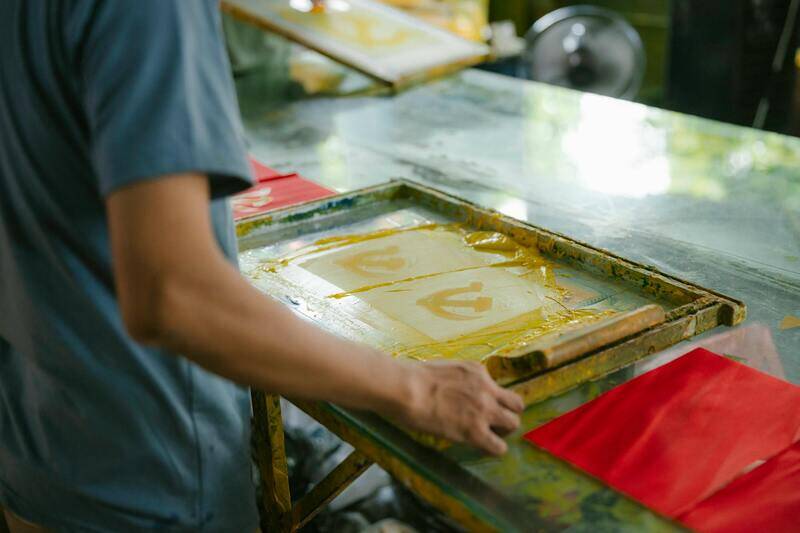
- Screen Printing: Utilizing stencils and mesh screens, this technique is suited for large quantities with fewer color variations. Screen printing produces durable, vivid images ideal for outdoor banners that need to withstand weather elements. The process can be more cost-effective for bulk orders, although setup costs are higher, and the turnaround might be longer compared to digital printing.

Additionally, some advanced printing options, such as UV printing or eco-solvent printing, offer enhanced durability and environmentally friendly options. UV printing is suitable for rigid materials, providing a scratch-resistant surface, while eco-solvent inks produce vibrant colors with reduced environmental impact. Selecting the appropriate printing technology depends on your specific requirements, including usage environment, desired color fidelity, and budget constraints.
Design Preparation and File Specifications for Printing
To achieve the best results from your custom banners online, proper design preparation is critical. Design files should adhere to specific technical standards to ensure clarity and accuracy in the final print. Generally, high-resolution images (300 dpi or higher) are necessary to maintain sharpness, especially for large-format banners.
- File Formats: Preferred formats include PDF, AI, or EPS, which retain vector qualities for crisp graphics. For photographic images, JPEG or TIFF files are acceptable provided they meet the resolution requirements.
- Color Modes: Use CMYK color mode to align with printing standards, ensuring that colors are accurately reproduced on your banner.
- Bleed and Safe Zones: Incorporate bleed margins (usually 3-5mm) to accommodate trimming, and keep critical content within safe zones to prevent cropping errors.

Custom Banner Size and Specification Considerations
Accurately measuring and specifying the banner size is essential for achieving a professional finish. Common dimensions range from small promotional signs to large-scale advertising displays. When ordering online, specify exact measurements to avoid mismatched expectations. Many print services offer customizable options, enabling clients to choose widths, heights, and orientations that suit their promotional environments.
- Standard Sizes: Typical dimensions include 2x4 feet, 3x6 feet, or 4x8 feet, but custom sizes are frequently available.
- Material Compatibility: Larger banners might require reinforced edges or grommets to facilitate hanging and stability.
- Viewing Distance: Consider how far away the banner will be viewed; larger sizes with bold, legible text are recommended for distant visibility.
Ensuring precision in these specifications helps facilitate seamless production and installation, delivering a professional and impactful promotional tool.
Quality Control and Prototyping Before Final Production
To guarantee the highest standards for your custom banners, it’s advisable to request a proof or sample prior to completing the full order. Many online print providers offer digital previews or physical samples, allowing you to examine the design, color accuracy, and material quality firsthand. This step helps identify potential issues such as color mismatches, image blurriness, or layout problems that could compromise the final product. Requesting a prototype is particularly valuable when working with complex designs, intricate logos, or photographic images that demand precise color rendering. By reviewing a sample, you can suggest adjustments—be it resizing elements, tweaking colors, or confirming text clarity—which can be rectified before mass production. This process minimizes the risk of costly errors and ensures the finished banners align perfectly with your vision. In addition, verifying the material and finish of the sample can inform your decision on specific features such as matte versus gloss coatings, reinforced edges, or mounting options. Confirming these details upfront promotes smoother manufacturing and installation phases.
The Importance of Accurate Communication in the Ordering Process
Clear communication between clients and online print service providers is essential for the successful production of custom banners. When placing your order, provide detailed specifications, including exact dimensions, preferred materials, design files, and any special features such as grommets, pole pockets, or reinforcements. Utilize available online tools and templates to upload your artwork, ensuring that files meet the manufacturer’s requirements in terms of resolution, color mode, and file format. Confirming these technical details reduces the likelihood of delays or errors. Moreover, discuss turnaround times and delivery schedules beforehand. If your project is time-sensitive, communicate this early to ensure the provider can meet your deadlines without compromising quality. A comprehensive brief and ongoing dialogue help align your expectations with what the printing process can deliver, resulting in a more efficient workflow and a superior final product.

Choosing the Right Materials and Finishes for Your Custom Banner
When investing in custom banners online, selecting the appropriate materials is fundamental to achieving durability and visual impact. The choice of fabric or vinyl greatly influences the banner’s longevity, appearance, and suitability for different environments. For outdoor settings, materials such as heavy-duty vinyl with weather-resistant coatings are recommended to withstand exposure to rain, UV rays, and wind. Indoor banners, on the other hand, can utilize lighter fabrics like polyester or satin, which offer vibrant color reproduction and a premium look.
Besides the base material, finishing options also play a crucial role in enhancing the banner's functionality. Reinforced edges, for instance, provide added stability and reduce tearing risk, especially in high-traffic or windy areas. Grommets or metal eyelets positioned at strategic points facilitate secure mounting and suspension. Pole pockets enable easy installation on poles or banners stands, ensuring a smooth display without wrinkles or sagging.

Considering the coating options, matte finishes help minimize glare, making banners more visible under bright lights, while gloss coatings enhance color vibrancy and image sharpness, ideal for attention-grabbing displays. Some providers offer additional treatments such as UV coating for added protection against fading or perforations for easier tearing when needed.
Design Considerations for Custom Banners
Creating an effective banner involves more than just eye-catching visuals. It requires a strategic balance of graphics, messaging, and layout. Use high-resolution artwork that aligns with technical specifications specified by your printing service provider. Simplified designs with bold fonts and minimal clutter tend to communicate messages more effectively from a distance.
Colors should be chosen thoughtfully to ensure contrast and readability, especially for outdoor banners exposed to various lighting conditions. Incorporate your brand elements consistently, such as logos, color schemes, and fonts, to reinforce recognition.

Utilize available online templates or design tools offered by print providers to streamline the creation process. These resources often include guidelines for optimal dimensions and resolution, helping you avoid common pitfalls such as pixelation or misaligned graphics.
Optimizing Your Custom Banner for Its Intended Environment
Proper placement and environmental considerations significantly impact the effectiveness of your banner. For outdoor use, positioning banners at eye level or in high-traffic areas maximizes visibility. Avoid placing banners where they can be obstructed by other objects or sunlight glare.
For indoor banners, such as retail displays or event backdrops, consider ambient lighting and background colors to ensure your banner stands out. Using contrasting colors and strategic lighting can enhance visibility and draw attention.
In addition, take into account the banner's lifecycle. For temporary displays, lighter materials and simpler mounting options may suffice, whereas long-term installations benefit from more robust materials and reinforcement features.
Ordering Process for Custom Banners Online
Executing a successful order for custom banners via online platforms requires careful navigation through each step to ensure the final product aligns with your expectations and business needs. Accurate communication of specifications, meticulous selection of materials, and understanding the involved procedures are critical aspects that contribute to a seamless ordering experience.
Step 1: Defining Your Banner Requirements
Begin by clearly outlining your banner's purpose, target environment, and preferred dimensions. Consider whether the banner will be used indoors or outdoors, as this impacts material choice and durability considerations. Establishing the primary message and visuals you wish to convey helps inform design choices and size parameters, ensuring your banner communicates effectively from a distance.
Step 2: Choosing the Appropriate Design and Material
Most print service providers offer user-friendly online design tools or templates that facilitate the creation of your custom banner. When designing, prioritize high-resolution images, minimal clutter, and clear typography to enhance readability. Several material options are available, such as vinyl, fabric, or mesh, each suited for specific environments and durations of display. For instance, vinyl banners with UV coating are ideal for outdoor use due to their resistance to weather elements.
Step 3: Finalizing Your Design
Once your design is uploaded or created within the platform, double-check all elements for accuracy—spelling, colors, logo placement, and overall layout. Some providers might offer proofing services, allowing you to review digital proofs before proceeding with printing. This step ensures that any necessary adjustments are made before the manufacturing process begins, preventing costly reprints and delays.
Step 4: Selecting Quantity and Additional Features
Determining the appropriate quantity depends on your distribution or event needs. Economies of scale may apply, where larger orders result in lower per-unit costs. Additionally, consider supplementary features such as reinforced grommets, hems, or pole pockets to facilitate mounting and enhance the banner's longevity, especially for outdoor applications.
Step 5: Providing Accurate Shipping and Contact Information
Providing precise delivery details ensures smooth logistics and timely receipt of your order. Many online printers allow you to select shipping options, tracking services, and preferred delivery dates. Verifying your contact information helps facilitate communication in case of design clarifications or updates during production.
Step 6: Payment and Order Confirmation
Secure payment methods, typically through credit cards or online payment gateways, are standard. After completing payment, a confirmation email is usually sent, summarizing your order details. Keep this confirmation for reference and record-keeping. The provider may also send updates regarding the production timeline and expected delivery date.
Step 7: Monitoring and Receiving Your Order
Throughout the production process, stay engaged with the correspondence from your chosen service provider. Upon completion, the order is dispatched according to the selected shipping method. Upon receipt, inspect the banner for any damages or discrepancies. If adjustments are needed, reputable providers offer support channels to address concerns promptly.
Understanding each phase of the online ordering process fosters a more efficient experience and ensures your custom banners meet your expectations. Investing time in planning, design, and verification before finalizing your order leads to impactful, high-quality displays that effectively promote your brand or message in various settings.
Monitoring and Receiving Your Order
Once your custom banner order has been dispatched, maintaining communication with your chosen online printing service is crucial to ensure a smooth delivery process. Reliable providers typically offer tracking options that allow you to monitor the shipment in real-time, giving you peace of mind and the ability to plan for receipt at your preferred location. Keep an eye on the estimated delivery date provided by the courier or tracking system to coordinate your schedule accordingly.
Upon delivery, carefully inspect the package and the banner itself. Examine the overall condition, checking for any signs of damage incurred during transit such as tears, wrinkles, or color inconsistencies. If you notice any discrepancies or defects, respond promptly through the designated support channels of the service provider. Reputable online banner printing companies are committed to resolving issues swiftly, offering options for replacement, reprints, or refunds if necessary.
Ensure your banner matches the specifications you initially approved—correct dimensions, vibrant color reproduction, and sharp graphics. If adjustments are required, communicate these clearly and promptly to facilitate an efficient resolution. It is advisable to retain all packaging materials and shipping documentation until you are satisfied with the product, as these may be necessary if a claim or replacement process needs to be initiated.
Proper Installation and Use
After receiving your custom banner, proper installation is key to maximizing its visual impact. Consider the environment where the banner will be displayed—indoor or outdoor—and select appropriate mounting tools and fixtures. For outdoor banners, ensure they are securely fastened to withstand weather conditions such as wind or rain. For indoor displays, use sturdy hooks or banner stands designed to support the size and weight of your print.
Care instructions vary based on the material and printing technique used. Generally, avoid abrasive cleaning agents and harsh scrubbing to preserve color vibrancy and material integrity. Regularly inspect for signs of wear or damage, especially if positioned in high-traffic or outdoor areas, and replace or repair as needed to maintain the intended visual appeal and message clarity.
Customer Support and After-Sales Services
Reputable online banner printing services prioritize customer satisfaction through comprehensive support. Whether you have questions about your order, need guidance on installation, or require future reprints, accessible support channels including email, phone, or live chat are essential. Encourage new customers to inquire about after-sales services, warranty policies, and potential discounts for repeat orders.
Many providers also offer additional services such as consultation on design optimization, material upgrades for durability, or assistance in planning your banner layout to maximize visibility. Leveraging these resources ensures that your investment in custom banners yields the highest promotional value and aligns with your brand standards.
Understanding Custom Banners and Their Uses
Custom banners serve as dynamic visual tools that effectively communicate branding, promotional messages, or event information to targeted audiences. Whether used for trade shows, storefront advertising, corporate events, or community celebrations, these banners adapt to various contexts, enhancing visibility and engagement. Their flexibility allows businesses and organizations to craft tailored messages that align with specific campaigns or themes. In addition, custom banners are instrumental in creating a cohesive brand presence across different locations and platforms, ensuring that your message remains consistent and recognizable.
Materials and Fabric Options for Custom Banners
The selection of materials plays a crucial role in the durability, appearance, and suitability of your custom banners. Common options include vinyl, fabric, mesh, and PVC, each with distinct benefits catering to different use cases:
- Vinyl: Known for its durability and weather resistance, vinyl banners are ideal for outdoor use. They withstand exposure to elements like rain, wind, and sunlight, making them a popular choice for long-term outdoor advertising.
- Fabric: Often crafted from polyester or knit fabrics, these banners offer a premium look with vibrant color reproduction. They are suitable for indoor displays and events where aesthetic appeal is prioritized.
- Mesh: With small holes that allow wind to pass through, mesh banners are perfect for large outdoor displays in windy environments, reducing the risk of damage or tearing.
- PVC: Rigid or semi-rigid, PVC banners are frequently used for signs or panels that require a sturdy structure, often mounted on frames or stands.

Designing Your Custom Banner
Creating an impactful design involves more than just adding text and images; it requires strategic use of colors, fonts, and layout principles to maximize visibility and message retention. Consider the following design elements:
- Brand consistency: Incorporate your brand colors, logos, and fonts to reinforce brand recognition.
- Clear messaging: Keep the message concise and focused, ensuring it can be read from a distance.
- High-quality visuals: Use sharp, high-resolution images that won’t pixelate or blur upon printing.
- Contrast and readability: Choose contrasting colors for text and background to improve visibility.
- Proper sizing: Ensure the design elements are proportionate to the banner size for optimal impact.
Many online printing services provide design templates and tools that facilitate customization, allowing you to visualize your banner before placing the order. Collaborating with professional designers or utilizing in-house graphic resources can further enhance the final product.
Online Banner Printing Services and How to Choose the Right Provider
Selecting an online banner printing service that aligns with your needs involves assessing various criteria. Look for providers with established reputations for quality and reliability, as well as comprehensive service offerings. Important factors include:
- Technical expertise: The ability to handle diverse materials, sizes, and complex designs.
- Customer reviews: Feedback from previous clients provides insight into their satisfaction and the quality of products.
- Turnaround times: Fast processing and delivery options to meet urgent promotional schedules.
- Pricing transparency: Clear quotes without hidden fees, including costs for design, materials, and shipping.
- Support and consultation: Access to professional advice during the design and ordering process enhances the final output.
Ordering Process for Custom Banners Online
The process typically begins with selecting your preferred specifications—size, material, and quantity—and uploading your design or utilizing available templates. Ensure that your design files adhere to the provider’s specifications, usually requiring high-resolution images in formats like PDF, AI, or EPS. After submitting your order, you might receive a proof or preview for approval to confirm that the design aligns with your expectations. Once approved, the production phase commences, followed by quality checks before shipping. During this process, communication with customer support is vital to address any adjustments or concerns. Confirm the expected delivery date and understand the policies for reprints or refunds should the finished product not meet your standards.
Pricing and Cost Factors for Custom Banners
The total cost of custom banners depends on several key factors:
- Size: Larger banners require more material and printing time, increasing costs.
- Material choice: Premium fabrics or specialized options like mesh carry higher prices.
- Design complexity: Custom artwork with intricate details or multiple colors may incur additional fees.
- Quantity: Bulk orders often benefit from volume discounts, reducing per-unit costs.
- Finishings: Eyelets, hems, or grommets add to the overall price but enhance durability and usability.
Comparing quotes between providers and understanding what each includes helps ensure you receive competitive pricing aligned with your budget.
Delivery, Installation, and After-Sales Support
Efficient logistics are essential for timely campaign execution. Trustworthy online providers deliver the banners securely, with tracking options available for transparency. Upon arrival, proper installation is crucial—using compatible mounting hardware suited to the banner’s material and display environment ensures safety and longevity.
Reputable services also offer comprehensive after-sales support, including assistance with installation, recommendations for maintenance, and options for reprints or repairs if damages occur. Customer service teams should be accessible via multiple channels and prepared to provide technical guidance or troubleshooting tips as needed.