Understanding Pull Up Banners
Pull up banners, also known as retractable banners or roller banners, are versatile and eye-catching marketing tools designed for easy setup and portability. They consist of a printed graphic mounted on a spring-loaded support stand, which allows the banner to retract into a compact base for convenient transportation and storage. These banners are widely used in trade shows, conferences, retail environments, and promotional events due to their effectiveness in capturing attention and conveying marketing messages.
Commonly utilized for product launches, brand awareness campaigns, or informational displays, pull up banners provide a professional visual presence that can be quickly assembled and dismantled by a single individual. Their portability and quick setup make them ideal for businesses seeking flexible advertising options, especially in fast-paced environments.
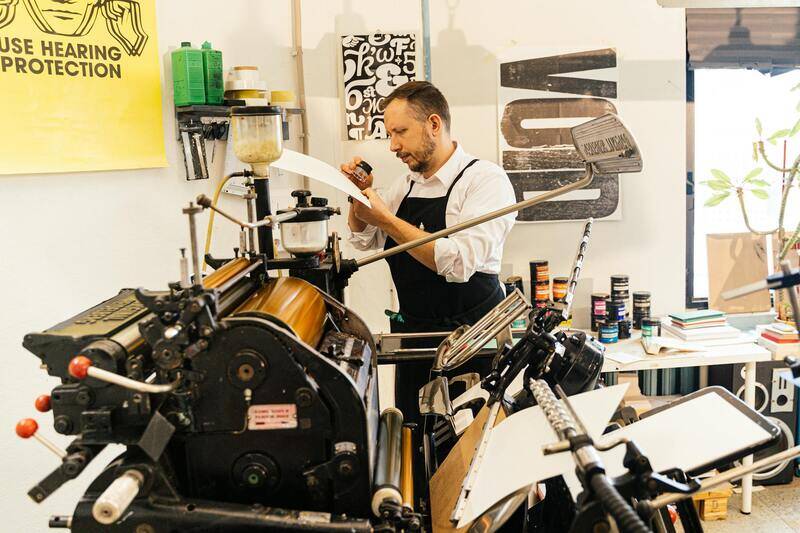
The primary advantage of pull up banners lies in their ability to combine durability with ease of use. They are designed to withstand repeated use while maintaining vibrant print quality, ensuring consistent branding across different marketing campaigns. Moreover, their sleek, vertical format maximizes visibility in crowded spaces, making them a valuable addition to any promotional arsenal.
In terms of benefits, pull up banners are cost-effective compared to other forms of promotional signage, offering a high return on investment over time. They are lightweight, easy to transport, and require minimal setup effort, which reduces staffing and logistical costs during events. Their reusable nature aligns with sustainable marketing practices, providing a durable and environmentally friendly advertising solution.
Common Uses and Applications
- Trade Show Booths
- Retail Promotions
- Conference Displays
- In-store Signage
- Corporate Events and Exhibitions
Overall, pull up banners are recognized for their effectiveness in delivering marketing messages clearly and professionally while being easy to handle and transport. For businesses aiming to enhance their visibility in a competitive environment, investing in well-designed and professionally printed pull up banners can lead to increased brand recognition and customer engagement.
Materials Used in Pull Up Banner Printing
Choosing the right material plays a critical role in the overall quality, durability, and visual impact of pull up banners. The primary options include vinyl, fabric, and polymer, each offering distinct advantages suitable for various marketing needs.
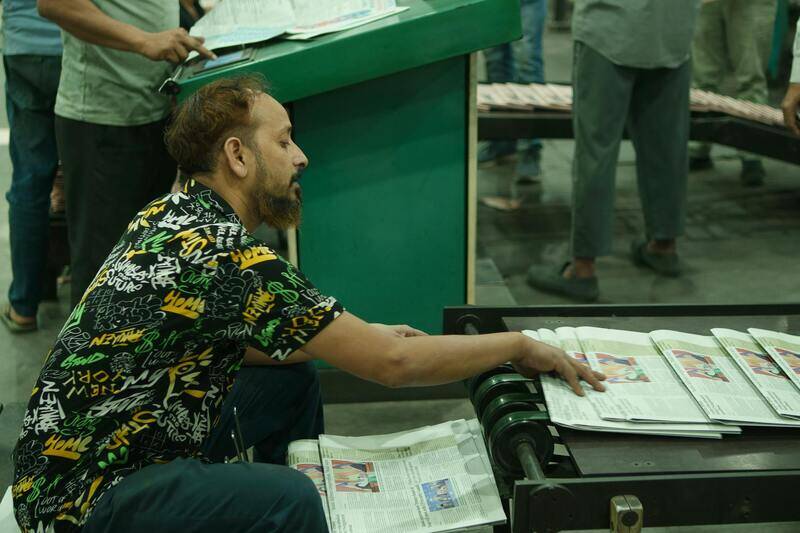
- Vinyl: Vinyl is widely favored for its robustness and water-resistant properties. It provides a smooth surface that yields sharp, vibrant prints, making it an excellent choice for both indoor and outdoor displays. Vinyl banners withstand exposure to elements such as sunlight and moisture, maintaining their visual appeal over extended periods. This material balances cost and longevity, making it suitable for long-term or outdoor campaigns.
- Fabric: Fabric banners, typically polyester or polyester blends, offer a softer, matte finish that reduces glare under various lighting conditions. They provide a classy, professional appearance, especially in indoor environments such as trade shows or corporate events. Fabric is lightweight and easy to transport, though it may require special maintenance to prevent creases and wrinkles. These banners are reusable and can easily be cleaned, making them a versatile material for repeated use.
- Polymer: Polymer-based substrates provide a lightweight alternative with high flexibility and resistance to tearing. This material is often used for portable display setups where ease of handling is essential. It can be coated for enhanced image quality and weather resistance, making it suitable for mixed-use scenarios where durability and lightweight features are required.
Beyond durability and aesthetics, the choice of material also influences the overall cost of production. Vinyl tends to be more economical for large-scale outdoor banners, whereas fabric options may involve higher costs due to their premium finish and reusability. Understanding these material characteristics ensures that businesses select the right banner type to match their branding objectives and budget constraints.
Understanding Pull Up Banners
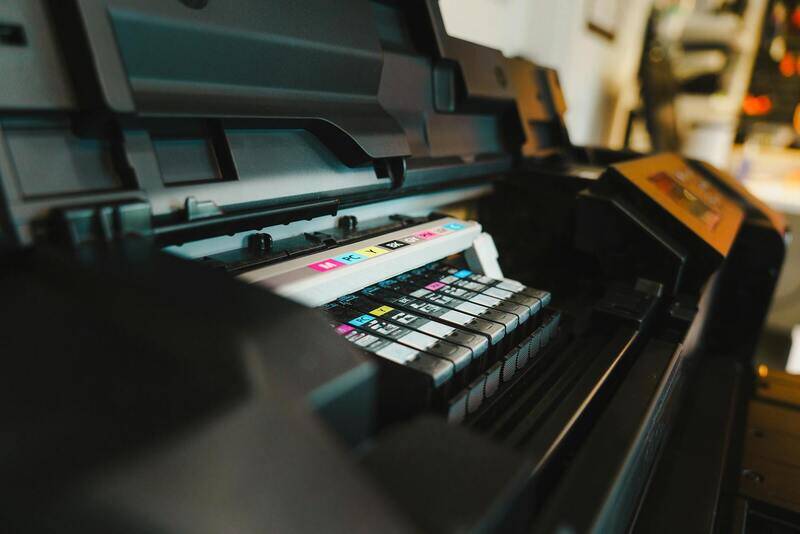
Pull up banners serve as a versatile and impactful marketing tool across diverse settings, from trade shows and exhibitions to retail promotions and corporate environments. Their popularity stems from their portability, ease of setup, and vibrant visual impact. To maximize their effectiveness, it is essential to understand the key elements involved in their creation, from material selection and design principles to printing techniques and maintenance requirements.
Materials Used in Pull Up Banner Printing
The choice of material plays a pivotal role in determining the banner’s appearance, durability, and suitability for different campaigns. A variety of materials are available, each with specific characteristics tailored to meet different needs.
Vinyl
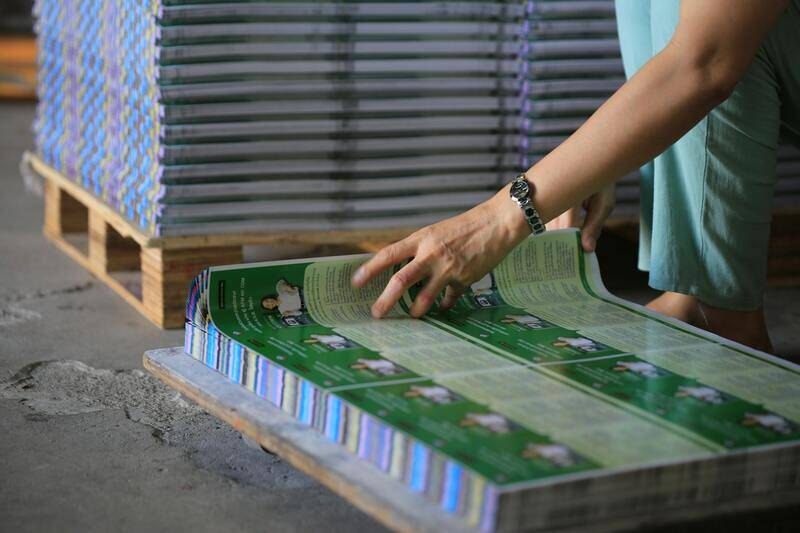
Vinyl remains a popular choice for its durability and cost-effectiveness. It provides excellent resistance to weather conditions, making it ideal for outdoor events. Its smooth surface ensures sharp, vibrant print quality, which effectively attracts attention from a distance. Vinyl banners are often gloss or matte, allowing businesses to choose based on the desired visual effect.
Fabric
Fabric banners, usually made from polyester or polyester blends, offer a premium aesthetic with a softer, matte finish that minimizes glare. They project a sophisticated image, making them suitable for indoor environments like corporate meetings or trade shows. Fabric is lightweight and easy to carry, but it requires careful handling to avoid creases. Additionally, fabric banners are reusable and can be cleaned for subsequent use, providing a cost-efficient option over time.
Polymer-Based Materials
Polymer substrates provide a flexible, lightweight solution that is resistant to tearing and impact. They are particularly appropriate for portable displays, where ease of transportation and quick setup are priorities. Coating options enhance image clarity and weather resistance, expanding their suitability for both indoor and outdoor applications. Their adaptability makes them a reliable choice for various promotional activities.

Design Principles for Effective Pull Up Banners
Creating a compelling pull up banner requires careful attention to design elements that enhance visibility and communication effectiveness. Clear, concise messaging combined with strategic use of colors and imagery maximizes impact. High-resolution graphics and legible fonts should be prioritized to ensure readability from a distance. Additionally, maintaining a clutter-free layout helps direct the viewer’s focus toward key information, such as an event date, a brand logo, or a call-to-action.
Proper alignment and adequate spacing are essential for professional presentation. Incorporating brand colors and maintaining consistency with overall branding standards reinforce brand recognition. The use of contrasting colors between text and backgrounds is vital to enhance legibility, especially in varied lighting conditions. Testing different layouts and soliciting feedback can further optimize design effectiveness prior to printing.
Size and Dimensions Options
Pull up banners are available in various sizes to suit different spatial constraints and promotional needs. Common dimensions include:
- Standard: 80cm x 200cm (2.6ft x 6.6ft)
- Large: 100cm x 220cm (3.3ft x 7.2ft)
- customized sizes tailored to specific display areas
When selecting dimensions, consider the environment where the banner will be placed and the viewing distance. Larger banners are more noticeable at events with high foot traffic, whereas smaller sizes are ideal for confined spaces or tabletop displays.
Printing Techniques and Quality
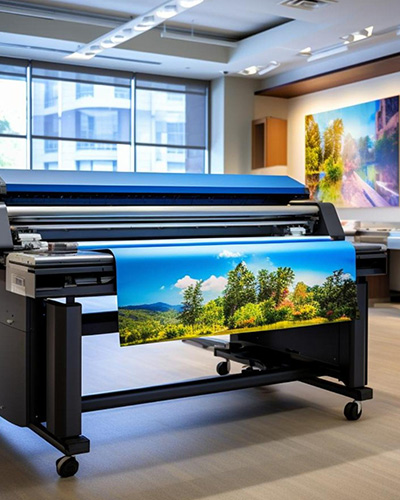
Achieving high-quality print results involves advanced printing techniques such as UV printing, solvent-based printing, and dye sublimation. UV printing offers sharp, vibrant images with excellent color fidelity and resistance to scratching. Solvent printing provides durability and weather resistance, making it suitable for outdoor use. Dye sublimation is known for producing vivid color blends and long-lasting images, especially when printing on fabric materials.
For consistent results, it is crucial to work with service providers utilizing state-of-the-art equipment and skilled technicians. Quality control measures, such as color matching and material testing, ensure the final product aligns with expectations and branding standards.
Cost Factors in Pull Up Banner Printing
The overall cost of pull up banner printing depends on multiple variables, including material choice, size, complexity of design, and quantity ordered. Standard single-banner orders tend to be more economical per unit, benefiting from economies of scale. Premium materials or larger dimensions may incur higher costs but provide enhanced durability and visual impact. Additionally, custom features like double-sided printing or special coatings can influence pricing.
Maintenance and Longevity of Printed Pull Up Banners
Proper maintenance extends the lifespan of pull up banners and preserves their visual appeal. Regular cleaning with mild, nonscratching cleaners helps remove dust and dirt without damaging the print surface. For fabric banners, gentle hand washing and proper drying are recommended to prevent creasing. Protecting banners from prolonged exposure to direct sunlight or harsh weather conditions can reduce fading and material degradation.
When handled carefully, banners can be reused multiple times for different campaigns, providing ongoing value. Storage in a cool, dry place, rolled instead of folded, prevents creases and damage to the printed surface.
Selecting a Printing Service Provider
Partnering with a reputable printing service ensures the quality and durability of your pull up banners. Look for providers with proven industry experience, positive testimonials, and transparent pricing. An ideal partner offers a comprehensive range of materials and finishes, expert design advice, and quick turnaround times. Additionally, accessible customer support and pre-print proofs help confirm specifications before production begins, reducing the risk of errors and ensuring satisfaction throughout the process.
Size and Dimensions Options
Choosing the appropriate size and dimensions for your pull up banner is crucial to maximizing visibility and impact during your promotional activities. Standard sizes typically include 33 inches by 80 inches (2.75 feet by 6.67 feet), which is ideal for most indoor displays and events. These sizes are widely available and cost-effective, making them a popular choice for a broad range of marketing campaigns.
However, specific needs may require custom dimensions. For instance, larger banners such as 40 inches by 90 inches or even 48 inches by 96 inches provide greater visual presence, especially in expansive spaces or outdoor settings. When selecting a custom size, consider the location's spatial constraints, viewing distance, and your branding objectives to ensure the banner fits well without overwhelming or underwhelming viewers.
To determine the best dimensions for your specific marketing goals, evaluate the following factors:
- Display Location: Indoor venues may accommodate standard sizes, while outdoor or large event spaces might benefit from larger banners.
- Viewing Distance: The farther the audience, the larger the banner should be to ensure readability.
- Design Complexity: Intricate graphics or detailed messages require larger spaces or simplified layouts for clarity.
- Transport and Installation: Larger banners need more space for transport and installation considerations, impacting logistics planning.
Engaging with a professional printing service provider can help you determine the optimal dimensions based on your intended application and venue. They can offer guidance on standard versus custom sizes, ensuring that your banner effectively communicates your message while fitting within your logistical constraints.
Understanding Pull Up Banners
Pull up banners serve as versatile marketing tools that combine portability with eye-catching visual displays. Designed with a retractable mechanism, these banners can be easily transported, set up, and taken down, making them ideal for trade shows, exhibitions, retail displays, and corporate events. Their prominence in various marketing environments stems from their ability to deliver high-impact messages in a compact form. The structure typically consists of a lightweight aluminum frame, a printed graphic panel, and a stable base that supports the entire unit. The graphics used in pull up banners are designed to be highly visible and clear, often featuring bold colors, strategic typography, and compelling imagery. This combination ensures that your branding message is perceived quickly and effectively by passersby. Additionally, because they are easy to assemble without specialized tools or skills, pull up banners are favored by businesses seeking quick, professional presentation setups. Their design also facilitates frequent updates, allowing companies to revise graphics as necessary while reusing the same frame. Investing in a well-crafted pull up banner can significantly enhance brand visibility and reinforce your marketing campaign’s effectiveness. The visual impact of a professionally printed banner can attract attention, convey key messages succinctly, and leave a lasting impression on your target audience. Thus, understanding the nuances of pull up banners—including material selection, design principles, and printing techniques—is essential to maximize their impact and ensure your marketing investments yield optimal results.

Materials Used in Pull Up Banner Printing
The durability and appearance of pull up banners are largely determined by the materials used during the printing process. Commonly, banners are printed on polyester fabric or vinyl substrates, each offering distinct advantages suited to different event types and environmental conditions.
- Polyester Fabric: Known for its smooth surface and ability to display vibrant color reproduction, polyester fabric offers a high-end look with a matte finish that reduces glare. It is lightweight, wrinkle-resistant, and suitable for indoor applications where aesthetic quality is prioritized.
- Vinyl (PVC): Vinyl banners are more rigid and weather-resistant, making them an excellent choice for outdoor use. They provide sharp image clarity, high durability against elements such as wind and rain, and facilitate long-term display without deterioration.
- Mesh Vinyl: When stability against wind is a concern, mesh vinyl serves as a breathable alternative to standard vinyl banners. Its perforated design allows wind to pass through, minimizing stress on the banner and reducing fluttering.

Design Principles for Effective Pull Up Banners
Creating an impactful pull up banner involves a strategic approach to design, ensuring the message is clear, visually appealing, and aligned with your branding goals. Effective design principles focus on simplicity, readability, and balance, enabling viewers to grasp your key message quickly.
- Clear and Bold Messaging: Use concise language and bold headlines to communicate your main message. Avoid clutter and ensure that your text is legible from a distance.
- High-Quality Imagery: Incorporate sharp, relevant images that complement your message. High-resolution graphics enhance professionalism and attract attention.
- Strategic Color Usage: Select colors that evoke the desired emotional response and maintain consistency with your brand identity. Contrasting colors improve readability and visual impact.
- Hierarchy and Layout: Organize information hierarchically, emphasizing the most critical points. Use visual hierarchy to guide viewers' eyes naturally across the banner.
- Whitespace Balance: Allow for sufficient whitespace to prevent overcrowding and improve overall clarity. This approach draws attention to key elements and enhances the aesthetic appeal.
Choosing the Right Printing Method for Pull Up Banners
Selecting an appropriate printing method is crucial to achieving the desired quality and durability of your pull up banners. Given the variety of available techniques, understanding their differences helps in making informed decisions that align with your branding goals and budget constraints.
Solvent and Eco-Solvent Printing
Solvent printing is widely used for outdoor pull up banners due to its exceptional resistance to weather elements such as rain, sunlight, and wind. This method employs solvent-based inks that permeate the material, resulting in vibrant, long-lasting images. Eco-solvent printing, a more environmentally friendly variation, reduces VOC emissions while maintaining high quality and durability. These methods are ideal when banners are intended for frequent outdoor use or prolonged exposure.
UV Printing
UV printing utilizes ultraviolet light to cure inks instantly upon application. This results in sharp, vivid images with excellent adhesion to a range of materials, including rigid or flexible substrates. UV printing is favored for its quick turnaround times and enhanced color accuracy, making it suitable for high-end promotional banners that demand precise detail and vibrant visuals. The process also offers resilience against scratches and fading, extending the banner's lifespan.
Latex Printing
Latex printing employs water-based inks that are environmentally safe while delivering bright, eye-catching colors. This technique provides flexibility, making it perfect for banners that might be rolled or folded without cracking or damage. Latex prints also boast quick drying times and are resistant to weathering, offering a good balance of quality, versatility, and sustainability.
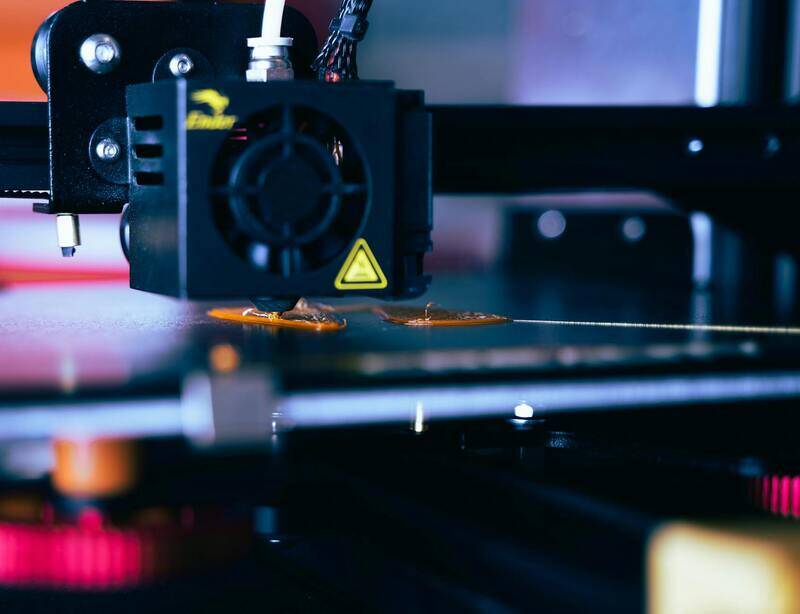
When selecting an appropriate printing method, consider factors such as intended usage, environmental exposure, budget, and desired image quality. Consulting with professional printing services can help identify the best technique that meets your specific requirements, ensuring a final product that effectively communicates your message and withstands the test of time.
Understanding Pull Up Banners
Pull up banners are a versatile and effective tool in the realm of promotional displays. They are designed for quick setup and takedown, making them ideal for trade shows, exhibitions, retail displays, and event marketing. A pull up banner typically consists of a printed graphic mounted on a retractable stand that allows for effortless deployment. The portability of these banners, coupled with their professional appearance, makes them a favored choice for businesses seeking high-impact visual communication.
Materials Used in Pull Up Banner Printing
The durability and visual quality of pull up banners hinge greatly on the materials utilized during printing. Commonly, these banners are printed on substrates such as vinyl, fabric, or polyester. Vinyl is the most popular option due to its robustness, weather resistance, and smooth surface that enhances color vibrancy. Fabric banners, often made from polyester or other synthetic textiles, provide a softer aesthetic and are less prone to glare, making them suitable for indoor displays. Polyester-based materials combine flexibility and durability, offering resistance against tearing and stretching. Choosing the right material depends on the intended application, environmental factors, and desired aesthetic outcomes.
Design Principles for Effective Pull Up Banners
An effective pull up banner design strikes a balance between visual appeal and clear messaging. Key principles include:
- Simplicity: Keep text concise and focused to ensure the message is easily digestible from a distance.
- High-Resolution Graphics: Use images and graphics with high resolution to prevent pixelation and maintain professionalism.
- Brand Consistency: Incorporate brand colors, logos, and fonts to reinforce brand identity.
- Hierarchy: Structure content in a way that directs the viewer’s eye from the most important information to supplementary details.
- Contrast: Ensure sufficient contrast between text and background for readability in various lighting conditions.
Layout considerations should also include adequate margins to avoid overcrowding and to maintain a clean, organized appearance. Testing the design in different lighting scenarios can further enhance effectiveness.
Size and Dimensions Options
Pull up banners come in a variety of sizes, catering to different spatial constraints and visibility requirements. Common dimensions include:
- Standard Sizes: 800mm x 2000mm (approximately 31.5 inches x 79 inches)
- Large Formats: 1000mm x 2200mm or larger for maximum visibility in expansive venues
- Compact Options: 600mm x 1600mm for smaller, portable setups
When selecting dimensions, consider the viewing distance and the space available at the event location. Custom sizes are also available to better suit specific branding or spatial needs, providing more tailored promotional solutions.
Printing Techniques and Quality
Several advanced printing techniques ensure that pull up banners deliver crisp images with vibrant colors and long-lasting quality. These include:
- UV Printing: Utilizes ultraviolet light to instantly cure inks, producing high-resolution, durable images with excellent adhesion. This method is ideal for outdoor banners subject to harsh conditions, thanks to its scratch and fade resistance.
- Lithography and Solvent Printing: Conventional methods that produce sharp, detailed images suitable for indoor displays with a focus on color accuracy.
- Latex Printing: Uses water-based inks that are eco-friendly and resistant to weathering, offering flexible and vibrant results.
Professionally printed pull up banners benefit from high-quality color fidelity, sharpness, and longevity, making them a worthwhile investment for impactful marketing efforts.
Ensuring Proper Installation and Handling of Pull Up Banners
Once a professional, high-quality pull up banner has been printed, the next crucial step involves proper installation and handling to maximize its effectiveness and lifespan. This process ensures that the banner maintains its visual appeal, remains free from damage, and continues to attract attention at promotional events or in retail environments.
Preparation Before Installation
Prior to setting up the banner, inspect it thoroughly for any transportation damages or printing inconsistencies. Confirm that all components, including the base, stand, and retractable mechanism, are present and functioning correctly. Ensure the installation area is clean, flat, and free from debris, which could cause instability or scratches during setup.
Proper Setup Techniques
- Positioning: Place the retractable stand on a level surface, ensuring it is stable. Unroll the banner slowly to avoid tearing or creasing.
- Extending the Banner: Gently pull the banner upward from the base, maintaining an even tension to prevent wrinkling. Most banners feature a reinforced top edge, supporting smooth extension.
- Locking the Banner in Place: Engage the locking mechanism or support pole to keep the banner upright and taut. This stabilizes the display and prevents accidental collapse.
- Securing Stability: If necessary, anchor the base or add additional weights to prevent tipping over, especially in outdoor settings or areas with high foot traffic.
Handling and Maintenance Tips
- Use clean, lint-free gloves when handling the banner to prevent smudges or oil transfer from hands.
- Avoid exposing the banner to direct sunlight for prolonged periods, as UV damage could diminish print vibrancy over time.
- When not in use, retract the banner gently and store it in its protective case or wrapper to prevent dust accumulation and physical damage.
- Clean the surface with a soft, damp cloth when dust or marks appear, avoiding harsh chemicals that could degrade the print or materials.
- Check the retractable mechanism periodically to ensure smooth operation and address any issues immediately to prevent damage.
Transportation and Storage Considerations
Proper transportation involves rolling the banner loosely and placing it in a protective tube or case to prevent creases or tears. For long-term storage, keep the banners in a cool, dry environment away from direct sunlight, humidity, or extreme temperature changes. This care prolongs the beauty and structural integrity of the print, allowing for reuse across multiple campaigns or events.