Factors Influencing Colour Printing Cost
Determining the cost of colour printing involves multiple factors that can significantly impact the final price. Understanding these elements allows businesses and individuals to make informed decisions, ensuring high-quality output while managing expenses effectively. The primary influencers include the volume of print jobs, the complexity and type of documents being printed, and the choice of printing materials and equipment.

Print Volume and Frequency
One of the most defining factors is the volume of prints required. Bulk printing typically benefits from economies of scale, reducing the per-unit cost. Conversely, smaller, individual print jobs often carry a higher cost due to setup and preparation expenses. Repeat orders and ongoing printing needs can influence negotiations with service providers, potentially leading to more favorable pricing for long-term clients.
Document Complexity and Colour Use
The intricacy of the documents being printed also impacts costs. Complex images with high-resolution graphics, multiple colours, and detailed designs require more from printers in terms of ink usage and processing time. Simple, less detailed documents that use fewer colours tend to be more affordable, making them suitable for routine reports, drafts, or internal communications.
Type of Material and Quality of Output
The choice of printing materials, such as paper type and weight, influences costs. Premium papers and specialty stocks incur higher expenses. Additionally, the desired print quality, especially for professional presentations or marketing collateral, may necessitate advanced printing techniques and higher-grade inks, consequently affecting the overall cost. The quality of prints must be balanced against budget constraints to achieve optimal results.
Printing Technologies and Equipment
Different printing technologies, such as digital versus offset printing, come with varying cost implications. Digital colour printing offers flexibility and is often more cost-effective for short runs, while offset printing becomes economical for large volumes but requires higher setup costs. Selecting the appropriate technology based on project scope can lead to substantial savings.
Assessing these factors comprehensively ensures a clear understanding of what drives the colour printing costs, enabling accurate budgeting and strategic planning for consistent, high-quality outputs.
Types of Colour Printing and Cost Variations
Understanding the different types of colour printing methods is essential when estimating costs and selecting the most suitable option for your needs. Each printing technique offers specific advantages and cost implications, which are influenced by the scope and quality requirements of your project.

Digital Colour Printing
Digital colour printing is widely preferred for small to medium print runs due to its quick turnaround and high flexibility. This method involves directly transferring digital files onto printing substrates using advanced inkjet or toner-based systems. Because it requires minimal setup and allows for on-demand printing with variable data, digital printing is often more cost-effective for short runs, customization, or urgent orders. While the initial costs are lower, the per-unit price may increase with larger quantities, making it less economical for high-volume production.
Offset Colour Printing
Offset colour printing is commonly used for large-scale commercial projects, such as brochures, magazines, and packaging. It involves creating printing plates for each colour, which are then used to transfer ink onto the paper. This process boasts superior image quality and colour accuracy, making it suitable for high-end marketing materials. Although offset printing entails higher setup costs and longer preparation times, the cost per unit decreases significantly as the volume increases, resulting in competitive pricing for bulk orders.
Large-Format Colour Printing
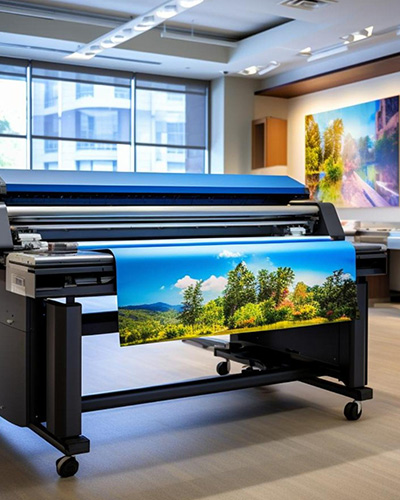
For wide-format prints, such as banners, posters, or signage, large-format colour printing is employed. This method utilizes specialized printers capable of producing high-resolution images on various large-scale materials. Due to the complexity and size, large-format printing can be more expensive, especially when high-quality finishes or specific media are required. However, it provides impressive visual impact, which is crucial for advertising and promotional displays.
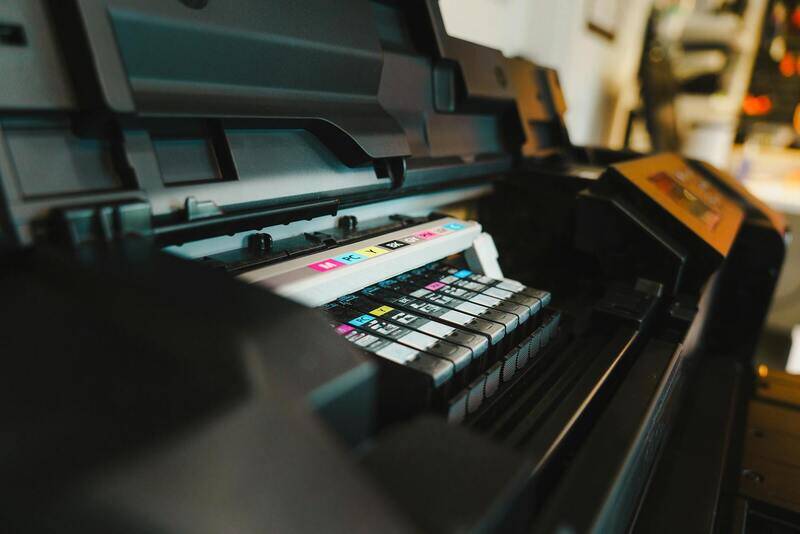
Choosing the appropriate printing method hinges on your project’s quantity, quality expectations, and budget constraints. Digital printing suits quick-turnaround jobs with moderate quality needs, offset printing excels in large volume projects demanding high fidelity, and large-format printing is ideal for visually impactful displays. Carefully assessing these options helps optimize costs while achieving the desired print quality.
Materials and Printing Quality Impact on Cost
The choice of materials plays a significant role in determining the overall colour printing cost. Higher-quality substrates, such as premium paper stocks, textured finishes, or specialized media like vinyl or canvas, typically come at a higher expense compared to standard papers. When aiming for vibrant, durable prints, materials that support richer ink absorption and better colour retention are preferred, but these often entail increased costs.
Moreover, the characteristics of the printing surface—such as gloss, matte, or satin finishes—affect not only the aesthetic appeal but also the expenditure. Glossy papers, for example, enhance colour vibrancy but might require additional protective coatings that add to costs. Conversely, matte finishes tend to be less expensive yet offer a sophisticated look suited for professional documents or marketing materials.
Print quality settings also influence the budget. Higher resolution outputs, which lead to sharper images and smoother colour gradients, involve longer processing times and potentially more expensive inks or toners. These choices are essential when producing high-end brochures, photographs, or packaging where visual impact is paramount. Selecting the appropriate combination of materials and quality levels ensures that the final product aligns with both aesthetic expectations and budget considerations.

Understanding the trade-offs between material quality and cost allows businesses to make informed decisions, balancing visual outcomes with financial constraints. Custom printing options that incorporate specialty finishes or eco-friendly materials often command premium prices, but they can significantly elevate branding efforts and product appeal.
Cost-Saving Tips for Colour Printing
- Opt for standard-sized materials and stock to minimize wastage and reduce material expenses.
- Limit the number of colours used in complex designs to streamline the printing process and lower ink costs.
- Consolidate multiple print jobs into a single batch to leverage volume discounts and decrease per-unit costs.
- Choose digital printing for small runs to avoid setup fees associated with traditional methods like offset printing.
- When possible, simplify designs to reduce the need for multiple plates or extensive finishing processes.
Additional Costs to Consider
Beyond just the printing itself, several auxiliary expenses may affect the overall colour printing cost. These include:
- Design and artwork preparation: Custom graphics, layouts, and image enhancements might require specialist services or software.
- Finishing and binding: Processes such as laminating, embossing, or binding can significantly add to costs, especially for high-end presentations or promotional materials.
- Shipping and handling: Large or heavy materials might incur additional transportation charges, particularly when expedited delivery is needed.
- Storage and inventory management: For large projects or ongoing campaigns, warehousing costs can contribute to the overall budget.

Materials and Printing Quality Impact on Cost
The selection of materials and the desired printing quality play a pivotal role in determining the overall cost of colour printing projects. High-quality paper stocks, specialized finishes, and premium inks generally command higher prices, but they also significantly enhance the visual appeal and durability of printed materials. For instance, thicker cardstock or environmentally friendly papers tend to be more expensive, yet they project a premium image that can justify the additional expenditure.
Type of paper varies widely, from standard uncoated stock to gloss, matte, or textured surfaces. Glossy finishes are often preferred for vibrant image reproduction, as they facilitate richer colours and sharper details, albeit at a higher price point. Matte and textured papers, while sometimes more economical, may require specific printing techniques to achieve the desired aesthetic without compromising quality.

In addition to paper selection, the type of ink used can impact costs considerably. Standard inks are generally included in the base price, but special inks like metallic, fluorescent, or textured variants incur extra charges. These specialty inks are typically employed for high-end promotional materials or branding assets where visual impact is critical.
Another factor is finishing options, which include laminating, UV coating, embossing, or foil stamping. These enhancements not only elevate the appearance but also add to the cost, especially for intricate or labor-intensive processes. It’s crucial for clients to communicate their quality expectations clearly and consider the balance between material quality and overall budget.
Considering the trade-offs between paper type, ink quality, and finishing options allows for informed decisions that align with both aesthetic goals and financial constraints. Selecting the appropriate combination can optimize the value of each print job while maintaining a professional, eye-catching result.
Factors Influencing Colour Printing Cost
Several key elements significantly affect the final cost of colour printing projects. Understanding these factors enables clients and businesses to make informed decisions that align with their budget and quality expectations. Among the most influential aspects are the complexity of the design, colour coverage, and the intricacy of the image or graphics being printed.
Design complexity plays a crucial role, as highly detailed or multi-coloured images demand more from the printing machinery and ink consumption. Larger, more vibrant images typically require more ink and may necessitate additional printing passes or special techniques, leading to higher costs. Similarly, the number of colours used impacts expenses; printing in full colour generally incurs more costs compared to monochrome or simpler two-tone designs. This is due to the need for multiple ink cartridges and precise colour matching processes.
Another significant factor is the volume of the print run. Large quantities often benefit from volume discounts, reducing the per-unit cost. Conversely, small batches tend to be more expensive on a per-piece basis due to setup and material costs that are spread over fewer items. Complexity in finishing requirements, such as embossing, lamination, or foil stamping, also adds to the cost structure. These enhancements require specialized equipment and increased labour, which are reflected in the final price.
Finally, turnaround time can influence costs. Rush orders often necessitate overtime or expedited processing, which can substantially increase the pricing. Therefore, planning ahead and allowing ample lead time can help manage expenses effectively.

Types of Colour Printing and Cost Variations
Different printing techniques are used for various applications, each with distinct cost implications. The most common types include digital printing, offset printing, and large-format printing, each suitable for specific project sizes and requirements.
Digital Colour Printing
Digital printing is ideal for short runs and quick turnaround times. It involves directly printing digital files onto the chosen material, making it cost-effective for small quantities. The resolution and colour accuracy are high, but costs increase with larger volumes due to the per-unit expense of high-grade toner or ink cartridges.
Offset Colour Printing
Offset printing remains the preferred choice for high-volume projects, such as annual reports or extensive marketing campaigns. It uses plates to transfer ink onto the material, enabling cost savings at larger print quantities. While initial setup costs are higher due to plate creation, the per-piece cost decreases significantly as volume increases. Offset printing also offers superior colour consistency and quality, justifying its expense for large batches.
Large-Format Colour Printing
This method is employed for banners, posters, and signage. It involves printing on wide media rolls and uses specialized inks for durability and vibrancy. The cost varies depending on media type, size, and printing resolution, with larger prints naturally costing more. Advanced large-format printers support various finishes and textures, further influencing pricing.

Pricing Models Used by Printing Service Providers
Printservice providers generally adopt several pricing models to accommodate diverse client needs. The most prevalent include fixed pricing, tiered discounts, and custom quotes based on project specifications.
Fixed pricing offers simplicity, where clients receive a clear, upfront price for specific print sizes, materials, and finishes. This is ideal for standard jobs with predictable requirements. Tiered discount structures incentivize larger orders, reducing the cost per piece as volume increases—particularly advantageous for bulk printing projects. Customized quotes are often necessary for complex jobs involving multiple finishes, special inks, or bespoke materials, providing a detailed cost breakdown tailored to each project.
Some providers also incorporate additional charges for expedited services, rush orders, or last-minute adjustments. Transparency in these pricing models allows clients to better forecast costs and select options that maximize value without compromising on quality.
Factors Influencing Colour Printing Cost
Understanding the various elements that impact the cost of colour printing ensures businesses and individuals can plan their budgets effectively. One of the primary factors is the complexity of the design; intricate images with numerous colours or detailed graphics typically require more ink, time, and precision, which increases expenses. Additionally, the type of media or substrate used—such as glossy paper, vinyl, fabric, or specialty materials—substantially influences the overall cost. Premium materials or those requiring specific handling or finishing processes tend to be more expensive.
Print size and resolution also play crucial roles. Larger prints naturally consume more ink and materials, raising costs proportionally. Higher resolution images demand more detailed work and often require advanced printers capable of producing sharp, vibrant outputs, which can also add to the expense. Additionally, the turnaround time can affect pricing; rush orders or expedited services typically incur higher charges due to prioritization and overtime labor costs.
Materials and Printing Quality Impact on Cost
The choice of materials extends beyond functionality; it also impacts cost significantly. Standard paper stocks are generally more affordable, while specialty options such as textured, waterproof, or metallic papers increase expenses. When printing on fabrics or other non-paper surfaces, specialized inks and handling techniques are required, adding to the total cost. High-quality printing that prioritizes colour accuracy, vibrancy, and durability against environmental factors also demands superior inks, calibration, and equipment maintenance, which translate into higher prices.
Moreover, finishing touches such as lamination, UV coating, embossing, or die-cutting, although enhancing the final product, contribute additional costs. Selecting premium materials and finishes should always be balanced with the intended purpose and budget constraints to achieve an optimal combination of quality and affordability.

Factors Influencing Colour Printing Cost
Understanding the various elements that impact the overall expense of colour printing is crucial for making informed decisions and budgeting appropriately. One of the primary factors is the complexity of the design; intricate images or detailed graphics require more ink and precision, which can increase production costs. The size of the printed material also plays a role—larger formats demand more materials and longer printing times, contributing to higher prices.
Print resolution is another vital aspect. Higher resolution images with fine details necessitate advanced equipment and quality inks, which are inherently more expensive. Additionally, the choice of colour profiles and the necessity for colour calibration to maintain accuracy across different print runs can add to costs. Turnaround times influence pricing significantly; expedited services often require overtime labor and priority processing, raising the final cost.

Finally, the quantity ordered can affect unit costs; bulk printing typically offers reduced per-unit prices, while smaller runs tend to be more expensive on a per-piece basis. These variables together shape the pricing structure that printing service providers use, influencing the final price a customer pays for colour printing projects.
Types of Colour Printing and Cost Variations
There are several formats and methods of colour printing, each with distinct cost implications. Digital printing, known for its quick turnaround and flexibility, tends to be more affordable for short runs or personalized prints. It does not require plates and allows for rapid adjustments, making it ideal for small batch jobs where cost efficiency is important.
Offset printing, on the other hand, involves creating plates for the images which are then transferred onto the printing surface. This method is more cost-effective for large-volume printing because the initial setup costs are spread out over many copies. It offers superior colour consistency and high image quality, making it suitable for bulk production such as magazines, brochures, and packaging.

Screen printing, often used for textiles and promotional items, involves pushing ink through a mesh stencil. This process can be more cost-effective for simple, high-volume designs but may not be suitable for complex images. UV printing, which uses ultraviolet light to cure the inks instantly, offers vibrant results and durability but tends to come at a higher cost, especially for specialty materials and finishes.
Pricing Models Used by Printing Service Providers
Service providers primarily adopt two pricing approaches: per-unit or project-based. The per-unit model charges a fixed rate per print, often tiered based on volume, encouraging larger orders to reduce overall costs. Project-based pricing considers the entire scope of the job, including design, materials, finishing, and delivery, providing a comprehensive estimate upfront.
Some providers also incorporate additional charges for specific services such as colour correction, proofing, or custom finishes. Transparent quoting and clear communication about what is included in the estimated cost help customers avoid unexpected expenses and choose the most suitable options for their needs.
Materials and Printing Quality Impact on Cost
The selection of materials has a significant bearing on the cost of colour printing projects. Standard paper stocks, such as 80gsm offset paper, tend to be economical and widely used for general printing tasks. In contrast, specialty papers, like textured, matte, or glossy finishes, add to the expense due to their unique manufacturing processes and handling requirements.
When printing on non-paper substrates such as fabrics, plastics, or metal surfaces, costs escalate further because of the need for specialized inks and additional equipment calibrations. High-quality inks that ensure vibrant, long-lasting colours and precise details are more expensive than standard options. These inks often require more complex curing processes and maintenance of the printing equipment, contributing to higher operational costs.
Finishing options such as lamination, UV coating, embossing, or foil stamping are optional enhancements that can elevate the visual appeal and durability of the final product, but they also increase overall costs. Weighing the benefits of these finishes against budget constraints is essential to maximize impact without overspending.
Cost-Saving Tips for Colour Printing
- Optimize design files for efficiency, reducing excessive use of colours or intricate graphics where possible.
- Choose standard sizes and formats to minimize material waste and setup times.
- Print in bulk to leverage volume discounts and reduce per-unit costs.
- Limit the use of specialty inks and finishes unless necessary, balancing aesthetics with budget constraints.
- Work with experienced service providers who can advise on cost-effective materials and methods without compromising quality.
Additional Costs to Consider
Beyond the basic printing expenses, clients should account for supplementary costs that may arise. Design fees for creating or modifying artwork are common when professional input is required. Proofing charges ensure the final output matches expectations before large-scale production and typically incur additional costs.
Shipping and delivery fees are also significant, particularly for large or heavy prints. If expedited shipping is necessary, expect premium charges. Handling and storage fees may apply if the project involves complex logistics or requires storing materials at the printing facility.
By understanding these factors and planning accordingly, customers can better manage the total investment in their colour printing projects, ensuring the final product aligns with both quality standards and financial plans.
Factors Influencing Colour Printing Cost
The cost of colour printing varies significantly depending on several key factors. One primary consideration is the type of printer used. Digital printers tend to be more cost-effective for small-volume jobs due to lower setup costs, whereas offset printers are more economical for large runs, spreading setup costs across a higher quantity. The complexity of the print job also impacts costs—multi-coloured images with intricate designs require additional time and resources, increasing expenses.
The resolution and color fidelity desired play a role in pricing. High-resolution prints with precise color matching often entail the use of premium inks and specialized equipment, resulting in higher costs. Additionally, the size and type of the print material influence overall expenses. Larger formats or specialty papers and substrates, such as canvas or textured materials, naturally incur additional costs due to material handling and printing complexity.
Another critical factor is the volume of prints. Typically, higher quantities benefit from decreased unit costs per piece owing to economies of scale. Conversely, small runs or one-off prints tend to be proportionally more expensive, as setup and machine time constitute a larger share of the total expense.
Finally, geographic location and the specific service provider's pricing policies can alter costs. Companies with state-of-the-art technology and extensive experience may charge a premium for their expertise, but this often correlates with higher quality and reliability.
Types of Colour Printing and Cost Variations
Different types of colour printing serve diverse needs, with each variant influencing the overall cost landscape. Digital printing offers a fast, flexible option suitable for smaller batches and personalized prints. It generally features lower initial setup costs, making it ideal for projects requiring quick turnaround times and fewer copies. This method supports a wide color spectrum, but higher per-unit costs may occur with large volume orders.
Offset printing, on the other hand, provides cost advantages in high-volume production. It employs plates to transfer ink onto paper, which involves higher setup costs but results in lower costs per unit as the quantity increases. Offset is preferred for bulk marketing materials like brochures, magazines, and posters due to its ability to produce consistent, high-quality colour output.
Screen printing is another common technique, especially for printing on textiles and large banners. This process is cost-effective for bulk orders but less suitable for detailed photographic images due to limitations in print resolution.
Lastly, large-format printing is often used for signage and banners. While this method may incur higher material costs, it delivers impactful visual effects, making it an attractive choice for large displays.
Pricing Models Used by Printing Service Providers
Most printing companies adopt specific pricing models to determine the total cost of colour printing projects. The most common approach is a per-page or per-unit fee, where costs are calculated based on the number of copies produced. This model offers transparency and simplifies budgeting but may vary depending on the complexity or size of each print.
Volume-based discounts are frequently offered for larger orders, encouraging clients to increase order quantity for better unit pricing. Some providers also implement tiered pricing structures, where initial copies are charged at a premium, and subsequent units are discounted. This incentivizes larger print runs while maintaining profitability.
Additionally, configuration fees or setup charges may apply for jobs requiring specific adjustments or customizations. For complex jobs involving multiple colours, finishes, or special materials, service providers might add surcharges to account for additional labor or materials.
Estimating costs accurately often involves a detailed quote process, during which clients can negotiate based on their project scope, volume, and desired print quality. Employers seeking the most cost-effective options should seek comprehensive quotes that outline all potential charges to avoid unexpected expenses.

Materials and Printing Quality Impact on Cost
The choice of materials significantly influences the overall cost of colour printing. Standard papers such as coated or matte finishes are generally more affordable and readily available, making them suitable for most commercial applications. Premium materials, textured surfaces, or specialty papers like recycled or eco-friendly options tend to incur higher costs due to their unique properties.
Print quality is directly tied to the type of ink and printing process employed. High-quality, UV-resistant inks enhance durability and vividness, but often come at a premium. Likewise, employing spot UV finishes, embossing, or lamination increases the aesthetic appeal but adds to production costs.
Color accuracy and consistency demand advanced calibration and color management systems, particularly for branding materials where precise color matches are crucial. These processes can elevate costs, especially with complex multi-color jobs requiring meticulous adjustments.
The selection of these materials and finishes should align with project objectives and budget constraints. Balancing aesthetic requirements with cost considerations involves working closely with print providers to identify the most effective materials that meet both quality standards and financial limits.

Cost-Saving Tips for Colour Printing
To optimize expenses without compromising on quality, several practical strategies can be implemented. Efficient design processes are essential. Simplifying graphics, reducing the number of colours used, and avoiding overly intricate details can significantly lower ink consumption and printer workload.
Standardizing print sizes and formats minimizes waste and streamlines setup processes, saving both time and material costs. Opting for bulk printing yields volume discounts that substantially reduce per-unit expenses, especially for recurring projects.
Limiting the use of costly specialty inks, finishes, or embellishments to only those elements that strictly require them helps manage overall expenditure. When possible, consolidating projects or scheduling print runs during off-peak periods can also lead to savings.
Working with experienced print service providers who offer consultation can lead to smarter material choices and more efficient production methods. They can advise on combining various finishing options to achieve the desired aesthetic while maintaining budget control.
Implementing these practical cost-saving measures enables clients to maximize the value of their investment in colour printing while maintaining high standards of quality.

Additional Costs to Consider
Beyond the specific expenses related to printing, several ancillary costs can contribute to the overall budget. Design fees are common when professional input is needed to optimize artwork or create custom layouts, ensuring the final product aligns with branding or aesthetic goals.
Proofing charges may be applicable for pre-production samples. This step verifies colour accuracy, layout, and quality before mass printing, helping prevent costly errors and wastage.
Shipping and delivery fees vary based on the size and weight of the printed materials, with expedited options incurring higher charges. For large or heavy orders, logistics can significantly impact the total cost, particularly if international or remote locations are involved.
Handling and storage fees may also arise if the printing company provides warehousing or manages complex logistics, especially for large-scale or multi-stage projects. Additionally, after-print services such as installation or framing can further increase overall expenses.
Furnishing a detailed understanding of these potential additional costs allows clients to better plan their budgets and avoid surprises, ensuring smoother project execution from start to finish.