Overview of customised card printing
Customized card printing has become an essential service for individuals and businesses seeking to create unique, memorable cards tailored to specific occasions or branding needs. This process involves personalizing various types of cards—such as business cards, greeting cards, invitations, membership cards, and loyalty cards—by applying bespoke designs, logos, images, and text. The popularity of customised card printing stems from its ability to reflect personality, professionalism, and brand identity through creative visual elements.
As digital communication continues to grow, the tangible impact of a well-designed, personalized card remains significant. For personal use, customised cards serve as heartfelt gestures for birthdays, weddings, or special milestones, helping recipients feel valued and appreciated. For corporate purposes, these cards foster brand recognition, convey professionalism, and strengthen customer relationships. The advantages of personalized designs include reinforcing brand consistency, creating a lasting impression, and standing out in competitive markets.
The process of customised card printing offers flexibility in materials, finishes, and creative options, making it suitable for a diverse range of purposes. Modern printing technology ensures high-quality results, vibrant colors, and durable outputs. Whether for a small-scale personal project or large corporate campaigns, customised card printing provides a versatile solution that meets varying demands while maintaining a high standard of quality.

Understanding the fundamentals of customised card printing enables individuals and businesses to make informed decisions, ensuring their cards effectively communicate their intended message and aesthetic. As the trend towards personalization continues to flourish, investing in professional customised card printing services guarantees impactful, high-quality results that leave a lasting impression on recipients and clients alike.
Types of customised cards available
- Business Cards: For networking and professional branding, designed with company logos, contact details, and stylish layouts.
- Greeting and Holiday Cards: Personalized with photos, messages, and decorative elements suited for celebrations and personal milestones.
- Invitation Cards: Customized for weddings, parties, corporate events, featuring unique designs and personalized text.
- Membership and Loyalty Cards: Designed to promote brand loyalty and recognition, often incorporating unique security features.
- Gift Cards: Tailored for retail and service industries, allowing businesses to offer customized gift options.
Each type caters to specific needs, combining functionality with aesthetic appeal to enhance the overall experience for recipients or customers.
Design options and personalization features
When it comes to customised card printing, the scope for personal expression and brand identity is extensive. Clients can select from a broad array of design options, including color schemes, typography styles, finishes, and decorative elements. High-resolution graphics and logos can be seamlessly integrated into the card layout, ensuring a professional appearance that aligns with your branding guidelines.
Personalization often extends beyond basic design elements. For instance, incorporating variable data printing allows each card to feature individualized information—such as recipient names, unique messages, or specific codes—making each piece uniquely tailored to its recipient. This level of customization enhances engagement and fosters a sense of exclusivity.
Advanced embellishment options like embossing, foil stamping, and spot UV coating are also available. These techniques add tactile and visual appeal, making the cards more memorable. For example, metallic foils can highlight logos or names, while textured finishes can enhance the perception of quality and craftsmanship.

With digital design tools and professional consultation services, clients can craft bespoke designs that reflect their style and message precisely. Sharing ideas and sketches with the printing provider ensures that the final product aligns with your vision, maintaining consistency across all printed materials.
Printing techniques used in customised card printing
Innovative printing methods are crucial in delivering high-quality customised cards with vibrant colors and durable finishes. Common techniques include:
- Digital Printing: Ideal for short runs and highly detailed images, digital printing offers quick turnaround times and high fidelity. It is cost-effective for small quantities and allows for easy revisions.
- Offset Printing: Suitable for large-volume orders, offset printing delivers superior color accuracy and consistency. It is the preferred choice for bulk batches requiring complex color matching and precise details.
- Screen Printing: Often used for specialty effects and textured finishes, screen printing applies ink through a mesh to create vibrant, opaque designs, especially on thick card stocks or specialty surfaces.
- Letterpress and Foil Stamping: These traditional techniques imprint or add metallic accents to cards, imparting a classic and luxurious feel. They are frequently used for premium invitations and business cards.
- Embossing and Debossing: Provide a raised or recessed design element, adding tactile depth and sophistication that enhances visual interest.
Factors to consider when choosing a printing service
Selecting the right service provider is essential in ensuring your customised cards meet expectations. Key considerations include:
- Reputation and Experience: Opt for providers with proven expertise in customised printing and positive client feedback.
- Range of Services: Ensure the provider offers the printing techniques and finishing options you desire.
- Quality of Materials: Verify the quality of paper stocks, inks, and finishes used, as these impact durability and appearance.
- Turnaround Time: Assess the provider’s ability to meet your deadlines, especially for time-sensitive projects.
- Pricing and Budget: Obtain detailed quotes and compare costs, considering the value of quality versus budget limitations.
- Customer Support: Reliable communication and professional guidance during design and ordering phases can significantly influence satisfaction.
Applications of customised cards for occasions and branding
Customised cards serve diverse functions across personal, corporate, and retail sectors. They are instrumental during various occasions and promotional activities, including:
- Personal milestones such as weddings, birthdays, and anniversaries, where bespoke greeting or invitation cards add a personal touch.
- Corporate branding efforts, including business cards, membership, and loyalty cards that reinforce brand identity and foster customer loyalty.
- Special promotional events, where gift cards or event passes communicate exclusivity and value.
- Product launches and campaigns that utilize customized print materials to create impactful visual impressions, highlighting key messages or offers.
Cost considerations and ordering process
Understanding the cost structure involves evaluating factors such as card type, design complexity, quantity, and chosen finishing techniques. Generally, larger orders benefit from reduced per-unit costs, but setup fees and specialty finishes may add to the overall expense. It is advisable to request detailed quotations that itemize costs for materials, design, and production.
The ordering process typically involves selecting the card specifications, submitting your artwork or design concepts, and approving proofs. Once finalized, the print provider proceeds with production, adhering to agreed timelines. Efficient communication and accurate file preparation are crucial in avoiding delays and ensuring the final product aligns with specifications.
Tips for creating effective customised cards
To maximize the impact of your customised cards, consider paying attention to fundamental design principles:
- Clarity of Message: Ensure the message or information is straightforward and easily readable.
- Consistent Branding: Match colors, fonts, and imagery to your existing brand identity for cohesive representation.
- High-Quality Visuals: Use high-resolution images and graphics to avoid pixelation and maintain a professional appearance.
- Balance and Composition: Maintain visual balance with appropriate spacing and alignment to create an attractive layout.
- Appropriate Finishing: Select finishes that complement your design and suit the card’s purpose, whether elegant matte, glossy, or textured.
- Proofing and Review: Carefully review proofs before approval, checking for accuracy in spelling, design placement, and color correctness.
Design options and personalization features
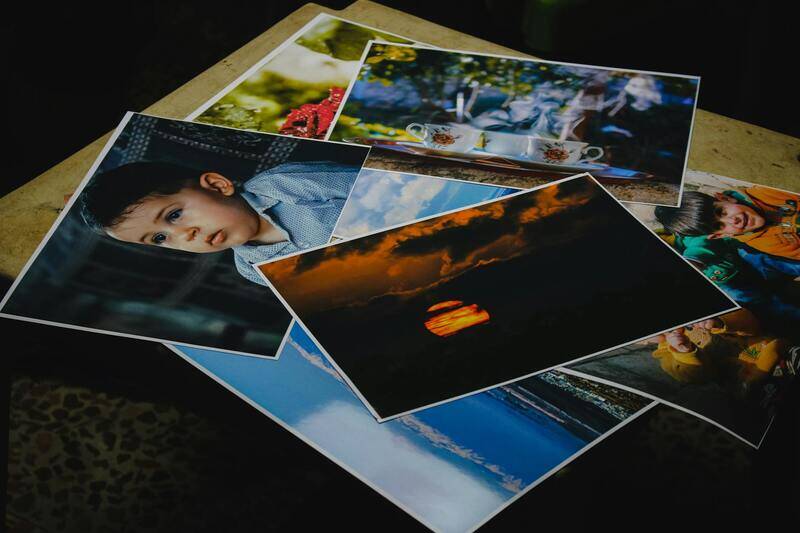
Customised card printing offers a vast array of design options to cater to various personal preferences and branding goals. The selection of materials plays a crucial role in defining the card's look and feel, ranging from traditional cardstock to more premium choices like metallic or transparent substrates. Colors can be customized using Pantone matching systems or CMYK processes, ensuring color accuracy and vibrancy that align with your branding standards or personal aesthetic. Textures and finishes, such as embossed, debossed, matte, gloss, or tactile coatings, add depth and tactile appeal, elevating the overall presentation of the card.
Adding images, logos, or text provides a personalized touch that can significantly enhance the card’s impact. High-resolution images ensure clarity and professionalism, while custom fonts and typography help convey the desired tone or message. Logos can be incorporated seamlessly into the design, whether for business branding, event invitations, or personal mementos. Advanced features include foil stamping, spot UV coating, and laser-cut edges, each contributing unique visual and tactile qualities that make the card stand out.
Printing techniques used in customised card printing
Several sophisticated printing techniques are employed to produce high-quality customised cards that meet diverse design requirements. Offset printing is preferred for large volume orders due to its precision, color consistency, and cost-efficiency, making it suitable for corporate branding and bulk invitations. Digital printing offers rapid turnaround times and is ideal for small to medium batches with quick customization needs, enabling intricate designs and variable data printing.
Letterpress and foil stamping are traditional printing methods that add a tactile and luxurious finish to cards, often used for special event invitations or premium business cards. Spot UV coating provides a glossy accent on specific design areas, creating contrast and visual interest. Embossing and debossing techniques create a three-dimensional effect, adding texture that enhances the tactile experience of the card. Combining these techniques allows for highly personalized and visually striking cards tailored to specific purposes.

Factors to consider when choosing a printing service
Selecting a reputable printing service is vital to ensure the final product aligns with your expectations and requirements. Key considerations include the provider’s experience in customised printing, the variety of materials and finishes they offer, and their adherence to quality standards. Review their portfolio or request samples to gauge the quality of their output. It is also essential to verify their technological capabilities, such as digital or offset printing proficiency, and the availability of advanced finishing options.
Customer service and communication are equally important. A responsive service team can provide valuable guidance on design, material choice, and finishing options, helping you achieve the desired result. Turnaround times, pricing transparency, and order minimums are practical factors to evaluate. Ensure the provider maintains high standards of accuracy and attention to detail during proofing and production stages, minimizing the risk of errors or delays.
Printing techniques used in customised card printing
Multiple high-quality printing techniques contribute to the creation of distinctive customised cards that meet diverse aesthetic and functional requirements. Digital printing, renowned for its quick turnaround and affordability, allows for intricate designs with a high degree of detail. This method is ideal for short-run projects, personalized variations, and complex images that require precise color matching. Additionally, digital printing supports variable data printing, enabling each card to carry a unique message or design tailored for individual recipients.
Foil stamping is a popular choice for adding a luxurious touch to customised cards. This technique involves applying metallic foils—such as gold, silver, or holographic finishes—using heat and pressure to create eye-catching accents on the surface of the card. Foil stamping enhances branding elements like logos or borders, giving the card a sophisticated, premium feel that stands out in any setting.
Embossing and debossing are tactile techniques that add dimension and texture to customised cards. Embossing raises specific design elements, such as logos or patterns, creating a three-dimensional effect that draws attention and adds a tactile experience. Conversely, debossing presses down certain areas for a subtle, elegant indented look. Both techniques are highly effective for elevating the perceived value of business or invitation cards, especially when combined with other finishes like foil or UV coating.
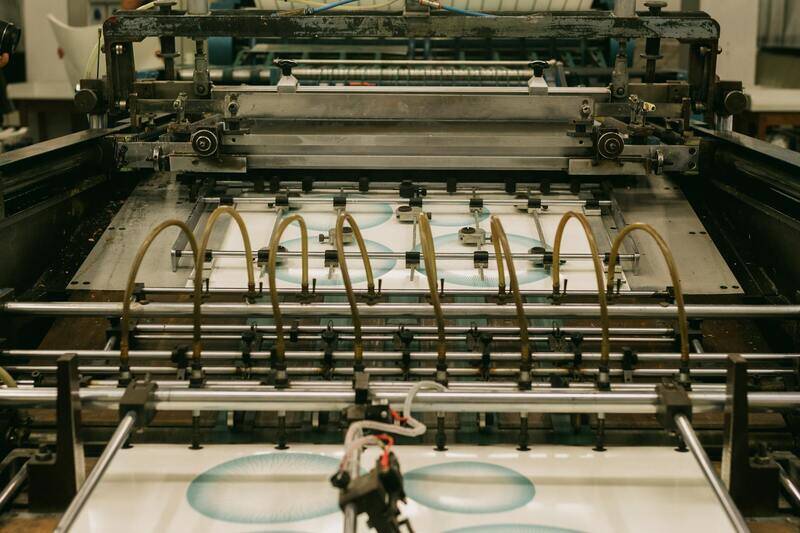
Offset printing remains a trusted method for producing large volumes of high-quality customised cards. It offers exceptional color fidelity and consistency, making it suitable for branding applications requiring precise color matching across batches. Offset printing is also versatile, accommodating various paper types and finishes, which broadens design possibilities for customised cards that need to adhere to specific branding guidelines or aesthetic preferences.
The choice of printing method hinges on the intended use, design complexity, budget, and desired visual impact. Combining different techniques—such as digital printing with foil accents or embossing—allows for a more personalized and refined final product, aligning with specific branding or event themes. Each technique offers unique benefits, and selecting the appropriate combination ensures that customised cards not only serve their functional purpose but also leave a lasting impression on recipients.
Design options and personalization features
When it comes to customizing cards, a wide array of design options and personalization features allow clients to craft unique and memorable items that perfectly reflect their purpose or brand identity. These features include a diverse selection of color schemes, font styles, imagery, and layout configurations that can be tailored to specific needs or preferences. Advanced tools enable precise positioning and scaling of design elements, ensuring that each card aligns with the intended aesthetic.
Personalization also extends to including variable data, such as individual names, titles, or unique QR codes. This level of customization is especially valuable in scenarios like corporate branding, where personalized employee or client cards enhance professionalism and recognition. Furthermore, textured finishes and specialty coatings can add multimodal sensory appeal, elevating the perceived value of the final product.
Many printing providers offer interactive design platforms that facilitate real-time customization, allowing clients to experiment with different options before finalizing their order. This collaborative approach ensures the final product meets precise specifications and expectations. Additionally, options for incorporating logos, brand symbols, or custom artwork provide consistency across multiple card designs, reinforcing brand recognition and loyalty.

Printing techniques used in customised card printing
To achieve high-quality and durable customised cards, various printing techniques are employed, each offering unique advantages and aesthetic effects. Digital printing is renowned for its speed and flexibility, ideal for short runs and highly detailed designs. It allows for quick turnaround times and easy integration of variable data, making it suitable for personalized cards with complex graphics or images.
Offset printing, on the other hand, is preferred for large volume orders that demand consistent color accuracy and sharp detail. It produces vivid, vibrant colors and smooth gradients, making it ideal for branding applications requiring precise color matching. The process involves transferring ink from plates onto the substrate, ensuring consistency across batches.
Specialty techniques like foil stamping, embossing, and UV coating further enhance the visual and tactile appeal of customised cards. Foil stamping applies metallic or pigmented foils to certain areas, creating eye-catching accents that communicate luxury or importance. Embossing adds dimensionality, elevating logos or key design elements, while UV coating provides a glossy finish that highlights specific sections of the card.

Factors to consider when choosing a printing service
Selecting the right provider for customised card printing involves evaluating several critical aspects to ensure optimal outcomes. Print quality is paramount, as sharp details, accurate colors, and durable finishes reflect professionalism and reinforce branding efforts. It’s essential to review samples or portfolios to assess the provider’s capabilities.
Turnaround time also plays a significant role, especially when deadlines are tight or for event-specific cards. A reliable service should offer clear timelines and efficient processes to meet your schedule. Pricing is another crucial consideration; obtaining detailed quotes that include all costs—from design to delivery—helps avoid surprises and allows for better budgeting.
Minimum order quantities may vary between providers, so understanding these limits ensures your project aligns with their policies. Customer service quality, including responsive communication and flexibility to accommodate custom requests, is vital for a smooth experience and satisfactory results.
Careful evaluation of these factors ensures that your customised cards not only meet your design ambitions but also adhere to your logistical and budgetary constraints.
Factors to Consider When Choosing a Printing Service
When selecting a provider for customised card printing, it is essential to evaluate several key aspects that will influence the final quality and success of your project. The reputation and experience of the printing company are crucial; established providers often have a portfolio of past work that demonstrates their capability to deliver high-quality products consistently. Reviewing their portfolio or requesting samples can provide insight into their craftsmanship and attention to detail.
Another vital consideration is the range of services and customization options available. A comprehensive service provider should offer a broad spectrum of design templates, finishes, and special effects that align with diverse branding needs or personal preferences. This flexibility enables tailored solutions that effectively communicate your message or aesthetic.
Print quality remains paramount—sharply rendered images, true-to-color results, and durable surfaces ensure your cards look professional and last over time. It is advisable to inquire about the printing technologies employed, such as digital or offset printing, and whether they utilize high-quality inks and materials to achieve optimal results.
Turnaround time is often a decisive factor, especially if your project is time-sensitive. Reliable printing services will provide clear estimates and efficient workflows to meet tight deadlines without compromising quality. Additionally, understanding the service provider’s capacity for bulk orders or small runs helps determine if they are suitable for your specific needs.
Pricing transparency is equally important. Request detailed quotes that include all potential costs, such as design fees, material upgrades, and shipping charges. This comprehensive overview allows for better budgeting and prevents surprises during the final billing process.
Minimum order quantities can vary significantly between providers. Clarifying these policies ensures your project aligns with their operational requirements and avoids unnecessary delays or additional costs. Moreover, customer support quality, including responsive communication and the willingness to accommodate custom requests, contributes greatly to a smooth and satisfactory experience.
Choosing the right printing partner involves a thorough assessment of these factors, ensuring your customised cards meet your visual expectations, logistical needs, and budget constraints. When these elements align, you can confidently proceed with a provider that will deliver results that reinforce your personal or corporate branding efforts effectively.

Design options and personalization features
Customised card printing offers a vast array of design possibilities, enabling clients to create unique cards that reflect their personal style or brand identity. Incorporating various design elements such as logos, mascots, patterns, or photographs enhances visual appeal and memorability. Advanced personalization features include the use of textures, embossed effects, foil stamping, and spot UV coating, which add tactile and visual depth to the cards, elevating their sophistication and prestige.
Many printing providers accommodate digital design uploads, allowing clients to submit their own artwork seamlessly. Others provide in-house design services, where professional graphic designers collaborate with clients to develop concepts that align with their objectives. This flexibility ensures that whether a client prefers a minimalist aesthetic or an elaborate, intricate design, tailored solutions are accessible.
Additionally, customization extends to the choice of materials and finishes. Options such as matte, gloss, or satin lamination not only influence the look and feel of the card but also impact durability. Edges can be rounded or custom-shaped to add a distinctive touch, further differentiating the card from standard options.
Printing techniques used in customised card printing
High-quality customised card printing leverages advanced techniques to achieve precise and vibrant results. Digital printing remains the most popular method for short runs and personalized designs, offering quick turnaround times and the ability to reproduce full-color images with excellent accuracy. Its suitability for intricate designs ensures that even complex graphics or photographs are rendered with clarity and detail.
Offset printing is another technique often employed for larger batches, providing superior color consistency and sharpness across multiple copies. This method is ideal for branding materials requiring uniformity, such as corporate ID cards or membership cards.
Specialty processes like hot foil stamping, embossing, and UV coating are utilized to add luxurious effects and tactile enhancements. Hot foil stamping injects metallic or pigmented foil onto the card surface, creating a shimmering or textured element that catches the eye. Embossing provides a raised effect, often used for logos or decorative patterns, adding depth and sophistication. UV coating enhances gloss and offers protection against scratches and fading, ensuring longevity and a premium finish.

Factors to consider when choosing a printing service
Selecting the appropriate printing partner involves evaluating several key criteria to ensure the outcomes meet expectations. First, consider their expertise and experience in customised card printing, especially their familiarity with different design styles and technical requirements. Proven track records and portfolio samples provide insight into their capabilities and consistency.
Quality assurance processes are critical; inquire about how they monitor color accuracy, material integrity, and finish consistency across orders. Look for providers that employ high-standard equipment and adhere to strict inspection protocols.
Turnaround time and flexibility within the production schedule are equally important, especially when deadlines are tight. Transparent communication regarding timelines and real-time updates can help manage project expectations effectively.
Cost structures should be clear with detailed quotes that include all potential fees. Value for money is achieved not solely through competitive pricing but through a comprehensive package of quality, service, and reliability. Customer support and the willingness to accommodate custom requests without excessive additional charges further solidify the choice of a printing partner.
Adaptability to order sizes, whether for small batches or bulk production, ensures that the service aligns with specific needs without compromising quality or efficiency.
Detailed Insights into Customised Card Printing Processes
Customised card printing is a meticulous process that combines advanced techniques and premium materials to deliver uniquely tailored cards for various needs. When selecting a service, it is vital to understand the core procedures involved, ensuring the final outcome aligns with your expectations and requirements.
Preparation and Design Finalization
The process begins with comprehensive design development. Clients are encouraged to collaborate closely with printing providers, providing high-resolution artwork and detailed specifications. This phase involves selecting appropriate dimensions, color schemes, and innovative design elements, which serve as foundational components for the printing process.

Material Selection
Choosing the right material significantly influences the durability, appearance, and tactile experience of the finished cards. Options typically include various types of paper, PVC, or specialty materials such as laminated or textured surfaces. Each material has specific characteristics suited to different applications, whether for business identification, promotional giveaways, or occasion-specific cards.
Printing Methods and Technology
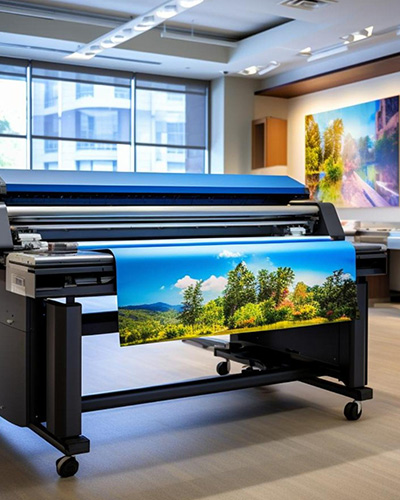
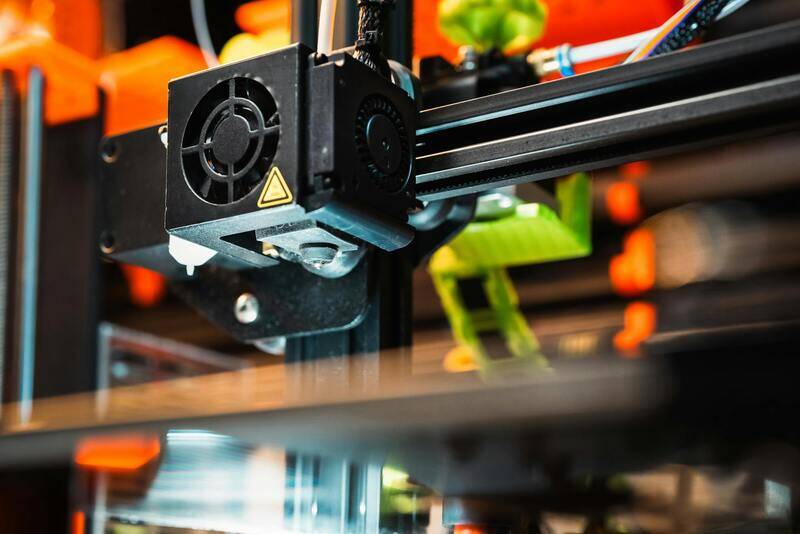
State-of-the-art printing machinery plays a central role in ensuring high-quality output. Techniques such as offset printing, digital printing, and UV printing are commonly employed, each offering unique advantages. Offset printing excels in large batch runs with consistent color accuracy, while digital printing provides flexibility for smaller quantities and rapid turnaround. UV printing allows for vibrant colors and textured effects on rigid surfaces.
Quality Control in Production
Rigorous quality assurance protocols involve multiple inspection stages to verify color fidelity, registration, and finishing quality. Modern printing facilities utilize automated systems and manual inspections to detect and rectify imperfections, delivering uniformly excellent results across all orders.
Post-Printing Processes
Final steps include cutting, lamination, embossing, and coating, which enhance durability, visual appeal, and tactile sensation. Custom finishes such as matte, gloss, or satin coatings can be applied to match specific branding or aesthetic requirements.
Image Placeholder: