
Overview of the Printing Industry in Singapore
The printing industry in Singapore presents a vibrant and dynamic sector that has evolved significantly over recent decades. Noted for its strong focus on technological innovation and high-quality standards, this industry supports a wide range of commercial and personal needs. From traditional offset and digital printing methods to sophisticated large-format print solutions, Singapore’s printing service providers cater to diverse market segments. As a major commercial hub, Singapore benefits from a strategic position that fosters a competitive environment, encouraging continuous growth and technological advancement.
The industry’s expansion is driven by the country's steady economic development, an increasing demand for marketing collateral, packaging, and personalized products. Leading companies in Singapore's printing sector are known for their resilience, leveraging state-of-the-art technology to deliver precise, efficient, and eco-friendly solutions. Market trends indicate a rising inclination toward on-demand printing, eco-conscious practices, and integration of digital workflows that streamline production processes and reduce turnaround times.
Major players in the industry range from well-established multinational corporations to agile local businesses, each contributing to a diverse and innovative landscape. These companies often collaborate with advertising agencies, manufacturing firms, and retail sectors, providing essential support in brand promotion and product presentation. As digital technology continues to permeate the industry, the adoption of cutting-edge printing techniques has become a key differentiator among providers.

Market insights further reveal a strong emphasis on quality assurance and compliance with international standards. This focus ensures that printed materials meet rigorous specifications, whether for commercial distribution or bespoke projects. As sustainability gains importance globally, Singapore’s printing industry is also adopting greener practices, including the use of eco-friendly inks and recycled substrates, aligning with environmental conservation goals.
Overall, the printing sector in Singapore is characterized by its resilience, adaptability, and commitment to excellence. Such attributes enable it to maintain a competitive edge within the regional and global marketplaces, continually driving innovation and meeting the evolving needs of clients across various industries. The convergence of technological innovation and high standards positions Singapore as a prominent hub for printing services in Southeast Asia.
Choosing a Printing Service Provider in Singapore
When selecting a printing partner in Singapore, it is essential to consider providers that adhere to strict quality standards and employ advanced technology. Reputable companies maintain transparency in their processes and communicate clearly about turnaround times, pricing, and capabilities. Look for providers with comprehensive portfolios that demonstrate versatility across various printing formats and media. Ensuring the provider can handle both small-scale custom jobs and large-volume commercial projects is crucial for seamless scalability.
Key factors include the provider’s commitment to quality assurance, use of eco-friendly materials, and ability to meet tight deadlines without compromising print quality. Firms with certified processes often invest in regular staff training and leverage the latest innovations in digital and offset printing to deliver consistent results. Customer reviews, industry reputation, and portfolio showcases serve as valuable indicators of a provider’s reliability and expertise.
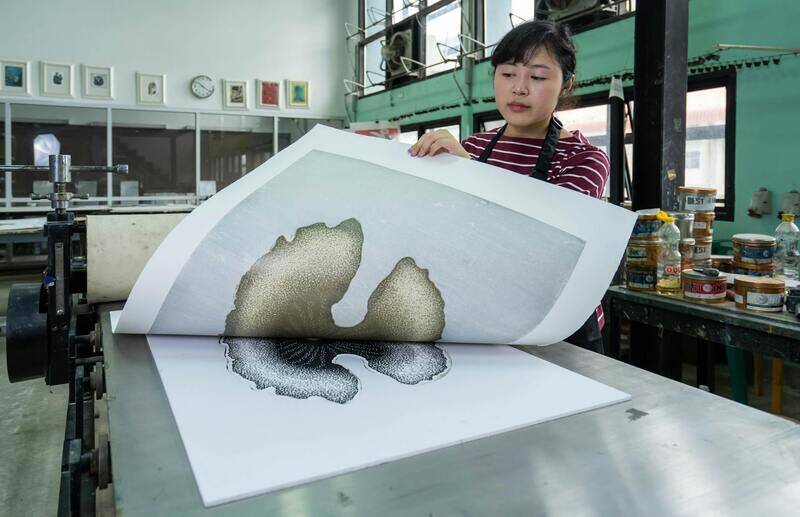
Additionally, consider whether the printing company offers consultation services to guide clients on best practices for material selection, color matching, and finishing techniques. Transparent pricing models that include detailed quotations help in budgeting effectively and avoiding unexpected costs. A professional provider will also have robust customer support to address post-printing queries or concerns promptly, ensuring a smooth and satisfactory experience.
Evaluating Technical Capabilities and Certification
Providers with ISO certifications and industry-standard accreditations demonstrate a commitment to quality and consistency. Check if the company utilizes environmental management systems, such as ISO 14001, which reflect their dedication to sustainable practices. Advanced facilities equipped with state-of-the-art machinery enable the production of intricate designs, high-resolution images, and specialized finishes. These technological proficiencies are vital for achieving precision and excellence across diverse printing requirements.

Beyond equipment, a consultative approach, industry experience, and a dedicated project management team contribute significantly to successful collaborations. The ability to adapt to unique project specifications while maintaining consistent quality is a testament to a provider’s professionalism. Clients should also inquire about the provider’s capacity to embed security features, such as QR codes or holograms, especially for high-value branding and official documents.
Importance of Local Presence and Support
Choosing a local printer offers advantages in terms of quicker turnaround times, easier consultation, and more personalized service. Local providers in Singapore often have well-established logistics networks, facilitating timely deliveries and reprints when necessary. Their familiarity with regional preferences and standards ensures that printed materials resonate effectively with the target audience. Effective communication and on-site support foster trust and project success, making local providers a compelling choice for diverse printing needs.
Overview of the Printing Industry in Singapore
Singapore's printing industry is a cornerstone of the nation’s vibrant commercial landscape, reflecting a blend of tradition and innovation. With its strategic location and highly developed infrastructure, the industry has evolved into a hub for high-quality, efficient printing solutions tailored to diverse client needs. The sector supports a wide array of sectors including retail, corporate, government, and education, providing essential services that facilitate communication, branding, and documentation. The industry’s growth trajectory is bolstered by a steady influx of technological advances, a skilled workforce, and a strong focus on quality assurance, which collectively help maintain Singapore’s reputation as an international center for printing excellence.

Amid rising global demands, Singapore’s printing industry emphasizes sustainability and innovation, integrating eco-friendly practices while upholding the highest standards of output. This commitment to excellence and responsibility enables local printers to meet both domestic and international standards, positioning Singapore as a preferred destination for a broad spectrum of printing requirements.
Types of Printing Services Available in Singapore
The variety of printing services offered by Singapore-based providers is as diverse as the needs of its clientele. These services encompass digital printing, offset printing, large-format printing, screen printing, and specialty printing, each suited to specific applications and project scopes. Digital printing is prized for its speed and flexibility, making it ideal for short runs, personalized projects, and on-demand printing. Offset printing, renowned for its high quality and cost efficiency on larger quantities, is frequently used for commercial publications, corporate brochures, and magazines.
Large-format printing serves sectors requiring billboard, signage, and display graphics, leveraging high-resolution imaging capabilities to deliver impactful visual communication. Screen printing remains a popular choice for apparel, promotional items, and custom merchandise, where durability and vibrant colors are required. Specialty printing techniques, such as embossing, foil stamping, and textured finishes, are also offered by innovative providers to add value and distinction to marketing collateral and packaging materials.

Customization and Personalization
Many local printing companies excel at delivering customized solutions, enabling businesses and individuals to create personalized products that stand out. This includes bespoke packaging, tailored promotional materials, and limited-edition prints. The integration of cutting-edge digital printing technologies facilitates intricate designs and variable data printing, making it possible to produce highly individualized items efficiently and at scale.
Specialized Printing for Business Needs
For corporate requirements, printers in Singapore often provide security printing, variable data printing, and high-security document printing. These services are crucial for handling sensitive information, official documents, and brand protections. High-quality printing coupled with secure methods ensures that the integrity of official communications and branded materials is preserved, supporting organizations’ operational and reputational integrity.
As technological capabilities continue to expand, the scope of available services broadens, allowing businesses to leverage innovative print solutions to enhance their branding, marketing, and internal communications. Local providers are well-equipped to adapt to these evolving demands, offering comprehensive support that aligns with current industry standards and client expectations.
Legal and Quality Standards for Printing in Singapore
Ensuring adherence to established standards is fundamental to maintaining the reputation and reliability of printing services in Singapore. Reputable printing providers implement robust quality assurance processes, from the selection of materials to the final inspection of each printed product. These measures guarantee consistent output that meets specified specifications and customer expectations. Additionally, compliance with Singapore’s environmental regulations is enforced throughout the printing process, emphasizing sustainable practices and responsible resource management.
For businesses and individuals seeking printing solutions, it is essential to partner with providers who operate within recognized frameworks for quality management. Certifications such as ISO standards for quality and environmental management serve as indicators of a company’s commitment to excellence. Printing companies that prioritize these standards demonstrate their dedication to delivering reliable, durable, and visually appealing products while minimizing environmental impact.

State-of-the-art printing facilities in Singapore are equipped with advanced machinery capable of producing consistent colors, sharp images, and high-resolution outputs. These systems undergo regular calibration and maintenance to prevent discrepancies and ensure each print run meets precise specifications. Implementing strict quality control processes, including color matching, print stability, and durability testing, further assures clients of the longevity and visual appeal of their printed materials.
Legitimate printing service providers also comply with Singapore’s advertising and labeling regulations, especially when producing materials such as packaging, promotional items, or branded collateral. This compliance not only preserves legal integrity but also enhances consumer trust and brand credibility. In terms of digital security, trustworthy printers employ secure handling of sensitive data involved in variable data printing and personalized campaigns, protecting client confidentiality throughout all stages of production.
Transparency in pricing, turnaround times, and production capabilities are typical of established printing companies in Singapore. These providers often offer detailed quotations, clear communication channels, and comprehensive after-sales support to address client concerns promptly. By adhering to rigorous standards, local printers ensure that their services are consistent, dependable, and aligned with industry best practices, reinforcing Singapore’s reputation as a hub for high-quality print solutions.
Legal and Quality Standards for Printing in Singapore
Maintaining high standards is essential for ensuring that printed materials meet both industry benchmarks and client expectations. Singapore's printing sector adheres to stringent legal and quality frameworks that govern the entire production process, from initial design to final delivery. These standards help to guarantee that printed outputs are consistent, safe, and reliable, reflecting professionalism and commitment to excellence.
Regulatory compliance in printing includes adherence to environmental guidelines, safety standards, and proper handling of materials. Responsible printing companies implement protocols designed to minimize environmental impact, conserve resources, and reduce waste. This commitment aligns with Singapore's broader initiatives to promote sustainable industrial practices, ensuring that printing activities contribute positively to the community and environment.
Quality assurance is reinforced through rigorous inspections, calibration of printing machinery, and continuous staff training. Many providers obtain industry-specific certifications that attest to their ability to meet national and international quality standards. These certifications often pertain to aspects such as color accuracy, print durability, and adherence to safety protocols, offering clients added confidence in the reliability of the services provided.

For companies requiring precise branding materials or promotional collateral, working with a printing provider that complies with robust quality standards is vital. It minimizes the risk of errors and enhances brand integrity. Additionally, print providers that prioritize legal compliance also ensure that their materials meet regulatory specifications for advertising and labeling, which is particularly critical for packaging, food labels, and health-related products.
Transparency in quality management processes, clear documentation, and a proven track record of meeting deadlines are typical attributes of reputable printing firms in Singapore. This ensures clients receive products that meet their specifications and maintain a high standard for visual appeal and durability.
Overview of the Printing Industry in Singapore
The Singapore printing industry is a dynamic sector that integrates traditional craftsmanship with cutting-edge technology. As a hub for international commerce and innovation, Singapore hosts a multitude of printing service providers that cater to a diverse range of business and individual needs. The industry plays a crucial role in supporting branding, advertising, education, and packaging, contributing significantly to the country’s economic vitality.

Singapore’s strategic location and robust infrastructure have facilitated the development of a competitive, high-quality printing landscape. Many providers leverage the latest technological advancements, such as digital printing, large-format printing, and eco-friendly printing options, to meet the evolving demands of clients. The industry’s focus on innovation and quality ensures a steady supply of printed materials that align with global standards.
Types of Printing Services Available in Singapore
In Singapore, the range of printing services is extensive, spanning various specialized fields to address specific needs:
- Digital Printing: Ideal for short runs and personalized printing projects, offering quick turnaround times and cost efficiency.
- Offset Printing: Suitable for large volume orders requiring high precision and consistent quality, often used in publishing and packaging.
- Large-Format Printing: Employed for banners, posters, and signage, utilizing wide-format digital printers to produce vivid displays.
- 3D Printing: Emerging as a significant area, enabling prototypes, models, and custom manufacturing solutions.
- Specialty Printing: Including foil stamping, embossing, and UV coating for premium marketing materials and packaging.
Choosing a Printing Service Provider in Singapore
Clients seeking printing services should prioritize providers with extensive industry experience, a strong portfolio, and adherence to strict quality standards. Evaluating a potential partner involves examining their technological capabilities, turnaround times, and customer reviews. Transparent communication and detailed project quotations help ensure mutual understanding and alignment of expectations. Moreover, a reliable printing provider should demonstrate a commitment to sustainability and environmentally responsible practices, reflecting Singapore’s national initiatives for green industry development.
Criteria for selection include:
- Verification of technical expertise and equipment capabilities
- Assessment of quality assurance processes
- Recognition by industry standards and certifications
- Flexibility in handling custom or complex projects
- Competitive pricing and clear service terms

Common Printing Products in Singapore
Singapore’s printing industry supports a broad spectrum of printed items essential for business and personal applications:
- Business Stationery: Business cards, letterheads, envelopes, and official forms that enhance corporate branding.
- Marketing Collateral: Brochures, flyers, posters, and catalogs designed to attract and inform customers.
- Packaging Solutions: Customized boxes, labels, and wrappers that align with product branding and safety regulations.
- Event Materials: Banners, backdrops, and invitation cards for exhibitions, conferences, and special events.
- Promotional Items: Customized merchandise, pop displays, and other items to boost marketing campaigns.
Environmental Practices and Sustainability in Singapore Printing
In alignment with Singapore’s national commitment to sustainability, printing companies actively adopt eco-friendly practices. These include the use of vegetable-based inks, recyclable substrates, and energy-efficient machinery. Many providers participate in environmentally certified programs, ensuring their operations minimize waste and reduce carbon emissions. Such practices not only demonstrate environmental responsibility but also appeal to eco-conscious clients seeking sustainable solutions.
Implementing sustainable practices often involves the careful selection of environmentally friendly raw materials, recycling waste inks and paper, and optimizing production processes to reduce energy consumption. These initiatives are vital in maintaining the industry’s reputation and aligning with Singapore’s broader environmental goals.
Legal and Quality Standards for Printing in Singapore
Adherence to established legal and quality norms is essential for printing service providers aiming to uphold industry standards and ensure customer satisfaction. Singapore’s printing industry operates under a comprehensive framework that governs the standards of production, safety, and environmental compliance. These standards help maintain consistency, reliability, and high-quality output across various printing products and services.
To guarantee the integrity and consistency of printed materials, providers often align their operations with certifications like ISO 9001 for quality management. This certification emphasizes continuous improvement, customer focus, and process consistency. By integrating ISO standards, printers demonstrate their commitment to delivering dependable products that meet client specifications and regulatory requirements.
Furthermore, adherence to intellectual property rights is strictly observed in Singapore’s printing industry. Official licensing and procurement channels ensure the use of authorized images, logos, and content, preventing infringement issues. Printers often sign confidentiality agreements with clients, especially when handling sensitive or proprietary information. Such practices reinforce trust and safeguard the interests of all parties involved.
Quality assurance procedures are integral to the printing process. Many companies implement rigorous checks at multiple stages—from proofing, color matching, and material verification to final inspection—to ensure identical reproduction and defect-free outputs. Modern quality standards also require that equipment maintenance is performed routinely to prevent malfunctions and ensure consistent performance.

Singapore’s regulatory environment promotes responsible practices such as waste management, responsible sourcing of raw materials, and adherence to environmental directives, including the use of non-toxic, eco-friendly inks and recyclable substrates. These policies not only demonstrate compliance with national environmental goals but also appeal to clients who prioritize sustainability and corporate responsibility.
Regular audits and industry inspections are common to verify compliance with these standards. Certifications are issued to companies that demonstrate consistent adherence, fostering a competitive market that values high quality and responsible practices. This ongoing process ensures that all printers in Singapore meet the high expectations of both local and international clients, maintaining the country’s reputation as a global printing hub.
Legal and Quality Standards for Printing in Singapore
Operating within Singapore’s printing sector requires adherence to a comprehensive framework of industry standards that uphold quality, safety, and environmental considerations. These standards facilitate consistent output quality and foster trust among clients, suppliers, and regulatory bodies. Ensuring compliance involves rigorous quality assurance protocols that encompass every stage of the printing process, from raw material procurement through production, finishing, and delivery.
Industry Regulations and Compliance
Singapore’s printing companies are subject to a variety of regulations designed to maintain high standards of safety, quality, and environmental responsibility. These regulations are enforced by government agencies such as the National Environment Agency (NEA) and the Singapore Food Agency (SFA), depending on the specific materials and processes involved.
Manufacturers and service providers are mandated to conform to guidelines on waste management, pollution control, and responsible sourcing of raw materials. This involves the proper disposal of chemical wastes, utilization of eco-friendly inks, and sourcing recyclable substrates whenever possible. Such practices are essential not only for legal compliance but also for minimizing environmental impact and promoting sustainable industry growth.
Quality Assurance Protocols
Quality assurance in Singapore’s printing industry is characterized by multi-layered checks to ensure outputs meet precise specifications. Companies often employ advanced monitoring tools such as spectrophotometers and color management systems to match colors accurately and maintain consistency across print runs. Routine calibration of equipment and upkeep routines are vital to prevent malfunctions that could compromise the quality of printed materials.
To verify quality, many companies implement ISO standards—such as ISO 12647 (process control for graphic technology)—which specify requirements for color consistency, imaging accuracy, and workflow management. Adherence to these standards demonstrates a commitment to excellence and provides clients with confidence in the reliability of the printing services.
Certification and Auditing
Regular audits by third-party organizations or internal quality teams help ensure ongoing compliance with established standards. Companies may obtain certifications such as ISO 9001 (Quality Management Systems) and ISO 14001 (Environmental Management), which serve as benchmarks of their dedication to quality and sustainability. These certifications can improve a company's competitiveness and appeal to clients seeking responsible printing practices.
Ensuring Data Security and Confidentiality
For clients requiring confidential printing, legitimate companies employ secure handling procedures for sensitive information. They implement unique access controls, encrypted data transfers, and secure disposal methods for printed materials. Staff training on confidentiality and data privacy is a priority to maintain trust and uphold professional standards in handling proprietary information.