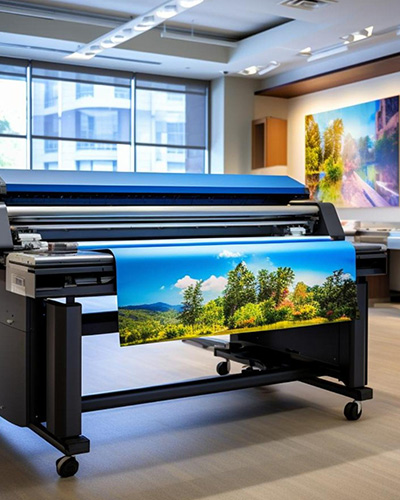
Overview of Digital Printing in Singapore
Digital printing has become a cornerstone of Singapore’s vibrant print industry, driven by technological advancements, increasing demand for personalized products, and diverse application needs across sectors. The digital printing industry in Singapore is characterized by rapid growth, responsive to the dynamic market landscape and technological innovation. It caters to a broad spectrum of clients, including corporate entities, small businesses, artists, and individual consumers, fulfilling various needs ranging from promotional materials to custom art pieces.
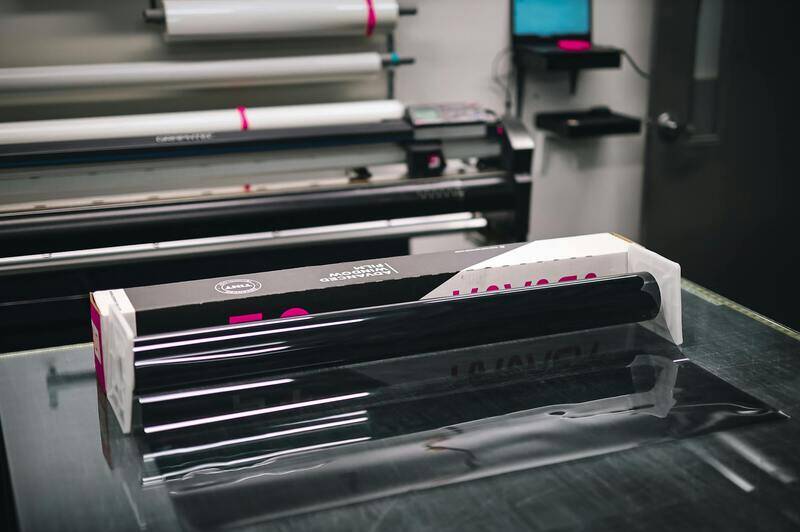
Key applications of digital printing within Singapore include commercial printing, promotional banners, vehicle wraps, personalized packaging, direct mailing campaigns, and bespoke art printing. Its versatility and efficiency have made it a preferred choice for producing high-quality print products quickly and cost-effectively. As the local economy continues to favor on-demand production and customization, digital printing's role in supporting innovative marketing strategies and creative projects becomes increasingly vital.
For many Singaporean businesses, digital printing offers an effective solution to meet tight deadlines without compromising on quality. The technology's capacity for short-run and large-format printing has transformed traditional workflows, enabling faster turnarounds and greater flexibility. Consumers also benefit from the ability to obtain personalized items, including photo books, custom apparel, and unique art pieces, directly fostering a culture of individuality and expression.
The growth of digital printing in Singapore is further bolstered by a robust network of printservice providers committed to quality standards and customer satisfaction. These businesses invest in cutting-edge equipment and skilled personnel to ensure precision, durability, and vibrant color reproduction. Overall, digital printing in Singapore not only supports commercial and creative ventures but also aligns with the country’s emphasis on innovation and eco-friendly practices, establishing a resilient and progressive industry landscape.
Types of Digital Printing Technologies Used
Singapore's digital printing industry leverages a variety of advanced technologies to meet diverse client demands, ensuring high-quality results across multiple applications. The primary digital printing methods include inkjet printing and laser printing, each with unique features, advantages, and specific use cases that cater to the dynamic market needs.
Inkjet Printing
Inkjet printing remains a dominant technology in Singapore, especially valued for its versatility and ability to produce detailed, vibrant images. This method involves propelling tiny droplets of liquid ink directly onto substrates such as paper, canvas, or vinyl. It is frequently utilized for large-format printing, including banners, posters, and art reproductions, thanks to its capacity for high-resolution output and rich color saturation.
One of the key advantages of inkjet technology is its flexibility in terms of substrate options. It can print on various materials, from standard paper to specialized textiles and plastics, enabling a broad spectrum of creative and commercial applications. Modern inkjet printers also incorporate sophisticated color management systems, ensuring precise color matching and consistency across batches, vital for branding and marketing collateral.
Laser Printing
Laser printing offers high-speed, precise output that is particularly well-suited for transactional documents, business reports, and white-centered printing requiring sharp text and graphics. This method utilizes a laser beam to transfer toner particles onto paper through an electrostatic process. Laser prints are known for their crisp detail, speed, and durability, making them a popular choice for bulk print runs and professional office settings.
In Singapore, laser digital printers are frequently employed for enterprise-level document printing, offering excellent efficiency for high-volume needs. Advances in toner technology have improved color richness and printing longevity, allowing for high-quality packaging prototypes and marketing materials that demand both visual appeal and durability.
Hybrid and Specialized Technologies
Beyond traditional inkjet and laser printing, Singapore also benefits from hybrid digital printing technologies. These systems combine features from different methods, providing enhanced versatility and efficiency, particularly in production environments where short-run customization and quick turnaround times are crucial.
Additionally, specialized digital printing techniques such as UV printing, which uses ultraviolet light to cure inks instantly on non-porous surfaces, are gaining popularity. UV printing allows for high-adherence on materials like acrylics, metals, and glass, broadening the scope of creative and industrial applications.

In summary, the selection of digital printing technology in Singapore hinges on specific project requirements, including substrate type, volume, detail resolution, and turnaround times. Keeping abreast of technological advancements ensures businesses can optimize quality, efficiency, and sustainability in their printing processes.
Overview of Digital Printing in Singapore
Digital printing in Singapore has become an integral part of the local printing industry, driven by the need for rapid turnaround times, high-quality outputs, and customizable solutions. As a technologically advanced city-state, Singapore hosts numerous digital printing providers equipped with cutting-edge machinery capable of producing a wide array of products ranging from marketing materials to industrial prototypes. The industry's evolution has been marked by the adoption of sophisticated digital printing methods that handle diverse substrates, including paper, textiles, acrylics, and metals. This versatility allows businesses across sectors such as advertising, retail, manufacturing, and art to meet their specific visual communication and functional requirements efficiently.

Singapore's digital printing landscape is characterized by a blend of innovative technology and adherence to high standards of quality and service. The swift response times, precise color matching, and ability to produce short runs with minimal setup make digital printing a preferred choice for many organizations. Furthermore, the emphasis on environmentally friendly practices and sustainable materials aligns with global trends toward green manufacturing, making digital printing in Singapore both forward-thinking and eco-conscious. Whether for commercial campaigns, personalized products, or industrial applications, digital printing services in Singapore are positioned to support the dynamic needs of local and international clients.
Types of Digital Printing Technologies Used
Singapore's digital printing industry employs a variety of advanced technologies, each suitable for different applications and substrates:
- Inkjet Printing: Known for its high-resolution output and versatility, inkjet printing is used extensively in large-format signage, fine-art reproductions, and customized promotional items. Modern inkjet printers in Singapore utilize UV-curable inks that adhere well to non-porous surfaces like glass and metal, expanding creative possibilities.
- Laser Digital Printing: Ideal for high-volume, quick-turnaround document printing, laser machines in Singapore ensure sharp text, vibrant color, and consistent quality. Advancements in toner formulations have improved color accuracy and lifespan, making them suitable for packaging prototypes and marketing collaterals requiring durability.
- Hybrid Technologies: Combining features from inkjet and laser systems, hybrid digital printers offer enhanced flexibility, particularly for short-run manufacturing with complex finishing needs. These systems are favored in production environments that demand rapid changes and bespoke outputs.
- UV Printing: Employing ultraviolet light to instantly cure inks, UV printing excels on rigid, non-porous materials like acrylic, wood, and metal. The speed and adhesion quality of UV printing make it popular for industrial applications, displays, and decorative panels.
Understanding the strengths and limitations of each technology allows businesses in Singapore to select the most appropriate printing method tailored to their project goals, substrate type, volume, and desired outcome. Continuous innovation ensures that these technologies remain at the forefront of quality, efficiency, and sustainability.

Factors to Consider When Choosing a Digital Printing Provider
When selecting a digital printing partner in Singapore, several critical factors must be evaluated to ensure that the service aligns with your project requirements and business objectives. The quality of the output remains paramount; providers should demonstrate consistent color accuracy, sharpness, and finishing weaves that meet industry standards. It is advisable to request sample prints to verify that the provider's capabilities match your expectations, especially for complex or high-value projects.
Turnaround time is another essential aspect to consider. Timely delivery can significantly impact marketing campaigns, event preparations, and inventory management. Reliable digital printing services should offer clear timelines, with the flexibility to accommodate urgent requests without compromising quality. This often involves streamlined workflows and advanced equipment that can handle high-volume orders efficiently.
Cost-effectiveness remains a pivotal consideration, but it should not overshadow quality and reliability. Transparent pricing structures, without hidden charges, allow for better budgeting and project planning. Comparing quotes from multiple providers helps identify competitive yet dependable options suited for different project scopes.
Technological capabilities also play a vital role. Advanced digital printers equipped with the latest hardware and software enable a broader range of substrates, higher resolution outputs, and innovative finishing options. A provider that invests in state-of-the-art equipment and stays updated with industry innovations is more likely to deliver cutting-edge products that meet evolving market demands.
Additionally, assess the environmental practices of potential vendors. Eco-friendly initiatives, such as the use of recyclable materials, environmentally safe inks, and energy-efficient machinery, reflect a commitment to sustainability which increasingly influences procurement decisions in Singapore’s corporate landscape. Ensuring that your chosen digital printing provider adheres to established environmental standards can contribute positively to your brand image and impact.
Support services and after-sales assistance are also crucial. A comprehensive support system, including clear communication channels, technical assistance, and prompt resolution of issues, ensures smooth project execution. Many established print service providers maintain dedicated customer service teams that cater to bespoke requests, provide guidance on best practices, and ensure overall satisfaction.

In essence, choosing the right digital printing service provider involves a holistic evaluation of technical capabilities, service quality, environmental responsibility, and operational efficiency. By prioritizing these aspects, businesses in Singapore can secure a trusted partner capable of fulfilling diverse printing needs with precision and professionalism.
Legal and Quality Standards in Digital Printing
Maintaining adherence to established standards and regulations is essential for ensuring the quality, safety, and consistency of digital printing outputs in Singapore. Industry certification programs and quality assurance processes serve as benchmarks that confirm a service provider’s commitment to excellence. When selecting a digital printing partner, it is advisable to verify that they comply with relevant standards such as ISO certifications, which cover quality management (ISO 9001), environmental management (ISO 14001), and other applicable industry-specific protocols.
Adherence to these standards ensures that the digital printing services delivered meet rigorous specifications for color accuracy, resolution, material durability, and safety. Consistent quality control measures, including regular equipment calibration and staff training, are fundamental practices that support this compliance. Clients can expect reliable, high-quality results when working with providers committed to these stringent quality protocols.
In addition to quality standards, digital printing companies often implement comprehensive safety procedures to safeguard workers and the environment. These can include proper handling and disposal of inks, chemicals, and waste materials, aligning with Singapore’s environmental and safety regulations. Ensuring that a provider follows such safety practices demonstrates their dedication to operational responsibility and professional integrity.

Clients should also consider reviewing the provider’s portfolio and requesting samples to assess their ability to meet specific standards for color fidelity, image sharpness, and material compatibility. Transparent communication about quality benchmarks and assurances helps establish trust and ensures that the final output aligns with project expectations.
Ultimately, selecting a digital printing service that prioritizes adherence to proven quality and safety standards is vital for achieving results that are not only visually appealing but also durable and compliant with industry expectations. This diligence supports the long-term success of branding, promotional, or operational initiatives that depend on high-quality printed materials in Singapore’s competitive marketplace.
Legal and Quality Standards in Digital Printing
Adherence to established legal and industry-specific quality standards is essential for maintaining reliability and trustworthiness in digital printing services across Singapore. A reputable provider actively complies with rigorous standards that govern the production and handling of printed materials, ensuring that every project meets the highest benchmarks for quality, consistency, and durability.
Quality assurance in digital printing involves comprehensive processes that include precise calibration of print devices, regular maintenance, and validation of color accuracy. These procedures help guarantee that each print run maintains uniformity, matching the original design specifications accurately. Strictly enforced quality control protocols minimize discrepancies, reduce waste, and uphold the integrity of every piece produced.
Operational transparency is another key aspect of maintaining high standards. Digital printing companies committed to quality standards typically offer detailed documentation of their processes, certifications, and compliance with relevant regulations. This documentation provides clients with confidence that their printed materials are created using legitimate, industry-approved methods.

From the selection of premium, compliant inks to the calibration of digital presses, every step is designed to meet the technical specifications mandated by Singapore’s industry guidelines. For instance, some providers align their processes with international standards like ISO certifications, which serve as a benchmark for quality management systems.
Customers are encouraged to verify the credentials of their chosen digital printing provider, including certifications and memberships with recognized industry organizations. Such affiliations often indicate a company's commitment to continuous improvement and adherence to evolving standards.
Additionally, quality standards extend beyond the printing process to include environmental considerations and safety practices. Responsible providers implement measures that protect workers and reduce ecological impact, such as utilizing eco-friendly inks and managing waste responsibly. These practices not only demonstrate adherence to legal expectations but also reflect the company’s dedication to sustainable operations.
In summary, rigorous compliance with legal and quality standards in digital printing directly influences the durability, appearance, and safety of the final product. Engaging a provider with proven adherence to these standards ensures that printed materials in Singapore meet the necessary technical, aesthetic, and safety requirements, leading to superior results that satisfy client expectations and industry benchmarks.
Legal and Quality Standards in Digital Printing
Adherence to stringent industry standards is fundamental to ensuring the consistency, safety, and high quality of digital printed materials in Singapore. Digital printing providers commit to rigorous protocols that encompass equipment calibration, ink quality, and material handling, fostering reliable output that aligns with established benchmarks.
Certification and accreditation serve as key indicators of a company’s dedication to maintaining high standards. Professional providers often pursue awards and memberships with reputable industry organizations, such as the Singapore Printing Association or regional quality assurance bodies. These affiliations reflect a company's proactive approach to staying updated with evolving technologies and compliance requirements.

Quality assurance processes are embedded at every stage of digital printing, from pre-press preparations to post-production inspections. These procedures typically include color management systems to guarantee color accuracy, print resolution checks for crispness and detail, and sample evaluations before full-scale production. The meticulous calibration of digital presses ensures minimal deviation, even across large-volume projects.
Environmental considerations are integrated into quality standards, emphasizing the use of eco-friendly inks, waste reduction measures, and sustainable sourcing of materials. Such practices align with Singapore’s commitment to environmental sustainability and demonstrate responsible operational standards within the industry.
Operational safety is also a key component of quality standards. Strict safety protocols for handling chemicals, inks, and machinery contribute to a secure working environment. Transparent documentation of these measures not only fulfills legal requirements but also bolsters client confidence in the reliability and professionalism of the printing service provider.

Ultimately, compliance with both technical and safety standards directly influences the durability and visual appeal of printed materials. High-quality digital prints produced under certified processes are less likely to suffer from issues such as fading, color inconsistencies, or material degradation. For businesses seeking dependable printing solutions, partnering with providers that uphold recognized standards ensures excellence in every project, fostering brand integrity and customer satisfaction.
Legal and Quality Standards in Digital Printing
Adherence to established legal and quality standards is fundamental to delivering reliable digital printing services that meet client expectations and regulatory benchmarks alike. Quality assurance processes are integral in maintaining consistency, durability, and color accuracy across varied printing projects, ensuring each output aligns with predefined specifications. These processes are often reinforced through rigorous inspections, calibration routines, and continuous process improvements, which help identify and rectify potential issues before final output.
Regulatory compliance within Singapore's digital printing industry involves strict adherence to environmental regulations, occupational safety standards, and chemical handling protocols. Sustainable practices, such as utilizing eco-friendly inks and responsibly sourcing raw materials, not only align with national commitments to environmental preservation but also enhance the reputation of printing service providers. Additionally, manufacturers and service providers must observe safety standards for the operation of digital presses, including proper maintenance routines and protective measures, to ensure a safe working environment.
Certification and accreditation play a crucial role in underscoring the credibility of digital printing companies. These benchmarks often include ISO certifications, which demonstrate compliance with international quality standards, and industry-specific awards that recognize excellence in service delivery. Clients are increasingly prioritizing providers with verified credentials, reinforcing trust and confidence in the quality of the printed materials.

For businesses, selecting a digital printing partner involves evaluating the provider’s commitment to quality assurance, their adherence to safety and environmental regulations, and their capacity for transparency through documented quality procedures. This comprehensive approach guarantees consistent performance, minimizes risk, and aligns with the company’s branding and operational standards.
- Review the company’s compliance with environmental and safety regulations.
- Assess the provider’s certifications, such as ISO or industry awards.
- Request detailed documentation of quality assurance processes.
- Examine the company’s track record in delivering consistent, high-quality outputs.
- Ensure that the digital printing provider uses eco-friendly inks and sustainable sourcing methods.
By prioritizing these aspects, businesses can foster productive collaborations with digital printing companies that uphold high standards, delivering print solutions that are both visually impressive and operationally sound. This not only supports the integrity of the brand but also promotes a responsible approach to production within Singapore’s vibrant digital printing industry.