Understanding Full Colour Printing
Full colour printing, often referred to as four-colour process printing, is a widely utilized method in the printing industry that produces vibrant, detailed, and accurate color reproductions. This technique employs the combination of four primary inks—cyan, magenta, yellow, and black (CMYK)—to create a comprehensive palette capable of representing most images and designs with high fidelity. The essence of full colour printing lies in its ability to translate digital images and graphics into physical formats with consistent quality and colour depth.
Unlike monochrome or single-colour printing, which restricts output to one or two hues, full colour printing captures the subtle nuances and gradients present in photographs, branding materials, and promotional items. This process involves precise calibration of the printing machinery and colour management systems to ensure that the printed colours accurately match the original digital file. This meticulous process requires a thorough understanding of colour theory, ink behaviour, and substrate interaction, making it a complex but highly effective method of printing.
Fundamentally, full colour printing can be executed through various techniques and equipment types, including offset printing, digital printing, and flexography, each suited for different types of projects and volume requirements. Offset printing, for example, is preferred for large runs due to its cost-efficiency and high quality, whereas digital printing offers quicker turnaround times and is more flexible for short runs or customized designs. Regardless of the method, the core principle involves layering the CMYK inks in precise halftone patterns to produce a seamless and vibrant reproduction of the original artwork.
Overall, full colour printing is essential for those seeking superior visual impact and detail in their marketing, branding, or artistic projects. Its capacity to faithfully reproduce complex images and fine gradients distinguishes it from other printing options, providing clients with high-quality results that resonate with their target audiences. Mastery of this process ensures that businesses and designers can effectively communicate their message with clarity and visual appeal, making full colour printing a cornerstone of professional print services.
Understanding Full Colour Printing
Full colour printing, also known as four-colour process printing, employs a sophisticated approach to reproduce vibrant and detailed images. This process synthesizes a broad spectrum of colours through the layering of cyan, magenta, yellow, and black inks—collectively referred to as CMYK. These inks are applied in halftone patterns that blend seamlessly, rendering images with high fidelity and striking colour richness. It is essential to grasp that every element of the digital file—be it photographs, graphics, or gradients—must be meticulously prepared to ensure accurate colour reproduction in the final print.
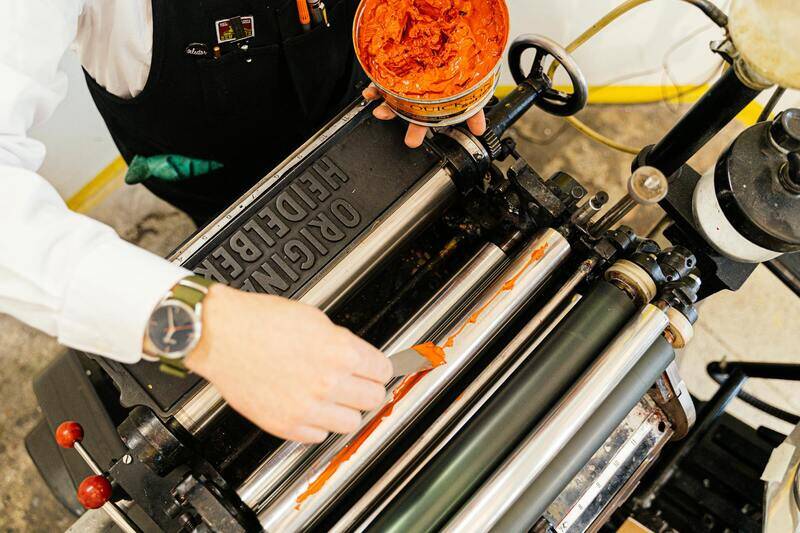
Achieving this level of quality hinges upon precise colour management, which involves calibrating printers and monitors, selecting appropriate colour profiles, and maintaining consistent inks and substrates. These steps ensure that the printed output remains true to the original digital artwork. Full colour printing is particularly valued in branding and marketing, where visual impact is paramount. Whether for promotional posters, business cards, or product packaging, this method offers exceptional detail and colour vibrancy that captivates viewers and communicates messages effectively.
Advanced printing equipment, such as offset presses and high-end digital printers, facilitate this process. Offset printing is often chosen for large-volume orders because it offers cost efficiency without compromising quality. Conversely, digital printers provide advantages for short runs, allowing for quick adjustments and personalised designs. Regardless of the technique, the core process involves transferring ink from plates or toners onto substrates with pinpoint consistency, ensuring that every detail and gradient is faithfully reproduced.
Common Techniques for Full Colour Printing
Understanding the different methods used for full colour printing helps in selecting the appropriate technique for specific projects:
- Digital Printing: Ideal for short runs and custom designs, offering rapid turnaround and high-quality output with minimal setup. Digital printers work directly from digital files, eliminating the need for plates, which speeds up production.
- Offset Printing: The preferred choice for large-volume printing, providing superior colour consistency and sharp image quality. Offset presses use physical plates to transfer ink onto substrates, making them highly cost-effective for big quantities.
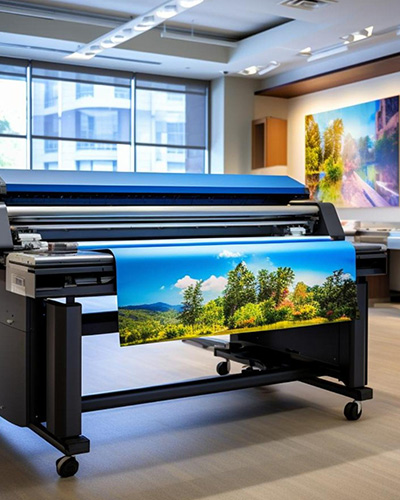
- Large Format Printing: Used predominantly for banners, posters, and displays. This technique employs wide-format digital printers capable of reproducing high-resolution images across expansive surfaces with vivid colour accuracy.

Applications of Full Colour Printing
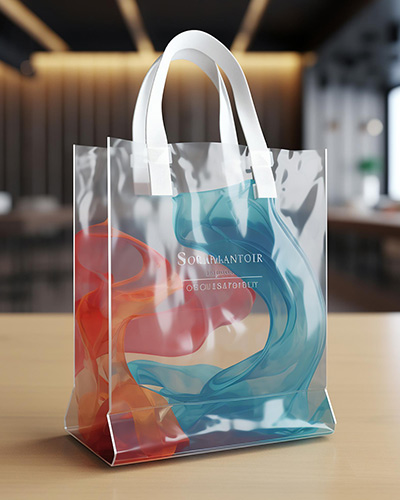
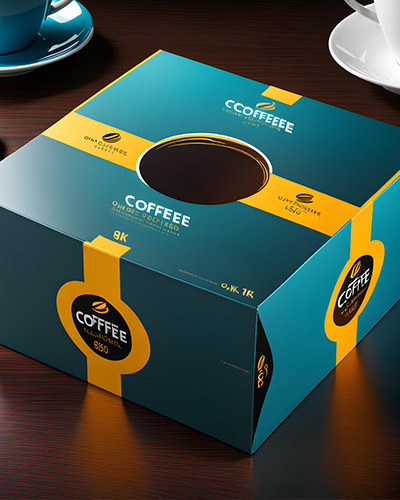
Full colour printing is integral to diverse applications across industries. Its ability to produce accurate and vibrant colours makes it indispensable for marketing materials, including brochures, flyers, and posters. It also plays a vital role in the creation of packaging designs that demand vivid visual appeal to attract consumers. Artistic projects, such as gallery prints and photographic reproductions, benefit from this process’s capacity to depict subtle colour gradations and complex images. Furthermore, retailers often utilize full colour printing to develop banners and point-of-sale displays that stand out in crowded environments.
Color Accuracy and Management
Achieving consistent colour reproduction requires meticulous colour management strategies. This involves using calibrated devices to monitor colours during both digital design and printing. Implementing standardised colour profiles ensures that colours appear uniformly across different prints and media. Regular validation of equipment, along with controlled ink formulations and substrate handling, minimises colour variation and preserves the integrity of the original design. This precision is crucial, especially in brand-sensitive applications where exact colour matching enhances recognition and brand consistency.
Materials and Substrates for Full Colour Printing
The range of materials suitable for full colour printing is extensive. Common substrates include various types of paper, such as gloss, matte, and silk finishes. Specialty materials like rigid plastics, vinyl, fabric, and even metal surfaces are also compatible for customized projects. Each substrate interacts differently with inks due to its absorption, texture, and surface tension properties. Selecting the right material is vital to ensure optimal ink adhesion, colour vibrancy, and durability of the final product. For instance, coated papers tend to produce more vibrant colours, while uncoated options may offer a more tactile feel and a softer appearance.
Cost Factors and Considerations
Pricing for full colour printing depends on several factors. The complexity of the design, the choice of materials, and the volume of copies all influence the overall cost. Large runs benefit from economies of scale, reducing the per-unit expense, whereas intricate designs or specialty substrates may incur additional setup or material costs. Understanding these variables helps clients make informed decisions to balance quality and budget constraints effectively. Furthermore, potential additional costs such as finishing, coating, or binding should be factored into the project budget to ensure complete cost transparency.
Advantages of Full Colour Printing
This printing method offers unmatched visual impact, allowing detailed and colourful images to resonate with audiences. Its ability to reproduce intricate gradients and subtleties makes it suitable for high-end branding and artistic reproductions. The flexibility across various substrates and formats broadens its application scope. Furthermore, advancements in printing technology continue to improve speed, colour accuracy, and environmental sustainability, reinforcing full colour printing’s position as a versatile and high-quality solution for diverse visual communication needs.
Tips for Choosing a Printing Service
Selecting a reliable printing partner involves considering their equipment capabilities, experience, and portfolio. Seek out providers with proven expertise in full colour printing and a comprehensive range of services. Reviewing samples of their previous work can offer insights into the quality standards and colour fidelity they deliver. Clear communication about project specifications, timeline, and budget is essential to ensure expectations align. Additionally, inquire about their colour management processes, substrate options, and finishing services to fully understand how they can meet your specific requirements.
Materials and Substrates for Full Colour Printing
Successfully executing full colour printing projects hinges on selecting the appropriate materials and substrates. The choice of material impacts not only the visual quality but also the durability, texture, and overall presentation of the final product. Commonly used substrates for full colour printing include various types of paper (such as gloss, matte, and satin finishes), cardstock, vinyl, fabric, and plastics. Each substrate offers unique properties that can enhance different aspects of the print, like vibrancy, longevity, and tactile feel.
For high-impact marketing materials, glossy and semi-glossy papers are preferred due to their ability to amplify colours and produce sharp, vivid images. Satin finishes provide a balance between sheen and subdued tone, suitable for sophisticated branding. Matte papers, on the other hand, deliver a muted, elegant appearance with reduced glare, ideal for text-heavy documents or artistic reproductions. Vinyl and plastic materials are often employed for outdoor signage and banners due to their weather resistance, ensuring the colours remain vibrant over extended periods. Fabrics, used in promotional apparel or textured displays, require specialized printing techniques to maintain colour fidelity and durability.
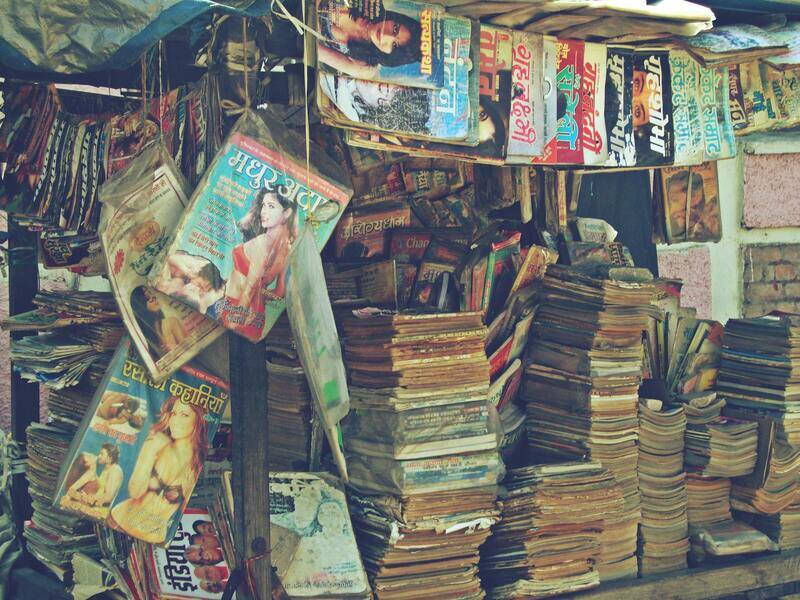
When selecting substrates, it is essential to consider the compatibility with the chosen printing method, whether it’s offset, digital, or inkjet. Each method interacts differently with various surfaces, influencing colour richness and texture reproduction. Surface treatments like coatings, laminations, or aqueous coatings further enhance print quality, offering protection against fading, scratching, or moisture, thereby extending the lifespan of the printed material. It is advisable to work closely with printing service providers who can recommend the most suitable materials for specific applications, ensuring the final product meets aesthetic and functional expectations.
Color Accuracy and Management
Achieving precise and consistent colours in full colour printing hinges on meticulous color management practices. Central to this process is the use of high-quality color calibration tools that ensure printers, monitors, and other devices involved in the workflow are synchronized. Calibration involves adjusting device settings to match a standardized colour space, thereby minimizing discrepancies between digital design files and the printed output.
Color matching involves selecting appropriate colour profiles—such as CMYK and RGB profiles—to accurately reproduce colours across different mediums. When preparing files for printing, designers should utilize colour management software that incorporates these profiles, helping to predict and control how colours will manifest on various substrates.
Vibrant, uniform results are also dependent on proper proofing techniques. Digital proofs or hard proofs serve as reference points, allowing designers and clients to evaluate colour fidelity before committing to large print runs. This stage helps identify any deviations from expected colours, enabling adjustments that ensure the final product aligns with branding colours or artistic vision.

Furthermore, maintaining consistent ink formulations and carefully controlling printing conditions—such as lighting, temperature, and humidity—are critical to preserving colour integrity throughout the printing process. Working with experienced print service providers equipped with advanced colour management systems guarantees high-quality, colour-accurate results that meet professional standards.
Understanding Full Colour Printing
Full colour printing, often referred to as four-colour process printing, involves reproducing a wide range of colours through the combination of cyan, magenta, yellow, and black inks. This method enables vibrant, highly detailed images and graphics to be printed across various media. Unlike monochrome or two-color printing, full colour printing captures subtle gradations and complex images with precision, making it ideal for marketing materials, branding collateral, and artistic displays.
Common Techniques for Full Colour Printing
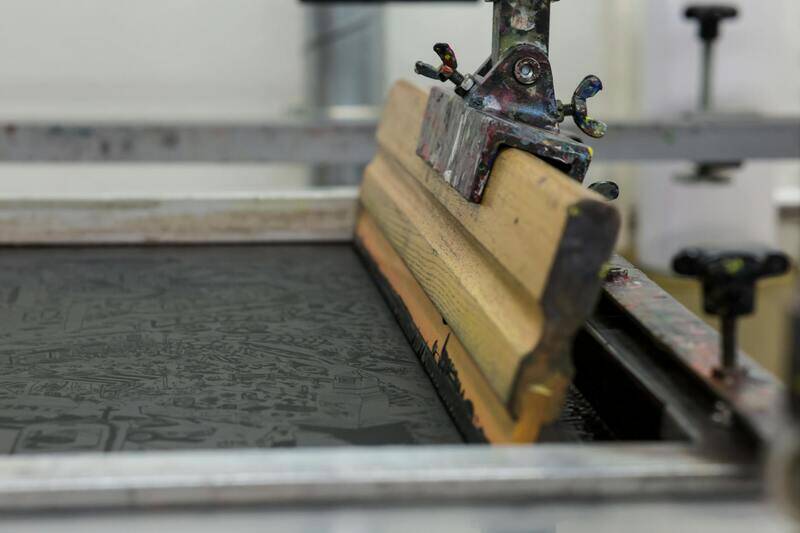
Multiple printing techniques facilitate the creation of full colour images, each suited to different types of projects and substrates. The most prevalent methods include:
- Offset Printing: Utilizes plates and allows for high-volume, crisp, colour-rich outputs, making it optimal for large runs such as magazines, brochures, and packaging.
- Digital Printing: Employs digital files to produce full colour prints quickly and cost-effectively. Suitable for short runs, personalized products, or on-demand printing.
- UV Printing: Uses ultraviolet light to cure inks instantly, enabling direct printing on a variety of unconventional surfaces like acrylics, metals, and plastics with vibrant colours and durability.
- Flexography and Lithography: Commonly used in packaging and label printing, these techniques support consistent and vibrant full colour reproduction on flexible materials.
Each technique offers distinct advantages concerning colour accuracy, speed, and material compatibility. Selecting the appropriate method depends on your project’s scope, substrate, and budget considerations.

Applications of Full Colour Printing
Full colour printing finds its utility across diverse sectors and purposes:
- Marketing Materials: Brochures, flyers, posters, and banners benefit from rich, eye-catching visuals that enhance brand recognition.
- Packaging: Vibrant and detailed printing on product packaging helps products stand out on shelves and communicate brand identity effectively.
- Corporate Stationery: Business cards, letterheads, and presentation folders exhibit professional appearance through precise colour reproduction.
- Art Reproductions: High-quality prints of artwork, photographs, and limited-edition prints rely on full colour processes to maintain fidelity and tonal range.
- Textile Printing: Garments, banners, and fabric items are increasingly produced using full colour digital or sublimation printing methods to achieve vibrant designs.
These applications demonstrate how versatile and vital full colour printing has become in creating compelling visual communications across industries.

Understanding Full Colour Printing
Full colour printing is a comprehensive printing process that produces images with a wide range of colours, from subtle shades to vibrant hues. It involves reproducing photographic images, intricate designs, and detailed graphics with exceptional colour fidelity and tonal gradation. This method is essential in industries where visual accuracy and impact are critical, such as marketing, packaging, and art reproduction. The ability to render colours precisely and consistently ensures that the final product aligns with the intended design, brand colours, and visual standards. Advanced colour management systems are used to calibrate printers and monitor colour consistency across different print runs, making full colour printing a reliable choice for producing branding materials and promotional products. Whether dealing with small-scale personal projects or large commercial batches, full colour printing offers versatility and high-quality output that meet the demanding expectations of modern visual communication.
Common Techniques for Full Colour Printing
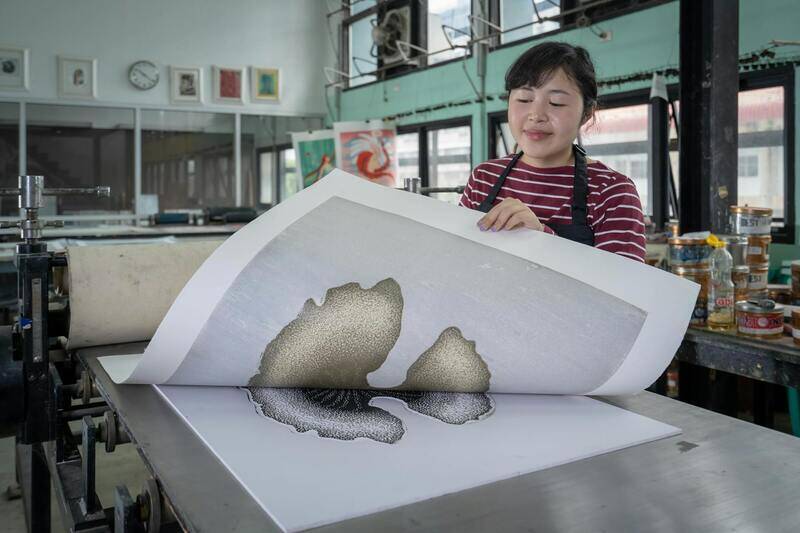
Several printing techniques facilitate the achievement of rich, consistent colours in full colour printing. Each method offers specific advantages in terms of quality, speed, substrate compatibility, and cost-efficiency. Recognizing these techniques allows for optimal selection tailored to project requirements.
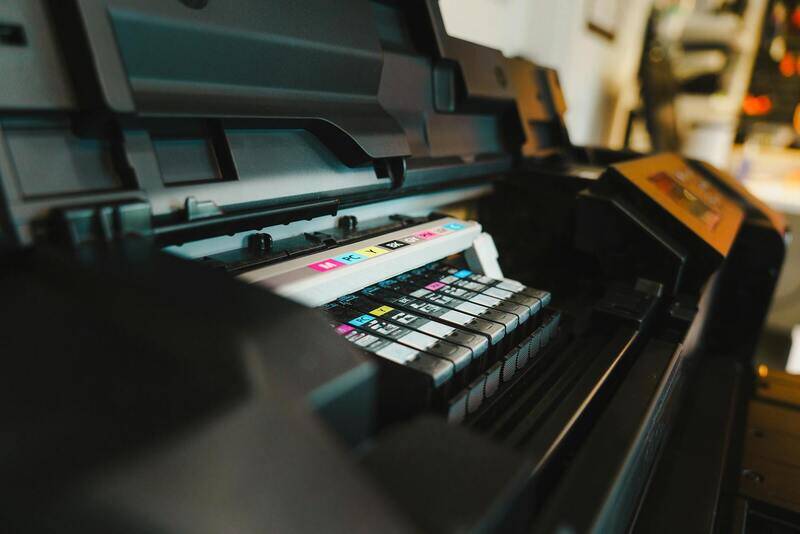
- Offset Printing: Known for its high quality and cost-effectiveness in large-volume runs, offset printing utilises plates and lithographic processes to transfer ink onto substrates. This technique delivers sharp images and vibrant colours, making it ideal for marketing materials like brochures, catalogs, and business stationery.
- Digital Printing: Suitable for short runs and quick turnaround times, digital printing mimics traditional print but uses digital files directly to produce prints. It supports variable data printing, allowing customization for each piece, which is beneficial for personalized marketing campaigns and small batch prints with full colour richness.
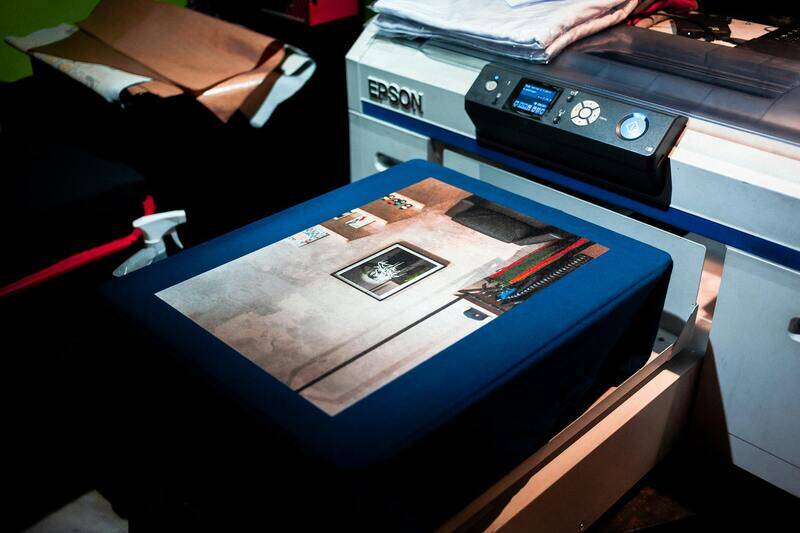
- Sublimation Printing: Primarily used for textiles and hard surfaces, sublimation involves turning dye into gas and embedding it into the material. This technique is excellent for producing vibrant, durable designs on fabrics, promotional items, and promotional apparel.
- UV Printing: Utilizing ultraviolet light to cure inks instantly, UV printing provides vibrant colours and adhesion on non-porous surfaces such as plastics, glass, and metals. Its fast processing and high durability make it well-suited for signage, promotional products, and specialised packaging.
- Flexography: Often used for packaging, flexible materials, and labels, flexography employs flexible relief plates and fast-drying inks. It is efficient for large runs, providing consistent colour quality on various substrates.
Applications of Full Colour Printing
Full colour printing's versatility caters to multiple industry sectors, emphasizing its critical role in diverse visual communication channels:
- Marketing Materials: Full colour printing brings brochures, flyers, posters, and banners to life with eye-catching visuals that reinforce branding and marketing messages. The vibrant colours attract attention and enhance brand recognition.
- Packaging: High-quality, detailed printing on product packaging — including boxes, labels, and wraps — helps products stand out on shelves. Precise colour matching ensures brand colours are accurately represented, leaving a lasting impression on consumers.
- Corporate Stationery: Business cards, letterheads, and presentation folders benefit from colour consistency and clarity, projecting a professional image and reinforcing brand identity through well-reproduced colour schemes.
- Art Reproductions: High-fidelity prints of artwork and photographs depend on full colour processes to maintain tonal range and detail, allowing artists and galleries to showcase artworks authentically.
- Textile Printing: Garments, banners, and fabric decor are increasingly produced with digital and sublimation full colour printing, enabling vibrant, personalized designs that are durable and visually appealing.

Understanding Full Colour Printing
Full colour printing, also known as CMYK (Cyan, Magenta, Yellow, Key/Black) printing, is a process that produces high-quality, vibrant images by combining various colour layers. This method enables the reproduction of complex images with smooth gradations, subtle tones, and accurate colour matching. It is essential for projects where colour fidelity and visual impact are paramount, such as marketing materials, packaging, and artistic reproductions. The ability to produce consistent colour results across multiple copies makes full colour printing an invaluable tool for businesses aiming to strengthen their visual identity and communicate effectively through vibrant imagery.
Common Techniques for Full Colour Printing
Several printing techniques are leveraged for achieving full colour results, each suited to specific types of projects and materials:
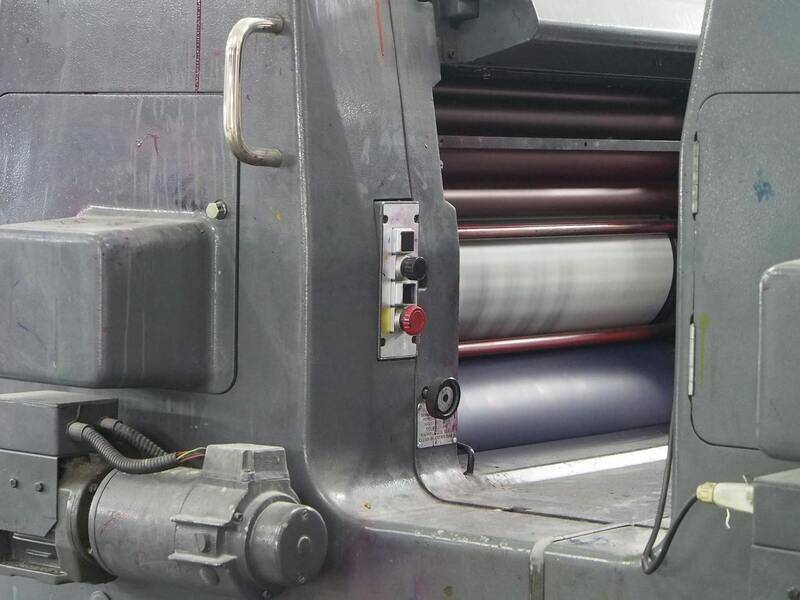
- Offset Lithography: This traditional method employs metal plates and ink to transfer images onto substrates, ideal for large runs of commercial printing, offering exceptional colour accuracy and sharpness.
- Digital Printing: Perfect for short runs and customized jobs, digital printing directly transfers digital images onto substrates, allowing for quick turnaround and variable data printing.
- Sublimation Printing: Used primarily for textiles and promotional items, sublimation involves transferring dye-based inks onto materials like fabric, resulting in durable and vibrant colours.
- UV Printing: Employing ultraviolet light to cure inks instantly, UV printing can produce vivid and detailed full colour images on a wide range of surfaces, including plastics, glass, and metal.
- Flexography and Screen Printing: Particularly useful for packaging and textiles, these methods provide high quality full colour results with different substrate compatibilities.
Applications of Full Colour Printing
Full colour printing's capability to produce striking visuals makes it suitable for numerous industries and purposes:
- Marketing Collateral: Brochures, flyers, posters, and banners utilize vibrant colours to capture attention and convey brand messaging effectively.
- Product Packaging: High-fidelity printing on boxes, labels, and wrappers helps products stand out and accurately reflect brand colours.
- Corporate Stationery: Business cards, letterheads, and presentation materials benefit from consistent, eye-catching colour schemes that reinforce branding.
- Art and Photography Reproductions: Reproducing artworks and photographic prints with fidelity to original colours ensures authentic presentation.
- Textile and Fabric Printing: Apparel, banners, and decor items gain an extra visual appeal through digitally or sublimation-printed full colour designs.

Color Accuracy and Management
Achieving consistent colour reproduction requires meticulous management of colour profiles and calibration throughout the printing process. Colour management systems (CMS) help control how colours are represented across devices, ensuring that the colours seen on the screen match the printed output. For critical projects where exact colour matching is required—such as branded packaging or art reproductions—proofing procedures like colour proofs and calibration tests are essential steps. Advanced software and specialised hardware enable printers to maintain tight colour tolerances, minimizing deviations and ensuring that each project retains its intended visual impact.

Materials and Substrates for Full Colour Printing
The choice of materials significantly influences the outcome of a full colour printing project. They can range from paper and cardboard to plastics, fabrics, and metals. Each substrate reacts differently to the printing process, requiring specific inks and techniques:
- Paper and Cardboard: Standard and coated papers are most common, offering smooth surfaces for detailed images and vibrant colour reproduction.
- Vinyl and Polyester Films: Suitable for banners, signage, and outdoor displays due to their durability and resistance to environmental factors.
- Textiles: Fabrics used in apparel, upholstery, and decorative items often benefit from sublimation or digital textile printing, which provide vibrant and long-lasting colours.
- Plastic and Metal Surfaces: UV printing and other advanced inkjet techniques allow full colour images to be applied directly onto these substrates, ideal for signage, decorative panels, or promotional items.
Cost Factors and Considerations
While the advantages of full colour printing are clear, it is important to understand the variables that influence overall costs. The complexity of the design, the quantity of prints, and the choice of substrate all impact pricing. Large-format prints or projects requiring high-resolution details may demand more advanced equipment and materials, leading to increased costs. Budgeting should also include considerations for proofing, colour calibration, and finishing services such as lamination, coating, or cutting. Selecting a reputable service provider with experience in full colour printing ensures that projects meet quality standards while remaining within budget constraints.
Benefits of Full Colour Printing
Implementing full colour printing technologies offers an array of benefits that extend across various industries and applications. One of the primary advantages is the ability to reproduce detailed, vibrant images with a high degree of accuracy, ensuring that branding, marketing materials, or decorative elements stand out with their vivid colours and sharp details. This capability enhances visual appeal, capturing attention quickly and effectively communicating messages to targeted audiences.
Full colour printing also enables seamless color blending and gradation, allowing for realistic imagery and complex designs that cannot be achieved with limited colour palettes. This versatility opens opportunities for customisation, enabling businesses to produce bespoke prints tailored to specific campaigns or customer preferences with consistency and precision.
Moreover, advancements in full colour printing technology significantly reduce turnaround times compared to traditional methods. Digital workflows streamline the production process, from file preparation to final output, making it possible to meet tight deadlines without compromising quality. The integration of digital files ensures that updates or modifications can be incorporated swiftly, facilitating flexible production schedules that align with dynamic marketing or branding strategies.
Cost efficiency is another notable benefit, especially at higher volumes. Digital full colour printing minimizes waste by enabling on-demand production and variables that enable customised, short-run jobs without the need for costly setup procedures typical of traditional printing methods. This flexibility not only reduces excess inventory but also allows for incremental updates and regional adaptations, ensuring relevant messaging without significant additional investment.
Durability and longevity of prints are also improved with modern full colour printing techniques. Using resistant inks and protective coatings, printed materials can withstand environmental elements such as sunlight, moisture, and abrasion, making them suitable for outdoor signage, vehicle wraps, and promotional merchandise. These qualities ensure that print assets retain their visual impact over time, providing ongoing value and a professional appearance.
In addition, full colour printing supports sustainable practices by enabling the use of eco-friendly inks and substrates. Many service providers now offer environmentally conscious options, facilitating greener projects aligned with corporate social responsibility goals. This commitment to sustainability can enhance brand reputation and appeal to environmentally-aware consumers.

Ultimately, embracing full colour printing provides businesses and artists with a comprehensive toolkit for producing visually compelling, impactful, and adaptable printed materials. Whether for branding, marketing, packaging, or decorative purposes, the ability to render images with rich colours and fine details opens a multitude of possibilities for conveying messages effectively and engaging audiences at every touchpoint.