Overview of Color Printing Services
Color printing services play a vital role in the modern graphic communication landscape, providing high-quality visual reproduction across various industries. These services encompass a broad array of printing techniques that allow businesses, artists, and organizations to produce vibrant, eye-catching materials that effectively convey their messages. The common applications include marketing collateral such as brochures, posters, and flyers, as well as packaging, labels, and promotional merchandise. In addition to commercial uses, color printing also supports artistic projects, educational materials, and personal events like invitations and photo books.
Essential to a wide range of industries, color printing enables the creation of detailed and accurate color representations, ensuring that branding elements and visual designs are consistently rendered. This capacity to reproduce images with rich hues and clarity makes color printing an indispensable tool for businesses aiming to strengthen their brand identity. Whether for large-scale advertising campaigns or personalized print projects, professional color printing services offer precision, durability, and vibrant visuals that captivate audiences.
In Singapore, the demand for sophisticated color printing solutions has grown alongside the diversification of local businesses and creative industries. As a result, print service providers have developed advanced techniques and expanded their offerings to meet increasing expectations for quality and efficiency. From offset and digital printing to large-format options, the variety of available services ensures that clients can select the most suitable method tailored to their specific requirements.

The selection of color printing types and methods depends on factors such as project scope, budget, and desired print quality. Regardless of the application, utilizing professional color printing services guarantees consistent results, high-resolution output, and vibrant color accuracy, essential for making a lasting impression in competitive markets.
Materials and Substrates Used in Color Printing
Selecting the appropriate materials and substrates is crucial for achieving the desired visual quality and durability of printed products. Color printing services in Singapore utilize a broad spectrum of substrates, each tailored to specific applications and environmental conditions. Commonly used materials include high-quality papers, cardstock, vinyl, fabric, and specialty materials such as canvas and transparent films. The choice of substrate directly impacts color vibrancy, adhesion, and longevity of the print.
For applications requiring high-resolution images and sharp details, coated papers with glossy or matte finishes are popular due to their smooth surface, which enhances color contrast and clarity. Uncoated papers, on the other hand, are suitable for applications where a more natural or textured appearance is desired, such as in letterheads or eco-conscious branding materials.

Specialty substrates are also increasingly popular, particularly for large-format printing projects like banners and signage. These materials are designed to withstand outdoor conditions, UV exposure, and frequent handling without degrading. Films and transparent substrates are ideal for overlays, window graphics, and point-of-sale displays, providing versatility and a polished appearance.
When considering materials for color printing, it’s essential to evaluate their compatibility with specific printing techniques. For example, digital printing often requires moisture-absorbent paper for optimal ink adhesion, while offset printing benefits from high-quality coated stock to ensure color accuracy and sharpness. Additionally, eco-friendly materials are gaining traction within the industry, aligning with sustainability goals and consumer preferences for environmentally responsible printing options.
The choice of substrates also influences finishing options such as lamination, coating, and UV varnishing, which further enhance durability and visual appeal. Collaborating with experienced print service providers ensures the selection of the best materials to meet project specifications, budget constraints, and intended use, ultimately delivering vibrant, durable, and visually compelling printed outputs.
Overview of Color Printing Services
Color printing services have become an essential component for a broad spectrum of industries, ranging from marketing and retail to education and corporate communication. These services leverage advanced printing technologies to produce vivid, accurate, and high-quality visuals that capture attention and convey messages effectively. Whether for promotional materials, packaging, or interior decor, professional color printing ensures that branding elements such as logos, color schemes, and imagery are rendered precisely and consistently across multiple media.
With the increasing demand for customized and visually engaging outputs, many businesses opt for professional color printing solutions that can handle large volumes while maintaining high standards of color fidelity and detail. This ensures that printed materials not only stand out but also reinforce brand identity and customer trust. Access to a diverse range of printing options, including digital, offset, and large-format printing, provides flexibility to meet various project requirements, timelines, and budgets.
Types of Color Printing Techniques
Multiple printing techniques are available today, each offering unique advantages suited to specific project needs. Understanding these methods helps businesses select the most suitable solution for their requirements.
- Digital Printing: Ideal for short runs and rapid turnaround, digital printing offers excellent image quality with minimal setup costs. It allows for quick customization and is well-suited for projects like brochures, flyers, and posters.
- Offset Printing: Best suited for large-volume productions, offset printing delivers superior color accuracy and consistency. It employs plates to transfer ink onto substrates, producing sharp images and vibrant colors, making it ideal for catalogs, magazines, and packaging.
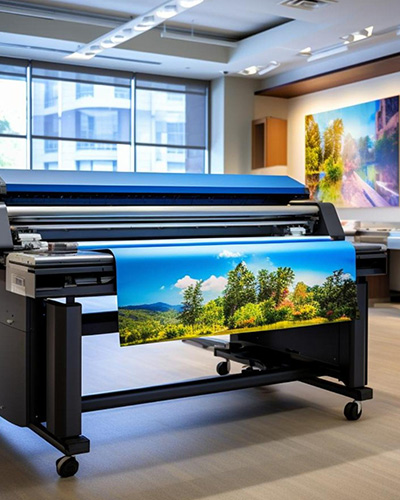
- Large-Format Printing: Designed for banners, signage, and displays, this technique supports high-resolution outputs on sizable media. It often utilizes eco-solvent or UV-curable inks, providing durability and weather resistance for outdoor applications.
- Flexography and Lithography: Commonly used in packaging and label printing, these methods offer high-speed production with consistent quality, suitable for flexible materials and cartons.
Materials and Substrates Used in Color Printing
The choice of substrate significantly impacts the final print quality and durability. It is crucial to select the appropriate material aligned with the intended application and environmental conditions.
Common substrates include:
- Paper: Ranges from matte to glossy coatings, suitable for brochures, business cards, and posters. Specialty papers like textured or recycled options are also available, aligning with sustainable practices.
- Vinyl: Widely used for banners, vehicle wraps, and outdoor signage due to its weather resistance and flexibility.
- Fabric: Ideal for flags, textile banners, and promotional apparel, offering a unique tactile appearance and vibrant colors.
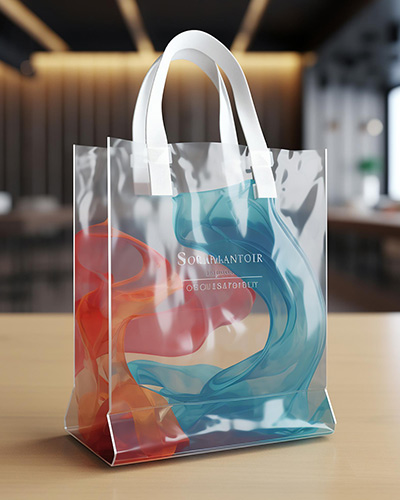
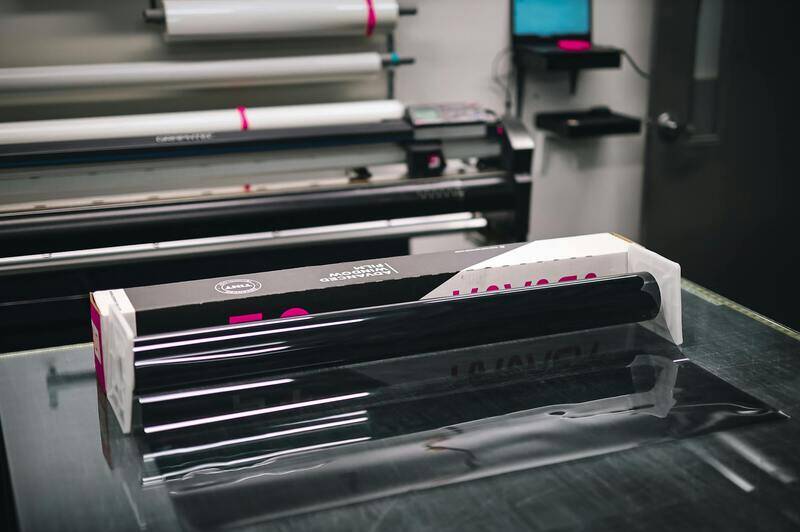
- Transparent and Specialty Films: Suitable for overlays, window graphics, and point-of-sale displays, providing a polished and professional appearance.
The substrate selection affects not only print quality but also finishing options such as lamination, coating, and UV varnishing, which enhance durability and aesthetic appeal. Collaborating with experienced print service providers ensures that materials are carefully chosen to suit specific project goals, environmental conditions, and budget considerations.
High-Quality Color Printing for Professional Presentation
Choosing the appropriate color printing service plays a pivotal role in achieving visually compelling and professional outcomes across a spectrum of projects. The process involves meticulous attention to detail, from color accuracy to material compatibility, ensuring that the final product effectively communicates your brand identity and message. Experts in color printing leverage advanced color management systems, such as calibrated color profiles and high-resolution outputs, to reproduce the intended hues with precision and consistency. This not only elevates visual appeal but also maintains brand uniformity across multiple prints, which is particularly essential for corporate marketing materials, packaging, and retail displays.
Color vibrancy and clarity are critical factors influenced by the quality of inks and printing techniques employed. Premium ink formulations ensure rich hues and sharp contrasts, while specialized printing methods can enhance depth and texture, making images more lifelike and engaging. The choice of finishes—such as gloss, matte, or satin—further accentuates the visual impact and protects the print from environmental damage, UV exposure, and wear over time.

Another advantage of professional color printing is the consistency it guarantees across all printed materials. Unlike casual or in-house printing options, which might produce varying results due to differences in equipment calibration or ink quality, professional services operate under strict quality controls. This results in uniform colors, crisp details, and sharp images that uphold the integrity of your branding efforts. Accurate color matching is especially crucial when reproducing photographs, artwork, or logo designs, where deviations can significantly diminish visual appeal.
Cost-effectiveness is also a benefit when engaging experienced providers. While initial expenses may seem higher than basic printing options, the superior results, reduced reprints, and minimized waste contribute to better budget management. Additionally, professional color printing services often include value-added options such as custom finishing, coating, and lamination, which further elevate the final product and extend its lifespan.
Workflow and Expertise in Color Printing
Incorporating color printing services into your production process involves collaboration with professionals who have extensive knowledge of print workflows. From pre-press preparations to file handling and proofing, each step is optimized to ensure accurate reproductions. Pre-press checks include color proofs for client approval, ensuring the final print aligns perfectly with your expectations. This meticulous approach is essential in avoiding errors and costly rework, making the process efficient and dependable.
Ensuring Compatibility with Your Project Requirements
Different applications demand specific considerations, such as substrate type, color gamut, and environmental durability. Professionals assess your project's needs—whether it’s a vibrant brochure, durable outdoor signage, or textile banners—and recommend suitable printing techniques and materials. They also advise on finishing options that enhance longevity and aesthetic appeal, like UV coating for outdoor resilience or matte lamination for a sophisticated look.
In summary, engaging reliable color printing services ensures your projects benefit from technical expertise, high-quality materials, and consistent results. It transforms your visual concepts into impactful, durable prints that effectively communicate your message and reinforce your brand identity.
Materials and Substrates Used in Color Printing
Choosing the appropriate materials and substrates is crucial to achieving optimal print quality and durability in color printing projects. The selection depends on the intended use, environmental exposure, and aesthetic requirements. Common substrates include coated and uncoated papers, which cater to different finishes such as gloss or matte, significantly influencing the final appearance of printed materials. For instance, glossy papers enhance vibrant color reproduction, making them ideal for marketing brochures and high-impact visuals. Conversely, matte finishes offer a sophisticated look suitable for documents requiring clarity without glare.
In addition to paper, other substrates like vinyl, polyester, canvas, and fabric are frequently used in specialized printing applications such as outdoor signage, banners, and textile printing. Vinyl and polyester are renowned for their resistance to weather conditions, UV exposure, and physical wear, ensuring longevity for outdoor displays. Canvas and fabric printers offer textured finishes that lend a premium feel to art reproductions, promotional items, and personalized gifts.
Advancements in printing technology have also introduced innovative substrates like transparent films, metal foils, and textured materials, expanding creative possibilities. Selecting the right substrate involves considering factors such as print compatibility, environmental impact, and overall project aesthetics. Professional color printing services typically provide guidance by assessing the project's specific needs, ensuring that the chosen materials complement the desired visual effect and functional durability.
Materials and Substrates Used in Color Printing
In the realm of color printing, the choice of materials and substrates plays a crucial role in determining the final quality, durability, and visual appeal of the printed product. Professional color printing services leverage a diverse selection of substrates tailored to specific project requirements, ranging from traditional paper to innovative materials suited for specialized applications. Understanding the properties and suitable uses of these substrates ensures that clients can make informed decisions that align with their desired outcomes and functional needs.

Common Substrates in Color Printing
- Standard Paper: The most widely used substrate, available in various finishes such as matte, gloss, and satin. Ideal for brochures, posters, and marketing materials, offering high-resolution color representation.
- Vinyl and Polyester: Durable, weather-resistant materials suited for outdoor signage, banners, and vehicle wraps. They resist UV exposure, water, and physical wear, maintaining color vibrancy over time.
- Canvas and Fabric: Textured surfaces that provide a premium look for art reproductions, sports banners, and personalized gifts. These materials can be stretched or framed, adding a tactile dimension to the visual appeal.
- Transparent Films and Clear Substrates: Used to create stickers, overlays, and unique visual effects, often for branding and decorative purposes. They enable complex layering and vibrant color displays.
- Metallic and Textured Materials: Incorporate metal foils or textured finishes to add sophistication and tactile interest, suitable for luxury packaging and art prints.
Specialized and Innovative Materials
Advancements in printing technology have expanded substrate options to include transparent films, textured media, and environmentally friendly materials like recycled substrates. These innovations support the creation of visually striking campaigns and sustainable branding strategies. Selecting the appropriate material requires a comprehensive assessment of factors such as environmental exposure, desired visual impact, and functional durability.
Professionals in color printing services evaluate project needs meticulously, recommending substrates that optimize color reproduction, ensure longevity, and meet aesthetic expectations. They also advise on post-printing processes like lamination, coating, or framing, which enhance the finished product's durability and appearance.
Factors Influencing Material Selection
- Intended Use: Whether for indoor displays, outdoor signage, or art reproduction, influences the choice of substrate.
- Environmental Conditions: Exposure to sunlight, moisture, or physical handling dictates resistance requirements.
- Visual and Textural Effects: Desired tactile quality or finish can impact substrate selection.
- Budget Constraints: Cost-effective options are balanced against durability and visual quality.
By understanding these factors, clients can work closely with printing specialists to select materials that combine aesthetic appeal with functional performance, culminating in a high-quality, impactful print product that aligns with strategic branding and communication goals.
Applications of Color Printing in Singapore
Color printing services play a crucial role in enhancing visual communication across diverse sectors in Singapore. Whether it's elevating a brand’s presence or personalizing event materials, the use of vibrant, accurately reproduced colors significantly impacts audience engagement and perception. Businesses leverage these services for impactful marketing campaigns, including eye-catching posters, brochures, and product packaging that demand high-quality color fidelity. The ability to produce consistent and vivid color outputs helps brands maintain a professional image and stand out in competitive markets.
Educational institutions utilize color printing for creating engaging learning materials, visual aids, and campus event signage, enriching the student experience and fostering a vibrant community environment. In the retail sector, retailers depend on compelling color-printed point-of-sale displays and banners to attract customers and promote seasonal campaigns. Event organizers often employ color-printed invitations, banners, and stage backdrops that reflect the event's theme and atmosphere, ensuring a memorable experience for attendees.
In the personal domain, individuals turn to color printing services for customizing photo albums, greeting cards, and personalized gifts. These printed products capture cherished memories with vivid colors and sharp details, adding a personal touch to celebrations and special occasions. Moreover, photographers and artists rely on these services to reproduce artwork and photography with exceptional color accuracy, meeting professional standards for galleries and exhibitions. The versatility of color printing demonstrates its capacity to meet the diverse needs of Singapore’s dynamic community, supporting both commercial ambitions and personal aspirations.

Impacts on Branding and Marketing Strategies
Color printing services play a vital role in shaping effective branding and marketing strategies. The ability to produce vibrant, eye-catching visuals enhances brand recognition and communicates professionalism. Businesses can leverage high-quality color prints for a variety of promotional materials such as brochures, catalogs, packaging, and promotional banners. Precise color matching ensures brand consistency across different print runs and media, reinforcing brand identity and credibility.

Furthermore, the flexibility of color printing allows companies to customize and tailor campaigns quickly and efficiently. Short-run printing options enable targeted marketing efforts, testing different color schemes and designs before committing to larger orders. This agility supports dynamic marketing campaigns that need to adapt rapidly to market trends or seasonal demands.
Ensuring Quality and Color Accuracy
To meet the demanding standards of professional color output, reputable color printing services utilize advanced printing technology and adhere to strict quality control processes. Calibration of printers and the use of standardized color profiles (such as Pantone or CMYK) are essential for achieving consistent and accurate colors across multiple print batches. Expert print technicians monitor color fidelity throughout production to ensure that the final output aligns precisely with the intended design and branding standards.

Clients seeking high-standard color printing should consider providers with proven expertise in color management and quality assurance. Reviewing samples of previous work, requesting proofing options, and verifying the use of reputable materials are critical steps in the selection process. Transparent communication regarding specifications and expectations helps prevent discrepancies and reprints, saving time and costs.
Environmental Sustainability in Color Printing
As environmental awareness increases, many color printing services in Singapore are adopting green practices. This includes utilizing eco-friendly inks, upgrading to energy-efficient equipment, and implementing waste reduction protocols. Water-based and soy-based inks, which emit fewer volatile organic compounds (VOCs), are becoming standard options in sustainable color printing.

Additionally, some providers offer recyclable or biodegradable printing substrates, further decreasing ecological footprints. Clients aiming to align their printed materials with sustainability goals should discuss eco-conscious options with their chosen service providers. Proper disposal and recycling of consumables also contribute to sustainable printing practices.
Regulations and Industry Standards
Compliance with industry standards and regulations is paramount in professional color printing. These guidelines ensure that printed outputs meet safety, quality, and environmental benchmarks.
- ISO standards related to color management and print quality
- Safety regulations concerning material handling and chemical usage
- Environmental regulations concerning waste disposal and emissions
Adhering to these standards not only enhances printing quality but also demonstrates corporate responsibility. Leading printers routinely invest in staff training and quality audits to uphold compliance and deliver reliable results.