Overview of Professional Printing Services
Professional printing services have become integral to a wide range of industries and personal projects. These services encompass the production of high-quality printed materials that meet specific standards of clarity, durability, and visual appeal. Whether for marketing campaigns, corporate branding, event signage, packaging, or personal souvenirs, professional printing providers utilize advanced equipment and techniques to produce consistent, sharp, and detailed outputs.
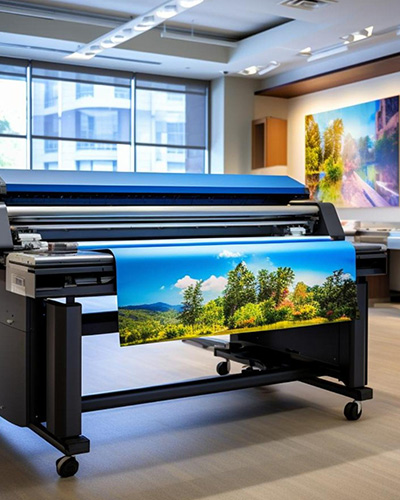
The scope of professional printing extends far beyond basic copying or document duplication. It includes large-format printing for banners and posters, offset printing for high-volume runs, digital printing for quick turnaround projects, and specialized finishes that elevate the perceived value of printed items. Experienced providers understand the nuances of color management, paper selection, and finishing techniques, ensuring each project aligns with the client’s vision and functional requirements.
Selecting a competent printing partner is crucial to achieving optimal results. Expertise in the field translates to better advice on material choices, printing techniques, and project timelines. It ensures that the final product meets industry standards and effectively communicates the intended message or branding. Professionals also handle the logistics of large-scale productions, coordinating between various stages such as pre-press, printing, and post-processing to deliver reliable outcomes within specified deadlines.
Types of Printing Offered
Professional printing services cater to diverse needs through a broad array of printing techniques, including offset, digital, large-format, and specialized methods like foil stamping or embossing. Each type is suited to different project scopes, material choices, and desired effects. Offset printing excels in high-volume runs requiring precise color matching, while digital printing offers flexibility for short runs and quick turnarounds. Large-format printing is ideal for banners, displays, and signage, providing impressive visual impact in public spaces. Understanding these options allows clients to select the most suitable solution for their specific application.
High-Quality Printing Technologies
Advanced printing technologies are fundamental to delivering crisp, vibrant images suited for professional circumstances. Modern offset presses utilize precise ink distribution mechanisms, ensuring color consistency across large batches. Digital presses leverage state-of-the-art toner and inkjet systems, enabling customization and rapid production cycles. Wide-format printers utilize high-resolution inkjet heads capable of reproducing intricate details on various substrates. The alignment of technology and material selection results in polished outputs that meet rigorous industry standards and client expectations.
Customization and Design Support
Professional printing firms often provide comprehensive design assistance, guiding clients through the intricacies of layout, color schemes, and material choice. This support ensures the final product aligns with brand guidelines or specific project themes. Customization options extend to unique finishes, embossing, die-cutting, and other decorative effects that enhance visual appeal and tactile experience. Collaboration with experienced designers and print specialists maximizes creative potential and ensures that the printed materials effectively attract and engage target audiences.
Material Selection and Finishing Options
Material choice significantly influences the durability and aesthetic of printed items. Options include different paper weights, textured surfaces, synthetic substrates, and environmentally friendly materials. Finishing touches such as lamination, UV coating, foil stamping, embossing, and die-cutting can significantly enhance the visual impact and tactile quality of printed materials. These choices are tailored to the purpose of the print item, whether it’s a promotional brochure, packaging, business card, or large banner.
Turnaround Time and Cost Considerations
Efficient delivery of printed materials depends on project scope, complexity, and workload capacity. While digital printing services often provide quicker turnaround times suitable for urgent needs, offset printing might require more preparation but offers cost advantages for larger quantities. Transparent pricing models and clear timelines are essential for effective project management, helping clients balance budget constraints with quality requirements. Professional printers typically offer flexible scheduling and expedited options to meet stringent deadlines.
Choosing the Right Printing Partner
Identifying a reliable printing provider involves evaluating technological capabilities, portfolio quality, client testimonials, and service scope. A competent partner demonstrates proficiency in handling diverse projects, adhering to deadlines, and maintaining consistent quality. Additionally, a transparent communication process and understanding of client objectives foster trust and ensure mutual satisfaction. It's prudent to review their experience in specific printing areas relevant to the project and inquire about their sustainability initiatives and material options.
Sustainable Practices in Printing
Environmental responsibility is increasingly vital within the printing industry. Leading service providers implement sustainable practices such as using FSC-certified papers, eco-friendly inks, and energy-efficient equipment. They also promote waste reduction through optimized production processes and recycling programs. These efforts contribute to reducing the environmental footprint of printed materials without compromising quality, aligning with global standards for responsible manufacturing.
Overview of Professional Printing Services
Professional printing services encompass a wide array of specialized solutions tailored to meet the diverse needs of businesses, organizations, and individual clients. These services are characterized by their ability to deliver high-resolution, precisely calibrated outputs that uphold brand standards and aesthetic quality. From small-scale print runs to large-format banners, professional printers utilize advanced machinery and industry-leading techniques to ensure each project meets exact specifications.
One of the key advantages of engaging with reputable printing providers is access to sophisticated technology such as digital presses, offset printing, and large-format printers. These tools enable the production of vibrant, durable prints with consistent color accuracy and sharp detail. Moreover, experienced technicians oversee every stage of the printing process to minimize errors, optimize color management, and guarantee uniformity across batches.
Pricing transparency and clear communication are integral aspects of professional printing services. Accurate quotes are typically determined based on material costs, print volume, complexity of design, and finishing requirements. Clients benefit from detailed timelines that help coordinate marketing campaigns, product launches, or event promotions efficiently. Additionally, reputable print service providers often offer expedited processing options for urgent projects, ensuring deadlines are met without compromising quality.

In practice, selecting the appropriate professional printing service involves evaluating their technological infrastructure, portfolio, and capacity to handle specific project scopes. A dedicated partner should demonstrate versatility in printing different formats and materials, uphold strict quality controls, and deliver consistent results. Establishing a transparent dialogue about project goals, expectations, and desired outcomes is crucial for a smooth partnership and a successful end product.
Key Characteristics of Reliable Printing Partners
- Advanced technological capabilities with recent machinery
- Extensive portfolio showcasing diverse projects
- Consistent quality control measures
- Transparent pricing and service terms
- Efficient project management systems
- Ability to adhere to strict deadlines
- Commitment to sustainable and eco-friendly practices

Professional printing services are not merely about producing printed materials; they also reflect the brand identity and influence customer perceptions. Precision, consistency, and innovation are instrumental in creating impactful visual communications. From choosing the right type of paper to selecting finishing techniques, partnering with a provider that offers comprehensive support throughout the process ensures a polished and professional appearance for all printed assets.
Overview of Professional Printing Services
Professional printing services play a critical role in transforming your designs into tangible, high-quality printed materials that effectively communicate your brand message. These services encompass a broad spectrum of printing solutions, leveraging advanced technology to produce precision outputs suitable for a variety of applications—from marketing collateral to custom packaging. Reliable providers operate with a keen understanding of print mechanics, material properties, and finishing techniques, ensuring each project meets specific quality standards and fulfills client expectations. Collaborating with experienced printers allows businesses to benefit from expert guidance in design optimization, material selection, and cost efficiency, facilitating a seamless process from conception to final product.
Types of Printing Offered
Professional printing services cater to a wide array of needs, employing different methods to best suit the project scope, volume, and desired finish. The primary types include:
- Digital Printing: Ideal for short runs and customized prints, digital printing offers quick turnaround times and cost-effective options without compromising quality. It is highly suitable for personalized marketing materials, small batch brochures, and event banners.
- Offset Printing: Favored for high-volume productions, offset printing delivers exceptional image quality and color accuracy. It is optimal for large-scale brochures, catalogs, and stationary materials where consistency is paramount.
- Large-Format Printing: Specialized in creating prominent visual displays, large-format printing is used for banners, trade show backdrops, murals, and point-of-sale displays. Its ability to produce vibrant, expansive prints makes it a popular choice for impactful advertising visuals.
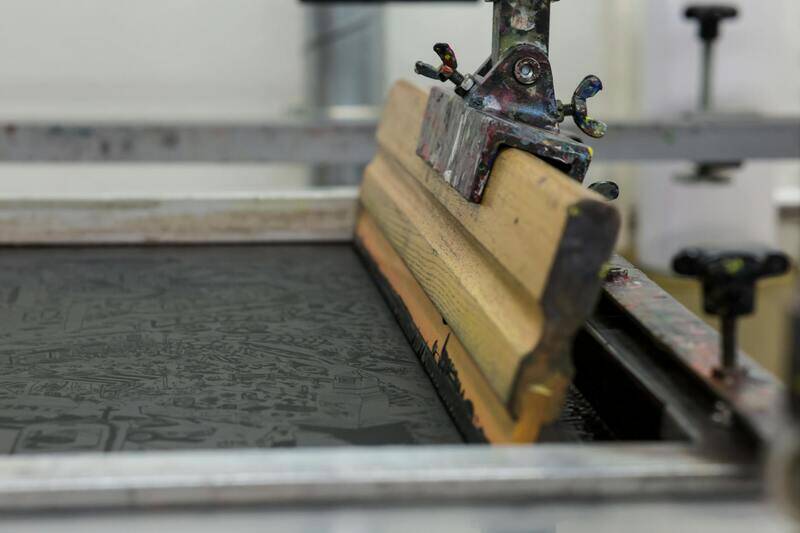
- Screen Printing and Flexography: These techniques are commonly used for specialty items like apparel, packaging, and labels, providing durability and vibrant colors tailored to specific material types.

Advantages of Modern Printing Technologies
Adopting the latest printing methods ensures enhanced precision, color fidelity, and production efficiency. Digital printing offers flexibility with quick setups and short runs, while offset presses maintain cost efficiency at scale, with the ability to reproduce complex color imagery consistently. Large-format printers enable high-resolution, vibrant displays that captivate audiences. The integration of sophisticated color management and advanced machinery ensures end products meet exact specifications, fostering brand consistency across all printed materials.
Material Selection and Finishing Options
Choosing the right materials for printing projects is a crucial step that affects both the durability and aesthetic appeal of the final product. Professional printing services in Singapore offer a comprehensive range of materials, each suitable for different applications and environments. For instance, standard paper stocks like gloss, matte, and silk are common choices for flyers, brochures, and business cards, providing options for sheen and texture that align with brand identity. Heavyweight cardstocks are ideal for premium business stationery and packaging, enhancing the perceived value of the printed piece.
Beyond paper, other materials such as vinyl, fabric, and specialty substrates enable printing on diverse surfaces, expanding creative possibilities. For outdoor signage, weather-resistant vinyl banners withstand environmental elements while maintaining image clarity. Fabric printing caters to textile-based marketing materials like flags and apparel, offering durability and vibrant color reproduction.
Finishing options further customize the final product, elevating its visual impact and lifespan. Common finishes include lamination (matte or gloss), which protects against scratches and enhances color vibrancy; UV coating, providing a high-gloss, durable surface that accentuates details; and matte finishes that lend a subdued, sophisticated look. Die-cutting, embossing, and foil stamping add tactile and visual enhancements, perfect for creating unique packaging or elegant business cards. Embellishments such as spot UV or textured coatings can draw attention to key design elements, ensuring your printed materials stand out effectively.

Turnaround Time and Cost Considerations
Understanding the balance between project deadlines and budget constraints is essential when selecting professional printing services. Most providers offer flexible turnaround options, ranging from express services for urgent needs to standard timelines suitable for larger or more detailed projects. Digital printing excels in quick turnarounds and short runs, making it ideal for prototypes, limited editions, or event materials that require rapid delivery. Offset printing, while involving a longer setup process, becomes cost-effective for large-volume orders, providing consistent quality across extensive runs.
Cost factors are influenced by several variables, including the choice of materials, finishing techniques, print volume, and complexity of the design. Higher-quality materials and intricate finishes like foil stamping or embossing naturally increase production costs but significantly enhance visual impact. Bulk orders typically benefit from volume discounts, lowering the unit cost and making large-scale campaigns more economical.
Accurate upfront quotes, considering all these factors, help brands plan their budgets effectively. Clear communication with the printing service provider about project specifications ensures transparency regarding costs and timelines, avoiding unexpected expenses or delays. Ultimately, selecting a provider that offers a comprehensive service package with reliable turnaround times and competitive pricing supports seamless project execution and optimal resource management.
Material Selection and Finishing Options
Choosing appropriate printing materials is crucial to achieving the desired aesthetic and durability for your printed products. Professionals typically offer an extensive range of paper types, including matte, gloss, satin, recycled, and specialty papers such as textured or metallic finishes. Each material choice impacts not only the visual appeal but also the tactile experience of your printed items, aligning with the brand identity or project goals.
Beyond paper selection, finishing techniques play a significant role in elevating your print projects. Laminations provide added protection and a sleek finish, making prints more resistant to wear and environmental damage. Embossing and debossing create tactile effects that add depth and sophistication, ideal for emphasizing logos or titles. Foil stamping introduces metallic accents, which can significantly enhance visual impact for luxury branding and premium marketing materials.

Additional embellishments such as die-cutting allows for intricate shapes and unique forms that stand out, especially for packaging, business cards, or promotional items. Spot UV coating can highlight specific areas with glossy accents, providing contrast against matte backgrounds. When selecting materials and finishes, it is essential to coordinate with the printing service provider, who can offer samples and expert advice to ensure the final product aligns with your creative vision and functional requirements.
Overview of Professional Printing Services
Professional printing services encompass a broad spectrum of printing solutions designed to meet diverse business needs, from promotional materials to corporate branding assets. These services are characterized by advanced equipment, experienced personnel, and a commitment to quality, ensuring that each printed piece reflects the intended message, brand identity, and aesthetic standards. When selecting a provider, clients benefit from access to a comprehensive range of printing options, high-definition output, and finishing techniques that elevate the final product.
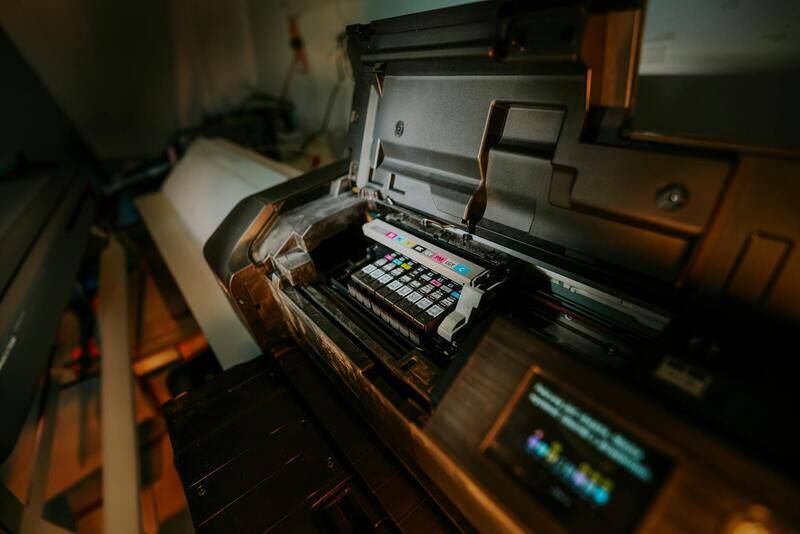
Choosing professional printing services involves more than just transferring digital files to print. It requires a detailed approach that considers the type of project, the desired material, the finish, and the overall presentation. Reputable providers offer consultations, sample checks, and project management support to align expectations and ensure the delivery of top-tier printed materials. This collaborative process helps clients achieve their visual goals efficiently and effectively.
Types of Printing Offered
Professional printing services come equipped with various methods tailored to different project specifications:
- Offset Printing: Ideal for high-volume runs, offset printing delivers sharp, consistent images with cost efficiency, especially suitable for brochures, catalogs, and multi-page documents.
- Digital Printing: Perfect for short runs and quick turnarounds, digital printing offers flexibility and customization, often used for business cards, flyers, and personalized materials.
- Large Format Printing: Designed for banners, posters, and signage, this method produces large-scale prints with high resolution, suitable for outdoor and indoor display purposes.
- Screen Printing: Commonly used for apparel and promotional items, screen printing provides vibrant colors and durability on various substrates.
- Specialty Printing: Includes techniques such as foil stamping, embossing, and textured printing to add tactile and visual enhancement to marketing collateral.
High-Quality Printing Technologies
Advancements in printing technology significantly impact the quality, speed, and versatility of the final product. Offset and digital printers now incorporate high-definition imaging and precise color calibration to ensure consistent, vibrant results. Large format printers utilize UV-curable inks, providing durability and vividness for outdoor advertisements. The latest innovations also include eco-friendly inks and processes, reducing environmental impact without sacrificing quality. Such technologies enable printers to produce detailed graphics, true-to-color reproductions, and seamless color blending, essential for branding consistency and professional presentation.

Customization and Design Support
Many professional printing services offer comprehensive design assistance, helping clients translate their concepts into print-ready files. This support encompasses layout optimization, color management, and file format recommendations to prevent errors and achieve the desired visual outcomes. Customization options extend beyond design, including variable data printing, which allows for personalized communication, and special finishes tailored to specific themes or branding needs. Clarity in communication and access to expert guidance streamline the production process and enhance the overall quality of the printed materials.
Material Selection and Finishing Options
The success of any print project depends heavily on selecting the appropriate materials and finishes. Commonly used substrates include various types of paper—matte, gloss, satin, recycled—as well as specialty options like textured, metallic, or transparent materials. Finishing techniques such as lamination, coating, embossing, and foil stamping add tactile and visual sophistication. For instance, matte laminates reduce glare, while UV coatings provide high durability and a glossy appearance. Die-cutting allows for intricate shapes, especially valuable in packaging and promotional items. Spot UV coatings can selectively highlight specific areas, creating contrast and visual interest. Collaborating with experienced printers can provide valuable samples and technical advice, ensuring the final outcome aligns with the project’s aesthetic and functional goals.
Overview of Professional Printing Services
Professional printing services encompass a comprehensive range of solutions tailored to meet diverse business and personal needs. These services are characterized by their capacity to deliver high-resolution, consistent, and visually compelling printed materials. Customers benefit from specialized expertise, state-of-the-art technology, and quality assurance processes that ensure precision and excellence. Whether producing marketing materials, corporate stationery, or custom packaging, a reputable printing provider employs rigorous standards and certified workflows to maintain integrity and reliability throughout the production process.
Types of Printing Offered
- Digital Printing: An efficient method suited for small to medium runs, offering quick turnaround times and cost-effective options for customized prints. Ideal for on-demand printing, variable data, and direct marketing campaigns.
- Offset Printing: A traditional method ideal for large volume orders, delivering exceptional quality and color consistency. Suitable for brochures, catalogs, and high-volume promotional materials.
- Wide-format Printing: Designed for large-scale applications such as banners, posters, displays, and signage. Provides vibrant colors and detail at large sizes.
- Specialty Printing: Includes methods like foil stamping, embossing, debossing, and die-cutting, allowing for additional tactile and visual enhancements that elevate the aesthetic appeal of printed items.
High-Quality Printing Technologies
Utilization of cutting-edge printing technologies is paramount to achieving exceptional results. Modern digital presses employ high-resolution inkjet and laser print heads, ensuring fine detail reproduction and vibrant color accuracy. Offset presses with precision color management systems facilitate consistent results across large batches. Wide-format printers incorporate advanced UV and latex inks, offering durability and vivid imagery on various substrates. Staying updated with technological advancements allows printing providers to meet evolving industry standards and customer expectations, delivering prints that are sharp, durable, and visually impactful.
Customization and Design Support
Many professional print services offer extensive customization options, enabling clients to tailor their materials precisely. From selecting specific sizes and folds to incorporating personalized data, the flexibility extends the creative potential of each project. Additionally, expert design support ensures that visual concepts are optimized for print, correcting layout issues, managing color profiles, and recommending suitable file formats to prevent errors. This collaborative approach helps translate ideas into polished, print-ready files that meet aesthetic and functional standards.

Material Selection and Finishing Options
The choice of materials and finishing techniques significantly influences the final appearance and durability of printed items. A broad spectrum of substrates, including matte, gloss, satin, textured, metallic, and transparent papers, enables tailored effects to match branding or thematic elements. Finishing processes such as lamination, coating, embossing, and foil stamping add tactile sophistication and visual intrigue. For example, matte lamination minimizes glare, UV coatings enhance gloss and protection, and embossing introduces raised textures. Die-cutting allows for complex shapes, especially in packaging, while spot UV coatings can selectively highlight logos or design features. Collaborating with experienced printers ensures optimal material choices and finishes aligned with project objectives.
Turnaround Time and Cost Considerations
Effective project planning requires understanding the balance between cost, quality, and delivery timelines. Digital printing offers fast turnaround times, suitable for urgent projects with smaller quantities. Offset printing, while requiring longer setup, becomes more economical for large runs, with delivery times influenced by the quantity and complexity of the job. Transparent cost estimation involves considering factors such as material selection, finishing options, and order volume. Clear communication with the printing provider facilitates realistic scheduling and budget management, ensuring clients receive high-quality outputs promptly and within budget constraints. Detailed quotes, including potential additional costs for specialty finishes or expedited services, assist clients in making informed decisions tailored to their practical needs.
Ensuring Compliance and Proper Use of Printed Materials
Adhering to proper procedures in utilizing printed materials is vital for maintaining professional standards and safeguarding the integrity of your branding efforts. When engaging with professional printing services, businesses should prioritize transparent and legitimate methods for obtaining printed outputs, ensuring that all processes align with industry best practices. These methods include working exclusively with certified printers who adhere to established standards of quality and ethical operation, as well as verifying that all materials and inks used are sourced from reputable suppliers with documented compliance to safety and environmental regulations.
It is essential to request detailed documentation and proof of certification from your printing partner. This could include certificates of conformity for inks and materials, quality assurance records, and records of sustainable practices if eco-friendly options are a priority. Such documentation not only affirms the legitimacy of the printing process but also provides assurance of consistency and safety in the final product, especially when printing on materials intended for sensitive environments or audience-specific applications.

Moreover, clear communication about project specifications and expectations from the outset helps prevent misunderstandings and ensures that the printing services comply with agreed standards. Businesses should establish a comprehensive contract or service agreement that details project scope, materials, finishing options, deadlines, and cost estimates. This formal documentation acts as a reference point throughout the production process, protecting all parties involved and promoting transparency.
Utilizing Proper Channels to Access Printing Resources
- Authorized Service Providers: Rely exclusively on providers with proven credentials and industry recognition to ensure that printing materials and processes meet reputable standards.
- Official Supplies: Purchase printing supplies such as inks, papers, and finishing materials from authorized distributors who can furnish legitimate sourcing documents and product certifications.
- Documentation and Record Keeping: Keep detailed records of purchase invoices, certificates, and correspondence related to materials and services received, providing traceability and accountability.
- Quality Assurance Testing: Insist on quality inspections and testing at various stages of the printing process to verify that materials and outputs align with official specifications.
Promoting Ethical and Sustainable Usage
Engaging with print service providers committed to ethical practices and sustainability enhances the credibility of your projects. This includes choosing printers who utilize environmentally friendly inks, recyclable materials, and energy-efficient processes. Such practices not only comply with established standards but also contribute positively to corporate social responsibility objectives.
Implementing responsible disposal procedures for excess or waste materials further ensures that printing activities do not harm the environment. When clients actively seek providers who prioritize eco-friendly options, it reinforces a commitment to sustainable growth and operational excellence.