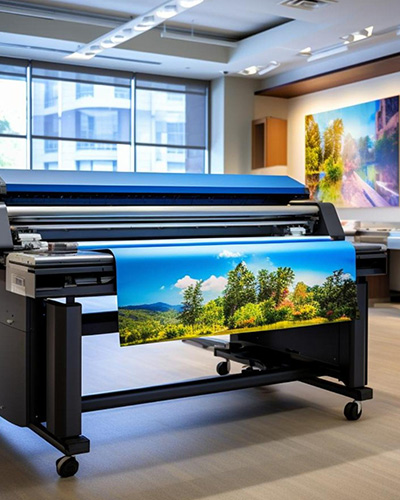
Understanding Fast Print in Singapore
Fast print services have become an integral component of Singapore’s dynamic printing industry. These services cater to clients requiring high-volume, top-quality prints delivered within tight deadlines, making them essential for diverse sectors such as marketing, corporate branding, event planning, and retail.
At its core, fast print refers to the ability to produce printed materials swiftly without compromising on quality. This requires specialized equipment, streamlined workflows, and expert knowledge to meet demanding timelines efficiently. In Singapore, a global business hub with a competitive market landscape, the demand for rapid turnaround times has catalyzed technological innovations and operational efficiencies in the printing sector.

Many businesses rely on fast print services for various applications, including marketing collateral, banners, flyers, business cards, and custom packaging. The importance of rapid printing extends beyond convenience; it influences marketing strategies, event planning, and last-minute project adjustments.
Fast print services in Singapore further enable companies to stay agile in a highly competitive environment, ensuring they can execute last-minute campaigns or urgent branding updates effectively. As a result, print companies are investing heavily in technological advancements and process improvements to maintain their competitive edge.
Key Factors Influencing Fast Print Turnaround
Several crucial elements impact the speed and efficiency of fast print services in Singapore. Understanding these factors helps businesses choose the right provider and optimize their printing projects.
- Technological Infrastructure: The availability of state-of-the-art printing equipment, such as digital presses and high-speed printers, directly influences turnaround time. Modern machines can produce high-quality prints at much faster rates compared to traditional methods.
- Workflow Management: Efficient operational processes, from design preparation to final output, reduce delays. Utilizing automated file handling, digital asset management, and real-time job tracking enhances speed.
- Material Availability: Ready stock of printing substrates, inks, and other consumables minimizes delays caused by procurement.
- Workforce Expertise: Skilled technicians and operators play a vital role in executing rapid print jobs flawlessly and efficiently.
- Order Volume and Complexity: Larger or more intricate jobs may require additional time, so clear communication and planning are essential to meet deadlines.
Types of Printing Technologies for Speed
Fast print services leverage various digital printing technologies designed for high productivity and quick turnaround times:
- Digital Printing: This technique is the backbone of rapid printing, offering high-quality output with minimal setup. Ideal for short runs and personalized jobs, digital printers significantly reduce printing time.
- Large-Format Printing: Used primarily for banners, posters, and signage, large-format printers deliver impressive size and speed, essential for event displays and promotional materials.
- UV Printing: Known for its fast curing process, UV printing allows for quick production of durable and vibrant prints on various substrates.
- Sheet-Fed and Web Offset: While traditionally used for bulk printing, advancements have made these technologies faster, suitable for high-volume orders requiring rapid turnaround.
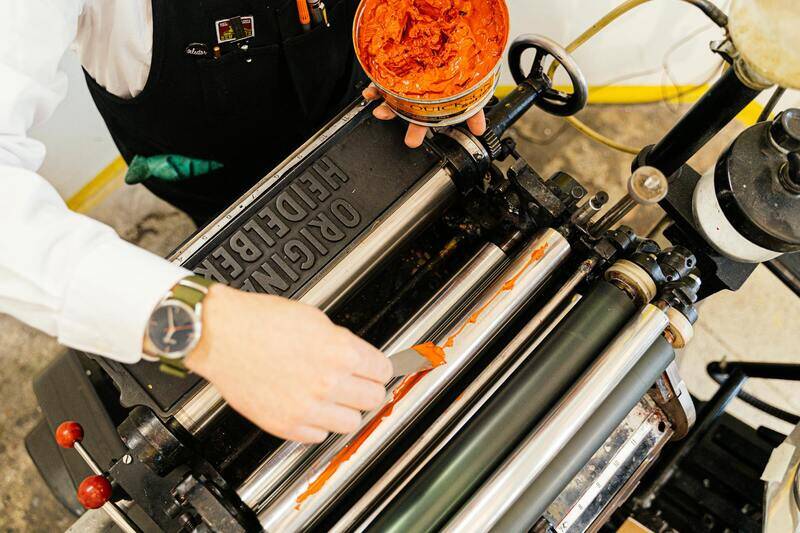
Workflow Optimization for Rapid Printing
Efficient workflow design is fundamental to achieving fast print turnarounds. Streamlining each stage of the printing process—from file preparation to final delivery—reduces bottlenecks and enhances overall productivity. Automated file management systems facilitate quick transfer, validation, and imposition of digital files, minimizing manual handling and potential delays. Implementing a centralized workflow that integrates digital asset management with prepress operations ensures consistency and reduces error margins.
Prepress automation tools like proofs and color management solutions accelerate approval processes, allowing for immediate adjustments without lengthy back-and-forths. Standard operating procedures (SOPs) tailored for quick setup, calibration, and material handling are vital. These SOPs should cover material loading, equipment adjusting, and quality checks, ensuring technicians can operate machines efficiently without unnecessary downtime.
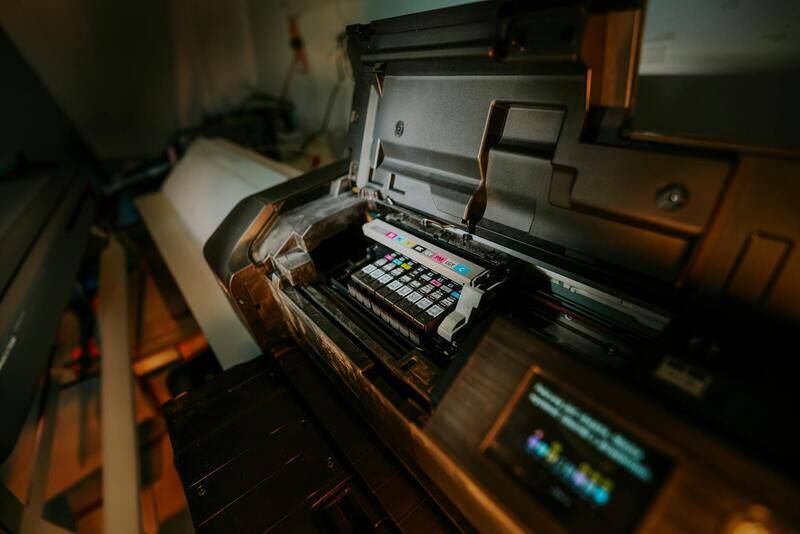
Additionally, maintaining equipment regularly ensures optimal performance and minimizes unexpected breakdowns that can hinder rapid delivery. Integrating real-time monitoring systems provides immediate alerts for maintenance needs, further reducing operational interruptions. Collaboration among teams—prepress, production, and finishing—is facilitated through integrated communication platforms, enabling prompt problem resolution and seamless job progression.
Material Selection and Its Effect on Speed
The choice of printing substrates and consumables directly influences the speed of production. Ready stock materials like standard papers, banners, and adhesive films significantly cut down procurement time, enabling immediate printing. Selecting materials compatible with rapid processing technologies, such as UV-resistant substrates, allows for quick curing and handling, expediting order completion.
Innovative materials designed for faster drying or curing—such as quick-drying inks and UV coatings—further streamline the workflow. Proper storage and inventory management of these materials ensure they are readily available when needed, preventing delays caused by stock shortages. Working with suppliers capable of rapid replenishment and delivery enhances the overall agility of the printing operation.
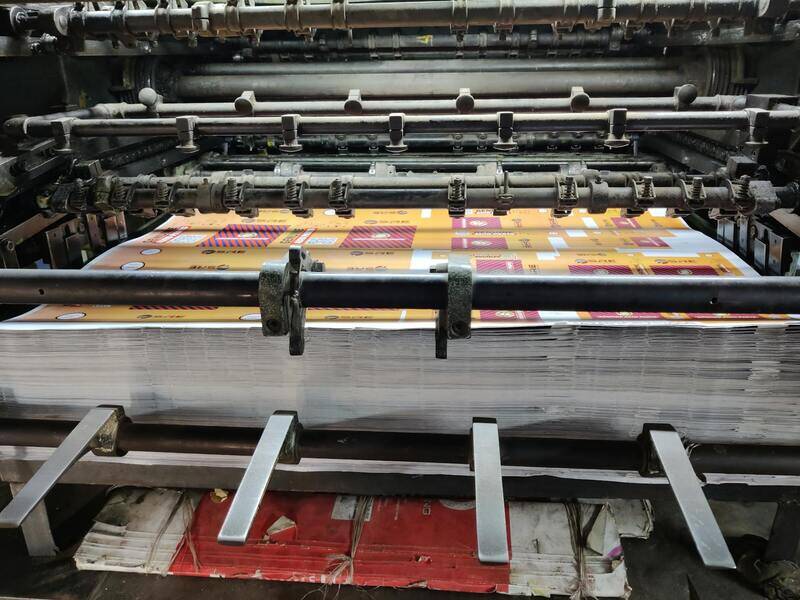
Quality Control in Fast Printing
Maintaining high quality standards during expedited printing processes requires meticulous quality control protocols. Real-time quality checks integrated into digital workflows allow technicians to identify and address issues immediately, avoiding reprints and delays. Automated inspection systems can evaluate color accuracy, registration, and print consistency, ensuring that high standards are met despite quick turnaround times.
Implementing standardized calibration procedures for printing and finishing equipment helps maintain uniformity across jobs. Continuous staff training on quality assurance practices ensures that even during peak production periods, all outputs meet specified requirements. This balance between speed and quality guarantees customer satisfaction and preserves the reputation of the print service provider.
Understanding Fast Print in Singapore
In Singapore's competitive printing landscape, fast print services have become essential for businesses requiring quick turnaround times without compromising quality. This approach involves optimized workflows, advanced technologies, and strategic planning to deliver printed materials promptly. The ability to produce print jobs swiftly benefits various sectors, including marketing, retail, hospitality, and corporate communications, where time-sensitive campaigns and projects are prevalent.

Key Factors Influencing Fast Print Turnaround
Several critical elements contribute to achieving rapid print services in Singapore, emphasizing the importance of process efficiency, technological integration, and strategic resource management. Below are the core factors:
- Advanced Printing Technologies: Adoption of digital and high-speed offset presses enables quicker job setup and production cycles. Digital presses, in particular, facilitate faster printing with reduced manual intervention, allowing for on-demand printing with minimal delays.
- Streamlined Workflow Processes: Implementing efficient workflows—such as digital file preparation, automated prepress operations, and quick job sequencing—reduces bottlenecks. Integration of workflow management software ensures real-time job tracking and resource allocation.
- Material Readiness and Inventory Management: Maintaining a well-organized inventory of printing substrates and consumables minimizes downtime. Just-in-time inventory systems ensure materials are available precisely when needed, avoiding delays due to shortages.
- Equipment Maintenance and Calibration: Regular maintenance and calibration of printing equipment guarantee optimal performance. Well-maintained machines operate at higher speeds with consistent quality, essential for rapid turnaround tasks.
- Skilled Workforce: Employees trained in quick setup procedures, quality assurance, and troubleshooting accelerate production timelines. Continuous staff training ensures proficiency with newer technologies and workflows.
Optimizing logistics and delivery services
Fast print services also depend on reliable logistics. Efficient distribution channels, strategic placement of print facilities, and partnerships with courier services enable swift delivery of finished goods. For local projects, same-day or next-day delivery options are standard, ensuring clients receive their prints without unnecessary waits.

Conclusion
Leveraging cutting-edge technology, precise workflow management, and strategic resource planning positions print service providers in Singapore to deliver fast print solutions efficiently. By continuously refining these elements and maintaining a focus on quality, businesses can meet tight deadlines and adapt swiftly to client demands, bolstering their reputation in a competitive market.
Understanding Fast Print in Singapore
Fast print services in Singapore are designed to meet the high demand for quick turnaround times without compromising quality. This approach caters to businesses, students, and individuals who require urgent printing solutions for various projects, ranging from marketing materials to academic submissions. Embracing rapid printing techniques involves sophisticated planning, technology, and workflow management to ensure that clients receive their finished products within tight deadlines.

Key to the effectiveness of fast print services is the integration of advanced printing technology, efficient workflow management, and strategic logistical coordination. These elements work synergistically to minimize delays and facilitate swift production while maintaining high standards. As the digital economy evolves, the demand for immediate print outputs continues to grow, prompting service providers to adopt innovative solutions to stay competitive in Singapore’s vibrant market.
Key Factors Influencing Fast Print Turnaround
Several elements impact the speed at which printing tasks are completed. These include technological infrastructure, operational efficiency, and resource management, all of which are optimized in leading print services to deliver rapid results.
- Advanced Printing Technologies: The use of high-speed digital printers capable of producing large volumes of prints at faster rates is fundamental. These machines reduce the time needed for each print run, especially for large-format and digital printing jobs.
- Streamlined Workflow Processes: Efficient order intake, prepress procedures, and automated finishing processes help cut down production time. Clear communication channels and digital management systems ensure that orders are processed swiftly from start to finish.
- Dedicated Production Personnel: Skilled staff proficient in setup and troubleshooting reduce downtime, allowing for continuous operations without unnecessary pauses.
- Material Readiness and Handling: Keeping printing materials such as papers, inks, and substrates well-stocked and properly stored minimizes delays caused by material shortages or preparation time.
- Precise Scheduling and Inventory Management: Effective planning ensures that resources are allocated optimally. Just-in-time inventory strategies prevent overstocking or understocking, facilitating quick project execution.
Types of Printing Technologies for Speed
Choosing the right technology is crucial for meeting rapid turnaround requirements. Different printing methods offer various advantages in speed and quality:
- Digital Printing: Ideal for small to medium print runs, digital printers enable quick setup with minimal manual intervention. They excel in short deadlines and customization needs.
- Large-Format Printing: Used for banners, posters, and signage, large-format printers are designed for fast output with high resolution, suitable for urgent promotional projects.
- Industrial Offset Printing: While traditionally slower, modern offset presses equipped with automation features can accommodate high-volume jobs efficiently, especially when combined with pre-press automation.
- Hybrid Systems: Combining digital and offset technologies to streamline different stages of printing, providing speed and quality for large, complex projects.

Understanding Fast Print in Singapore
Fast print services have become an integral component of Singapore’s competitive business landscape, catering to diverse industries that require quick turnaround times without compromising quality. The demand for rapid printing solutions stems from the need for timely marketing campaigns, event promotions, urgent document printing, and on-demand packaging. Fast print is characterized by streamlined processes, advanced technology, and efficient workflows that ensure projects move from submission to finished product within tight deadlines. Addressing this need, print service providers implement core strategies that optimize each phase of the printing cycle, ensuring that clients receive high-quality outputs swiftly.

Key Factors Influencing Fast Print Turnaround
Several critical elements impact the speed at which printing projects are completed. These include technological resources, workflow efficiencies, material readiness, and personnel expertise. An integrated approach to these factors ensures minimal delays and maximizes productivity in fast print operations.
- Technical Infrastructure: Advanced digital presses, large-format printers, and hybrid systems equipped with automation features significantly reduce setup and printing times, making them ideal for urgent orders.
- Workflow Streamlining: Efficient job management—from order intake to final output—includes pre-flighting digital files, automated press management, and synchronized scheduling to eliminate bottlenecks.
- Material Readiness and Handling: Maintaining well-stocked inventories of essential substrates, inks, and consumables minimizes delays caused by unavailability or improper storage.
- Personnel Training and Expertise: Skilled operators trained in quick-changeover techniques and troubleshooting ensure minimal downtime and consistent quality during high-volume or rush jobs.
Types of Printing Technologies for Speed
Choosing the appropriate printing technology plays a decisive role in meeting tight deadlines while maintaining production quality. Different methods offer varying advantages tailored to specific project requirements.
- Digital Printing: This method is highly favored for its rapid setup and flexibility. Digital presses can swiftly switch between designs, making them ideal for short runs, personalized prints, and urgent orders. The minimal preparation time streamlines the process, significantly reducing turnaround.
- Large-Format Printing: For promotional materials such as banners, posters, and signage, large-format printers deliver fast and high-resolution outputs. Their ability to process wide substrates quickly aids in meeting quick delivery schedules for large-scale displays.
- Industrial Offset Printing: While traditionally associated with high-volume production, modernized offset presses equipped with automation can deliver faster cycle times. Pre-press automation and quick setup features contribute to a more rapid throughput.
- Hybrid Systems: Combining digital and offset technology allows for versatile, efficient handling of complex projects that require multiple printing stages. These systems enable quick adjustments and seamless transitions, expediting project completion.

Workflow Optimization for Rapid Printing
Maximizing throughput in fast print scenarios requires a meticulous approach to workflow management. This encompasses automation of pre-press processes, strategic scheduling, and real-time communication among teams.
- Pre-Press Automation: Utilizing software that automates job setup, color management, and file preparation reduces human error and accelerates the process from file submission to printing.
- Effective Scheduling: Prioritizing jobs based on urgency, size, and complexity ensures resources are allocated efficiently. Dynamic scheduling systems allow for quick reallocation of tasks in response to last-minute demands.
- Material Inventory Management: Keeping track of inventory levels through computerized systems streamlines reorder processes and prevents delays caused by out-of-stock materials.
- Communication and Coordination: Maintaining open lines between clients, designers, and production teams ensures clarity on project requirements and deadlines, minimizing revisions and rework.
Emphasizing these elements ensures that every stage of the printing process is optimized for speed, thereby enabling print service providers to meet the high expectations of businesses requiring urgent printing solutions.
Understanding Fast Print in Singapore
Fast print services in Singapore have become an essential component of the business landscape, catering to the increasing demand for rapid turnaround times without compromising on quality. By leveraging advanced printing technologies, streamlined workflows, and strategic material management, print providers are able to deliver high-quality outputs within tight deadlines. This responsiveness is vital for industries such as marketing, event management, and corporate communications, where timely delivery can significantly impact success and reputation.

Understanding the core principles of fast print operations involves recognizing the importance of efficiency and precision. From initial job intake to final delivery, every stage must be optimized for speed while adhering to quality standards. This requires a combination of technological innovation, skilled personnel, and effective management strategies. As the printing industry continues to evolve, the capacity to deliver quickly is increasingly linked to the adoption of cutting-edge equipment and integrated processes.
Key Factors Influencing Fast Print Turnaround
Several key factors fundamentally influence the ability of printing services to meet urgent deadlines. These include:
- Advanced Equipment: High-speed digital and hybrid printing presses reduce production time significantly.
- Pre-press Automation: Software that automates file setup, color adjustments, and layout preparation minimizes delays.
- Material Availability: Efficient inventory management ensures that required materials are always in stock, preventing delays caused by shortages.
- Workflow Efficiency: Streamlined processes, including quick approval cycles and effective scheduling, enable faster throughput.
- Skilled Workforce: Experienced operators can troubleshoot issues swiftly and operate machinery at optimal speeds.
Types of Printing Technologies for Speed
Digital printing technologies dominate fast print operations due to their rapid setup times and ability to handle short runs efficiently. Key technologies include:
- Inkjet Printing: Suitable for large-format outputs and promotional materials requiring quick production and high-quality color reproduction.
- Laser Printing: Ideal for business documents, flyers, and labels where sharp text and fast throughput are priorities.
- Electrophotography: Combines digital precision with high speed, making it suitable for bulk printing with consistent quality.
While traditional offset printing offers cost advantages for large volumes, its longer setup time makes it less suitable for small, rush orders. Hybrid solutions that integrate digital and offset technologies provide the flexibility needed for diverse fast print requirements.

Workflow Optimization for Rapid Printing
Effective workflow management plays a crucial role in enabling fast print services. Key components include:
- Pre-Press Automation: Software tools that automate tasks such as file checking, color management, and layout adjustments help minimize manual errors and speed up preparation stages.
- Strategic Scheduling: Job prioritization and dynamic scheduling ensure high-priority tasks are completed promptly, optimizing resource allocation.
- Communication Protocols: Clear communication channels between clients, designers, and production teams help clarify requirements early, reducing revisions and rework.
- Material and Inventory Control: Digital tracking of stock levels enables prompt replenishment, avoiding delays caused by unavailable supplies.
- Automation and Robotics: Incorporating automation in finishing processes like cutting, folding, and binding speeds up final stages of production.
Material Selection and Its Effect on Speed
The choice of printing materials directly impacts turnaround times. Factors influencing speed include:
- Compatibility: Selecting materials that are compatible with high-speed printing equipment ensures smooth operation without jams or delays.
- Availability: Stocking commonly used materials prevents hold-ups due to sourcing issues.
- Drying and Handling Time: Materials with quicker drying times, such as UV-coated substrates, expedite processing and finishing stages.
- Material Flexibility: Some substrates require less preparation or complex handling, reducing overall production time.
Implementing an efficient material management system ensures that the right materials are available when required, maintaining a swift production flow and meeting tight deadlines with reliability.
Understanding Fast Print in Singapore
Fast print services have become an integral part of Singapore’s vibrant business landscape, catering to the increasing demand for rapid turnaround times without sacrificing quality. This approach addresses the needs of clients requiring urgent printouts for events, marketing campaigns, or last-minute business communications. The core of fast print excellence lies in leveraging advanced technology, streamlined workflows, and strategic planning to ensure that print jobs are completed efficiently and accurately within tight deadlines.
Core Aspects of Fast Print Operations
- Efficient Job Management: Prioritizing urgent jobs through sophisticated scheduling tools ensures high-priority tasks are processed promptly.
- Advanced Printing Technologies: Utilizing high-speed digital and offset presses designed for rapid output accelerates the production cycle.
- Robust Workflow Optimization: Implementing standardized procedures reduces bottlenecks and minimizes manual intervention, facilitating seamless operations.
- Material Readiness: Maintaining an organized inventory of compatible and commonly used substrates reduces delays caused by sourcing issues.
- Automated Finishing and Handling: Automation in cutting, binding, and folding speeds up the final stages, ensuring swift delivery.
Challenges Addressed by Fast Print
The primary challenge in rapid print services is balancing speed with quality. High-volume, quick-turnaround jobs require meticulous planning to avoid errors or inconsistencies. Addressing these challenges involves adopting technological solutions that enhance precision and reproducibility, alongside refined operational processes that eliminate redundancies. Strategic quality control measures, such as digital inspection systems and real-time monitoring, also play a crucial role in maintaining the integrity of fast-oriented production.

Choose the Right Printing Technologies for Speed
The spectrum of printing technologies available in Singapore caters specifically to different business needs, especially when speed is a priority:
- Digital Printing: Known for quick setup and fast turnaround, ideal for small to medium print runs requiring customization.
- High-Speed Offset Printing: Suitable for large-volume jobs with consistent quality and rapid production times.
- UV and Latex Printing: Useful for large banners, signs, and display materials that need to be produced quickly without extensive drying times.
- Hybrid Printing Systems: Combine various technologies to optimize speed and quality for complex projects.
Workflow Optimization Strategies for Rapid Printing
Efficient workflow management is fundamental to achieving quick print turnaround. Key strategies include:
- Pre-press Streamlining: Automated file checks and preflight processing prevent errors during the printing phase.
- Job Prioritization: Clear categorization of urgent jobs ensures they are routed immediately to the appropriate equipment.
- Resource Allocation: Dynamic scheduling of machines and staff adapts to job requirements, minimizing downtime.
- Real-time Tracking: Digital job tracking systems enable transparency and swift adjustments as needed.
- Automated Material Handling: Conveyors, robotic loaders, and unloaders keep the workflow continuous and efficient.
Material Selection and Its Impact on Speed
The choice of materials is a critical factor influencing print speed. Using substrates that are compatible with quick-drying inks and high-speed printers helps minimize processing times. Readily available, standard materials reduce lead times related to sourcing, while lightweight and flexible substrates often require less preparation. UV-coated or waterproof materials with faster curing times enhance the efficiency of finishing processes and expedite delivery schedules.

Quality Control in Fast Printing
Ensuring consistent quality in a rapid production environment involves integrating digital inspection systems and standardized procedures. Automated color management, real-time defect detection, and monitoring equipment help maintain high standards while avoiding delays caused by rework. Staff training on quality protocols combined with robust feedback loops ensures that fast print services can deliver reliable results without compromising on excellence.
Understanding Fast Print in Singapore
Fast print services have become an essential component of Singapore’s vibrant printing industry, driven by the need for rapid turnaround times in various sectors such as marketing, retail, and corporate communications. These services leverage advanced technologies, streamlined workflows, and strategic material choices to deliver high-quality prints within tight schedules. The ability to provide reliable, quick printing solutions ensures businesses can meet urgent deadlines, launch campaigns promptly, and adapt swiftly to market demands.

Key Factors Influencing Fast Print Turnaround
Several critical elements significantly impact the speed and efficiency of print jobs. These include workflow design, equipment capability, material selection, and quality assurance processes. When optimized, these factors work synergistically to minimize delays and ensure that printing projects are completed within stipulated timeframes without compromising quality.
Advanced Equipment and Technology
Modern digital printing presses, UV flatbeds, and high-speed wide-format printers form the backbone of rapid printing setups. These machines incorporate features like multi-nozzle printheads, faster curing systems, and automated paper handling, which collectively enhance throughput. Additionally, specialized software for prepress and job management automates tasks like file preparation, color correction, and scheduling, substantially reducing turnaround times.
Strategic Workflow Planning
Implementing precise workflow protocols—ranging from order intake, file validation, to production scheduling—helps streamline operations. Employing project management tools that provide real-time data on job progress allows for swift adjustments, ensuring that bottlenecks are quickly identified and mitigated.
Types of Printing Technologies for Speed
In Singapore, specific printing technologies excel in delivering fast results. These include:
- UV Printing: Enables instant curing, allowing immediate handling and finishing.
- Inkjet Digital Printing: Offers quick setup times and high-speed output for large-volume jobs.
- Laser Printing: Suitable for high-volume, small-format print jobs requiring rapid production.

Workflow Optimization for Rapid Printing
Efficiency begins well before pressing the start button. Proper prepress procedures, such as file preparation and color management, ensure that printing commences without delays. Automated systems for loading/unloading media, inline finishing, and post-processing can considerably reduce cycle times. Staff training on fast-paced workflows and adherence to standardized procedures also contribute to consistent, speedy output.
Automation and Digital Integration
Automation is pivotal in fast print services. Robotic arms and conveyor systems handle substrates seamlessly, while integrated software coordinates tasks across different stages. Digital job tracking provides transparency, enabling quick rectifications if issues arise. Such integration minimizes manual intervention and accelerates the entire process from design to delivery.
Material Selection and Its Effect on Speed
The choice of printing materials plays a critical role in achieving rapid turnaround. Materials compatible with quick-drying inks and fast-curing technologies reduce waiting times. Standardized substrates like single-sided posters, banners, and promotional flyers often require less preparation and handle with ease in high-speed printing environments. Additionally, lightweight, flexible materials simplify handling and finishing, further compressing delivery times.
Quality Control in Fast Printing
Maintaining high-quality standards amidst rapid production demands rigorous quality control measures. Digital inspection systems and automated color management tools help detect defects early in the process, reducing rework and ensuring consistency. Real-time feedback and staff training on quality protocols also support the delivery of reliable, precision prints within shortened timelines.
Case Studies of Fast Print Success in Singapore
Numerous print providers in Singapore have successfully implemented fast print solutions tailored to client needs. For example, a local marketing agency adopted automated workflow systems combined with high-speed UV printers, enabling the production of large-format banners within hours. The result was not only a significant reduction in turnaround time but also an enhancement in print quality and operational efficiency. By integrating digital file management and automated finishing, they could fulfill last-minute orders effortlessly, cementing their reputation for reliability and speed.